2027 Nurse Midwifery Degree Programs for Career Changers

Co-Founder and Chief Data Scientist
Transitioning into a nurse midwifery career can challenge many adult learners balancing work, family, and education. Many professionals seek programs that respect prior experience while offering streamlined pathways to certification. According to the American Association of Nurse Practitioners, over 45% of nurse midwifery students are career changers aged 30 or older, highlighting a growing trend of adult learners pursuing this field. This article explores nurse midwifery degree programs tailored for career changers, focusing on flexible schedules, accelerated options, and support services to help readers confidently navigate and complete their educational journey.
Key Things to Know About Nurse Midwifery Degree Programs for Career Changers
- Many nurse midwifery degree programs offer flexible scheduling with evening, weekend, or asynchronous online classes to accommodate working adults balancing jobs and family.
- Hybrid and fully online formats are increasingly common, allowing career changers to complete coursework remotely while gaining clinical experience nearby.
- Accelerated pacing and dedicated support services like career counseling help adult students transition efficiently, with employment in nurse midwifery projected to grow 26% by 2032 per BLS data.
What Nurse Midwifery Programs Accept Career Changers?
Programs designed for working adults or professionals shifting careers often suit those pursuing nurse midwifery degrees. Nearly 40% of graduate students nationwide are over 30, reflecting a strong trend of mid-career adults seeking advanced nurse midwifery degree programs for nontraditional students. These programs typically offer flexible prerequisites and practical coursework to ease the transition.
- Direct-Entry Master's Programs: Ideal for individuals without prior nursing experience, these programs combine core nursing education with midwifery training, helping career changers build essential clinical skills from the ground up.
- Accelerated BSN to MSN Programs: Designed for those with a non-nursing bachelor's degree, these fast-tracked options rapidly prepare students for nursing licensure and advanced midwifery practice, making efficient use of prior academic credits.
- Hybrid or Online Nurse Midwifery Programs: Providing flexibility through blended online and clinical components, these programs accommodate adults balancing work and family commitments while progressing toward certification.
- Post-Bachelor's Certificate Programs: Targeting learners who hold a bachelor's degree outside nursing, these certificates concentrate on nursing fundamentals and midwifery content, enabling students to gain necessary skills without repeating general education.
Career changers bring transferable skills that these pathways recognize and build upon, supporting confident transitions into nurse midwifery roles. For those exploring healthcare fields, pathways similar to those in a pharmacy degree program may provide valuable insights into structuring education that fits busy adult learners.
What Nurse Midwifery Specializations Are Best for Career Changers?
Choosing the right nurse midwifery specialization is essential for career changers to quickly leverage existing skills and adapt in new clinical environments. Employment for nurse midwives is projected to grow 13% through 2032, reflecting strong demand for various specialties. Below are four nurse midwifery clinical specialization options for career changers that balance practical skills with career mobility.
- Neonatal Care: This specialization suits those with pediatric or neonatal experience, focusing on newborn health. It demands strong assessment and monitoring skills that many career changers can adapt from previous healthcare roles.
- Women's Health: Known for its broad focus on reproductive health, this track is accessible to professionals from diverse medical or wellness backgrounds. It offers a flexible entry point for nontraditional students seeking broad clinical experience.
- Perinatal Care: Emphasizing prenatal and postpartum care, this path is ideal for individuals with counseling or maternal support experience. The role enhances patient communication skills and care coordination, key transferable abilities.
- Holistic Midwifery: This specialization appeals to those interested in natural birthing and integrative approaches. It leverages skills in patient advocacy and education, which many career changers develop in community or wellness settings.
Career changers interested in flexible formats and practical skill development can find valuable resources on easy DNP programs, which often accommodate those seeking the best nurse midwifery tracks for nontraditional students.
What Are the Admission Requirements for Career Changers Applying to a Nurse Midwifery Program?
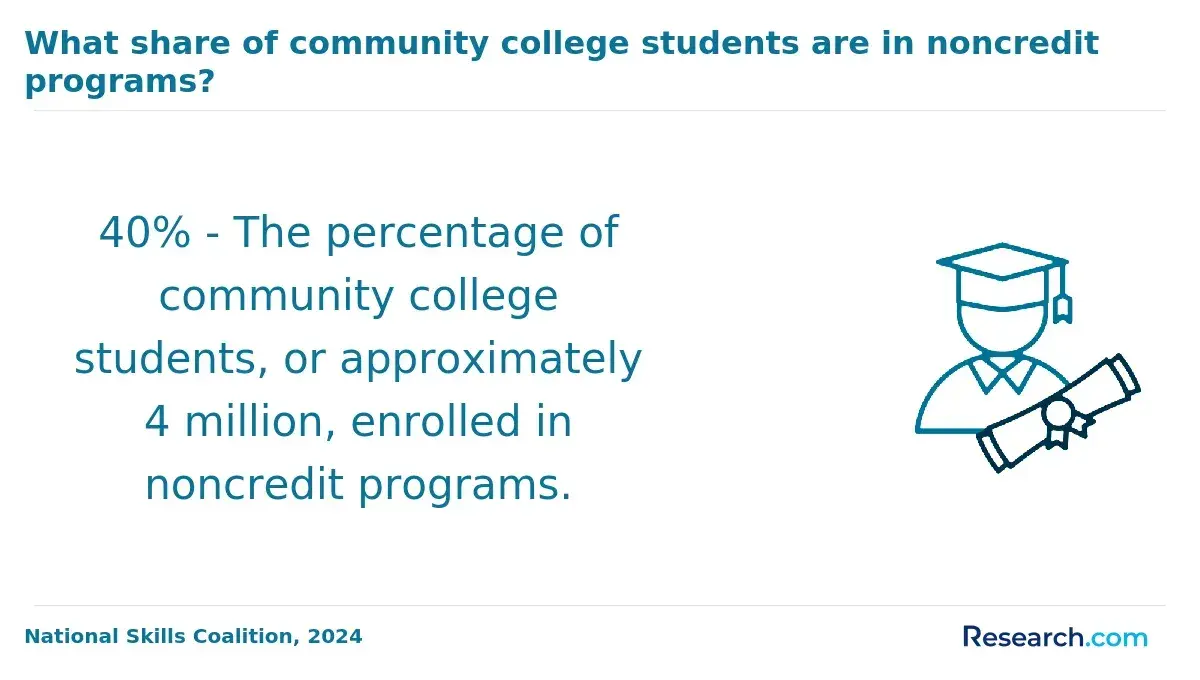
Career changers need clear knowledge of admission requirements to navigate nurse midwifery programs efficiently, reducing time and resource waste during the transition. Nearly 40% of graduate students in the U.S. are nontraditional learners, highlighting the importance of flexible pathways for those shifting careers. Below are key criteria that commonly shape nurse midwifery program admission criteria for career changers.
- Bachelor's Degree: A degree in any field is often required, although some programs prefer nursing or health-related disciplines. This flexibility allows professionals from varied backgrounds to apply.
- Registered Nurse Licensure: An active RNlicense is typically mandatory as nurse midwifery integrates advanced nursing skills with specialized care.
- Clinical Experience: Most programs expect relevant RN clinical experience, sometimes specifying minimum hours or years, which helps applicants leverage transferable healthcare expertise.
- Prerequisite Coursework: Courses like anatomy, physiology, microbiology, and statistics may be required before or during enrollment, preparing students for the program's rigor.
- Personal Statement and Recommendations: Candidates must submit letters of recommendation and a statement outlining their motivation and career goals, emphasizing their commitment and readiness.
Many nurse midwifery programs cater to nontraditional students through part-time options, accelerated tracks, or flexible scheduling, acknowledging diverse career paths. Transferable experience from other healthcare roles, military service, or formal medical training can strengthen applications by meeting program-specific prerequisites for nurse midwifery programs for nontraditional students. Additionally, adults exploring healthcare transitions may benefit from exploring a low cost medical coding and billing online program to build foundational skills or supplementary certifications.
For those shifting careers, grasping the coursework of a Nurse Midwifery degree is vital to align their existing commitments and skills with new academic demands. This ensures a clearer picture of what to expect from the program's structure and learning methods. The curriculum is generally divided into three essential areas:
- Core Nursing Sciences: This foundational section includes comprehensive study of advanced physiology, pharmacology, and pathophysiology, focusing on female reproductive health and overall medical knowledge crucial for midwifery practice.
- Midwifery-Focused Studies: Coursework here centers on pregnancy care, labor and delivery, postpartum management, and neonatal health, offering detailed guidance on handling normal pregnancies and recognizing possible complications.
- Clinical Experience and Simulation: To bridge theory and practice, students engage in hands-on clinical placements and simulated healthcare settings, allowing them to apply assessment techniques and patient care under supervision.
Many programs cater to busy adults by providing flexible scheduling options like part-time enrollment, evening and weekend classes, or online learning modules. This approach is designed to maximize practical learning while accommodating the needs of career changers.
When asked about his journey through an online Nurse Midwifery program, a professional career changer shared, "Balancing work, family, and coursework felt overwhelming at times, especially during clinical rotations that required real-time application of skills. The online format helped manage my schedule, but the intensity never dropped." He added, "The simulations were a game changer; although virtual, they forced me to think critically and act quickly, which boosted my confidence. It was challenging but rewarding to see how theory translated directly into practice."
Many adults seeking to change careers appreciate flexible educational options that accommodate work and family demands. Recent data show that over 40% of graduate students enroll part-time, reflecting a strong preference for adaptable learning formats. Below are several nurse midwifery program structures designed with career changers in mind.
- Online and Hybrid: These programs blend virtual coursework with occasional in-person clinical sessions, allowing students to balance professional obligations while still gaining essential hands-on experience.
- Evening and Weekend Classes: Tailored for full-time workers, these schedules provide on-campus learning during off-hours to fit around daytime job commitments.
- Part-Time Enrollment: This option lets students spread their studies over a longer timeline, reducing academic pressure and helping manage financial and personal responsibilities.
- Distance Learning With Local Clinics: Didactic courses are completed remotely, while clinical placements occur nearby, enhancing accessibility without sacrificing practical training.
Such flexible program formats help career changers successfully balance life demands while steadily advancing toward nurse midwifery certification.
Skill development plays a critical role for career changers entering nurse midwifery programs, as nearly 54% of adults have had to reskill or upskill to stay competitive in today's evolving job market. Mastering a well-rounded set of competencies helps these learners make a confident professional transition. The following key skills are commonly acquired in nurse midwifery training:
- Clinical Assessment: This skill involves accurately evaluating the health of mothers and newborns, which builds confidence and ensures readiness for hands-on clinical responsibilities.
- Effective Communication: Nurses develop patient-focused communication abilities that foster trust and meaningful interactions, essential for promoting positive health outcomes and collaborating with multidisciplinary teams.
- Health Education: Career changers learn to teach patients about wellness and prevention, honing leadership and instructional skills that are valuable in multiple career paths.
- Critical Thinking: The ability to quickly analyze complex clinical situations strengthens adaptability and supports sound decision-making during fast-paced healthcare challenges.
- Team Coordination: Students gain experience working within diverse healthcare groups, which enhances teamwork skills vital for ongoing employability in collaborative medical environments.
When I spoke with a career changer who recently completed a nurse midwifery degree, she shared how initially feeling overwhelmed by the clinical demands was a major hurdle. "Learning to trust my judgment and communicate clearly with patients and doctors made all the difference," she explained. The program's emphasis on practical skills helped her navigate unpredictable situations confidently. She added, "It wasn't just about mastering medical knowledge; it was about growing into a role where I could lead and advocate for my patients effectively." This reflection highlights how nurse midwifery training equips career changers with not only technical expertise but also the resilience and communication skills necessary for lasting success.
Career changers pursuing a nurse midwifery degree face considerable financial and time commitments, with graduate education costs in the U.S. ranging between $30,000 and $60,000 depending on the program. Nearly 44 million Americans hold over $1.7 trillion in student loan debt, making it essential for adult learners to carefully evaluate costs and financing strategies. Below are the main cost components to consider when exploring affordable nurse midwifery programs for career changers.
- Tuition and Fees: Tuition usually accounts for the largest expense, typically costing $500 to $1,200 per credit hour. Total credits required often range from 40 to 60, so expenses can add up quickly. Many programs include additional fees for clinical placements or technology, which may add several thousand dollars.
- Clinical Placement Expenses: Clinical rotations often require travel or housing costs, especially if placements are outside your local area. These expenses vary widely but can significantly impact overall program costs.
- Books and Supplies: Textbooks, medical equipment, and other supplies are necessary for coursework and clinical practice. These costs can range from a few hundred to over a thousand dollars, depending on the program.
- Payment Options and Employer Support: Many working professionals benefit from flexible payment plans or employer tuition assistance programs. Some employers also provide loan repayment or reimbursement benefits, which can ease financial pressures for career changers.
- Accelerated and Bridge Programs: Programs designed specifically for career changers may reduce both time and tuition costs by streamlining coursework and clinical requirements. These options can make the transition more feasible and affordable.
- Scholarships and Financial Aid: Exploring scholarships targeted at adult learners or health professionals can provide valuable financial relief. Thorough research can uncover grants or awards suited to those changing careers.
Career changers interested in finding an online nursing degree option may discover more flexible and affordable paths to earning their nurse midwifery credential, especially when balancing education with existing work and life commitments.
Curriculum design plays a vital role in helping career changers transition smoothly into nurse midwifery by focusing on relevant and efficient learning paths tailored to adult learners and working professionals. This approach minimizes redundant content and aligns new clinical skills with prior professional experience. Below are key ways a nurse midwifery curriculum supports career transitions:
- Applied Learning: Curricula emphasize practical, hands-on experiences through clinical simulations and projects that mimic real-world midwifery scenarios, enhancing student confidence and readiness for patient care.
- Transferable Skills: Programs integrate critical competencies like patient communication, health assessment, and critical thinking, helping learners leverage existing expertise while mastering new clinical responsibilities.
- Flexible Pacing: Designed for adults balancing work and family, many curricula offer accelerated or part-time options, allowing students to progress at a sustainable pace without overload.
- Minimized Redundancy: Courses are structured to focus on essential knowledge, accelerating mastery by avoiding unnecessary repetition of unrelated material from previous careers.
- Interdisciplinary Projects: Emphasizing critical problem-solving and collaborative skills, interdisciplinary assignments prepare students to navigate complex clinical environments effectively.
Career changers should also evaluate program affordability and flexibility when choosing a path forward. For example, exploring the cheapest RN to BSN program online options can provide insight into cost-effective ways to advance within nursing fields before specializing in nurse midwifery.
Key coursework and clinical skills in nurse midwifery programs act as a bridge for career changers, facilitating successful transitions into healthcare professions that value both previous knowledge and newly acquired expertise.
For adults changing careers, knowing potential professional paths clarifies how existing skills transfer and sets realistic job expectations. The U.S. Bureau of Labor Statistics forecasts a 13% increase in nurse midwife roles from 2022 to 2032, signaling considerable demand. Below are common options graduates with a nurse midwifery degree can pursue.
- Certified Nurse Midwife: Deliver comprehensive prenatal, delivery, and postpartum care focused on holistic patient well-being. Strong clinical and communication skills allow career changers to excel in managing maternal health.
- Women's Health Nurse Practitioner: Address a wide range of women's health issues beyond childbirth, including reproductive and preventive care. Prior healthcare or counseling experience supports adaptation to this role.
- Reproductive Health Educator: Design and implement community programs promoting maternal wellness and reproductive education. Skills in teaching, advocacy, and public engagement make this a fitting choice for those with education backgrounds.
- Clinical Nurse Leader: Oversee patient care coordination and improve clinical processes within obstetric departments. Leadership and organizational experience from other fields help facilitate quality healthcare delivery.
- Healthcare Consultant: Provide expert advice on maternal and infant health policies and clinical protocols. Analytical and communication abilities from previous roles prepare career changers for influencing healthcare improvements.
Salary expectations are a critical factor for professionals changing careers, as they help gauge whether investing in a nurse midwifery degree will meet financial goals. Studies reveal reskilled workers in healthcare often see median salary increases between 15% and 20% compared to previous roles. The following points highlight key salary considerations for those entering nurse midwifery.
- Annual Salary Range: Nurse midwives usually earn between $80,000 and $130,000 per year, with pay varying by experience and certification level.
- Experience Influence: Prior nursing or healthcare expertise can boost starting salaries and accelerate pay growth in nurse midwifery roles.
- Practice Setting: Compensation differs based on work environment, including hospitals, private clinics, and community health centers.
- Geographic Location: Wages tend to be higher in urban areas and states with higher living costs, reflecting regional economic differences.
- Certifications and Specializations: Additional credentials in nurse midwifery or related fields typically enhance earning potential and career advancement opportunities.
What Graduates Say About Their Nurse Midwifery Degrees for Career Changers
- Raeliana: "Deciding to pursue a nurse midwifery degree was a pivotal step for me, especially after years in an unrelated field. While the average cost hovered around $70,000, I viewed it as an investment in a deeply fulfilling career. Completing the program opened doors I never thought possible and truly transformed my professional life with purpose and passion."
- Eva: "Transitioning careers to become a nurse midwife wasn't easy, but the thoughtful curriculum and support made the financial commitment of nearly $75,000 worthwhile. Reflecting on the journey, I appreciate how the degree equipped me with both confidence and expertise to impact maternal health. It was a wise decision that enriched my professional identity."
- Benjie: "As a professional mid-career, entering a nurse midwifery program at an average cost of approximately $72,500 was a serious consideration. The degree sharpened my clinical skills and expanded my career options significantly. I'm now working in a role that aligns with my values, and the program's rigorous training was instrumental in that transition."
Other Things You Should Know About Nurse Midwifery Degrees
Yes, after earning a nurse midwifery degree, graduates must obtain certification from the American Midwifery Certification Board (AMCB) to practice as certified nurse-midwives (CNMs). Additionally, licensure requirements vary by state but generally require passing the AMCB exam and obtaining state-specific nursing licenses. Career changers should verify state regulations early to ensure compliance.
Most nurse midwifery programs require applicants to hold a registered nurse (RN) license, which typically means earning a nursing degree first. Career changers without a nursing background usually need to complete an accelerated nursing program to become RNs before applying to nurse midwifery graduate programs. This step ensures they have the clinical foundation necessary for advanced midwifery studies.
Career changers usually need anatomy and physiology, microbiology, human growth and development, and sometimes chemistry or statistics before applying. Many programs require these courses to be completed with a grade of C or better within the last 5 to 10 years, and some also require a minimum 3.0 GPA.
- NMBI https://www.nmbi.ie/Careers-in-Nursing-Midwifery/About-Midwifery/Midwifery
- Affordable CNM Programs Under $40K: State Schools Ranked https://www.midwifeschooling.com/blog/affordable-cnm-programs/
- Return to practice as a nurse or midwife | NHSScotland Careers https://www.careers.nhs.scot/shape-your-future/return-to-practice/return-to-a-career-in-nursing-and-midwifery/
- Our Programs — Florida School of Traditional Midwifery https://www.midwiferyschool.org/programs
- How Much do Certified Nurse Midwives (CNMs) Earn? Nurse Midwife Salary Guide 2025 https://nurseslabs.com/certified-nurse-midwife-salary-guide/
- Nurse-Midwifery Specialty https://nursing.yale.edu/academics/master-science-nursing/masters-specialties/nurse-midwifery-specialty
- How to become a midwife - Royal College of Midwives https://rcm.org.uk/how-to-become-a-midwife/
- 15 Most Common Career Changes for Nurses in the UK https://www.origym.co.uk/blog/most-common-career-changes-for-nurses-uk/
- My experience with career transition https://www.nmsupport.org.au/news/experience-career-transition
- Frequently Asked Questions about the Nurse-Midwifery Education Program https://uihc.org/frequently-asked-questions-about-nurse-midwifery-education-program