2027 Nurse Administrator Degree Programs for Career Changers

Co-Founder and Chief Data Scientist
Career changers with experience in healthcare or management often encounter challenges transitioning into nurse administrator roles due to specialized clinical and leadership demands. Approximately 45% of adult learners pursuing nurse administrator degrees are over 30, highlighting a strong presence of professionals shifting fields to meet healthcare system needs. This demographic must balance education with ongoing work and family commitments, complicating their pathway. Understanding how different nurse administrator degree programs accommodate these unique challenges can streamline this career pivot. This article explores key program features and strategies aimed at helping adult learners make a confident, efficient transition into nurse administration.
Key Things to Know About Nurse Administrator Degree Programs for Career Changers
- Programs often offer flexible scheduling and asynchronous online courses, accommodating working adults balancing jobs and family responsibilities while pursuing a nurse administrator degree.
- Hybrid formats combine online learning with in-person experiences, enhancing practical skills and networking within healthcare settings relevant to nurse administrator roles.
- Accelerated degree options and dedicated support services improve completion rates, meeting the rising demand for nurse administrators, projected to grow 45% by 2030 according to B.L.S. data.
What Nurse Administrator Programs Accept Career Changers?
Many nurse administrator programs are designed to accommodate working adults and professionals making a career transition by offering flexible prerequisites and practical leadership training. Nearly 40% of graduate students in healthcare administration are career changers or adult learners, highlighting the increasing demand for programs tailored to this group.
- Accelerated BSN to Master's: These programs combine essential nursing education with administration training, enabling those without prior nursing degrees to quickly qualify for leadership roles. They focus on practical skills that facilitate a smooth career shift.
- MSN with Nurse Administrator Focus: Targeted at registered nurses and healthcare professionals, this program provides specialized leadership courses alongside flexible scheduling options, making it suitable for career changers balancing other commitments.
- Post-Master's Certificate: Ideal for individuals holding advanced degrees in related areas, this pathway offers targeted nurse administration education without requiring completion of an entire master's program, aiding in quicker entry into administrative roles.
- Traditional Nurse Administrator Degrees: These programs emphasize skill transfer and leadership development, accepting adult learners with diverse backgrounds by offering curricula focused on applicable management expertise and flexible admissions requirements for nurse administrator programs accepting nontraditional students.
Those considering the transition may also explore options such as the shortest DNP program online to further enhance qualifications and leadership capabilities.
What Nurse Administrator Specializations Are Best for Career Changers?
Selecting the right nurse administrator specialization is essential for career changers who want to leverage existing skills and secure competitive positions in the healthcare field. Recent data shows that nurse administrators with targeted specializations enjoy a 15% higher hiring rate than generalists, reflecting growing demand for expertise in focused management areas. Here are four top nurse administrator degree specializations for career changers that facilitate a smooth transition and strong career growth:
- Healthcare Quality Management: This specialization centers on enhancing patient care processes and aligns well with skills from operations or project management backgrounds. It offers accessible learning pathways and prepares learners to lead quality improvement initiatives.
- Clinical Informatics: Ideal for those comfortable with technology, this area integrates IT with healthcare administration. It is well suited for newcomers with analytical skills and an interest in digital health systems.
- Financial Management in Healthcare: Built for individuals with finance or business experience, it emphasizes budgeting, cost control, and resource allocation. This specialization enhances career mobility by focusing on critical fiscal responsibilities.
- Human Resources in Healthcare: Leveraging experience in personnel or team management, this specialization supports those transitioning from people-centric roles. It helps in managing workforce planning, recruitment, and staff development within healthcare settings.
Career changers interested in accelerating their entry into the healthcare field may also explore related options such as a medical assistant degree online 6 weeks program, which provides a rapid and practical pathway. Many individuals pursuing nurse administrator degree specializations for career changers find that combining administrative focus with operational experience enhances their prospects in the best nurse administrator career change programs available.
What Are the Admission Requirements for Career Changers Applying to a Nurse Administrator Program?
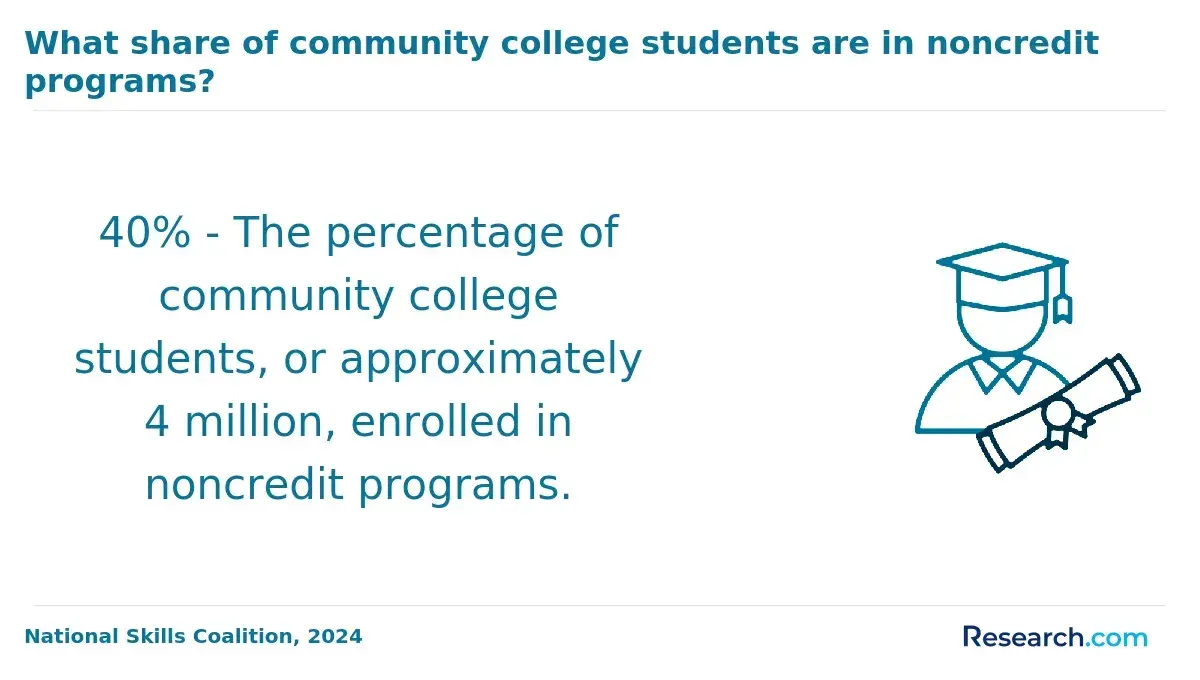
Career changers pursuing a nurse administrator program must pay close attention to admission requirements, as these often differ from traditional nursing pathways and are designed to accommodate diverse professional backgrounds. Nearly 40% of enrollees in healthcare-related graduate programs are adult learners, reflecting the increasing demand for flexible options tailored to nontraditional students. Below are common criteria addressing nurse administrator program admission criteria for career changers:
- Bachelor's Degree: Applicants generally need a bachelor's degree from an accredited institution, but it does not have to be in nursing or healthcare. This flexibility allows those from unrelated fields to qualify based on prior education.
- Work Experience: Relevant professional experience such as leadership, management, or healthcare-related roles is valued and may substitute for direct clinical backgrounds, emphasizing transferable skills.
- Standardized Tests: Some programs require satisfactory GRE scores, though many offer waivers or alternative admissions pathways for qualified candidates.
- Letters of Recommendation: These letters should highlight the applicant's professional qualifications and academic potential, supporting their readiness for advanced healthcare leadership.
- Personal Statement: Candidates must articulate their career goals and motivations for transitioning to nurse administration, demonstrating commitment and clarity of purpose.
- Prerequisite Courses: Nontraditional students often need foundational courses in biology, anatomy, or statistics to meet academic readiness, addressing prerequisites for nurse administrator degrees for nontraditional students.
Many programs offer part-time, evening, or online options for working professionals, valuing flexibility and recognizing transferable skills like project management and team leadership. Alternative tracks and bridging courses help those without traditional nursing credentials transition effectively. For students interested in related health administration fields, a low cost medical coding and billing online program can provide additional opportunities to enhance healthcare expertise.
Career changers benefit from nurse administrator degree programs that adapt coursework to diverse professional backgrounds, helping them gain relevant knowledge with practical flexibility. Below are key areas of study designed to support this transition:
- Healthcare Management: This area covers strategies for organizing healthcare teams and enhancing patient services, offering content that adapts to learners new to healthcare environments.
- Policy and Ethics: Students explore laws, regulations, and ethical frameworks affecting clinical leadership, presented in ways that connect with various prior career experiences.
- Finance: Courses focus on budgeting, resource distribution, and financial oversight specific to healthcare operations, emphasizing adaptable financial principles.
- Informatics: This component introduces technology for managing patient information and streamlining healthcare processes, with practical applications accessible to non-technical backgrounds.
- Leadership and Communication: Modules teach team coordination and conflict management skills, crafted to resonate with professionals stepping into healthcare administration from other fields.
A professional who completed an online nurse administrator degree shared his experience with me: "Starting from a non-medical background, I initially felt overwhelmed by the terminology and scope. The program's case studies and project work helped me relate concepts to real situations. Juggling coursework with a full-time job was tough, but the online format and support systems made it manageable." He added, "It wasn't just about learning theory but understanding how to apply it practically in healthcare settings, which gave me confidence to pursue this career change."
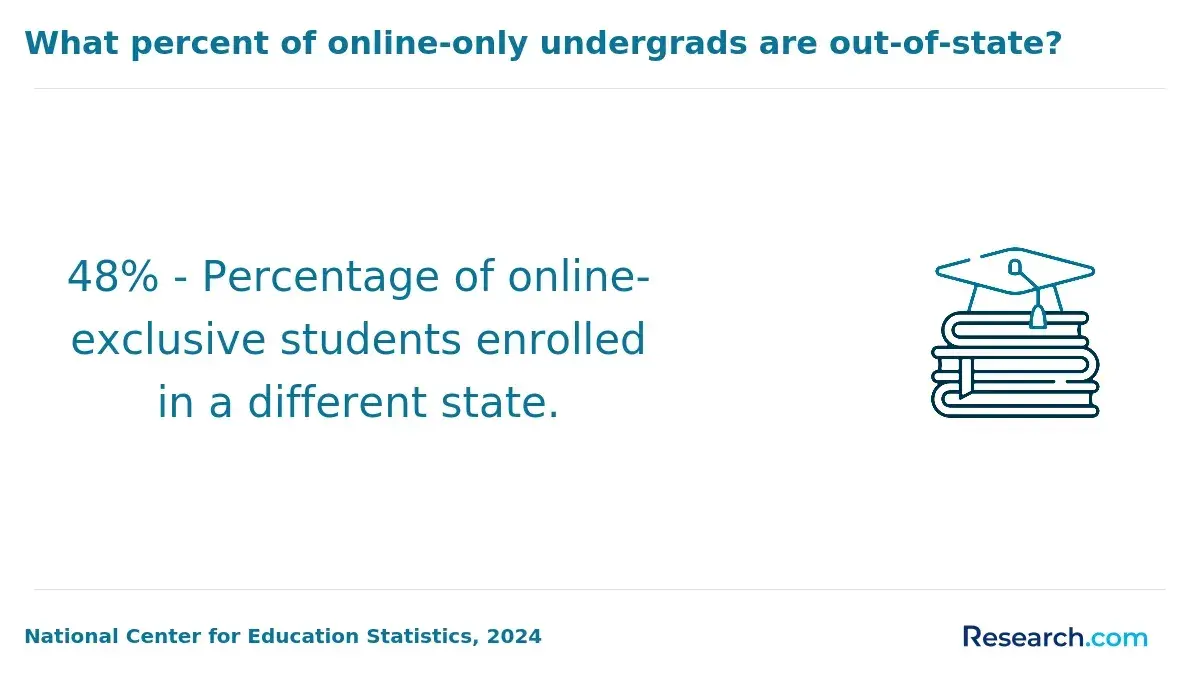
Program formats play a crucial role in enabling career changers to balance education with work and personal life. Recent studies reveal that over 60% of U.S. postsecondary students take at least some courses online, reflecting a strong trend toward flexible learning options. Below are common nurse administrator program formats designed to meet the needs of working adults.
- Online Programs: Entirely virtual, these courses allow students to study remotely at their own convenience, making them ideal for those managing busy schedules or residing far from campus.
- Hybrid Programs: These combine online learning with occasional in-person or live sessions, offering a balance of flexibility and direct interaction with peers and instructors.
- Evening and Weekend Classes: Crafted for professionals working traditional hours, these classes provide access to coursework outside standard business times to fit busy routines.
- Part-Time Study: Extending the timeframe of the degree, part-time options reduce course loads per term, making it easier for students juggling multiple responsibilities.
Career changers pursuing a nurse administrator degree often need to acquire new competencies quickly to succeed in healthcare leadership amid rapidly evolving job markets. Nearly 70% of adult learners engage in reskilling efforts to stay relevant, making it essential to develop practical, transferable skills that can be applied immediately. Below are five crucial abilities these programs typically build to support the transition.
- Leadership and Management: This skill teaches how to effectively oversee clinical teams and coordinate health services, helping professionals adapt from other sectors to healthcare environments with confidence and authority.
- Healthcare Policy Knowledge: Students become familiar with legal frameworks and compliance standards, enabling them to navigate the complex regulatory landscape that governs healthcare organizations.
- Financial and Resource Oversight: Training includes managing budgets and allocating resources efficiently, which is vital for maintaining operational effectiveness within healthcare facilities.
- Communication and Interpersonal Skills: Enhances the ability to engage collaboratively with multidisciplinary teams, patients, and stakeholders, facilitating smooth integration into patient-centered care roles.
- Data Analysis and Informatics: Prepares learners to interpret clinical and administrative data for informed decision-making, promoting evidence-based leadership practices.
When asked to reflect on her journey, a career changer who completed a nurse administrator program shared how initially daunting the skill gap felt. "Transitioning from a non-healthcare background was intimidating. I wasn't just learning new concepts but also reshaping how I approached problem-solving and communication in a clinical setting." She highlighted that mastering healthcare policy and financial management was particularly challenging but proved invaluable for gaining credibility in her new role. The data analysis training boosted her confidence in making strategic decisions backed by factual insights. Overall, she noted, "The program was demanding, but it gave me practical tools that made me feel ready to lead and contribute meaningfully from day one."
For career changers, weighing the total cost of a nurse administrator degree is essential due to balancing education expenses alongside current financial responsibilities. Recent data shows that average graduate tuition and fees range from about $12,410 annually at public institutions to $27,270 at private nonprofits, emphasizing the need for careful budgeting. Below are the key cost components to consider when exploring affordable nurse administrator programs for nontraditional students.
- Tuition: This is typically the largest expense and varies widely by program format and institution. Complete nurse administrator degree programs can range from $10,000 to $40,000 in total tuition costs. Many programs offer flexible payment plans and options for combining prior credits to reduce overall expenses.
- Fees: Additional fees often include application, registration, and online technology access charges. These can add several hundred dollars to the total cost but may vary depending on program delivery and administrative requirements.
- Textbooks and Materials: Annual expenses for textbooks and other learning resources usually range from $500 to $1,500. Digital or open-access materials increasingly provide cost-saving alternatives for adult learners.
- Indirect Costs: Career changers should account for possible lost income if they reduce work hours to attend classes. Time savings through accelerated or online programs can help mitigate these indirect costs.
- Financial Support: Many working professionals benefit from employer tuition reimbursement or scholarships designed for adult students. Exploring these options can significantly ease the financial burden.
For those seeking ways to reduce expenses, exploring programs recognized as the cheapest online healthcare management degree options can be an effective strategy. Understanding the full scope of costs helps career changers make informed decisions that support a smooth transition into healthcare leadership roles.
Curriculum design is especially important for career changers entering nurse administrator roles because it bridges prior professional skills with the specific demands of healthcare leadership. This approach ensures students develop relevant competencies efficiently while accommodating diverse backgrounds. Below are five key ways a nurse administrator curriculum supports career transitions:
- Applied Learning: The curriculum integrates case studies and simulations that mirror real healthcare management challenges, helping students immediately apply theoretical concepts to practical situations.
- Flexible Pacing: Modular course structures enable learners to progress at their own pace, which is ideal for working professionals balancing studies with personal and career responsibilities.
- Transferable Skills: Emphasis on strategic planning, financial oversight, and communication builds skills essential for successful career transitions and effective nurse administrator program skills for successful career transitions.
- Hands-On Experience: Capstone projects and practicums provide supervised leadership opportunities in clinical environments, fostering confidence and competence in administration.
- Interdisciplinary Knowledge: Students gain insight into regulatory, ethical, and technological aspects critical to healthcare administration, enhancing their ability to navigate complex organizational issues.
For those interested in advancing from nursing to leadership roles with cost-effective educational options, resources like the most affordable BSN to DNP programs online can be valuable in planning a career path that supports seamless transitions into nurse administration.
Career changers benefit from knowing possible job outcomes to match their skills with industry demands. The U.S. BLS projects jobs for medical and health services managers to increase by 28% from 2021 to 2031, signaling strong growth in healthcare leadership roles. Here are common careers nurse administrator graduates may pursue:
- Healthcare Facility Manager: Responsible for managing daily hospital or clinic operations, this role leverages organizational and leadership skills to ensure efficient facility function, making it ideal for those with prior management experience.
- Clinical Nurse Manager: Oversee nursing staff and coordinate patient care activities. Strong communication and problem-solving abilities help transition smoothly into supervising clinical teams and enhancing care quality.
- Quality Improvement Coordinator: Focus on developing and enforcing policies that improve patient outcomes. Analytical skills and attention to detail support career changers in driving continuous enhancements within healthcare settings.
- Health Services Director: Manage budgeting, staffing, and regulatory compliance across healthcare departments. This career suits those with financial acumen and strategic planning expertise looking to impact organizational success.
- Patient Care Administrator: Facilitate communication among departments to optimize service delivery. Skills in collaboration and coordination allow professionals from diverse backgrounds to enhance patient satisfaction and operational workflow.
These positions emphasize leadership, budgeting, and policy-making, utilizing a range of transferable skills that enable career changers to adapt and thrive in healthcare administration environments.
Career changers often prioritize salary expectations to align financial goals with their new profession. Research shows reskilled professionals typically experience a median salary boost of about 10% within the first few years, reflecting the value of additional qualifications. Below are key salary insights relevant to nurse administrators transitioning from other fields.
- Entry-Level Salaries: New nurse administrators usually earn between $70,000 and $85,000 annually, depending on location and healthcare setting.
- Mid-Career Compensation: With added experience and certifications, earnings generally increase to a range of $85,000-$110,000.
- Senior Roles: Advanced positions in larger hospitals or extensive health systems often exceed $120,000 per year, tied to leadership responsibilities.
- Geographical Influence: Urban regions tend to offer higher pay compared to rural areas due to demand and cost of living differences.
- Experience Impact: Prior managerial or clinical background, even from unrelated sectors, can lead to elevated starting salaries by demonstrating transferable skills.
What Graduates Say About Their Nurse Administrator Degrees for Career Changers
- Chachi: "Deciding to transition into healthcare leadership was a major step for me, and enrolling in a nurse administrator degree program seemed like the right path. While the average cost hovered around $35,000, I viewed it as a long-term investment in my career. Completing the program opened doors I hadn't anticipated, allowing me to lead teams with confidence and drive meaningful change in patient care."
- Boston: "I had been contemplating a career change for years before finally committing to a nurse administrator degree program. The cost, roughly $30,000 on average, gave me pause, but the comprehensive support and flexible scheduling made it manageable. Reflecting on the journey, earning this degree wasn't just about a title; it fundamentally reshaped how I approach leadership and operational challenges in healthcare."
- Adrianne: "Choosing to pursue a nurse administrator degree was both exciting and daunting, especially with the financial commitment of approximately $32,500. Still, the program's blend of theory and practical skills was invaluable in my career pivot. Since graduating, I've gained credibility and strategic insight that have propelled me toward leadership roles I once thought unreachable."
Other Things You Should Know About Nurse Administrator Degrees
Yes. Many bridge and MSN-level nurse administration programs accept non-nursing bachelor’s graduates who complete RN licensure first, plus prerequisite courses such as anatomy, microbiology, statistics, and health assessment. Most programs also require an unencumbered RN license before the core administration sequence begins.
In 2027, many nurse administrator programs for career changers recognize the value of diverse professional backgrounds. Previous experience in management, leadership, or business roles can sometimes be credited or considered, potentially reducing course requirements or enhancing application profiles.
In 2027, prerequisites for a nurse administrator degree typically include a Bachelor's in Nursing and an active RN license. However, career changers may need additional coursework in healthcare management or related fields to meet program entry requirements.
- Types of nursing degrees for every nursing career | edX https://www.edx.org/resources/guide-to-the-different-types-of-nursing-degrees
- Master of Nursing Administration | Masters of Science in Nursing | University of Phoenix https://www.phoenix.edu/online-nursing-degrees/nurse-administration-masters-degree.html
- Alternative jobs for nurses: 11 derivative nursing jobs in 2026 https://www.sermo.com/resources/nurse-alternative-careers/
- RN to MSN for Career Changers: Transitioning into Leadership or Education Roles https://www.homeopathy360.com/rn-to-msn-for-career-changers-transitioning-into-leadership-or-education-roles/
- Online Masters in Nursing Administration Degree - UTA https://academicpartnerships.uta.edu/healthcare-nursing-online-programs/msn/administration/
- How Much Do Nurse Administrators Make? – Nursing Education https://nursingeducation.org/careers/nurse-administrator/salary/
- Nursing: Nurse Administration, M.S.N. https://academics.charlotte.edu/program/nursing-nurse-administration-m-s-n-online/
- MSN Administrator https://www.csudh.edu/son/programs/msn/msn-administrator/
- Career Change to Nursing: Transitioning Into Healthcare https://everynurse.org/career-change-nursing-transitioning-healthcare/
- What are the Different Types of Nursing Degrees? 6 Paths - Averett https://absn.averett.edu/blog/what-are-the-different-types-of-nursing-degrees/