
2027 Most Recession-Resistant Careers You Can Pursue With a Mechanical Engineering Degree

Co-Founder and Chief Data Scientist
Graduates with a mechanical engineering degree often face uncertainty during economic downturns-industries slow hiring, and job security shrinks. Yet some sectors continue to thrive, with roles in energy efficiency, aerospace maintenance, and medical device manufacturing proving resilient. According to a 2025 labor study, jobs in these fields saw a 12% growth despite recession pressures, highlighting stability for mechanical engineering professionals equipped with relevant skills. Staying competitive means specializing in emerging technologies and certifications aligned with these resilient industries. This article explores the most recession-resistant careers for mechanical engineering graduates and offers guidance to secure stable employment in challenging economic times.
Key Points About Recession-Resistant Mechanical Engineering Careers
- Mechanical engineering graduates are essential in renewable energy sectors-demand remains stable despite economic downturns, driven by global shifts toward sustainable power solutions.
- Precision manufacturing and automation roles exhibit resilience during recessions, as companies invest in efficiency and cost reduction through engineered systems.
- Industry data shows a 12% employment growth in maintenance engineering for mechanical systems, highlighting steady demand in infrastructure upkeep regardless of market volatility.
What is the employment outlook for graduates of Mechanical Engineering?
The job growth projections for mechanical engineering careers in North America remain steady, with an expected expansion of about 5% over the next decade-matching the average across all occupations. This outlook reflects strong demand for mechanical engineers in multiple sectors, making employment opportunities resilient even during economic fluctuations. Several key factors contribute to this stability, as outlined below.
- Innovation in Renewable Energy: The expanding focus on sustainable technologies drives new development projects requiring specialized mechanical engineering expertise.
- Aging Infrastructure: Maintenance and modernization of longstanding infrastructure create ongoing demand for engineers skilled in system upgrades and repairs.
- Economic Resilience in Key Industries: Fields such as defense and healthcare equipment manufacturing rely consistently on mechanical systems design, which cushions employment against economic downturns.
Unemployment rates for mechanical engineering graduates tend to be lower than the national average in recessions, demonstrating their specialized skills and adaptability. Studies show that about 83% of graduates remain employed within their field three years after graduation, emphasizing strong career stability. For those interested in expanding expertise quickly, exploring online masters programs can be a valuable step. Overall, the employment outlook for graduates of mechanical engineering degrees in the United States underscores a reliable path toward recession-resistant careers across diverse industries.
What are the most recession-resistant careers for Mechanical Engineering degree graduates?
Certain roles within mechanical engineering and adjacent industries remain notably shielded from economic volatility due to their essential functions or regulatory mandates. Employment in these recession-resistant mechanical engineering jobs grows approximately 3.5% faster than the average for all engineering positions, highlighting their stability. Below are five key careers that exemplify this resilience.
- Maintenance Engineer: These professionals ensure continuous operation of critical machinery and industrial systems, which is vital in manufacturing plants and utilities. Because unplanned downtime results in costly losses, companies prioritize maintenance roles even during budget cuts.
- Energy Systems Engineer: Focused on power generation, transmission, and renewable energy technologies, these engineers support sectors governed by strict government regulations and sustainability mandates. The global emphasis on energy efficiency and clean energy keeps demand steady despite economic swings.
- Aerospace Engineer: Working on design, testing, and maintenance of aircraft and spacecraft, aerospace mechanical engineers benefit from defense contracts and government-backed space programs. These initiatives maintain funding levels due to their strategic importance, ensuring job security.
- Quality Control Engineer: Responsible for ensuring products comply with safety and regulatory standards, quality control engineers play a critical role in industries such as automotive and medical devices. Their position remains essential, as noncompliance risks legal issues and brand damage.
- Facilities Engineer: Managing and optimizing building systems in hospitals, data centers, and large commercial sites, facilities engineers prevent operational disruptions. Their work supports essential services, making these roles stable even when organizations face economic pressure.
Students interested in pursuing these top recession-resistant careers for mechanical engineers should consider programs offering practical skills aligned with these in-demand roles. Prospective students may find additional guidance on affordable pathways to gaining a mechanical engineering degree by exploring engineering degrees suited to their needs.
In which industries can Mechanical Engineering degree holders find work?
Graduates with a mechanical engineering degree have skills that extend beyond traditional mechanical roles, enabling them to work in diverse industries that remain relatively stable during economic slowdowns. In fact, mechanical engineers experience about 30% lower unemployment rates compared to the general workforce during recessions. Below are several industries where mechanical engineering graduates can find durable career paths.
- Energy and utilities: Mechanical engineers design and maintain systems for power generation, including renewables, supporting the shift toward sustainable energy. Roles often include project management, system design, and infrastructure maintenance.
- Defense and aerospace: Government investment in military and space programs sustains demand for engineers skilled in propulsion systems, materials science, and structural analysis. These positions involve developing and testing aircraft, vehicles, and defense technologies.
- Healthcare and medical devices: Mechanical engineers contribute to producing vital equipment like ventilators and surgical tools. Jobs include product development, quality control, and optimizing manufacturing processes for medical technologies.
- Advanced manufacturing: In this evolving sector, engineers enhance automation and production efficiency. Their expertise helps maintain machinery and implement new technologies, making manufacturing more resilient to economic change.
- Construction and infrastructure: Mechanical engineers develop crucial building systems such as HVAC and elevators, supporting urban growth and essential facilities. Their work remains consistently in demand due to ongoing construction projects and infrastructure upkeep.
When I spoke with a professional who completed an online mechanical engineering bachelor's program, he shared how his career journey involved navigating unexpected challenges. "Switching to remote learning meant I had to quickly adapt to virtual labs and simulations, which wasn't easy at first," he explained. Despite that, gaining hands-on experience through internships helped him discover industries where his skills fit best. "I found that working on automation in manufacturing gave me confidence, but it was the exposure to related fields that truly broadened my options," he said. This flexibility, he noted, has made it easier to find work in sectors that align with evolving economic demands without feeling boxed into a single industry.
Mechanical engineering roles in the public sector typically provide greater job security through steady funding, union support, and pension benefits. These positions-common in government agencies, academic institutions, and nonprofits-are less affected by economic downturns, with data showing a significantly lower chance of layoffs during recessions compared to the private sector. This stability appeals to professionals who prioritize long-term employment continuity over rapid career changes.
Conversely, the private sector offers a faster-paced environment with opportunities to engage in emerging technologies and accelerate professional growth. While these roles come with increased risks tied to company performance and market conditions, they can lead to quicker promotions and diverse project experiences. However, job security in private firms may be more volatile during economic slowdowns due to profit-driven pressures.
Choosing between public and private career paths depends largely on individual priorities and risk tolerance. Those valuing job stability and predictable benefits may lean toward public roles, whereas engineers focused on advancement and innovation might find the private sector more rewarding despite its inherent uncertainties. Graduates should carefully assess whether they seek steady security or dynamic growth when deciding where to build their mechanical engineering careers.
Location significantly impacts job stability for mechanical engineering graduates, as certain areas serve as hubs for specific industries that tend to endure economic fluctuations. Below are three states known for offering more resilient employment prospects in this field:
- Texas: With its strong presence in energy and aerospace, Texas provides ample mechanical engineering roles. The state's oil, gas, and renewable energy sectors demand engineers to develop and maintain complex infrastructure, while aerospace hubs like Houston and Dallas benefit from defense and space exploration projects.
- California: California's technology-driven economy fuels steady demand for mechanical engineers. Areas such as Silicon Valley emphasize robotics, automation, and sustainable transport innovation, supported by the state's environmental regulations promoting energy-efficient engineering solutions.
- Michigan: As the center of automotive manufacturing, Michigan offers stability with its large network of vehicle producers and suppliers. Mechanical engineers are critical here for designing vehicles, improving production processes, and advancing electric vehicle technologies, helping to sustain jobs even during economic downturns.
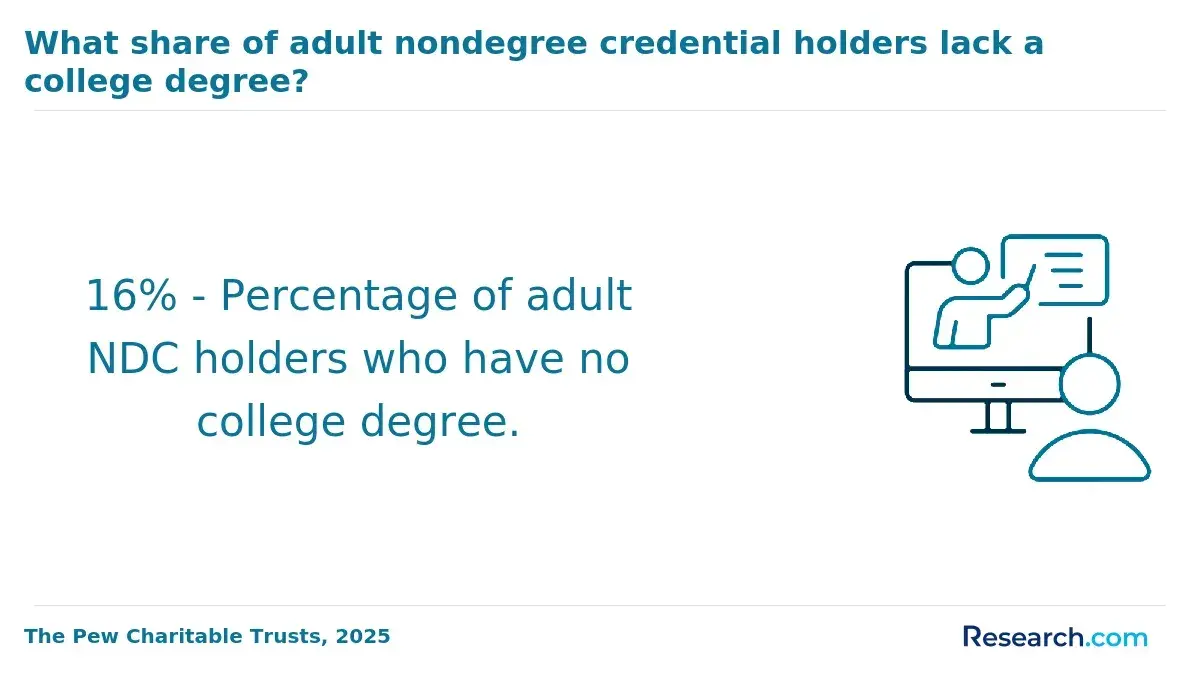
Post-graduate credentials and continuing education serve as a crucial layoff shield during economic downturns by validating specialized, high-demand expertise in mechanical engineering careers. Studies show that mechanical engineers with one or more certifications enjoy a 20% higher employment retention rate during recessions compared to their non-certified peers. The following certifications are particularly valuable for building recession-resistant careers.
- Professional Engineer (PE) License: This credential signifies advanced technical competency and legal accountability, essential qualities for roles in infrastructure, energy, and manufacturing sectors. PE holders are often indispensable for long-term projects requiring stringent safety and regulatory compliance.
- Certified Manufacturing Engineer (CMfgE): Offered by the Society of Manufacturing Engineers, this certification focuses on manufacturing processes and systems optimization. It prepares engineers for steady-demand roles in automation, quality control, and supply chain resilience.
- Lean Six Sigma Certification: Emphasizing waste reduction and process improvement, this certification is highly sought after in industries like automotive and aerospace. Mechanical engineers with Lean Six Sigma skills help organizations enhance efficiency and maintain competitiveness during recessions.
- Certified Energy Manager (CEM): Targeting the growing renewable energy sector, this certification provides expertise in energy efficiency and sustainable technologies. It equips engineers to take on energy analyst and production manager roles within a green economy.
For mechanical engineering graduates interested in expanding their credentials, obtaining relevant certifications supports career resilience. Additionally, exploring project management degrees can complement technical skills and open further recession-resistant opportunities across various industries.
Continuously enhancing your skillset can make you more indispensable during company restructures triggered by economic downturns. Focusing on versatile abilities in mechanical engineering strengthens your career resilience. Consider these key areas to boost your marketability:
- Computer-Aided Design (CAD) and Simulation: Mastery of tools such as SolidWorks, AutoCAD, and ANSYS is crucial for mechanical engineers. These applications enable precise product development and virtual testing, making professionals essential in design and manufacturing roles.
- Data Analysis and Programming: Familiarity with Python, MATLAB, or R helps engineers analyze complex data and optimize engineering workflows. These skills open doors beyond traditional positions, aligning with the top certifications to enhance mechanical engineering careers.
- Project Management: Knowledge of Agile, Lean Six Sigma, or similar frameworks equips mechanical engineering graduates to lead projects efficiently. This versatility is highly valued by employers seeking candidates who can manage dynamic teams and processes.
- Manufacturing Automation and Robotics: Expertise in programming and maintaining industrial robots supports sectors increasingly dependent on automation. This specialization secures steady employment opportunities amid shifting manufacturing landscapes.
- Sustainability and Energy Systems: Proficiency in renewable energy technologies and sustainable design caters to the growing demand for eco-friendly solutions. Mechanical engineering graduates with this knowledge gain a competitive advantage in evolving industries.
Many employers now emphasize cross-disciplinary skills such as programming and project management-traits that improve adaptability across various mechanical engineering roles. Graduates who develop these competencies enhance their job security by fitting into multiple functions during uncertain economic times. Those interested in expanding into related fields may also explore pathways like criminal justice majors for diversified expertise.
School prestige often plays a role in securing stable jobs for mechanical engineering graduates. Employers may favor candidates from well-known institutions with strong engineering programs, associating them with rigorous training and reliable skill sets.
Graduating from the right school can also provide a valuable networking advantage. Alumni connections, career fairs, and partnerships with top industry players frequently grant access to better job opportunities and internships that can lead to long-term career stability.
However, graduates from any accredited mechanical engineering program can remain competitive by demonstrating proven performance. Practical experience, continuous learning, and a solid portfolio of projects often matter as much as institutional reputation in sustaining a recession-resistant career.
Proactive career preparation helps mechanical engineering students align their academic experiences with industry needs-an approach that enhances job prospects and strengthens career stability. The following strategies provide targeted steps to better position oneself in today's competitive job market.
- Hands-On Experience: Seek internships, co-op programs, or research opportunities that offer real engineering challenges. Practical exposure bridges classroom theory with workplace demands, making candidates more attractive to employers.
- Technical Skill Development: Master key software such as CAD, FEA, and programming languages like Python or MATLAB. These cross-disciplinary skills are highly valued for solving complex engineering problems efficiently.
- Industry Engagement: Join professional societies and attend workshops or design competitions. Networking and active participation keep students informed on emerging trends and build relationships that may lead to job offers.
- Certification and Specialized Training: Pursue credentials in growth areas like additive manufacturing or renewable energy. Certifications demonstrate commitment to continued learning and expertise in in-demand technologies.
- Leadership and Collaboration: Take on leadership roles in team projects or engineering clubs. Showing the ability to manage tasks and work with diverse groups prepares students for the collaborative nature of engineering roles.
When asked about how mechanical engineering students can meet evolving market demands, a professional who earned his degree online shared: "Transitioning back into school felt overwhelming at first-balancing work and study was a daily challenge. I focused on projects that simulated real-world issues, which helped build confidence. Connecting with peers through virtual study groups made a huge difference-I wasn't learning alone. Employers appreciated the practical examples I could discuss in interviews. It's about being adaptable and showing you can apply knowledge, not just memorize it."
Mechanical engineering careers recognized as recession-resistant typically yield competitive compensation, with average salaries ranging from $85,000 to $95,000 annually. These figures exceed the national average for all occupations, showcasing how well recession-proof mechanical engineering jobs pay well, even amid economic downturns.
Roles in maintenance, quality assurance, and supply chain optimization offer stable employment opportunities, while sectors like manufacturing, energy, and aerospace tend to provide more lucrative income. Specialized certifications in robotics, HVAC systems, or energy efficiency often add salary premiums of 10% or more, further enhancing earning potential within mechanical engineering careers.
Income for mechanical engineering professionals fluctuates based on industry, employer, location, and academic credentials earned over time. Pursuing advanced degrees and certifications can improve salary growth beyond the typical 3.5% annual increase, outpacing inflation. For students considering further education, exploring the fastest online masters programs can be a strategic step toward securing higher-paying and more resilient positions in this field.
What Graduates Say About Their Career After Getting a Degree in Mechanical Engineering
- Trace: "Pursuing a mechanical engineering degree was a strategic choice for me, driven by my fascination with how things work and my desire for a stable career. The rigorous problem-solving skills and practical knowledge I gained made transitioning into a recession-resistant industry seamless. Now, I thrive in a field that continuously values innovation and tangible results, even during economic downturns."
- Sutton: "Reflecting on my journey, mechanical engineering gave me a strong foundation in critical thinking and adaptability. These qualities proved invaluable as I entered a sector known for its resilience, particularly during tough economic times. The degree didn't just open doors; it safeguarded my career by equipping me with skills that employers depend on regardless of market fluctuations."
- Ezekiel: "Choosing mechanical engineering was about securing a future built on versatility and demand. The depth of my education prepared me to tackle complex challenges and gave me a competitive edge in industries that withstand recessions. Looking back, the degree was instrumental in establishing a reliable and rewarding professional path."
Other Things You Should Know About Mechanical Engineering Degrees
Plant reliability, utilities, HVAC, water systems, and aerospace maintenance roles stay steadier because they support regulated operations and essential assets. Many employers in these areas require a bachelor’s degree, and some public-utility roles also prefer PE licensure for senior positions or sign-off authority.
While contract roles can provide flexibility, they often come with less stability compared to permanent positions. However, freelance engineers specializing in urgent or niche services like product redesign for cost savings or compliance with new regulations may find continued demand even in a downturn.
Experienced mechanical engineers are generally more recession-resistant as they bring proven expertise and problem-solving skills that companies rely on to improve efficiency and reduce costs. Entry-level engineers may face more competition and uncertainty, highlighting the importance of gaining relevant skills and certifications early.
In 2027, geographic factors like proximity to a thriving industrial hub or areas with strong investment in infrastructure can enhance recession resilience for mechanical engineers. Regions with diversified economies or significant energy, aerospace, and automotive industries often offer better stability for these careers.
- Why VLSI is One of the Few Recession-Proof Careers in Engineering - MOSart Labs https://mosartlabs.com/why-vlsi-is-one-of-the-few-recession-proof-careers-in-engineering/
- What Makes Mechanical Design a Recession-Proof Career | 4Dimensions Infotech https://4di.in/what-makes-mechanical-design-a-recession-proof-career/
- Here are the top five states for engineering jobs - Consulting - Specifying Engineer https://www.csemag.com/here-are-the-top-five-states-for-engineering-jobs/
- What are the options after Mechanical Engineering? https://smvec.ac.in/what-are-the-options-after-mechanical-engineering/
- What jobs can you do with a mechanical engineering degree? https://targetjobs.co.uk/careers-advice/engineering/what-jobs-can-you-do-mechanical-engineering-degree
- The Best Industries for Mechanical Engineers https://www.matchtech.com/resources/blog/best-industries-for-mechanical-engineers/
- Public vs private sector: Engineering jobs https://www.trsstaffing.com/blogs/2024-5/the-benefits-of-working-in-the-public-sector-as-an-engineer
- 2022 Job Outlook For Mechanical Engineering | Progressive https://www.progressiverecruitment.com/en-us/knowledge-hub/industry-insights/mechanical-engineering-job-outlook/
- Mechanical Engineering Job Market Trends 2025 | Vista Projects https://www.vistaprojects.com/mechanical-engineering-job-market-trends/
- Mechanical engineering careers guide https://www.imeche.org/careers-education/careers-information/mechanical-engineering-careers-guide/how-much-do-engineers-earn


