2027 Most In-Demand Environmental Science Master's Specializations

Co-Founder and Chief Data Scientist
Shifts in regulatory frameworks, technology adoption, and employer credentialing increasingly shape how graduate students assess environmental science master's specializations. Demand varies across regions, sectors, and roles, reflecting differences in skills requirements and hiring patterns rather than simple popularity or salary rankings. Specialization choices affect access to high-growth positions, alignment with licensure or certification, and opportunities for applied technical or managerial skill development.
Evaluating curriculum rigor, faculty expertise, experiential learning options, alumni success, and interdisciplinary relevance reveals which concentrations prepare graduates for both immediate employment and future adaptability. This analysis examines top in-demand environmental science master's specializations with practical insights on career pathways and decision criteria.
Key Things to Know About the Most In-Demand Environmental Science Master's Specializations
- Specializations like climate modeling demand strong computational skills, limiting access for those without prior quantitative training but yielding roles aligned with predictive analytics and policy influence.
- Employers increasingly prioritize expertise in environmental compliance due to tightening regulations, underscoring a skills gap that graduates can fill to improve immediate job placement prospects.
- Fields emphasizing sustainable resource management face cost and timing tradeoffs, as practical field experience requirements often extend program length and financial burden compared to purely analytical tracks.
What makes an environmental science master's specialization "in demand"?
Identifying an in-demand environmental science master's specialization involves more than noting popularity or job counts; it requires analyzing a blend of labor-market need, development of specialized skills, and fit with evolving professional roles in the field. Demand varies significantly by region, industry sector, and employer type, influenced by factors like regulatory shifts and the pace of technological adoption.
A specialization that aligns with durable functions-such as regulatory compliance, climate risk assessment, or GIS analytics-typically offers more consistent employment prospects than those tied to short-term market fluctuations. For example, projections from the U.S. Bureau of Labor Statistics underscore sustained growth in roles related to environmental science, particularly those requiring technical and policy-focused expertise, confirming that strategic alignment matters more than headline hiring spikes.
Relying solely on demand data-such as job-posting frequency, enrollment trends, or broad salary claims-can mislead candidates about the true value and fit of a specialization. Demand may signal opportunity, but it does not automatically guarantee long-term career mobility or return on investment without curriculum depth, experiential learning, and alignment with certification or licensure pathways.
Practical evaluation should consider faculty expertise, alumni success in securing relevant roles, and skill transferability across multiple environmental science concentrations and related sectors. These factors often differentiate programs that superficially appear in demand from those that genuinely prepare students for sustained career growth within shifting industry and regulatory landscapes.
Working professionals, career changers, and advancement-focused learners benefit most from discerning demand through a pragmatic lens, matching specializations to tangible employer expectations and emerging market niches. These students should seek programs offering rigorous technical training, such as in sustainable resource management or environmental policy compliance, that reinforce relevance amid interdisciplinary evolution.
Prospective students engaged in this analysis often find value in comprehensive program details and outcome data, rather than relying on generalized demand claims alone. For additional perspective on aligning advanced degrees within in-demand fields, resources on fully funded SLP programs online illustrate how a strategic approach to graduate study can enhance employability across specialized disciplines.
The 10 Most In-Demand Environmental Science Master's Specializations
Selecting a specialization within environmental science master's programs requires careful evaluation of labor market signals and sector-specific hiring practices. Demand drivers often hinge on regulatory shifts, technological innovation, and urgent ecological challenges rather than sheer job growth statistics alone.
Graduates who blend technical expertise with policy acuity or who can navigate emerging sectors gain a tangible competitive edge.
Environmental Policy and Management remains a key specialization due to increased regulatory complexity and organizational needs for compliance and sustainability strategy. Roles here emphasize proficiency in policy analysis, stakeholder negotiation, and governance structures, particularly as public and private entities respond to climate mandates. The Bureau of Labor Statistics forecasts moderate growth supporting long-term stability but expects versatility as policy frameworks evolve.
Climate Change Science and Adaptation addresses the urgent need for professionals adept at interpreting climate data to inform mitigation and resilience projects. Funding influxes into climate resilience spur demand for skills in modeling, risk assessment, and adaptive planning, with many employers seeking interdisciplinary capabilities that extend beyond pure science.
Environmental Engineering aligns with infrastructure upgrades and pollution control efforts, requiring technical proficiency in system design and regulatory compliance. This specialty is bolstered by growing investments in clean technology and waste treatment innovations, demanding engineers who can integrate environmental principles into practical applications.
Ecological Restoration focuses on rehabilitating ecosystems, driven by biodiversity conservation priorities and land management policies. This area's expanding job opportunities often require familiarity with native species, land-use planning, and collaboration with NGOs and government agencies.
Geographic Information Systems (GIS) and Remote Sensing specialists are increasingly essential as spatial data analysis underpins environmental monitoring and resource management. Employers prioritize graduates skilled in software applications and geospatial modeling, reflecting a 15% annual rise in related job postings in recent labor reports.
Renewable Energy and Sustainability Technologies intersects with the booming green energy sector, demanding expertise in environmental impact assessments and sustainable system design. Anticipated market growth accentuates the need for professionals capable of navigating both technological innovation and regulatory landscapes.
Water Resources and Management addresses pressing freshwater challenges through expertise in hydrology, quality control, and policy implementation. Positions in this niche are supported by governmental prioritization of water security amid climate pressures.
Environmental Health and Toxicology benefits from growing awareness of pollution's health impacts. The specialization demands competency in chemical risk assessment, toxicological methods, and regulatory standards, aligning with increased environmental health roles across public and private sectors.
Conservation Biology targets species and habitat protection amid global biodiversity loss. While growth is steady rather than rapid, employers value this expertise for its focus on ecosystem management and compliance with conservation laws.
Waste Management and Circular Economy involves sustainable waste reduction and resource reuse practices, driven by tightening regulatory environments and corporate sustainability goals. Careers require innovation-minded candidates versed in lifecycle analysis and circular system design.
One prospective master's student, initially drawn to the rapidly growing GIS specialization, hesitated after reviewing job listings that emphasized a strong blend of technical and communication skills. Seeking alignment with personal strengths and realistic employment outcomes, the student compared program requirements and alumni career trajectories before settling on environmental policy and management, recognizing its broader applicability despite slower growth projections. This decision reflected a nuanced tradeoff between sector hype and sustainable career fit, underscoring the importance of critical evaluation beyond headline demand figures.
Which environmental science master's specializations lead to the highest-paying careers?
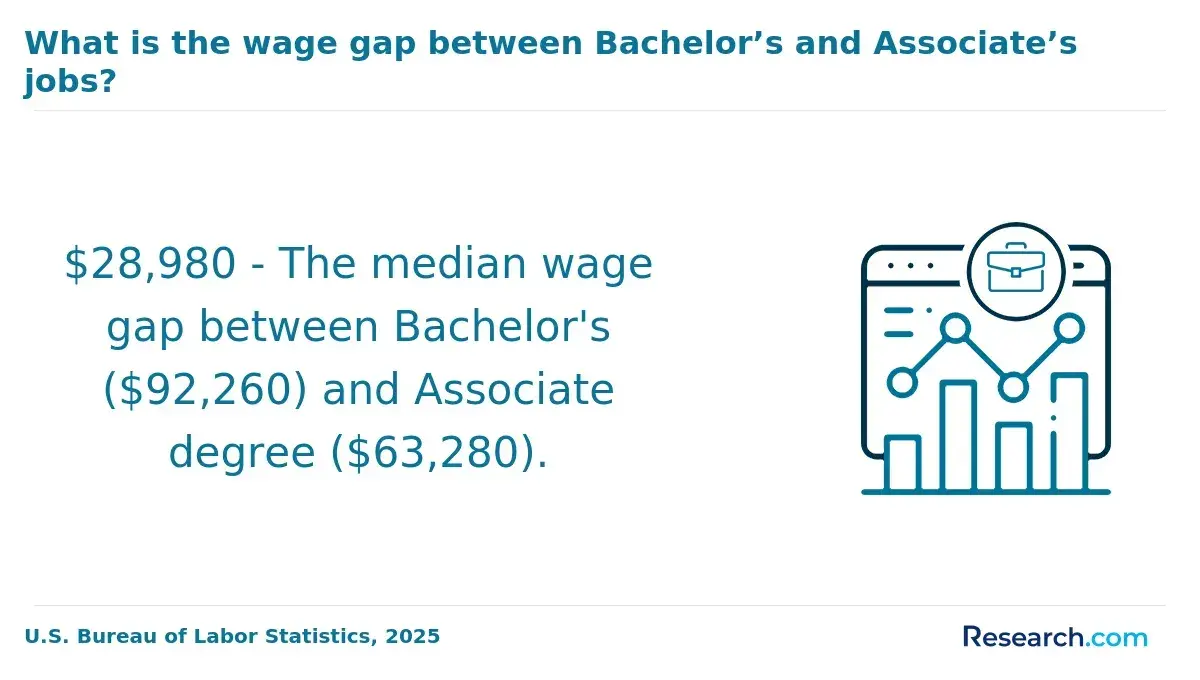
The Master of Science (MS) in Environmental Science specializations that lead to the highest-paying careers are Environmental Engineering & Remediation Technologies, Geospatial Data Science & Environmental AI, and Environmental Policy, Management & Regulatory Compliance.
While traditional fields like wildlife biology or environmental education offer deeply fulfilling work, they are frequently constrained by public funding or non-profit budgets. In contrast, the private sector—particularly energy utilities, manufacturing, and global consulting firms—pays an absolute premium for master's graduates who can engineer complex contamination solutions, process massive satellite and sensor telemetry datasets, or steer heavy industrial projects through strict regulatory clearance frameworks
1. Environmental Engineering & Remediation Technologies
This deeply technical, STEM-designated specialization bridges environmental chemistry, hydrology, and civil engineering principles. Students learn to design macro-level systems that treat industrial wastewater, manage hazardous waste, control air pollution, and execute complex soil remediation. Because industrial operations (such as manufacturing, chemical production, and energy utilities) face severe multi-million dollar liabilities for environmental damage, they heavily recruit technical experts who can systematically minimize their physical footprint.
2. Geospatial Data Science & Environmental AI
This quantitative, tech-adjacent track merges traditional environmental science with modern computational tools like Geographic Information Systems (GIS), remote sensing, satellite telemetry, and machine learning models. Rather than relying entirely on manual field sampling, students specialize in parsing vast geospatial datasets to execute ecological forecasting, model climate impact risks, and optimize urban land use. As McKinsey and global tech hubs increasingly deploy artificial intelligence to solve climate and infrastructural problems, data-fluent scientists are in critical demand.
Which environmental science master's specializations offer the best job growth?
Evaluating which environmental science master's specializations offer the best job growth requires examining beyond surface popularity to factors such as employer demand, evolving industry standards, and the adaptability of skill sets. Specializations that align with emerging regulatory frameworks, technological innovation, and sustainability initiatives tend to outperform others in workforce expansion.
For example, the 2024 U.S. Bureau of Labor Statistics projects a 15% growth in roles focused on environmental data analytics and modeling, highlighting a strong need for professionals proficient in these areas. Additionally, the transferability of competencies across multiple sectors-including government, energy, and consulting-often dictates long-term career resilience within high-growth environmental science career paths with strong employment outlooks.
Relying solely on job growth data has limitations, as regional market variations and cyclical hiring trends can significantly influence opportunities. Graduates must also consider credentialing standards, practical experience expectations like internships or portfolios, and whether a specialization facilitates both immediate employment and sustained advancement. Certain traditional fields may exhibit slower growth but remain critical in niche regulatory or industrial roles, underscoring the importance of strategic specialization selection.
Working professionals and career changers assessing part-time programs should seek concentrations that integrate hands-on skills with adaptability, ensuring their qualifications remain relevant despite shifting labor-market conditions. For those exploring interdisciplinary options, resources such as masters in psychology online illustrate the variety of pathways available outside conventional environmental science tracks that also respond to workforce demand.
Which environmental science master's specializations are best for career changers?
Environmental science master's specializations that avoid heavy prerequisite coursework and leverage existing skills are generally more accessible for career changers. Programs focusing on environmental data analysis, sustainability management, and policy often integrate applied curricula with relevant certifications and practical experiences such as internships or capstone projects.
These pathways suit professionals from diverse backgrounds by emphasizing transferable competencies like data interpretation and regulatory knowledge, facilitating smoother transitions into entry-level or mid-career roles. According to a 2024 National Environmental Employment Report, 62% of employers prioritize demonstrable applied skills over traditional degree pedigrees, underscoring the value of hands-on learning within these specializations.
However, pursuing a specialization solely based on perceived market demand carries risks including steep technical learning curves and limited prior context, which may slow progress or restrict job access. Credentialing barriers can pose significant hurdles, especially in fields requiring deep scientific foundations or professional licenses.
Networking gaps and competition against candidates with direct experience often disadvantage career changers without strategic engagement in sector-specific communities or internship opportunities. The decision to adopt a specialization should therefore balance realistic assessments of prerequisite demands, industry expectations, and one's ability to leverage practical experience rather than relying on generalized demand trends.
One graduate, transitioning from a business background, initially hesitated between environmental economics and sustainability management specializations due to uncertainty about scientific prerequisites and practical fit. They ultimately chose sustainability management, drawn by its emphasis on project coordination and policy knowledge, aligning closely with prior skills.
Strategic internships arranged through faculty connections proved critical for gaining applied experience and industry contacts that eased entry into environmental consulting. Reflecting on the choice, the graduate noted that navigating initial doubts about technical gaps and focusing on bridging professional strengths with employer expectations was key to making a credible career pivot.
Which environmental science master's specializations are best for working professionals?
Working professionals evaluating master's specializations in environmental science must prioritize employer relevance, applied skill development, and schedule compatibility to ensure educational investments support both current job roles and career progression. Specializations aligned with environmental compliance, sustainability leadership, or data analytics tend to reflect employer expectations and offer direct applicability within existing positions.
This alignment is critical, as emerging data from the Environmental Workforce Research Institute shows programs focusing on data science and policy increase employability chances by 22% within six months post-graduation. Integrating coursework that matches job responsibilities allows professionals to enhance their roles without sacrificing work commitments, which is essential when balancing graduate studies with full-time employment or family obligations.
Careful attention to how each specialization supports practical responsibilities distinguishes truly strategic options from those offering less immediate workplace impact, particularly among the best environmental science graduate programs for career advancement.
Specializations tailored for working professionals often leverage online, hybrid, or asynchronous formats to accommodate complex schedules, with coursework designed to build marketable expertise through project-based assignments linked to current employment. Programs emphasizing environmental management or public policy typically provide this flexibility, reducing the need for internships or field placements that can disrupt career momentum.
Additionally, options incorporating certification alignment or practicums adaptable to professional contexts further enhance their strategic value. These delivery models facilitate skill acquisition that is both timely and applicable, enabling students to advance without pausing their careers.
For practitioners researching optimal pathways, comparing these program structures in the context of individual work-life dynamics is a decisive factor often overlooked in general program rankings like those for MBA programs under 30k.
However, working professionals should be aware of trade-offs when selecting highly technical or research-intensive specializations that demand significant lab work or field experience. While such tracks may hold strong labor-market value in environmental science, their experiential learning requirements can pose scheduling challenges that impede steady employment.
Balancing the benefits of advanced scientific training against the constraints of rigorous time commitments and hands-on placements is crucial. Ultimately, understanding these dynamics helps prospective students gauge which environmental science master's specialization offers a sustainable blend of practical skill growth, employer relevance, and feasible study pacing aligned to their professional and personal realities.
How do online and flexible environmental science master's specializations compare?
Online and flexible environmental science master's specializations differ significantly in program design and student engagement. Fully online programs generally rely on asynchronous coursework, limiting real-time faculty interaction and cohort collaboration, which can affect the sequencing of courses and access to applied field experiences or internships.
Hybrid and flexible formats incorporate in-person residencies, fieldwork, or synchronous sessions that facilitate hands-on learning and networking, aligning more closely with employer expectations for practical skills. These structural differences influence how well a program prepares students for in-demand roles that prioritize experiential knowledge and professional connections.
Flexibility in delivery does not inherently equate to educational quality or labor market advantage. Critical factors such as curriculum rigor, specialized accreditation, integration of experiential learning, and the program's connection to employer networks weigh heavily on graduate outcomes.
Programs without robust hands-on components or career services may struggle to meet the skill demands prevalent in environmental science sectors focused on applied research, compliance, or sustainability implementation. The National Center for Education Statistics reported in 2024 that graduates of hybrid environmental programs achieve higher employment rates within six months of graduation compared to those from purely online tracks, emphasizing that employer recognition often favors tangible experiential components over convenience alone.
For working professionals and career changers, flexible environmental science pathways can accommodate ongoing employment but require deliberate evaluation of workload balance, opportunities for meaningful interaction, and pacing suitable to long-term goals.
While part-time or accelerated formats offer temporal agility, insufficient engagement with faculty or peers can limit professional growth and access to mentorship critical in advancing within emerging environmental fields. Ultimately, the decision should weigh immediacy of scheduling needs against the extent to which the program fosters skills and networks essential for sustained career progression in a competitive job market.
What skills do students learn in in-demand environmental science master's specializations?
Master's specializations in environmental science are crafted to build skill sets that align tightly with labor-market demands, curricular rigor, and employer expectations rather than serving as mere academic labels. These programs refine capabilities that meet practical and technical challenges across evolving sectors such as climate resilience, ecosystem management, and regulatory compliance. Graduates emerge with competencies shaped by real-world applications, research-driven insights, and interdisciplinary problem solving.
- Technical Proficiency in Geospatial and Monitoring Tools: Students gain hands-on experience with geographic information systems (GIS), remote sensing, and environmental monitoring technologies. These skills translate complex spatial and temporal ecological data into actionable intelligence, which is critical for roles involving resource management, conservation strategies, or environmental impact analysis.
- Advanced Analytical and Data Interpretation Skills: Coursework and research emphasize statistical analysis, systems thinking, and modeling to decode large datasets. Given a 22% projected growth in environmental data analyst positions, these analytical abilities are essential for transforming raw data into evidence-based decisions that support policy development and sustainability initiatives.
- Leadership and Stakeholder Engagement: Programs often incorporate project management and team coordination training, enabling graduates to lead multidisciplinary efforts and navigate regulatory landscapes effectively. Communication skills are honed through presentations and community outreach to ensure complex scientific findings are accessible to diverse audiences, meeting employer demands for clarity and impact.
- Specialized Field Expertise and Adaptability: Depending on the specialization, students acquire competencies ranging from ecosystem restoration techniques to renewable energy technologies and environmental law. This specialization-oriented skillset supports career flexibility, allowing transitions between traditional consulting roles and emerging sectors like green infrastructure or environmental health.
What are the admissions requirements for popular environmental science master's specializations?
Admissions requirements for popular environmental science master's specializations function as both an initial eligibility screen and a clear indicator of how closely a program aligns with specific professional competencies or advanced skill sets. Programs vary significantly in their expectations depending on specialization focus, the intensity of technical or leadership training offered, and the nature of career outcomes graduates aim to achieve.
- Prerequisite Academic Background: Most graduate program prerequisites for environmental science master's degrees emphasize a bachelor's degree in environmental science or a closely related STEM field. However, specialized tracks with a stronger focus on ecological modeling or geospatial analysis often require additional coursework in chemistry, ecology, or geology to ensure foundational knowledge, reflecting the technical complexity applicants must be prepared for.
- Relevant Professional Experience: Application criteria for top environmental science master's concentrations frequently include assessing field or work experience. Specializations targeting applied management, conservation biology, or environmental policy value candidates who demonstrate practical backgrounds, as employers seek graduates capable of integrating scientific knowledge with real-world problem solving.
- Standardized Test Policies and Academic Performance: Around 60% of leading programs dropped GRE requirements by 2024, signaling a shift toward holistic admissions that weigh academic records and professional potential more heavily. Nonetheless, research-intensive or technically demanding tracks may still mandate GRE scores to evaluate quantitative aptitude and readiness for rigorous graduate-level study.
- Application Materials Demonstrating Fit and Capability: Strong letters of recommendation, carefully crafted statements of purpose focused on clear research interests or career direction, and portfolios for specialties involving GIS or environmental design are standard. These components offer insight into candidates' motivation and specialized skill sets, helping programs differentiate applicants beyond grades and test scores.
- Licensure and Technical Competency Requirements: Certain programs, particularly those connected to environmental health or clinical practices, require documentation of certifications or physical fitness attestation. Proficiency in software and data analysis tools increasingly impacts admission decisions and early success, underscoring the demand for technical proficiency aligned with professional standards.
Prospective students should weigh these admissions factors carefully, especially if considering a quickest cheapest master's degree route, as bypassing specific prerequisites or experience may limit specialization options or employability in high-growth environmental science fields.
How should students compare cost, financial aid, and ROI by environmental science specialization?
Environmental science master's programs with specializations that emphasize fields like climate change mitigation, environmental policy, or sustainable resource management align more closely with current job market demands. Graduates skilled in Geographic Information Systems (GIS) and data analytics, for example, benefit from a 22% projected growth in demand according to the National Association of Environmental Professionals in 2024.
Course sequencing also influences career readiness; programs that gradually develop foundational knowledge before advancing to applied topics foster critical thinking and technical skills. Embedded applied learning opportunities, such as internships and project-based courses, significantly enhance employability by providing real-world experience valued by employers.
Faculty expertise rooted in active research or industry experience provides students with insights into emerging technologies and regulations. Accreditation or alignment with bodies like the Council on Education for Public Health (CEPH) ensures that programs meet the professional standards required for certifications and licensure.
Additionally, curricula that integrate evolving areas such as data science, environmental law adjustments, and sustainability trends better prepare graduates for long-term competitiveness. Students should also assess whether programs offer certification preparation or professional networking support, which can mitigate time-to-value in a rapidly evolving environmental sector.
Choosing among environmental science specializations requires thorough cost comparison beyond tuition alone. The total financial impact depends on factors such as course sequencing, practicum requirements, and eligibility for financial aid, varying by specialization. Students should analyze these dimensions to understand their debt exposure and return on investment more accurately.
- Tuition and Additional Fees: Some specializations have higher tuition rates or mandatory fees due to specialized lab use or fieldwork components, increasing overall program cost. Understanding these variations helps avoid unexpected expenses that can stretch budgets or increase borrowing.
- Internship and Practicum Costs: Applied learning experiences often require travel, equipment, or unpaid commitments. These opportunity costs, particularly in sustainability or resource management tracks, affect affordability and can extend time-to-degree.
- Financial Aid and Employer Support Variability: Scholarship availability and employer tuition reimbursement limits may differ by specialization or institution. Working professionals should verify how their employer's support aligns with the specialization chosen to optimize out-of-pocket costs.
- Certification Preparation and Credentialing Expenses: Specializations aligned with certifications may impose additional costs for exam fees, prep courses, or professional memberships. These investments impact total cost but may enhance long-term earning potential and career mobility.
- Opportunity Cost and Earnings Trajectory: Evaluating the ROI requires nuanced consideration of time-to-completion and market demand fluctuations. Overvaluing initial salary increases without accounting for specialization-specific labor market saturation risks misjudging long-term financial benefits.
Prospective students examining cost comparison for environmental science master's programs should integrate financial aid options and ROI for environmental science specializations into their decision matrix to align financial commitments with career outcomes effectively.
For those considering condensed business-focused credentials alongside environmental expertise, exploring a one year MBA program can offer insights into accelerated formats and cost structures with distinct ROI profiles.
What Do Graduates Say About Their Environmental Science Master's Specializations?
- Mordechai: "During my master's in environmental science focusing on ecosystem management, I realized early on that having a strong portfolio and relevant internships outweighed formal licensure in getting my foot in the door. The industry values hands-on experience more, especially in consulting roles where employers look for candidates familiar with real-world fieldwork and data analysis. This practical approach accelerated my hiring process, though I did notice salary ceilings without additional certifications."
- Casen: "What surprised me after graduating with a specialization in environmental policy was how competitive remote positions became. Many organizations emphasized flexibility and cross-disciplinary skills over traditional credentials, so I invested time in learning geographic information systems (GIS) and remote sensing. Even so, advancing beyond entry-level roles often required moving into managerial tracks or considering further licensure, which is a trade-off I'm still evaluating."
- Walker: "My experience in environmental science, concentrating on sustainable resource management, made it clear that licensure is not always the deciding factor for employers, but having a strong network and certifications related to project management definitely helped. The transition into the workforce was faster than I expected because I could demonstrate applicable skills and adapt to multi-sector teams. Still, I had to be pragmatic about salary growth and occasional lateral moves to gain strategic leadership opportunities."
Other Things You Should Know About Environmental Science Degrees
Specializations that offer deep technical expertise can increase your immediate employability in niche roles but may limit your flexibility if industry demands shift. Conversely, interdisciplinary tracks provide broader skill sets, preparing you to tackle complex environmental challenges but might require extra effort to establish subject-matter authority with employers. Prioritize depth if you have a clear career target in fields like hydrology or environmental toxicology. If you seek versatility or anticipate changes in environmental priorities, opt for broader programs incorporating policy, analytics, and science.
Specializations emphasizing fieldwork demand significant physical activity, travel, and adaptability to outdoor conditions, which can affect work-life balance and may not suit all lifestyles. Employers in conservation or ecosystem management expect graduates to have extensive hands-on experience, which these tracks provide. On the other hand, data-focused specializations prioritize quantitative skills, coding, and modeling-offering roles in urban planning or environmental consulting that are often office-based with more regular hours. Consider your personal preferences, health, and long-term career plans when deciding between these styles.
Employers increasingly expect graduates to be proficient with specific GIS platforms, statistical software, and remote sensing tools used industry-wide. Selecting specializations that incorporate these technologies into coursework and projects drastically improves job readiness and reduces onboarding time. Programs lagging in up-to-date tools risk placing candidates at a disadvantage in a competitive market. It is advisable to prioritize specializations whose curricula reflect industry-standard technologies to ensure your skills remain relevant and attractive.
References
- Environmental Science Program ROI https://collegeroi.org/roi/major/environmental-science/programs/sustainability-studies-masters-degree/
- Best of 2025: Environmental Science Online Master’s Programs https://www.onlinemastersdegrees.org/best-programs/environmental-science/
- What Can You Do With an Environmental Science Degree? https://willamette.edu/academics/college/environmental-science/career-options
- College ROI: How to Compare Costs, Outcomes and Fit Counselor Guide: Which Students Thrive in Small Colleges https://oglethorpe.edu/post/college-roi-costs-outcomes-fit/
- 20 Highest-Paying Environmental Science Jobs in 2025 https://internshala.com/blog/highest-paying-environmental-science-jobs/
- Environmental Science Jobs https://unity.edu/careers/environmental-science-jobs/
- Master's Environmental Sciences in Germany via Distance Learning https://www.fernstudi.net/en/magazine/master-environmental-sciences-programs-overview
- 16 Innovative Environmental Science Careers https://www.collegeadvisor.com/resources/environmental-science-careers/
- Is College Worth It? A Comprehensive Return on Investment Analysis - FREOPP https://freopp.org/whitepapers/is-college-worth-it-a-comprehensive-return-on-investment-analysis/
- Online Master's Degrees in Environmental Science: Compare Programs https://www.degreesforgood.org/online-degrees/environmental-science/masters/