2027 Best Value Online Psychopharmacology Master's Degrees: Affordable Accredited Programs with the Highest ROI

Co-Founder and Chief Data Scientist
Deciding where to pursue an online master's in psychopharmacology involves balancing cost, program quality, and long-term career benefits. With more than 40% of graduate students now enrolling in remote programs according to the National Center for Education Statistics, accessibility has improved but so has the challenge of distinguishing credible offerings from inflated promises. Affordability alone won't guarantee return on investment if a degree lacks accreditation or alignment with employer expectations. Understanding the interplay of flexible admissions, recognized curricula, and postgraduate employability is critical for those seeking to maximize their education's impact without overextending financially.
Key Things to Know About the Best Value Online Psychopharmacology Master's Degrees
- Programs accredited by relevant bodies often require rigorous curriculum alignment, limiting flexible admission cycles and increasing upfront costs but ensuring employer recognition and licensure eligibility in regulated states.
- Employers increasingly prioritize verified clinical competencies over purely academic pedigrees, emphasizing programs with integrated practicum components for workforce readiness in psychopharmacology roles.
- According to the National Center for Education Statistics, online master's enrollments grew 7% in 2023, reflecting a shift toward accessible formats that balance work-life demands but may extend time to degree completion.
What Are the Best Value Online Psychopharmacology Master's Programs in the U.S.?
Best value online psychopharmacology master's programs in the U.S. represent a nuanced intersection of affordable tuition, solid accreditation, meaningful completion rates, and positive salary outcomes. Defining best value in this context means selecting programs that not only minimize debt burden but also maximize educational rigor verified by recognized accreditations, yield timely degree completion reflective of effective student support, and translate into measurable salary increases aligned with employer demand in mental health and pharmacological fields. For example, a working nurse navigating a career pivot into advanced psychopharmacology must weigh a program's delivery flexibility against its clinical training opportunities and employer connections-choosing a lower-cost program without adequate practicum options could undercut long-term career prospects despite short-term savings.
Curated below are five accredited, fully or primarily online psychopharmacology programs organized by tuition from lowest to highest to help prospective students align choices with budget and career objectives:
- Institution Name: University of Florida
- Tuition: Approximately $18,000 total
- Delivery Format: Mostly asynchronous with occasional live seminars
- Differentiator: Offers a robust clinical practicum component embedded within its online format, enhancing hands-on experience despite remote delivery
- Institution Name: Seton Hall University
- Tuition: Around $21,500 total
- Delivery Format: Fully asynchronous for maximum flexibility
- Differentiator: Integrates interdisciplinary pharmacological research with a strong emphasis on psychiatric mental health nursing applications
- Institution Name: Drexel University
- Tuition: Roughly $27,000 total
- Delivery Format: Hybrid asynchronous modules with scheduled synchronous Q&A sessions
- Differentiator: Extensive employer network providing internship placements that significantly bolster career prospects
- Institution Name: St. John's University
- Tuition: Estimated $29,500 total
- Delivery Format: Fully asynchronous with optional live discussion groups
- Differentiator: Emphasizes psychopharmacology within the context of diverse populations, highlighting culturally competent care
- Institution Name: Quinnipiac University
- Tuition: Near $32,000 total
- Delivery Format: Primarily asynchronous supported by regular synchronous faculty office hours
- Differentiator: Strong focus on evidence-based prescribing practices aligned with evolving regulatory standards
- Accreditation: All programs hold regional accreditation and specialized approvals relevant to pharmacology or nursing where applicable, ensuring eligibility for licensure and certification paths.
- Graduation Rates: Program completion rates range generally between 70-85%, signaling solid student retention and institutional support.
- Post-Degree Salary Lift: Graduates report salary increases averaging 15-30% within two years, reflecting demand in mental health and advanced pharmacological roles.
- Data Sources: Tuition and outcome estimates are drawn from the Integrated Postsecondary Education Data System (IPEDS) and institution-reported statistics for the current academic year.
- Admission Requirements: Most programs require a relevant healthcare or science bachelor's degree and some clinical experience, aligning education with career readiness.
Opting for a psychopharmacology master's degree online requires balancing cost against academic and practical quality-essential for maximizing return on investment. Candidates should assess curriculum content, clinical training opportunities, and faculty expertise as much as sticker price. After all, choosing a program that fails to meet accreditation or leaves one without strong clinical practice exposure could reduce employability and slow the anticipated salary lift, eroding the value proposition. For students needing flexible timelines, it is advisable to consider asynchronous models that supplement with targeted synchronous engagement to maintain connection and rigor. Additionally, career-changers and working professionals might benefit from programs with robust employer networks and internship placements, which serve as critical bridges to new occupational roles.
For those seeking compact progression options, the field underscores the advantage of exploring concurrent or accelerated pathways such as a 1 year DNP program online, which can augment psychopharmacology credentials within integrated clinical doctorates, broadening scope and market relevance in healthcare systems experiencing growing demand across mental health and pharmacological services.
What Accreditations Should an Online Psychopharmacology Master's Program Have?
Choosing an online psychopharmacology master's program without carefully vetting its accreditation can lead to costly setbacks, such as ineligibility for federal aid or wasted credits that do not transfer. For example, a student aiming to switch institutions mid-degree might find their credits rejected if their original program lacks proper regional accreditation, limiting career flexibility and prolonging education time.
Accreditation operates on two essential levels: regional institutional accreditation and programmatic or field-specific accreditation. Regional accreditation-granted by one of seven authoritative bodies like the Higher Learning Commission (HLC) or the Southern Association of Colleges and Schools Commission on Colleges (SACSCOC)-is the foundational standard. It ensures academic rigor, eligibility for federal financial aid, and enables credit transferability, factors that greatly influence affordability and career mobility.
Programmatic accreditation in psychopharmacology is less straightforward because no single specialized accreditor exclusively governs this field. Nevertheless, certain aligned accreditations indicate quality and relevance. For instance, CACREP certification is meaningful where counseling elements are emphasized, and CEPH accreditation matters if public health perspectives are part of the curriculum. These can impact employers' perceptions of graduate readiness in specialized roles.
Be wary of institutions accredited solely at the national level or by lesser-known agencies, as their credentials often hold less weight with employers and typically disqualify students from federal aid programs. This creates a higher risk of diminished return on investment and limited career advancement.
Checklist for Prospective Students:
- Regional Accreditation: Is the institution accredited by a recognized regional body such as HLC or SACSCOC?
- Programmatic Accreditation: Does the psychopharmacology program hold any relevant specialized accreditations or endorsements?
- Credit Transfer: Will credits transfer to other regionally accredited institutions if needed?
- Employer Recognition: Is the accreditation broadly accepted by employers within your target job market?
How Much Does an Online Psychopharmacology Master's Degree Cost on Average?
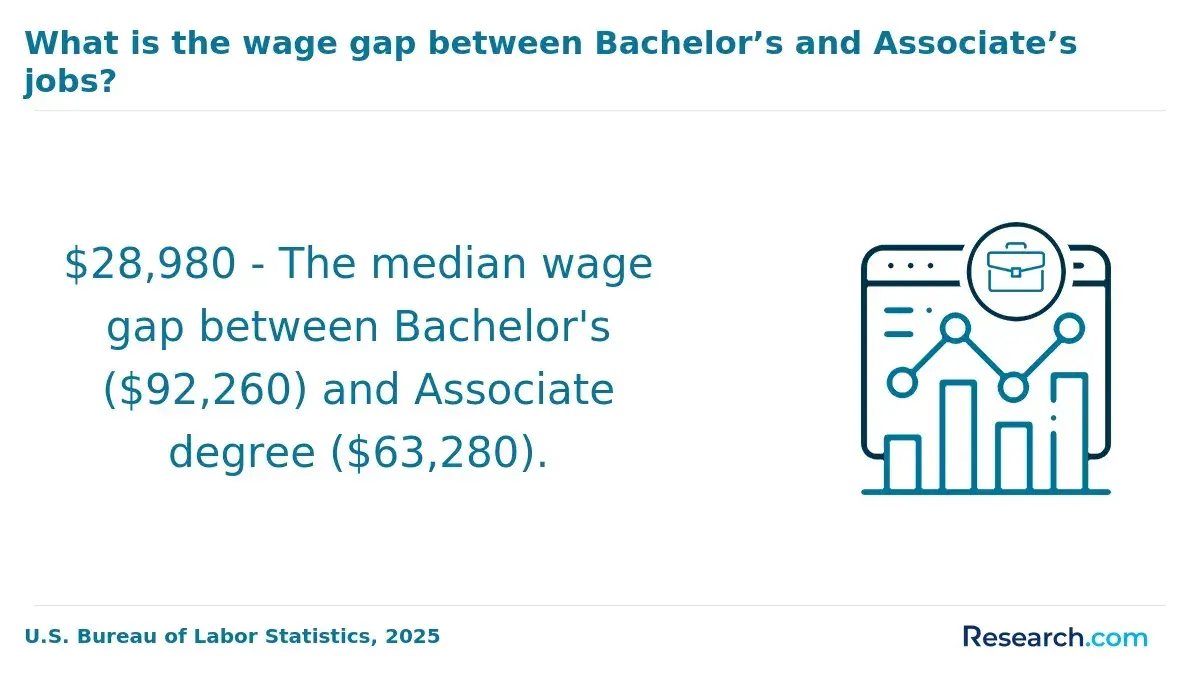
Evaluating the average cost of an online psychopharmacology master's degree requires looking beyond sticker prices to understand how program structure affects total expenses and career choices. Based on IPEDS data and institutional disclosures, total program costs typically fall into two broad categories, each with distinct financial tradeoffs relevant to working professionals and career-changers navigating affordability and academic rigor. Per-credit-hour tuition ranges from moderate three-figure amounts at public universities to higher four-figure fees at private nonprofit schools, influencing long-term student debt and return on investment.
- Total Program Cost: Public universities generally offer lower costs, often with variable rates for in-state versus out-of-state students, although some online programs waive residency distinctions with a flat per-credit or total program rate.
- Per-Credit Cost: Rates at public institutions reflect a mid-range pricing model, while private schools maintain consistently higher pricing irrespective of student location, affecting affordability especially for underrepresented groups and first-generation graduate students.
- Additional Fees: Costs beyond tuition commonly include technology and administration fees, capstone or thesis project charges, and exam proctoring expenses that can cumulatively impact the overall financial burden.
- Residency Requirements: Some programs mandate on-campus residencies or intensives, adding travel and lodging expenses, whereas others provide fully remote formats, important for those balancing employment and family obligations.
- Public University Average: Lower overall cost with tuition varying by residency; moderate additional fees; residency requirements depend on program design.
- Private/Nonprofit Average: Higher flat-rate tuition regardless of state; technology and capstone fees typically included but can still raise costs; usually minimal or no residency obligations.
Choosing between these models requires weighing direct costs against flexibility and potential employer preferences. Research on online psychopharmacology master's degree cost in the United States suggests that the nuances of program pricing and requirements should be carefully considered alongside accreditation and outcome data. For professionals comparing health care or mental health specialization pathways, cost is just one factor influencing program fit and employability. Prospective students may also explore related fields-such as an online RN to BSN-to align educational investment with career trajectories and sector demands.
What Is the Return on Investment (ROI) of an Online Psychopharmacology Master's Degree?
Evaluating the financial return on investment (ROI) of an online master's in psychopharmacology hinges on an informed comparison between the salary boost after graduation and the total program cost. ROI in graduate education is quantified by subtracting pre-degree earnings from post-degree salary, dividing that figure by the overall expense of the degree, and expressing it as a percentage or the time required to recover tuition and related costs.
Professionals with psychopharmacology-related master's degrees-such as clinical psychopharmacologists, psychiatric researchers, and mental health clinicians-generally earn median salaries between $60,000 and $85,000, depending on location and role, based on data from the Bureau of Labor Statistics and PayScale. In contrast, many entering students hold positions paying around $40,000 to $55,000 before pursuing the degree. Calculating ROI requires weighing this salary increase against tuition fees and opportunity costs.
- Work Experience: Candidates with prior clinical or research experience tend to secure higher salaries more rapidly post-graduation.
- Institution Prestige: Degrees from well-regarded universities often enable stronger negotiating power with employers.
- Regional Demand: Areas with shortages of mental health specialists typically offer better employment prospects and elevated salaries.
- Specialization: Focuses like addiction psychopharmacology or neuropsychiatric disorders frequently lead to more lucrative niche positions.
While financial outcomes are critical, non-financial returns also play a significant role. Graduates may benefit from new career trajectories, enhanced promotion potential, and improved job stability that extend beyond immediate salary gains.
One graduate shared that during the rolling admissions cycle, uncertainty about application timing and financial aid delayed enrollment decisions. They balanced the risk of missing out on a spot with the need to secure funding, ultimately deciding to commit once acceptance was firm. This experience highlights how the timeline and strategic planning around admissions can impact the overall cost-benefit analysis of pursuing the degree.
What Are the Admission Requirements for an Online Psychopharmacology Master's Program?
Admission to online psychopharmacology master's programs often hinges on a balance between academic readiness and relevant experience, reflecting the discipline's interdisciplinary demands. Applicants can expect a typical minimum undergraduate GPA near 3.0 on a 4.0 scale, though some programs may weigh professional background or advanced coursework when considering candidates below this threshold. For example, a working healthcare professional with extensive pharmacology experience but a GPA slightly under 3.0 might still gain admission where test scores or other credentials compensate.
Key application elements include:
- Undergraduate GPA: A common academic benchmark with some flexibility depending on the institution's selectivity and applicant's profile.
- Letters of Recommendation: Usually two or three, emphasizing academic capability, professional skills, or potential in graduate study.
- Statement of Purpose: A focused essay clarifying career objectives, motivation, and how the program fits the applicant's goals.
- Resume or CV: A current document highlighting relevant coursework and professional experience, especially in biology, psychology, pharmacology, or related fields.
- Prerequisite Coursework: Foundational classes in science disciplines often required to ensure preparedness for rigorous graduate study.
While many programs have moved away from GRE or GMAT requirements, favoring test-optional or waived policies to broaden access, some programs-particularly those with a strong STEM emphasis-still require verification of quantitative skills through coursework or testing.
Given the variability in admissions criteria across accredited programs, applicants should strategically apply to a mix of reach, match, and safety schools. This approach manages resources efficiently while optimizing acceptance chances in a competitive and evolving field linked closely to healthcare workforce needs.
What Is the Minimum GPA Requirement for a Psychopharmacology Master's Program?
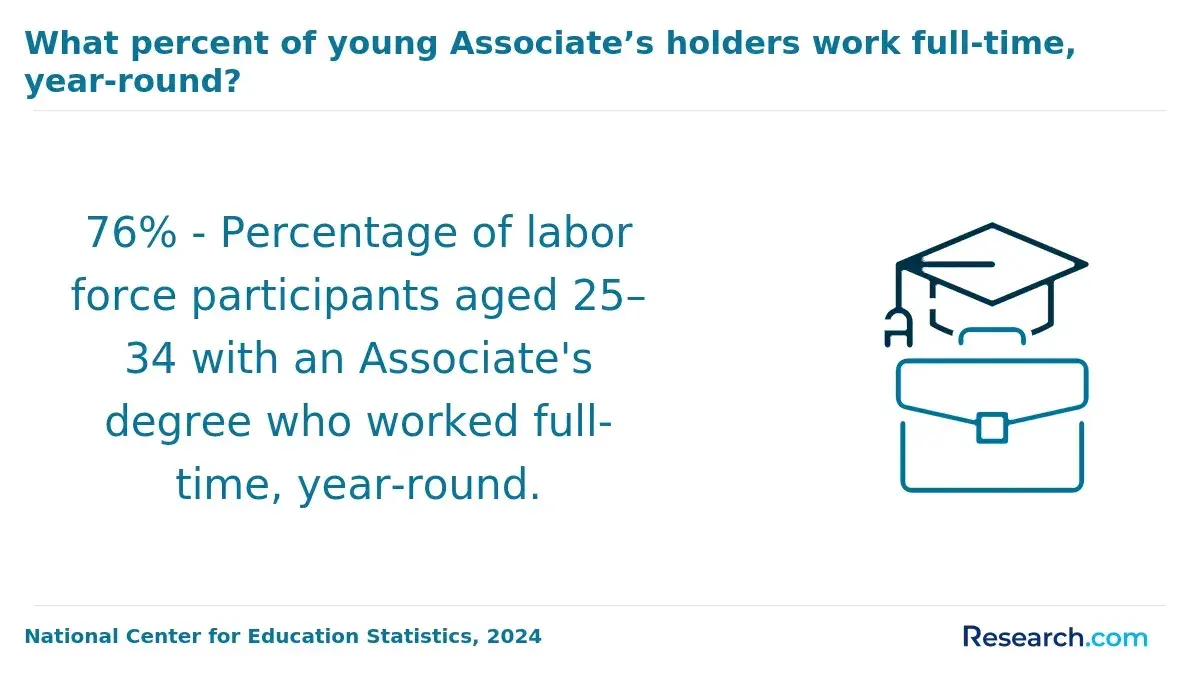
The minimum GPA requirement for an online psychopharmacology master's program is a crucial factor that often determines whether an applicant advances in the admission process. Most accredited programs typically set a minimum undergraduate GPA between 2.75 and 3.0 on a 4.0 scale, establishing the eligibility floor for consideration. However, applicants targeting competitive programs should anticipate average admitted GPAs closer to or exceeding 3.2. This distinction reflects the operational tradeoff programs make: maintaining accessibility while managing academic risk and completion rates.
For many working professionals or career-changers with a GPA below these thresholds, admission pathways still exist. Programs frequently allow GPA waivers where standardized test scores, relevant experience, or portfolio work can substitute for academic metrics. Some applicants may be admitted conditionally or provisionally, subject to additional coursework or probationary evaluation, a practice that aligns with the holistic review processes most programs employ.
A holistic review means that beyond GPA, admissions committees weigh letters of recommendation, personal statements, and career goals, recognizing that a fixed GPA cutoff doesn't fully reflect a candidate's potential or fit. For first-generation graduate students or those balancing employment, understanding these nuances can guide realistic program choices and avoid costly application cycles with low returns.
In a broader context, the average GPA needed for psychopharmacology graduate admission in the US reflects systemic trends in healthcare education and workforce demand, underscoring the importance of selecting programs with transparent admissions policies and options tailored to diverse academic backgrounds. Considering affordability and outcomes, prospective students might also evaluate pathways such as an online bachelor's degree in nutrition if interdisciplinary foundations align with their career goals.
- Minimum Eligibility: The lowest GPA for program consideration typically ranges from 2.75 to 3.0, ensuring baseline academic preparedness.
- Competitive GPA: Competitive programs generally admit students with GPAs around 3.2 or higher to mitigate risk of attrition.
- GPA Waivers: Flexibility through waivers allows substitution of professional experience, portfolios, or standardized test results for GPA requirements.
- Conditional and Provisional Admission: Programs may grant admission with conditions requiring further demonstration of capability via coursework or probation.
- Holistic Review: Admissions decisions incorporate recommendation letters, work experience, and personal statements to assess broader qualifications.
What Financial Aid Options Are Available for Online Psychopharmacology Master's Students?
Securing financial aid for an online psychopharmacology master's degree often involves navigating a complex mix of options with varying eligibility and tradeoffs. Many students assume graduate federal grants are available, but unlike undergraduate Pell Grants, these are rare at the graduate level, which can disrupt budgeting plans. This makes loans and competitive scholarships critical pillars of funding, with important differences in terms and conditions that affect long-term debt and repayment flexibility.
- Federal Loans: Direct Unsubsidized Loans and Graduate PLUS Loans constitute the main federal borrowing avenues, but they must be approached cautiously due to varied interest rates and cumulative limits impacting future financial stability.
- Institutional Scholarships and Fellowships: These awards often require strong academic records or research engagement; they can substantially ease costs but are limited and highly contested, especially for online formats.
- Employer Tuition Reimbursement: Professionals should verify if their employers cover tuition expenses, yet these benefits commonly hinge on the program's relevance to current job roles and may involve complex approval processes.
- Graduate Assistantships: Available at some institutions even for remote learners, assistantships offer tuition discounts and stipends in exchange for research or administrative duties, though openings are scarce and competitive.
- External Scholarships: Associations linked to psychopharmacology and mental health fields occasionally provide targeted scholarships, particularly aimed at underrepresented demographics, which can supplement primary aid sources.
Because graduate FAFSA applicants receive a Student Aid Index rather than traditional grant calculations, early application is essential to secure the most favorable aid before funds diminish. Prospective students benefit from thoroughly researching scholarships tailored to their specialization and demographic, advocating for improved aid packages especially when juggling multiple offers, and investigating state grant programs that might be available despite enrollment out-of-state.
An online master's graduate recalled how delays in FAFSA processing and late scholarship decisions created stress during their program search. They initially hesitated to accept admissions offers without clearer funding guidance but eventually succeeded by persistently engaging financial aid offices and leveraging niche scholarships. This experience underscored the necessity of proactive and sustained management of funding applications rather than passive reliance on automatic disbursements, particularly given the rolling admissions and financial aid timelines common in psychopharmacology master's programs.
How Long Does It Take to Complete an Online Psychopharmacology Master's Degree?
Completion times for online psychopharmacology master's degrees reflect a complex interplay between academic workload, student circumstances, and program design. The practical reality for most learners-especially working professionals and first-generation graduate students-is that completing the degree within two years aligns better with workforce demands and financial planning. Those unable to commit full-time should anticipate a longer horizon, often between 2.5 and 4 years, which corresponds to the majority enrollment pattern for online master's programs.
Understanding the average time to complete an accredited online psychopharmacology master's helps students evaluate program value beyond mere duration. Commitments such as thesis or capstone projects introduce further timing variability, and program choices can dramatically affect pacing and costs.
- Typical Duration: Full-time students usually finish within 18 months to 2 years, while the majority studying part-time take between 2.5 and 4 years.
- Credit Requirements: Most programs require between 30 and 45 credit hours, affecting how long coursework will take depending on the load carried each semester.
- Course Load: Students carrying heavier semester credits can shorten completion time, but many balance work and study by taking fewer credits each term.
- Transfer Credits: Prior graduate coursework applicable to the degree can accelerate progress by reducing required credits.
- Scheduling Format: Cohort-based programs follow fixed timelines, whereas self-paced tracks allow flexibility but may extend overall duration.
- Accelerated Options: Some online psychopharmacology master's can be completed in as little as 12 months, offering rapid entry for highly motivated students.
- Quality Considerations: Faster completion does not inherently imply lower quality; accreditation status and employer recognition weigh more heavily in hiring decisions.
- Thesis or Capstone: Requirements for research projects or capstone experiences can add one or two semesters depending on a student's pace and faculty availability.
Data from recent enrollment analyses reveal that most online graduate students operate part-time, which aligns with the longer duration observed. A responsible decision about program timing must balance the pressures of job demands, tuition costs, and the urgency to move into specialized roles in healthcare or research. Career changers and underrepresented groups should scrutinize these factors carefully to avoid extended unpaid time or excessive debt.
Prospective students interested in accelerated routes might compare timelines alongside accreditation and workforce outcomes to ensure a sound return on investment. For those in nursing or related fields, examining cross-pathway options like an accelerated nurse practitioner program can also inform strategic educational planning.
What Specializations or Concentrations Are Available in Online Psychopharmacology Master's Programs?
Choosing a specialization within online psychopharmacology master's programs is a pivotal decision that shapes employability and earning potential by aligning graduates with distinct professional demands. For instance, a graduate focusing on Clinical Psychopharmacology may be positioned for direct patient care roles, while a concentration in Mental Health Policy and Administration directs toward healthcare system leadership. Such decisions are critical since some programs offer a general track permitting elective flexibility, whereas others require declaring a concentration upfront, which can affect future career mobility and salary trajectories. Prospective students must carefully assess job market requirements and align their specialization choice with roles they aim to secure by reviewing relevant job postings and employer preferences.
The most commonly available specializations across accredited online psychopharmacology master's degrees in the United States include:
- Clinical Psychopharmacology: Focuses on medication management in clinical settings for mental health disorders.
- Neuropsychopharmacology: Explores drug actions on neurological processes and brain-behavior relationships.
- Addiction Psychiatry: Targets pharmacological treatments for substance use disorders.
- Child and Adolescent Psychopharmacology: Addresses medication strategies tailored to developmental stages.
- Geriatric Psychopharmacology: Emphasizes medication considerations for older adults and cognitive decline.
- Psychopharmacogenetics: Investigates genetic influences on individual medication responses.
- Research and Experimental Therapeutics: Prepares for roles in clinical trials and drug development innovation.
- Mental Health Policy and Administration: Concentrates on the organizational and policy aspects of psychopharmacological services.
Not all specializations hold equal weight in the labor market. Some tracks command higher salary premiums and more stable employment, depending on local healthcare infrastructure and demand. Engaging with alumni and academic advisors helps clarify how particular concentrations influence long-term career trajectories. Additionally, accreditation by regional bodies or organizations such as the American Psychological Association (APA) and the National Association of Boards of Pharmacy (NABP) plays a critical role in program credibility and employer acceptance.
- Accreditation: Regional accreditation and specialized recognition from bodies like the APA or NABP bolster program legitimacy.
- Program Delivery: Available fully online or hybrid, with some requiring clinical placements or residencies.
- Admission Requirements: Typically include relevant bachelor's degrees, professional experience, and prerequisite coursework.
- Career Outcomes: Specialization choice significantly impacts job roles across clinical, research, administrative, or policy sectors, influencing salary and advancement.
For those weighing financial considerations alongside program features, exploring options such as fully funded DSW programs online may provide insight into funding pathways that complement psychopharmacology studies. First-generation graduate students, working professionals, and career-changers must balance affordability, academic rigor, and career ROI carefully, especially when certain concentrations offer superior returns in high-demand sectors.
How Do Online Psychopharmacology Master's Programs Compare to On-Campus Programs in Quality and Recognition?
The core determinant of online psychopharmacology master's program quality and recognition lies in accreditation and institutional reputation rather than delivery format. Employer surveys conducted by SHRM consistently reveal that most hiring managers do not differentiate between degrees earned online or on campus from the same regionally accredited institution-provided the diploma does not explicitly state "online." This distinction impacts candidacy in competitive healthcare roles where credential perception influences initial screening as much as knowledge.
That said, choosing on-campus programs can offer concrete advantages in direct networking, access to specialized labs, and established campus recruiting channels, which often accelerate placements in clinical or applied research settings. For example, a working professional aiming for a psychopharmacology role in hospital settings may find on-campus practicum access significantly beneficial. Conversely, several online programs now integrate virtual networking platforms, employer partnerships for practicum placements, and hybrid residencies, partially bridging this experiential gap. The tradeoff involves balancing convenience and flexibility against potentially limited in-person engagement.
Prospective students should weigh the institution's reputation, demonstrated graduate employment outcomes, and program rigor ahead of modality. Examining alumni employment on LinkedIn offers a transparent window into post-graduation success and industry acceptance.
- Accreditation: Regional accreditation functions as the credential equalizer across delivery modes, ensuring employers recognize the degree equivalently when "online" is not designated on diplomas.
- Employer Perception: Recent employer surveys show minimal bias against online degrees from the same accredited university.
- Networking: On-campus programs favor direct interpersonal networking and recruiting; some online alternatives compensate with virtual and hybrid solutions.
- Practicum Access: On-campus programs facilitate straightforward access to labs and applied settings, while hybrid formats support remote learners.
- Institution Reputation: School credibility and program rigor are more influential than modality regarding employer hiring decisions in psychopharmacology fields.
What Graduates Say About the Best Value Online Psychopharmacology Master's Degrees
- Tony: "Balancing a full-time job with family obligations left me with very little time, so I picked a program known for its flexibility and affordable tuition. The decision to prioritize a lower cost and asynchronous coursework meant I could study evenings without sacrificing my income. After graduation, I secured a remote research assistant role that values practical skills over licensure, though I've realized without certification my clinical advancement remains limited."
- Denver: "Switching careers in my mid-30s, I had a tight budget and needed a program that would maximize my return on investment. I chose a well-accredited master's that emphasized internships and portfolio development, which helped me land a competitive internship shortly after graduating. That real-world experience boosted my resume, but employers still favor candidates with additional certifications, so I'm now planning to pursue those while working."
- Kai: "I was drawn to a program that advertised fast workforce entry since I wanted to get started quickly despite juggling a heavy course load. The curriculum was intense, but it equipped me with up-to-date pharmacology skills that impressed employers during interviews. Still, I found many positions prefer clinical experience and licensure, so while I've made steady salary gains, I must continue my professional development to access higher-level roles."
Other Things You Should Know About Psychopharmacology Degrees
Graduates of online psychopharmacology master's programs often pursue roles in clinical settings, research, or healthcare administration. However, job placement depends heavily on program reputation and connections within healthcare networks. Programs with integrated internships or practicum components tend to yield stronger employer interest, making those options preferable for students focused on clinical employment.
Beyond tuition, students should anticipate expenses for required textbooks, specialized software, and licensing examinations if their career path requires certification. Some programs also charge technology fees or proctoring fees for online exams. Prospective students need to factor in these additional costs as they can significantly impact the total ROI, especially in programs lacking clear transparency around fees.
When selecting a program, prioritize accreditation and how well the curriculum aligns with your intended career path, whether that's clinical practice, research, or policy work. Those seeking clinical roles should focus on programs with substantial practicum or supervised clinical hours, which influence employer willingness to hire. In contrast, candidates aiming for research or academic careers might prioritize faculty expertise and publication opportunities.
References
- Return on Investment For an Online Psychology Degree https://www.onlinepsychologydegrees.com/articles/return-on-investment-for-an-online-psychology-degree/
- Online M.S. Clinical Psychopharmacology - The Chicago School https://www.thechicagoschool.edu/programs/psychology/clinical-psychopharmacology/ms/
- Graduate Scholarships and Resources for Psychology Students https://www.onlinemastersdegrees.org/student-resources/psychology/
- 2025 Best Master’s in Psychopharmacology Programs - Online, Low Cost, & Quick Options https://www.counselingpsychology.org/psychology/degrees/psychopharmacology/masters/
- 5 Terrific Ways to Finance your Masters in Psychology Degree https://mastersinpsychologyguide.com/articles/5-terrific-ways-to-finance-your-masters-in-psychology-degree/
- What is the Master Psychopharmacology Program? https://www.neiglobal.com/Members/MPP/MPPOverview/tabid/307/Default.aspx
- Clinical Psychology - SWPS University https://english.swps.pl/academics/warsaw/ma-programs/psychology/clinical-psychology
- Best Online Master's & Doctoral Programs In Psychology 2025 https://www.psychology.org/rankings/best-online-graduate-degree-programs/
- Is Grad School Worth It? A Comprehensive Return on Investment Analysis - FREOPP https://freopp.org/whitepapers/is-grad-school-worth-it-a-comprehensive-return-on-investment-analysis/
- Clinical Psychopharmacology MS https://www.fdu.edu/program/ms-clinical-psychopharmacology-post-doctoral/