2027 Most Affordable Online Master's Degrees for Remote Jobs

Co-Founder and Chief Data Scientist
An online master's degree can expand your career options, but low tuition does not make a program a good investment if its requirements or career path do not fit your plans. The U.S. Bureau of Labor Statistics projects 34% employment growth for data scientists from 2024 to 2034, illustrating demand in one remote-capable field - not a promise of remote work or a job.
This guide compares ten degree fields for cost-conscious working adults and career changers. You'll learn where graduate study may add value, what can raise the total price, and how to check whether a program supports the work you want.
Key Things You Should Know
- Compare total degree cost, not per-credit tuition: required credits, fees, prerequisites, and any travel or placements can change which option is cheapest.
- Business, computing, and analytics degrees can support remote-capable work, but employers typically also assess experience and skills; a master's degree does not guarantee a remote job.
- Before enrolling, confirm institutional accreditation, online attendance requirements, and - especially in counseling, education, and nursing - whether the program meets your state's professional requirements.
Top 10 Most Affordable Online Master's Degrees for Remote Jobs - Affordable Remote Degrees
Business / MBA Programs
A Master of Business Administration (MBA) is a professional degree that may suit experienced workers pursuing remote-capable operations, consulting, finance, or project roles. Compare it with a narrower MS in management or accounting: an MBA offers breadth, while a specialized degree may avoid paying for courses you do not need.
Leadership jobs usually require experience beyond the degree. For affordability, compare total required credits, business-school fees, and any residency or team-project travel. Ask whether the curriculum builds demonstrable skills with remote collaboration tools rather than assuming online study itself prepares you for remote management.
Healthcare Administration & Management Programs
A Master of Healthcare Administration (MHA) or healthcare-focused MBA can prepare experienced professionals for administrative work involving budgets, operations, compliance, or health information. Some duties may be performed remotely, but leadership positions commonly depend on healthcare experience and employer needs.
Compare required credits and fees with an MPH or general MBA only after identifying your target role. A lower-cost program may be poor value if its internship or residency conflicts with your job. An MHA is not a clinical license and does not qualify graduates to provide patient care.
Information Technology Programs
An MS in information technology typically emphasizes systems, cloud services, infrastructure, or IT leadership. It may fit professionals seeking remote-capable technical or supervisory work without the theory-heavy curriculum of some computer science degrees.
Entry-level support or administration roles may not require graduate study, so compare the degree's cost with certifications and experience first. Check for required labs, group meetings, and vendor-specific courses that could become outdated. For management roles, assess whether the program builds on your existing technical and professional experience.
Computer Science Programs
An MS in computer science can deepen skills in software engineering, algorithms, artificial intelligence, or systems. It is most compelling when specialization would help you pursue work beyond your current preparation; many software jobs do not require a master's degree. Career changers should price any prerequisite or bridge courses separately and check whether they count toward the degree.
Compare thesis and non-thesis tracks, required credits, and access to computing resources. Software development can be remote-capable, but a research-oriented curriculum may be a poor fit if your immediate goal is applied development work.
Cybersecurity Programs
An MS in cybersecurity may cover security engineering, risk management, digital forensics, or policy. The most economical track is the one aligned with your intended role - not necessarily the one with the fewest courses. Many security positions require hands-on experience, and access to sensitive systems may restrict remote work.
Examine lab and proctoring requirements, security-specific fees, and whether the curriculum complements certifications relevant to employers. If you are new to IT, an introductory credential or technical work experience may be a less expensive first step than a specialized master's degree.
Data Science / Analytics Programs
An MS in data science or business analytics may support remote-capable analysis, modeling, and decision-support work. Data science usually places more weight on programming and statistics; analytics programs may focus more on business applications.
Compare prerequisite math and coding courses because they can increase both cost and time. Seek a capstone or portfolio that lets you demonstrate work to employers. Some analyst positions are accessible with a bachelor's degree and relevant skills, so pay for graduate study when its advanced coursework offers a clear benefit over a shorter credential.
Education / Educational Leadership Programs
A Master of Education (MEd) or educational leadership degree can support curriculum design, instructional technology, or school administration. Some design and training positions permit remote work; school leadership generally involves on-site responsibilities.
If your goal is principal licensure or another credential, verify state approval and experience requirements before comparing prices. Student teaching, internships, or supervised leadership hours may remain in person even when coursework is online. Teachers who do not need licensure should compare tuition with employer reimbursement and the value of a narrower instructional-design pathway.
Counseling / Psychology Programs
A licensure-oriented MA or MS in counseling is distinct from a general psychology master's degree. Online coursework does not eliminate supervised practicum and internship requirements, which can add local placement costs and limit scheduling flexibility.
Telehealth roles may be available after licensure, subject to state rules and employer policies; the degree alone does not authorize practice. Confirm that the curriculum meets the licensing requirements where you intend to work, including any rules affecting services across state lines. A non-licensure psychology degree may cost less but serve a different career goal.
Nursing Programs
A Master of Science in Nursing (MSN) may prepare registered nurses for education, leadership, informatics, or advanced practice. Informatics and some administrative duties can be remote-capable; patient-care roles generally cannot. Admission usually requires nursing credentials, and clinical tracks may require local placements, supervised hours, examinations, and separate licensure.
Compare the full cost of clinical compliance, placement, travel, and certification preparation - not just online tuition. If remote work is the priority, check whether the concentration actually leads toward remote-capable duties rather than choosing an MSN solely for its delivery format.
Engineering Management Programs
An MS in engineering management blends technical decision-making with finance, operations, and project leadership. It may suit engineers coordinating distributed teams, though management positions usually require substantial experience.
Compare it with an MBA: the engineering degree may be a better fit for technical projects, while an MBA can provide broader business preparation. Check whether admission requires an engineering or quantitative background and whether projects demand scheduled collaboration. A lower-priced program is less useful if its electives do not match the industry and responsibilities you want.
What Are the Most Affordable Online Master's Degrees for Remote Careers?
There is no single cheapest degree field for remote careers. Business, IT, computer science, cybersecurity, and analytics can offer relatively direct routes to remote-capable work when they build on your existing skills. Healthcare, education, counseling, and nursing require closer scrutiny of placements, licensing, and on-site duties.
Within every field, the affordable choice is an accredited program with a manageable total cost and a credible connection to your target role - not simply the lowest advertised tuition. The comparisons below identify what most often changes each field's value for a cost-conscious student. They compare degree types, not specific universities or verified price rankings.
| Degree field | Potential remote-career fit | Cost or fit issue to check first |
| MBA or business | Operations, analysis, consulting | Business-school fees and the experience needed for target roles |
| IT, computer science, or cybersecurity | Technical development, systems, security | Prerequisites, labs, and whether a master's adds value beyond experience |
| Data science or analytics | Analysis, modeling, decision support | Math prerequisites and portfolio opportunities |
| Healthcare or education | Selected administrative, design, or training roles | Internships, state requirements, and on-site responsibilities |
| Counseling or nursing | Selected telehealth, informatics, or administrative roles | Licensure, clinical placements, and state-specific rules |
| Engineering management | Technical project coordination | Required background and management experience |
If the role you want does not require graduate education, compare the master's with targeted certificate programs or relevant work experience before committing to the larger expense.
Which Remote Jobs Require or Prefer a Master's Degree?
Few jobs are inherently remote, and "remote" is usually an employer policy rather than a degree outcome. Graduate study is most defensible when the role requires a master's, a license built on one, or advanced skills you cannot readily gain through experience alone. Even in remote-capable occupations, an employer may require hybrid attendance, travel, specific time-zone coverage, or prior experience.
Licensed professional counseling generally requires a qualifying graduate program plus supervised practice, examination, and state licensure; telehealth work comes after those requirements, not automatically after graduation. Advanced nursing roles likewise have clinical and licensing requirements. By contrast, software development, data analysis, cybersecurity, and many business roles can be remote-capable but commonly have paths that do not require a master's.
Management roles usually require professional experience, regardless of degree. Read job postings for your desired title and location before selecting a field. Separate required credentials from preferred ones, and note how often employers specify remote eligibility, licensing jurisdiction, technical tools, or years of experience.
How Much Do Affordable Online Master's Degrees Cost?
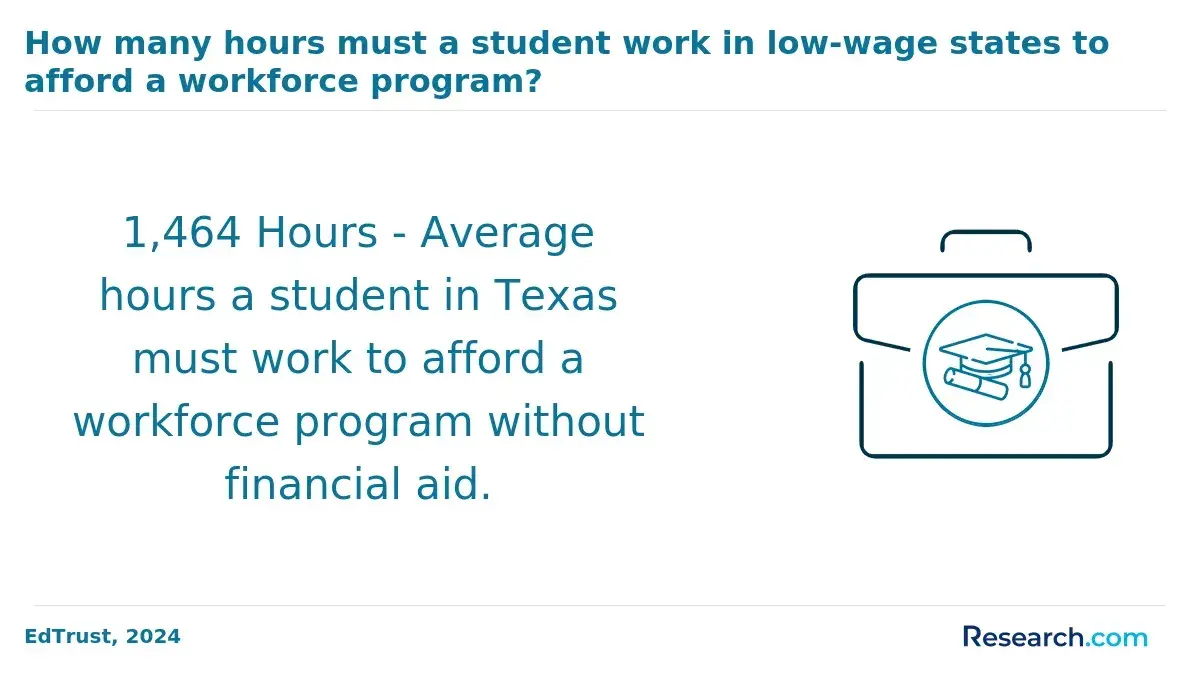
An affordable online master's degree is one whose complete, realistic price fits your budget and career goal. Published per-credit tuition is a starting point, not a comparable program price. No institution-specific prices are ranked here because required credits, residency rates, fees, and individual aid offers must be verified for each program and student.
These cost categories explain why a program with cheaper tuition can cost more to finish. Request a written estimate for the entire degree, using the course load and residency status you expect.
| Cost category | Why it matters |
| Tuition for required graduate credits | Programs may require different numbers of credits or charge differential tuition. |
| Mandatory and program fees | Technology, laboratory, and other fees can change the total substantially. |
| Prerequisites and materials | Foundation courses, software, and equipment may not be included in the advertised degree price. |
| Travel and placements | Residencies, internships, clinicals, and required visits can create expenses beyond the school bill. |
| Financing and time | Loan interest and reduced working hours affect what the degree ultimately costs you. |
Ask about scholarships, employer tuition assistance, payment plans, and eligibility for federal aid. Also request an evaluation of any previous graduate-level coursework before assuming it will reduce the bill. Some competency-based master's use a different tuition structure; compare the price at a pace you can realistically maintain, not an idealized fastest finish.
Which Online Master's Programs Offer the Best Remote Career Potential?
The strongest remote-career potential generally comes from matching a degree to work you can already demonstrate or realistically enter. An experienced programmer might use an MS in computer science to specialize, while an established analyst might use data science coursework to move into more technical projects. An MBA may make more sense for a professional with operational experience than for someone expecting the credential alone to produce a remote management job.
For a career changer, compare the price of a master's with the cost of acquiring prerequisites, building a portfolio, and entering the field through a less expensive credential. For a licensed professional, first determine whether the proposed job can legally be done remotely from the location where you intend to work. Treat remote-friendly coursework as a scheduling benefit; it is not evidence that graduates obtain remote jobs.
How Can You Verify Online Master's Program Accreditation?
Check institutional accreditation before treating an online master's degree as a viable bargain. Confirm the institution's current status through the U.S. Department of Education's accreditation database or the accreditor itself, and make sure the status covers the school awarding the degree. Accreditation can affect federal aid eligibility and how employers or other institutions assess a credential; it does not, by itself, establish that a program meets professional licensing rules.
Next, check whether your intended occupation calls for programmatic accreditation or state approval. This is especially important in counseling, nursing, and educator-preparation programs. Ask the program for written confirmation about eligibility in the state where you plan to seek a license, including placement and examination requirements. A school's general statement that it is "accredited" is not a substitute for checking the specific credential you need.
What Are the Admission Requirements for Online Master's Programs?
Most master's programs require a completed bachelor's degree, but preparation and selection standards differ. Applicants may need transcripts, recommendations, a statement of purpose, and a résumé. A computing degree may require programming or math coursework; an MSN may require nursing licensure; some leadership programs value relevant employment.
GPA thresholds, GRE or GMAT policies, interviews, and conditional admission vary by program, so verify the current graduate admissions page rather than assuming a university-wide policy applies. Ask whether missing prerequisites can be taken before or during enrollment, what they cost, and whether they count toward graduate degree requirements.
Taking online classes for undergraduate preparation does not ordinarily create transferable master's-level credit. If you already hold graduate coursework or a graduate certificate, request a course-by-course transfer evaluation; acceptance by the university does not necessarily mean those credits satisfy your intended degree's requirements.
How Long Do Online Master's Degrees Take to Complete?
Completion time depends on the remaining requirements and the pace you can sustain, not merely on whether courses are online. Full-time enrollment may shorten the calendar but can reduce working hours; part-time study can preserve income while extending tuition payments and delaying any career benefit. Course sequencing, infrequent electives, prerequisites, capstones, theses, residencies, internships, and clinical placements can all affect the finish date.
Ask an advisor for a term-by-term plan based on your intended enrollment load. If a program advertises an accelerated timeline, confirm its assumptions about prior preparation and eligible graduate transfer credits. Short course terms do not mean the entire degree can be finished in one term. Check whether required online meetings, placement hours, or campus visits fit your work schedule before valuing a faster advertised timeline.
What Salaries and Job Outlook Can Graduates Expect?
Occupational wages describe people working in those jobs - not what a new master's graduate will earn. The U.S. Bureau of Labor Statistics reports the following May 2024 U.S. median annual wages. They provide salary context, but each occupation includes workers with different credentials and experience levels.
| Occupation | U.S. median annual wage, May 2024 | How to interpret the degree connection |
| Data scientists | $112,590 | A master's may support specialization, but graduate study is not universally required. |
| Information security analysts | $124,910 | Technical experience and employer requirements matter alongside education. |
| Medical and health services managers | $117,960 | Relevant healthcare experience is commonly important for management work. |
BLS projects 34% growth in data scientist employment from 2024 to 2034. That is an occupation-wide projection, not a forecast for remote openings or master's graduates. Use wage and growth figures to assess a field's broad prospects, then compare actual job postings with your location, experience, and likely post-degree qualifications.
How Should You Compare Online Master's Programs and Career Outcomes?
Choose the least expensive program that meets your actual career requirements - not the least expensive program on a tuition list. A useful comparison starts with the job you want and ends with a written estimate of the cost and time needed to become eligible for it.
Use the following sequence when narrowing your options; it catches common mistakes before you pay an application fee or enroll.
- Identify target job titles and review postings for degree requirements, experience, remote eligibility, and location restrictions.
- Confirm institutional accreditation and any necessary program approval, state licensing eligibility, or clinical placement arrangements.
- Request total tuition and mandatory fees for all required credits, plus estimated prerequisite, travel, materials, and placement expenses.
- Ask for a term-by-term schedule showing live sessions, in-person requirements, and the completion date at your intended pace.
- Get eligible graduate transfer credit evaluated and compare the remaining cost with employer assistance, aid options, and a lower-cost credential or experience-based route.
Be cautious of a low per-credit price without a total estimate, a remote-job claim without employment evidence, or a "fully online" label that obscures required in-person work. If your goal is research rather than professional advancement, compare the purpose and funding implications of doctoral study separately; affordable online PhD programs are not interchangeable with career-focused master's degrees.
Other Things You Should Know About
It can build relevant skills or meet a credential requirement, but remote eligibility depends on the occupation, employer, location, experience, and - in licensed fields - state rules.
Start with jobs you can realistically qualify for, then compare prerequisite costs. Business analytics or IT may fit some changers, but a shorter credential or work experience may be a cheaper first step.
Not necessarily. Compare required credits, mandatory fees, prerequisites, materials, placements, travel, and the financial effect of your expected completion time.
Online coursework may be available, but licensure-oriented tracks can require supervised clinical or practicum hours in person. Confirm the program's requirements and your state's rules before enrolling.
References
- Employment Projections Home Page | bls.gov https://www.bls.gov/emp/
- The role of accreditation in 21st century health professions education: report of an International Consensus Group https://pmc.ncbi.nlm.nih.gov/articles/PMC7520947/
- Net Price Calculator Center | ed.gov https://collegecost.ed.gov/net-price
- Types of Financial Aid: Grants, Work-Study, and Loans | studentaid.gov https://studentaid.gov/understand-aid/types
- Tuition and Fees | California State University Long Beach https://www.csulb.edu/student-records/tuition-and-fees
- Remote IT Jobs: 7 Essential Requirements and Skills for 2026 - ICOHS College https://icohs.edu/remote-it-jobs-requirements-skills/
- How long does it take to get an MBA degree? | SDSU https://business.sdsu.edu/graduate/mba/how-long-does-it-take-to-get-an-mba-degree
- How Long Does It Take to Get an MBA? Full Timeline | SCU https://www.scu.edu/business/blog/mba/how-long-does-it-take-to-get-an-mba/
- Accelerated Two-Year Option - Part-Time MBA - NYU Stern https://www.stern.nyu.edu/programs-admissions/mba-programs/part-time-mba-manhattan/academics/accelerated-two-year-option
- Earn Your Online Master's Degree at UCF https://www.ucf.edu/online/masters/