
2027 Most Affordable Online Master's Degrees for Communications Careers

Co-Founder and Chief Data Scientist
An online communications master's can sharpen your skills without requiring a move or a career break - but a low tuition rate does not necessarily mean a low-cost degree. The U.S. Bureau of Labor Statistics reported a May 2024 median wage of $69,780 for public relations specialists, an occupation that typically does not require a master's. That distinction matters: graduate school should add value beyond the experience you could gain while working. This guide helps prospective students compare total costs, consider related degrees, and decide whether a communications master's fits their career goals.
Key Things You Should Know
- Compare the cost of completing the degree - not just tuition per credit - including required credits, fees, travel, and any aid you expect to receive.
- An MA or MS in communications can support specialization or advancement, but experience usually matters for senior roles; a master's alone does not guarantee a promotion.
- The May 2024 median wage for public relations specialists was $69,780, according to the Bureau of Labor Statistics. It is an occupational benchmark, not a predicted salary for graduates.
Top 10 Most Affordable Online Master's Degrees for Communications Careers - Affordable Programs
Business / MBA Programs
An MBA with a marketing or strategy focus may suit communications professionals seeking broader management responsibilities. Compare its total cost with a communications MA or MS: MBA foundation courses, program fees, and additional credits can change the price substantially. Choose it for business training you expect to use, not because an MBA automatically leads to a management job.
Healthcare Administration & Management Programs
A healthcare administration master's fits someone who wants to manage healthcare organizations rather than specialize in messaging. If your goal is patient communication, health campaigns, or public affairs, a communications degree with relevant electives may be a closer fit. Before paying for either path, compare required internships and whether prior healthcare experience is expected.
Information Technology Programs
An IT master's emphasizes systems and technology management, while a communications master's may emphasize digital strategy or explaining technical subjects to audiences. For technical writing or technology-sector communications, compare courses and portfolio opportunities before committing to the higher total-cost option. Some IT programs also require technical prerequisites that add time or expense.
Computer Science Programs
A computer science master's is generally a poor substitute for a communications degree unless you intend to develop software or conduct computing work. Career changers should check prerequisite requirements carefully; a low advertised graduate tuition rate may exclude the cost of foundational coursework. Communications roles in technology often call for writing ability and subject knowledge rather than a computer science master's.
Cybersecurity Programs
A cybersecurity master's prepares students for technical or risk-focused work, not primarily for communications careers. It may make sense if your goal is to move into security practice. If you want to explain security issues to employees, customers, or the public, a communications degree plus targeted technical learning could be a less costly route; compare actual job requirements first.
Data Science / Analytics Programs
Analytics training can help communicators evaluate audiences and campaigns. A full data science master's is a larger commitment and may require mathematics or programming prerequisites. Compare it with a communications program offering research-methods and analytics courses - or a focused graduate certificate - before paying for technical depth you may not use.
Education / Educational Leadership Programs
Educational leadership degrees target school or education-system roles and may carry experience or licensure requirements. Communications graduates interested in university communications, instructional messaging, or nonprofit outreach should compare curricula rather than assume an education degree is necessary.
Verify state requirements before choosing a licensure-oriented program; online delivery does not establish eligibility.
Counseling / Psychology Programs
Counseling and psychology master's programs serve different goals from communications degrees. A communications master's does not qualify someone to practice as a licensed counselor or psychologist. If direct clinical work is your goal, check your state's education, supervised-practice, and examination rules before comparing costs; required placements can also affect the feasibility of online study.
Nursing Programs
A nursing master's generally builds on nursing education and, for many pathways, an active nursing license. It is not a direct route into communications work. Licensed nurses pursuing patient education or health-system messaging should compare nursing, health communication, and public health curricula alongside total cost and any clinical requirements.
Engineering Management Programs
Engineering management degrees focus on leading technical projects and teams; communications degrees focus on messaging, audiences, and organizational communication. For technical communications work, compare both programs' prerequisites and career relevance. Do not pay for engineering-specific coursework solely because you work at an engineering company.
What Is an Online Master's Degree in Communications?
An online master's in communications is a graduate degree, commonly a Master of Arts (MA) or Master of Science (MS), covering how people and organizations create, deliver, and evaluate messages.
Programs may emphasize strategic communication, public relations, organizational communication, media, or research. An MA is not automatically more practical - or an MS more technical - than the other; the curriculum and culminating project tell you more.
Most are designed for professional specialization or advancement, though a research-oriented program can also support doctoral plans.
"Online" describes course delivery, not necessarily the schedule: check for live classes, fixed deadlines, internships, or campus visits. If your goal is quicker entry into the workforce rather than graduate specialization, compare the degree with work experience and shorter training options.
How Much Does an Affordable Online Communications Master's Cost?
The most affordable online communications master's is the one with the lowest total cost for you among programs that meet your goals. No defensible universal price or cheapest-program ranking follows from a per-credit rate alone: schools vary in required credits, fees, residency classifications, and aid. Published tuition is a starting price; your net cost depends on the aid and assistance you actually receive.
Use the same calculation for every school you consider. The factors below explain why two apparently similar tuition quotes can lead to different bills.
| Cost factor | What to compare | Why it changes the decision |
| Graduate tuition | Rate multiplied by credits you must complete | A lower rate may not offset a longer curriculum. |
| Required charges | Technology, distance-learning, program, and other mandatory fees | Fees can narrow or reverse a tuition advantage. |
| Location requirements | Campus visits, residencies, or internship-related travel | Online coursework may still create travel costs. |
| Accepted graduate credit | Credits the program confirms will apply to this degree | Applicable credit may reduce both tuition and time. |
| Funding | Grants, scholarships, employer benefits, and loan terms | Assistance changes your net expense; loans must be repaid. |
Request a written estimate covering the entire degree, not just the first term. Ask the financial aid office about graduate aid eligibility and your employer about tuition assistance. If application charges are a barrier while building a shortlist, a university with free application fee may be worth exploring - but confirm that the waiver applies to the specific graduate program.
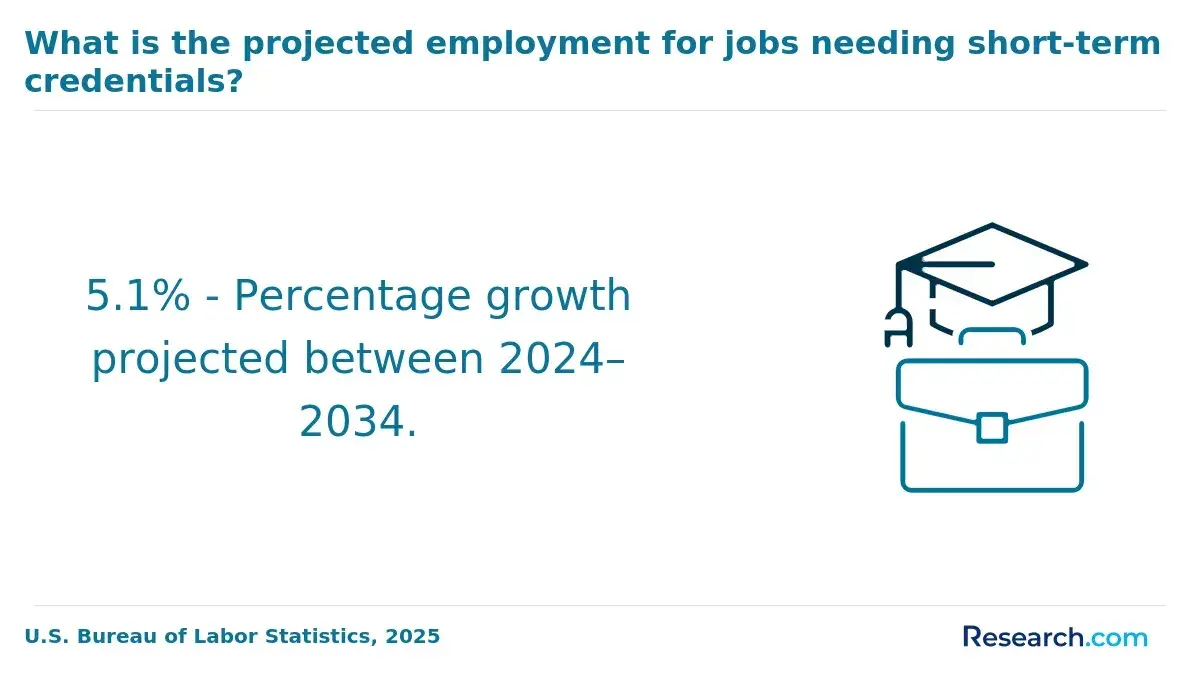
Which Accreditation Should Online Communications Master's Programs Hold?
Start with institutional accreditation from an accreditor recognized by the U.S. Department of Education. Verify the status of the institution offering the degree, not just claims on a promotional page.
Accreditation can matter for federal aid eligibility, employer recognition, and future study, but it does not establish that a particular program is inexpensive or a good career match.
Communications master's programs do not generally have a single required programmatic accreditor comparable to the licensing-related accreditation used in some clinical fields. I
f a school highlights an additional credential, ask what it covers and whether it matters for your intended role. Lists of best online universities can help generate candidates, but verify each institution's current status and graduate program details directly before applying.
What Careers Can You Pursue With a Communications Master's Degree?
A communications master's can be relevant to public relations, corporate communications, internal communications, content strategy, nonprofit outreach, and research-focused roles.
It may help an experienced professional develop a specialty or demonstrate advanced work. Entry-level positions often do not require graduate education, while director-level jobs typically also call for substantial experience.
For perspective, the Bureau of Labor Statistics reports a May 2024 median wage of $69,780 for public relations specialists. That figure covers workers in the occupation across educational backgrounds; it does not measure the payoff from earning this master's.
Compare the jobs you want with their actual hiring requirements and the program's total cost. Readers considering other education-to-career routes can also explore fast online degrees that pay well, keeping in mind that speed and occupational wages do not establish an individual return on investment.
What Do You Learn in an Online Communications Master's Program?
Typical subjects include communication theory, audience research, strategic planning, writing, ethics, digital media, and campaign evaluation. Some programs offer concentrations in areas such as public relations or organizational communication.
Look beyond course titles: a program focused on methods and a thesis may suit research goals, while one built around client projects or a portfolio may better suit applied work.
AI-assisted content creation makes it especially useful to examine how a curriculum handles verification, responsible use of tools, and measuring communication results.
Those skills are more informative than a vague promise that a program teaches the latest technology. Ask to see recent course descriptions and the requirements for any capstone, thesis, internship, or portfolio.
What Are the Admission Requirements for Online Communications Master's Programs?
Applicants normally need a completed bachelor's degree and must meet both graduate-school and program-specific requirements. A communications major is not always necessary; some programs welcome applicants from other fields.
Schools may consider transcripts, a statement of purpose, recommendations, relevant experience, or a writing sample. GPA thresholds, GRE policies, prerequisites, and conditional admission vary, so check the current requirements of each program rather than assuming a school-wide rule applies.
If you have not completed a bachelor's degree, you generally need to do that before standard master's admission. An accelerated bachelor degree programs search may help you compare undergraduate completion routes, but undergraduate credits should not be counted as master's transfer credit unless a school explicitly publishes an eligible combined-degree pathway.
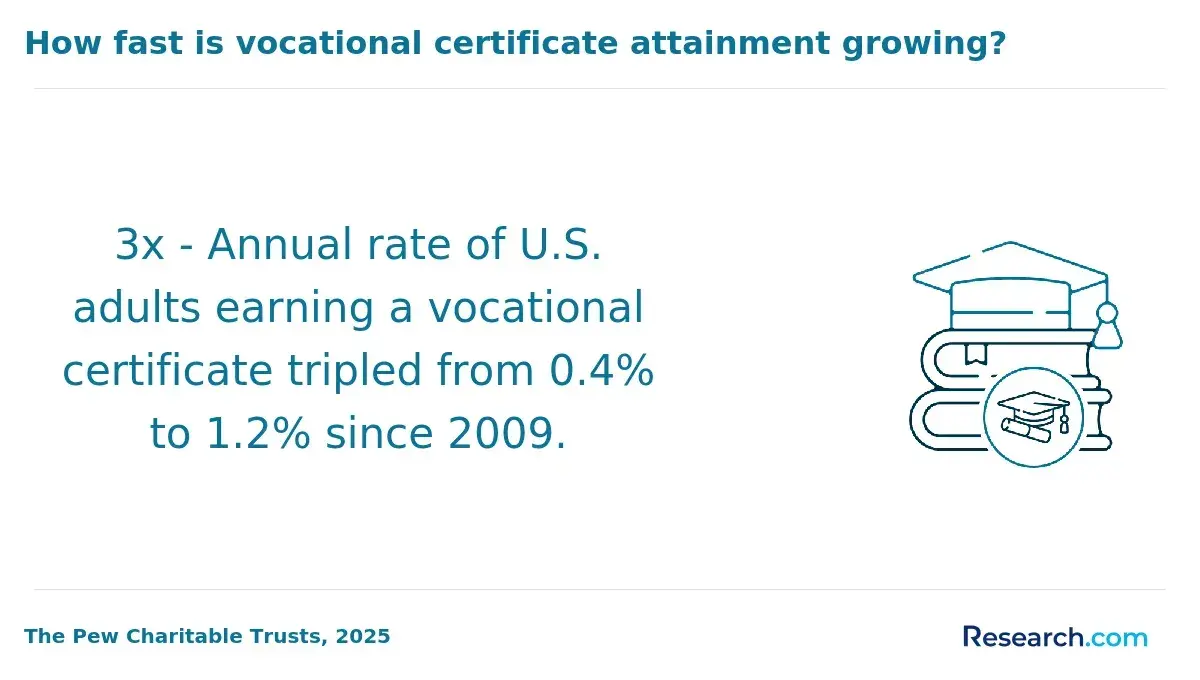
How Long Does an Online Master's in Communications Take?
Completion time depends on required graduate credits, course sequencing, and whether you study full-time or part-time. A working student taking fewer courses per term will generally need longer than a full-time student. A thesis, capstone, internship, or course offered infrequently can extend either plan. Short individual course terms do not, by themselves, make the entire degree accelerated.
If you already hold graduate credit or a relevant certificate, ask for a degree-specific transfer evaluation before relying on an advertised timeline.
The school must determine whether prior courses meet its subject, grade, age, and residency requirements and whether they replace courses you would otherwise have to take. A combined bachelor's/master's pathway may have separate eligibility rules.
How Much Can Communications Professionals Earn After Graduate School?
Pay depends on the occupation, employer, location, and your experience - not simply on holding a master's. The Bureau of Labor Statistics' May 2024 median wage for public relations specialists was $69,780, but that occupation typically does not require graduate education.
It would be misleading to treat its median as an expected starting salary or as evidence that a master's causes higher pay.
To assess potential value, compare the positions you could pursue now with those you want next. Examine job postings for required skills and experience, then weigh any likely career benefit against the degree's net cost, borrowing, and time away from paid work.
If a targeted portfolio, certificate, or additional experience meets the same goal, a full master's may not be the most economical choice.
How Do You Choose the Best Affordable Online Communications Master's?
Build a shortlist around your target work first, then compare complete costs among programs that teach the skills you need. A cheap program is a poor bargain if its courses, schedule, or required travel make completion impractical.
Use these steps to turn advertised prices into a decision you can defend:
- Define the role or skill you want, and compare the program's courses and culminating work with relevant job requirements.
- Confirm institutional accreditation and ask whether all required activities can be completed from your location.
- Request a written, degree-wide estimate of tuition, mandatory fees, and any travel or internship expenses.
- Ask for an evaluation of eligible prior graduate credit and check scholarships, employer assistance, and aid terms.
- Compare net cost, realistic completion time, and career fit before choosing - not a ranking or per-credit price alone.
Red flags include an unclear fee schedule, an unverified "fully online" claim, a completion estimate that assumes credits you do not have, or salary claims presented as guaranteed graduate outcomes. Resolve those questions with the program and financial aid office before enrolling.
Other Things You Should Know About
There is no single cheapest choice for every student. Compare each program's required credits, tuition classification, mandatory fees, accepted graduate credit, and aid to find your lowest total cost.
It may be if it provides skills, projects, or access to roles you cannot obtain as economically through experience or shorter training. Compare that potential benefit with the full cost; the degree does not guarantee higher pay.
Some programs may allow it, but confirm required live sessions, campus visits, internships, and proctored activities with the school. "Online" does not necessarily mean self-paced or free of location-based requirements.
Not necessarily. Programs may admit graduates from other fields, but each sets its own prerequisites, writing-sample expectations, and graduate admission standards.
References
- Accreditation in the U.S. | ed.gov https://www.ed.gov/laws-and-policy/higher-education-laws-and-policy/college-accreditation/accreditation-in-the-us
- Compare Fields of Study | College Scorecard https://collegescorecard.ed.gov/compare/
- Paying for Graduate School https://graduate.ua.edu/applicants/funding/
- Online Program Exclusions | In-Person Components | Liberty University https://www.liberty.edu/online/exclusions/
- Academics: Section 7. Learning Modalities and Resources: Academic Residencies, Labs, and Intensives Requirements https://academics.waldenu.edu/handbook/learning-modalities/residency-lab-intensive-requirements
- Frequently Asked Questions - Online Programs - sps.columbia.edu https://sps.columbia.edu/academics/online-learning-sps/frequently-asked-questions-online-programs


