2027 Most Affordable Master's Degrees for Private-Sector Jobs

Co-Founder and Chief Data Scientist
A master's degree can open a path to specialized private-sector work, but the cheapest advertised tuition may not produce the lowest total bill. The U.S. Bureau of Labor Statistics reported median weekly earnings of $1,840 for workers with a master's degree in 2024, compared with $1,543 for those with a bachelor's degree. That difference does not prove a degree will pay for itself.
This guide helps working professionals and career changers compare fields, identify hidden costs, and decide whether graduate study adds enough value to justify its price.
Key Things You Should Know
- Start with the career: an MBA, MS in computer science, or MSN serves a different purpose, and the lowest-cost degree is poor value if it does not meet your job or licensing goal.
- Compare the full degree bill - not just the per-credit rate - including required credits, fees, prerequisites, travel, and any clinical or internship costs.
- BLS occupation-wide wages can help frame potential returns, but they are not graduate salary guarantees; experience, location, employer, and credentials also matter.
Top 10 Most Affordable Master's Degrees for Private-Sector Jobs - Affordable Degrees
Business / MBA Programs
A Master of Business Administration (MBA) develops broad skills in finance, operations, strategy, and management. An MS in accounting, finance, or business analytics is usually more specialized. For affordability, compare required credits, business-school surcharges, and whether you need foundation courses.
An MBA may suit someone seeking a broader career move; a focused MS may cost less if it requires fewer courses and matches a specific role. Neither degree substitutes for the experience commonly expected in management jobs.
Healthcare Administration & Management Programs
A Master of Healthcare Administration (MHA) or healthcare-management MS can prepare professionals for operations, finance, and quality roles with private hospitals, insurers, and healthcare companies. Compare program fees and internship requirements before assuming an online option is inexpensive.
Applicants without healthcare experience should check whether the curriculum offers practical exposure. Healthcare management is distinct from clinical practice: an MHA does not confer a nursing, therapy, or physician license, and leadership positions usually require relevant experience.
Information Technology Programs
An MS in information technology often covers systems, cloud infrastructure, databases, and technology leadership. It may fit professionals moving from technical support or administration into more specialized work.
Compare prerequisite courses, certification preparation, and laboratory access; a low tuition rate loses its advantage if you must pay for substantial foundation coursework. Some employers value demonstrated technical experience or certifications more than a master's degree for particular IT roles, so check job postings before enrolling.
Computer Science Programs
An MS in computer science can deepen expertise in software, algorithms, and computing systems. It may be worthwhile for a career changer only after accounting for programming and mathematics prerequisites, which can add time and cost. Thesis options may suit research goals; a project-based route may better fit applied work. Software development jobs do not generally require a master's degree, so experienced developers should compare the degree's incremental value with less costly training.
Cybersecurity Programs
An MS in cybersecurity may cover network defense, risk, incident response, and security governance. Compare required labs, equipment, and any residency or certification costs as well as tuition. The best-value curriculum depends on your target: technical security work calls for hands-on practice, while governance roles may emphasize policy and risk. A master's degree does not replace the experience or certifications an employer may request for a specific security position.
Data Science / Analytics Programs
An MS in data science or analytics can develop statistical, programming, and data-management skills for private-sector decision-making. Data science programs may demand more mathematics and computing preparation than business analytics programs.
Review prerequisites, software costs, and capstone access before comparing prices. Choose a program with projects you can show employers; an inexpensive degree with little practical work may be less useful than a slightly costlier program aligned with your intended role.
Education / Educational Leadership Programs
A Master of Education (MEd) or educational-leadership degree can support work in corporate learning, instructional design, training, or education companies. Choose courses in learning technology, assessment, and adult education if private-sector work is your goal. School-administrator tracks may carry fieldwork or licensure requirements that add expense without helping a corporate career. Conversely, a corporate-focused degree may not satisfy state requirements for a licensed school position.
Counseling / Psychology Programs
A counseling MA or MS can be a route toward work with private practices or behavioral-health employers, but licensure typically also requires specified coursework, supervised clinical experience, and examinations. Practicum placement and supervision can make a low-tuition program costly or difficult to complete.
A general psychology master's has different career implications and does not automatically qualify graduates to practice independently. Confirm your intended state's requirements before comparing prices.
Nursing Programs
A Master of Science in Nursing (MSN) may support advanced clinical practice, informatics, education, or leadership, depending on the track. Applicants generally need nursing preparation and must meet applicable licensure requirements. Compare clinical-placement support, preceptor expectations, specialty fees, and travel - not just online tuition.
Advanced practice roles have additional certification and state licensing rules; an MSN alone does not authorize practice. Employer tuition assistance may substantially change the net cost for employed nurses.
Engineering Management Programs
An MS in engineering management combines technical project work with operations, finance, and organizational decision-making. It often makes most sense for engineers or technical professionals seeking broader responsibility, not applicants expecting a degree to replace engineering experience.
Compare prerequisite requirements, project-based coursework, and employer reimbursement. An MBA may offer more general business breadth, while engineering management keeps a closer connection to technical teams and projects.
What Are the Most Affordable Master's Degrees for Private-Sector Careers?
The most affordable master's degree is the least expensive reputable path that meets your specific career requirement. No field is universally cheapest: institutions set different tuition rates, and required credits, prerequisites, fees, and experiential work change the final bill. The comparison below identifies where costs can diverge across the degree families discussed here; it is not a price ranking of individual schools.
| Degree path | Potential cost advantage | Cost or fit to check |
| MBA or specialized business MS | A focused curriculum may avoid courses outside your career goal. | Business-school fees and foundation courses. |
| IT, computer science, or cybersecurity MS | Online study may reduce relocation costs. | Prerequisites, labs, and whether graduate study adds value beyond experience. |
| Data science or analytics MS | An applied track may closely match a target role. | Mathematics prerequisites and required software or projects. |
| MHA or engineering management MS | Employer assistance may lower out-of-pocket cost. | Internships, project requirements, and industry experience. |
| MEd, counseling MA/MS, or MSN | A track matched precisely to the target job avoids irrelevant coursework. | State requirements, fieldwork, clinical placements, and travel. |
For applicants who already have relevant experience, a targeted graduate certificate or employer-supported training may cost less than a full degree. For a regulated occupation, however, the appropriate degree and approved coursework may be essential regardless of price.
Which Master's Degrees Offer the Highest Private-Sector Salaries?
Technology and healthcare occupations illustrate why career fit matters alongside tuition. The table reports U.S. Bureau of Labor Statistics median annual wages for entire occupations in May 2024 - not salaries earned specifically by master's graduates. These roles have different entry requirements, and a graduate degree alone does not qualify someone for them.
| Occupation | May 2024 median annual wage | Relevant degree connection |
| Software developer | $133,080 | Computer science may add specialization; a master's is not generally required. |
| Information security analyst | $124,910 | Cybersecurity or IT study can complement technical experience. |
| Medical and health services manager | $117,960 | An MHA may develop management skills; relevant work experience matters. |
| Data scientist | $112,590 | Data science study can build advanced analytical skills. |
A higher occupational median does not necessarily mean a better return on an expensive degree. Compare the jobs you could realistically pursue without graduate study against those the degree could help you reach, then account for tuition, time, and any wages forgone while studying.
How Much Do Affordable Master's Programs Cost?
Affordable master's programs have no single national price: graduate tuition varies by institution, residency status, field, and enrollment pattern. Sticker price is the published charge; your total program cost includes every required expense, while your net cost subtracts grants, scholarships, and employer assistance you actually receive. Ask each school for a written estimate through graduation rather than comparing per-credit rates alone.
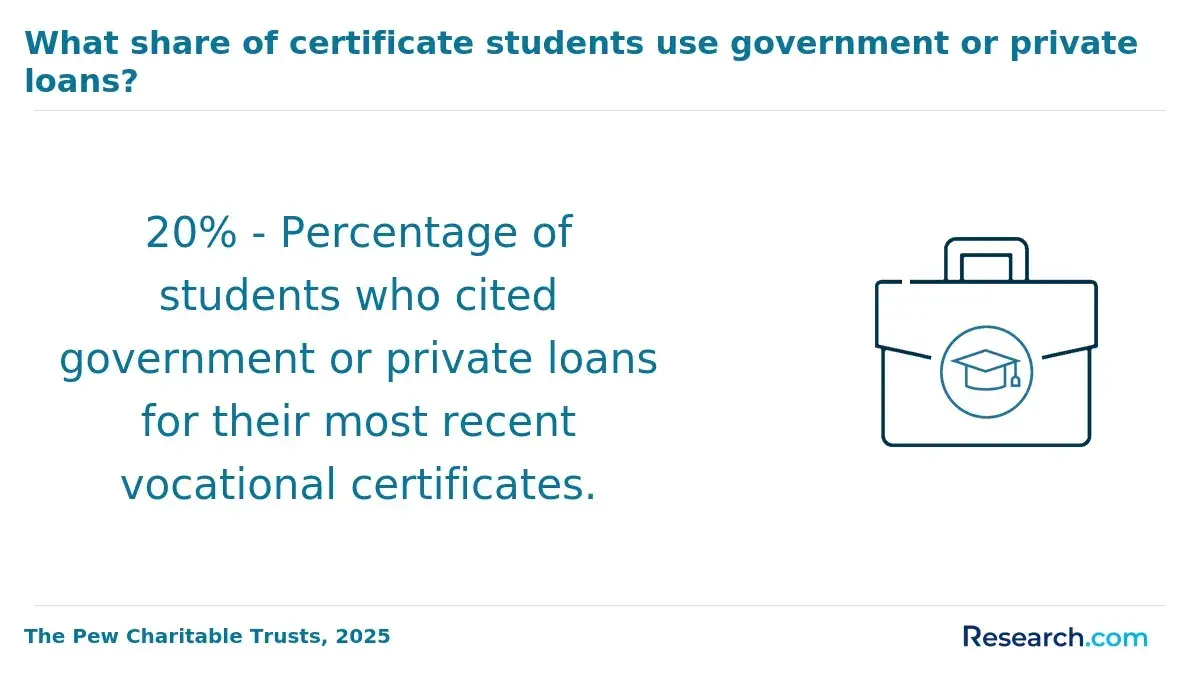
Include mandatory, technology, and program fees; prerequisite courses; books or software; and any campus visits, internships, or clinical travel. Financial aid eligibility and loan terms also matter: borrowing covers a bill now but increases its eventual cost. Where available, compare employer reimbursement, assistantships, scholarships, and payment plans before deciding how much to borrow.
Which Accreditation Should Affordable Master's Programs Have?
Start with institutional accreditation from an accreditor recognized by the U.S. Department of Education. It is a basic credibility check and can affect federal aid eligibility and the acceptance of prior coursework. Then determine whether your intended field or licensing board calls for programmatic accreditation.
For example, business applicants may consider AACSB, ACBSP, or IACBE accreditation; healthcare-administration applicants may examine CAHME; and nursing or counseling applicants should check the programmatic standards relevant to their intended credential and state. Not every private-sector job requires specialized accreditation. Ask an employer, certification body, or state licensing board what it recognizes before paying extra for a program solely because it advertises an accreditation label.
What Are the Best Online Master's Degrees for Private-Sector Jobs?
The best online choice is a reputable program whose total cost, curriculum, and schedule fit your target job. Online MBAs and degrees in analytics, IT, cybersecurity, and engineering management can be especially practical for employed students who can apply coursework at work. Readers exploring best degrees for work-from-home jobs should still separate an online learning format from an employer's remote-work policy.
"Online" does not necessarily mean self-paced or location-independent. Confirm scheduled class meetings, proctored activities, campus visits, and local internships or clinical placements. An online counseling or nursing program, for example, may still require substantial in-person practice. Compare part-time course availability as carefully as tuition: limited scheduling can prolong enrollment and add fees.
What Do You Learn in These Master's Degree Programs?
Coursework depends on the credential's purpose. Professional programs such as MBAs and MHAs commonly combine core management subjects with electives and an applied project or internship. Computing and analytics degrees may include programming, statistics, systems, labs, and a capstone or thesis. Counseling and nursing tracks add supervised practice tied to professional requirements; research-oriented tracks may emphasize a thesis instead.
Read the actual degree plan, not just the program title. Count core, concentration, elective, and foundation courses, then identify the culminating requirement. A low-priced degree with a thesis or placement you cannot realistically complete may ultimately cost more than a better-fitting alternative.
What Are the Admission Requirements for Affordable Master's Programs?
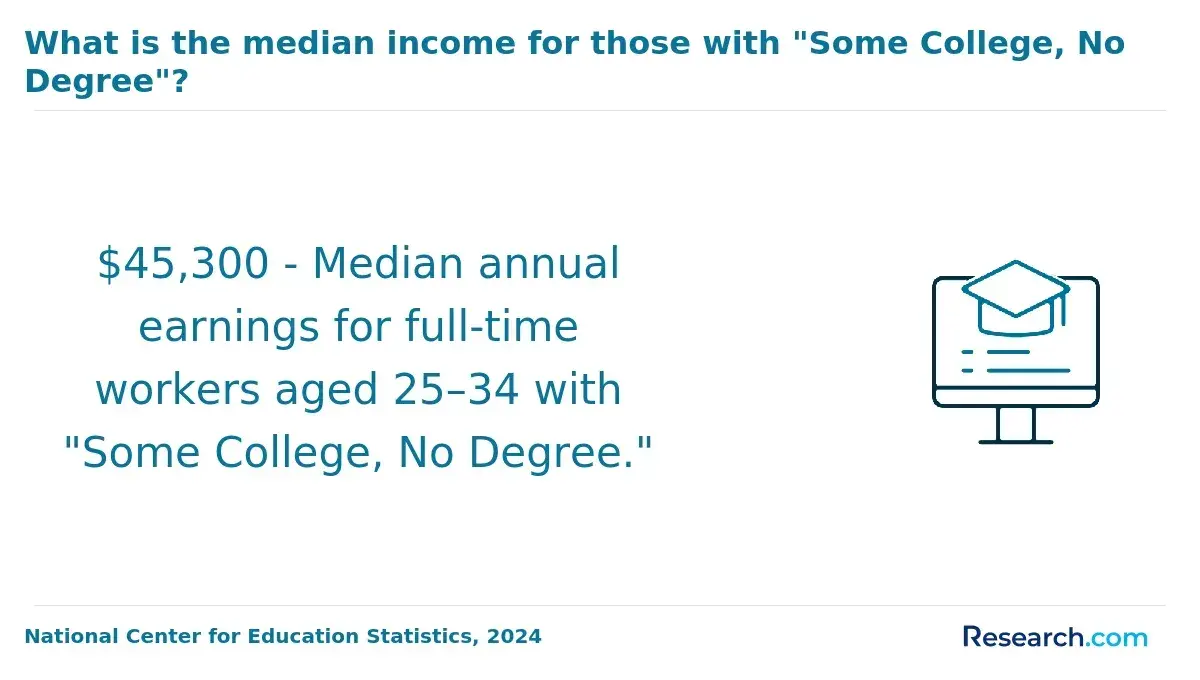
Master's admission normally requires a completed bachelor's degree, an application, and academic transcripts. Programs may also request recommendations, a statement, a résumé, an interview, or evidence of relevant preparation. GPA thresholds, GRE or GMAT policies, professional-experience expectations, and conditional admission vary by graduate program; an institution's general or undergraduate policy is not enough to establish your eligibility.
Technical degrees may require mathematics or programming, an MSN generally requires nursing preparation, and licensure-focused programs can impose separate screening or placement conditions. If you need a bachelor's before applying, accelerated online degrees may be worth exploring, but a faster bachelor's does not waive a master's program's prerequisites. Ask admissions to review your transcript before paying an application fee.
Which Private-Sector Jobs Can You Get With These Degrees?
These degrees can support applications for business analyst, healthcare operations manager, instructional designer, software developer, security analyst, data scientist, or technical project manager roles. Nursing and counseling can also lead toward private-sector clinical work when the graduate meets the applicable licensing and practice requirements. Job titles are possibilities, not outcomes promised by enrollment; employers may require experience, a portfolio, certification, or a professional license.
Check current postings for your intended role and location before selecting a degree. If they emphasize a discrete technical skill rather than graduate education, certifications online may offer a less costly first step. If they require supervised clinical training or a particular graduate credential, a short certificate is not an equivalent substitute.
How Do You Choose a Reputable Affordable Master's Program?
A reputable affordable program meets your career requirements at a manageable net total cost - not merely a low advertised tuition rate. These checks turn that principle into a comparison you can use with admissions and financial-aid offices.
- Identify the job or license you want, then verify the degree, experience, and state-specific requirements it calls for.
- Confirm institutional accreditation and any programmatic accreditation needed for that goal.
- Request the complete degree plan and itemized cost through graduation, including prerequisites, fees, and required travel or placements.
- Ask whether eligible prior graduate coursework or a stackable graduate certificate will apply to specific degree requirements; request an evaluation and check minimum credits that must be earned at the new institution.
- Compare realistic schedules and funding, including part-time course availability, employer assistance, aid, and the cost of borrowing.
Beware of a program that advertises a short timeline without stating its assumptions. Accelerated programs may depend on a demanding course load or prior qualifying preparation; neither speed nor transfer acceptance guarantees a lower final bill. Other red flags include unclear placement responsibilities, unsupported salary promises, and reluctance to provide a written cost estimate.
Other Things You Should Know About
It can be if the accredited program meets your career goal and its total cost is reasonable relative to the opportunities it may add. Compare it with experience, a certificate, or employer-funded training before enrolling.
There is no universally cheapest field. The lowest-cost suitable option depends on your prerequisites, required credits, fees, financial assistance, and whether the credential matches the job you want.
Eligible graduate-level coursework may reduce remaining requirements if the new institution approves it. Undergraduate coursework normally does not transfer as master's credit; ask for a course-by-course graduate transfer evaluation.
Requirements vary by occupation and employer. Many technology and business jobs are accessible through a bachelor's degree and experience, while some specialized or licensed roles require particular graduate preparation and additional credentials.
References
- Annual Earnings by Educational Attainment - COE https://nces.ed.gov/programs/coe/indicator/cba/annual-earnings
- The Federal Work-Study Program - FSA Partner Connect https://fsapartners.ed.gov/knowledge-center/fsa-handbook/2024-2025/vol6/ch2-federal-work-study-program
- Education pays: U.S. Bureau of Labor Statistics https://www.bls.gov/emp/chart-unemployment-earnings-education.htm
- The relationship between student debt and earnings | Brookings https://www.brookings.edu/articles/the-relationship-between-student-debt-and-earnings/
- 12-Course Internship Requirement | The University of Chicago https://masters.cs.uchicago.edu/student-resources/internship-program/
- Internship Courses for Master Students - USC Viterbi https://viterbicareers.usc.edu/internships-masters/
- What to Know About Your College's Net Price Calculator | Campus https://campus.edu/blog/financial-aid/your-colleges-net-price-calculator
- Average Cost of a Master's Degree: 2025 Analysis | Education Data Initiative https://educationdata.org/average-cost-of-a-masters-degree