2027 Most Affordable Master's Degrees for Non-Clinical Healthcare Careers

Co-Founder and Chief Data Scientist
A low-tuition master's degree can become expensive if it requires extra prerequisites, travel, or more credits than expected. That matters for people seeking non-clinical healthcare work in operations, technology, finance, education, or research. The U.S. Bureau of Labor Statistics (BLS) projects 23% employment growth for medical and health services managers from 2024 to 2034, but a degree alone does not secure those jobs.
This guide compares degree fields by career fit and total cost to finish, so you can identify promising options and check their real prices before applying.
Key Things You Should Know
- The most affordable field is the one that meets your career goal at the lowest total program cost - not necessarily the one with the lowest advertised per-credit tuition.
- BLS reports a $117,960 median annual wage for medical and health services managers in May 2024; that is an occupational figure, not the expected salary of master's graduates.
- Compare required credits, residency-based tuition, fees, prerequisites, and in-person requirements before choosing among an MHA, MBA, technical MS, or another degree.
Top 10 Most Affordable Master's Degrees for Non-Clinical Healthcare Careers - Affordable Degree Options
Business / MBA Programs
An MBA can fit healthcare finance, operations, or consulting goals, especially for someone with business experience. Compare a general MBA with a healthcare concentration: the concentration may add useful coursework but could change tuition or required credits. An MBA is not inherently cheaper than a specialized MHA, and management jobs usually require relevant experience. Ask whether foundation courses, differential business-school tuition, or travel for residencies increase your total cost.
Healthcare Administration & Management Programs
A Master of Healthcare Administration (MHA) or MS in healthcare management directly addresses health systems, payment, quality, and operations. It is a strong fit for aspiring administrators, but some leadership-oriented programs expect prior healthcare experience. Compare required internships and capstones, particularly if you must reduce paid work to complete them. An MHA focused on administration generally does not prepare you for clinical licensure.
Information Technology Programs
An MS in information technology can support work with healthcare systems, implementation, and technical operations. It may suit someone who already supports an electronic health record or hospital IT team. Check for programming prerequisites, lab fees, and required projects before treating a low tuition quote as affordable. Employers may also value hands-on systems experience and relevant certifications; a master's degree is not always necessary to enter IT.
Computer Science Programs
An MS in computer science offers broader preparation for software and computing roles, including those at health technology companies. It makes the most financial sense when the curriculum matches a technical goal that an MBA or MHA would not meet. Career changers should check whether prerequisite computing courses add time and expense. A research-oriented thesis may be valuable for specialized work, while an applied project may better fit a development role.
Cybersecurity Programs
An MS in cybersecurity can fit healthcare organizations protecting patient information and connected systems. Compare programs on technical prerequisites, security labs, and employer-relevant projects, not a promise of immediate senior security work. Prior IT experience may matter more for entry into some roles than a graduate credential. If you already work in technology, compare the degree's full cost with a targeted certification or graduate certificate.
Data Science / Analytics Programs
An MS in data science or analytics can support healthcare reporting, forecasting, and operational analysis. Look for statistics, programming, data governance, and a capstone using realistic datasets. The cheaper offer may not be the better value if it omits skills required for your target job. Applicants without quantitative preparation should ask whether bridge courses carry graduate credit or add a separate bill and delay.
Education / Educational Leadership Programs
A Master of Education (MEd) or educational leadership degree may suit healthcare workforce training, instructional design, or staff development. It is less direct for hospital finance or IT. If your goal is a school-based position, check state credential rules separately; healthcare training roles may have different requirements. Compare practicum obligations and whether your employer offers tuition assistance for workforce-development study.
Counseling / Psychology Programs
An MA or MS in psychology can support research, program evaluation, or organizational roles. A counseling master's is often designed for supervised practice and licensure, making it a potentially costly mismatch for someone seeking exclusively non-clinical work. Verify the curriculum and state requirements before paying for clinical placements you do not need. Psychology master's degrees also do not, by themselves, qualify graduates to practice as psychologists.
Nursing Programs
A Master of Science in Nursing (MSN) with a leadership, informatics, or education focus can prepare registered nurses for non-bedside work. MSN admission commonly depends on nursing preparation and an active RN license; it is not a general entry route for applicants without nursing credentials. Compare clinical or practicum requirements, specialty fees, and employer reimbursement. Non-nurses seeking administration or informatics should also consider an MHA or technical MS.
Engineering Management Programs
An MS in engineering management can fit medical-device operations, healthcare technology projects, or technical team management. It is most relevant to applicants with engineering or related technical preparation. Check prerequisites and project requirements, then compare its cost with an MBA if your goal is broader business leadership. The degree can develop management skills, but employers generally also expect experience before assigning senior responsibility.
What Are the Best Non-Clinical Healthcare Master's Degrees?
There is no universally cheapest non-clinical healthcare master's degree. The best-value field is the least costly credible route to the work you actually want to do. These comparisons narrow the choice before you request institution-specific prices.
| Career goal | Degree fields to compare | Potential cost or fit issue |
| Healthcare operations | MHA, healthcare management MS, MBA | Business-school premiums, internships, or experience expectations |
| Health systems and security | IT MS, cybersecurity MS | Technical prerequisites, labs, or certifications |
| Analytics or software | Analytics MS, data science MS, computer science MS | Foundation coursework and project or thesis requirements |
| Workforce training | MEd, educational leadership master's | Practicum requirements and relevance to healthcare employers |
Start with the job description, then compare degrees that teach its required skills. If you need a first step rather than an entire graduate degree, a certificate or relevant work experience may cost less. For a broader comparison of best degrees to get online, keep in mind that online delivery does not establish a program's total price.
What Careers Can You Pursue With a Non-Clinical Healthcare Master's Degree?
Non-clinical healthcare work spans organizations and skill sets. A master's may support a career change or advancement, but employers can also require substantial experience, technical skills, or a professional credential.
| Career path | Typical work | What to verify |
| Healthcare administrator | Oversees services, budgets, or operations | Management experience and setting-specific expectations |
| Health IT specialist | Implements or supports information systems | Software experience and technical requirements |
| Healthcare data analyst | Analyzes operational or population data | Statistics, coding, and portfolio expectations |
| Workforce educator | Designs or delivers staff training | Subject expertise and any required credential |
Use postings for your intended role and location to distinguish required qualifications from preferred ones. If pay is your primary concern, research what career makes the most money alongside the experience needed to reach it; occupational pay is not a return guaranteed by a degree.
How Much Do Non-Clinical Healthcare Master's Degrees Cost?
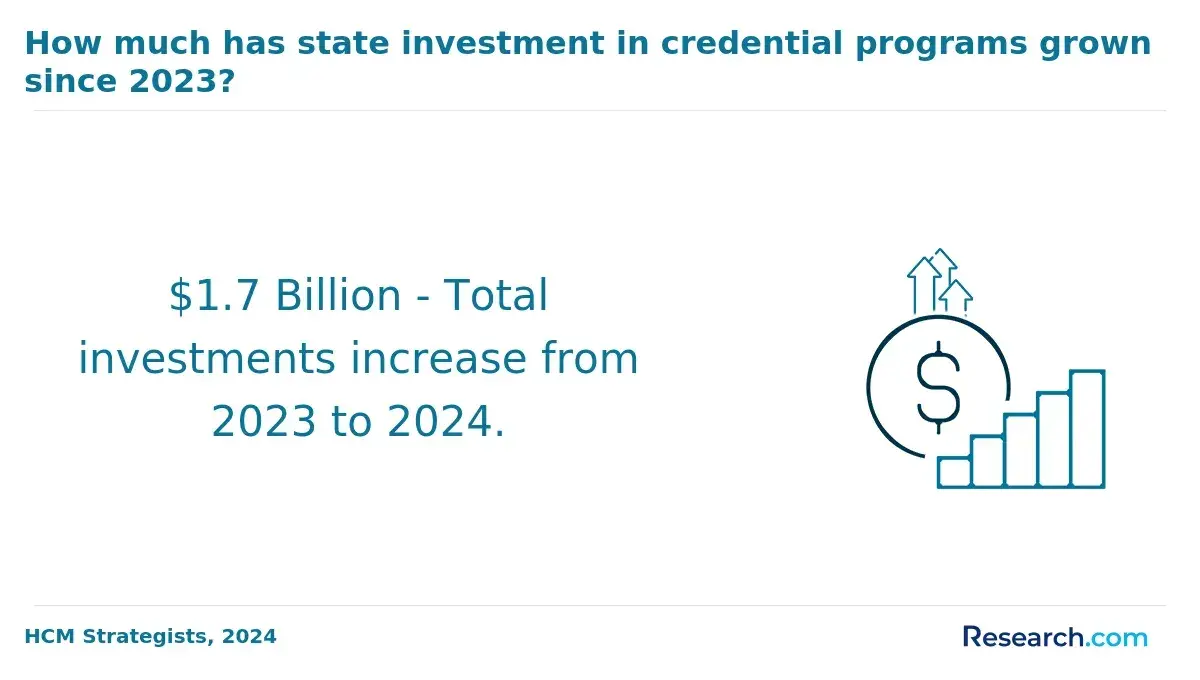
The relevant price is total cost to completion: tuition for all required graduate credits plus mandatory, program, and technology fees; prerequisite coursework; books or software; and any travel or lost income tied to required in-person work. Published tuition is a starting price, not a net price after aid.
Ask each school for a cost estimate based on your residency status and intended course load. Confirm whether tuition differs for online study, whether fees recur each term, and whether tuition may change before graduation. Federal student aid eligibility depends on the student and eligible program; scholarships, assistantships, employer assistance, and payment plans have separate conditions. Students who relocate frequently, including those exploring online degrees for military spouses, should check how moves affect tuition classification and required placements.
A common mistake is comparing per-credit rates while ignoring the number of credits billed. Another is assuming previous study will reduce the price: ask for a written evaluation of eligible graduate-level transfer credit and how it applies to required courses. Undergraduate credits ordinarily do not substitute for graduate credits.
Which Accreditation Should Non-Clinical Healthcare Programs Have?
Choose a university with recognized institutional accreditation and confirm that the accreditation covers the institution awarding the degree. Then check whether your intended career or employer expects programmatic accreditation. For example, healthcare administration applicants may encounter Commission on Accreditation of Healthcare Management Education (CAHME) accreditation, while business-school applicants may consider AACSB accreditation. Not every legitimate program has a specialized accreditor, and specialized accreditation does not make a high-priced program affordable.
For regulated paths, accreditation questions are more consequential: ask the relevant state board which program approvals or accreditations it requires. Verify current status directly with the accreditor and program rather than relying on an older advertisement.
Are Online Master's Degrees in Non-Clinical Healthcare Worth It?
An online master's can be worth its cost when it lets you retain income, access suitable coursework, and avoid unnecessary travel. It is not automatically flexible or inexpensive: scheduled sessions, fixed deadlines, internships, residencies, and technology fees may still apply. Compare the online and campus versions using the same total-cost estimate and completion plan.
Before enrolling, ask whether every required course is offered online at a pace you can sustain and whether any assessment, placement, or campus visit requires travel. If you are changing fields, examine the costs of prerequisites and career support as carefully as tuition. Accelerated programs for career changers warrant particular scrutiny: a shorter advertised timeline may assume prior preparation or an intensive course load, not a lower total price.
What Do Non-Clinical Healthcare Master's Programs Teach?
Coursework depends on the field. An MHA may emphasize healthcare finance, policy, quality, and operations; an MBA may add accounting and strategy; a technical MS may emphasize programming, systems, or security. Analytics degrees commonly combine quantitative methods with applied projects. A thesis can serve a research goal, while a capstone may demonstrate workplace problem-solving.
Read the required-course list rather than judging by the degree title. Check electives, prerequisites, and culminating work: a low-priced curriculum is poor value if it lacks the skills your target employers request. Internships and practicums can provide experience but may create scheduling or travel costs.
What Are the Admission Requirements for Healthcare Master's Programs?
Master's admission ordinarily requires a completed bachelor's degree. Programs may also request transcripts, a statement of purpose, recommendations, a résumé, or an interview. GPA thresholds, GRE or GMAT policies, work-experience expectations, and conditional admission vary by institution and program; do not infer them from undergraduate admissions rules.
Preparation matters when budgeting. An analytics or computer science program may require mathematics or coding; an MSN generally expects nursing credentials; a leadership-oriented program may prefer professional experience. Ask admissions which prerequisites you lack, whether they count toward the master's, and what they cost. If you have previous graduate coursework or a certificate, request a formal transfer evaluation before assuming it reduces the credits you must pay for.
Do Non-Clinical Healthcare Careers Require Licensure or Certification?
Many non-clinical administration, analytics, IT, and business roles do not have a general state license attached to the job title. Employers may nevertheless request certifications or experience. Requirements can change with the setting and duties: an MSN student generally needs an RN license, and a counseling program intended for clinical practice involves state-specific supervised-practice and examination rules.
Do not choose a licensure-oriented degree solely because it sounds healthcare-related. Match its requirements to your intended work, and check any regulated occupation with the relevant state board before enrolling. A university's degree award and permission to practice are separate matters.
What Salaries and Job Outlook Can Graduates Expect?
Labor-market data shows opportunity, not an individual graduate's likely pay. BLS reports a $117,960 median annual wage for medical and health services managers in May 2024 and projects 23% employment growth for the occupation from 2024 to 2034. Those figures cover the occupation broadly; they do not isolate people with an MHA, MBA, or any other master's degree. Management positions commonly call for relevant work experience.
For a realistic return-on-investment check, compare local postings and pay for your target role with the full price of each degree and the income you might forgo while studying. If a job accepts bachelor's-level preparation plus experience, weigh that route or a focused certificate against the added cost of graduate school.
Other Things You Should Know About
No field is consistently cheapest across schools. Compare complete MHA, MBA, and relevant MS offers using required credits, all fees, prerequisites, and your eligibility for aid or employer assistance.
Not necessarily. Employers may consider an MHA, MBA, or other relevant education alongside healthcare and management experience. Check postings for the specific jobs you want.
Some programs may permit it, but delivery varies. Confirm required visits, scheduled classes, internships, practicums, and proctored activities with each school.
A degree can build relevant skills, but it does not guarantee a position. Employers often weigh experience, the organization's needs, and role-specific qualifications.
References
- Cost of Attendance (Budget) | 2025-2026 Federal Student Aid Handbook https://fsapartners.ed.gov/knowledge-center/fsa-handbook/2025-2026/vol3/ch2-cost-attendance-budget
- College Navigator - National Center for Education Statistics https://nces.ed.gov/collegenavigator/
- Education pays: U.S. Bureau of Labor Statistics https://www.bls.gov/emp/chart-unemployment-earnings-education.htm
- DAPIP | Homepage - Office of Postsecondary Education (OPE) https://ope.ed.gov/dapip/
- Funding Options | Columbia University Mailman School of Public Health https://www.publichealth.columbia.edu/become-student/how-apply/financial-aid/funding-options
- Cost of Attendance - Financial Aid https://finaid.gatech.edu/current-cost-overview
- How Internships, Practicums, and Clinicals Actually Work | Florida National University (FNU) https://www.fnu.edu/internships-practicums-clinicals-explained/
- Your Guide to Graduate Scholarships and Strategic Funding | Mitch Daniels School of Business https://business.purdue.edu/graduate-programs/blog/posts/use-find-and-navigate-tuition-assistance.php