2027 Most Affordable Master's Degree Programs for Adults With No College Degree

Co-Founder and Chief Data Scientist
If you have no college degree, the first cost question is not which master's program has the lowest tuition - it is how to earn the bachelor's degree normally required for admission without overspending. Graduate study may still be worth planning for: the U.S. Bureau of Labor Statistics reported a $112,590 median annual wage for data scientists in 2024, though that occupational figure is not a master's-graduate salary.
This guide compares practical paths through undergraduate and graduate study, identifies fields where a master's may add value, and shows how to assess total cost before committing.
Key Things You Should Know
- Start with bachelor's eligibility: Standard master's admission requires a completed bachelor's degree; work experience alone generally does not replace it.
- Compare the entire pathway: Undergraduate tuition, graduate credits, fees, prerequisites, and required in-person work matter more than a low advertised graduate rate.
- Match the degree to the goal: A combined 4+1 pathway may reduce duplicated coursework, but admission, credit-sharing rules, and the final cost vary by institution.
Top 10 Most Affordable Master's Degree Programs for Adults With No College Degree
Business / MBA Programs
An MBA is a professional degree for people seeking broader business and management skills. For an adult starting without a degree, an affordable route may be a low-cost business bachelor's followed by an MBA only when career goals justify the extra expense. Compare total graduate credits, fees, employer tuition assistance, and whether the curriculum expects professional experience. A combined bachelor's/MBA option can be attractive if published credit-sharing rules reduce total cost; an inexpensive MBA without relevant experience is not automatically the better investment.
Healthcare Administration & Management Programs
A Master of Healthcare Administration (MHA) or related MS generally prepares students for administrative, not clinical, work. A bachelor's in business, health administration, or another accepted field can provide entry preparation. Compare tuition alongside internship requirements, scheduling, and any programmatic accreditation important to prospective employers. Healthcare management jobs usually require experience; an MHA alone does not confer clinical licensure or a management position. Adults already employed in healthcare may have a stronger case for graduate study and employer assistance.
Information Technology Programs
An MS in information technology often emphasizes systems, cloud services, or IT leadership. Adults can compare a lower-cost bachelor's in IT with an employer-supported master's after gaining hands-on experience. Check programming or networking prerequisites, required projects, and whether the graduate curriculum adds skills unavailable through certifications or workplace training. Online delivery may limit travel costs, but scheduled classes or team projects can affect a working student's ability to finish.
Computer Science Programs
An MS in computer science may support technical specialization or research, but prerequisite math and programming courses can make a career-change route expensive. Starting without a degree, a computer science bachelor's establishes the foundation and may be sufficient for many software roles. Compare graduate programs by required foundation courses, research or capstone requirements, and total credits - not tuition per credit alone. A combined pathway is useful only if the school specifies which courses count toward each degree.
Cybersecurity Programs
An MS in cybersecurity can deepen security engineering, governance, or risk-management knowledge. A cost-conscious starting route is an accredited bachelor's in IT, computer science, or cybersecurity, followed by professional experience before deciding on graduate study. Compare labs, certification alignment, graduate fees, and prerequisites. Some security positions value experience and industry credentials more than a master's; the degree should address a specific skill gap or advancement goal rather than substitute for practical experience.
Data Science / Analytics Programs
An MS in data science or analytics may combine statistics, programming, and applied projects. Adults without a degree should check whether a prospective bachelor's supplies calculus, statistics, and coding foundations; missing prerequisites can raise the eventual graduate cost. An applied analytics program may suit a business career changer, while a mathematically intensive data science program may require more preparation. Evaluate the required project or thesis and whether a bachelor's plus portfolio would meet the intended job's requirements.
Education / Educational Leadership Programs
A Master of Education (MEd) or educational leadership degree may support teaching specialization or school administration, but state rules govern educator credentials. An adult starting without a degree should first identify an approved bachelor's-to-initial-licensure route if teaching is the goal. Leadership programs may require a teaching credential and experience. Compare total tuition with student-teaching, practicum, and placement costs; an inexpensive online degree is a poor fit if it does not satisfy the relevant state's requirements.
Counseling / Psychology Programs
A counseling master's can be a licensure pathway when its curriculum and supervised training meet state requirements; a general MA or MS in psychology may not qualify graduates for counselor licensure. Adults starting without a degree should budget for the bachelor's, graduate tuition, and practicum-related expenses. Verify the applicable licensing board's education rules and the program's placement support before enrolling. Psychology careers requiring licensure as a psychologist commonly require doctoral-level preparation.
Nursing Programs
A Master of Science in Nursing (MSN) generally requires nursing preparation and, for many tracks, an active registered nurse license. Someone with no college degree should first compare approved routes to RN eligibility, then consider an RN-to-BSN and eventual MSN pathway where appropriate. Clinical placement, state authorization, and specialty certification requirements can outweigh differences in advertised tuition. A direct-entry graduate route should never be assumed available or affordable without checking its exact admissions and licensing requirements.
Engineering Management Programs
An MS in engineering management usually builds on technical preparation and experience rather than replacing an engineering bachelor's. Applicants should check calculus, engineering, or professional-experience prerequisites before choosing an undergraduate route. Compare graduate tuition, differential fees, capstone requirements, and employer reimbursement. For someone seeking management of technical teams, the degree may be useful after workplace experience; it does not itself establish engineering licensure or qualify a new graduate for a senior role.
Can adults without bachelor's degrees enroll in affordable master's programs?
Usually not directly. Standard U.S. master's admission requires a completed bachelor's degree, even when applicants have substantial work or military experience. An institution may offer a combined bachelor's/master's route, but students generally enter through its undergraduate requirements and must later meet separate graduate admission conditions.
For this audience, "affordable master's program" means an affordable route to eligibility and completion, not a graduate program that ordinarily waives the bachelor's. Before paying an application fee, ask admissions which degree must be completed, when graduate admission occurs, and whether the school guarantees - or merely permits - consideration for the combined pathway.
What are the most affordable pathways from no college degree to a master's degree?
The lowest-cost plausible route depends on where the student can earn accredited undergraduate credit, which credits will apply to a bachelor's, and whether graduate study is necessary. These pathways have different cost advantages and eligibility limits.
| Pathway | Potential cost advantage | Main trade-off |
| Community college transfer, then bachelor's and master's | Lower-cost undergraduate coursework may reduce bachelor's tuition. | Transfer agreements must be checked; associate-level credit does not normally count toward the master's. |
| Affordable public or online bachelor's, then separate master's | Freedom to compare graduate schools after completing undergraduate study. | Graduate prerequisites or tuition may differ from the original plan. |
| Combined bachelor's/master's program | Approved shared coursework may reduce the credits needed across both degrees. | Admission can be selective, and shared-credit rules vary. |
| Bachelor's followed by an employer-supported master's | Tuition assistance may reduce the student's out-of-pocket graduate cost. | Employer funding may impose eligibility or continued-employment conditions. |
Begin by requesting a written undergraduate credit evaluation and a degree plan showing the remaining bachelor's requirements. If you are exploring accessible starting points, an easiest degree to get online should still be evaluated for graduate prerequisites and career fit. "Easy" does not mean the shortest or least expensive route to a particular master's.
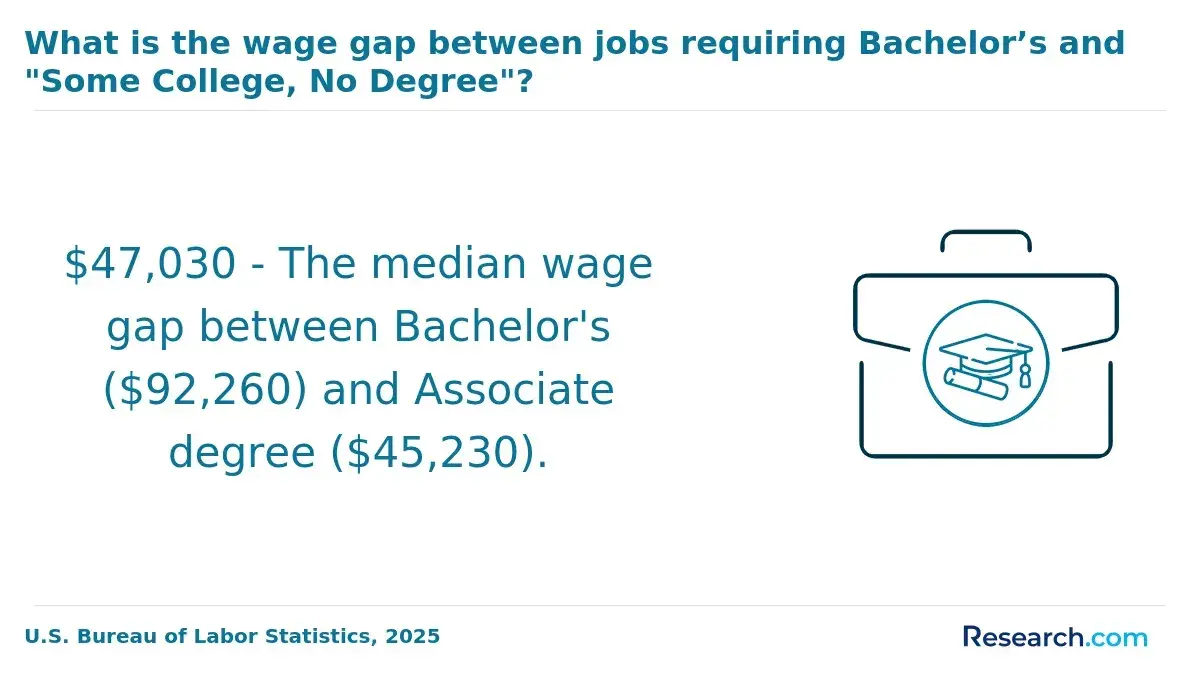
How much do affordable master's degree pathways cost for adult learners?
There is no reliable universal price: a student starting with no degree must account for both credentials. Compare schools using the same total-cost calculation: remaining undergraduate tuition and mandatory fees, plus required graduate tuition and fees, prerequisites, and unavoidable travel or placement expenses. Subtract confirmed grants, scholarships, and employer assistance when estimating personal cost; do not treat a possible award as guaranteed.
A low graduate per-credit rate can be misleading if the program requires more credits, charges differential tuition, or adds residency expenses. Likewise, a low undergraduate price loses its advantage if courses will not apply to the intended major. Ask each school for a term-by-term estimate based on your residency status and enrollment pace, then compare that estimate with the earnings you may give up while studying.
Federal aid eligibility depends on the institution, program, enrollment, and student circumstances. Complete the appropriate financial-aid application and review grants, loans, payment plans, and employer benefits separately; borrowing reduces immediate cash needs but increases the eventual cost.
Which master's fields offer affordable programs and strong career opportunities?
Business, IT, cybersecurity, analytics, and healthcare administration can offer professional master's options without the clinical placement costs associated with some licensed fields. That does not make any field universally cheaper: foundation courses, program fees, and the number of graduate credits determine the bill. Education, counseling, and nursing require especially careful comparison of licensing eligibility and experiential costs.
Choose the occupation first, then determine whether it requires or meaningfully benefits from a master's. For a career changer, a bachelor's plus relevant experience may be a better initial investment than immediate graduate enrollment. For someone whose intended role requires graduate training or licensure, a low-cost degree that fails to meet those requirements is not affordable in any useful sense. Adults aiming for research or specialized practice later can consider affordable online doctoral programs only after checking whether doctoral study is actually necessary for that goal.
Are online master's degree pathways more affordable than campus-based programs?
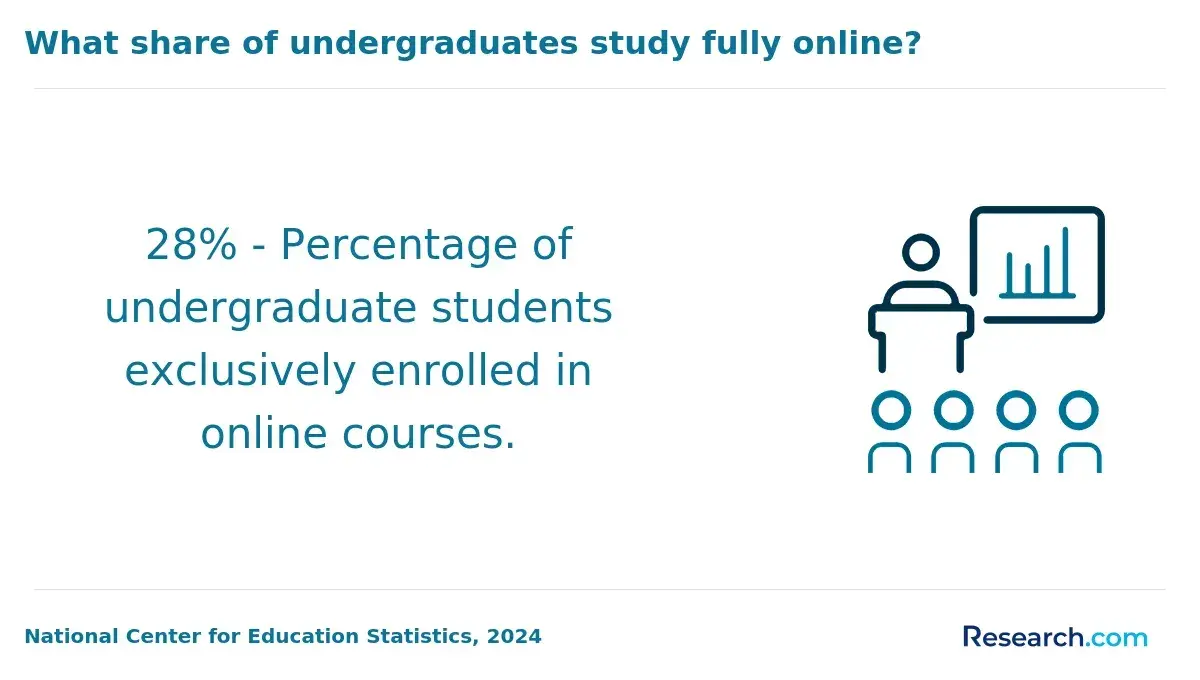
Sometimes. Online study can eliminate commuting or relocation, but tuition, technology fees, required visits, and local placements can offset those savings. The comparison must begin with the bachelor's portion of the pathway: an affordable online master's offers little relief if getting eligible for admission is prohibitively expensive.
For adults coordinating work or caregiving, format affects completion risk as well as price. An asynchronous course still has deadlines; a fully online curriculum may include live meetings, proctored assessments, or local experiential work. Compare published attendance requirements and part-time course availability before deciding. Parents considering online courses for moms should prioritize a schedule they can sustain through both degrees, rather than assuming remote delivery alone provides flexibility.
What admission requirements apply to adults entering accelerated degree pathways?
Undergraduate admission comes first. Later graduate admission may require a completed or nearly completed bachelor's, specified prerequisite courses, a minimum GPA, recommendations, an interview, professional experience, or a GRE or GMAT score where the program requires one. Combined pathways can have separate entry points and continuation standards; acceptance into a university is not acceptance into its master's program.
Before applying, request the current undergraduate and program-specific graduate requirements in writing. Ask when graduate courses may begin, which can count toward both degrees, and what happens if you do not qualify for the master's portion. Comparing colleges with no application fee may save money at the starting stage, but verify fees and admissions separately for the eventual graduate program.
How can adults verify accreditation and professional licensing requirements?
Confirm that each institution holds recognized institutional accreditation and check its current status with the accreditor or the U.S. Department of Education. For regulated goals, consult the licensing board in the state where you intend to work. Ask whether the specific program meets that board's educational requirements and whether relevant programmatic accreditation is required or preferred.
This check matters before the first undergraduate course: a bachelor's major may need to include particular prerequisites, while graduate counseling, education, or nursing tracks may require approved clinical or supervised experiences. Save written responses about state eligibility and placements. A school's general accreditation - or its description of a degree as "online" - does not by itself establish licensure eligibility.
How long does it take to complete a bachelor's-to-master's pathway?
The timeline starts with the undergraduate work still required, not the advertised length of the master's alone. A combined 4+1 model describes a potential full-time pathway under specified credit-sharing and admission rules; it is not a promise that someone starting from no degree will finish on that schedule. Part-time enrollment, course sequencing, prerequisite gaps, and clinical or practicum availability can extend it.
Ask for a personalized plan showing when each required course is offered and the earliest realistic graduate start date. If a school accepts previously completed graduate coursework, obtain an evaluation showing which courses apply to the intended master's and how many graduate credits must still be earned. Undergraduate transfer credit and graduate transfer credit are separate questions; neither should be assumed to shorten the other degree.
What careers, salaries, and job outlooks follow affordable master's pathways?
A master's can support specialization or advancement, but occupational pay is not evidence of what graduates of a particular program earn. The following U.S. Bureau of Labor Statistics median annual wages are for all workers in each occupation in 2024; individual pay and entry requirements vary.
| Occupation | 2024 U.S. median annual wage | What to check before funding a master's |
| Data scientist | $112,590 | Whether the intended roles require graduate study or chiefly value mathematics, programming, and experience. |
| Information security analyst | $124,910 | Whether practical IT experience and certifications offer a less costly entry route. |
| Medical and health services manager | $117,960 | Whether relevant healthcare experience is expected alongside an MHA or related degree. |
Use these figures to investigate occupations, not to project a personal return on tuition. Compare job postings in your location, confirm their degree and experience requirements, and weigh the additional cost of the master's against what the bachelor's could already help you pursue. A high occupational median cannot make an unnecessary or unaffordable graduate degree a sound purchase.
Other Things You Should Know About
Generally, no. Work experience may strengthen an application, but standard master's admission requires a completed bachelor's. Ask a school about any specifically published exception rather than assuming one exists.
They may apply to a bachelor's through an approved transfer process, but they ordinarily do not count as graduate-level master's credits. Get an undergraduate transfer evaluation before enrolling.
No. Approved shared credits may reduce total coursework, but tuition rates, fees, financial aid, and admission conditions determine whether it costs less than separate degrees.
Identify the career and likely graduate prerequisites now, but keep options open. Choose an accredited bachelor's pathway that meets those prerequisites at a manageable cost, then reassess whether the master's is needed.
References
- Accreditation in the U.S. | ed.gov https://www.ed.gov/laws-and-policy/higher-education-laws-and-policy/college-accreditation/accreditation-in-the-us
- Eligibility Requirements | Federal Student Aid https://studentaid.gov/understand-aid/eligibility/requirements
- School-Determined Requirements - FSA Partner Connect https://fsapartners.ed.gov/knowledge-center/fsa-handbook/2026-2027/vol1/ch1-school-determined-requirements
- Undergraduate and Graduate Tuition and Fees | Purdue Global https://www.purdueglobal.edu/tuition-financial-aid/undergraduate-graduate-tuition-and-fees/
- How Long Does It Take to Finish an Online Degree? | NMSU Global Campus https://global.nmsu.edu/blog/general/how-long-does-it-take-to-finish-an-online-degree/
- Undergraduate Admissions | Monroe University Catalog https://catalog.monroeu.edu/catalog/admissions/undergraduate-admissions/
- Progressive Degree Programs (PDP) - Office of Academic Programs https://academicprograms.usc.edu/services/curriculum/progressive-degree-programs/
- Credit for Prior Learning - The City University of New York https://www.cuny.edu/academics/academic-policy/credit-prior-learning/
- How Long Are Community College Programs? | Edison State Community College https://www.edisonohio.edu/blog/how-long-are-community-college-programs
- What Is an Accredited University? Understanding Accreditation | National University https://www.nu.edu/blog/what-is-an-accredited-university/