2027 Best Master's Degrees With Payment Plans

Co-Founder and Chief Data Scientist
A manageable monthly bill can make graduate school possible, but a payment plan does not make a degree inexpensive. That distinction matters when you are choosing among programs with different tuition, fees, schedules, and career requirements. The U.S. Bureau of Labor Statistics reports a 2024 median annual wage of $124,910 for information security analysts, an occupational figure, not a promised return on a cybersecurity master's degree.
This guide helps working adults and other prospective students compare master's fields by payment flexibility, total cost, and career fit, then identify what to verify before committing.
Key Things You Should Know
- The best payment-plan choice is the degree that fits your goal and has an affordable total program cost, not simply the smallest installment.
- Federal Direct Unsubsidized Loans have generally offered eligible graduate students up to $20,500 per academic year; an installment plan is different from borrowing and may have its own fees and deadlines.
- Before enrolling, obtain the school's graduate payment schedule and confirm whether fees, employer reimbursement, financial aid, and any required in-person work fit your budget and calendar.
Top 10 Best Master's Degrees With Payment Plans - Best Degrees
Business / MBA Programs
An MBA suits professionals seeking broader management preparation; an MS in management or finance may suit someone who wants a narrower specialty. Graduate business programs commonly offer term-based installments, but expensive program fees can outweigh convenient billing.
Compare the amount due before each term, not just the advertised monthly payment. Part-time study may preserve earnings while increasing the number of terms billed. An MBA can support advancement, but management jobs usually also require relevant experience.
Healthcare Administration & Management Programs
A Master of Healthcare Administration (MHA) or healthcare management MS can prepare experienced professionals for operational and policy responsibilities. Payment plans are useful for employees receiving tuition reimbursement after grades post; check whether installments come due before that reimbursement arrives.
Compare internship or residency expenses and any differential tuition. An MHA is generally a management credential, not a clinical license. If your goal is patient care, confirm that a different degree and licensing pathway are not required.
Information Technology Programs
An MS in information technology typically emphasizes systems, cloud infrastructure, and organizational technology decisions. It can fit IT professionals who want to specialize without leaving work, especially when installments align with a part-time course load.
Ask whether technology and lab fees are billed separately and whether courses run every term; limited availability can extend payments across more terms. Applicants changing fields should also check for foundation courses that add time and cost.
Computer Science Programs
An MS in computer science may emphasize algorithms, software systems, artificial intelligence, or research. It best fits students seeking deeper technical work and willing to meet mathematics and programming prerequisites.
A payment plan can spread each term's charges, but prerequisites, a thesis, or extra semesters may raise the total. Compare a research-oriented MS with a professional course-based option: the right choice depends on your intended work or doctoral plans, not the size of the installment.
Cybersecurity Programs
A cybersecurity MS can develop security engineering, risk, policy, or digital-forensics skills. Look for a curriculum that matches the roles you want: a governance-focused program is not interchangeable with a hands-on technical one.
Installments may help working security professionals avoid paying a whole term upfront, but equipment, lab, and certification-exam expenses may sit outside the plan. A master's degree alone does not replace the experience or clearances some security positions require.
Data Science / Analytics Programs
An MS in data science or analytics usually combines statistics, programming, and applied projects. Analytics programs may emphasize business decisions, while data science programs can demand stronger mathematical preparation.
Ask whether bridge courses carry graduate credit and whether their charges qualify for installments. A portfolio-producing capstone may offer more practical value than a shorter program without substantial projects. Compare the full curriculum before choosing the plan with the lowest initial payment.
Education / Educational Leadership Programs
A Master of Education (MEd) can support instructional specialization; an educational leadership degree may target school administration. Payment plans can help teachers match term bills to paychecks or district reimbursement, but certification requirements deserve priority.
Check state approval, fieldwork, and whether your state requires teaching experience or an additional examination for administrator credentials. A program that is convenient to pay for is a poor fit if it does not meet your licensing goal.
Counseling / Psychology Programs
Master's degrees in counseling and psychology serve different purposes. A counseling program may be designed for a specific state licensure pathway; a general psychology MA or MS may instead emphasize research or preparation for further study.
For licensure-focused programs, verify accreditation, supervised clinical hours, placement support, and state eligibility before comparing installments. Unpaid practicum time can be a larger financial burden than the monthly tuition bill. A master's degree by itself does not confer a license.
Nursing Programs
A Master of Science in Nursing (MSN) may prepare registered nurses for education, leadership, or an advanced practice track. Admission and clinical requirements differ sharply by track, so confirm RN licensure, prerequisite experience, placements, and state authorization.
Term installments may ease tuition payments but will not eliminate travel, reduced work hours, or clinical costs. For advanced practice, the degree is only part of the pathway; certification, examination, and state licensure requirements also apply.
Engineering Management Programs
An MS in engineering management combines technical project decisions with finance, operations, and leadership. It can fit engineers seeking broader responsibility while remaining employed. Compare it with an MBA: engineering management generally keeps technical contexts more central, while an MBA offers wider business coverage.
Ask whether team projects require scheduled meetings and whether employer tuition assistance can be applied before installment deadlines. Neither credential automatically qualifies a graduate for a management position without relevant experience.
What Are Master's Degree Payment Plans and How Do They Work?
A master's degree payment plan is a school-administered arrangement that divides charges for an academic term into scheduled installments. It usually changes when you pay, not the tuition or fees you owe.
Schools may require an upfront payment, charge an enrollment fee, and impose penalties or registration holds for missed installments. Some plans cover only charges remaining after financial aid is applied.
Ask the bursar for the graduate-specific agreement before accepting admission. Confirm which charges are included, when the first payment is due, whether enrollment renews each term, and how a late employer reimbursement or aid disbursement is handled. Do not confuse an institutional installment plan with a loan: borrowing can spread repayment over a longer period but may add interest and other obligations.
Which Master's Degrees Offer the Best Payment Plan Options?
No master's field has a universally best payment plan. Plans are normally set by institutions, not by degree titles. For a working student, the strongest option is a career-appropriate program whose installment dates match available cash, whose full cost is sustainable, and whose courses can be completed on a realistic schedule.
The comparison below shows where payment flexibility can be particularly useful, and what may offset it. These are field-level considerations, not claims that every program offers installments.
| Degree path | Potential payment-plan fit | Cost or scheduling risk to check |
| MBA or business MS | Can pair part-time enrollment with employer assistance | Program fees and reimbursement timing |
| IT, cybersecurity, or analytics MS | May allow continued technical employment | Foundation courses, lab fees, and course availability |
| MEd or educational leadership | May align with district reimbursement | State credential requirements and fieldwork |
| Counseling or MSN | Can spread term tuition charges | Clinical hours, placements, and reduced work availability |
If a specialized master's would exceed your budget or is not necessary for your target role, compare the skills it adds with a graduate certificate, employer training, or relevant certifications online. Those alternatives are not substitutes for a degree required for licensure.
How Much Do Master's Degrees With Payment Plans Cost?
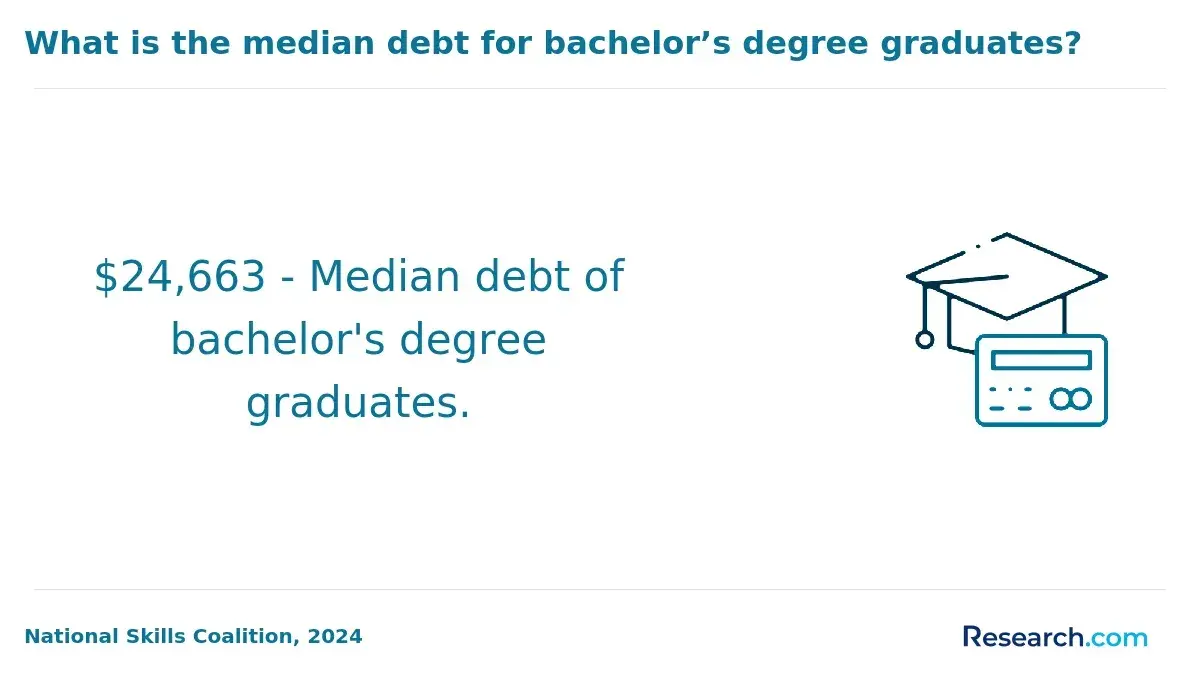
Master's degree costs vary by school, residency status, field, required credits, and time to completion. A useful comparison is total required tuition plus mandatory fees and required expenses, minus confirmed grants or employer benefits. An installment schedule divides that bill; it does not reduce it. Published per-credit tuition alone cannot tell you which program is cheaper.
This breakdown separates expenses a school may place on its plan from expenses you may need to fund independently. Request an itemized estimate for your intended enrollment pace.
| Cost category | What to compare | Payment-plan question |
| Graduate tuition | Rate multiplied by credits actually required | Is tuition divided across the term? |
| Mandatory and program fees | Term, technology, lab, and differential charges | Are these included or due upfront? |
| Completion-related expenses | Books, software, travel, clinicals, or residencies | Which costs are paid outside the school bill? |
| Time-related costs | Extra terms, prerequisites, and reduced work hours | Will slower enrollment add recurring fees? |
Federal aid, scholarships, assistantships, and employer assistance may reduce what must be paid through a plan, subject to eligibility. Federal Direct Unsubsidized Loans have generally had a $20,500 annual limit for eligible graduate students; verify current rules and your award with the financial aid office. Borrowing can cover a timing gap, but interest makes it different from paying installments from income.
Are Online Master's Programs With Payment Plans Accredited?
Online delivery and accreditation are separate questions. Check that the institution holds recognized institutional accreditation, then determine whether your intended field needs additional programmatic accreditation or state approval. This matters especially for counseling, nursing, and educator-licensure pathways, where an accredited institution alone may not establish eligibility for your intended credential.
Use the institution's current accreditation information and the relevant accreditor or state licensing board to confirm status and scope. Ask whether an online student in your state can complete required placements and meet that state's rules. Accreditation supports a program's legitimacy; it does not mean every course, placement, or professional outcome is guaranteed.
Employer Confidence in Online vs. In-Person Degree Skills, Global 2024

What Are the Admission Requirements for These Master's Programs?
Most master's programs require a completed bachelor's degree, transcripts, and an application. Additional requirements depend on the field: computer science may require programming and mathematics; an MSN generally requires RN preparation; leadership or MBA programs may value professional experience.
A counseling program may use interviews and assess readiness for clinical work. GRE or GMAT policies, GPA thresholds, recommendations, and conditional admission rules vary by graduate program.
Check the specific master's program's policy rather than assuming an institution-wide admission rule applies. Undergraduate-focused lists of online colleges with open enrollment and no application fee do not establish that a school's graduate program has open admission or waives its application fee.
Ask whether prerequisites add credits to the degree and whether eligible prior graduate coursework can satisfy a requirement.
How Do Online and Campus-Based Payment Plans Compare?
Online and campus-based students may have access to the same kind of term installment plan, but the surrounding costs and scheduling constraints can differ. A lower travel bill does not make an online program automatically more flexible: live classes, proctored work, residencies, and local placements may still be required.
The distinctions below help identify which delivery costs belong in your budget alongside installments.
| Format | Possible advantage | Constraint to verify |
| Online | Less routine commuting | Live attendance, technology costs, and placement location |
| Hybrid | Remote coursework with some in-person access | Campus dates and travel expenses |
| Campus-based | Regular in-person contact and facilities | Commute, relocation, and class timetable |
Compare the school's billing calendar with its academic calendar. Part-time enrollment may shrink each term's bill while extending the time needed to finish.
What Coursework Do These Master's Degree Programs Include?
Coursework depends on the credential and its purpose. An MBA often includes accounting, finance, strategy, and leadership; a technical MS may include programming, statistics, systems, and advanced electives.
Practice-oriented degrees can add internships, student teaching, or supervised clinical work. Research-oriented programs may require a thesis, while others end with a capstone or comprehensive assessment.
Review the catalog's required courses and rotation, not just its marketing summary. Prerequisites, limited elective availability, and culminating projects affect how many terms you must finance.
If you have previous graduate-level credit or a stackable graduate certificate, request a formal evaluation of whether those courses meet this degree's requirements. Acceptance by the institution does not necessarily mean the credit reduces your remaining required coursework.
What Careers and Salaries Can These Master's Degrees Lead To?
These degrees can support different kinds of career moves: an MBA or engineering management MS may deepen preparation for organizational responsibilities; an IT or cybersecurity MS may build technical specialization; an MEd, counseling degree, or MSN may serve a defined professional pathway. Experience, location, employer requirements, and licensure can matter as much as the credential.
The Bureau of Labor Statistics reports a 2024 median annual wage of $124,910 for information security analysts. That is the median for people working in the occupation, not the expected earnings of cybersecurity master's graduates, and graduate education is not universally required for the role.
Use occupational wages and outlook alongside job postings for your target position, rather than treating lists of the highest paying careers as evidence that a master's will produce a particular salary.
For a financial decision, compare the degree's full cost and any lost earnings with the specific opportunities it may open beyond your existing education and experience. In regulated fields, include the time and expense of examinations, supervised practice, and licensing.
How Should Students Choose a Reputable Master's Program?
Start with the job or credential you want, then compare programs on outcomes that matter to that goal. Accreditation, a feasible payment schedule, required coursework, and total cost are more useful filters than a convenient monthly figure or a general ranking.
You can explore non profit schools as one starting point, but still verify each graduate program independently.
Before paying a deposit, ask admissions, the academic department, financial aid, and the bursar for written answers to these questions:
- What will I owe for all required credits, mandatory fees, and in-person requirements at my planned pace?
- Which charges can go on the installment plan, when are payments due, and what happens if aid or employer reimbursement arrives late?
- Does the program meet the accreditation, placement, and state eligibility requirements for my goal?
- Will any prior graduate credit apply to specific degree requirements, and which courses or experiences will remain?
Red flags include an unverifiable graduate payment policy, pressure to enroll before receiving an itemized cost estimate, and claims that a degree alone guarantees a license, promotion, or salary. Choose only after the school's written answers make both the academic path and every payment deadline workable.
Other Things You Should Know About Master's Degrees
Usually not. They spread billed charges over installments and may carry enrollment or late fees. Compare total program cost and any borrowing costs before deciding.
Often, a plan covers the balance left after anticipated aid, but schools set their own rules. Ask when aid will be applied and whether a delayed disbursement changes your due dates.
Some schools offer them, but online delivery does not guarantee a monthly plan. Confirm the graduate-specific schedule, upfront payment, fees, and eligibility directly with the bursar.
Not by itself. A small payment can reflect fewer courses per term or a longer schedule. Compare full cost, completion requirements, career fit, and the amount you can reliably pay by each deadline.
References
- What are the different ways to pay for college or graduate school? | Consumer Financial Protection Bureau https://www.consumerfinance.gov/ask-cfpb/what-are-the-different-ways-to-pay-for-college-or-graduate-school-en-545/
- Staying Eligible | Federal Student Aid https://studentaid.gov/understand-aid/eligibility/staying-eligible
- School-Determined Requirements - FSA Partner Connect https://fsapartners.ed.gov/knowledge-center/fsa-handbook/2026-2027/vol1/ch1-school-determined-requirements
- Don't Get Schooled, Get Educated on Student Loans | FDIC.gov https://www.fdic.gov/consumer-resource-center/2024-02/dont-get-schooled-get-educated-student-loans
- Payment Plans | Bursar's Office - Temple University https://bursar.temple.edu/payments/payment-plans
- Payment Plans - Stanford Student Services https://studentservices.stanford.edu/my-finances/understand-your-student-bill-and-payment-system/make-payment/payment-plans
- Tuition and Fees 2024-2025 - Student Account Services | University of Kentucky https://studentaccount.uky.edu/tuition-and-fees/past-tuition-and-fees/tuition-and-fees-2024-2025
- Monthly Payment Plan | University of Maryland Global Campus https://www.umgc.edu/current-students/finances/payments/monthly-payment-plan
- Payment Plans | Undergraduate Admission https://www.k-state.edu/finsvcs/cashiers/payment-options/payment-plans/
- Graduate Degrees & Master's Programs | Harvard Extension School https://extension.harvard.edu/academics/academics-graduate-degrees/