
2027 Most Affordable Master's Degree Programs for Gig Workers

Co-Founder and Chief Data Scientist
A master's degree can help a gig worker pursue more specialized work, but tuition is only affordable if the schedule and required expenses are manageable too. The U.S. Bureau of Labor Statistics (BLS) reported median weekly earnings of $1,840 for workers with a master's degree in 2024, compared with $1,543 for those with a bachelor's degree. That difference describes broad groups; it does not predict what one degree will earn. This guide compares ten fields and shows how to weigh total cost, flexible study, and realistic career value before enrolling.
Key Things You Should Know
- The cheapest option is the accredited program with the lowest total cost to complete your career goal - not necessarily the lowest advertised price per credit.
- Using 2024 BLS figures, workers with master's degrees had median weekly earnings of $1,840, but that group-wide figure cannot establish the return on a particular program.
- For variable gig schedules, confirm live-class times, required placements, and part-time course availability before treating an online program as flexible.
Top 10 Most Affordable Master's Degree Programs for Gig Workers
Business / MBA Programs
A Master of Business Administration (MBA) can suit freelancers moving into consulting, operations, or business ownership. An MS in management or accounting may be a better value when the goal is narrower. Compare required graduate credits, foundation courses, and program fees: a low tuition rate can still produce a high bill in a longer MBA. Ask whether classes meet live and whether group projects accommodate irregular hours. Neither degree substitutes for the experience employers may require for management roles.
Healthcare Administration & Management Programs
Information Technology Programs
An MS in information technology often covers systems, cloud infrastructure, and IT management. It may suit contract technology workers seeking deeper specialization or a move toward systems leadership. Compare programs that accept a range of bachelor's degrees with those requiring technical prerequisites; added foundation courses change the total price. Look for accessible labs, predictable deadlines, and a capstone compatible with your work schedule. For a narrow skills gap, a less costly certification may be enough.
Computer Science Programs
An MS in computer science can deepen software, algorithms, or AI knowledge, but prerequisite programming and mathematics courses may increase cost for career changers. Compare required foundations separately from graduate tuition, and check whether lab work or a research thesis affects scheduling. This path makes more sense when the desired role requires substantial technical depth than when a worker needs only a specific tool. A degree does not replace evidence of coding ability or relevant work.
Cybersecurity Programs
An MS in cybersecurity may help an experienced IT contractor move toward security engineering, risk, or governance work. Compare technical prerequisites, lab access, certification-related expenses, and whether a capstone requires an employer project. Security roles often value hands-on experience alongside education. If the immediate goal is an entry-level security credential, compare that narrower cost with the full degree before committing to graduate tuition.
Data Science / Analytics Programs
An MS in data science or analytics may appeal to freelance analysts seeking stronger statistics, programming, or modeling skills. Programs differ substantially: a business-focused analytics degree may not provide the same technical depth as a data science MS. Check prerequisite math courses, software costs, and whether a project can become a useful portfolio piece. Given the time required to build practical skills, a lower-priced degree is a poor bargain if it does not match the work you want to do.
Education / Educational Leadership Programs
A Master of Education (MEd) can support curriculum, instructional design, or school leadership goals. Gig tutors and education contractors should distinguish nonlicensure programs from degrees intended for licensed teachers or administrators. Before comparing tuition, check state requirements, teaching-experience rules, and any student-teaching or internship placement. A flexible, inexpensive online program has limited value if it does not meet the credential requirements for your intended role.
Counseling / Psychology Programs
A counseling master's degree may lead toward professional licensure, while many psychology master's programs do not. For an aspiring counselor, compare state-approved coursework, programmatic accreditation where relevant, supervised placements, and postdegree requirements - not tuition alone. Required practicum and internship hours can reduce time available for paid gigs and may create travel costs. Confirm eligibility with the state licensing board before enrolling; a low-priced degree that misses licensing requirements may be a costly mistake.
Nursing Programs
A Master of Science in Nursing (MSN) generally requires an active nursing license and may require clinical experience. Tracks such as nursing leadership and advanced practice have different clinical, certification, and state-licensure requirements. Nurse gig workers should compare placement arrangements, preceptor responsibilities, fees, and time away from paid shifts. The lowest online tuition is not necessarily the lowest total cost if finding or traveling to clinical sites becomes the student's responsibility.
Engineering Management Programs
An MS in engineering management combines technical project work with finance, operations, or leadership coursework. It may fit experienced contract engineers seeking broader responsibilities without changing disciplines. Check whether admission requires an engineering or quantitative background and whether employer-based capstones are possible. Compare required credits and program fees against an MBA: the better value depends on whether your target work calls for technical management knowledge or more general business preparation. Experience remains important for leadership hiring.
What Are the Most Affordable Master's Degrees for Gig Workers?
There is no single most affordable master's degree field for every gig worker. At the program level, affordability depends on required credits, tuition classification, fees, prerequisites, and work time lost to required placements. Business, IT, and analytics programs may offer schedules that suit independent work; licensure-oriented counseling, education, and nursing programs can carry placement obligations that change their effective cost.
Use a comparison of the cheapest masters degree online options to build a shortlist, then request an individualized cost estimate from each school. Do not treat a published per-credit rate - or an unverified claim that one field is "cheapest" - as a ranking of what you will pay.
How Much Do Affordable Master's Programs Cost for Gig Workers?
Total program cost is graduate tuition for the credits you must complete, plus mandatory fees and required expenses. Sticker price is the published charge; your eventual out-of-pocket cost may change with scholarships, employer assistance, or other aid. A low per-credit price can lose its advantage when a program requires more credits or adds differential tuition.
The cost categories below help make two offers comparable. Request a written estimate for your enrollment pace and residency status rather than relying on a school's headline rate.
| Cost category | Why it matters for gig workers |
| Tuition and required credits | Part-time pacing affects when charges come due; prerequisites may add coursework. |
| Mandatory and program fees | Technology, laboratory, clinical, or differential fees may not appear in the advertised tuition rate. |
| Location-specific expenses | Campus visits, residencies, and placements can add travel costs and unpaid time. |
| Financing costs | Borrowing adds interest; compare the amount you expect to borrow, not just the amount offered. |
Are Online Master's Degrees Flexible Enough for Gig Workers?
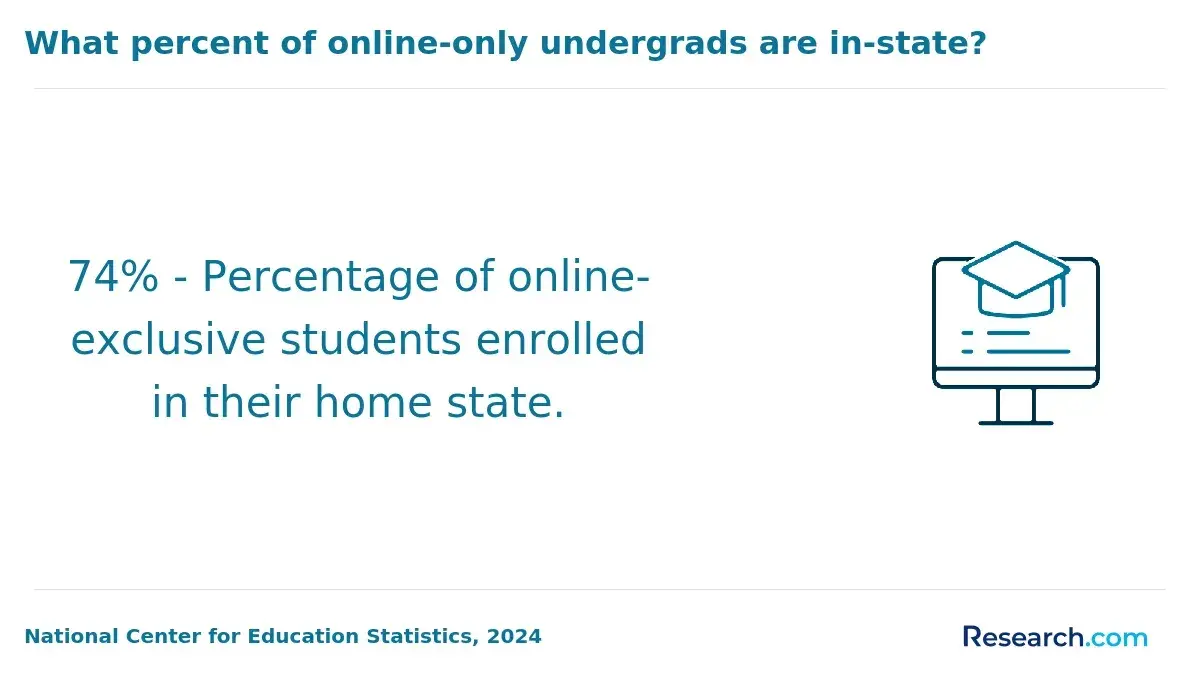
Yes, some online master's programs can fit gig work, but "online" does not mean "study whenever you want." Asynchronous lectures may still come with fixed deadlines; other programs require live sessions, team meetings, campus residencies, or local clinical placements. A part-time option matters only if required courses are offered often enough to let you keep progressing.
If your gig hours change weekly - or you also manage caregiving - ask for a sample course schedule and placement expectations. Resources on the best degrees for stay-at-home moms can offer additional scheduling questions to consider, but verify graduate-program requirements directly. The best fit is the schedule you can sustain, not simply the fastest advertised timeline.
Which Master's Programs Offer the Best Career Opportunities for Gig Workers?
Choose a degree by the work you want to do, not by a field's headline salary. IT, cybersecurity, computer science, and analytics can build on technical contract work. Business and engineering management may be more useful when you already have industry experience. Counseling, teaching, and advanced nursing require especially careful checks of professional eligibility and placement commitments.
AI tools may change tasks within technical and analytical jobs, making demonstrable skills and sound judgment important alongside a credential. If you need one marketable skill rather than a broad career change, compare the time and cost of certifications online with graduate study. A certificate is not a substitute when your goal specifically requires a qualifying master's degree or license.
What Accreditation Should Gig Workers Look for in a Master's Program?
Start with institutional accreditation, which establishes that the university is recognized by an accreditor accepted by the U.S. Department of Education. Then check whether your intended occupation calls for a particular programmatic accreditation or state-approved curriculum. These are different questions: an institutionally accredited university can offer a degree that does not meet a particular state's licensing rules.
For counseling, nursing, and education, ask the program to identify the states and credentials its curriculum is designed to support, then confirm the requirements with the relevant state board. Do this before paying an enrollment deposit.
What Are the Admission Requirements for Affordable Master's Programs?
Most master's programs require a completed bachelor's degree. Depending on the field, applicants may also need prerequisite courses, a minimum GPA, recommendations, a statement of purpose, a portfolio, professional experience, or an active license. GRE or GMAT policies vary by program; the absence of a test on one school's general admissions page does not establish the rule for every degree it offers.
Gig workers with a nontraditional résumé should explain contract projects through outcomes and work samples. Before applying, ask which prerequisites are required, whether conditional admission is possible, and whether an admissions decision includes an evaluation of any previous graduate-level coursework.
How Long Do Affordable Master's Degree Programs Take to Complete?
Completion time depends on the credits required, how many courses you take each term, and when those courses are available. Prerequisites, a thesis or capstone, and clinical or internship sequencing may extend the timeline. Part-time study can preserve gig income but may spread tuition payments and delay completion; an accelerated pace can leave less time for paid work.
Ask each school for a term-by-term plan based on your intended course load. If you have prior graduate coursework or a stackable graduate certificate, request a written evaluation showing which credits satisfy this degree's requirements. Accepted credit may lower cost and time, but undergraduate preparation and professional experience should not be assumed to count as master's-level credit.
What Salaries Can Gig Workers Earn After Graduate School?
Occupational pay is not a forecast of what master's graduates - or former gig workers - will earn. For context, BLS reported a May 2023 median annual wage of $120,360 for information security analysts. That figure covers people in the occupation with different education and experience levels; the role does not universally require a master's degree.
Use occupation data to test whether a target role merits further investigation, then compare local openings with your present earnings, experience, and likely education costs. For licensed or management roles, account for required supervised practice or prior experience before estimating when a career move could happen.
How Can Gig Workers Compare Master's Programs and Financial Aid?
Compare a small shortlist using the same assumptions: your admission eligibility, residency status, course load, and intended career. These steps help prevent a low sticker price from hiding a costly or impractical commitment.
- Ask each school for required credits, all mandatory fees, prerequisite costs, and a term-by-term plan at your intended pace.
- Confirm institutional accreditation and, where applicable, licensing alignment, placements, and required in-person attendance.
- Request an evaluation of eligible prior graduate credit before assuming it will reduce the credits remaining.
- Compare scholarships, employer assistance, federal aid eligibility, and expected borrowing against income you may forgo while studying.
- Check relevant job postings and decide whether a degree is necessary or a smaller credential meets your immediate goal.
Federal graduate aid eligibility depends on the student and program; loans still have to be repaid. If a degree is not required for your next step, compare quick certifications that pay well before borrowing for a longer program. The strongest choice is the accredited path whose full cost, schedule, and requirements fit a career outcome you can realistically pursue.
Other Things You Should Know About
Gig work does not itself rule out federal graduate aid. Eligibility depends on factors including the student, school, and program; report income accurately and ask the financial aid office how your intended enrollment pace affects aid.
Not necessarily. MBA programs vary in required credits, tuition, and fees. Compare each complete program with a more specialized master's degree that meets your career goal.
Often, but check live attendance, weekly deadlines, course sequencing, and required placements. A part-time online option may be more sustainable than a faster program that reduces your billable hours.
Do not assume so. Professional experience can strengthen an application, but graduate credit requires a school's published policy and evaluation. Prior eligible graduate coursework is more commonly considered for transfer.
References
- Programmatic Accrediting Agencies | U.S. Department of Education http://www.ed.gov/laws-and-policy/higher-education-laws-and-policy/college-accreditation/programmatic-accrediting-agencies
- The Federal Work-Study Program - FSA Partner Connect https://fsapartners.ed.gov/knowledge-center/fsa-handbook/2024-2025/vol6/ch2-federal-work-study-program
- Recognition of Accrediting Agencies | Texas Higher Education Coordinating Board https://www.highered.texas.gov/recognition-of-accrediting-agencies/
- Types of Financial Aid: Grants, Work-Study, and Loans | studentaid.gov https://studentaid.gov/understand-aid/types
- Your financial path to graduation | consumerfinance.gov https://www.consumerfinance.gov/paying-for-college/your-financial-path-to-graduation/
- An Overview of Accreditation of Higher Education in the United States | Congress.gov | Library of Congress https://www.congress.gov/crs-product/R43826
- 4 Flexible Ways to Earn a College Degree on Your Schedule | stjohns.edu https://www.stjohns.edu/news-media/johnnies-blog/4-flexible-ways-earn-college-degree-your-schedule-0
- Online Undergraduate and Graduate Degrees and Certificates | sps.nyu.edu https://www.sps.nyu.edu/info/information-for-students/online-programs.html
- Explore Online Learning | swccd.edu https://www.swccd.edu/locations/online-learning/explore-online-learning.aspx
- Online Learning Experience: Best Online College Programs | PSC DU https://professionalstudies.du.edu/your-online-learning-experience/


