2027 Most Affordable Associate Degrees for Corporate Professionals

Co-Founder and Chief Data Scientist
Choosing a low-cost associate degree is harder than comparing tuition rates: the cheapest option may add fees, require travel, or fail to advance your career. College Board reported average published tuition and fees of $4,050 for in-district students at public two-year colleges in 2024-25. That makes community colleges a useful starting point, not an automatic winner.
This guide is for working professionals seeking an affordable route into - or forward within - a corporate role. It compares degree fields, explains costs and career limits, and shows what to verify before enrolling.
Key Things You Should Know
- For many office-based goals, business, accounting, and information technology are the strongest fields to compare first; the lowest-cost choice is the one that meets your goal with the fewest unnecessary credits and expenses.
- An associate degree commonly requires about 60 semester credits, but part-time study, course sequencing, and accepted transfer credits can substantially change the time and total cost. Healthcare and nursing can involve additional clinical or licensing requirements.
- The Bureau of Labor Statistics reports a May 2024 median annual wage of $93,600 for registered nurses, but the degree alone does not confer an RN license or guarantee that wage.
Top 10 Most Affordable Associate Degrees for Corporate Professionals
Business Programs
Business administration and accounting associate degrees are often the most direct affordable options for corporate office work. Coursework may cover spreadsheets, bookkeeping, business communication, and operations. A transfer-oriented AA or AS can suit someone planning a bachelor's degree; an AAS may emphasize immediate workplace skills. Compare required credits against the duties you want, and ask whether your employer will pay for relevant courses. General business study offers flexibility, but a focused accounting or supply-chain track may be more useful for a specific opening.
Healthcare Programs
Healthcare administration, health information, and medical billing programs may connect to corporate roles with insurers, hospital systems, and healthcare vendors. They differ from clinical training: administrative degrees do not qualify graduates to practice medicine. Compare software instruction, coding preparation, and any certification eligibility before paying for a specialized track. An inexpensive online program may be a good fit for nonclinical work, while required practicums or specialized course fees can change the total price.
Information Technology Programs
IT support, networking, and cybersecurity associate degrees can support entry-level technical work inside companies. Look for current lab access, troubleshooting practice, and courses aligned with the jobs you want. Certification exams may cost extra and are not automatically included in tuition. An inexpensive program with outdated equipment can be poor value; an AAS with practical labs may be preferable to a cheaper transfer degree if your immediate goal is technical support.
Nursing / Pre-Nursing Programs
An associate degree in nursing can lead toward RN licensure after a graduate meets state requirements and passes the required licensing examination. Pre-nursing study alone does not qualify someone as an RN. These paths may suit employees of healthcare corporations seeking clinical roles, but prerequisites, selective admission, clinical placements, equipment, and travel can make them more expensive than published tuition suggests. Confirm that the program meets the licensing requirements where you intend to practice.
Criminal Justice Programs
Criminal justice associate degrees can provide background for corporate security, investigations support, or compliance-related work. They do not automatically qualify someone for law enforcement or an investigator position; employers may require experience, screening, or other credentials. Compare the curriculum with actual job postings before choosing this major. For a primarily office-based compliance goal, a business or accounting degree may offer a more direct use of the same tuition budget.
Psychology / Counseling Programs
Psychology associate degrees may help professionals build communication and behavioral-science knowledge useful in human resources or customer-facing work. They are usually a transfer foundation, not a qualification to practice counseling or psychology; those careers generally require further education and applicable licensure. If you want an immediate corporate credential, compare this path with business or HR-related coursework. Verify that the courses will apply to a planned bachelor's degree before choosing it for its lower initial price.
What Are the Most Affordable Associate Degrees for Corporate Careers?
The most affordable field depends on the job you want and what it will cost you to finish, not on the major's name alone. Business administration, accounting, and IT often merit the first comparison for corporate roles because they have direct workplace applications. Healthcare administration can be a strong alternative for professionals already working in that industry. Clinical nursing is a different, more tightly regulated investment.
This comparison identifies where costs and career fit commonly diverge. It is a starting point for evaluating local programs, not a ranking based on unverified school prices.
| Associate degree field | Corporate-career fit | Cost or value question |
| Business or accounting | Office operations, accounting support, purchasing | Will general courses transfer or satisfy an employer's tuition-benefit rules? |
| Information technology | Help desk, systems support, technical operations | Are labs, software, and certification exams included? |
| Healthcare administration | Healthcare operations, records, billing support | Are specialized courses required for the intended role? |
| Nursing | Clinical work in healthcare organizations | What will prerequisites, clinical travel, and licensing preparation add? |
| Criminal justice or psychology | Specialized support roles or a transfer pathway | Does the credential itself advance the goal, or is a bachelor's degree necessary? |
For the lowest-cost practical route, start with a public community college serving your district, then compare its full degree plan with other accredited options. If you already work in a company, a degree that builds on your current role - or uses employer-paid courses - may cost you less than a seemingly cheaper major that requires additional training later.
How Much Do Affordable Associate Degree Programs Cost?
Tuition is only one part of an associate degree's price. Published tuition and mandatory fees are the sticker price; your net price is what remains after applicable grants and scholarships. Your total cost to finish also includes required materials, travel, and any credits you must still complete. College Board's $4,050 public two-year in-district average for 2024-25 is a national benchmark, not a quote for a particular program or a current tuition guarantee.
Use the following cost categories when comparing offers. A school with lower per-credit tuition may still cost more if it charges higher fees or accepts fewer of your previous credits.
| Cost factor | Why it changes the comparison |
| Residency-based tuition and mandatory fees | In-district, out-of-district, and out-of-state rates may differ; online students may face separate fees. |
| Remaining required credits | Accepted transfer or assessed prior-learning credit can reduce the courses you need to purchase. |
| Books, technology, and exams | Software, devices, supplies, and certification exams may be billed separately. |
| Travel and placement requirements | Campus labs or clinical sites can add transportation and scheduling costs. |
| Available assistance | Grants, scholarships, and employer reimbursement may lower what you pay; loans must generally be repaid. |
Request a written estimate for your remaining degree requirements and ask when employer reimbursement is paid. File the FAFSA to determine eligibility for federal aid, then compare aid offers using costs you will actually incur - not just the advertised per-credit rate.
Are Online Associate Degrees as Valuable as Campus-Based Programs?
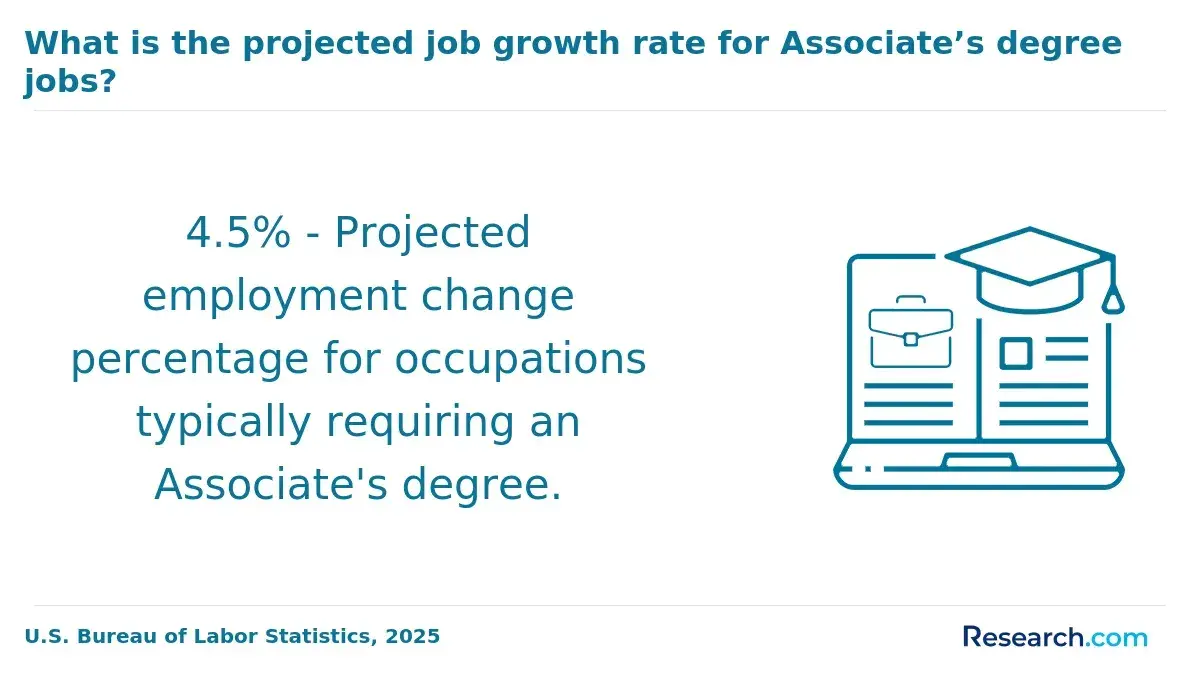
An accredited online associate degree can be as valuable as a campus-based one when it teaches the needed skills and satisfies any transfer or licensing requirements. Delivery format alone does not establish quality. For a working professional, online study may remove commuting costs, but scheduled video classes, proctored exams, labs, and fixed deadlines can still limit flexibility.
Ask whether every required course is available online in the terms you need. Healthcare and nursing pathways may require in-person clinical work even when lectures are online. When comparing online colleges, check the institution's accreditation and the specific associate program rather than assuming the school's broader online offerings include your major. Choose campus study if its hands-on instruction or local employer connections justify the additional travel and time.
What Do Corporate-Focused Associate Degree Programs Teach?
Corporate-focused associate programs usually combine general education with courses tied to a business function. An accounting path might teach financial records and spreadsheets; IT may add networking and technical labs; healthcare administration may cover records and industry terminology. Communication, quantitative reasoning, and digital tools can matter across all three.
An AA or AS often supports transfer, while an AAS often emphasizes workforce preparation, although schools structure these degrees differently. Read the actual course plan. If you intend to pursue a bachelor's degree, ask a prospective transfer institution whether each course will meet requirements in your intended major - not merely whether it will accept the credits.
What Are the Admission Requirements for Affordable Associate Degrees?
Many community colleges admit students with a high school diploma or equivalent, but college admission does not guarantee entry into a selective major. Nursing and some allied-health programs may require prerequisites, minimum grades, background checks, or other screening. Placement or prerequisite rules can also affect when you can take required courses.
Before applying, ask for the major's admission checklist and a preliminary review of prior college work. If application charges matter, no application fee colleges can be worth comparing, but a waived fee should not outweigh a higher total degree cost or a poor career fit. Do not assume previously earned credits will count toward the major until the school evaluates them.
How Long Does It Take to Earn an Associate Degree?
Many associate degrees require around 60 semester credits and can take about two years of full-time study. Working part time through the degree usually takes longer. Prerequisites, limited course availability, developmental coursework, and clinical sequencing may extend the timeline even for full-time students; accepted transfer credits may shorten it.
Ask an advisor for a term-by-term plan built around the hours you can realistically study. That plan should show when required courses are offered and whether a missed course would delay graduation. An accelerated class term is not proof that the entire degree can be completed quickly, particularly when required courses must be taken in sequence.
What Careers Can You Pursue With an Affordable Associate Degree?
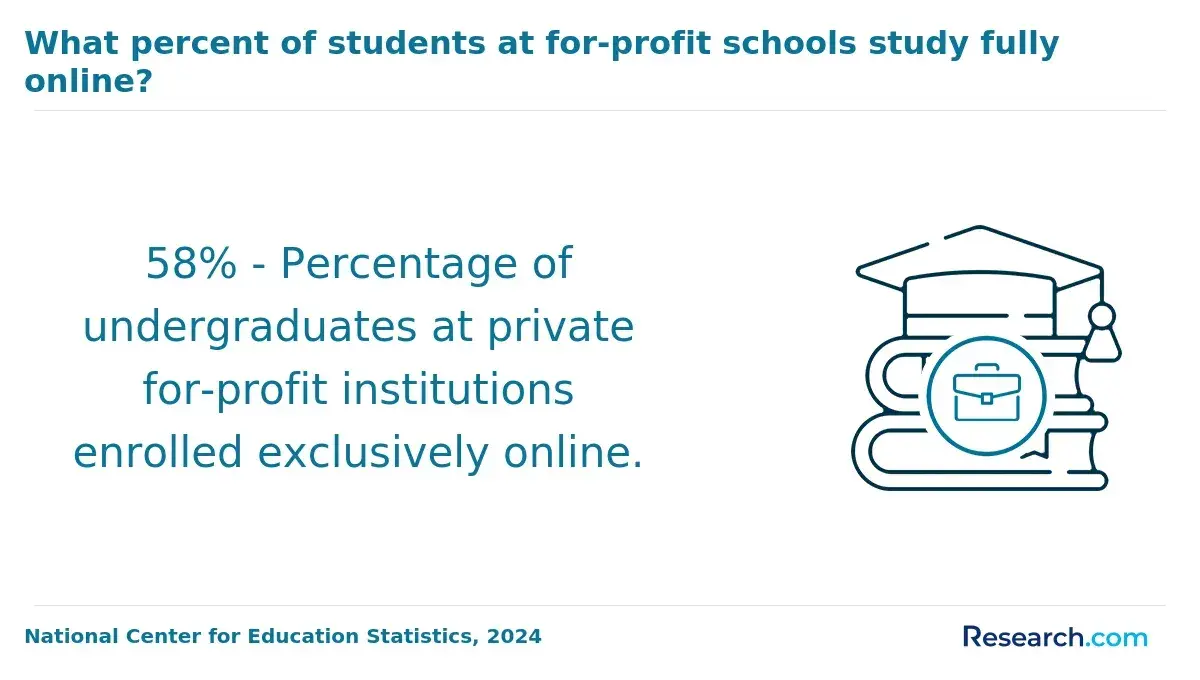
Possible entry-level directions include accounting clerk, office operations assistant, help-desk technician, healthcare records support, and customer or administrative support. The match depends on the program's courses, your existing experience, and local employer requirements. Management positions generally call for substantial experience and may require a bachelor's degree; an associate degree is better viewed as one step toward them.
Use job postings for your target role to distinguish required credentials from preferred ones. If the job calls for a bachelor's degree, compare a transfer-oriented associate pathway with entering a four-year program directly. Careers requiring graduate education are a longer-term decision: an online master degree is not a substitute for checking whether today's associate credits will count toward the bachelor's degree you would need first.
How Much Can Associate Degree Graduates Earn in Corporate Roles?
There is no single reliable salary for "associate degree graduates in corporate roles." Pay varies by occupation, location, experience, and employer. Bureau of Labor Statistics occupational wages describe people working in a job - not the earnings caused by completing a particular degree. For example, the May 2024 median annual wage for registered nurses was $93,600, but RN work requires licensure, and that figure includes nurses with different education and experience levels.
For an office or technical goal, compare the pay shown in local job postings with the credential each employer requests. If your long-term target is a higher-paid occupation that typically requires a bachelor's degree, a highest paying degree comparison may help frame the next step. Do not borrow an advanced occupation's median wage to justify the cost of an entry-level associate program.
How Can You Choose an Accredited Associate Degree Program?
Start by confirming that the institution holds recognized accreditation. Then check whether the specific program meets your purpose: transferable coursework for a bachelor's path, current skills for a corporate job, or any applicable programmatic and state requirements for a licensed occupation. Accreditation does not, by itself, guarantee that credits will transfer or that a graduate will qualify for a license.
Use this sequence to compare programs before committing money or accepting an aid offer.
- Choose a target role and identify the credentials employers or licensing authorities require.
- Request a degree audit showing required courses, accepted prior credits, remaining credits, and any residency requirement.
- Compare written estimates of tuition, mandatory fees, materials, exams, and required travel after applicable grants and employer assistance.
- Confirm course availability, meeting times, online attendance rules, and a realistic completion schedule.
- For transfer or licensure, verify requirements with the destination institution or relevant state board before enrolling.
Be cautious of claims that a program is "fully online," "low cost," or a direct route to management without details. A written degree plan and cost estimate are more useful than a headline tuition rate.
Other Things You Should Know About
Business, accounting, and IT are good starting points because they align with common office and technical functions. Compare local total costs and job requirements before choosing; no field is cheapest for every student.
An AAS may fit an immediate job-skills goal, while an AA often suits a planned bachelor's transfer. Verify the specific curriculum and how its credits will apply; the abbreviation alone does not settle the choice.
Possibly. Some colleges assess professional training, industry credentials, examinations, or other prior learning for credit. Ask how credit is evaluated and whether awarded credits fulfill requirements in your chosen major.
Usually not by itself. It can support entry-level work or advancement alongside relevant experience, while some management roles require a bachelor's degree. Check postings for the role you want before selecting a program.
References
- Undergraduate Retention and Graduation Rates - COE https://nces.ed.gov/programs/coe/indicator/ctr/undergrad-retention-graduation
- College Credit for Military Training & Experiences | dantes.mil https://www.dantes.mil/credit4training/
- College Credit for Heroes - Texas Workforce Commission https://www.twc.texas.gov/programs/veterans/college-credit-heroes
- Transfer Degrees | Colorado Department of Higher Education Home https://cdhe.colorado.gov/transfer-degrees
- DAPIP | Homepage - Office of Postsecondary Education (OPE) https://ope.ed.gov/dapip/
- Financial Aid Programs - Texas Comptroller https://comptroller.texas.gov/programs/education/msp/funding/aid/state-programs/txttp.php
- Student Outcomes | THECB Data https://databridge.highered.texas.gov/outcomes/
- Transfer pathways | Minnesota MyHigherEd https://myhighered.mn.gov/transfer-students/transfer-pathways
- Typical education needed for entry | bls.gov https://www.bls.gov/emp/tables/education-summary.htm
- Awarding Credit for Prior Learning - American Council on Education https://www.acenet.edu/Programs-Services/Pages/Credit-Transcripts/Awarding-Credit-for-Prior-Learning.aspx