
2027 MLIS Programs for Library App and Website Usability Testing

Co-Founder and Chief Data Scientist
Choosing an MLIS for library usability work means looking beyond a program's technology electives: you need opportunities to study real users and improve the services they use. The U.S. Bureau of Labor Statistics reports a May 2025 median annual salary of $68,270 for librarians and media collections specialists, but that broad figure is not a salary estimate for UX specialists.
This guide helps prospective students compare curricula, applied projects, accreditation, costs, and career paths so they can choose a program that fits the work they actually want to do.
Key Things You Should Know
- Look for a documented combination of user research, information architecture, accessibility, and an applied project; a technology course alone does not establish a usability specialization.
- Verify the specific master's program in the ALA accreditation directory, then confirm that relevant electives will be offered while you are enrolled.
- Library job growth is projected at 2.6% for 2025-2035 across the broader librarians and media collections specialists occupation; it is not a forecast for library UX jobs.
What is an MLIS program for library app and website usability testing?
It is a library and information science master's program that lets students learn how people find and use digital library services, then test ways to improve them. The work might involve observing someone search a discovery interface, checking whether a mobile app supports a borrowing task, or evaluating how clearly a library website explains access to databases.
"MLIS program for usability testing" describes a career-oriented course of study, not necessarily an officially named concentration. Schools use degree titles such as MLIS, MLS, Master of Science in Library Science, or Master of Information. Judge the specific degree by its accreditation, curriculum, and project opportunities rather than its abbreviation. A relevant elective is not the same thing as a formal track, and a catalog description alone does not show that a course will run during your enrollment.
Library UX differs from generic product design in its setting. A usable service must support patrons with varied research experience, devices, and accessibility needs while respecting their privacy. Students therefore benefit from both research methods and an understanding of reference services, discovery systems, and inclusive access.
Which MLIS programs prepare students for library UX research careers?
Without comparable, current evidence of individual schools' course schedules and project access, no named program can responsibly be called the best choice. The strongest candidate for you is an ALA-accredited master's program that offers relevant methods coursework and a feasible way to apply it to a library service.
This comparison separates what a program documents from what you still need to confirm. Use it when reviewing catalogs and speaking with program advisers.
| Evidence to compare | What it establishes | What it does not establish |
| Officially named UX or user-centered track | A formal pathway exists in the published curriculum | Every elective will be available when needed |
| Published usability, research methods, or accessibility course | Relevant coursework is listed | The course is required or offered every term |
| Documented practicum, capstone, or independent study | An applied route exists | A library UX placement or project is guaranteed |
| General digital-library or information-technology coursework | Potential background for the work | Training in testing with users |
Ask an adviser when the courses you want were last offered, whether students outside a track can enroll, and whether a capstone may examine a library website or app. If your goal is specifically UX research, a program with a reliable methods-to-project sequence may fit better than one with a compelling track name but limited access to its electives.
Why does ALA accreditation matter for usability-focused MLIS programs?
ALA accreditation applies to an eligible library and information studies master's program, not automatically to every degree at an accredited university. It is worth checking because some professional librarian positions specify an ALA-accredited degree. Confirm the specific program and its current status in the ALA directory before applying.
Accreditation does not certify that a school teaches usability testing, offers a UX concentration, provides an internship, or delivers every course online. Make those separate checks against the current catalog and with the program. If you hope to become a school librarian, also consult the relevant state education authority: degree accreditation and state certification or endorsement are distinct requirements.
What coursework covers library website usability testing and user experience design?
Prioritize a sequence that takes you from a research question to a tested improvement. Useful subjects include human-computer interaction or interaction design; qualitative and quantitative research methods; usability evaluation; information architecture, meaning how content and navigation are organized; and digital accessibility. Courses in reference and information-seeking behavior add context for interpreting patrons' tasks rather than testing an interface in isolation.
An applied assignment is especially valuable if you can define realistic tasks, recruit participants appropriately, observe where they struggle, analyze results, and explain a revised design. For example, a project could examine whether students can locate and open a full-text article from a library's mobile website. A polished mockup without evidence from users demonstrates different skills from a usability study.
When comparing a best library science curriculum online, look past course titles to prerequisites, assessment methods, and project permissions. Ask whether accessibility is evaluated during testing and whether a proposed library partner can support the project. Published electives are promising, but their timing can determine whether this sequence is practical.
Are online or campus-based MLIS programs better for usability testing careers?
Neither format is inherently better. An online program may let a working student study while testing services at a local library or employer. A campus program may make it easier to work with nearby library staff and classmates. In either case, the deciding factor is whether you can complete supervised, credible research with users - not where you watch lectures.
Check whether methods classes meet live, whether group research requires set meeting times, and whether a practicum can be completed where you live. Online delivery does not guarantee an asynchronous schedule or a remote internship. For a working applicant, a library masters with flexible schedule is useful only if the needed UX courses fit that schedule too.
What are the admission requirements for usability-focused MLIS programs?
Requirements vary by school, but applicants should expect to document a completed bachelor's degree and follow the program's published instructions for transcripts and application materials. A statement of purpose can connect prior library, web, research, design, or public-service experience to the work you want to study. Do not assume that programming ability or a design portfolio is required unless the program says so.
If your academic background is unusual, ask admissions staff which requirements are firm and how your record will be reviewed. Prior experience may strengthen an application, but it does not automatically replace a stated degree requirement. Guidance on a library degree without prior coursework can help frame your questions; the institution's current policy controls the decision.
How long do MLIS programs take and what do they cost?
Completion time depends on required credits, course load, prerequisites, and when relevant electives run. A shorter advertised path may leave little room for a usability course or an applied study. If speed matters, compare an accelerated librarian degree online against the time you would actually need to build the skills and project work required for your goal.
No single price applies to usability-focused MLIS study. To make a meaningful comparison, request an estimate for your residency status and intended enrollment pattern. These are the cost categories to check, rather than treating the advertised tuition rate as the full bill.
| Cost category | What to verify |
| Tuition | Rate per credit, required credits, and residency or online-rate rules |
| Mandatory fees | Program, university, and technology charges across expected terms |
| Study and project expenses | Materials, equipment, software, and any required travel |
| Schedule-related costs | Whether course sequencing adds terms or limits paid work |
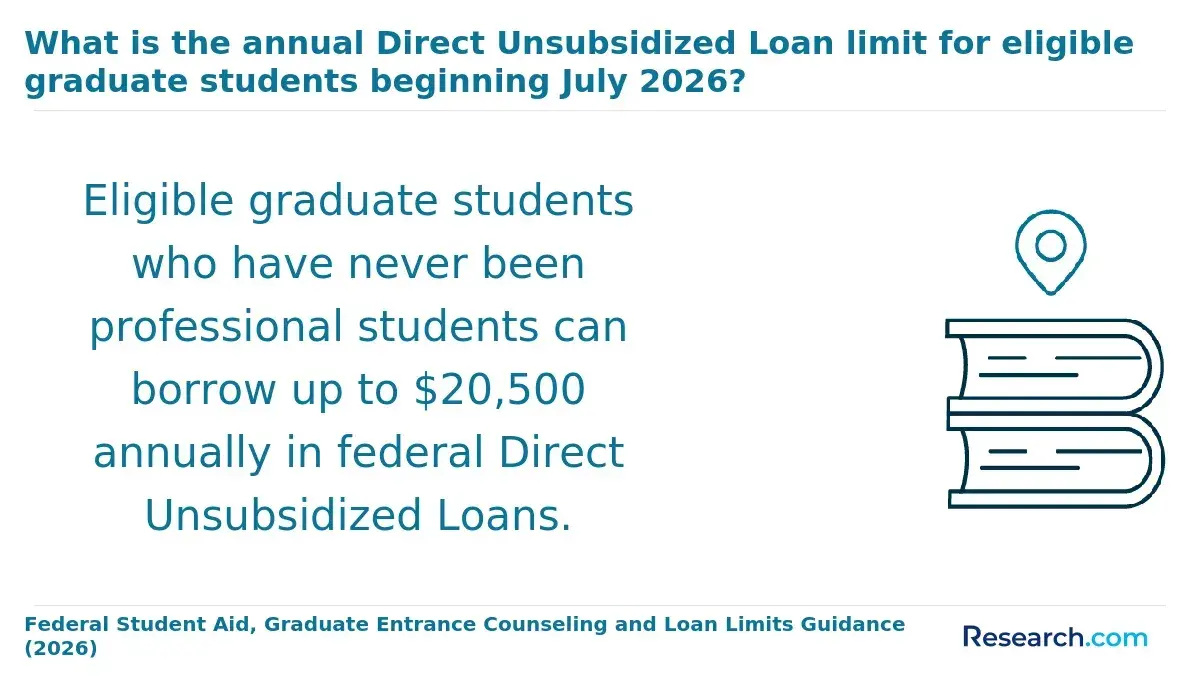
Compare gross attendance cost with what scholarships or employer support may actually cover, then consider separately what you would borrow. Ask the financial aid office about eligibility for your enrollment period; do not assume that an award or a particular loan amount is available. For return on investment, weigh the resulting debt against your current earnings and the qualifications in jobs you would realistically pursue - not a broad occupation's median salary alone.
What careers can an MLIS graduate pursue in library app usability?
Relevant titles include UX librarian, user experience specialist, web services librarian, discovery services librarian, and digital services librarian. Titles overlap, so read the duties: one role may emphasize research with patrons, while another centers on site maintenance or configuring a discovery tool. Academic and public libraries are possible settings, as are library consortia and organizations that build services for libraries.
A professional librarian posting may require or prefer an ALA-accredited master's degree. An adjacent UX researcher or product designer role may accept other degrees and place more weight on research experience or a portfolio. Paraprofessional library positions have different responsibilities and should not be assumed to offer the same route into a specialist role. These distinctions matter when assessing the hardest librarian jobs to enter.
If you already hold a design or research qualification and do not need a professional librarian credential, applied library projects or targeted training may be a more economical entry point than another master's degree. If you want to lead services within a library, compare actual job postings in your preferred setting to determine how often the MLIS is required.
How much do UX librarians and library usability specialists earn?
There is no single national salary figure here that isolates library UX positions. The Bureau of Labor Statistics reports a May 2025 median annual salary of $68,270 for librarians and media collections specialists. That figure gives a broad occupational benchmark, not an expected offer for a UX librarian or an outcome attributable to a particular MLIS.
Pay for a specific opening will depend on its duties, employer, location, and the experience it requires. Compare posted salary ranges for roles you would qualify for, and check whether a position is classified as a librarian role or an adjacent technology or design role before using the BLS benchmark in a cost decision.
What skills and certifications support a career in library usability testing?
The central skills are writing unbiased research questions, designing realistic tasks, interviewing and observing users, interpreting findings, and communicating changes to colleagues who maintain the service. Understanding accessible interaction and patron privacy is important when a study involves people using assistive technology or accounts that expose borrowing or research activity. Familiarity with web analytics can complement direct observation, but usage counts alone cannot explain why a task failed.
A useful portfolio case study explains the problem, your role, the method, what participants encountered, and how the evidence shaped a recommendation. Protect participant information and make clear what you actually tested; a class prototype should not be presented as a deployed library improvement.
No single UX certification is a universal requirement for library usability work. If considering a certificate, compare its cost and hands-on assessment with what an MLIS course or supervised project would add. Choose the credential - or practical experience - that addresses a gap visible in the jobs you want.
Other Things You Should Know About Library Science
Yes. A study can examine the existing site and identify where users struggle. A prototype is helpful when you want to test a proposed change, but it is not a prerequisite for observing a current service.
Start with the project supervisor and library partner. They can help you define the intended users, select an appropriate recruitment channel, and follow any applicable institutional review or privacy procedures.
No. Accessibility evaluation checks whether people with disabilities can access and use a service; usability testing examines how people complete tasks and where difficulties arise. The approaches complement each other, and neither should be treated as a substitute for the other.
Test the devices relevant to the service and the decision you need to make. If patrons commonly encounter different interfaces on phones and desktops, findings from one should not automatically be applied to the other.
References
- Accessibility | U.S. Web Design System (USWDS) https://designsystem.digital.gov/documentation/accessibility/
- What is Usability Testing? | dhs.gov https://www.dhs.gov/cx/learning-trainings/cx-learning/usability-testing-topics/what-is-usability-testing
- MLIS Curriculum, Specialties & Courses | University of Arizona College of Information Science https://infosci.arizona.edu/ma-library-information-science/curriculum-specialties-courses
- Course Offerings - UT iSchool - The University of Texas at Austin https://ischool.utexas.edu/programs/course-offerings
- Weave: Journal of Library User Experience (Weave UX) | Illinois https://www.library.illinois.edu/infosci/is-publications/is-scholarly-journals/weave-journal-of-library-user-experience-weave-ux/
- Library and Information Science - MLIS - Kent State Online https://onlinedegrees.kent.edu/degrees/master-of-library-and-information-science
- ALA-Accredited Programs https://www.ala.org/educationcareers/accreditedprograms/directory


