2027 MLIS Programs for Ethical AI and Library Governance

Co-Founder and Chief Data Scientist
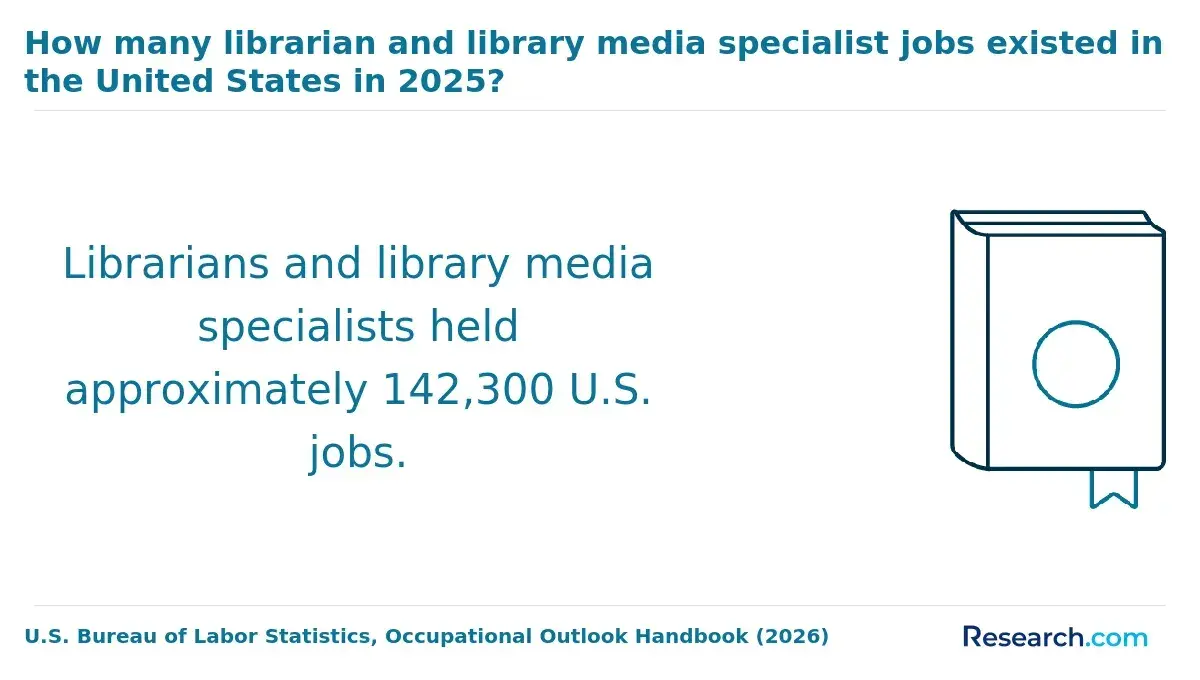
Choosing an MLIS for ethical AI work means looking beyond a degree title: you need preparation to evaluate technology while protecting access, privacy, and public trust. The U.S. Bureau of Labor Statistics projects 2.6% employment growth for librarians and media collections specialists from 2025 to 2035. That modest growth makes relevant skills and experience especially important.
This guide is for prospective students and career changers. It explains what to look for in a program, where the degree can lead, and how to weigh accreditation, format, cost, and career fit.
Key Things You Should Know
- Look for an ALA-accredited master's program with documented coursework and applied work in privacy, information policy, technology evaluation, and library management; a course title alone does not establish a formal AI specialization.
- The May 2025 median annual pay for librarians and media collections specialists was $68,270, but that occupation-wide figure is not an ethical AI salary or a graduate outcome.
- Compare the full cost and availability of relevant electives before enrolling. An MLIS suits many professional librarian roles, while some AI governance jobs may favor policy, law, computing, or records-management experience instead.
What are MLIS programs for ethical AI and library governance?
These are library and information science master's programs that students can use to prepare for decisions about AI tools, information access, patron privacy, collections, and institutional policy. The work is not limited to using AI. It can include assessing an AI-assisted discovery tool for biased results, setting rules for patron-data use, or deciding when staff review is necessary before automated descriptions become public.
MLIS means Master of Library and Information Science. Related degrees may be called MLS, Master of Science in Library Science, or Master of Information; names and curricula differ by institution. A program may offer a formally named specialization, relevant electives, an applied project, or only broad alignment with these goals. Those are different levels of preparation, so check the catalog rather than inferring a specialization from the degree name. Comparing library science masters degree options can help clarify which degree type fits your intended role.
Library governance concerns who sets policy, makes purchasing decisions, oversees data and records, and remains accountable to the communities a library serves. Ethical AI fits within that work because a tool's convenience must be weighed against accuracy, accessibility, intellectual freedom, privacy, and the ability to challenge its outputs.
Which MLIS programs are accredited for library careers?
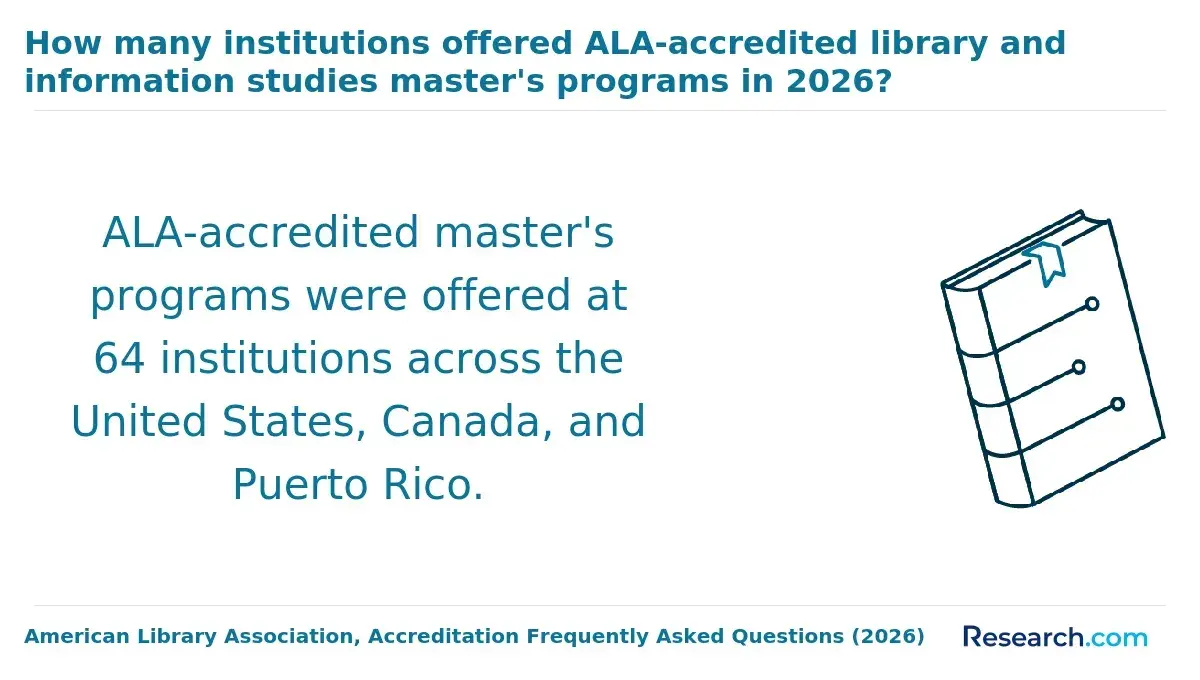
For many U.S. professional librarian positions, the relevant credential is a master's degree from an American Library Association (ALA)-accredited program. The ALA accredits specific master's programs, not every degree at a university. Institutional accreditation alone does not establish that an MLIS or related LIS degree is ALA-accredited.
Use the current ALA directory to check the exact program and degree you would enter, including its accreditation status. Then check the university catalog separately for AI-related courses, the delivery format, and any concentration or practicum. ALA accreditation does not certify that those features exist or that an elective will run during your enrollment. If professional librarian jobs are your goal, compare accredited MLIS degree outcomes alongside current employer requirements rather than treating accreditation as a promise of employment.
School library roles require an additional check. State certification or endorsement rules are distinct from ALA program accreditation, and an online MLIS does not automatically satisfy every state's school librarian requirements.
What careers can an MLIS prepare you for in AI and library governance?
An MLIS can support professional librarian work that includes technology policy, but dedicated "AI governance librarian" titles are not the only - or necessarily the most common - entry point. Public and academic librarians may evaluate discovery systems, teach patrons how to assess AI-generated information, advise on purchasing, and help establish responsible-use practices. Managers may take on broader policy and vendor oversight as their experience grows.
Related roles include metadata librarian, digital collections librarian, privacy or information-policy specialist, and records or information-governance professional. Metadata work may involve reviewing automated descriptions and maintaining consistent terms; governance work may involve retention rules, access decisions, and audits. These jobs have different qualification patterns. Some employers seek an MLIS, while others accept or prefer experience in computing, law, public policy, archives, or records management.
Build toward the work you want: a documented assessment of an AI-assisted search tool could demonstrate evaluation and communication skills, while a privacy-focused purchasing analysis could demonstrate policy judgment. Protect patron and employer information in any portfolio. Use library science degree career earnings as broad occupation context, then examine actual job postings for required credentials and duties in your target setting.
What do ethical AI and library governance MLIS programs teach?
Strong preparation combines foundational librarianship with the ability to assess how a technology affects people and services. The table connects useful curriculum areas to the decisions graduates may face; it does not imply that every program offers each subject as a separate course.
| Curriculum area | Application to AI and governance |
| Information ethics, privacy, and policy | Assess patron-data practices, transparency, intellectual freedom, and institutional responsibilities. |
| Information organization and metadata | Identify errors or inconsistent labels in automated descriptions and search results. |
| Research methods and assessment | Test a tool against service needs and document its limitations. |
| Library management and collection development | Inform purchasing, staff workflows, vendor oversight, and public-service policy. |
| Information literacy and accessibility | Teach critical evaluation of AI outputs and assess whether tools work for different users. |
Look beyond the catalog description. Ask whether relevant courses are required or elective, when they are next expected to run, and whether a practicum or capstone could address a real governance problem. A useful project might evaluate AI-generated collection metadata for accuracy and harmful labeling, then propose a staff review process. Coursework builds understanding; documented applied work shows how you use it.
Are online or campus-based MLIS programs better for AI governance?
Neither format is inherently better. An online program may suit someone already employed in a library who can apply course projects at work. Campus study may make local placements or in-person collaboration easier. In either format, the deciding factors are access to relevant courses, qualified supervision, applied opportunities, and a schedule you can actually maintain.
Check whether online classes are asynchronous or require live attendance, whether electives fit your time zone, and whether a practicum can be completed near home. "Online" does not establish that every course is flexible or that every placement is remote. If speed matters, use a one year library science program comparison as a starting point, but confirm course sequencing and workload with the program before assuming an accelerated finish date.
What are the admission requirements for ethical AI MLIS programs?
Applicants generally need a bachelor's degree and must meet the graduate school's published requirements. Programs may request transcripts, a statement of purpose, recommendations, and a résumé; thresholds and document rules vary. Do not assume that programming experience or prior library work is required unless the specific program says so.
Use the statement of purpose to connect your background to a concrete problem, such as accessible search, responsible use of patron data, or evaluation of automated metadata. Applicants from education, humanities, technology, and public service can all explain relevant experience without claiming expertise they have not yet developed. If your academic record or employment history needs context, ask admissions staff how the program handles individual review. Check the current program page for deadlines and requirements rather than relying on a general MLIS admissions checklist.
How long do MLIS programs cost and take to complete?
Completion time depends on required credits, full- or part-time enrollment, course sequencing, and any practicum. Tuition also varies by institution, residency classification, and enrollment period. Without a current tuition schedule for a specific program, a single price or completion time would be misleading.
For each program, calculate tuition using its required credits and your applicable per-credit rate. Add mandatory fees, books and equipment, and any travel or placement expenses. Then ask whether the electives you need are likely to fit your planned terms; an extra term can change both the timeline and cost. Published tuition is not the same as total attendance cost, and online enrollment does not necessarily confer an in-state rate.
If you have prior graduate LIS coursework, ask whether it qualifies for transfer and whether accepted credits actually replace required courses. The potential transfer credit library science cost savings depend on the receiving program's limits and its decisions about your courses. Compare gross cost, likely out-of-pocket cost after confirmed support, and any amount you would borrow separately. Consult the school's financial aid office for aid eligibility and loan terms applicable to your enrollment period.
What salaries and job outlook can MLIS graduates expect?
The Bureau of Labor Statistics reports a May 2025 median annual salary of $68,270 for librarians and media collections specialists, with projected employment growth of 2.6% from 2025 to 2035. These are U.S. occupation-wide figures, not starting salaries, MLIS graduate outcomes, or forecasts for ethical AI positions.
Adjacent work does not share one pay scale. For example, the May 2025 median for archivists was $64,550, and projected growth for that occupation is 3.4% over 2025-2035. Use occupational data to frame possibilities, then compare local postings by setting, responsibilities, experience requirements, and pay. For a career change, weigh the degree's total cost against your current earnings and the qualifications employers actually request; neither the median nor a projection establishes a personal return on investment.
Do library governance careers require licenses or certifications?
There is no single U.S. license for ethical AI or library governance work. Employers set qualifications for most professional librarian and adjacent information-governance positions; an ALA-accredited master's degree may be required or preferred for a librarian role without being a government-issued license. Optional professional credentials can help in a particular specialty, but they are not universal legal requirements.
School librarians are the important exception to check early: state education authorities set certification or endorsement requirements, which may include education and supervised experience beyond the MLIS. Requirements also vary by state. For law, medical, archival, or records-focused positions, read the individual posting to distinguish an employer preference from a required credential.
How can you choose a reputable MLIS program for ethical AI?
Start with the job you want, not a program's AI-related marketing language. The following sequence keeps accreditation, actual learning opportunities, and affordability separate so that one appealing feature does not obscure a poor fit.
- Collect representative postings in your preferred library setting and note required degrees, policy responsibilities, technical skills, and experience.
- Check the exact master's program in the current ALA directory if professional librarian eligibility matters for those roles.
- Read the current catalog and ask which relevant courses are required, which are electives, and when those electives are expected to run.
- Ask whether a supervised project or placement could address privacy, accessibility, metadata review, or technology assessment - and who would approve and supervise it.
- Compare total expected costs and realistic completion schedules, then ask about career support and any published outcomes relevant to your intended work.
Choose an MLIS when you need librarian preparation alongside governance skills. If your target jobs primarily require software auditing, legal analysis, or corporate compliance and do not call for librarianship, compare other graduate study, a focused certificate, or relevant work experience before committing to a full LIS degree.
Other Things You Should Know About Library Science
Follow each course's academic-integrity and disclosure rules. If AI use is permitted, check its output against authoritative material and avoid entering confidential patron or employer information.
Use public or synthetic examples where possible. Obtain any required workplace approval, remove identifying details, and explain your method without exposing records or usage histories.
That depends on the library's systems and policies. If choice matters to your work, ask how the library discloses AI use and what non-AI service routes remain available.
Follow professional guidance, attend continuing-education sessions, and review how your own institution evaluates tools. Pair new technical knowledge with ongoing attention to privacy, accessibility, and community feedback.
References
- AI Ethical Guidelines | educause.edu https://library.educause.edu/resources/2025/6/ai-ethical-guidelines
- Master of Library & Information Science (MLIS) | UCLA School of Education & Information Studies https://seis.ucla.edu/academics/department-of-information-studies/master-of-library-information-science-mlis/
- Master of Library and Information Science (MLIS) | du.edu https://morgridge.du.edu/academics-advising/programs-gr/mlis-library-and-information-science
- Frequently Asked Questions - Master Of Library And Information Science (MLIS) - College of Information (INFO) https://info.umd.edu/academics/masters-programs/master-of-library-and-information-science/frequently-asked-questions/
- Master's in Library and Information Science | UNC Greensboro https://www.uncg.edu/degrees/library-and-information-science-m-l-i-s/
- Online Master's Degree: Information Sciences | Vols Online https://volsonline.utk.edu/program/masters/information-sciences-ms/
- The 12 Types of Experiential Learning | Experience Learning https://experiencelearning.utk.edu/about/types/
- MLIS Curriculum, Specialties & Courses | University of Arizona College of Information Science https://infosci.arizona.edu/ma-library-information-science/curriculum-specialties-courses
- Artificial intelligence in education - AI | UNESCO https://www.unesco.org/en/digital-education/artificial-intelligence
- AI principles | oecd.org https://www.oecd.org/en/topics/sub-issues/ai-principles.html