
2027 Medical Billing & Coding Degree Programs With No GRE or GMAT Requirements

Co-Founder and Chief Data Scientist
Choosing a medical billing and coding program is already a practical career decision: you are weighing cost, speed, accreditation, online flexibility, certification preparation, and whether the program can help you qualify for healthcare administrative roles. GRE and GMAT requirements should not be the obstacle that delays that decision—especially because these exams were designed mainly for graduate admissions, not for most career-focused medical billing and coding pathways.
Many schools now use test-optional or test-free admissions for healthcare programs, including medical billing and coding. That matters for working adults, career changers, military students, parents, and applicants whose strongest qualifications are job experience, prior coursework, or professional motivation rather than standardized test scores. With industry growth projected at 8% through 2030, accessible training options can help more students enter a field that depends on accuracy, compliance, coding knowledge, and attention to detail.
This guide explains what “no GRE or GMAT required” really means, which program types usually waive those tests, what admissions committees review instead, how accreditation and course rigor work, and whether test-free admissions affects cost, graduation time, employer perception, or salary outcomes.
Key Benefits of Medical Billing & Coding Degree Programs with No GRE or GMAT Requirements
- Programs without GRE or GMAT boost accessibility for working adults, enabling career advancement without balancing test prep and job demands.
- Skipping standardized tests reduces application costs and time, streamlining enrollment for prospective medical billing & coding students.
- Admissions emphasize holistic criteria like academic history and work experience, better reflecting candidates' potential in this evolving healthcare field.
What Does "No GRE or GMAT Required" Mean for a Medical Billing & Coding Degree?
“No GRE or GMAT required” means applicants do not have to submit Graduate Record Examination or Graduate Management Admission Test scores as part of the admissions process. In medical billing and coding, this usually signals that the school is using a practical, skills-focused admissions model rather than a test-based graduate admissions model.
This distinction matters because many medical billing and coding programs are certificates, associate degrees, or career training programs—not traditional research-heavy graduate degrees. Currently, about 60% of health-related graduate programs in the U.S. have removed these requirements, reflecting a broader shift toward holistic review.
For students, a no-test policy can reduce cost, shorten the application timeline, and make admission more accessible. It does not automatically mean the program is easy, less credible, or less rigorous. The school may still require transcripts, prerequisites, a minimum GPA, prior education, placement assessments, or proof of readiness for healthcare coursework.
What test-free admissions usually changes
- It removes one application barrier: You can apply without spending time and money on GRE or GMAT registration, prep books, practice tests, or tutoring.
- It shifts attention to your academic record: Schools may weigh your transcripts, GPA, completed healthcare courses, and computer skills more heavily.
- It makes experience more valuable: Prior work in healthcare, administration, insurance, customer service, records management, or data entry can strengthen your application.
- It can increase competition: When testing is removed, more applicants may qualify to apply, so your resume, statement, and references need to be clear and specific.
- It may still allow optional scores: Some schools do not require scores but will review them if submitted. Only send scores if they strengthen your file.
Students comparing healthcare education pathways may also want to understand how admissions flexibility appears in other fields, such as the shortest online DNP program options, where time, format, and admission requirements can also shape the decision.
What Types of Medical Billing & Coding Programs Have No GRE or GMAT Requirements?
The programs most likely to have no GRE or GMAT requirement are career-oriented options that prepare students for entry-level or advancement-focused work in medical coding, billing, health records, insurance claims, reimbursement, and healthcare office administration. These programs typically care more about readiness for technical coursework than performance on a graduate admissions exam.
Because medical billing and coding is a competency-based field, schools often design admissions around whether students can handle terminology, anatomy basics, coding systems, compliance rules, billing workflows, and documentation standards.
Common no-GRE or no-GMAT program types
| Program type | Typical purpose | Why GRE or GMAT is often not required |
| Certificate programs | Build job-focused billing and coding skills in a shorter format. | Admissions usually emphasize basic academic readiness, not graduate test performance. |
| Associate degrees | Combine general education with medical billing, coding, health records, and administrative training. | These are undergraduate pathways, so GRE and GMAT scores are generally not central to admission. |
| Online or hybrid programs | Serve working adults, caregivers, military students, and career changers who need flexible scheduling. | Schools often remove standardized testing to reduce friction for nontraditional students. |
| Continuing education programs | Help current workers add coding, billing, or reimbursement skills. | Professional background and career goals may matter more than test scores. |
When comparing programs, do not stop at the phrase “no GRE” or “no GMAT.” Review the credential awarded, accreditation status, curriculum, coding exam preparation, faculty background, tuition, transfer policy, and student support. A low-barrier application is helpful only if the program still prepares you for the work you want to do.
Students who need help paying for training should also compare online medical billing and coding schools with financial aid, since aid eligibility can depend on institution type, accreditation, and program structure.
What Do Schools Look at Instead of GRE or GMAT for Medical Billing & Coding Admissions?
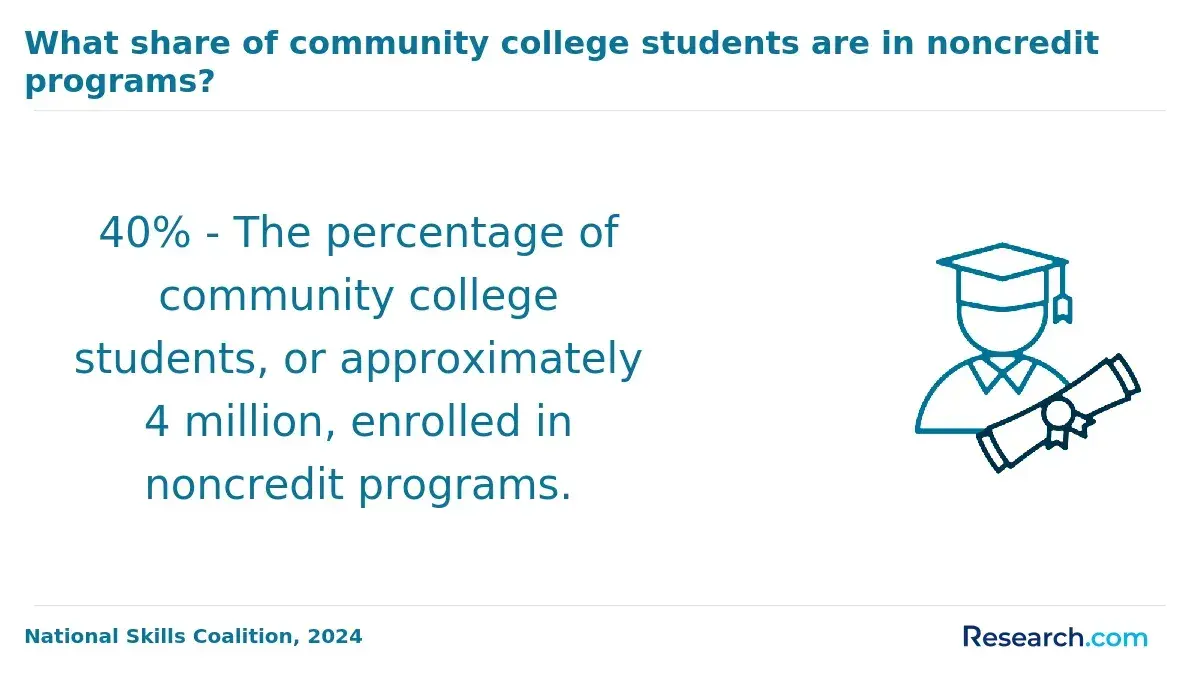
When medical billing and coding programs waive the GRE or GMAT, they usually replace test scores with a broader review of academic preparation, professional background, communication ability, and motivation. More than 60% of health-related certificate and degree programs now use test-optional policies, but “test-optional” does not mean “no standards.” It means the school is choosing different evidence to judge readiness.
The strongest applications make it easy for admissions staff to see that the applicant can complete detail-heavy coursework, use healthcare terminology accurately, follow rules, meet deadlines, and communicate professionally.
Admissions factors that may matter more than test scores
- Academic transcripts: Schools review previous coursework, grades, and completion patterns to see whether you are prepared for technical healthcare subjects.
- Relevant work experience: Experience in healthcare offices, insurance, claims processing, data entry, customer service, medical records, or administrative support can show readiness for the field.
- Personal statement: A focused essay should explain why you want medical billing and coding, what you understand about the work, and how the program fits your career plan.
- Letters of recommendation: A supervisor, instructor, or professional reference can speak to your reliability, accuracy, ethics, communication skills, and ability to learn complex information.
- Prerequisite or placement requirements: Some schools may still assess English, math, computer literacy, or basic science readiness even when GRE or GMAT scores are not required.
- Interview, if required: An interview may be used to confirm goals, schedule fit, professionalism, and understanding of the program’s demands.
Avoid submitting a generic application. If your background is not directly in healthcare, connect your experience to the field: accuracy, confidentiality, documentation, software use, customer service, problem-solving, and compliance are all relevant. If cost is part of your program search, compare tuition and fees carefully and review guides that explain how much is medical billing and coding school before you apply.
Who Qualifies for GRE or GMAT Waivers in Medical Billing & Coding Programs?
GRE or GMAT waivers are usually granted to applicants who can show readiness through education, work history, credentials, or life experience. In many medical billing and coding programs, the better question is not who qualifies for a waiver, but whether the program requires the exam at all. Many certificate and associate-level options simply do not use GRE or GMAT scores in admission.
For programs that technically list a test requirement but allow waivers, eligibility often depends on documented evidence. Always confirm the policy in writing with the admissions office because waiver rules vary by school.
Applicants commonly considered for waivers
- High GPA holders: Applicants with a strong undergraduate GPA-typically 3.0 or above-may be viewed as academically prepared without standardized test scores.
- Experienced professionals: Applicants with healthcare, coding, billing, insurance, records, or administrative experience can often use that background to demonstrate readiness.
- Advanced degree holders: Students who already completed a bachelor's or graduate degree may qualify because they have shown they can succeed in higher education.
- Military personnel: Veterans and current service members may qualify when schools recognize military training, discipline, leadership, or administrative experience.
- Certificate or continuing education students: Non-degree students may bypass GRE or GMAT requirements because the program is designed for workforce skill development rather than graduate admission.
How to ask for a waiver
- Read the admissions page and catalog carefully to identify whether testing is required, optional, or waived by category.
- Gather proof, such as transcripts, resume, licenses, certificates, military records, or employer letters.
- Write a concise waiver request explaining which criterion you meet and how your background prepares you for the program.
- Ask whether the waiver affects scholarship consideration, admission competitiveness, or placement requirements.
A graduate of an online medical billing and coding program that did not require GRE or GMAT scores said the waiver made the application process feel more realistic. The school focused on his work experience and motivation rather than a single exam score, which helped him prepare for coursework while continuing to work.
Are Course Requirements the Same in No-GRE or GMAT Medical Billing & Coding Programs?
Course requirements can be just as rigorous in no-GRE or no-GMAT medical billing and coding programs. The absence of a standardized admissions test does not determine curriculum quality. What matters more is whether the program teaches the required technical content, uses current coding and billing standards, provides applied practice, and prepares students for the credential or job outcome they want.
A strong program should make students practice accuracy repeatedly. Medical billing and coding work depends on correct documentation, proper code selection, compliance with healthcare rules, claim preparation, reimbursement processes, and careful review of records.
What the curriculum should cover
- Medical terminology: Students need a working vocabulary of body systems, diagnoses, procedures, and common clinical documentation.
- Anatomy and physiology basics: Coders must understand enough human biology to interpret medical records accurately.
- Coding systems and guidelines: Programs should teach coding protocols, code selection, documentation review, and error prevention.
- Billing and reimbursement: Students should learn claims processes, payer rules, denials, appeals, insurance terminology, and revenue cycle basics.
- Healthcare law and ethics: Privacy, compliance, fraud prevention, and professional conduct are essential parts of the field.
- Software and applied exercises: Practical coding exercises, case scenarios, and billing simulations are more useful than theory alone.
How no-test programs measure student performance
Instead of relying on GRE or GMAT scores at admission, programs typically evaluate students through quizzes, coding assignments, case studies, billing projects, exams, and sometimes practicum-style experiences. These assessments are closer to the work graduates will perform than a general standardized test.
Before enrolling, ask for a course list and compare it against your career goal. A short program may be appropriate if you only need coding and billing skills quickly. An associate degree may be better if you want broader healthcare administration preparation, transfer options, or a more complete academic credential.
Are No-GRE or GMAT Medical Billing & Coding Programs Accredited?
Some no-GRE or no-GMAT medical billing and coding programs are accredited, and some are not. Accreditation is separate from standardized testing. A school can remove GRE or GMAT requirements and still meet recognized quality standards; another school can advertise easy admission while lacking the accreditation students need for financial aid, transfer credit, employer recognition, or certification eligibility.
Prospective students should verify accreditation before applying. Do not rely only on marketing language such as “approved,” “recognized,” “career-ready,” or “certification prep.” Look for institutional accreditation from a legitimate accreditor and, where applicable, specialized recognition connected to health information education.
Why accreditation matters
- Financial aid eligibility: Federal financial aid generally depends on attending an eligible accredited institution.
- Credit transfer: Accredited coursework is more likely to be considered by other schools, though transfer is never guaranteed.
- Employer confidence: Employers may view accredited programs as more reliable because they meet external quality standards.
- Certification preparation: Some credentials or exam pathways may require specific education, training, or program characteristics.
- Consumer protection: Accreditation review can help reduce the risk of enrolling in a low-quality or misleading program.
Confirm a school’s accreditation through official agencies endorsed by the U.S. Department of Education. Also ask the program directly which certification exams its curriculum is designed to support, what graduate outcomes are available, and whether students receive coding practice using current guidelines.
Does Waiving the GRE or GMAT Reduce the Total Cost of a Medical Billing & Coding Degree?
Waiving the GRE or GMAT can reduce upfront application costs, but it does not automatically make the full degree cheaper. The GRE costs around $205, and the GMAT ranges from $250 to $275. Students may also avoid prep materials, tutoring, practice exams, travel, and lost time. Those savings are real, especially for applicants on a tight budget.
However, the largest costs are usually tuition, fees, books, software, exam preparation, certification exam costs, and the time spent away from full-time work. A no-test policy should be treated as one cost advantage, not the main reason to choose a school.
Cost factors to compare
- Testing and prep savings: Removing GRE or GMAT requirements can save several hundred dollars in exam and preparation expenses.
- Application timeline: Students may apply sooner because they do not need months of test preparation, which can shorten the path to enrollment.
- Tuition and required fees: A no-test program can still be expensive. Compare total program cost, not just per-credit tuition.
- Books and technology: Coding manuals, software access, online platform fees, and proctoring fees can add to the total price.
- Financial aid eligibility: Test waivers do not guarantee aid. Accreditation, enrollment status, and program type often matter more.
- Scholarship rules: Some scholarships may consider test scores, while others focus on need, GPA, career goals, military status, or demographics.
A graduate from a no-GRE or GMAT medical billing and coding program said the waiver reduced both financial pressure and stress. She could focus on coursework and work responsibilities instead of paying for and preparing for an exam that was not closely related to her career goal. For her, the savings were not only money; they also included time and fewer application delays.
Does Removing the GRE or GMAT From Medical Billing & Coding Programs Affect Graduation Time?
Removing the GRE or GMAT may help students start sooner, but it usually does not determine how long they take to graduate. Recent trends indicate that the average time to complete many associate-level medical billing coding programs without GRE affecting graduation is approximately two years. Actual completion time depends more on enrollment status, transfer credits, course availability, program format, and personal schedule.
For many students, the biggest time advantage is at the front end. Without GRE or GMAT preparation, applicants can often submit materials faster and avoid delaying admission to wait for test dates or score reports.
Factors that affect time to completion
- Full-time or part-time enrollment: Working adults often study part time, which can extend the timeline even in flexible online programs.
- Transfer credits: Prior general education or healthcare coursework may shorten an associate degree if accepted by the school.
- Course sequencing: Some required classes must be taken in order. Limited offerings can delay progress.
- Prerequisite gaps: Students who need remedial or prerequisite coursework may take longer, even without test requirements.
- Academic support: Advising, tutoring, faculty access, and career support can help students stay on track.
- Program format: Online, hybrid, and in-person formats can offer different levels of flexibility and pacing.
Students comparing flexible healthcare pathways can look at scheduling models in related areas, including online nursing degree programs, where pacing, clinical requirements, and course sequencing also affect completion time.
The practical takeaway: no GRE or GMAT may speed up admission, but graduation time depends on the structure of the program and the number of courses you can realistically complete each term.
Do Employers Care If a Medical Billing & Coding Program Doesn't Require GRE or GMAT?
Most employers are unlikely to care whether a medical billing and coding program required the GRE or GMAT. Employers usually care more about whether the program is credible, whether the graduate can code accurately, whether the applicant understands billing and compliance, and whether the candidate has relevant certification, experience, or software skills. A recent survey revealed that over 60% of employers prioritize relevant professional experience and skill proficiency over standardized test scores when evaluating candidates.
GRE and GMAT scores are admissions tools, not workplace credentials. In a technical healthcare administrative field, proof of competence matters more than proof that an applicant took a graduate entrance exam.
What employers are more likely to evaluate
- Accreditation and school reputation: A recognized institution and a clear curriculum can help employers trust the training.
- Coding and billing skills: Employers need candidates who understand coding systems, documentation, claims, reimbursement, and denial prevention.
- Certification readiness: Certifications from recognized bodies like AAPC or AHIMA may carry more weight than admissions test history.
- Experience: Internships, externships, healthcare office work, records experience, or insurance-related roles can strengthen a resume.
- Accuracy and professionalism: Employers value attention to detail, confidentiality, communication, and reliability.
- Current regulatory knowledge: Healthcare billing and coding work changes with rules, payer policies, and documentation expectations.
Students should be careful not to confuse “easy to enter” with “strong career preparation.” A no-GRE program can be a good choice if it is accredited, teaches current skills, offers applied coding practice, and supports certification or employment goals. For a broader view of how test-optional policies affect healthcare education affordability, students can also compare affordable online DNP programs.
How Does Salary Compare for No-GRE vs GRE Medical Billing & Coding Degrees?
Salary is influenced far more by skills, certification, location, experience, employer type, and program reputation than by whether a school required GRE scores. Still, data shows graduates from no-GRE programs tend to start with salaries about 5-8% lower on average compared to those from GRE-required programs. That difference should be interpreted carefully because test requirements may overlap with other factors, such as institutional selectivity, career services, employer networks, and student background.
A no-GRE program does not automatically limit earnings. Graduates can improve their salary prospects by building verified coding skill, earning relevant credentials, gaining healthcare experience, and applying in markets where demand is stronger.
Factors that can affect earnings more than test requirements
- Program reputation: Schools with stronger employer relationships, career services, and graduate outcomes may help students access better opportunities.
- Work experience: Prior healthcare, insurance, administrative, or records experience can improve employability and negotiating power.
- Certification: Recognized coding or billing credentials can help demonstrate competence to employers.
- Technical skill level: Advanced coding knowledge, accuracy, and familiarity with electronic health record systems can support better job options.
- Location: Pay varies by region, cost of living, healthcare market size, and employer demand.
- Employer type: Hospitals, physician practices, insurers, billing companies, and remote coding employers may offer different compensation structures.
When evaluating salary claims, ask schools for recent placement information, certification pass support, employer partnerships, and the types of roles graduates typically obtain. The best program is not necessarily the one with the easiest admission process; it is the one that gives you the strongest path to accurate, compliant, employable coding and billing work.
What Graduates Say About Their Medical Billing & Coding Degree Program with No GRE or GMAT Requirements
- : "Choosing a medical billing and coding degree program with no GRE or GMAT requirements was a game-changer for me. The affordable tuition, typically around $4,000 to $7,000, made it accessible without overwhelming debt. Graduating opened doors quickly, allowing me to secure a position in healthcare administration and start advancing my career. — Louise"
- : "After years of considering going back to school, I wanted a straightforward path without the hassle of standardized tests like GRE or GMAT. The cost saved by avoiding expensive prep courses and tests was significant, making the degree a practical investment. Earning this credential gave me confidence and credibility in my job search, enhancing my role in medical records management. — Yanis"
- : "As a professional seeking to switch careers, I appreciated the clear pathway that a medical billing and coding program without GRE or GMAT requirements provided. The moderate cost, often under $8,000, was reasonable compared to other options. Graduating significantly improved my employability and introduced me to a fulfilling healthcare field that values my skills and knowledge. — Milo"
Other Things You Should Know About Medical Billing & Coding Degrees
Yes, many 2027 medical billing & coding programs without GRE or GMAT requirements offer flexible scheduling options, including online and evening classes. These accommodations cater to working professionals and those with other commitments, ensuring accessibility and convenience while pursuing the degree.
Most no-GRE or GMAT medical billing & coding programs incorporate coursework designed to prepare students for nationally recognized certification exams like the Certified Professional Coder (CPC) or Certified Coding Associate (CCA). These programs focus on billing systems, medical terminology, and coding standards to align with certification competencies. Certification is critical for employment and career advancement in the field.
Most no-GRE medical billing & coding programs require a high school diploma or GED, plus prerequisite coursework in anatomy, medical terminology, or basic computer skills. Some associate programs also ask for a minimum 2.0 GPA and official transcripts before admission.
References
- Top 10 Accredited Medical Billing and Coding Online Programs https://nurse.org/healthcare/medical-billing-coding-online-programs/
- Medical Coding Salary - Medical Billing And Coding Salary 2025 - AAPC https://www.aapc.com/resources/medical-coding-salary-survey
- Online Medical Billing and Coding Programs https://www.ultimatemedical.edu/program/medical-billing-and-coding/
- Online Healthcare Degree Programs https://www.coloradotech.edu/degrees/studies/healthcare
- Top Benefits of an Online Billing and Coding Certificate Program https://www.chcp.edu/blog/9-benefits-medical-billing-and-coding-certificate/
- Online Medical Coding & Billing Program | Self-Paced Course https://www.uscareerinstitute.edu/online-medical-coding-and-billing-school
- Medical Billing and Coding Undergraduate Certificate | DeVry https://www.devry.edu/online-programs/undergraduate-certificates/medical-billing-and-coding.html
- 7 Benefits of Online Medical Billing and Coding Program https://www.bluecliffcollege.edu/blog/7-benefits-of-medical-billing-coding-program/


