2027 Library Science Master's Programs With Practicum Placement Support

Co-Founder and Chief Data Scientist
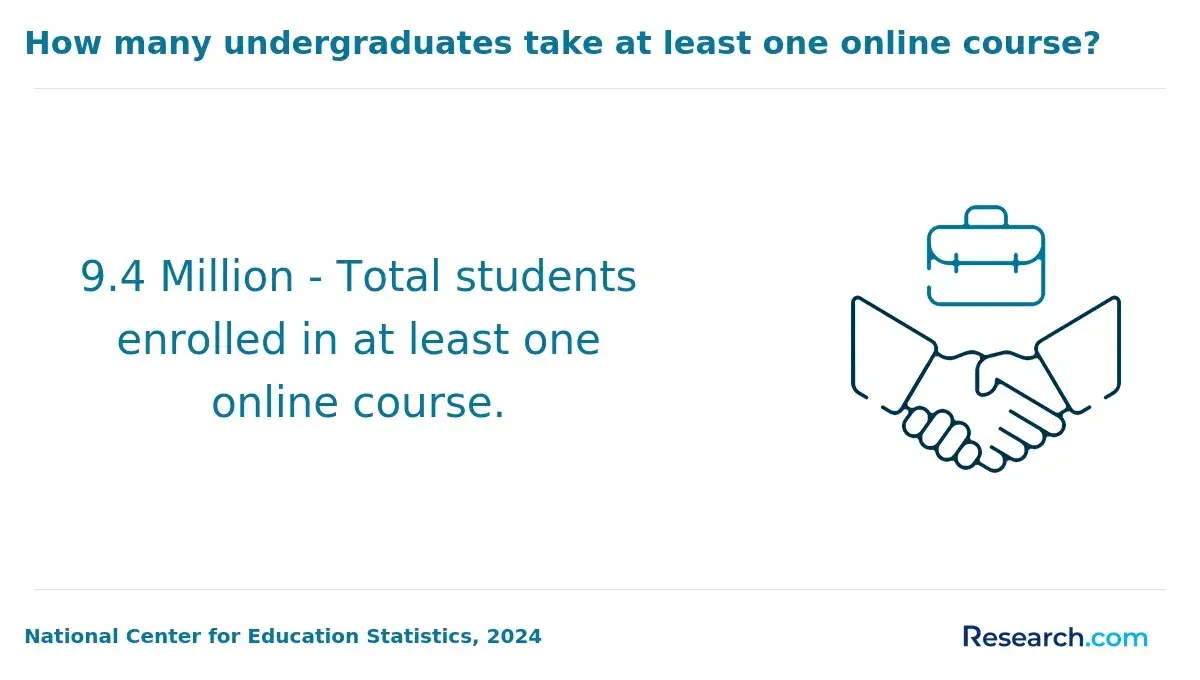
When entering master's programs with a bridge or foundation component in library science, handling practicum placements often proves pivotal. Students face varied processes for matching with sites, fluctuating supervisor credentials, and uneven site diversity. These factors affect the relevance and quality of hands-on experience. Recent data from the National Center for Education Statistics highlights a 25% rise in online enrollment for information science graduate programs since 2022, underscoring a shift toward flexible, remote options that complicate practicum logistics. Understanding how programs approach accreditation compliance and contingency planning reveals the extent to which they prepare students for diverse, evolving career environments.
Key Things to Know About Library Science Master's Programs With Practicum Placement Support
- Matching processes often prioritize site availability over specialized interests, which may limit tailored skill development but ensures placement completion critical to credentialing timelines.
- Supervisor qualifications aligned with ALA standards enhance employer trust in candidate preparedness, signaling readiness for evolving digital and community-focused roles in the library workforce.
- Site diversity reflects institutional partnerships and urban-rural reach, influencing adult learners' access and program costs, with implications for scheduling flexibility and commuting feasibility.
What Are Library Science Master's Programs With Practicum Placement Support?
Master's programs in library science that include practicum placement support offer more than just a checkbox experience; they provide structured, institutionally supervised connections between students and real-world work sites that significantly influence employability and skill application. Unlike internships or loosely coordinated field placements, these practica are often embedded as a formal academic requirement with clear oversight, ensuring the practical experience aligns closely with professional competencies. This distinction matters because students without established networks-such as career changers or those in rural areas-face real challenges securing quality placements independently, which can result in uneven skill development and reduced hiring prospects.
Programs with practicum placement support typically differ from those requiring students to self-arrange their placements in several operational ways that directly affect student outcomes:
- Formalized Matching Process: Institutions actively connect students with approved placement sites, reducing time and uncertainty that often burden learners without industry connections.
- Supervisor Qualifications: Supervisors generally hold professional credentials aligned with library and information science, assuring oversight that meets academic and workplace standards.
- Site Diversity and Accessibility: A curated range of placement settings-including public, academic, and special libraries-accommodates varied career goals and geographic constraints.
- Accreditation Compliance: Placement support usually aligns with accrediting bodies' standards emphasizing supervised, relevant practice essential for degree completion and professional readiness.
- Contingency Planning: Robust programs anticipate disruptions with backup placements or remote practicum options, safeguarding students' progress despite unforeseen obstacles.
This article examines these critical programmatic features, empowering prospective students to evaluate library science master's programs with practicum placement support beyond surface-level descriptions and toward informed decisions aligned with workforce realities and personal circumstances.
Why Is Practicum Placement Support Critical in Library Science Master's Programs?
Practicum placement support can determine whether a library science master's student gains meaningful experience or faces credentialing roadblocks. Programs that leave placement to students risk delays, site mismatches, and supervision gaps that undermine licensure eligibility and professional readiness.
Research and accreditation standards emphasize that structured practicum support is essential, not optional, for consistent skill development and workforce integration. Without active program involvement, students often encounter sites that lack qualified mentors or fail to meet learning objectives, jeopardizing their credentialing prospects and long-term employment outcomes. Conversely, programs with formalized partnerships proactively align placements with student goals and regulatory mandates, mitigating these risks and enhancing career preparedness.
- Licensing Board Requirements: Many certification bodies require verifiable practicum hours under qualified supervision; support reduces risks of invalid hours that delay credentialing.
- Professional Standards: Organizations like the American Library Association demand clear learning objectives and competent mentorship to ensure practicum quality across all sites.
- Risk Management: Self-directed site-finding can cause delays, unsuitable environments, and insufficient oversight, compromising exposure to essential professional competencies.
- Placement Infrastructure: Programs with established site networks offer vetted, diverse placements tailored to student needs, including those in rural or underserved locations.
- Readiness for Employment: Structured practicum boosts confidence, networking, and familiarity with workplace workflows-factors employers prioritize for hiring and licensure approval.
How Do Library Science Master's Programs Structure Their Practicum Components?
Master's programs in library science structure their practicum components to balance applied learning with academic progression while addressing diverse student needs. The timing usually aligns with later stages of the curriculum, ensuring students have the necessary foundation before entering professional environments. However, how and when these practicums are integrated influences students' ability to manage external obligations, especially for those facing geographic or time constraints. For example, a working professional in a rural area may find sequential placements more manageable than intensive block placements requiring weeks away from home.
- Timing: Practicum assignments typically follow foundational coursework, allowing application of theory, though some programs distribute practicums across semesters to gradually build competence.
- Credit Hours: Most practicums carry between 3 and 6 credit hours, reflecting the practical workload while signaling the intensity expected by employers; higher credit loads often demand substantial onsite involvement, which can disproportionately affect those balancing work or family.
- Models: Programs offer sequential placements spanning multiple semesters, intensive block placements compressed into short, full-time periods, or concurrent placements running alongside academic courses. Each format requires trade-offs in flexibility, time management, and depth of immersion, directly affecting how students navigate their commitments.
- Flexibility and Supervision: Quality practicum structures provide tailored options, including remote or part-time placements, supported by supervisors with field site experience that enhance learning and networking opportunities; this is critical given the variety of student circumstances, including those requiring accommodations for geographic isolation.
- Integration With Coursework: Some programs couple practicums with capstone projects or reflective seminars, promoting synthesis of practical and theoretical knowledge, while others isolate the practicum as a standalone experience, influencing how students internalize and demonstrate competencies.
These structural elements must be evaluated alongside supervisor qualifications and field site diversity in library science practicums to ascertain program robustness. Prospective students, including career changers and recent graduates with diverse backgrounds, should weigh these factors carefully. For those interested in parallel technical skills, exploring options such as online colleges for game design may provide complementary competencies relevant to evolving library technology environments.
Meeting eligibility standards for practicum placement in library science master's programs requires more than academic standing; it directly impacts a student's ability to secure meaningful, professionally supervised field experiences aligned with industry expectations. Many programs impose a minimum GPA, commonly near 3.0, to ensure candidates are academically prepared to handle complex practicum demands and represent their institutions competently. Beyond grades, completing prerequisite coursework such as information organization or research methods is essential, as it equips students with the baseline knowledge necessary for practical application in diverse settings.
- Background Checks: Since students often access sensitive data and serve vulnerable populations, passing criminal background clearances is a non-negotiable mandate protecting host organizations and compliance with legal frameworks.
- Health Documentation: Documentation like immunization records is frequently requested, especially when placements intersect with healthcare or educational environments, where public safety considerations heighten scrutiny.
- Professional Liability Insurance: Enrollment in liability insurance programs safeguards both students and host sites from potential professional risks and legal exposure during practicum activities.
These standards serve multiple purposes: regulatory adherence, risk mitigation, and maintaining the operational integrity of placement sites. For students balancing work or living outside urban centers, early preparation-such as initiating background checks and securing immunizations-is crucial to avoid last-minute hurdles. Clarifying required timelines for fulfilling these criteria with program advisors before or during the first semester can prevent placement delays and optimize practicum matching outcomes.
One graduate recalled navigating uncertain timing within a rolling admissions cycle. While confident academically, she hesitated to finalize some health documentation and insurance coverage until acceptance was guaranteed, which compressed her window to meet all requirements. This led to frantic coordination with both the program office and placement sites, underscoring how proactive, timeline-driven planning is often critical to securing smooth, uninterrupted practicum access.
Practicum placements in library science master's programs vary significantly, shaping the competencies students develop and the professional contexts they navigate. Choosing a practicum aligned with one's career niche is critical; different settings cultivate distinct skills and expose students to diverse user groups and organizational cultures.
- Hospitals: These settings focus on managing sensitive medical information, emphasizing accuracy, confidentiality, and compliance with healthcare regulations-an essential experience for those pursuing roles in health information management amid rising demand in clinical environments.
- Outpatient Clinics: Similar in scope but smaller, these placements concentrate on ambulatory care information and patient education outreach, offering a more community-focused healthcare perspective.
- Schools: Placements here engage students with curriculum support, digital literacy initiatives, and collaboration with educators, preparing candidates for instructional roles within K-12 and higher education contexts.
- Community Agencies: Serving diverse and often underserved populations, these practicums develop cultural competence and program development skills critical for equity-driven information services.
- Nonprofit Organizations: Students handle specialized collections and learn advocacy alongside resource management, valuable for mission-oriented information careers.
- Government Offices: Placements emphasize regulatory compliance, records management, and public accountability within bureaucratic frameworks, developing familiarity with formal protocols and public information access.
- Private Practices: Smaller, personalized environments sharpen adaptive problem-solving and client-centered service-key for specialized or entrepreneurial library roles.
- Corporate or Workplace Environments: Focused on knowledge management and internal systems, these placements equip students to support business operations through efficient information workflows.
Prospective students should investigate how programs allocate practicum sites, inquire about the degree of input into placement decisions, and assess whether the diversity of available settings matches their professional goals. This alignment is pivotal for maximizing skill relevance and enhancing post-graduation employment opportunities across different sectors of the information workforce.
Effective practicum placement matching in library science master's programs often hinges on balancing institutional control with student agency, which can significantly impact the quality and relevance of fieldwork. Programs frequently operate under a spectrum of approaches: some fully manage placements, assigning students to vetted sites with minimal input, while others adopt hybrid models letting students choose preferred sites from curated lists before final approval. These mechanisms reflect a complex negotiation between ensuring compliance with educational standards and catering to student specialization goals.
- Geographic Proximity: Distance is a decisive factor, especially for students in rural or underserved regions. Prioritizing nearby sites reduces commute challenges but may constrain exposure to diverse institutional types and services, which can affect the breadth of experience and local employer connections.
- Student Interests: Matching according to specialization preferences-such as digital archives or youth services-enhances practical learning and employability by building relevant skills but risks limiting available placements where niche partnerships are scarce.
- Site Availability: The fluctuating capacity of host organizations, tied to staff readiness and scheduling, often necessitates contingency plans. Programs with minimal backup options may delay practicum starts, affecting academic progression.
- Supervision Capacity: The presence of qualified supervisors ensures meaningful mentoring; however, limited supervision resources can restrict placement quality and quantity, particularly in smaller or rural agencies.
- Accreditation Alignment: Requiring practicum sites to meet accreditation standards safeguards program integrity but excludes innovative or emerging institutions lacking formal recognition, potentially narrowing experiential diversity.
Prospective students should clarify how far in advance placements are confirmed, how programs handle unavailability of preferred sites, and the extent of student input allowed in site selection. Such inquiries help manage expectations and foster proactive planning for a practicum aligning with real-world employment demands and individual career pathways. Understanding the student practicum placement matching process in depth empowers candidates to discern substantive differences among programs rather than relying on superficial promotional claims.
For those comparing educational pathways, also consider exploring best organizational leadership master's programs, which can provide additional context on graduate program structures and workforce integration strategies.
Field supervisors and faculty liaisons perform distinctly different but complementary roles in library science practicum placements, with significant consequences for how students apply academic learning in professional settings. Field supervisors, embedded in placement sites, offer daily hands-on guidance and assessment based on substantial professional experience, typically requiring a master's credential and multiple years in the field, criteria set by accreditation bodies to ensure practical rigor.
Faculty liaisons serve as academic intermediaries, holding responsibility for connecting the practicum experience to curricular standards while maintaining oversight through regular communication, progress monitoring, and problem resolution. The effectiveness of these roles often directly influences a student's skill acquisition, confidence, and eventual employability.
Prospective students should scrutinize how faculty liaisons maintain contact during placements, the frequency of site visits or virtual check-ins, and the existence of clear escalation procedures when issues arise. Superior supervision is not merely a box checked by programs but a decisive factor affecting a student's ability to translate theory into real-world competencies. Programs lacking structured liaison involvement or insufficiently qualified supervisors frequently leave students under-supported, risking stagnant field experiences or unresolved challenges that can undermine post-graduation outcomes.
A graduate recalled applying to several master's programs during a rolling admissions cycle, hesitating to commit until confirming how robust practicum support would be. The uncertainty extended several weeks, as one program delayed confirming faculty liaison assignments while a preferred placement site vetted potential supervisors. This waiting period complicated timing for practical experience and required tactical decisions balancing early acceptance offers against better-aligned practicum infrastructure-a common challenge for those prioritizing meaningful supervised placements over fast-track admissions.
Programs that adequately support students facing practicum placement challenges distinguish themselves by proactively addressing operational and geographic constraints that impact timely completion and career readiness. For example, rural students often confront severe geographic scarcity of approved practicum sites, limiting practical exposure unless programs maintain a broad, regularly updated network that includes remote and underserved institutions. Without this, students risk delayed graduation and weakened employability due to insufficient field experience.
- Geographic Scarcity: Programs with comprehensive, regularly updated databases of practicum sites-including remote and underserved locations-offer greater placement flexibility for students outside metropolitan areas.
- Competitive Demand: Dedicated placement coordinators who actively maintain strong partnerships with diverse institutions can negotiate additional slots or alternative experiences to prevent bottlenecks during peak placement seasons, which often coincide with strict academic calendars.
- Credential and Clearance Delays: Clear guidelines and early assistance in navigating background checks, immunizations, and paperwork expedite onboarding, minimizing the risk of late starts that can disrupt student progression.
- Mid-Placement Site Failures: Documented contingency plans enable swift reassignment should a site become unavailable or problematic, which is critical because program attrition or site withdrawals are common in competitive fields.
- Personal Hardship: Programs that maintain open communication channels offer personalized support, including flexible scheduling and alternative placement options, reflecting the reality that employment or caregiving constraints may affect availability.
A student-centered practicum support infrastructure includes a knowledgeable, accessible practicum coordinator, a vetted and diverse site network, transparent contingency policies, and proactive communication. Recent enrollment trends show that increasing numbers of career changers and working professionals seek master's credentials with practical components, underscoring the importance of these supports.
Prospective students-especially those in rural areas, with employment constraints, or specialized career goals-should inquire specifically about how a program manages placement challenges and ensures consistent access to quality sites before committing. As an alternative or complementary pathway, those exploring broader academic opportunities might consider online degrees in computer science for sectors with growing demand and flexible practicum models.
Accreditation standards for practicum in library science master's programs serve as a crucial filter, distinguishing programs that offer rigorous, professionally relevant field experiences from those that do not. Employers and licensure bodies frequently require evidence that candidates completed practicums under recognized accreditor standards, making these details pivotal to employability and credential validity. For example, a graduate whose practicum site lacked proper supervision or did not meet accreditor-mandated hours may find limited opportunities in competitive specialized libraries or face delays in state certification.
- American Library Association (ALA) Accreditation: As the primary national authority on library science fieldwork requirements for master's programs, the ALA mandates practicums with direct supervision by qualified professionals, typically aiming for a student-to-supervisor ratio near 10:1 to ensure mentoring quality. Programs must require a minimum number of field hours, usually over 100, and formally document agreements with approved practicum sites, including backup arrangements to address unexpected disruptions. Such specificity supports a consistent, meaningful experience that aligns with professional expectations.
- Regional Institutional Accreditors: Bodies like the Middle States Commission focus on broader educational quality and expect practicum components to reflect the institution's mission and promote measurable learning outcomes. Their standards emphasize adequate faculty oversight and support infrastructure, but are less prescriptive about exact practicum structures.
- State Education Boards and Licensure Authorities: Many states impose additional practicum requirements, such as mandatory site approvals and supervisor credentials, directly impacting graduates' eligibility for certification and licensing. Failure to meet these can severely hinder career progression in certain jurisdictions.
- Professional Standards Bodies: Specialized organizations, for example the Special Libraries Association, guide practicum design in niche library sectors, encouraging partnerships with diverse sites and supervisors offering relevant expertise tailored to the student's target career path.
Prospective students, especially those balancing work or living in rural areas, should scrutinize programs' practicum support systems-not just advertised hours or site numbers but the quality of matching processes, supervisor qualifications, and contingency plans. Reviewing the specific accreditation standards published by the ALA and other relevant bodies is essential. Applicants should obtain written confirmation of current accreditation and practicum compliance from admissions representatives before enrolling. This diligence ensures fieldwork rigor that aligns with employer expectations and preserves pathways to advanced credentials or specialized roles.
For those comparing interdisciplinary options or seeking programs accommodating geographic constraints, it is useful to also consider complementary fields' programs, such as the best online geology degree, which can illustrate alternative approaches to remote or hybrid practicum placements and employer partnerships worth benchmarking.
Successfully managing practicum placements for online and hybrid library science master's students involves navigating a complex matrix of geographic, regulatory, and institutional variables. Students dispersed across multiple states face locally mandated supervision and practicum site requirements, complicating placement logistics and raising the risk of administrative delays or mismatches that compromise experiential learning quality and career readiness. Programs must therefore adopt strategies that balance centralized control with adaptable, localized support frameworks.
- Nationally Networked Databases: By maintaining centralized, multi-state databases of preapproved practicum sites, some programs streamline placement consistency and accreditation compliance. However, this model often restricts options, notably for students in rural or niche specialty areas, since site listings undergo extensive vetting and curation.
- State-Specific Placement Coordinators: Dedicated coordinators focused on individual states can address unique regional licensing rules and foster tailored site negotiations. This localized expertise benefits students needing nuanced support but increases operational costs and can slow placement processes, especially where fewer partner sites exist.
- Partnerships with Multi-Site Organizations: Collaborations with national library systems or consortia facilitate prearranged placements under uniform supervision protocols, reducing paperwork and administrative burden. While advantageous for scalability, this model may limit students seeking placement in distinct community settings or less standardized environments.
- Student-Identified Site Approval Workflows: Empowering students to select potential practicum sites expands options markedly, which is critical for those in underserved areas. This flexibility, however, introduces additional compliance review time and can delay start dates, potentially affecting timely degree completion.
Prospective students should critically evaluate programs by inquiring how many students are placed across varying state jurisdictions, what support systems exist for rural or underserved populations, and whether any state-specific licensing frameworks impede credential recognition or practicum feasibility. Considering that median salaries for librarians range broadly depending on region and specialization-often influenced by experiential training quality-these placement structures have direct implications on employability and long-term career mobility.
What Graduates Say About Library Science Master's Programs With Practicum Placement Support
- Jason: "Balancing a full-time job while pursuing my master's in library science was a challenge, but the practicum placement helped me apply what I learned directly to real-world projects. I chose this program because it offered flexible scheduling and practical experience, which made a big difference when I was competing for entry-level positions. Ultimately, the internship portfolio I built was more valuable to employers than my degree alone, leading me to a digital archivist role within six months of graduation."
- Camilo: "With limited savings, I had to carefully weigh how much time and money to invest in graduate school. The practicum component was decisive for me since I wasn't just after theory-I wanted tangible skills and a foot in the door. The exposure to actual library operations gave me a realistic view of what to expect post-graduation, but I quickly learned that without additional certifications, my salary growth would plateau. Still, the experience helped me secure work in a nontraditional library setting, which was a win for a mid-career pivot."
- Alexander: "Deciding to pursue a master's in library science with practicum support was driven by my desire to transition into a career that offered remote work options. The workload was intense, and I had to prioritize which skills to develop during my placement. While the program expedited my workforce entry, I found that many hiring managers prioritized candidates with hands-on internships over those with just academic credentials. This taught me that practical experience is key, and my practicum role significantly strengthened my resume, even if it didn't guarantee a high starting salary."
Other Things You Should Know About Library Science Degrees
Practicum hour requirements vary widely, often ranging from 100 to 240 hours depending on the program's rigor and accreditation standards. A longer practicum generally allows for a deeper immersion, providing more practical skill development but also demanding a greater time commitment alongside coursework or employment. Students balancing work or personal obligations should weigh the feasibility of these hour requirements, as programs with high hour thresholds may impact their ability to maintain other responsibilities.
Most programs require a criminal background check before practicum placement, and many sites also require proof of current immunizations such as MMR, varicella, and influenza. Some placements add a TB test, drug screen, or child-safety training, with documents due several weeks before the start date.
Effective practicum placement support goes beyond securing a site; it includes mentorship, networking opportunities, and employer connections that graduate students can leverage for job placement. Students should prioritize programs with strong alumni networks and formal relationships with regional libraries or cultural institutions, as these connections often translate directly into job leads. Programs lacking comprehensive support may leave graduates with valuable experience but limited access to employers actively seeking new hires.
- Investigating the elements of supervision in library and information science practicums: a systematic literature review https://informationr.net/ir/24-3/rails/rails1813.html
- Master of Library and Information Science - Wikipedia https://en.wikipedia.org/wiki/Master_of_Library_and_Information_Science
- Choosing the Right Library Science Program: Factors to Consider https://www.librariancertification.com/choosing-the-right-library-science-program-factors-to-consider/
- Experience Required https://www.libraryjournal.com/story/experience-required
- A study of Master of Library Science candidates and librarians at a practicum site library | Scilit https://www.scilit.com/publications/06041d3b82f098986d243d85c8418a8c
- Master’s degree in library science https://www.trevecca.edu/academics/program/library-and-information-science
- Master of Library Science, MLS https://www.ucmo.edu/academics/programs/masters-degrees/coe/educational-technology-and-library-science/library-science-and-info-svcs/master-of-library-science/