
2027 Legal Studies Master's Programs for Cyber Incident Response Coordinators

Co-Founder and Chief Data Scientist
A cyber incident response coordinator may need to organize technical containment, preserve evidence, and help legal counsel assess notification duties - all during the same incident. A legal studies master's can strengthen the legal side of that work, but it cannot replace hands-on response experience. This guide is for security, privacy, compliance, and legal-support professionals deciding whether graduate legal study is worth the time and cost. It explains which program features matter, when another credential may be more useful, and what to verify before enrolling.
Key Things You Should Know
- A non-JD legal studies master's can help coordinators understand breach obligations, investigations, contracts, and evidence preservation; it is not required for the role and does not qualify graduates to practice law.
- Prioritize applied cyber and privacy coursework over a program's title. Technical response experience remains essential, and a cybersecurity or privacy credential may be a better first investment.
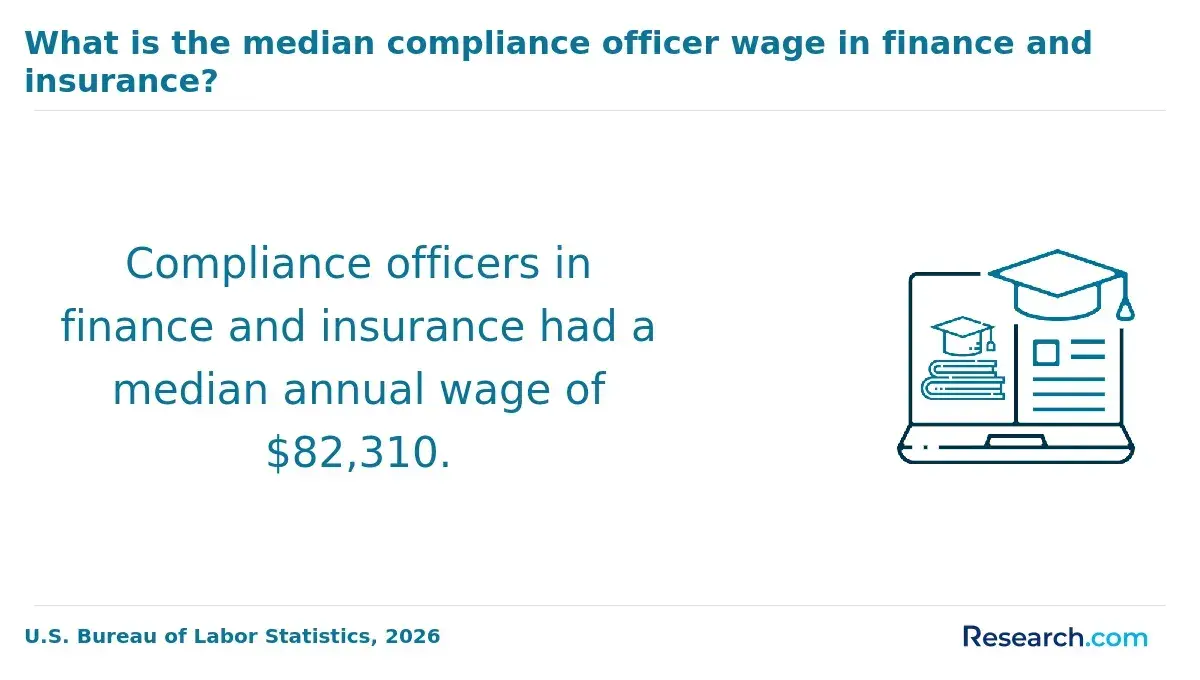
- For salary context, the Bureau of Labor Statistics reports $80,730 in May 2025 as the median annual pay for compliance officers, a broad occupation rather than a precise measure of cyber incident response pay.
What is a legal studies master's degree for cyber incident response coordinators?
A cyber incident response coordinator helps organize an organization's response to events such as unauthorized access or data theft. The work can include tracking decisions, coordinating security and legal teams, preserving records, managing outside vendors, and helping determine which contractual or regulatory obligations need review. Attorneys provide legal advice; coordinators help make sure counsel receives timely, reliable facts.
A Master of Legal Studies (MLS), Master of Studies in Law (MSL), or similarly named non-JD degree teaches legal concepts to professionals who do not intend to become attorneys. For this job, its value lies in understanding how incident facts connect to privacy law, reporting obligations, investigations, and risk management. Program names alone do not establish that those subjects are covered.
The degree is most compelling for someone who already has security, privacy, or compliance experience and regularly bridges technical and legal teams. Someone still building basic legal or workplace skills may want to compare shorter routes first; best online associate degrees in legal studies address a different, undergraduate starting point rather than serving as substitutes for graduate specialization.
What education is required to become a cyber incident response coordinator?
There is no universal legal studies degree requirement for this job title. Employers set their own qualifications, and the role's emphasis varies: a security-led position may require incident handling and technical literacy, while a privacy-led position may emphasize compliance, documentation, and communication with counsel. A bachelor's degree, relevant experience, or both may matter more than a particular master's credential in a given posting.
Technical responders need to understand what systems were affected and how investigators reached their conclusions. Legally focused coordinators need to recognize when to involve counsel, preserve evidence, and avoid making unsupported promises about notification deadlines. Neither skill set is automatically conferred by an MLS.
For a reader without a bachelor's degree, an online pathway to an associate degree in paralegal studies may develop legal research and document-handling skills. It is not a direct route to a graduate degree or a substitute for cybersecurity training. Paralegal education also does not authorize independent legal advice.
Which master's programs best prepare students for cyber incident response coordination?
The strongest choice depends on the work the student wants to perform. Compare actual required courses, available electives, applied assignments, and who teaches them; a "cyber" label without incident-response substance is weak evidence of fit. The following comparison shows how common graduate routes serve different needs.
| Program route | Best fit | Limitation to check |
| MLS, MSL, or Master of Jurisprudence with privacy or cybersecurity study | Professionals coordinating legal, regulatory, and business decisions during incidents | Whether relevant courses are guaranteed to run and can count toward the degree |
| Cybersecurity master's | Professionals seeking deeper technical investigation, operations, or security leadership | Whether law and notification topics receive more than introductory treatment |
| Privacy, risk, or compliance master's | Professionals focused on governance, reporting processes, and organizational controls | Whether students practice decisions under incident conditions |
A formal concentration has defined requirements; several relevant electives do not necessarily constitute one. Ask for the current catalog and sample degree plan before relying on a concentration name. If the immediate goal is legal-support work rather than graduate-level coordination, paralegal programs designed for accelerated completion offer a different route with a different occupational focus.
Are online legal studies master's programs suitable for cyber incident response careers?
Yes, if the format lets a working professional practice realistic coordination tasks and attend required activities. Online does not necessarily mean asynchronous or self-paced: live discussions, group exercises, proctored assessments, and campus visits may still be required. A program that fits a normal workweek may be difficult during an on-call rotation or active incident.
Look for assignments that require students to build an incident timeline, evaluate competing notification obligations, document escalation decisions, or explain technical findings to a nontechnical audience. Confirm whether any simulation, capstone, or placement can be completed remotely and whether students must arrange their own placement. A course mentioning a legal research or security tool does not necessarily provide access or hands-on practice.
If schedule flexibility matters more than graduate specialization right now, compare the actual meeting requirements of an MLS with those of shorter options. Online pathways to an associate degree in paralegal studies may suit a different career stage, but their online format should be checked just as carefully.
What courses do legal studies master's programs offer for cyber incident response?
Relevant curricula may cover privacy and cybersecurity law, administrative regulation, investigations, electronic evidence, contracts, and organizational compliance. The decision point is how students apply those subjects. An incident coordinator needs to recognize which facts affect legal analysis, document what is known and uncertain, and route decisions to the people authorized to make them.
Privacy and breach-response courses can help students distinguish an internal security event from a potentially reportable incident; the applicable duties depend on the affected information, organization, contracts, and jurisdiction. Evidence courses can clarify preservation and chain-of-custody concerns. Contract courses can help coordinators find vendor notice and cooperation provisions. Legal writing can improve concise updates to counsel and leadership.
Review syllabi and capstone descriptions rather than relying on course titles. If artificial intelligence appears in the curriculum, check whether students evaluate its reliability and confidentiality risks in investigations, not merely whether the program mentions the technology.
What are the admission requirements for a legal studies master's program?
Requirements vary by institution, but applicants generally need a bachelor's degree and must submit academic records. A program may also request a résumé, recommendations, a statement of purpose, or evidence of relevant work experience. Some welcome applicants without prior legal coursework; others expect professional experience or offer preparatory material. Verify each requirement on the current admissions page.
A cybersecurity background can demonstrate incident knowledge, while compliance or legal-support experience can demonstrate regulatory judgment. Applicants changing fields should explain how their existing skills transfer and identify the technical or legal gaps they intend to close. If an essay is an obstacle, online legal studies degrees with no admissions essay required can help identify policies to check directly with each school.
Also confirm institutional accreditation and whether the institution accepts prior graduate credit. The receiving institution decides whether transferred coursework applies; accreditation alone does not guarantee transfer.
How long do legal studies master's programs take, and what do they cost?
Completion time depends on required credits, course availability, and whether the student enrolls full time or part time. A published fast-track timeline may assume a course load that conflicts with incident-response work. Ask how often required cyber and privacy courses run and whether missing one delays graduation.
To compare costs fairly, request each school's current tuition schedule and estimate for the entire planned enrollment, not just its advertised per-credit price. Include mandatory fees, books, technology, any required travel, and possible extra terms caused by course sequencing. An employer's tuition assistance may change the calculation, but eligibility and reimbursement conditions should be confirmed before enrollment.
Federal financial aid depends on the student and the specific eligible program; admission alone does not establish eligibility. A graduate certificate or professional certification may cost less time than a master's, but compare what each actually teaches. Readers exploring an undergraduate legal-support route instead can review cost and financial aid for online paralegal degrees; those costs should not be treated as MLS price benchmarks.
What certifications complement a legal studies master's for cyber incident response?
A professional certification is a credential awarded by a certifying organization after its requirements are met; it is not the same as a school-issued certificate or a master's degree. Depending on the job, candidates may consider an incident-handling credential from GIAC, a privacy credential from the International Association of Privacy Professionals, or a security-management credential from ISC2. Each serves a different purpose and has its own current eligibility, exam, and renewal rules.
Choose based on the gap an employer actually expects you to close. Technical incident-handling training may be more valuable for someone who cannot yet interpret investigative findings. Privacy training may be more useful for a responder who understands the technology but regularly supports data-use and notification decisions. A degree can provide broader legal context, while a certification may signal narrower, tested knowledge; neither replaces relevant experience or attorney advice.
What jobs can graduates pursue in cyber incident response and legal compliance?
Potential roles include cyber incident response coordinator, privacy incident manager, security governance specialist, breach-response analyst, and compliance officer. Titles are inconsistent across employers: the same coordination duties may sit in a security operations team, privacy office, legal department, or enterprise risk group.
Graduates with technical experience may be positioned to lead response workflows and communicate investigative findings. Those with legal-support or compliance experience may be better positioned to manage records, obligations, and escalation while building technical fluency. A master's can support advancement into cross-functional work, but employers may still require direct incident experience.
When reviewing postings, separate required qualifications from preferences. Check who owns technical containment, who determines reportability, whether counsel supervises legal analysis, and whether the position carries an on-call requirement. Those details reveal more about fit than the job title alone.
What salary and job outlook can cyber incident response coordinators expect?
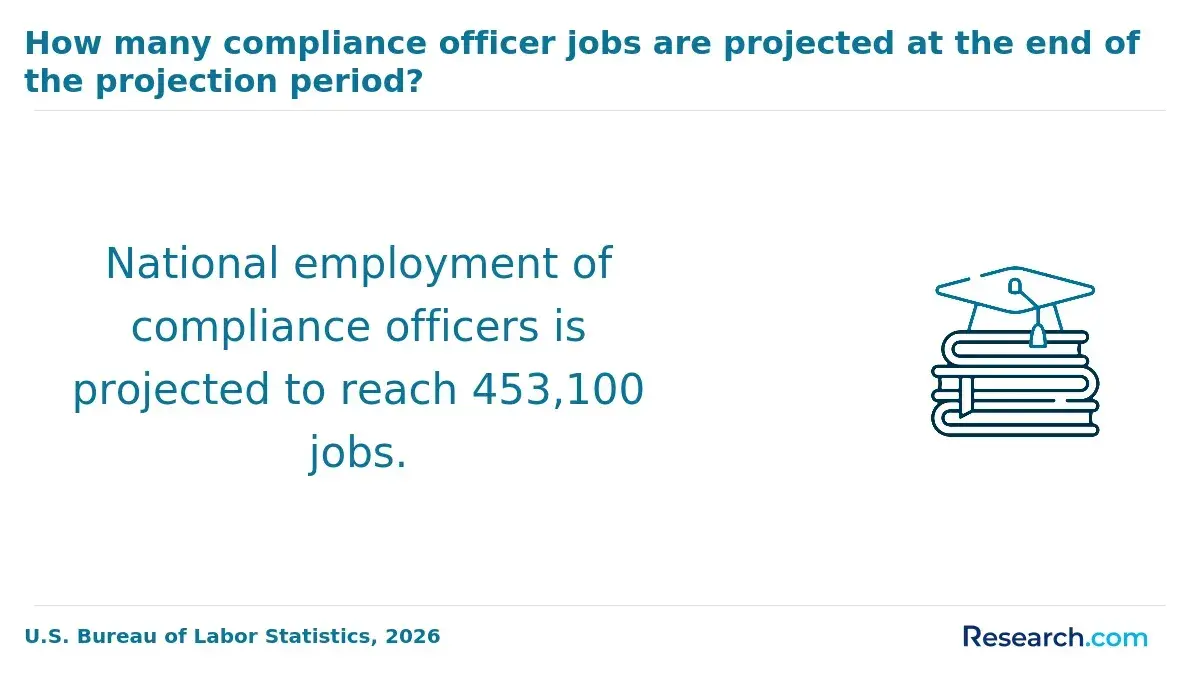
The Bureau of Labor Statistics does not provide a single salary or growth series for the exact title "cyber incident response coordinator." For the broader compliance officer occupation, it reports median annual pay of $80,730 in May 2025 and 4% projected growth, 2025-2035. These figures provide context for compliance-oriented positions, not an expected salary or forecast for every cyber response job.
Actual offers depend on the employer, location, technical responsibilities, experience, and whether the position sits in security, privacy, or compliance. Before paying for a master's, compare postings for the roles you want: if they consistently prioritize hands-on incident handling or a specific certification, gaining that experience may be the stronger first move.
Other Things You Should Know About Law & Paralegal
No. Privilege depends on the circumstances and applicable law, not an employee's degree. Let counsel direct decisions about legal advice, investigation structure, and sensitive communications.
Yes. Laws, regulations, and contracts may impose different duties. The organization needs a fact-specific review rather than assuming one notice satisfies every obligation.
A paralegal may gather facts and assist counsel, but should not independently provide legal advice or make legal determinations beyond the authority of the role. State rules and employer supervision practices vary.
A sanitized incident timeline or tabletop-exercise summary can show clear documentation, escalation, and communication. Never include confidential client, employer, or personal data without authorization.
References
- Legal framework of EU data protection - European Commission https://commission.europa.eu/law/law-topic/data-protection/legal-framework-eu-data-protection_en
- Incident Response Training | cisa.gov https://www.cisa.gov/resources-tools/programs/Incident-Response-Training
- Data Breach Response: A Guide for Business | Federal Trade Commission https://www.ftc.gov/business-guidance/resources/data-breach-response-guide-business
- Cybersecurity and Law Enforcement: Resources, Roles, and More | The University of Tulsa https://online.utulsa.edu/blog/cyber-security-in-law-enforcement/
- Continuing Education Certificate Programs & Courses | sps.nyu.edu https://www.sps.nyu.edu/join/continuing-education.html
- Cybersecurity and Data Privacy | Albany Law School https://www.albanylaw.edu/graduate/cybersecurity-and-data-privacy
- Digital Forensics vs. Cybersecurity: Key Differences | University of the Cumberlands https://www.ucumberlands.edu/blog/digital-forensics-vs-cybersecurity-career-path
- Curriculum - Online Master of Legal Studies - DePaul University https://onlinemls.depaul.edu/curriculum/


