2027 Job Placement Rates for Organizational Leadership Master's Graduates: Employment Outcomes

Co-Founder and Chief Data Scientist
Graduates of organizational leadership master's programs often face varied job placement outcomes shaped by factors like industry sector, geographic location, and program focus. A program emphasizing internships in high-demand regions may yield faster employment, while employer perception can influence long-term career stability. The rise of flexible, online master's options-growing over 15% annually according to the National Center for Education Statistics-reflects shifting enrollment patterns among adult learners balancing jobs and education.
This trend highlights the importance of program accessibility alongside measurable employment results. Understanding these dynamics is crucial for candidates seeking a credential that translates into timely, meaningful workforce integration.
Key Things to Know About the Job Placement Rates for Organizational Leadership Master's Graduates
- Graduates concentrating in healthcare or technology sectors generally see quicker job placement due to high industry demand, though these niches may require specialized knowledge, limiting broader managerial role options.
- Employer perception often hinges on candidates' internship experience; those with applied leadership practicum demonstrate greater readiness, influencing hiring favorably and supporting long-term career resilience.
- Growing online program enrollment, as reported by the National Center for Education Statistics in 2024, reflects demand for flexible scheduling, yet may challenge adult learners balancing work, subtly delaying initial employment post-graduation.
What Are the Typical Job Placement Rates for Organizational Leadership Master's Graduates?
Job placement rate metrics in graduate education must be interpreted with precision, as they encapsulate varying outcomes that impact the practical value of an organizational leadership master's degree. Prospective students frequently encounter rates that combine distinct categories such as relevant full-time employment, broader employment across sectors, or further academic pursuits. These distinctions matter significantly because they influence how graduates and employers alike assess the degree's utility in the real labor market.
For instance, a healthcare manager transitioning into leadership roles within hospital systems must weigh placement rates emphasizing full-time relevant employment differently from reports that largely count any job, including unrelated positions. Data from program-published outcome reports, national education statistics by the NCES, and workforce analyses by the U.S. Bureau of Labor Statistics (BLS) underscore that typical placement rates are neither uniform nor static-they are shaped by the degree's alignment with regional job markets, sector demand, and program design.
- Full-Time Relevant Employment: Reflects graduates permanently employed in leadership or management positions aligning closely with their organizational leadership training; this category often indicates how well a program's curriculum and employer networks prepare graduates for targeted roles and typically ranges between 70% to 85% within six to twelve months post-graduation in many documented settings.
- Any Employment: Broadens the scope to include part-time, temporary, or unrelated jobs, often inflating placement figures to about 85% to 95%, but with reduced clarity about whether the degree is fueling direct career advancement or merely general employability.
- Continued Education: Some graduates delay entering the workforce to pursue doctoral degrees or specialized certifications, which reflect a different kind of post-graduate success and can temporarily depress job placement tallies depending on timing and data collection methods.
- Variability in Definitions: The lack of standardized definitions across organizational leadership master's programs results in wide discrepancies in reported placement rates; programs that report aggressively inclusive employment categories appear more successful superficially, but critical scrutiny of methodology is necessary to understand the actual career impact.
- Contextual Factors: Regional labor market conditions, sector-specific demand, employer recognition, and availability of internships or practical leadership experiences embedded in program curricula play decisive roles in shaping placement outcomes, which explains why institutional data may diverge significantly from statewide or national estimates of organizational leadership master's graduate employment rates in the United States. Prospective students may also look into best college majors for the future.
How Does Organizational Leadership Master's Graduate Employment Compare to the National Average?
Graduates with a master's in organizational leadership generally experience employment outcomes that closely parallel national averages for all advanced degree holders, though subtle differences reflect critical contextual factors. Recognizing these nuances is crucial for prospective students weighing this degree against alternatives, as job placement speed and career growth often hinge on more than credentials alone.
- Field Demand: Organizational leadership degrees align with roles in management, human resources, and administrative services-sectors demonstrating steady hiring fueled by ongoing organizational needs rather than rapid expansion, which supports consistent but not exuberant employment gains.
- Credential Specificity: The broad interdisciplinary nature of organizational leadership blends theory and applied leadership skills across industries, sometimes causing ambiguity in employer recognition when compared to more specialized degrees, which can delay or complicate job placement.
- Regional Labor Market Conditions: Metropolitan areas with dynamic economies offer graduates quicker integration into the workforce, while graduates in less active labor markets may face longer job searches despite holding the same degree.
- Data Definitions: Variations in how the BLS and NCES classify employment-considering full-time, part-time, or related field work-mean that reported employment rates require careful interpretation and should not be compared at face value without understanding these methodological distinctions.
- Employer Expectations: Practical experience, such as internships or relevant leadership roles, frequently outweigh degree title alone, reflecting the premium placed on demonstrated skills in hiring decisions and affecting outcomes beyond raw employment statistics.
- Long-Term Career Implications: While initial employment rates for organizational leadership graduates tend to match national averages, the degree's influence on upward mobility and salary trajectory varies widely by sector and individual background, underscoring the importance of strategic career planning post-graduation.
Which Industries and Sectors Hire the Most Organizational Leadership Master's Graduates?
Graduates holding a master's in organizational leadership rarely find their opportunities confined to a single domain; instead, they encounter a wide labor market offering diverse paths shaped by their chosen specialization, location, and practical experience. This wide distribution contrasts with degrees that funnel candidates into narrow sectors, emphasizing the value of flexibility alongside the potential need for focused career strategies when aspiring to competitive leadership roles. Students weighing the degree's versatility should note that aligning concentrations or completing internships often influences which sectors dominate post-graduate hiring.
- Healthcare: A consistent leader in recruiting organizational leadership master's graduates, this sector demands skills for managing complex clinical teams, regulatory frameworks, and change initiatives in hospitals and health systems, reflecting strong growth tied to healthcare industry expansion.
- Education: Roles in school administration, policy planning, and educational program management attract graduates, especially those emphasizing educational leadership concentrations, often within K-12 and higher education institutions.
- Government and Public Sector: Local to federal agencies frequently seek these graduates for administration, organizational development, and human resources projects where leadership capabilities enhance public service delivery.
- Nonprofit Organizations: Employment here emphasizes management and program leadership aligned with mission-driven objectives, offering graduates opportunities in fundraising and community-focused initiatives.
- Technology and Private Consulting: Though less prevalent overall, these sectors recruit graduates who combine leadership expertise with technical or strategic development skills, a trend more visible in urban and industry-dense regions.
- Finance and Corporate: Positions upholding organizational development and operational leadership exist but appear more sporadically, often requiring supplemental business or human capital specialization.
Geographic choices and program structures, such as thesis versus non-thesis tracks, interplay with these patterns, affecting how quickly graduates secure roles and their sustainable long-term career prospects. Incorporating sector-specific leadership competencies and practical experience remains essential to navigate the variable hiring landscapes highlighted in organizational leadership master's graduate employment by industry sector. For some learners, integrating insights from related fields-such as online cyber security degrees-may further expand cross-sector mobility and appeal.
Employer Confidence in Online vs. In-Person Degree Skills, Global 2024

What Types of Job Titles Do Organizational Leadership Master's Graduates Most Commonly Hold?
The range of job titles held by organizational leadership master's graduates reflects significant diversity tied to experience level and industry. For many recent bachelor's degree holders, initial roles lean toward supporting functions and foundational leadership responsibilities. In contrast, mid-career professionals often pursue the degree to transition into more strategic, higher-responsibility positions. This split matters since employment outcomes data aggregating both can obscure differences in expected roles, salary levels, and hiring timelines. Job seekers should focus on titles aligned with their background to set practical expectations and tailor applications effectively.
- Project Coordinator: Typical for those entering management, this role involves coordinating schedules, facilitating communication across departments, and assisting with project execution in sectors such as nonprofit and healthcare.
- Human Resources Generalist: Entry or early-career position centered on recruitment, employee relations, and policy enforcement, especially relevant for candidates shifting into HR functions.
- Operations Manager: Mid-level role focusing on improving daily processes and supervising teams, common in manufacturing or service industries where operational efficiency is critical.
- Organizational Development Specialist: More specialized, this job entails fostering leadership growth and cultural transformation, often filled by those leveraging prior professional experience.
- Program Manager: Senior or advanced mid-tier title overseeing multiple initiatives aligned with organizational goals, reflecting how the degree facilitates advancement into broader leadership scopes.
Given the variability by concentration and geography, graduates increase their employability by targeting these common titles in job searches and pursuing internships or certifications that align with desired fields. Employer perceptions also favor candidates demonstrating relevant hands-on experience beyond the credential itself.
One graduate recalled applying through a program with rolling admissions and experiencing lengthy delays in hearing back, which complicated their planning. They hesitated to commit fully without clarity on admission timing but recognized that early preparation of application materials was crucial. The uncertainty meant balancing job obligations while waiting, underscoring how program selection and timing can influence the transition into these typical roles and affect how quickly one moves into a desired position post-graduation.
How Soon After Graduation Do Organizational Leadership Master's Graduates Typically Find Employment?
Graduates of organizational leadership master's programs often encounter varying timeframes before securing employment, shaped by several key factors. Programs typically differentiate between time-to-offer-the acceptance of a job offer-and time-to-start, when work actually begins; this distinction matters as contractual negotiations or onboarding delays can extend the gap by weeks or months. Additionally, some programs count students who initiated job searches before graduation, which can skew placement timelines to appear shorter than the typical experience.
- Measurement Window: Employment rates are reported using different post-graduation intervals, commonly three, six, or twelve months. Shorter windows may exclude graduates who secure roles later, so prospective students should confirm which timeframe a program uses to avoid overestimating immediate job market success.
- Sector Variation: Hiring speeds differ significantly by industry. For instance, candidates targeting private corporate leadership roles might experience faster placement compared to those in nonprofit or educational sectors, where hiring cycles and budget constraints lead to longer searches.
- Internship and Experience: Practical experience, often via internships or field projects embedded in the curriculum, correlates with quicker employment outcomes as these connections frequently translate directly into offers.
- Geographic and Economic Factors: Regional job markets and economic conditions strongly influence how rapidly graduates find positions. Urban centers with dense corporate headquarters or healthcare systems offer more opportunities than rural areas with limited organizational infrastructure.
- Employer Perception: The reputation and focus of a program matter; employers in competitive fields prioritize candidates from programs well-aligned with their strategic needs, impacting how quickly offers materialize.
Understanding these nuances helps graduates and prospective students interpret placement data meaningfully, avoiding assumptions based on surface-level statistics and enabling more informed decisions about program selection relative to career timing and industry ambitions.
What Is the Average Salary for Organizational Leadership Master's Graduates in Their First Job?
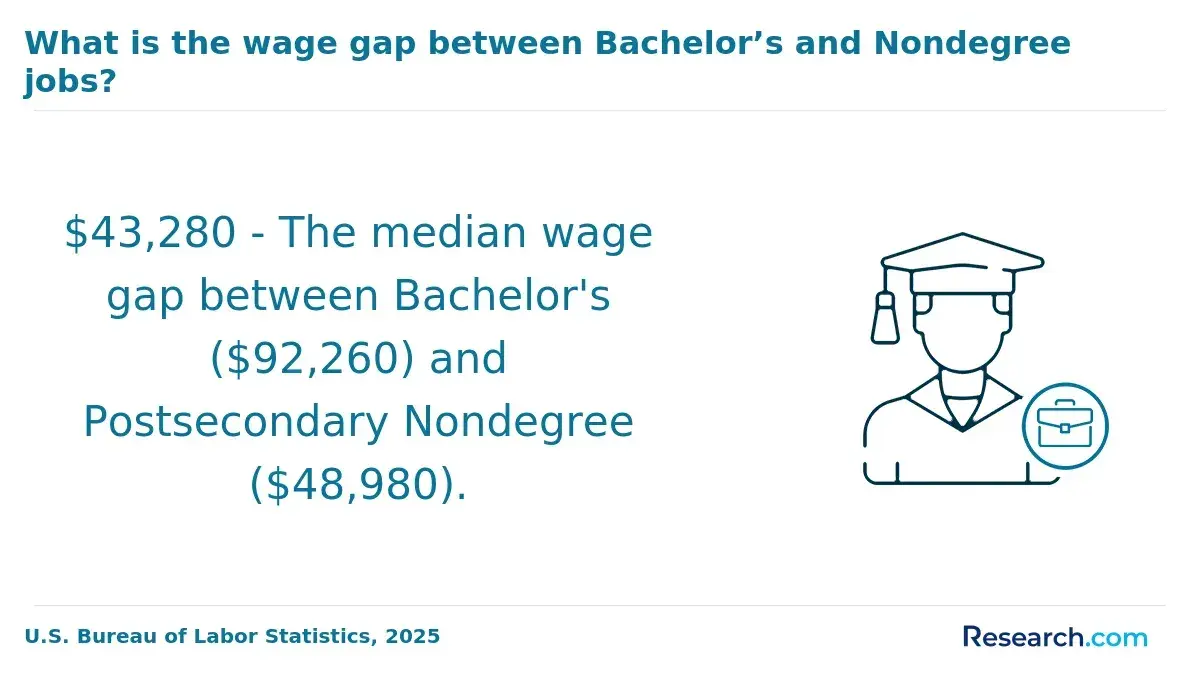
The average salary for organizational leadership master's graduates in their first job is highly contingent on the interplay of industry sector, geographic location, prior experience, and program prestige. For example, a graduate entering healthcare administration in a major metro area with a reputable program background is likely to command a substantially higher starting salary compared to one entering a nonprofit role in a rural region. This divergence reflects both employer valuation and local cost-of-living differences, underscoring the importance of contextualized salary expectations.
The first job salary for organizational leadership master's degree holders also hinges on career trajectory differences. Those leveraging the degree for promotion within their existing field tend to start at a higher salary than career changers who may face initial pay tradeoffs as they establish sector-specific competencies. Interpreting median program-reported salaries requires caution since these figures often derive from self-reported data with limited sample sizes, failing to capture the full graduate population.
- Industry Sector: Corporate, healthcare, and technology sectors typically offer higher entry salaries than education or nonprofit fields, reflecting disparate budget priorities and revenue models.
- Geographic Region: Compensation tends to increase in metropolitan markets with elevated living costs, though this varies within and across states.
- Program Selectivity and Reputation: Graduates from well-ranked programs often benefit from stronger employer connections leading to better salaries and quicker employment.
- Career Background: Practitioners seeking advancement generally outperform career changers in initial earnings due to relevant prior experience and employer expectations.
- Internship and Practical Experience: Demonstrated work readiness through internships or projects can substantially increase offer competitiveness.
Prospective students should integrate evidence from sources like the Bureau of Labor Statistics OEWS, NACE salary surveys, and professional benchmarks when evaluating the average salary for organizational leadership master's graduates in their first job. A holistic approach, rather than relying solely on published median salaries, better guides decisions aligned with one's career goals and local employment realities. Those exploring pathways can benefit from comprehensive resources such as the online master's in organizational leadership to understand labor market outcomes more clearly.
How Do Organizational Leadership Master's Program Rankings Affect Graduate Employment Outcomes?
Relying on master's program rankings as a predictor of employment outcomes in organizational leadership often misguides applicants. While top-ranked programs garner attention through accreditation or association endorsements, these metrics typically reflect faculty research or inputs rather than actual graduate success in the job market. For example, a highly ranked program in a less economically vibrant region may yield fewer immediate job opportunities compared to a lower-ranked school located near metropolitan business hubs with strong employer ties.
- Ranking Limitations: Rankings focus on reputational and academic indicators rather than direct measures like placement rates or salary, leading to an incomplete picture of employability.
- Location: Graduates benefit significantly from programs embedded in areas with dense job markets, improving access to nearby employers and networking events.
- Alumni Network Strength: Active alumni communities foster mentoring and referrals that can outweigh the perceived prestige of a program's rank.
- Employer Partnerships: Formal collaborations offering internships and practicums frequently translate into faster and higher-quality job placements.
- Program Concentrations: Specialized tracks targeting sectors with growing demand tend to produce better employment outcomes than generic leadership curricula.
- Outcome Transparency: Clear reporting of placement statistics, employer profiles, and median salaries provides candidates with more reliable decision-making data than rankings alone.
One organizational leadership graduate recalled hesitating during a rolling admissions cycle, weighing the allure of a well-ranked but remote program against a lesser-known option near a thriving urban center. Delays in receiving admission decisions intensified uncertainty, but ultimately, choosing the program with stronger employer connections and transparent placement data led to securing a relevant leadership role within months of graduation. This experience underscored how contextual factors matter more than rankings in shaping employment success.
What Role Does Geographic Location Play in Organizational Leadership Master's Graduate Job Placement?
Geographic location fundamentally shapes job placement rates and employment outcomes for organizational leadership master's graduates by influencing access to employer networks, internship opportunities, and regional economic conditions. Graduates based in or near metropolitan hubs tend to secure faster employment with higher starting salaries, benefiting from dense organizational leadership job markets and frequent on-campus recruiting.
Conversely, those who relocate post-graduation often face delayed job searches as they must rebuild professional networks in new regions, reflecting the real-world tradeoff between geographic flexibility and employment speed. According to recent state-level employment data, regions with robust demand and higher organizational leadership role availability consistently report stronger graduate outcomes, underscoring the importance of aligning program location with target job markets.
- Metropolitan Advantage: Programs near major urban centers offer concentrated employer networks, leading to more internship placements and quicker hiring cycles, which can be decisive when competing for roles in organizational leadership.
- Local Employer Networks: For students tethered to a specific region, choosing programs with established local employer ties enhances timely employment, reflecting regional employment trends for organizational leadership graduates.
- Relocation Trade-Offs: Moving away after graduation introduces lag time in job searches and wider salary variability, as new market conditions and employer expectations differ significantly across states.
- Geographic Flexibility: Graduates open to relocation gain strategic advantage by attending programs in top employment hubs where organizational leadership roles proliferate, enabling early employer engagement and stronger post-graduate outcomes.
- Regional Economic Variability: State-level BLS data affirm that differences in labor market conditions profoundly affect compensation and job availability, adding complexity to graduate decision-making regarding institutional selection and career planning.
Prospective students balancing geographic considerations alongside program features should assess employer expectations and program alumni placement maps carefully. Those seeking roles in specialized sectors, such as healthcare leadership, may also consult data on enrollment patterns and timing behavior demonstrating how sector-specific demand impacts admissions and graduate employment cycles. For those interested in aligning their studies with strong practical outcomes in distributed settings, exploring offerings like masters in therapy programs may provide additional insight into the importance of geographic and programmatic fit in organizational leadership career trajectories.
How Do Internship and Practicum Experiences Influence Organizational Leadership Master's Employment Rates?
Internship and practicum experiences wield a decisive influence on organizational leadership master's employment rates by providing essential field exposure and tangible proof of capability that traditional coursework alone cannot offer. Graduates with supervised real-world placements benefit from employer contacts and references that smooth pathways to hiring, especially in sectors where leadership acumen, strategic communication, and change management skills are in high demand. For example, a practicum in nonprofit management in a metropolitan area may directly link a student to local agencies actively recruiting for leadership roles, speeding job placement and improving salary prospects. This dynamic underscores the utility of these experiential components in enhancing employability, beyond mere credential attainment.
Program types vary in how systematically they embed structured internships or practicums. Professional tracks tend to mandate them, facilitating employer collaborations and ensuring rigorous supervision, while thesis or hybrid tracks may offer such experiences optionally or less cohesively integrated. Prospective students should critically assess not just the presence but the quality and alignment of internship opportunities with their intended career paths, since superficial or loosely connected placements risk little advantage in competitive job markets.
Key factors influencing the impact of internship impact on organizational leadership master's job placement rates include:
- Structured Supervision: Programs that require mentor-guided fieldwork produce graduates with credible endorsements and clearer competency demonstrations.
- Sector Alignment: Internships tied to target industries or geographic regions significantly raise chances of post-graduate employment within those markets.
- Skill Application: Practicums enable students to apply leadership theories in live settings, enhancing retention and relevance of learning.
- Career Clarity: Applied experiences help refine career goals, making job searches more strategic and directed.
- Employer Perception: Firms often equate experiential learning completion with readiness and commitment, thus accelerating hiring decisions.
Graduates should also consider program delivery format tradeoffs impacting overall cost and time-to-degree. Synchronous models typically have higher per-credit costs due to technology and scheduling demands, whereas asynchronous programs scale up enrollment more efficiently, often reducing tuition expenses and accommodating working adults better. Hybrid formats introduce hidden costs like commuting, impacting net affordability and time management. Learning how long does it take to study architecture programs would illustrate the importance of balancing cost, schedule, and practical experience when selecting a graduate degree pathway. Ultimately, selecting an organizational leadership master's program requires weighing internship and practicum integration alongside delivery format suitability to maximize employment outcomes and long-term career sustainability.
What Career Services and Job Placement Support Do Organizational Leadership Master's Programs Offer?
The efficacy of career services in organizational leadership master's programs strongly influences how rapidly graduates secure relevant positions and how broadly they can network with potential employers. Programs lacking a well-integrated support system often leave students navigating complex and saturated job markets with limited direction, especially when shifting fields or entering leadership roles for the first time. The variability in access to personalized guidance and employer connections creates significant disparities in graduate outcomes across institutions.
Robust career services in organizational leadership programs typically include these components:
- Dedicated Career Advising: Tailored counseling that helps graduates define achievable employment objectives and address skill gaps, increasing alignment with employer expectations in competitive sectors such as healthcare management and nonprofit leadership.
- Employer Recruiting Events: These events, whether virtual or on campus, offer direct access to hiring managers, enabling early engagement and sometimes expedited interview opportunities in high-demand geographic areas.
- Alumni Mentorship Platforms: Programs leverage alumni networks to provide industry-specific insights and referrals, a crucial advantage for candidates transitioning into organizational leadership from unrelated careers.
- Resume and Interview Coaching: Targeted workshops refine how leadership competencies are communicated, accounting for sector-specific hiring criteria and reducing typical early-career presentation weaknesses.
- On-Campus Recruiting Partnerships: Collaborative relationships with employers provide pathways to internships and jobs, offering practical experience that employers increasingly require, particularly in regions with dense leadership job markets.
Given these elements, prospective students should request clear metrics on service utilization-such as the proportions of students engaging in counseling, attending recruiting events, or securing positions through these connections-since program claims often obscure meaningful differences in support effectiveness. These data points can better predict how rapidly and successfully students translate their degrees into competitive salaries and sustainable careers.
What Graduates Say About the Job Placement Rates for Organizational Leadership Master's Graduates
- Kimberly: "I had to balance a full-time job and family commitments, which made a traditional program unfeasible, so I opted for an online organizational leadership master's that offered part-time pacing. The decision to prioritize flexibility over speed meant I graduated two years later than some peers, but it gave me time to develop a portfolio and secure an internship that directly led to my current role in mid-level management. While the pay bump wasn't massive right away, the practical experience I gained through the program's projects proved more valuable than certification alone when I started applying for leadership roles."
- Owen: "After switching careers from sales, my limited budget forced me to choose a cost-effective organizational leadership program that emphasized internships rather than expensive licensure pathways. I decided this route because employers in my area increasingly favored hands-on experience and tangible project outcomes over formal credentials. This was spot-on-my internship directly connected me to a nonprofit leadership position, though I found that salary growth remains capped without additional certifications or licensure, so I'm now considering those options for the future."
- Jayden: "Time was my biggest constraint when I enrolled in an accelerated organizational leadership master's; I needed a quick workforce entry to pivot within a year. I chose the program because of its focus on leadership challenges faced in remote and hybrid work environments. The coursework sharpened my skills in virtual team management, and while I struggled initially to compete for roles without a formal license, my experience with remote leadership projects has become a highlight in interviews, opening doors that once seemed closed."
Other Things You Should Know About Organizational Leadership Degrees
In 2027, employment rates for Organizational Leadership master's graduates vary significantly by specialization. For example, HR-focused concentrations often boast near 90% placement rates due to high demand, whereas concentrations in innovation leadership may see slightly lower rates, around 75%-80%, due to niche market opportunities.
Employers generally view the organizational leadership master's degree favorably when it aligns with demonstrated practical experience and problem-solving capabilities. Purely theoretical or leadership philosophy-focused programs often suffer skepticism from hiring managers seeking candidates who can drive measurable results. Programs incorporating real-world projects, internships, or case studies tend to enhance credibility. Therefore, graduates from programs emphasizing applied leadership should expect stronger job placement outcomes compared to those from more academic-oriented curricula.
Job placement rates differ noticeably between online and on-campus organizational leadership programs, primarily due to networking access and experiential learning opportunities. On-campus programs often provide richer face-to-face interactions and easier access to internships, giving graduates a placement advantage. However, certain accredited online programs that integrate virtual internships and cohort-based collaboration can produce comparable outcomes. Candidates must critically evaluate online program quality, employer perceptions, and how the program supports connection-building to mitigate potential disadvantages.
Prospective students should demand detailed, disaggregated employment statistics beyond aggregate placement rates, including industry sectors, geographic distribution, and time-to-employment figures. They should also inquire about the nature of reported jobs-whether roles truly utilize organizational leadership competencies or are unrelated positions held temporarily. Furthermore, asking about employer partnerships, internship requirements, and career services support provides insight into the program's practical alignment with labor market demands. Prioritizing programs transparent on these fronts helps ensure informed decision-making rather than relying on broad or potentially misleading headline data.
References
- What Can I Do With a Master’s in Organizational Leadership? https://www.warnerpacific.edu/blog/what-can-i-do-with-a-masters-in-organizational-leadership/
- Jobs & Careers - AAG https://www.aag.org/jobs-careers/
- Prepare for Jobs in Organizational Leadership and Management! https://delval.edu/programs/graduate-programs/mmol/prepare
- 5 Career Paths in Organizational Leadership https://www.jobconvo.com/blog/en/5-career-paths-organizational-leadership/
- Careers you didn’t know a Masters in Geography could lead to https://www.postgrad.com/blog/careers-masters-in-geography/
- Organizational Leadership Job and Salary Opportunities https://www.pointloma.edu/resources/business-leadership/organizational-leadership-job-salary-opportunities
- What Can You Do With a Master's in Organizational Leadership? https://www.umassglobal.edu/blog-news/what-can-you-do-with-a-masters-in-organizational-leadership
- Is a master's degree in leadership worth it? | edX https://www.edx.org/resources/is-a-masters-in-organizational-leadership-worth-it
- Internships & Career Readiness: What the Research Shows - EWU https://online.ewu.edu/degrees/internship-career-readiness/
- What Can I Do with a Master’s Degree in Organizational Leadership? - Grace Christian University https://gracechristian.edu/blog/what-can-i-do-with-a-masters-degree-in-organizational-leadership/