
Is an online MBA in Entrepreneurship worth it for first-time managers?

Co-Founder and Chief Data Scientist
Your first management role may require you to make hiring, budget, and strategy decisions that your previous job never prepared you for. An online MBA in entrepreneurship could help you build those skills while you work, but its value depends on what you want to manage - and what you would pay to learn.
This guide is for new managers weighing advancement, innovation roles, or a future business of their own. It explains what the degree teaches, what it cannot do for your career, and how to decide whether a full MBA beats a shorter, less costly option.
Key Things You Should Know
- An online entrepreneurship MBA is most likely to pay off when you need both broad management training and a practical way to test or grow a business idea; a concentration alone will not secure a promotion or make a venture viable.
- Compare the full cost with employer support, time away from work, and a realistic next role - not a projected "MBA salary." If your main gap is supervising people, targeted management training may be the better first step.
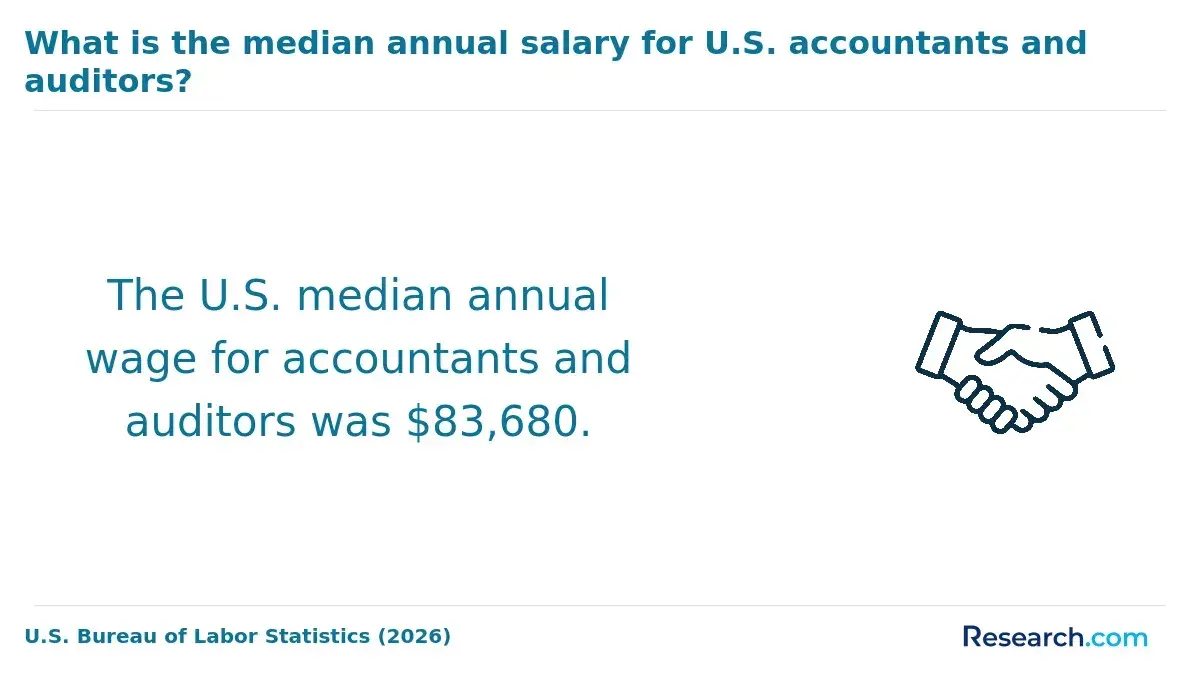
- The Bureau of Labor Statistics reports a $126,520 median annual wage for US management occupations in May 2025. That figure covers workers across management roles and experience levels, not new managers or entrepreneurship MBA graduates specifically.
Is an online MBA in entrepreneurship worth it for first-time managers?
It can be, if you need broad business judgment as well as entrepreneurship skills and can use both while enrolled. A first-time manager who must allocate a budget, lead a team, evaluate a new product, and make a case to senior leaders has several reasons to value an MBA. A manager who mainly wants help giving feedback or resolving conflict may get a faster return from employer training or a focused leadership course.
An entrepreneurship concentration usually adds venture-related coursework to a general MBA core. That combination matters: launching an internal initiative or a small business requires financial, operational, and people decisions, not just an idea. But classes cannot confer managerial authority, supply customers, or replace experience leading a team.
For a financial decision, compare your expected out-of-pocket tuition and fees, borrowing costs, and time commitment with a plausible career benefit. Use a promotion or business opportunity you can actually identify, rather than assuming the degree will produce a particular raise. Employer reimbursement and projects you can apply immediately strengthen the case; substantial debt and no clear use for the concentration weaken it. Lists of affordable online MBA programs under $10,000 can establish a price benchmark, but check whether any candidate actually offers the entrepreneurship coursework you want and what its quoted price includes.
Bottom line: Choose the MBA when you can afford its full cost, need the management core, and have a credible plan to apply the entrepreneurship work. If you are still learning the basics of supervision, try focused training and real management responsibilities first; you can revisit the MBA once your longer-term goal is clearer.
What does an online MBA in entrepreneurship teach first-time managers?
The MBA core develops business-wide decision-making: interpreting financial statements, setting priorities, understanding customers, and coordinating operations. Entrepreneurship coursework applies those tools to uncertain opportunities, such as testing demand for a product, planning its financing, or deciding whether an idea belongs in an existing company or a new venture.
For a new manager, the most useful connection may be between the two. A market test is not just a marketing exercise: someone must assign work, negotiate with stakeholders, manage a limited budget, and decide what evidence would justify continuing. Group projects can provide practice, but ask how instructors assess individual leadership and feedback - not merely the final pitch.
Expect management-level training, not automatic expertise in every startup task. An MBA is unlikely to replace legal advice about forming a company, specialized product-development skills, or the experience of hiring and coaching actual employees. If people management is your immediate weakness, check that organizational behavior and leadership receive enough attention alongside venture creation.
How does an online MBA compare with an on-campus entrepreneurship MBA?
The degree format is less important than whether you can participate consistently and access the experiences you need. The comparison below highlights trade-offs that matter when you are already responsible for a team.
| Decision factor | Online MBA | On-campus MBA |
| Keeping your management job | Often designed for employed students, though live classes and group work may still compete with work hours | Part-time options may accommodate work; a full-time program can require a substantial employment break |
| Applying lessons immediately | May let you test concepts in your current team or organization | Possible in part-time formats; full-time students may instead rely more on internships and campus projects |
| Networking and venture support | Depends on virtual events, cohort interaction, and access to incubators or mentors | In-person contact may be easier, but access still varies by program |
| Scheduling and travel | Check live sessions, time zones, residencies, and project meetings | Check commuting, class times, and any employment interruption |
Online does not necessarily mean self-paced. If unpredictable team issues make fixed class meetings difficult, compare online MBA programs with asynchronous classes, then ask each school whether group projects, exams, or residencies still have fixed times. A campus format may be worth the disruption if its in-person recruiting or venture network is central to your plan - but verify that online students would not have comparable access.
There is no universal course list. Most programs combine a broad MBA core with entrepreneurship electives or a defined concentration, and some include a capstone or applied project. The distinction matters if you want more than a single class on starting a business.
Core subjects commonly include managerial accounting and finance, marketing, operations, strategy, and organizational behavior. Entrepreneurship offerings may cover opportunity evaluation, customer discovery, venture finance, innovation management, and business-model development. A project might involve validating an idea or advising an organization, but its scope and access to real clients depend on the school.
Before enrolling, read the degree plan rather than relying on the program name. Check how many entrepreneurship courses you can take, whether they form an officially designated concentration, and whether required courses address your current responsibilities. A course in organizational behavior may improve your immediate work as a supervisor more than another startup-pitch elective.
Requirements vary by school. Applicants commonly need a bachelor's degree and may be asked for transcripts, a résumé, recommendations, an essay, or an interview. GMAT or GRE policies, minimum grades, and work-experience expectations are program-specific; an entrepreneurship concentration does not create a universal requirement to have founded a company.
If you have only recently become a manager, distinguish years of professional experience from years managing people. A school may value substantial work experience without requiring a management title. If experience is a concern, review online MBA programs without work experience requirements and confirm each school's current policy directly.
In your application, explain decisions you have made, people or projects you have led, and why entrepreneurship study fits your next responsibility. You do not need to invent a startup ambition. If your undergraduate background lacked accounting or quantitative coursework, ask whether the school requires foundation work or simply recommends preparation.
Duration depends on required credits, course sequencing, and whether you study part time or accelerate. A shorter advertised completion time may assume a heavy course load or continuous enrollment - conditions that can be hard to sustain during a first management role. When comparing one-year online MBA programs, ask for the actual term-by-term schedule and confirm that entrepreneurship courses fit within it.
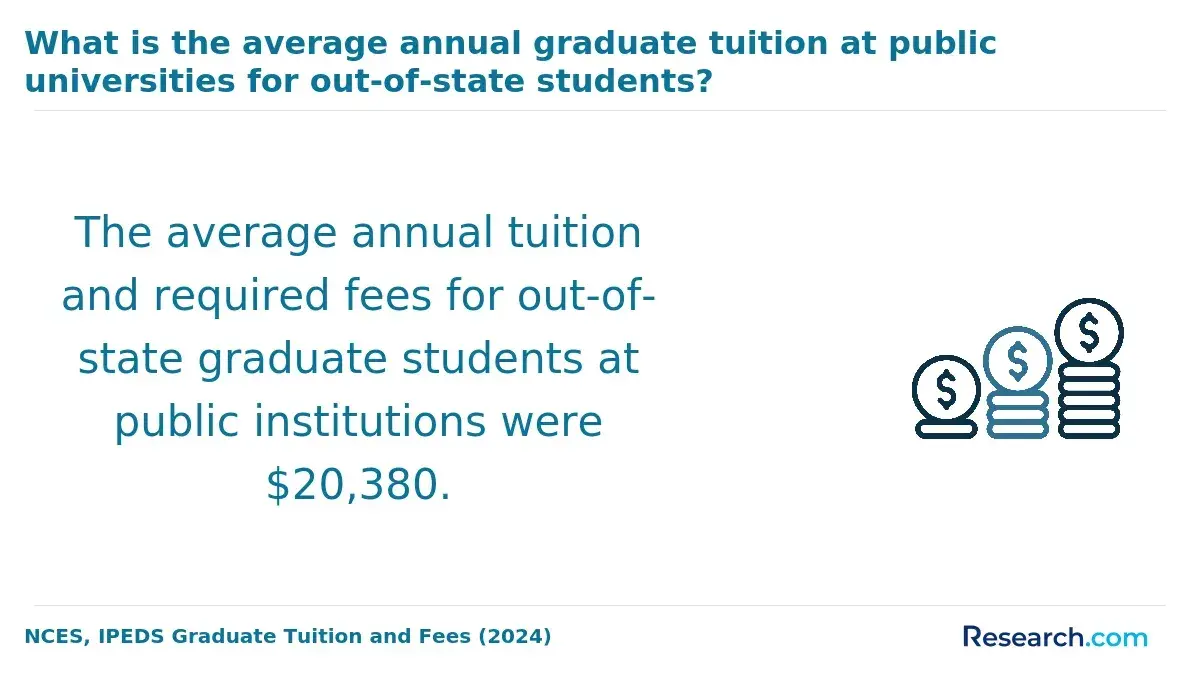
No single tuition figure represents all online entrepreneurship MBAs. Build your own total from tuition, mandatory fees, books or software, and any required travel; add financing costs if you expect to borrow. Then subtract only funding you are eligible to receive, such as confirmed employer assistance. Ask whether reimbursement depends on grades, continued employment, or prior approval.
The time cost deserves the same scrutiny. Request sample syllabi and schedules for a core course and an entrepreneurship course, including live meetings and group deadlines. If taking fewer courses would protect your performance at work, compare the longer enrollment period and its total fees with the pressure of an accelerated plan.
Your most realistic next move usually builds on the work you already do. A manager who has led a product team might pursue broader product or innovation responsibilities; someone with operations experience might lead a new service, process, or business unit initiative. The MBA can support those moves by improving financial analysis, market assessment, and cross-functional communication, but employers will still examine your results.
Entrepreneurship also applies outside a conventional job search. You might test a side venture, join a growing small business, or prepare to run a company. In those cases, the relevant outcome is not necessarily a new title: it may be avoiding an expensive launch mistake or improving how the business acquires customers and manages cash.
Be cautious about treating the concentration as a shortcut to senior leadership or venture capital. Those paths often depend heavily on operating results, industry knowledge, networks, or investment experience. Identify the role you want, review its actual responsibilities, and seek a work project that lets you demonstrate the missing skills while you study.
There is no reliable universal salary for online entrepreneurship MBA graduates. Earnings depend on occupation, location, experience, employer, and whether a graduate takes a salaried role or operates a business. The US Bureau of Labor Statistics reports a $126,520 median annual wage for management occupations in May 2025. That is an occupational benchmark spanning many career stages - not a starting salary, an MBA-specific outcome, or evidence that the degree caused higher pay.
For a useful personal comparison, look at compensation for the particular next role you could plausibly reach from your current job. Ask programs whether their published outcomes separate online from on-campus graduates, identify prior work experience, and disclose the share reporting salary. If your goal is self-employment, model business cash flow and your own pay conservatively rather than applying a management wage to a new venture.
The Bureau of Labor Statistics projects that overall US management employment will grow faster than the average for all occupations from 2025 to 2035, with about 1.1 million openings each year on average from growth and replacement needs. Those openings span management occupations; they are not openings reserved for MBA holders, entrepreneurs, or recent graduates.
For a first-time manager, the stronger signal is demand for the specific function and industry you know. An MBA may make you more effective at competing for broader responsibilities, but hiring decisions still turn on evidence that you can lead people and deliver results. Startup prospects are different again: customer demand, funding, and execution matter more than an occupational forecast.
How can you choose an accredited online MBA in entrepreneurship?
First confirm that the institution is accredited by a recognized institutional accreditor. Then check whether its business school also holds specialized accreditation, such as AACSB, if that distinction matters to you or your employer. Institutional and business-school accreditation are different claims; verify each with the accreditor and school rather than assuming one implies the other.
Accreditation is a threshold, not a complete fit test. Use these checks to compare programs against your actual management and entrepreneurship goals:
- Confirm whether entrepreneurship is a formally named concentration, a set of electives, or just one course - and whether all required courses are available online.
- Request a full cost estimate and a sample study plan showing course sequence, live sessions, group work, and any campus visits.
- Ask what online students can access: career advising, alumni introductions, mentors, venture resources, and applied projects.
- Compare the answers with a less costly leadership course or certificate before committing to the full degree.
For a starting set of price comparisons, examine affordable AACSB-accredited online MBA programs. Verify current accreditation, total charges, and entrepreneurship course availability for any school you shortlist. The best-value choice is the one whose teaching and schedule you can use - not simply the least expensive accredited MBA.
Other Things You Should Know About MBA
That depends on the university. Ask for the exact wording on the diploma and transcript if the distinction matters to you; do not assume the online and campus versions are recorded identically.
Usually, the answer depends on university policies, team agreements, and any obligations to your employer. Review intellectual-property rules before sharing a confidential idea or company information in a class project.
Ask about leave, course withdrawal, and the maximum time allowed to finish before enrolling. Those policies determine whether you can pause without losing progress or incurring additional costs.
Check your employment agreement and policies on outside work, conflicts of interest, and use of company resources. If the venture overlaps with your employer's business, seek appropriate guidance before using workplace information or time.
- The Good Manager: Development and Validation of the... - PMC https://pmc.ncbi.nlm.nih.gov/articles/PMC8039519/
- Plan your business - Small Business Administration https://www.sba.gov/counseling/plan-your-business/
- Is an Online MBA Worth It? | Tulane University Freeman School of Business https://online-business.tulane.edu/online-mba/articles/is-an-mba-worth-it/
- MBA Course Descriptions - Wharton's Management Department https://mgmt.wharton.upenn.edu/programs/mba/course-descriptions/
- Start a Business, Get an MBA, or Both? | UL Lafayette https://louisiana.edu/online/blog/start-business-get-mba-or-both
- Online MBA vs. traditional MBA for working professionals | Capella University https://www.capella.edu/blog/business/online-mba-vs-traditional-mba/
- Business Management vs. Entrepreneurship Skills | University of the Cumberlands https://www.ucumberlands.edu/blog/entrepreneurship-vs-business-management-how-new-venture-skills-and-leadership-skills-differ
- Management Training | Shasta College Community Education https://careertraining.shastacollege.edu/training-programs/management-training-course/
- Does an MBA Help You Start Your Own Business? | Bay Path University https://www.baypath.edu/news/bay-path-university-blogs/post/does-an-mba-help-you-start-your-own-business/
- Why First-Time Managers Need MBA-Level Training | UVA Darden School of Business https://www.darden.virginia.edu/executive-education/stories/why-first-time-managers-need-mba-level-training-even-without-an-actual-mba


