2027 Is a Nutrition Degree Better Than Experience Alone? Salary, Hiring, and Career Growth Compared

Co-Founder and Chief Data Scientist
Nutrition professionals face a significant dilemma: is a formal Nutrition degree essential for higher salaries and career advancement, or can experience and self-teaching suffice? Entry-level Nutrition positions typically require accredited degrees, making it difficult for non-degree holders to enter the field. A 2025 study showed that degree holders earn on average 18% more than those relying solely on experience, with better chances for managerial roles.
However, some employers value demonstrated expertise without formal credentials. This article examines salary trends, hiring practices, and career growth to help readers decide if investing in a Nutrition degree aligns with their career goals and the evolving job market.
Key Points About Having Nutrition Degrees vs Experience Alone
- Nutrition degree holders earn on average 15% higher salaries than those relying solely on experience, reflecting credentials' strong influence on compensation in clinical and corporate roles.
- Employers frequently prefer candidates with formal Nutrition education for initial hiring, especially in regulated environments where certification and academic knowledge ensure compliance and standards.
- Career advancement into leadership positions correlates strongly with degree attainment, as management roles often require advanced scientific understanding and professional credentials beyond work experience.
What technical proficiencies can you gain from having Nutrition degrees vs self-teaching?
Professionals can acquire foundational principles and practical applications of nutrition more systematically through degree programs, whereas those relying solely on work experience or self-teaching may attain knowledge in a more fragmented or situational manner. Below are five key technical proficiencies comparing what a Nutrition degree program offers versus self-taught or on-the-job learning.
- Advanced Biochemistry: Degree programs provide in-depth understanding of macronutrient metabolism and biochemical processes essential for designing effective diet plans, while self-taught individuals often encounter limited or superficial biochemical knowledge without laboratory reinforcement.
- Dietetics Counseling: Formal education includes supervised practicals and case studies that help develop counseling skills tailored to diverse populations, unlike experience-based learning that may lack structured training in communication theory and client management.
- Nutritional Epidemiology: University training offers rigorous study of dietary trends and health outcomes analysis, supported by research methodology courses, whereas self-taught professionals often miss formal exposure to statistical tools and critical data interpretation.
- Clinical Assessment Techniques: Hands-on competencies like body composition measurements and nutrient deficiency evaluations are taught through labs and internships in degree programs, which are difficult to master accurately without formal guidance and practice.
- Food Safety Regulations: Degrees cover the legal frameworks and compliance requirements comprehensively, while self-learners may only gain partial or outdated knowledge, potentially risking noncompliance in professional settings.
While some technical skills from nutrition degree programs can be partially acquired through online tutorials or bootcamps, these often lack the comprehensive depth and critical thinking developed in formal education. According to a 2025 occupational study, 68% of hiring managers emphasize formal degrees when evaluating candidates with technical competencies compared to 32% favoring experience alone.
Therefore, for students considering their path, formal education in nutrition offers an organized, in-depth route to mastering essential technical skills instead of relying exclusively on experience or self-teaching, which is often less structured and comprehensive. Practical experience remains valuable, but supplementing it with a degree can enhance career growth and hiring prospects.
For related fields, some students may also explore a medical billing and coding certificate to diversify their qualifications and improve job security.
Are there certifications or licenses that only Nutrition degree holders can obtain?
Continuing education and professional credentials can significantly enhance career prospects in nutrition, even as more employers emphasize skills-based hiring. Earning certifications or licenses that require a formal nutrition degree is a strategic way to showcase verified expertise. Below are several key credentials typically exclusive to nutrition degree holders.
- Registered Dietitian Nutritionist (RDN): This widely recognized credential is often required for clinical and community dietetics positions. Candidates must hold a bachelor's or higher degree in nutrition or dietetics accredited by the Accreditation Council for Education in Nutrition and Dietetics (ACEND). An RDN license enables access to hospital, healthcare, and private practice roles with greater earning potential.
- Certified Nutrition Specialist (CNS): The CNS certification demands an advanced degree in nutrition or a related field along with completion of supervised practice hours. It validates specialized knowledge useful in clinical nutrition, consulting, and research, making it a valuable asset for career growth.
- Licensed Dietitian/Nutritionist (LDN): Many states require nutrition graduates to pass a licensing exam to practice as Licensed Dietitian/Nutritionists. This licensure authorizes practitioners to provide medical nutrition therapy and bill insurance, which is essential in many professional settings.
- Board Certified Specialist in Pediatric Nutrition (CSP): This specialist credential requires prior RDN certification plus additional pediatric experience, highlighting expertise in child nutrition. It is especially respected in hospitals and public health organizations focusing on pediatric care.
Nutrition degree licensed certifications like these often give candidates a distinct advantage over those relying solely on experience. According to a recent industry survey, 78% of employers prefer hiring nutrition professionals with formal degrees due to licensure eligibility and demonstrated evidence-based competencies. This emphasis on accredited education helps set candidates apart in an increasingly competitive job market.
For those exploring alternatives or just starting their journey, some consider programs such as nursing schools that don t require TEAS test near me, which offer flexible entry options into health-related careers.
Will a degree in Nutrition make you more employable?
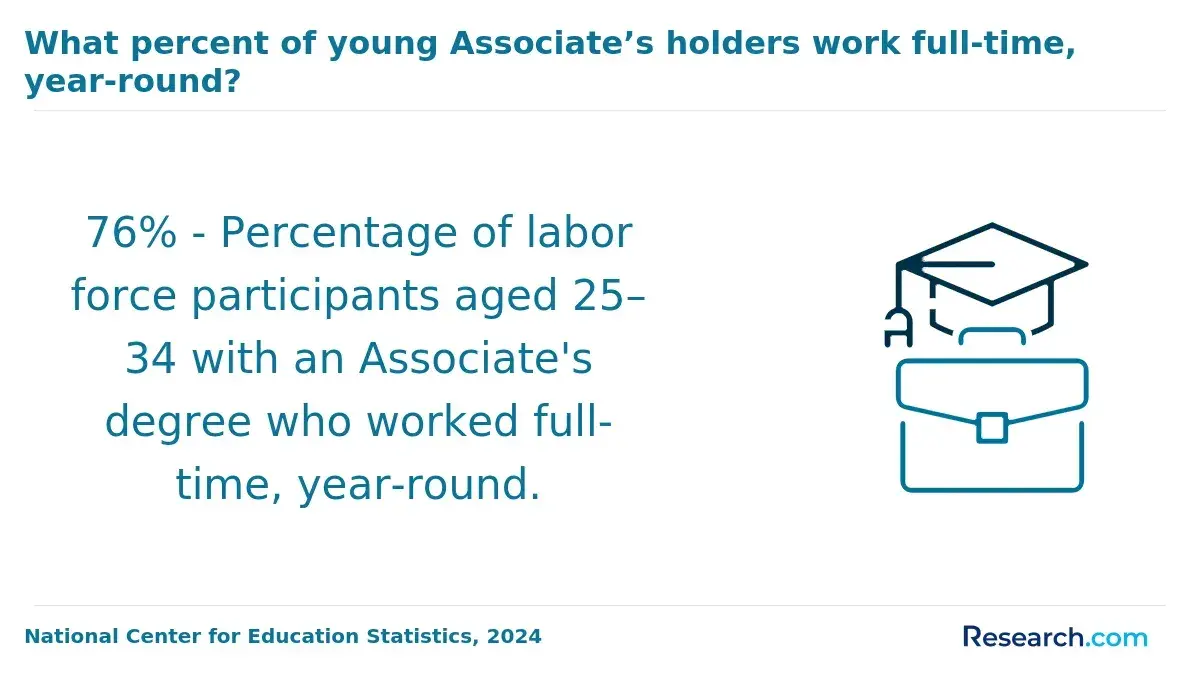
The job market generally favors candidates with a degree in nutrition over those relying solely on work experience or self-study. Many employers, particularly in clinical and research settings, look for formal education credentials as evidence of a candidate's technical expertise. Those without degrees often face barriers, as practical experience alone rarely covers the comprehensive science and regulatory knowledge required.
This preference is driven by several factors, including the necessity for certifications and licenses that align with accredited programs. Degree holders often benefit from structured coursework in biochemistry, physiology, and dietetics, alongside internships that validate their skills. Employers also tend to prefer applicants who combine education with hands-on experience rather than experience in isolation.
Ultimately, the decision to pursue a nutrition degree depends on one's career ambitions. Specialized roles, such as clinical dietitians or research nutritionists, generally require formal credentials, while other positions like wellness coaching may allow more flexibility for those gaining expertise through experience. Assessing long-term goals will determine whether investing in a degree is essential or if practical learning suffices.
When asked about his journey after graduating from an online nutrition bachelor's program, a professional shared the challenges of balancing coursework with full-time work. He said, "It was tough managing deadlines while applying what I learned in real time." He also noted that some employers valued the degree as proof of his commitment, which opened doors he hadn't expected. "Without the formal credential, I'm not sure I would have been seriously considered," he reflected, highlighting that the credential helped him bridge theory and practice in a competitive job market.
Certain careers in nutrition require formal degrees due to regulatory standards and specialized knowledge, while other roles may prioritize skills and job readiness over academic credentials. Below are some key nutrition degree career options in the United States that illustrate these differences.
- Registered Dietitians: These professionals often work in healthcare settings where they design personalized dietary plans to manage illnesses and promote wellness. A nutrition degree is essential since certification and licensure usually require accredited academic credentials, making these roles less accessible to those relying on experience alone.
- Clinical Nutritionists: Focused on assessing patient nutritional needs and advising on diet-related health interventions, clinical nutritionists typically need a degree to understand the complex science involved. This ensures patient safety and meets insurance and regulatory requirements, distinguishing these roles from some wellness coaching positions.
- Food Scientists: Applying nutrition knowledge to develop and improve food products, food scientists require technical skills in chemistry and microbiology. Their positions almost always mandate a degree because leadership and innovation demand a strong scientific foundation.
- Public Health Nutritionists: These professionals design community programs and policies to improve dietary health on a broad scale. The role requires expertise in population health and research methods, with degree requirements generally non-negotiable to ensure effective program implementation.
- Nutrition Educators: Working in schools or wellness centers, nutrition educators often need degrees combined with teaching certifications. However, some individuals with proven expertise-such as published authors or well-known bloggers-may find alternative pathways into education roles, although these positions usually lack formal authority.
While entry-level nutrition support roles might allow candidates with extensive experience or certifications, these often come with less responsibility and lower salaries. Recent data shows that 78% of employers prefer candidates with a nutrition degree or equivalent certification over those relying solely on experience or self-teaching, highlighting the advantage of formal education in securing stable and well-compensated positions.
For students considering the highest paying jobs for nutrition degree graduates, pursuing a degree frequently opens doors that are closed to those without one. Exploring online ASN programs can also complement nutrition-related careers where healthcare knowledge is beneficial.
Degree holders in nutrition gain distinct advantages in professional networking through structured access to faculty, alumni, and industry contacts. These connections often lead to referrals and invitations to specialized events, making it easier to establish credibility and career opportunities. In contrast, those without formal education typically must rely on building networks independently via online platforms and personal contacts, which may demand more effort and time to yield comparable results.
Nutrition students and graduates usually benefit from university resources like mentoring programs, internship opportunities, and membership in professional organizations, which create lasting networks. Non-degree professionals often depend on immediate circles such as coworkers or local communities and may leverage social media or industry forums to demonstrate their skills. Both groups can develop valuable relationships, but the pathways and speed to access them differ significantly.
The nutrition field generally values connections formed through education, and built networks can substantially impact job placement and career advancement. While not absolutely essential for success, having formal networking channels facilitates entry and growth in the industry more smoothly than relying solely on experience or self-teaching.
Holding a degree in nutrition often increases eligibility for advanced and leadership roles within the field. Employers tend to prefer candidates with formal education because it confirms a solid grasp of essential concepts and prepares professionals for complex responsibilities. Here are key reasons why a nutrition degree can influence promotion opportunities:
- Specialized knowledge: A degree provides comprehensive understanding of scientific principles and evidence-based practices, which are crucial for managing teams and making informed decisions.
- Credentialing advantages: Many higher-level positions require certifications or licenses only accessible through accredited programs, making degrees a gateway to these credentials.
- Professional credibility: Formal education signals dedication and expertise to employers, enhancing trust and opening doors to broader professional networks that support career advancement.
While hands-on experience remains valuable, progression into supervisory or managerial roles is often smoother and more attainable with a nutrition degree, as it aligns with industry expectations for leadership readiness and regulatory compliance.
Nutrition degree holders generally earn about 25% more than those relying on experience alone, with entry-level salaries starting near $45,000 compared to $35,000 for non-degree professionals. Over time, those with degrees tend to access higher-paying roles such as clinical dietitians or health consultants, where median incomes can surpass $75,000 annually. In contrast, those without formal education often encounter slower salary growth and restrictions on advancement in specialized nutrition fields, highlighting a clear wage pay gap.
While experience is valuable, it may impose an income ceiling that limits long-term earning potential and career progression. Non-degree holders can enhance their income outlook through certifications, continuing education, and specialization. Pursuing credentials like registered dietitian certification or advanced degrees can help bridge gaps in hiring and salary.
Upskilling is essential to becoming indispensable during economic shifts and company reorganizations. Additionally, some professionals choose to explore fasttrack medical programs to expand their qualifications and improve job prospects in allied health fields.
The average tuition cost for a nutrition degree in the United States ranges from $20,000 to $50,000, depending on the institution and program length. Graduates typically recoup this investment within 5 to 7 years, supported by entry-level salaries averaging around $55,000 annually. Income generally rises significantly with experience and specialized certifications, making the degree financially worthwhile despite initial costs or potential student debt.
Financial aid options such as scholarships, grants, and work-study programs play a key role in reducing upfront expenses and accelerating the return on investment. Students can further maximize ROI by taking summer courses or transferring credits to complete their degrees faster and enter the workforce sooner. Pursuing advanced qualifications in dietetics or clinical nutrition also enhances employability and salary potential, contributing to higher lifetime earnings compared to those relying solely on experience or self-teaching.
A 2025 study revealed that nutrition degree holders earn about 25% more over their careers than individuals without formal education in the field. This supports the value of a degree not only for initial salary but for long-term career growth and financial stability in nutrition-related careers.
The nutrition industry is increasingly incorporating artificial intelligence and automation to enhance data handling and personalized dietary advice. However, these technologies tend to support professionals rather than replace the nuanced judgment that comes with formal education. Economic shifts continue to impact job stability, but professionals with nutrition degrees generally face a lower risk of displacement. This is partly due to their ability to apply evidence-based practices, interpret complex research, and manage intricate client needs, skills not easily replicated by automation.
Those holding nutrition degrees benefit from ongoing education opportunities, professional networks, and credential recognition, which further safeguard their roles against automation and layoffs during downturns. In contrast, individuals relying solely on experience or self-teaching might struggle with adapting to new technologies or changing regulations, making them more vulnerable in volatile job markets.
When discussing whether degree holders are less vulnerable to automation and economic struggles, a professional who earned a nutrition bachelor's online shared his perspective. He noted that "earning the degree pushed me to develop critical thinking skills and get comfortable with emerging tools rather than fearing them." He explained the balance of learning scientific theory alongside practical tech applications felt crucial. Navigating job uncertainties became less stressful knowing his formal training provided a strong foundation, compared to peers without degrees who often felt "left behind when employers introduced new systems or protocols."
What Graduates Say About Their Nutrition Degrees
- Daphne: "Earning my degree in nutrition was a game-changer for my career. It gave me a solid scientific foundation and practical skills that employers really value, allowing me to hit the ground running. This competitive edge helped me quickly advance in a demanding field where having credible expertise makes all the difference."
- Cynthia: "Looking back, my nutrition degree was more than just a qualification; it was an investment in my professional growth. The curriculum's focus on evidence-based practice prepared me thoroughly for real-world challenges, which made me confident and employable from day one. Over time, this degree has opened doors to promotions and higher salary brackets that I might not have accessed otherwise."
- Leonardo: "From a professional standpoint, holding a degree in nutrition significantly enhanced my job prospects and standing in the healthcare community. The knowledge and hands-on experience I gained allowed me to contribute meaningfully and progress steadily through different roles. I appreciate how this educational background continues to influence my career trajectory positively, especially in salary negotiations and leadership opportunities."
Other Things You Should Know About Nutrition Degrees
To become a Registered Dietitian Nutritionist, you need a master’s degree, ACEND-accredited coursework, at least 1,000 supervised practice hours through an accredited program, and passage of the CDR’s RDN exam. After that, many states also require a separate dietetics license or certification.
While self-taught nutrition professionals can advance through demonstrated results and niche expertise, degree holders typically access broader advancement opportunities, especially in institutional roles. Formal education often opens doors to managerial and specialized positions that may not be available solely through experience.
Yes, nutrition degrees are usually essential for roles in research and academia, as these careers require credentials to conduct studies, publish, or teach at the college level. Experience alone rarely qualifies individuals for these positions because of the technical knowledge and methodological training that degrees provide.
In 2027, a nutrition degree typically leads to higher salary expectations compared to experience alone. Degree holders often access advanced roles that offer more competitive compensation packages, whereas those relying solely on experience might face limitations in negotiating higher pay, particularly in specialized or research-intensive positions.
- Networking: A Career Gamechanger — To Be A Dietitian https://www.tobeadietitian.co.uk/our-blog/d6ey0r61skq69b52i0vqz7wd5tuw2u
- Cert VS Degree: What Type of Nutrition Credential is Best? | ISSA https://www.issaonline.com/blog/post/cert-vs-degree-what-type-of-nutrition-credential-is-best
- Nutritionist certification requirements (state-by-state) - Natural Healers https://www.naturalhealers.com/nutritionist/certification/
- Nutrition Careers Guide 2025 | Jobs & Salary https://www.nutritioned.org/careers/
- Gen Z graduates who majored in ‘AI-proof’ careers like pharmacy, biology, and education are making less than $50,000 after graduation https://finance.yahoo.com/news/gen-z-graduates-majored-ai-154823846.html
- Being a Nutritionist: Is It Hard or Easy? - Liv Hospital https://int.livhospital.com/being-a-nutritionist-is-it-hard-or-easy/
- What are the Career Opportunities for Nutritionists? (Roles, Earnings, and Impact of AI) https://thehealthsciencesacademy.org/learning/what-are-the-career-opportunities-for-nutritionists-roles-earnings-and-the-impact-of-ai/
- What do you learn in a Nutrition degree and is it worth it https://www.torrens.edu.au/stories/blog/health/what-do-you-learn-in-a-nutrition-degree-and-is-it-worth-it
- 15 High-Paying Jobs with a Nutrition Degree https://aaft.com/blog/health-and-wellness/15-high-paying-jobs-you-can-get-with-a-nutrition-degree/
- How to Build Your Network as A Nutrition Professional | AFPA https://www.afpafitness.com/blog/how-to-build-your-network-as-a-nutrition-professional/