2027 Is a BS in Business Administration Useful for Running A Hotel or Guesthouse? Degree Fit and Opportunity Cost
Audited and Verified:
Our Editorial and Data Verification Process
Research.com uses government datasets, official education statistics and primary institutional information to support its career and degree guides. Our review process checks factual accuracy, occupational definitions, source dates and the requirements associated with the credentials discussed.
How This Article Was Fact-Checked
Our editorial team verifies salary estimates, employment projections, education requirements and program information against original data providers and official organizations. Salary figures are checked against the relevant occupational definitions and reporting periods. Information about licensure, accreditation and required in-person training is reviewed separately.
Fact-checked and verified on:

Co-Founder and Chief Data Scientist
Running a hotel or guesthouse means managing cash flow, employees, reservations, guest complaints, and property upkeep, often on the same day. A BS in Business Administration can strengthen the business side of that work, but it may be a costly way to learn skills you could gain through hospitality experience or targeted training.
This guide is for prospective owners, working lodging employees, and career changers weighing a degree against more direct routes. It explains where the degree helps, what it misses, and how to judge whether its time and cost fit your plans.
Key Things You Should Know
- A BS in Business Administration is useful for hotel finances, staffing, marketing, and operations, but it does not replace lodging experience.
- Hotel management has no universal bachelor's-degree requirement; employers, property types, and responsibilities differ.
- A bachelor's degree commonly takes about four years of full-time study. If you already have relevant experience, compare the remaining tuition and time with hospitality-specific training before enrolling.
Is a business administration degree useful for running a hotel or guesthouse?
Yes - particularly if you will make decisions about pricing, payroll, purchasing, marketing, or expansion. A BS in Business Administration generally teaches how organizations account for money, manage people, analyze information, and plan operations. Those skills matter whether you supervise a small guesthouse or help run a larger hotel.
The gap is property-level execution. A business course may help you understand labor costs, but it will not teach you how long a room takes to turn over at your property, how to handle an overbooking, or how to use a particular reservation system.
Someone already working in lodging may get more immediate value from supervised responsibility for schedules, guest recovery, inventory, and a departmental budget. If finishing a degree while keeping that job is feasible, compare business administration programs for studying around work commitments against the experience you would lose by cutting shifts.
For an aspiring owner, the strongest case for the degree is usually a long-term need for broad financial and managerial judgment - not a belief that the credential itself will make a property profitable.
What degree do you need to become a hotel or guesthouse manager?
There is no single degree required for every US hotel or guesthouse manager. Hiring standards depend on the employer and role. A small property may place substantial weight on hands-on guest-service and supervisory experience; a larger organization may prefer a bachelor's degree for roles with broader financial and staffing responsibility.
A BS in Business Administration, a BBA, and a hospitality management degree are possible paths, but their curricula differ by school.
Start with the job you want. A front-desk supervisor needs evidence of service, scheduling, and problem-solving. A general manager must also be ready to oversee budgets, department leaders, safety practices, and property performance.
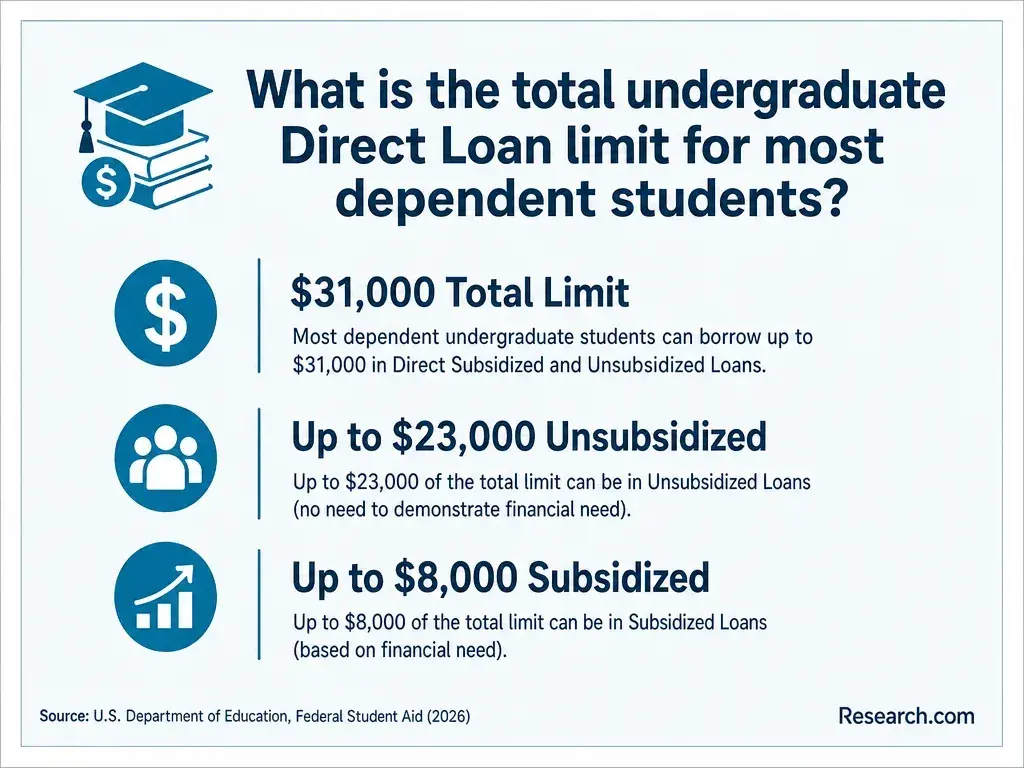
Graduation alone does not establish that readiness. If you are exploring colleges, you can reduce upfront college application expenses, but assess each program's lodging relevance before applying.
Can you run a hotel without a hospitality management degree?
Yes. Many of the necessary skills can be developed through lodging work, employer training, mentorship, and focused study. For someone who already manages guest issues and staff shifts, the next useful step may be documented responsibility for a budget or operating process rather than another degree.
Separate managing a property from owning its business. An owner must also evaluate financing, insurance, contracts, and whether expected revenue can cover fixed costs during slow periods. A manager employed by a hotel may have limited authority over those decisions.
Likewise, coordinating an opening or renovation is a different career goal from running day-to-day lodging operations; online project management degrees for transfer applicants may be more relevant to that specialized goal.
Choose courses by the decisions you expect to make, not by the degree title alone. Financial and managerial accounting help you read statements, track expenses, and distinguish revenue from profit. Finance and spreadsheet-based analysis help with cash planning and investment decisions.
Operations courses can support staffing, purchasing, and process improvement; marketing helps you assess customer segments and the results of promotions. Management and employment-related coursework provides a foundation for supervising teams, though policies and legal obligations still require workplace-specific guidance.
Applied work makes these courses more valuable. A student could, with permission, compare anonymized staffing schedules with occupancy patterns or build a hypothetical operating budget using clearly labeled assumptions.
They should not present a classroom forecast as an actual property result or use confidential guest and employee information without authorization.
For someone focused primarily on purchasing across multiple properties, compare shorter online supply chain bachelor's pathways rather than assuming a general business degree offers enough procurement depth.
The better fit depends on whether you need broad business preparation, structured lodging-specific study, or experience you can apply immediately. Program titles alone cannot establish course depth, internship access, or total cost:
| Path | Likely strength | Important limitation | Best fit |
| BS in Business Administration or BBA | Broad finance, management, marketing, and operations foundation | Lodging practices may require electives or outside experience | Someone considering hospitality ownership or careers beyond lodging |
| Hospitality management bachelor's | More direct study of lodging and guest-service operations where offered | Curriculum and work-based opportunities vary; specialization may be less useful outside the sector | Someone committed to a hospitality career and seeking industry-focused learning |
| Experience plus targeted training | Direct practice with property systems and daily decisions | May leave gaps in accounting, analysis, or qualifications preferred by an employer | An experienced employee or small-property operator with specific skill gaps |
A formal concentration is not the same as a few related electives. Check the transcript designation, additional credits, and access to relevant projects before paying for one.
If your strongest interest is hotel staffing rather than overall property management, transfer admission options for human resources majors offer a different specialization to compare - not an equivalent hotel-management credential.
They can be, especially for employees whose shifts change weekly, provided the program's actual schedule fits their work. Online delivery does not necessarily mean self-paced study: courses may include live meetings, group assignments, fixed deadlines, proctored exams, or an internship that cannot be completed at a current workplace.
Ask how often required courses run, whether applied projects can address a lodging problem, and who approves workplace data use. A fast calendar also may not fit peak-season staffing or reduce total tuition.
If speed is essential, explore accelerated online degree programs only after checking weekly workload, transfer-credit evaluation, and required course availability.
Pay varies by property size, location, employer, and the scope of the job. The relevant US Bureau of Labor Statistics occupation is lodging managers; its national median is an occupation-wide figure, not a starting salary or an estimate of what business graduates earn.
Before making a financial decision, check the latest Bureau of Labor Statistics Occupational Outlook Handbook lodging-managers page for its stated wage year and employment-projection period, then compare local postings for the type of property and role you want.
Do not substitute the median for general and operations managers for hotel-manager pay: that is a broader occupation. Nor should a degree's advertised career possibilities be treated as a forecast of your earnings.
Even when reviewing online business administration options balancing price and duration, calculate affordability using your actual education costs and realistic job opportunities, not an assumed management salary.
There is no universal US hotel-manager license or single mandatory management certification. Operating a property is different: requirements can depend on state and local rules, property type, and services offered.
An owner should confirm applicable business registration, zoning, lodging or short-term-rental permissions, inspections, taxes, and any food-service or alcohol requirements with the responsible authorities before opening.
Employers may value training in property systems, food safety, or other relevant functions, but a voluntary certificate does not replace a required permit.
Project-management study can support a renovation or opening; budget-friendly online project management programs are an educational option, not a lodging license. Check the exact credential or authorization needed for each duty rather than assuming a business degree covers it.
A bachelor's degree commonly takes about four years of full-time study from the beginning, but an applicant's actual timeline depends on accepted and applicable transfer credits, course sequence, enrollment pace, and residency rules.
An accepted course may count only as an elective rather than satisfy the business core. Get an official degree audit before relying on a completion estimate.
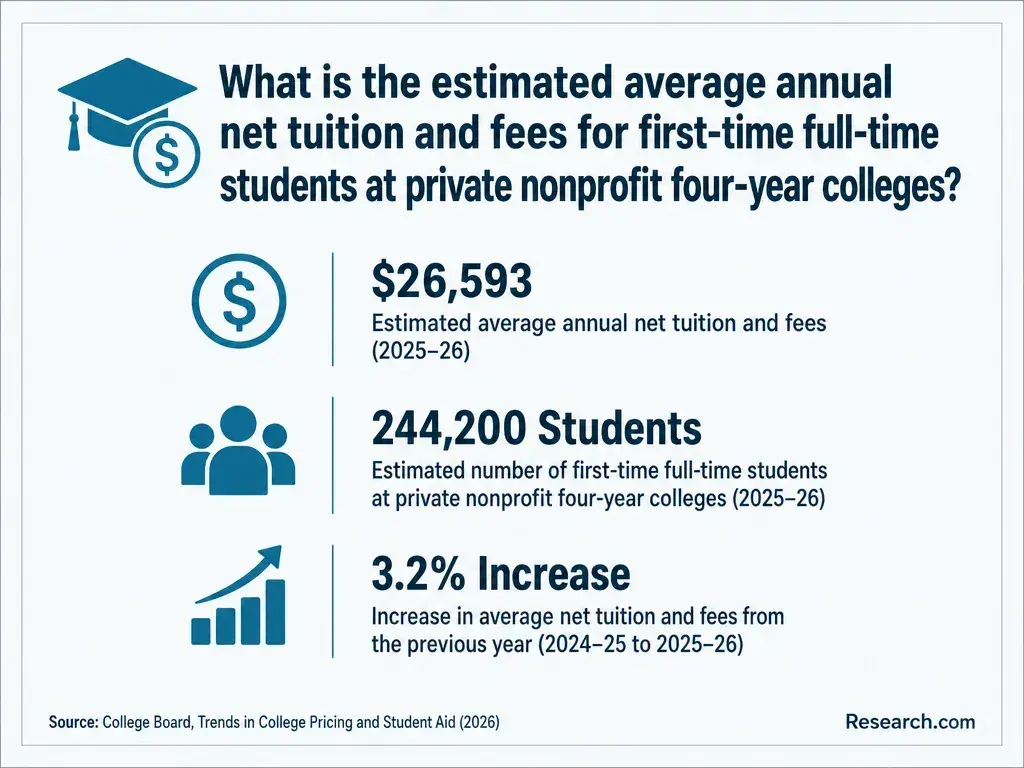
For opportunity cost, compare the remaining tuition and fees with books, technology, travel, borrowing costs, and income lost if coursework reduces paid hours. Then ask what the same time and money could accomplish through a lodging role, mentorship, or a focused accounting or hospitality course.
To reduce tuition spending on an online business administration degree, compare the cost of your remaining required courses, not just an advertised per-credit price. Do not assume an internship, workplace project, or prior experience earns credit without the school's approval.
How can you choose an accredited business administration program for hospitality?
First verify the institution's recognized accreditation and the exact degree it awards. If a school cites AACSB, ACBSP, or IACBE, confirm the accreditor's scope includes the program you are considering; business-program accreditation and institutional accreditation are distinct. Neither, by itself, proves that graduates obtain hotel jobs.
Next compare each program against the work you want to do: accounting and operations coursework, lodging-relevant electives, approved project or internship options, scheduling, transfer-credit application, and total remaining cost.
Ask an adviser for a degree audit and written answers about required in-person work and course availability. If federal aid matters, examine business administration colleges participating in federal aid programs, then confirm the specific school's eligibility and your own aid options. Choose the degree only if its additional learning and credential value justify what you would give up to complete it.
Other Things You Should Know About Business Administration
Franchise systems may offer training and operating standards, but the agreement determines what support you receive and what obligations you accept. Review it with qualified advisers before treating franchise training as a substitute for business skills.
Build cash-flow scenarios for busy and slow periods, including fixed expenses that continue when rooms are empty. Use conservative assumptions and test whether you could cover obligations without relying on peak-season revenue all year.
Public reviews may be usable within course rules, but private reservation and guest records require appropriate permission and privacy safeguards. An anonymized or hypothetical dataset may be safer.
Seek a supervisor or mentor with responsibility for the kind of property you hope to run. Ask to learn how they handle budgets, service problems, and staffing decisions - not just to observe the front desk.
- Plan your business - Small Business Administration https://www.sba.gov/counseling/plan-your-business/
- Business Administration BS | California State University, Chico https://catalog.csuchico.edu/colleges-departments/college-business/business/business-administration-bs/
- How to Become a Hotel Manager: Steps, Salary & Career Outlook | Lamar https://degree.lamar.edu/online-programs/business/master-of-science-hospitality-management/how-to-become-a-hotel-manager/
- The Complete Guide to Hotel Operations - EHL Insights https://insights.ehl.edu/hotel-operations
- Hospitality Management Vs. Business Management | American Public University https://www.apu.apus.edu/area-of-study/business-and-management/resources/hospitality-management-vs-business-management/
- 11 Types of Business Degrees and Career Pathways | National University https://www.nu.edu/blog/types-of-business-degrees/
- Lodging Manager | bryantstratton.edu https://www.bryantstratton.edu/careers/lodging-manager/
- Hotel internships: where to gain real-world experience in the hospitality industry | Les Roches https://lesroches.edu/blog/hotel-internships/
- Hospitality vs. Business Administration Degree Comparison | NMSU Global Campus https://global.nmsu.edu/blog/agriculture-and-consumer-sciences/hrtm-vs-business-administration/
- 10 Key Subjects Taught in a Bachelor of Business Administration Program | Carson-Newman University https://www.cn.edu/cps-blog/10-key-subjects-taught-in-a-bachelor-of-business-administration-program/