2027 Intelligence Degree Careers That Do Not Require Graduate School

Co-Founder and Chief Data Scientist
A recent Intelligence graduate faces a job market where some roles welcome bachelor's degree holders, while others demand graduate education or extra certifications. Approximately 35% of Intelligence-related positions require an advanced degree, reflecting growing specialization and complexity in the field. Many entry-level jobs value practical skills, relevant internships, and analytical capabilities over formal education beyond a bachelor's.
Understanding which career paths allow immediate entry after a degree can help graduates focus their efforts effectively. This article explores Intelligence degree careers that do not require graduate school yet offer solid long-term prospects.
Key Things to Know About the Intelligence Careers That Do Not Require Graduate School
- Many intelligence roles welcome candidates with a bachelor's degree, enabling direct entry into the workforce without graduate school requirements.
- Employer expectations often prioritize demonstrated skills, certifications, and relevant internships over advanced degrees for entry-level intelligence positions.
- Practical experience and hands-on training significantly enhance job prospects, making certain intelligence career paths more accessible immediately after graduation with strong growth potential.
What Career Paths Can You Pursue with a Intelligence Degree Without Graduate School?
About 60% of intelligence degree holders secure positions that do not require graduate school, reflecting strong demand for bachelor's-level expertise across various industries. Opportunities vary widely depending on the role and sector, with some career paths offering greater accessibility immediately after earning a bachelor's degree. Many intelligence degree job opportunities without graduate school leverage analytical and critical thinking skills gained during undergraduate studies.
Below are several accessible careers that represent high-paying intelligence careers with bachelor's degree qualifications.
- Intelligence Analyst: Often the first step for graduates, this role involves collecting and synthesizing data to provide actionable insights. Employers frequently hire candidates with a bachelor's degree due to the analytical skills and foundational knowledge the degree provides.
- Cybersecurity Specialist: With growing concerns about digital threats, cybersecurity roles are open to intelligence graduates. The training in threat assessment and security aids in protecting information systems, and many employers provide on-the-job learning without requiring advanced degrees.
- Risk Analyst: This position focuses on identifying and mitigating threats to business operations. The broad strategic perspective cultivated in intelligence programs prepares graduates well for entry-level opportunities in risk assessment.
- Intelligence Officer: Federal and local agencies often recruit intelligence officers who hold a bachelor's degree, providing extensive in-house training rather than expecting graduate-level credentials upfront.
- Competitive Intelligence Specialist: Found mainly in the private sector, this role uses bachelor's-level skills to gather market data and assess competition. It offers a practical career pathway without graduate school demands.
For those considering additional credentials, exploring the cheapest BCBA certification programs can be a cost-effective way to expand qualifications without committing to extensive graduate studies.
What Are the Highest-Paying Jobs for Intelligence Degree Graduates Without a Graduate Degree?
Many high-paying careers for intelligence graduates are accessible without requiring graduate school, especially in sectors where employers value the analytical and technical skills developed through a bachelor's degree. Median annual salaries for these positions typically range between $70,000 and $100,000 or more, reflecting strong demand across government, private, and security fields.
Below are some of the most lucrative roles that intelligence graduates can pursue directly after earning their bachelor's degree:
- Intelligence Analyst: These professionals analyze data to support national security and organizational decisions. Their critical role in threat assessment and strategic planning within government agencies and defense contractors results in competitive pay.
- Cybersecurity Specialist: With growing cyber threats worldwide, specialists protecting information systems are highly sought after. The technical expertise required and the expanding scope of cyber defense contribute to their strong earning potential.
- Corporate Security Manager: Overseeing risk management related to physical and information security, these managers operate at the intersection of business continuity and security strategy, often receiving above-average compensation.
- Intelligence Operations Officer: Typically employed by federal agencies, they coordinate field operations and intelligence gathering. The level of responsibility and specialized skills involved lead to higher salaries.
- Compliance Officer: These officers help organizations meet legal and regulatory requirements, leveraging their analytical skills to prevent costly violations. Their influence on organizational stability supports their higher wage levels.
The strong financial rewards in these roles stem from high demand, significant impact on organizational success, and the specialized knowledge intelligence graduates bring without needing further schooling.
What Skills Do You Gain from a Intelligence Degree That Employers Value?
Intelligence degree programs prepare students with versatile skills that employers highly prize, especially for roles not requiring graduate education. Studies show that 89% of employers prioritize transferable skills when hiring bachelor's degree holders, highlighting the broad applicability of these competencies across industries and job functions.
Below are key skills developed through an intelligence degree that employers value in new hires:
- Critical Thinking: Students learn to objectively assess information and make well-reasoned decisions. This skill helps entry-level employees solve problems independently and navigate unforeseen challenges effectively.
- Analytical Skills: Graduates gain expertise in breaking down complex data and spotting important trends or anomalies. Such abilities are essential for roles involving data analysis, risk evaluation, and strategic planning.
- Communication Skills: The program emphasizes clear and concise expression of ideas in both writing and speech, enhancing teamwork and enabling effective reporting and briefings.
- Research Proficiency: Training includes designing research projects, sourcing reliable information, and vetting facts. This prepares students to support evidence-based decisions and contribute meaningfully to policy discussions.
- Ethical Judgment: Attention to detail and integrity are instilled, fostering trustworthiness and minimizing errors in professional settings.
An intelligence degree graduate shared that early in their career, applying critical thinking to unexpected data discrepancies helped them gain confidence and trust from supervisors, a process that required adapting quickly but ultimately reinforced their belief in the value of the skills gained during their studies.
Many intelligence graduates secure entry-level intelligence analyst jobs with no experience, thanks to employer-designed roles tailored for new professionals. About 65% of intelligence degree holders find employment right after earning their bachelor's degree, reflecting strong hiring pathways for intelligence graduates. These opportunities provide early-career options without the need for graduate school or previous job history.
Here are several common entry-level positions available to intelligence graduates without prior experience:
- Analyst Trainee: These roles offer structured entry-level hiring that introduces new graduates to core intelligence tasks such as data gathering and basic analysis, allowing for skill development under supervision.
- Operations Support: Positions in this category often involve coordination and logistical work, providing insight into intelligence workflows with broad role definitions suitable for those lacking experience.
- Research Assistant: This type of job emphasizes information collection and evaluation, helping graduates gain hands-on expertise in research methods critical for intelligence careers.
- Security Specialist: Early-career security jobs focus on monitoring sensitive data and compliance, typically accompanied by training programs that prepare graduates for risk management duties.
For those considering flexible academic options, pursuing a bachelor degree online in 2 years can accelerate entry into these roles.
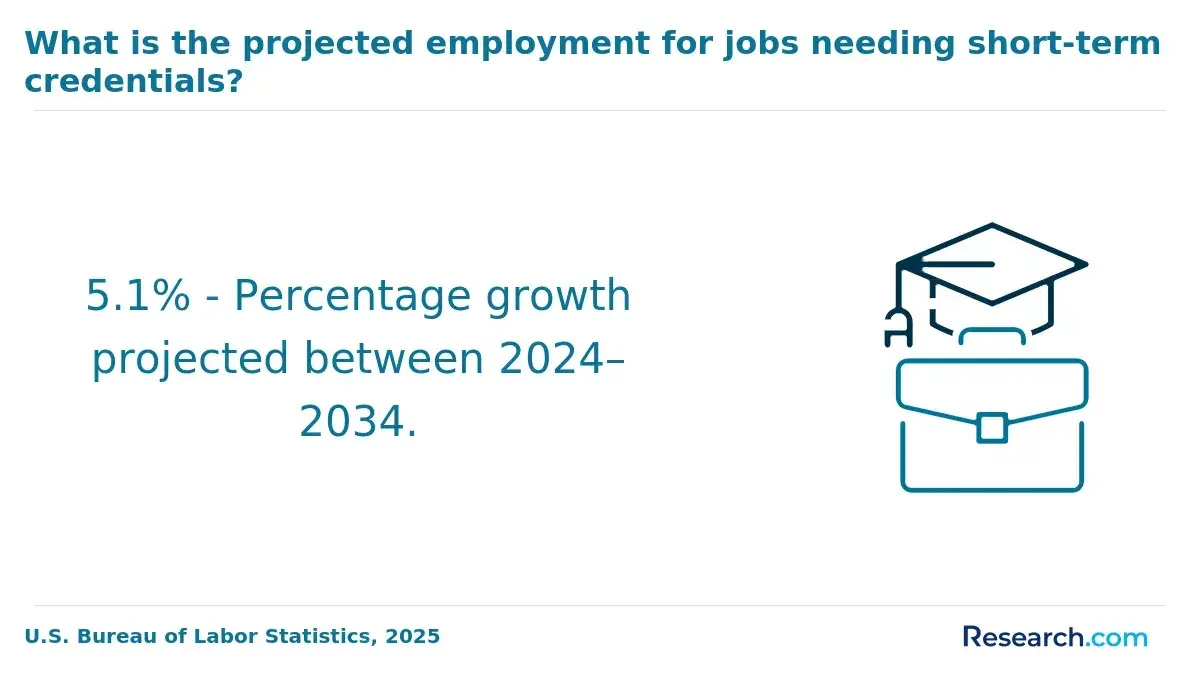
Certifications and short courses offer intelligence graduates practical skills that boost job prospects without enrolling in graduate programs. These focused credentials help candidates display relevant expertise and accelerate career advancement. In fact, recent data shows that 67% of employers in intelligence-related areas prefer applicants with specialized certifications or short-term training.
Below are key credentials and courses that enhance employability for intelligence graduates.
- Certified Information Systems Security Professional (CISSP): This certification demonstrates strong knowledge in cybersecurity principles and practices, a critical area within intelligence work. It signals the ability to protect digital information, making holders highly valuable to employers focused on security.
- Certified Ethical Hacker (CEH): The CEH credential equips professionals to identify weaknesses through simulated cyberattacks. It broadens career opportunities by highlighting expertise in vulnerability assessments and proactive defense tactics.
- Security Clearance Programs: Often provided by governmental or affiliated bodies, these programs validate eligibility for classified assignments. Holding clearance is essential for many intelligence jobs that involve sensitive data, improving candidacy.
- Geographic Information Systems (GIS): Coursework in GIS enhances skills in spatial data analysis, a vital component in intelligence assessment and decision-making. These classes expand analytical capabilities beyond traditional training.
- Open Source Intelligence (OSINT) Training: Focused workshops or online programs teach techniques to gather and analyze publicly available data. Mastery of OSINT is increasingly important for comprehensive intelligence evaluations.
A professional with an Intelligence degree shared that pursuing the CEH certification was a turning point in their career. Despite initial challenges managing the detailed coursework alongside work obligations, the hands-on labs and practical focus prepared them to confidently assess security vulnerabilities. They noted the certification opened doors to roles requiring advanced cybersecurity skills, all without returning to graduate school. This experience underscored how targeted credentials can significantly strengthen job readiness in the intelligence field.
Opportunities for intelligence graduates without advanced degrees differ widely by sector, with some fields more welcoming to those holding only a bachelor's degree. Industries facing broad hiring needs or rapid growth often favor candidates with undergraduate qualifications to meet workforce demands. About 60% of intelligence-related roles across public and private sectors are occupied by individuals with a bachelor's degree or similar experience.
Several industries stand out for their openness to bachelor's-level intelligence graduates:
- Government Agencies: Federal and state entities regularly recruit bachelor's degree holders for positions in analysis, operations, and data handling, driven by continuous national security priorities and large-scale workforce needs.
- Private Security Firms: The increasing emphasis on cybersecurity and threat management in the private sector creates many opportunities. These firms often value practical skills over advanced degrees for roles involving risk assessment and intelligence analysis.
- Information Technology Companies: Rapid growth and high turnover in tech firms lead to frequent hiring of intelligence graduates for roles in data analysis, network security, and cyber threat detection.
- Consulting Agencies: Organizations offering intelligence and analytics services to government or corporate clients typically seek adaptable bachelor's-level analysts capable of handling diverse projects without requiring graduate education.
- Financial Services: Banks and compliance organizations increasingly integrate intelligence for fraud detection and regulatory oversight, relying on bachelor's-level professionals to meet staffing needs in monitoring and investigative functions.
Non-traditional career structures expand opportunities for intelligence degree holders by reducing dependence on formal workplace pathways. Digital and independent work models reshape access to intelligence careers, allowing graduates to engage in meaningful roles without graduate school credentials. A recent Gallup study found that nearly 45% of full-time U.S. employees were working remotely either part- or full-time, highlighting a shift toward flexible labor markets.
The following models demonstrate how intelligence graduates can enter freelance, remote, or non-traditional roles:
- Distributed work systems: These systems enable professionals to contribute remotely from various locations using secure cloud platforms and encrypted communications for data analysis, open-source intelligence, or cyber threat monitoring, eliminating the need to relocate near physical offices.
- Digital-first labor markets: Specialized freelance platforms connect clients with contractors for intelligence-related tasks such as language translation, geospatial analysis, or risk research. This virtual marketplace removes geographic barriers and supports flexible workloads.
- Project-based independent work: Freelance analysts and consultants work on government, private sector, or think tank projects emphasizing deliverables over presence, making it possible to manage multiple contracts remotely without advanced degrees.
- Remote internship and apprenticeship programs: Virtual internships provide valuable experience and networking opportunities, often leading to freelance or full-time roles, widening access beyond traditional geographic or academic limitations.
Although location still influences some opportunities-for example, via time zone alignment or security clearance requirements-these models substantially broaden entry points for intelligence graduates without graduate school qualifications.
Graduates with an intelligence degree often begin building a career without graduate school by entering the workforce directly after completing their bachelor's degree. Access to entry-level jobs for intelligence degree graduates without advanced degrees is crucial, providing essential experience and exposure to professional environments. Around 65% of intelligence bachelor's graduates secure relevant positions within a year, reflecting strong employer confidence in the skills acquired through undergraduate programs. Early career momentum is shaped by these opportunities, allowing individuals to develop practical expertise and establish a foundation for future growth.
Long-term career development in intelligence fields without pursuing graduate studies typically depends on progression within organizations and the gradual expansion of responsibilities. As professionals gain experience, they often achieve advancement through demonstrated job performance, mentorship, and continued on-the-job learning rather than formal education. This pathway varies across roles in sectors such as cybersecurity, defense, and corporate risk management, where multifaceted skills are valued. For those interested in exploring advanced educational options later, resources like the top PsyD programs in the us might be useful for aligning future goals.
Skipping graduate school is a common pathway for many entering intelligence careers, enabling faster immersion into the workforce. While early job access can kickstart professional experience, it may also influence long-term opportunities depending on career direction and employer expectations. Studies show nearly half of hires at certain federal intelligence agencies hold master's degrees or higher, highlighting competitive dynamics.
Below are key pros and cons of skipping graduate school for intelligence careers:
- Early Workforce Entry: Graduates without advanced degrees can start working sooner, gaining practical experience and income faster than peers pursuing further education.
- Opportunity Cost Savings: Avoiding the expense and time commitment of graduate school reduces debt burden and financial risk, which is especially valuable for those prioritizing immediate employment.
- Limited Advancement Potential: Some specialized roles and elite government agencies favor candidates with graduate-level credentials, potentially constraining upward mobility over time.
- Flexible Career Exploration: Entering the field with a bachelor's degree allows individuals to explore various intelligence roles before deciding if advanced study is necessary.
Entry-level intelligence jobs without graduate degrees remain accessible in many sectors, though certain positions maintain high barriers to entry. For those contemplating pathways in intelligence, considering both immediate employment and long-term goals is essential. For related fields, programs like a sport management degree online also offer streamlined educational options worth exploring.
Employment trends for bachelor's level intelligence graduates show a varied but generally positive outlook, with many finding placement in roles that balance accessibility and skill demands. Labor market participation for intelligence graduates frequently reflects steady job placement rates, with median salaries typically ranging between $50,000 and $85,000 depending on the complexity and clearance requirements of positions. Workforce demand remains influenced by evolving geopolitical and technological factors, creating opportunities for graduates prepared to meet changing needs. Those interested can explore pathways highlighted by programs such as the best online social work programs offering valuable skills in related fields.
The landscape of intelligence employment is far from uniform, as outcomes depend heavily on sector-specific conditions and role specialization. While government roles may offer structured pay scales and rigorous hiring processes, private and nonprofit sectors sometimes provide competitive wages with different barriers to entry. These variations underscore the importance of understanding broader labor market demand for intelligence graduates and recognizing that multiple career trajectories exist, each shaped by distinct regional and organizational factors.
What Graduates Say About Intelligence Careers Even Without Pursuing Graduate School
- Callen: "Graduating with an intelligence degree gave me a practical edge when I entered the workforce. I was able to secure a position in cybersecurity right away, thanks to the hands-on projects and real-world scenarios covered in my courses. I often tell friends that the degree prepared me more for my career than I expected without needing to pursue graduate school."
- Koen: "Reflecting on my path, I appreciate how the intelligence program focused on analytical skills and critical thinking, which employers value immensely. I didn't have to get an advanced degree to find meaningful work; my foundation was strong enough to start contributing to my team from day one. The degree effectively bridged academic concepts and workplace demands, making my transition smoother than I anticipated."
- Owen: "My intelligence degree opened many doors immediately after graduation, and I decided against graduate school to dive into the industry. What stood out was how well the curriculum aligned with current intelligence community needs, enabling me to handle complex tasks early in my career. Looking back, choosing direct workforce entry was one of the best decisions I made, and the degree played a crucial role in that success."
Other Things You Should Know About Intelligence Degrees
Experience gained through internships, entry-level positions, or related fields can significantly enhance a candidate's prospects in intelligence careers. Practical skills and on-the-job knowledge often weigh heavily and may offset the absence of a graduate degree.
Most entry-level intelligence roles require at least a Secret clearance, while jobs handling highly sensitive material may need Top Secret or Top Secret/Sensitive Compartmented Information access. Clearance is granted through a federal background investigation, and many positions require U.S. citizenship before the process can begin.
Advancement is possible without a graduate degree, particularly when professionals demonstrate strong performance, leadership, and specialized skills. Many agencies and organizations value experience and certifications that align with intelligence work, allowing growth through career development programs and internal promotions.
- Home https://dodcertpmo.defense.gov/
- Certificate-Program https://www.ni-u.edu/certificates/
- Future of Jobs Report 2025: The jobs of the future – and the skills you need to get them | World Economic Forum https://www.weforum.org/stories/2025/01/future-of-jobs-report-2025-jobs-of-the-future-and-the-skills-you-need-to-get-them/
- How to Start a Career in Intelligence | UMGC Career Connection https://www.umgc.edu/career-connection/articles/careers-in-intelligence
- Entry Level Intelligence Analyst Jobs - ClearanceJobs https://www.clearancejobs.com/q-entry-level-intelligence-analyst
- 12 Highest-Paying AI Jobs You Can Start Without a Degree, According to Codie Sanchez https://finance.yahoo.com/news/12-highest-paying-ai-jobs-170406486.html
- 6 Skills That Will Turn You into a Great Threat Intel Analyst | SECURITY.COM https://www.security.com/expert-perspectives/6-skills-will-turn-you-great-threat-intel-analyst
- 7 in-demand certifications in 2025 | edX https://www.edx.org/resources/in-demand-professional-certifications
- 10 AI Jobs From Home in 2026 – Remote Roles Requiring No Experience https://www.oxfordhomestudy.com/OHSC-Blog/ai-jobs-from-home-zero-experience
- NSA career fields https://www.intelligencecareers.gov/nsa/career-fields