
2027 Intelligence Degree Careers Ranked by Salary, Growth, and Work-Life Balance

Co-Founder and Chief Data Scientist
Choosing the right career path with an intelligence degree often poses a challenge—balancing salary expectations, growth potential, and work-life harmony can feel overwhelming.
Research shows that intelligence—related fields vary significantly, with some roles offering a median salary exceeding $90,000 annually but limited advancement, while others promise faster growth yet lower initial pay. This disparity complicates decision-making for students, recent graduates, and professionals seeking strategic pivots.
This article evaluates intelligence degree careers comprehensively, ranking options based on these three critical factors—salary, career growth outlook, and work-life balance—to guide readers toward well-informed, sustainable career choices.
Key Things to Know About Intelligence Degree Careers Ranked by Salary, Growth, and Work-Life Balance
- Intelligence degree careers offering the highest salaries often involve roles in cybersecurity and data analysis—with median incomes exceeding $90,000, reflecting strong industry demand.
- Projected job growth for Intelligence-related fields such as intelligence analysis and security consulting stands around 12% through 2030, surpassing the average for all occupations.
- Work-life balance varies widely—careers in government agencies typically present more predictable hours compared to private sector roles, which may require overtime during critical operations.
How Are Intelligence Degree Careers Evaluated and Ranked Across Salary, Growth, and Work-Life Balance?
Careers in intelligence degree fields are ranked using a comprehensive three-pillar framework that evaluates salary, career growth, and work-life balance. This approach provides a well-rounded view of career quality-moving beyond compensation alone to incorporate long-term sustainability and personal fulfillment.
Such an evaluation criteria for intelligence degree career paths in the US ensures that prospective professionals can make informed decisions aligned with their values.
- Salary: Median income levels are measured using data from the U.S. Bureau of Labor Statistics' Occupational Employment and Wage Statistics. These median salary figures offer a reliable baseline that reflects typical earnings without distortion from extreme outliers.
- Growth: The framework assesses career growth potential via BLS's ten-year employment projections. This metric emphasizes demand and expansion outlook within each intelligence-related profession, highlighting fields with promising advancement opportunities over time.
- Work-Life Balance: This often overlooked pillar incorporates composite data from several sources: the American Time Use Survey tracks work hours and leisure time; Glassdoor employee reviews gauge subjective job satisfaction and flexibility; and specialized workforce surveys provide industry-specific insights on stress and workload.
The rankings serve as a decision-making tool rather than a strict hierarchy, recognizing that individuals weigh factors differently. For example, one person might prioritize flexibility over income, changing which intelligence degree career path suits them best.
This analysis is especially relevant for high school seniors exploring intelligence as a major, current undergraduates choosing a concentration, recent graduates evaluating offers, or mid-career professionals considering strategic pivots.
Throughout this article, the following intelligence degree careers will be examined through this evidence-based lens:
- Cryptologic Technician: Known for technical expertise and government agency employment.
- Intelligence Analyst: Analysts interpreting diverse data with growing demand.
- Cyber Intelligence Specialist: Focused on cybersecurity with strong expansion prospects.
- Counterintelligence Officer: Vital for national security with complex responsibilities.
- Intelligence Operations Manager: Leadership role balancing strategy and team coordination.
For those wanting to advance quickly in this field, exploring 1 year online masters programs can provide a fast track to higher levels of responsibility and specialized roles.
Which Intelligence Degree Career Paths Offer the Highest Starting and Mid-Career Salaries?
The highest starting and mid-career salaries for intelligence degree careers reflect a balance of specialized expertise, high entry barriers, and the economic value of the work.
According to BLS Occupational Employment and Wage Statistics combined with NACE's annual salary survey, several career paths stand out for both new graduates and seasoned professionals.
These roles show a clear progression from solid entry-level pay to substantial mid-career earnings, making them attractive for those pursuing intelligence degree careers highest starting salaries.
- Cyber Intelligence Analyst: Starting median salaries are around $70,000, increasing to approximately $130,000 mid-career. The rapid evolution of cyber threats and the scarcity of qualified experts who can defend critical infrastructure drive compensation premiums.
- Intelligence Officer (Federal): Entry-level salaries typically begin near $65,000, rising to over $120,000 for mid-career professionals. High pay reflects rigorous security clearance requirements, extensive training, and the critical nature of national security tasks.
- Data Intelligence Specialist: Starting salaries range from $60,000 to $75,000, growing to over $115,000 with experience. Their essential role in converting raw data into actionable intelligence creates sustained demand in both public and private sectors.
- Intelligence Consultant: New graduates earn around $55,000 to $70,000, with mid-career salaries reaching $110,000 or more. Consultants add value by advising on risk mitigation and intelligence strategies across diverse industries.
- Signals Intelligence (SIGINT) Analyst: Entry pay averages $58,000 to $68,000, rising above $105,000 mid-career. Specialized skills in intercepting and interpreting electronic communications are in high demand. Compensation varies widely by employer type, with defense contractors generally offering the most lucrative packages.
Regional factors and employer categories heavily influence pay outcomes. Intelligence professionals in major urban areas or private-sector roles often see higher salaries reflecting cost-of-living differences and competitive markets.
Those researching intelligence degree careers highest starting salaries and top mid-career salaries for intelligence degree holders in the US may also want to explore how specific educational pathways can align with these roles-such as through focused master's programs.
For example, some students pursue advanced studies like MLIS programs that support analytical and research skills complementary to intelligence careers.
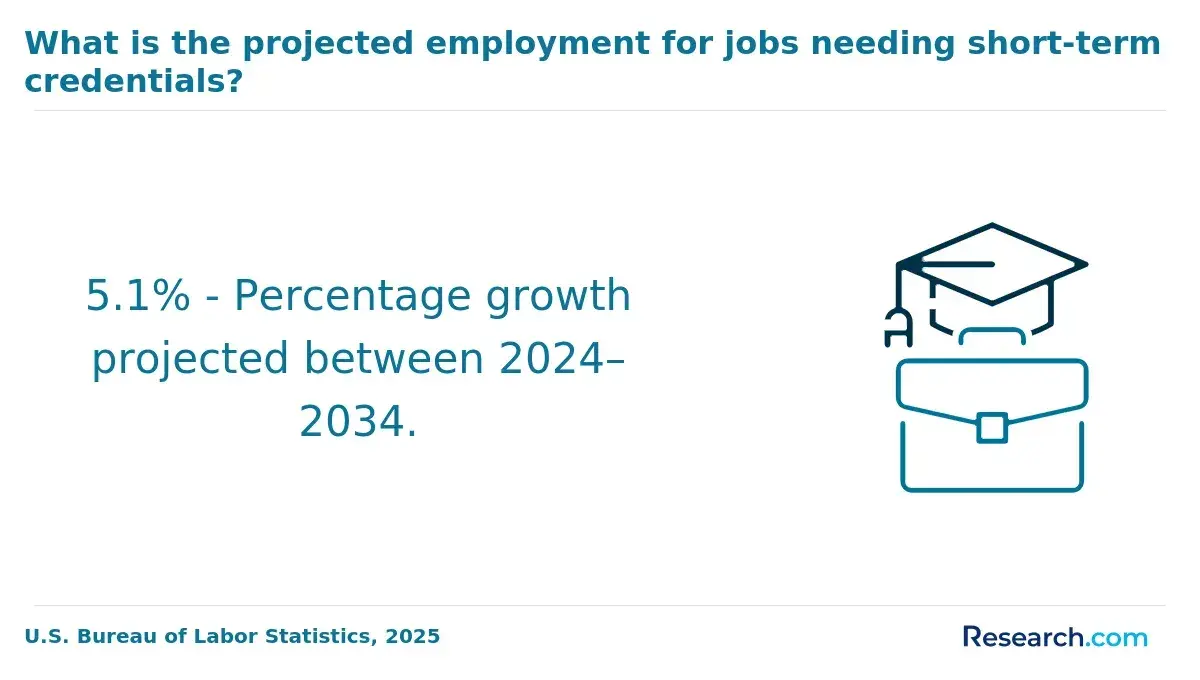
What Do the Bureau of Labor Statistics Job Growth Projections Reveal About the Future of Intelligence Degree Careers?
The Bureau of Labor Statistics projects differing growth rates for intelligence-related occupations over the next ten years, highlighting which fields will expand beyond the national average and which will remain stable or decline.
These trends serve as a crucial guide for those pursuing or advancing careers in intelligence, helping align career choices with evolving economic and technological landscapes.
- Civil Intelligence Analysts: Anticipated to grow more rapidly than average, driven by heightened government funding aimed at national security and intelligence infrastructure enhancements. Ongoing geopolitical tensions and increasing cybersecurity concerns are key factors.
- Cybersecurity Specialists: One of the fastest-growing roles, fueled by rapid digital transformation and escalating cyber threats across public and private sectors. The need to safeguard sensitive information and manage cyber risks sustains strong demand.
- Data Intelligence Analysts: Experience steady growth as organizations embrace big data and advanced analytics. The integration of artificial intelligence and machine learning methods intensifies the value placed on professionals skilled in decoding intricate datasets.
- Military Intelligence Officers: Growth aligns with the national average, supported by consistent defense spending and technological advancements in warfare and intelligence gathering.
- Private Sector Intelligence Consultants: Moderate growth accompanies expanding industries like finance and healthcare, which increasingly seek intelligence-driven competitive insights.
- Intelligence Roles Facing Headwinds: Some traditional intelligence positions show little to no growth due to outdated analytical practices or resistance to adopting new technologies. Professionals in these roles can sustain career momentum by developing skills in emerging areas such as cyber operations and data science.
- Regional Differences: Nationwide projections mask regional nuances-job prospects vary significantly based on local government presence, industry clusters, and technology hubs, influencing growth opportunities.
Reflecting on these trends, a professional who pursued an intelligence degree shared that navigating the career landscape required adaptability and resilience. He described feeling uncertain initially, noting, "The projections helped me focus on roles where growth was tangible, especially in cybersecurity."
Despite challenges in entering some traditional fields, he emphasized the importance of pivoting toward emerging specialties, sharing, "Learning to integrate data science with intelligence opened new doors—it wasn't easy, but it made a difference."
His experience underscores how staying informed on labor market projections can empower intelligence graduates to make strategic career decisions aligned with evolving demand.
Work-life balance is a multifaceted concept evaluated using measurable indicators such as average weekly hours, schedule consistency, remote or hybrid work options, paid time off policies, and employee-reported satisfaction scores from sources like Glassdoor, Indeed, and Payscale. These metrics help measure work-life balance in US intelligence jobs.
Different Intelligence career paths present distinct profiles based on these factors, utilizing data from the Bureau of Labor Statistics' American Time Use Survey, industry workforce assessments, and employer review platforms. For instance:
- Weekly Hours: Analysts typically work around 40-45 hours weekly, whereas field intelligence operatives might exceed 50 hours during mission-critical periods.
- Schedule Predictability: Cybersecurity intelligence positions generally maintain stable schedules, in contrast to human intelligence roles that entail fluctuating hours linked to fieldwork demands.
- Remote Work: Many technical Intelligence roles offer remote or hybrid arrangements, increasing flexibility, while clearance-dependent or on-site roles restrict this option.
- Paid Time Off: Government positions often provide more ample paid leave compared to private contractors.
- Satisfaction Scores: Employee feedback indicates work-life balance improves with career progression and autonomy across sectors.
Work-life balance varies by job title, employer type, and career stage-early-career professionals often face heavier workloads and less control than their more experienced peers. Actively shaping balance through deliberate employer choices and negotiations enhances long-term satisfaction.
Intelligence degree holders can treat work-life balance as a key career design factor, blending it with salary and growth considerations. For those pursuing advanced study, exploring leadership doctoral programs offers avenues to roles with greater control and balance.
Combining salary, career growth, and work-life balance with equal weight reveals a nuanced ranking of intelligence career paths that transcends pure paychecks. Some roles shine due to their balanced attributes rather than leading in any single category.
- Cyber Intelligence Analyst: While not always the highest paid, this role excels in expanding opportunities and offers a notably flexible working environment, giving it an edge in overall ranking.
- Intelligence Officer (Government): Provides solid salary and career progression, paired with government benefits, though demands can fluctuate, slightly impacting work-life balance.
- Data Intelligence Specialist: Features strong growth potential and a mid-to-high salary range, bolstered by tech-driven flexibility and options for remote work.
- Counterintelligence Analyst: Recognized for excellent salary and job stability, though work-life balance varies by assignment and tends to improve after initial career stages.
- Intelligence Consultant: Combines above-average compensation with good growth and adaptable schedules, enabling professionals to tailor hours to client needs.
- Open Source Intelligence (OSINT) Analyst: Commands moderate salaries but stands out for rapid growth and flexible work conditions, ideal for those emphasizing lifestyle balance.
- Intelligence Researcher: Strength lies in steady advancement and manageable hours, though salaries are relatively modest, with opportunities spread between academia and private sectors.
Depending on personal priorities, someone focused on income might prioritize roles like counterintelligence analyst or intelligence consultant. Conversely, those valuing flexibility and lifestyle may prefer cyber intelligence or OSINT analyst positions. Adjusting the emphasis on salary, growth, or balance can help tailor career choices to individual needs.
When discussing these findings with a professional who built her career after earning an intelligence degree, she reflected on the practical impact of these factors. She noted that while a high salary initially attracted her to certain roles, the long hours and intense pressure soon highlighted the value of work-life balance.
Over time, she found that positions offering steady growth and flexibility-though sometimes less lucrative at first-allowed her to maintain motivation and avoid burnout. Her experience underscores the importance of a holistic view in choosing intelligence careers, where adaptability and lifestyle fit often prove as significant as pay.
Choosing a focused specialization within intelligence profoundly shapes salary potential, career advancement, and work-life balance in distinct ways. Compared to a generalist trajectory, each specialization offers a unique combination of financial reward, job growth, and lifestyle considerations that professionals must weigh carefully.
- Cyber Intelligence: This field ranks highest in earning potential due to a shortage of experts and the essential role cybersecurity plays across sectors. BLS data projects growth above 30% through 2030, far outpacing other intelligence roles.
- Signals Intelligence (SIGINT): Analysts in SIGINT earn solid mid-to-high salaries supported by government budgets, with steady but moderate growth.
- Geospatial Intelligence (GEOINT): Involving satellite and mapping technologies, this specialization blends moderate salary with favorable lifestyle benefits.
- Human Intelligence (HUMINT): Field agents and analysts experience variable salaries tied to agency budgets and clearance level, often facing slower growth.
- All-Source Intelligence Analysis: Specialists synthesizing multiple intelligence disciplines earn increasingly higher salaries at senior levels, with solid growth for those combining leadership and broad expertise.
Entering a specialization generally requires targeted graduate study or certifications, such as CISSP for cyber or specific GEOINT credentials. Early career specialization decisively impacts long-term earning potential, career ceilings, and lifestyle outcomes.
While specialists benefit from earlier salary premiums, generalists cultivating broad strategic capabilities often surpass them at senior leadership tiers. Notably, cybersecurity roles are among the fastest growing occupations, underscoring the high demand for specialized technical expertise in intelligence today.
Geographic location significantly influences median salaries, employment growth, and work-life balance for intelligence graduates. Analysis using BLS sub-national Occupational Employment and Wage Statistics alongside state workforce development data reveals marked differences across U.S. regions and metropolitan areas, which are essential for effective career planning.
- Northeast: This region boasts some of the highest median salaries, particularly in Washington, D.C., New York City, and Boston. Nevertheless, elevated living costs often reduce real purchasing power despite high incomes.
- Southeast: The Southeast experiences robust job growth fueled by expanding tech and defense sectors in cities like Atlanta and Raleigh. Salaries here tend to be lower than in the Northeast, but the significantly lower cost of living enhances financial comfort and supports better work-life balance.
- Midwest: Cities such as Chicago and Minneapolis offer competitive wages with moderate job growth. High affordability in housing, taxes, and daily expenses allows intelligence professionals to enjoy improved lifestyle quality and compensation adjustment.
- Southwest: Regions like Dallas and Phoenix demonstrate promising salary growth alongside rising employment. Although salaries are often below coastal averages, favorable living costs promote balanced financial outcomes and lifestyle satisfaction.
- West: The West Coast, including San Francisco and Seattle, delivers top-tier salaries but high housing and living costs diminish actual purchasing power, affecting work-life balance negatively.
Metropolitan areas generally provide higher salaries but also come with increased competition and higher living expenses. Smaller markets offer more affordable housing and less stressful commutes, which are highly valued for maintaining work-life balance.
Remote and hybrid work models have begun to decouple salary from location constraints, enabling some intelligence specialists to earn wages benchmarked to expensive metro areas while residing in lower-cost regions-thereby improving lifestyle flexibility and financial outcomes.
Integrating geographic strategy into career decisions for intelligence graduates requires balancing regional salary prospects, growth opportunities, and personal priorities such as community, commute, and cost of living.
When comparing public sector and private sector intelligence careers across salary, growth, and work-life balance, several distinctions emerge from federal data sources such as the BLS Quarterly Census of Employment and Wages and the Office of Personnel Management compensation tables.
These distinctions help identify which path best suits individual priorities at various career stages.
- Salary: Private sector intelligence roles typically offer higher base salaries across entry, mid, and senior levels-entry-level private analysts often earn 10 to 20 percent more than government counterparts. Mid-career professionals in private firms may receive 25 to 40 percent higher pay, with senior roles benefiting further from performance bonuses and stock options.
- Growth: Public sector intelligence career growth is robust within agencies linked to national security, homeland defense, and infrastructure protection. The Department of Defense and Department of Homeland Security, among others, are expanding hiring to meet geopolitical and technological demands.
- Work-Life Balance: Public sector intelligence roles generally provide more predictable schedules, generous leave policies, and cultures focused on long-term well-being-factors contributing to higher job satisfaction in surveys.
For those exploring academic paths supporting careers in intelligence fields, selecting among online schools for real estate can provide a flexible education foundation while balancing career demands.
Advanced degrees and certifications have a measurable impact on intelligence career salary growth, career advancement, and work-life balance.
Drawing on data from the National Association of Colleges and Employers (NACE) and the Bureau of Labor Statistics (BLS), education beyond a bachelor's degree typically results in significant salary premiums and opens doors to higher-level roles.
- Master's Degree: Offers a salary increase of about 15-25% over a bachelor's degree, requiring 1-3 years of full-time study. This investment grants access to leadership and specialized analyst roles that are otherwise less accessible.
- Doctoral Degree (PhD): Often leads to research, academic, or high-level strategic positions with salary boosts exceeding 30%. The commitment can exceed 4 years and may challenge work-life balance initially, though senior academic or consultancy roles can provide more autonomy later.
- Professional Certifications (e.g., Certified Intelligence Analyst, CISSP): These credentials usually take several months to a year to earn and offer salary increases of 10-20%. They validate specialized expertise and can accelerate promotions, particularly in government or private intelligence sectors.
- Career Growth: Advanced credentials fast-track progression into management or specialized technical fields, which BLS and professional bodies identify as areas with strong employment growth.
- Work-Life Balance: Senior roles connected to advanced education can offer greater schedule flexibility. However, some certifications place professionals in high-stress operational roles where balance may decline despite higher pay.
- Return on Investment: Deciding which credential to pursue should align with your specific career goals-salary, advancement, or lifestyle. Accumulating multiple credentials without a focused plan can dilute benefits and delay career progress.
For those exploring options aligned with their priorities, resources like affordable online interdisciplinary studies degrees can provide a strategic pathway to earning valuable credentials efficiently.
Flexibility in location varies significantly across Intelligence career paths. Positions centered on data analysis, cybersecurity, and open-source intelligence frequently allow for remote or hybrid work, with Owl Labs reporting that roughly 40% of tech-oriented Intelligence jobs include some remote option.
In contrast, field agents, signals intelligence analysts handling classified information, and roles necessitating access to secure sites generally require working on-site, limiting remote prospects.
Remote Intelligence roles usually offer salaries on par with their in-person equivalents, although minor region-based differences exist. Geographic arbitrage empowers remote workers to earn high-market wages while residing in lower-cost areas, effectively boosting their real income.
LinkedIn data reveals a trend of remote Intelligence professionals leveraging this advantage to increase take-home pay without compromising career quality.
The effect of remote or hybrid work on promotions depends on the sector and employer. Some Intelligence fields have embraced distributed work environments, maintaining normal career progression and visibility.
However, highly collaborative or clearance-heavy roles may see slower advancement for remote employees due to fewer informal interactions. Excelling in digital communication and ensuring performance is visible are vital to overcoming these challenges.
Benefits of remote work include eliminated commute times, flexible hours, and greater autonomy. Nevertheless, studies warn of blurred work-life boundaries and an "always-on" culture that can strain certain individuals or home settings.
According to the BLS American Time Use Survey, employees in remote-compatible Intelligence positions report a 12% improvement in perceived work-life balance, though personal experiences vary widely.
The 2023 State of Remote Work report highlights a 15% yearly increase in hybrid roles within Intelligence-related technology jobs, signaling growing employer acceptance and worker preference for flexibility.
Intelligence careers combining competitive salaries, solid growth prospects, and sustainable work-life balance are often found where structured workflows and clear mission goals reduce unpredictable demands.
Data from Glassdoor, PayScale's Work-Life Balance Index, and the BLS American Time Use Survey highlight several intelligence roles that consistently rank high across these three factors-showing that strong pay does not have to come at the expense of career satisfaction or personal time.
- Intelligence Analyst: Typically employed by federal agencies, defense contractors, or major financial firms, analysts benefit from predictable 9-to-5 schedules and well-defined responsibilities.
- Cyber Intelligence Specialist: Found in both government and private sectors, these roles offer growing demand and competitive salaries.
- Intelligence Operations Officer: While some assignments can be demanding, many domestic and corporate positions provide more predictable schedules and structured rotations.
- Open Source Intelligence (OSINT) Analyst: Using publicly available data, OSINT analysts often work in consulting or media firms with fewer crisis pressures.
It is essential to recognize that work-life balance varies by individual-factors like team culture, management style, and personal boundaries influence one's experience.
These rankings serve as helpful starting points for further employer research rather than guarantees of specific lifestyles. Notably, recent BLS figures indicate a rising trend in remote and flexible work arrangements across intelligence fields, favoring long-term career sustainability without sacrificing advancement.
What Graduates Say About the Intelligence Degree Careers Ranked by Salary, Growth, and Work-Life Balance
- Harry: "Pursuing an intelligence degree opened my eyes to how crucial salary can be when choosing a career path in this field - many roles offer competitive pay that truly reflects the specialized skills required. However, what surprised me the most was the importance of long-term career growth; the industry constantly evolves, so staying adaptable is key to advancement. My day-to-day work-life balance is healthier than I expected, with many roles offering flexible schedules that help maintain personal well-being alongside professional challenges."
- Sandy: "Reflecting on my journey, I recognize that while the intelligence field often promises impressive salaries, the real reward lies in the steady career progression opportunities. Not every intelligence-related job is the same in terms of growth potential, so ranking careers by this measure helped me plan more thoughtfully. Yet, the aspect I find most valuable is the manageable work-life balance-many positions allow for remote work and reasonable hours, which is a blessing in today's demanding world."
- Luke: "From a professional standpoint, evaluating intelligence degree careers by salary, growth, and balance offered a well-rounded lens to decide my next steps. High salary brackets tend to align with specialized roles, but these often require ongoing certifications and training to ensure long-term career advancement. The day-to-day work-life balance varies widely, so weighing this factor was essential in finding a role where I could excel without burnout."
Other Things You Should Know About Intelligence Degrees
Entry-level intelligence careers typically offer lower salaries and more structured growth paths compared to senior-level roles. Early positions often require longer hours and intensive training, which can impact work-life balance. By contrast, senior intelligence professionals usually earn significantly higher salaries, have more influence over projects, and enjoy improved flexibility in their schedules, enhancing balance.
Many federal intelligence roles require at least a Top Secret clearance, and some analytic, cyber, or counterintelligence jobs also need access to Sensitive Compartmented Information. Federal hiring usually starts with a background investigation, fingerprinting, and a polygraph for certain agencies.
Students and graduates should consider this ranking as a starting point for understanding which intelligence careers align with their priorities-whether that be salary, advancement potential, or lifestyle. It is important to balance personal goals with market realities, using the ranking to identify roles that offer the right mix of compensation, growth, and sustainable workloads over time.
- The Impact Of Advanced Degrees On Career Advancement And Earnings - FasterCapital https://fastercapital.com/topics/the-impact-of-advanced-degrees-on-career-advancement-and-earnings.html
- What drives the geography of new graduates? - Centre for Cities https://www.centreforcities.org/reader/great-british-brain-drain/drives-geography-new-graduates/
- Randstad survey finds work-life balance more important than pay for workers | News | Research live https://www.research-live.com/article/news/research-finds-worklife-balance-more-important-than-pay-for-workers/id/5135013
- Private v Public Sector: Which is Winning The Race for High Impact Intelligence? » Karve https://www.karveinternational.com/insights/private-v-public-sector-which-is-winning-the-race-for-high-impact-intelligence-
- Work-Life Balance https://www.academia.edu/119799077/Work_Life_Balance
- Work-Life Balance in Remote Working and How to Maintain It https://cuckooworkout.com/how-to-maintain-work-life-balance-in-hybrid-and-remote-work/
- Job Specialization: The Hidden Key to Career Success in 2025 https://taggd.in/hr-glossary/job-specialization/
- 8 High-Paying Professions With Work-Life Balance https://finance.yahoo.com/news/8-high-paying-professions-life-201115700.html
- Indicator: Hybrid Work https://www.gallup.com/401384/indicator-hybrid-work.aspx


