2027 Hybrid vs Fully Online Educational Studies Bachelor's Degree Programs

Co-Founder and Chief Data Scientist
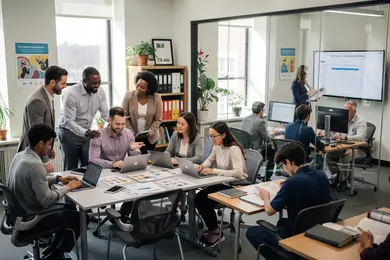
A single parent working full-time contemplates the best way to pursue a bachelor's degree in educational studies. Their choice hinges on balancing the convenience of attending classes fully online from home with the benefits of hybrid programs that combine remote learning with face-to-face sessions. The decision weighs heavily as access to hands-on experiences and building in-person networks could influence future job opportunities.
Studies indicate that over 60% of students enrolled in online educational studies programs value flexibility as their top priority. This article explores the key differences between hybrid and fully online options, helping students identify the format that aligns with their lifestyle and career goals.
Key Benefits of Hybrid vs Fully Online Educational Studies Bachelor's Degree Programs
- Hybrid programs offer flexible scheduling with some on-campus sessions, enhancing hands-on learning opportunities not typically available in fully online formats.
- They provide increased in-person interaction, fostering stronger peer and faculty connections crucial for educational studies practice and networking.
- Hybrid formats better support balancing education with work and family, combining online convenience with structured campus engagement for comprehensive support.
What Is a Hybrid vs Fully Online Educational Studies Bachelor's Degree?
Hybrid and fully online educational studies bachelor's degree programs vary primarily in their delivery methods, the extent of in-person interaction, and the overall structure of learning. Approximately 45% of undergraduate students have taken at least one online course, reflecting the rising appeal of flexible education formats. The following outlines how these two options compare across key characteristics.
Hybrid Programs
- Course delivery blends online learning with scheduled in-person classes or workshops, encouraging direct engagement with instructors and peers.
- Students are expected to manage campus visits for certain sessions, which can create routine but requires geographic feasibility.
- Interaction is more personal and face-to-face, fostering a more connected academic community.
- The learning experience often includes hands-on activities and opportunities for real-time feedback during in-person meetings.
Fully Online Programs
- Instruction is conducted entirely through virtual platforms, allowing study from any location without campus attendance requirements.
- Scheduling is generally flexible, with asynchronous options enabling students to access lectures and complete assignments on their own time.
- Communication occurs via digital tools such as video lectures, discussion boards, and email, which may limit spontaneous interaction.
- This format emphasizes self-directed learning and the development of strong time-management skills.
- Many online programs align with trends seen in doctoral programs online, highlighting their growing credibility and accessibility.
These distinctions are important for students considering hybrid educational studies bachelor's degree programs explained alongside fully online educational studies bachelor's degree format, helping them select the option that best suits their lifestyle and academic preferences.
How Does a Hybrid vs Fully Online Educational Studies Bachelor's Degree Program Work?
Both hybrid and fully online educational studies bachelor's degree programs follow structured academic pathways that guide students semester by semester. However, they differ significantly in how coursework is delivered and the ways students interact with instructors and classmates. According to the National Center for Education Statistics, more than 75% of U.S. degree-granting institutions have offered online courses recently, with hybrid program enrollment steadily increasing. Below is a comparison of how hybrid and fully online educational studies degree delivery methods operate.
Hybrid Programs
- Course delivery is divided between in-person lectures and online assignments, supporting the hybrid educational studies bachelor's degree program structure.
- Students engage in face-to-face discussions combined with online forums or video conferences.
- On-campus sessions follow a fixed schedule, while online coursework is often completed asynchronously.
- Communication with instructors and peers happens through classroom interaction, LMS messaging, emails, and occasional live virtual meetings.
Fully Online Programs
- All course materials, including lectures and readings, are accessed exclusively via the online platform.
- Class participation occurs through discussion boards, group projects, and live webinars or video calls.
- The scheduling is more flexible, with most courses offered asynchronously for study at the student's own pace.
- Communication with instructors and classmates occurs through LMS chats, emails, and scheduled virtual office hours.
- Students interested in accelerated paths can explore options like the fastest online psychology degree for comparison.
Are Admission Requirements Different for Hybrid and Fully Online Educational Studies Bachelor's Degrees?
Admission criteria for hybrid and fully online educational studies bachelor's degree programs largely overlap, as both strive to uphold academic quality while fitting various learner situations. Still, slight variations emerge based on how programs are structured and institutional rules. Below are some key distinctions to consider.
- Technical Requirements: Fully online programs typically expect applicants to have steady internet access, a compatible device, and sometimes completion of an online orientation. Hybrid programs may have fewer technology demands since in-person classes reduce reliance on digital platforms.
- Geographic and Residency Conditions: Hybrid students often need to reside near the campus to participate in face-to-face sessions, requiring proof of local residency or commuting plans. In contrast, fully online students can usually enroll regardless of location.
- Prerequisite Experience: Hybrid programs sometimes emphasize previous classroom experience or relevant coursework to prepare students for hands-on components. Fully online pathways tend to focus more on general academic qualifications without mandating specific prior experience.
- Application Documentation: Both formats ask for transcripts, recommendations, and personal statements, but hybrid programs may require additional materials like vaccination records or health clearances to meet on-campus policies.
When I asked a student enrolled in a fully online educational studies program about her experience, she shared that navigating the technical readiness checklist felt daunting initially. "Ensuring my computer met all the program's software requirements took some trial and error," she recalled. She also appreciated not needing to relocate or schedule campus visits, which eased her application process significantly. Although the admissions process was competitive, she found the flexible, location-independent nature of fully online admissions "really suited my situation and helped me focus on preparing academically."
Is the Learning Experience Better in Hybrid vs Online Educational Studies Bachelor's Degrees?
Hybrid educational studies bachelor's degree programs combine in-person and online learning, offering a more interactive and engaging experience. Students benefit from face-to-face interaction with instructors and classmates, which often leads to richer discussions and immediate feedback. This format fosters a sense of community and collaboration that can enhance comprehension and motivation. Access to campus facilities such as libraries and tutoring centers further supports hands-on learning and academic success.
Overall, hybrid programs accommodate diverse learning preferences by blending traditional and digital methods. Fully online educational studies programs prioritize flexibility for students juggling various responsibilities like work or family. While lacking a physical classroom, they often incorporate interactive features such as video calls, forums, and group projects to encourage communication.
However, the level of engagement can depend heavily on the technology and course design, sometimes making the experience feel more isolated. Online programs rely on digital resources, which provide convenience but may lack the immediacy of on-campus support. Success in this format requires strong self-discipline and ease with technology to create an effective learning environment.
Which Is More Flexible: Hybrid or Fully Online Educational Studies Bachelor's Degree?
Hybrid educational studies bachelor's programs typically combine online coursework with scheduled on-campus sessions, which require students to attend in person at specific times. This scheduling structure can limit flexibility for individuals with unpredictable work or family obligations, as some components are time- and location-dependent. However, hybrid formats blend digital learning with face-to-face interaction, offering a predictable routine that benefits those who prefer some direct contact with instructors and peers. The balance of online convenience and in-person engagement creates a moderately flexible option.
Students considering flexible learning options in educational studies bachelor's programs should weigh how much structure suits their lifestyle before choosing hybrid paths. Fully online educational studies degrees offer greater adaptability by allowing students to access lectures and assignments remotely and asynchronously.
This flexibility lets learners organize their study times around personal and professional commitments without fixed on-campus requirements. According to a 2023 Online Learning Consortium report, 85% of online students rank scheduling flexibility as the main benefit of fully online learning. Such programs enable maximum control over when and where studies occur, fitting well with diverse, busy lifestyles. For those seeking cost-effective alternatives with flexible formats, exploring cheap online masters can also provide insights into affordable, flexible educational opportunities.
What Is the Workload for Hybrid vs Fully Online Educational Studies Bachelor's Degrees?
Both hybrid and fully online educational studies bachelor's degree programs meet similar academic benchmarks but differ in delivery and scheduling, which affects how students manage their time. Research from the Online Learning Consortium in 2022 shows that learners in online courses typically dedicate 12 to 15 hours per week to their studies, a workload comparable to on-campus courses but organized differently. These distinctions in pacing and structure shape the overall student experience.
In hybrid educational studies programs, students balance in-person class time with online coursework. Scheduled sessions on campus, such as lectures and group discussions, require blocking out set periods during the week, offering structure and recurring deadlines. While the in-person element fosters routine, it also involves commuting and adherence to a campus timetable, which may limit flexibility. Online components generally consist of asynchronous activities like readings, quizzes, and participating in discussion forums, demanding careful time planning outside of classroom hours.
Fully online educational studies programs rely heavily on asynchronous learning, allowing students to access materials and complete assignments at their convenience. This approach grants flexibility but places strong emphasis on self-discipline and time management. Assignments, projects, and exams are submitted through digital platforms with deadlines but no fixed meeting times, requiring students to create personalized study schedules. As a result, learners must be proactive in balancing coursework alongside other personal and professional commitments to maintain steady progress.
How Does Tuition Compare for Hybrid vs Online Educational Studies Bachelor's Degrees?
Tuition structures for hybrid and fully online educational studies bachelor's degree programs can vary widely depending on institutional policies, credit requirements, and additional student fees. On average, hybrid programs may cost up to 10-15% more per credit hour than fully online programs due to the combination of in-person and digital resources. These cost differences reflect the distinct delivery models and the resources each format requires.
- Per-Credit Costs: Hybrid programs generally charge higher per-credit tuition to cover the expenses of both classroom and online delivery formats, whereas fully online programs often benefit from lower rates because they rely on streamlined digital infrastructure.
- Technology and Campus Fees: Students in hybrid programs usually incur both technology fees and campus facility fees, while those in online programs typically pay only technology access fees, reducing overall charges.
- Residency and Facility Charges: Hybrid learners sometimes face additional residency-based fees if on-campus attendance is required, which can further increase their total program costs compared to fully remote students.
- Payment Flexibility: Fully online programs often provide more flexible payment plans and modular course offerings, enabling students to better manage upfront costs and cash flow concerns.
- Additional Student Services: Hybrid students frequently have access to more extensive in-person support services, which are sometimes reflected in higher service fees compared to the virtual support available to online students.
When asked about his experience managing tuition costs, a graduate from a hybrid educational studies bachelor's degree recalled the challenge of budgeting for periodic campus visits alongside regular online coursework. "Balancing the technology fees with the unexpected campus facility charges was tricky at times," he explained.
"There was a learning curve in understanding how these fees accumulated each semester, especially since I had to plan for travel expenses as well." Despite these challenges, he appreciated the access to on-campus resources but noted that the hybrid tuition structure required careful financial planning compared to fully online options.
Do Employers Prefer Hybrid or Fully Online Educational Studies Bachelor's Degrees?
Employer perceptions of hybrid and fully online educational studies bachelor's degrees have evolved considerably as technology and accreditation have advanced. Around 70% of employers now view online degrees as comparable to traditional ones when earned from accredited institutions. This growing acceptance sets the stage for comparing hybrid versus fully online formats in terms of employer preference.
- Credibility and Recognition: Hybrid degrees often benefit from a perception of greater credibility due to in-person learning components, which many employers associate with deeper engagement. Fully online degrees are increasingly accepted, yet some skepticism persists among employers less familiar with online formats.
- Skill Development: Hybrid programs emphasize collaboration and campus experiences, valued for fostering interpersonal skills. Fully online graduates, especially in fields like education, demonstrate strong digital literacy and self-motivation-qualities sought after in modern, tech-forward school districts.
- Regional and Sector Variations: Urban and private education employers commonly embrace both degree types equally, while traditional rural or public school employers may lean toward hybrid degrees to prioritize campus engagement and face-to-face interactions.
- Employer Acceptance of Online Educational Studies Bachelor's Degrees: The overall trend shows diminishing bias, with many employers now focusing more on candidate competencies and experience rather than the delivery mode of their degree.
Students weighing hybrid vs fully online educational studies degrees should consider how employer preferences align with their career goals and lifestyle. Those interested in advancing their education might explore options like a masters in child psychology next, to further enhance their qualifications.
Who Should Choose a Hybrid vs Fully Online Educational Studies Bachelor's Degree?
The choice between hybrid and fully online educational studies bachelor's degree programs depends largely on individual learning preferences, scheduling flexibility, and personal lifestyle needs. Some learners benefit from face-to-face interaction combined with online convenience, while others require the freedom to study independently at any time. These factors play a crucial role in determining which format aligns best with a student's goals and circumstances.
- Preference for In-Person Interaction: Students who thrive in direct engagement with instructors and peers often choose hybrid formats. This environment supports enhanced understanding through immediate feedback and collaborative discussions.
- Structured Schedule Needs: Learners who maintain consistent study habits by following fixed class times may find hybrid programs offer the right balance between routine and flexibility.
- Hands-On Learning: Those seeking opportunities for practical or group projects that are easier to manage in person typically benefit from hybrid educational studies options, known among the best hybrid educational studies bachelor's degree programs.
- Schedule Flexibility: Fully online programs suit working professionals balancing jobs and family who require asynchronous learning to adapt studies around their responsibilities.
- Remote Accessibility: Individuals living in rural or hard-to-reach areas find fully online studies most convenient, bypassing geographical limitations.
- Self-Motivated Learners: Students comfortable with digital communication and managing their time independently thrive in fully online formats, taking advantage of the online interdisciplinary studies bachelor programs low cost and flexible access.
Ultimately, understanding the fully online educational studies degree advantages alongside the benefits of hybrid learning is essential for selecting the right program that fits personal preferences and life demands.
How Can I Succeed in a Hybrid vs Fully Online Educational Studies Bachelor's Degree Program?
Approaches for thriving in hybrid and fully online educational studies bachelor's degree programs vary due to their differing formats and modes of interaction. Hybrid programs blend in-person and virtual learning, requiring adaptability to both settings, while fully online programs depend solely on digital engagement and self-regulation. The following strategies can help students excel in either learning environment.
- Time Management: Hybrid students need to coordinate on-campus attendance with online assignments, creating balanced schedules. Fully online learners benefit from establishing regular routines to maintain progress without in-person cues.
- Active Engagement: Those in hybrid programs should maximize face-to-face discussions and campus networking opportunities, whereas fully online students must participate actively in virtual forums and communicate frequently with peers and instructors.
- Study Environment: Hybrid learners can utilize campus libraries and group study sessions for reinforcement, while fully online students should design distraction-free home workspaces and use digital note-taking tools to stay organized.
- Technological Skills: Both formats require proficiency with learning platforms, but fully online students often need deeper familiarity with video conferencing, collaboration apps, and resolving internet issues.
- Self-Motivation: Self-driven effort is pivotal, especially online where supervision is minimal; hybrid students find motivation in classroom interaction but must remain disciplined during asynchronous tasks.
- Academic Support: Hybrid students can take advantage of in-person tutoring, while online learners should utilize virtual office hours and web-based writing centers offered by their institutions.
What Graduates Say About Hybrid vs Fully Online Educational Studies Bachelor's Degree Programs
- Raphael: "Choosing a fully online educational studies bachelor's program allowed me to balance work and family without sacrificing my education. The flexibility to access coursework anytime truly made the experience manageable and rewarding. Now, in my teaching career, I find that the skills I gained from diverse, virtual discussions have deepened my understanding of student needs in different environments."
- Russell: "Enrolling in a hybrid educational studies bachelor's program was initially challenging but ultimately enriching. The blend of in-person interaction and online learning helped me develop strong time management skills and adapt to various instructional methods. This experience has made me a more versatile educator, ready to engage students both inside and outside the classroom."
- Theo: "My decision to pursue a fully online educational studies bachelor's degree stemmed from a desire to continue working while advancing my education. Navigating the program required discipline and self-motivation, but it allowed me to directly apply new theories to my current role. The professional growth I've experienced has been significant, especially in crafting inclusive lesson plans informed by my coursework."
Other Things You Should Know About Educational Studies Degrees
Both hybrid and fully online Educational Studies bachelor's degrees typically adhere to the same accreditation standards set by regional and national accrediting bodies. Accreditation ensures that the curriculum, faculty qualifications, and resources meet rigorous academic quality benchmarks regardless of delivery format.
In 2027, both hybrid and fully online programs strive to incorporate practical fieldwork through virtual simulations, local partnerships, and scheduled in-person sessions. Hybrid programs typically offer more structured in-person field experiences, while online programs may rely more on digital tools and local arrangements for practical exposure.
Hybrid programs often offer more direct networking opportunities through in-person classes, events, and group projects, which can facilitate peer and faculty connections. Fully online programs may provide networking primarily through virtual forums, online study groups, and occasional live webinars.
References
- Maximize Your Hybrid Learning Experience: Tips for Success - MIUniversity https://miuniversity.edu/en/orientation/maximize-your-hybrid-learning-experience-tips-for-success/
- Should we teach in hybrid mode or fully online? A theory and empirical investigation on the service–profit chain in MBAs | Rennes School of Business https://www.rennes-sb.com/news/should-we-teach-in-hybrid-mode-or-fully-online-a-theory-and-empirical-investigation-on-the-serviceprofit-chain-in-mbas/
- Is Online College More Affordable? | UT San Antonio Online https://online.utsa.edu/blog-content/cost-of-an-online-degree-vs-traditional-education/
- Online, Hybrid, and More: Flexible Learning Options in College - ReUp Education https://reupeducation.com/blog/online-hybrid-and-more-flexible-learning-options-in-college/
- The Best of Both Worlds: Exploring the Benefits and Challenges of Hybrid Education https://www.facultyfocus.com/articles/online-education/online-course-delivery-and-instruction/the-best-of-both-worlds-exploring-the-benefits-and-challenges-of-hybrid-education/
- Future Of Education: Exploring Hybrid Bachelor's Degree Programs https://www.bachelorsdegreecenter.org/hybrid-bachelors-degree-programs/
- Hybrid class vs. online: Choosing the best for your student https://www.asuprepdigital.org/blog/hybrid-class-vs-online/