2027 Human Resource Management Degree Programs for Career Changers

Co-Founder and Chief Data Scientist
Career changers often face challenges when entering the human resource management field without formal credentials, limiting their job prospects despite relevant experience. According to the Society for Human Resource Management, 45% of HR professionals entering the field after age 30 hold a specialized degree, highlighting the demand for academic qualifications among adult learners. This gap underscores the importance of structured education to build foundational knowledge in compliance, recruitment, and employee relations. This article explores how human resource management degree programs provide targeted learning and practical tools to help career changers transition smoothly, equipping them for success in the evolving workforce landscape.
Key Things to Know About Human Resource Management Degree Programs for Career Changers
- Many programs offer flexible scheduling and online or hybrid formats, enabling working adults to balance education with existing job responsibilities effectively.
- Accelerated degree tracks can reduce completion time by up to 30%, helping career changers enter the human resource management workforce faster.
- Curricula often align with employer needs, integrating practical skills and compliance knowledge to enhance career relevancy and job placement prospects.
What Human Resource Management Programs Accept Career Changers?
Human resource management degree programs that cater to working adults and professionals shifting careers often provide flexible prerequisites and practical curricula. This approach supports students in leveraging existing skills while pursuing new career goals. Nearly 40% of graduate students in the U.S. are over 30 years old, highlighting the increasing participation of nontraditional students seeking advanced education.
Four types of human resource management programs particularly welcome career changers:
- Online Master's Degrees: These programs offer flexible scheduling and asynchronous coursework, enabling busy professionals to balance studies with current commitments. Their curricula often focus on real-world application to aid smooth career transitions.
- Hybrid Programs: Combining online learning with in-person sessions, hybrid programs provide hands-on experiences while maintaining flexibility. This format helps career changers develop practical skills without sacrificing their jobs.
- Certificate Programs: With fewer prerequisites and a focus on core competencies, certificate programs are ideal for professionals aiming for a swift entry into human resource management roles. They offer targeted knowledge and skill-building in a shorter timeframe.
- Post-Baccalaureate Programs: Designed for students with degrees in unrelated fields, these programs deliver foundational knowledge essential for effective human resource management practice. They support admissions focused on diverse academic backgrounds.
Each program type incorporates transferable skills training and emphasizes practical readiness, helping students navigate career changes confidently. Those interested in flexible learning opportunities may also explore online BCBA programs as part of broader career development resources relating to human resource management admissions for nontraditional students.
What Human Resource Management Specializations Are Best for Career Changers?
Choosing the right human resource management specialization is essential for career changers to align their existing skills with market demands and improve employability. The U.S. Bureau of Labor Statistics projects a 10% growth in Human Resource specialist roles from 2022 to 2032, faster than the average for all occupations, highlighting the advantage of strategic specialization.
Below are four top specializations that are favorable for career changers.
- Talent Acquisition: Ideal for individuals with backgrounds in sales or communications, this specialization leverages relationship-building and negotiation skills to attract and hire the best talent, making it highly accessible for career changers with interpersonal strengths.
- Employee Relations: Well suited for professionals experienced in conflict resolution or counseling, focusing on fostering positive workplace culture and managing disputes effectively, which enhances career mobility in various industries.
- Training and Development: Perfect for educators and trainers transitioning careers, this track emphasizes skill-building and facilitation, allowing newcomers to apply teaching expertise to workforce development.
- Compensation and Benefits: Designed for those with finance or analytical experience, this specialization involves designing and managing employee reward systems, offering a transferable skill set attractive to employers.
Each of these specializations supports transferability of existing expertise, making them among the best human resource management degree tracks for career changers seeking to shift efficiently into this dynamic field.
For professionals considering further education options, exploring programs recognized as the cheapest online business degree can provide affordable pathways to gaining critical human resource management competencies.
What Are the Admission Requirements for Career Changers Applying to a Human Resource Management Program?
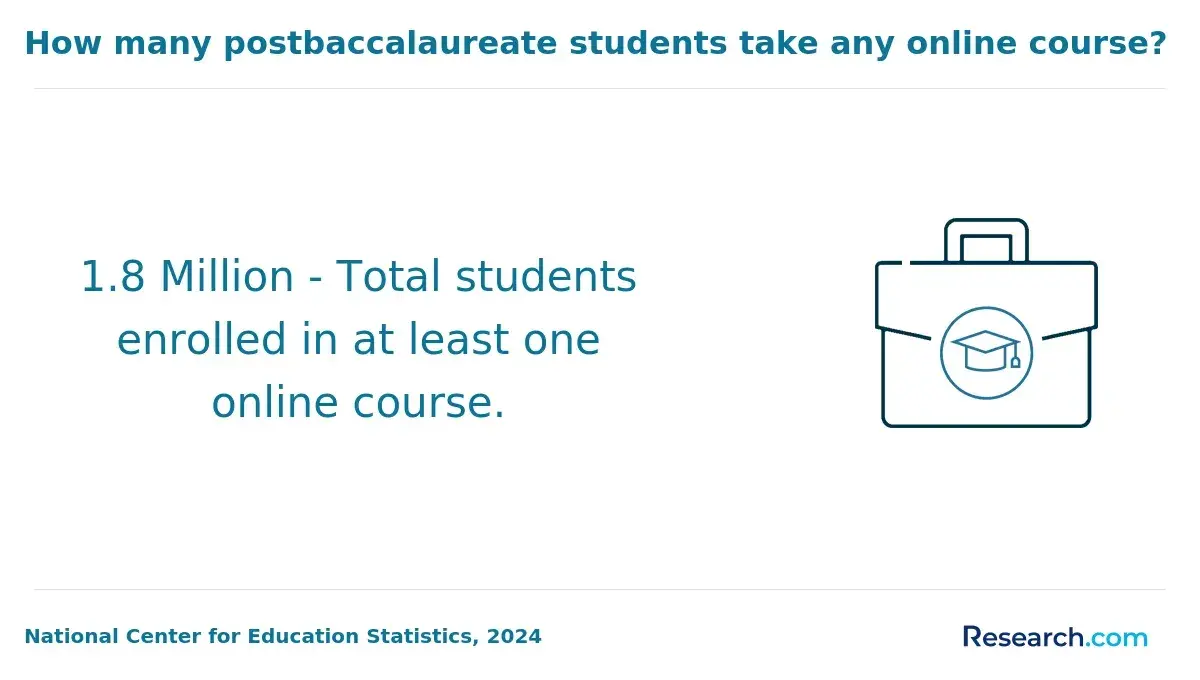
Admission requirements for career changers applying to a human resource management program often differ from traditional routes, making it vital to understand how to meet prerequisites for enrollment as a nontraditional student. In fact, adult learners made up over 40% of postsecondary enrollments, reflecting the increasing presence of flexible admissions pathways.
Below are common requirements designed to accommodate career changers' unique situations.
- Bachelor's Degree: A completed bachelor's degree from any accredited institution is typically required, offering flexibility by accepting degrees from diverse fields.
- Professional Experience: Relevant work experience can sometimes replace specific academic prerequisites, recognizing transferable skills gained in prior careers.
- Standardized Tests: Many programs require GRE or GMAT scores; however, these are frequently waived for experienced professionals to ease the application process.
- Statement of Purpose: Applicants must explain their motivation for shifting careers and outline their future goals, helping programs assess commitment and clarity.
- Letters of Recommendation: Endorsements from employers or academic mentors provide insight into an applicant's capabilities and potential for success in human resource management.
Programs also emphasize flexibility through part-time, evening, or online formats to support working adults. Alternative pathways such as prior learning assessments and relevant certificates can strengthen an application.
For working professionals interested in finding cost-effective options, exploring the cheapest psychology degree online programs can offer insights into affordable adult education models.
For career changers, examining the coursework of a human resource management degree is vital to understand how programs offer practical, applicable knowledge that fits around busy schedules. Many programs are crafted with flexibility in mind, often providing online or part-time options tailored for working adults.
Key areas of study typically include:
- Introduction to Human Resource Management: Introduces essential concepts like recruitment, employee relations, and how organizations are structured, giving students a solid foundation in the field.
- Employment Law and Compliance: Covers workplace legalities including labor laws and ethical standards, critical for making informed, responsible HR decisions.
- Talent Acquisition and Staffing: Focuses on hiring strategies and maintaining a strong workforce to meet organizational objectives.
- Training and Development: Discusses ways to improve workforce capabilities through educational programs and performance management.
- Compensation and Benefits: Reviews how to design competitive pay and benefits plans to attract and retain employees.
- Organizational Behavior and Leadership: Examines team dynamics, leadership approaches, and fostering positive workplace culture.
This coursework often incorporates real-world projects and case studies, helping students link theory with practice effectively.
Selecting the right human resource management program format is vital for career changers who need flexible options to balance work, personal commitments, and education. In 2022, more than 40% of graduate students took part in online courses, highlighting a shift toward adaptable learning environments.
Below are some common formats that cater to busy adults entering the field.
- Online Programs: These fully virtual programs allow learners to study asynchronously, providing the freedom to access coursework anytime and from any location, making them ideal for professionals with unpredictable schedules.
- Hybrid Programs: Combining online lessons with periodic in-person classes, this format offers the benefit of face-to-face interaction while maintaining much of the flexibility found in remote learning.
- Evening or Weekend Classes: Designed for students who prefer in-person instruction but require class times outside regular business hours, accommodating those who work during the day.
- Part-time Enrollment: Available across various formats, part-time study enables students to reduce their course load per term, extending the length of the program to better fit work and family commitments.
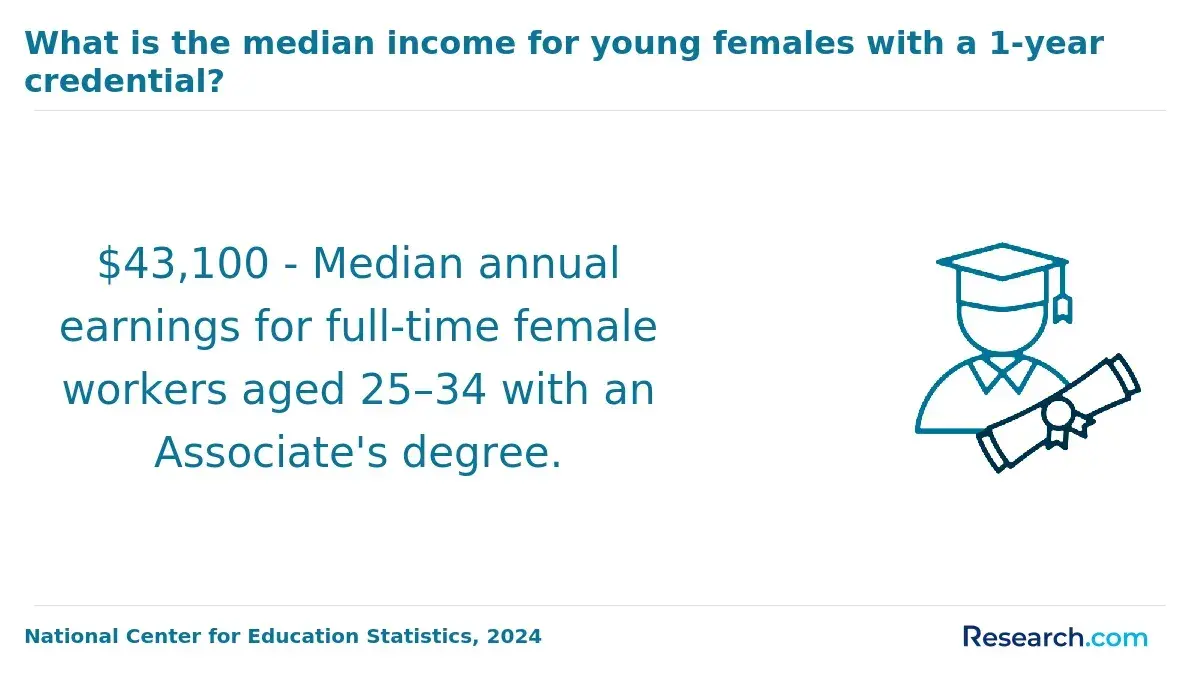
For career changers, developing relevant skills is essential to navigate a new professional path successfully. In fact, 59% of U.S. adults report reskilling or upskilling to stay competitive, underscoring the importance of acquiring both transferable and specialized knowledge.
Below are five key skills that a human resource management program typically imparts to support this transition.
- Employment Law: Gaining insight into labor laws ensures compliance with regulations and helps safeguard employee rights, forming a crucial legal foundation for HR roles.
- Talent Acquisition: Mastering recruitment strategies enables career changers to effectively find, attract, and retain candidates essential for organizational success.
- Conflict Resolution: Developing communication and interpersonal skills aids in managing disputes and building a cooperative workplace culture.
- Performance Management: Learning to assess and enhance employee performance supports productivity improvements and alignment with company objectives.
- HR Analytics: Becoming proficient with data-driven tools allows for informed decision-making and adaptability to advancing HR technologies, which increases employability over time.
Career changers pursuing a human resource management degree must consider total program costs carefully, especially since the average student debt for master's degree holders in the U.S. is about $70,000. Balancing educational expenses with existing financial responsibilities is critical for a successful transition.
Below are the main cost components career changers should evaluate before committing.
- Tuition: Tuition is the largest expense, ranging from $15,000 to $50,000 depending on the institution and program length. Choosing in-state or public universities can reduce costs substantially.
- Fees and Materials: Mandatory fees and course supplies often add several thousand dollars to the total. These include access fees, lab costs, and textbooks.
- Flexible Payment Options: Many programs offer installment plans or deferred payment schedules designed for working professionals, helping to ease upfront financial pressure.
- Employer Assistance: Working adults may qualify for employer tuition assistance or scholarships targeted at adult learners, which can significantly reduce out-of-pocket expenses.
- Program Format: Accelerated or online program formats, such as an accelerated bachelors degree online, can shorten time to completion and reduce living and time-related costs.
- Credit Transfers: While some programs accept transfer credits, others may exclude previous coursework, potentially increasing the overall cost and time commitment.
Understanding these financial aid options for human resource management programs helps career changers plan effectively and select the best educational path that aligns with their budgets and career objectives.
Curriculum design is especially important for career changers because it provides a targeted educational experience that addresses their unique needs and lack of prior human resource management experience. This focus streamlines the learning process and builds confidence for those transitioning into HR roles.
Key curriculum features that support career transitions include:
- Applied Learning: Courses incorporate practical assignments and scenarios that connect theory with real human resource functions, enabling students to immediately apply what they learn.
- Transferable Skills: Emphasis is placed on developing communication, negotiation, and leadership abilities, essential for leveraging diverse career backgrounds successfully within HR.
- Flexible Pacing: Programs often offer part-time or flexible scheduling options, allowing adult learners and working professionals to balance their education with work and personal commitments.
- Real-World Projects: Case studies and projects simulate authentic human resource challenges, building critical problem-solving and decision-making skills valuable for career transition.
- Foundational Business Knowledge: Curriculum includes broad business principles relevant across industries, facilitating smoother shifts into human resource management roles.
Adult learners seeking an associate degree in this field benefit from a curriculum designed to equip them with key skills learned in Human Resource Management programs for career transition. Such programs create a supportive learning environment that combines practical experience with essential transferable competencies to help career changers move confidently into new professional paths.
For professionals shifting careers, grasping potential job roles linked to a human resource management degree is vital for aligning skills with market needs. The U.S. Bureau of Labor Statistics forecasts an 11% growth in employment for human resources specialists between 2022 and 2032, signaling robust demand.
Below are some common career avenues available to those holding this degree.
- Recruitment Specialist: Oversees the hiring pipeline by evaluating candidates and arranging interviews. Strong communication and organizational abilities from previous roles are highly applicable here.
- Training and Development Manager: Creates programs to improve employee skills and performance. Individuals with experience in leadership or teaching find this role a natural transition.
- Compensation and Benefits Analyst: Manages employee salary structures and benefits packages. This position suits those with financial or analytical backgrounds.
- Employee Relations Specialist: Handles workplace disputes and fosters positive work environments. Career changers with strong interpersonal skills can thrive in this capacity.
- HR Consultant: Provides expert advice on HR policies and strategies to organizations. This role benefits professionals with diverse industry experience looking to leverage broad knowledge.
Salary expectations play a key role for professionals shifting careers, as they help gauge the financial viability and motivation for entering human resource management. Studies show reskilled workers often see a median salary increase of about 10% compared to prior earnings, though this can vary significantly.
Several elements affect compensation for those holding a human resource management degree, as outlined below.
- Entry-Level Roles: Starting salaries usually range from $50,000 to $65,000 annually, often influenced by prior work experience and related skills.
- Mid-Level Professionals: Those with several years in HR or connected fields typically earn between $65,000 and $85,000 per year, depending on responsibilities and sector.
- Senior HR Managers: Experienced specialists or managers can command pay exceeding $100,000, particularly when leading teams or strategic initiatives.
- Industry Impact: Sectors such as technology and finance often offer higher wages than nonprofit or government roles, reflecting differing budget capacities and market demands.
- Location and Employer Size: Metropolitan areas and larger companies generally provide increased salary potential due to competitive markets and resource availability.
What Graduates Say About Their Human Resource Management Degrees for Career Changers
- Reed: "Switching to human resource management felt like a leap into the unknown, but the structured curriculum and the reasonable average cost of around $12,000 made it accessible for someone like me looking to pivot careers. Completing the degree not only equipped me with essential skills but also boosted my confidence to navigate HR challenges in the corporate world. The investment truly paid off in ways I hadn't anticipated."
- Quen: "After years in a completely different field, I chose to pursue a human resource management degree to realign my professional goals. Although the cost-typically ranging between $10,000 and $15,000-was a consideration, I found it to be a worthwhile expense for enhancing my career prospects and gaining a specialized skillset. Reflecting on the journey, the degree opened doors that would have otherwise remained closed."
- Briar: "Deciding to enter human resource management was a strategic career move for me, supported by the affordable tuition that usually falls near $13,000 for comprehensive programs. The pragmatic knowledge and network I gained were instrumental in transitioning smoothly and confidently into HR leadership roles. This degree was an essential chapter in my career evolution."
Other Things You Should Know About Human Resource Management Degrees
In 2027, Human Resource Management degree programs for career changers typically cover topics such as organizational behavior, talent acquisition, employment law, and employee relations. Programs often include courses in HR analytics, leadership, and strategic management to equip students with the skills needed for modern HR roles.
Many 2027 Human Resource Management programs accept up to 60 transfer credits from accredited prior college work. Some also award credit for military training, CLEP exams, or prior learning portfolios. The final amount depends on the school’s residency rules and transcript evaluation by its registrar.
Yes, programs often include training in human resource information systems (HRIS) and payroll software to build practical technical proficiency. Familiarity with platforms like Workday, SAP SuccessFactors, or ADP is frequently integrated into the curriculum. Developing these skills helps career changers navigate HR technology used in modern workplaces efficiently.
- Career Transition - PERSOL Consulting https://www.persolconsulting.com/career-transition/
- Frequently Asked Questions About Human Resources Degrees and Careers - Human Resources Degrees https://www.humanresourcesmba.net/faq/
- What Are Human Resources Specializations? https://mindcypress.com/blogs/human-resource-management/what-are-human-resources-specializations
- HR Management https://www.pointpark.edu/academics/schools/business/undergraduateprogram/humanresourcesmanagement
- Human Resources Management https://wste.edu.pl/en/study-offer/first-degree/management/human-resources-management/
- Career Change from HR: 9+ Best Jobs for Your Skill Set https://resume.co/blog/career-change-from-hr
- 5 Specializations in the Field of Human Resources https://www.greatvaluecolleges.net/lists/5-specializations-in-the-field-of-human-resources/
- CourseCareers https://coursecareers.com/course/hr
- 7 Steps to a Career as an HR Manager https://www.allbusinessschools.com/human-resources/
- CIPD | Transitioning into the people profession https://www.cipd.org/en/the-people-profession/careers/routes-into-profession/career-transitions/