2027 Licensing Exams Required After Completing a Human Resource Management Degree Program

Co-Founder and Chief Data Scientist
Graduates with a human resource management degree often face uncertainty about required licensure to advance in their careers. Despite holding a relevant degree, 62% of HR professionals report confusion regarding certification exams and their impact on job prospects. Without the right credentials, entry into key roles can be limited, and earning potential may be hindered. Understanding which licensing exams apply, such as the SHRM-CP or PHR, is crucial for aligning qualifications with employer expectations.
This article clarifies essential post-graduation licensing exam requirements, eligibility criteria, and how these credentials can facilitate both career entry and advancement in human resource management.
Key Things to Know About the Licensing Exams Required After Completing a Human Resource Management Degree Program
- Eligibility for HR licensing exams typically requires a bachelor's degree in human resource management or related experience, ensuring candidates possess foundational knowledge before testing.
- Exams focus on key areas such as employment law, talent acquisition, and compensation, combining multiple-choice questions with situational judgment assessments.
- Most candidates allocate three to six months for preparation; passing certification often boosts employment prospects by validating professional expertise in HR functions.
What Licensing Exams Are Required After Completing a Human Resource Management Degree?
Licensing exams are an important step for many human resource management degree graduates, as employers increasingly require certification to demonstrate proficiency and eligibility for advancement. Studies show that certified HR professionals earn approximately 20% more and experience higher job placement rates, reflecting the growing value of these credentials in the workforce.
While not legally mandated, passing a recognized exam is often a key requirement in navigating human resource management licensure requirements and enhancing career prospects. Below are commonly recognized licensing exams that graduates should consider.
- Professional in Human Resources (PHR): This exam, administered by the HR Certification Institute, is designed for HR practitioners with some experience. It covers HR operations, employee relations, compliance with labor laws, talent acquisition, and workforce planning, ensuring candidates can manage essential workplace policies.
- SHRM Certified Professional (SHRM-CP): Ideal for early-career HR professionals, this exam focuses on leadership, ethical practice, and organizational effectiveness. Offered by the Society for Human Resource Management, it emphasizes HR strategy and prepares candidates for advancing in HR roles.
Preparing for these exams supports meeting employer expectations and real-world HR challenges. Graduates should also explore specialized certifications or additional credentials depending on their career focus. Those pursuing alternatives or complementary qualifications might find resources on related fields useful, such as pursuing a bcba degree.
What Topics Are Covered on the Human Resource Management Licensing Exam?
Success on the human resource management licensing exam depends heavily on thorough knowledge of key subject areas, with recent survey data showing pass rates average around 60% nationally. Candidates find topics like employment law and compensation management particularly challenging, underscoring the need for targeted preparation on core exam content. Those seeking insight into Human Resource Management licensing exam topics will benefit from a clear understanding of commonly tested areas.
The key subject areas on HR licensure tests typically include the following:
- Employment law and compliance: This area covers federal and state labor laws, worker rights, and relevant regulations. It is assessed through scenario-based questions to ensure candidates can apply legal principles effectively, which is critical for minimizing organizational legal risks.
- Compensation and benefits: Focused on salary structures, incentive programs, and benefits administration, this topic evaluates practical skills needed to design fair and motivating compensation schemes that support retention and productivity.
- Recruitment and staffing: This section covers talent acquisition strategies, interview processes, and workforce planning. It tests a candidate's ability to identify, attract, and select qualified candidates efficiently and ethically.
- Training and development: Emphasizing employee education, career growth plans, and performance management systems, this area measures aptitude for fostering workforce competency and engagement through effective learning and development initiatives.
Prospective students and recent graduates interested in advancing their careers by taking this exam may also consider earning an engineering online degree as part of their broader educational path.
These Human Resource Management licensing exam topics reflect the comprehensive knowledge necessary for professional practice and are essential for ensuring readiness to meet real-world HR challenges.
What Requirements Must Be Met to Take the Human Resource Management Licensing Exam?
Planning ahead for the human resource management licensing exam is vital to avoid delays in career entry or advancement. Familiarity with the requirements to take HR management licensure test allows graduates to prepare effectively and ensure they meet all conditions before application. The following outlines common eligibility criteria.
- Educational Credentials: Candidates generally must have a bachelor's degree in human resource management or a related discipline. This foundation is crucial for the knowledge base expected of licensed professionals.
- Work Experience: Many regions require 1 to 3 years of relevant HR experience to demonstrate practical competence and understanding of workplace dynamics.
- Completion of Accredited Programs: Licensing boards often insist degrees come from accredited institutions, ensuring standardized educational quality across candidates.
- Specialization Requirements: Depending on the HR focus area-such as compensation or labor relations-additional certifications or coursework might be needed to satisfy licensing standards.
- Jurisdictional Variations: Eligibility rules vary by state or regulatory authority, reflecting differences in local labor laws and certification standards.
Meeting these eligibility criteria helps maintain professional standards by assuring candidates possess both theoretical and applied expertise. Students aiming to meet these requirements can also explore related educational options and career pathways, including pursuing an emba online. Staying informed on eligibility criteria for human resource management licensing exam supports timely certification and smoother transition into the HR profession.
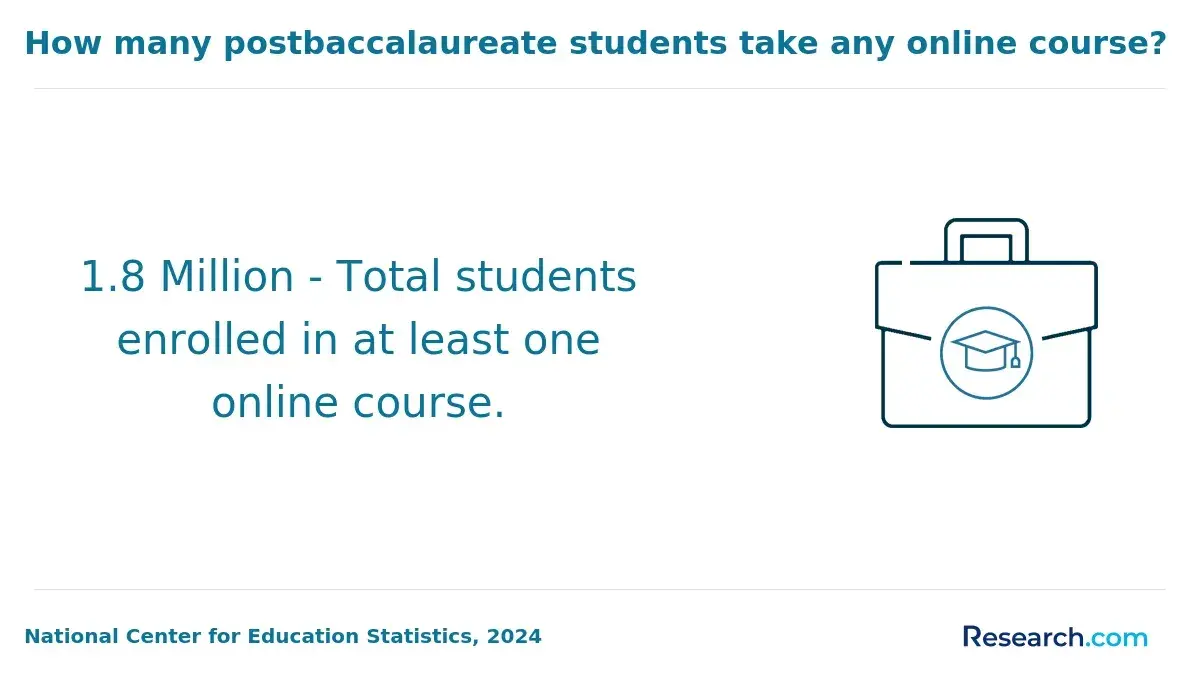
Breakdown of Public Fully Online Title IV Institutions

Graduates of online human resource management programs can often qualify for licensure, but acceptance depends largely on state and board-specific criteria. Licensing bodies typically require that the degree come from an accredited institution, and they may also look for evidence of practical experience, such as internships or supervised fieldwork, which some fully online programs may lack.
Recent data suggests around 70% of students with accredited online degrees successfully meet licensure standards on their first try, indicating growing recognition of online education in this field. However, licensure requirements vary significantly by jurisdiction, with some states demanding regional accreditation or additional exams to recognize online programs. Prospective licensees should thoroughly research the regulations in their intended state or certification board to ensure compliance and avoid unexpected hurdles.
When I spoke with a graduate of an online human resource management degree about his licensure experience, he shared that navigating the licensing process was more complex than anticipated. "I had to gather detailed accreditation documents from my school and submit additional proof of practical experience," he explained. He also described feeling uncertain about whether his fully online coursework would meet all state requirements until receiving official approval. Despite these challenges, he emphasized that persistence and early communication with licensing authorities made the process manageable, though he advised future candidates to prepare for possible extra steps beyond simply holding the degree.
Programs that align human resource management curricula with licensing exam standards significantly boost student success, with pass rates reported up to 20% higher compared to those lacking formal preparation. This correlation highlights how essential targeted academic support is for mastering both theory and practical skills. Key program features that enhance exam readiness include:
- Curriculum alignment: Courses are structured to cover the specific competencies and topics found on licensing exams, ensuring students gain relevant knowledge directly applicable to test content.
- Exam-focused coursework: Specialized classes incorporate test-taking strategies and review sessions aimed at familiarizing students with exam formats and critical concepts.
- Practice exams: Simulated tests replicate real exam conditions, allowing students to assess their preparation levels and focus on weaker areas before the actual exam.
- Internships and practical experience: Real-world HR roles provide hands-on learning that deepens understanding and retention of key principles assessed in licensing exams.
- Faculty guidance: Experienced instructors offer mentorship that clarifies complex material and helps students navigate exam logistics, boosting confidence and performance.
These combined strategies help graduates build the mastery and assurance necessary to succeed in licensing exams and advance their careers in human resource management.
Financial planning for the cost of human resource management licensing exams is vital for recent graduates to avoid unexpected expenses and ensure smooth career progress. Various fees and preparation costs can contribute significantly, so it helps to be aware of these factors upfront. Below are some key cost considerations related to licensing exam fees after an HR management degree.
- Exam Fees: The primary cost is the exam fee itself, which usually ranges from $300 to $500 for first-time test-takers. This fee covers the administration and evaluation of exams like the Professional in Human Resources (PHR) or SHRM-CP.
- Application Fees: Some certifying bodies require an additional application fee, often between $50 and $100, to confirm candidate eligibility and process paperwork.
- Retake Fees: If the exam is not passed on the first attempt, retaking it involves extra fees similar to the original exam cost, which can increase total spending considerably.
- Study Materials: Preparing effectively may require investing in resources such as textbooks, practice exams, or online courses, with prices ranging from $100 to $600 depending on the depth of study material.
- Additional Training: Many candidates choose to enroll in workshops or instructor-led prep classes, which add a few hundred dollars but can improve confidence and pass rates.
Considering the cost of human resource management licensing exams alongside exam fees provides a clearer picture of the financial requirements. Graduates should also explore career options related to high paying degrees in human resources to maximize their return on investment.
Overall, careful budgeting around licensing exam fees after HR management degree completion helps candidates make informed decisions about their certification path and related expenses.
Knowing the scheduling frequency of the human resource management licensing exam helps candidates plan their preparation and achieve licensure on time. On average, many candidates find that testing opportunities occur several times per year, although availability and pass rates can differ across testing cycles. The following points highlight essential scheduling factors to consider.
- Testing windows: Exams are commonly offered quarterly or twice a year, allowing candidates to choose dates aligned with their readiness. These windows vary by certifying body and may shift annually based on demand and administrative factors.
- Online versus in-person: Online proctored exams typically allow for more flexible scheduling throughout the year. In contrast, in-person tests often have fixed dates and designated locations, which can limit options depending on geographic area.
- Retake policies: Most organizations permit multiple exam attempts each year but enforce mandatory waiting periods-often 30 to 90 days-between tries. This encourages thorough preparation before retaking the test.
- Jurisdictional variances: Local regulations can restrict when and how often exams are accessible, sometimes requiring additional approvals or registration deadlines that impact candidate planning.
- Pass rate fluctuations: Success rates may change depending on the testing cycle, influencing when candidates choose to sit for the exam to maximize their chances.
When I spoke with a graduate of a human resource management degree about her experience with exam scheduling, she shared that initially she underestimated the complexity of aligning preparation with test dates. "I thought it was just about knowing the material, but coordinating my study time around limited test windows was challenging," she recalled. She found that securing a date that matched both her confidence level and personal schedule required careful monitoring of announcements and sometimes meant waiting several months. Ultimately, this slower pace allowed her to focus on mastering content rather than rushing, which she believes contributed significantly to her passing score. "It was a balancing act between patience and persistence," she reflected, emphasizing how timing played a critical role in her successful licensure journey.
Only a small portion-less than 10%-of human resource management positions in the U.S. require a formal license, making licensure largely uncommon in this field. Employers typically prioritize relevant education, work experience, and voluntary certifications over state-issued licenses. The need for licensure or certification depends on several important factors.
- Regulatory requirements: Human resource management is generally not governed by state licensing laws, unlike professions such as nursing or law, so mandatory licensure is rare.
- Job role: Entry-level roles in human resources usually do not demand a license, while specialized positions in areas like labor relations, compliance, or legal HR functions may favor professional credentials.
- Employer preferences: Many employers value certifications such as SHRM-CP or HRCI's PHR to ensure candidates meet industry competency standards, even though these are not compulsory.
- Specialization: HR professionals working in niche areas like benefits administration or occupational safety often seek targeted certifications to demonstrate expertise and improve job prospects.
- State-specific rules: Some states may impose particular credentialing requirements for HR professionals involved with government contracts or public sector institutions, though this is uncommon.
Considering these factors can help graduates assess whether pursuing certification or licensure will enhance their career opportunities in human resource management.
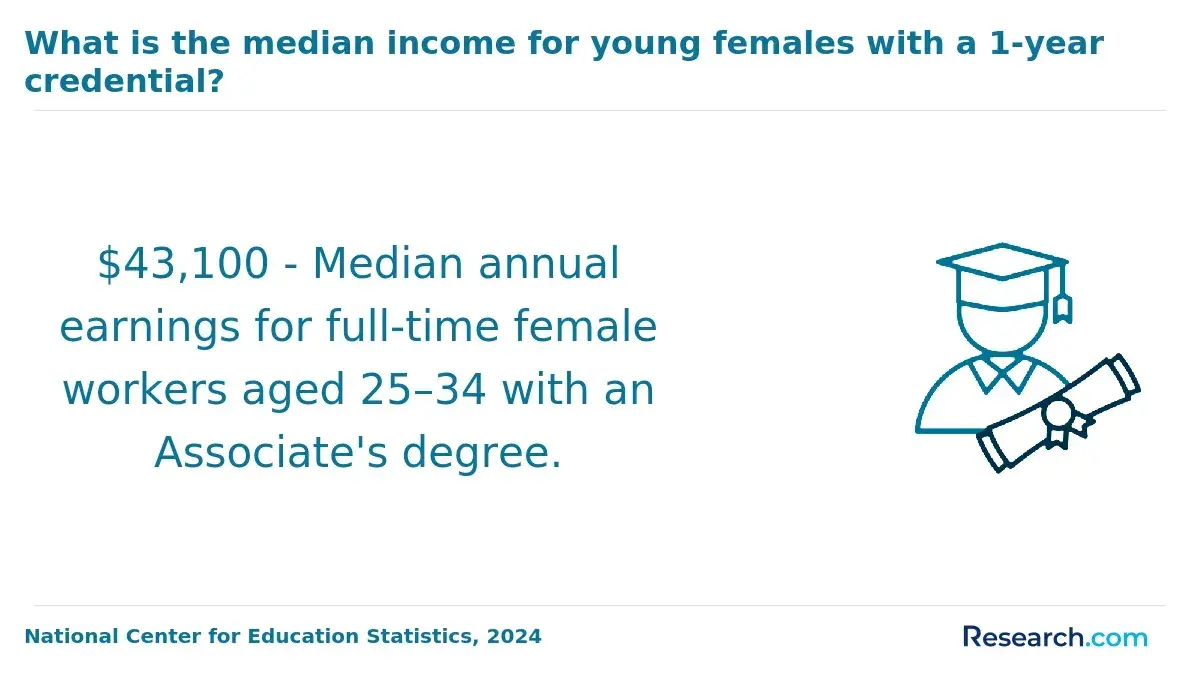
Licensure in human resource management can significantly influence earning potential by formally validating expertise and compliance with legal standards. Salary ranges vary widely in human resource management, with entry-level graduates usually earning between $50,000 and $60,000 annually, while licensed professionals often see increases of 10% to 20% or more depending on experience and location.
Several key factors explain salary differences between licensed and unlicensed human resource management professionals:
- Regulatory requirements: Certain HR roles legally require licensure, ensuring that professionals meet mandated standards. This often places licensed individuals in higher demand and qualifies them for specific responsibilities.
- Access to senior roles: Licensing can open doors to specialized or leadership positions that offer better compensation. Certified professionals benefit from increased job opportunities for certified HR professionals that unlicensed peers may not access.
- Employer preferences: Many organizations prioritize licensed HR candidates during hiring and promotion because credentials reflect commitment and advanced knowledge, which influences recruitment decisions.
- Career advancement: Holding a recognized license can accelerate professional growth through recognized career pathways, improving prospects for salary raises and job stability.
- Geographic variations: Licensing requirements differ by region, with some areas enforcing stricter standards that elevate the value and salary of licensed HR practitioners.
For recent human resource management graduates, pursuing certification or licensure after earning a degree-whether a bachelor's or an associate degree-can be a critical step toward higher salary brackets and enhanced career opportunities.
Human resource management licenses are governed by individual states, resulting in varying rules and recognition that do not always transfer if you relocate or seek employment elsewhere. This fragmented system poses challenges for professionals who require flexibility to work across state lines. Nearly 25% of human resource practitioners report that interstate licensure barriers significantly hinder their job mobility. In response, some states have introduced reciprocity agreements or endorsement options to facilitate credential recognition without repeating the licensing process.
Options to use your human resource management license in a new state often include applying for reciprocity if available, completing additional state-mandated exams, or fulfilling supervised practice or provisional licensure periods. Not all states participate in these agreements, and eligibility depends on your area of specialization and the regulatory authority involved. Before moving or pursuing out-of-state roles, it's crucial to consult the licensing board in the target state to confirm specific requirements and avoid surprises that could delay your career progression.
What Graduates Say About The Licensing Exams After Completing a Human Resource Management Degree
- Hannah: "Taking the licensing exam after completing my online human resource management degree was challenging but rewarding. The cost, which was reasonable compared to some other professional certifications, made it accessible without too much financial stress. Having the license has definitely opened doors for me, advancing my career in HR and giving me confidence in my expertise. "
- Matthias: "The experience of preparing for and taking the licensing exam online brought a mix of anticipation and reflection on my journey. Although the human resource management licensure cost was an added expense, it felt like a worthwhile investment towards my professional growth. Holding the license now provides me with a solid foundation and credibility that employers respect. "
- Lauren: "As a professional, I approached the human resource management licensing exam with a focused mindset, fully aware of the costs involved but recognizing the long-term benefits. Completing the exam as an online degree graduate showed me how flexible learning and certification can be. This licensure has enhanced my career prospects and confirmed my commitment to excellence in the HR field."
Other Things You Should Know About Human Resource Management Degrees
The licensing authority is usually the national or state labor or professional regulation board, depending on the country. It sets eligibility rules, approves exam content, and issues the license after passing. In the Philippines, for example, the Professional Regulation Commission oversees many board exams.
Yes, licensing exams commonly assess candidates on ethical issues and legal compliance related to employment law, workplace discrimination, and employee rights. Mastery of these topics is critical for ensuring that human resource professionals can uphold the integrity of their role and protect both their organizations and employees.
While some certification programs recognize professional experience through prerequisites or eligibility criteria, most require all candidates to pass the licensing exam regardless of prior work experience. Experience may aid in understanding exam content faster, but it generally does not replace the need to pass the exam for licensure.
- HR Manager Certificate | International ACI® | Heuresis https://www.heuresis.pl/en/training-and-certification/certification-competence/certifications-hr-managers
- Individual HR Certifications | Advance Your HR Career https://www.hrci.org/certifications/individual-certifications
- Degrees for Human Resources: A Guide to Starting or Switching Your Career https://www.aihr.com/blog/degrees-for-human-resources/
- Official SHRM Exam Preparation - Pass Your Exam https://www.shrm.org/credentials/certification/exam-preparation
- Online SHRM-CP/SHRM-SCP Certification Preparation | UMGC https://www.umgc.edu/business-management/shrm-certification
- Human Resources Degree Online https://www.pennfoster.edu/programs/business/human-resources-management-associate-degree
- SHRM Certification: Options, Costs, and How to Get Certified https://www.coursera.org/articles/shrm-certified
- Coursework Requirement https://www.hrpa.ca/designations/coursework-requirement/
- How Much Does Human Resources Management Make https://www.iienstitu.com/en/blog/how-much-does-human-resources-management-make
- Things to Know When Hiring In Other States https://myhrconcierge.com/2022/07/21/things-to-know-when-hiring-in-other-states/