2027 How Many Credits Can You Transfer into a Developmental Psychology Degree Master's Program?

Co-Founder and Chief Data Scientist
Students considering a transfer into a developmental psychology master's program often face confusion about how many prior credits will be accepted. For career changers, this uncertainty can affect financial aid eligibility and time to graduation. According to recent data, nearly 40% of developmental psychology graduate programs accept some transfer credits, yet the limits and requirements vary widely. Understanding which credits qualify and how transfer decisions impact academic and financial planning is crucial. This article will clarify credit transfer policies, eligibility criteria, appeal processes, and strategic considerations to help prospective students navigate the transfer process effectively and plan their educational paths with confidence.
Key Benefits of Knowing How Many Credits You Can Transfer into a Developmental Psychology Degree Master's Program
- Transfer eligibility depends on course relevance to developmental psychology, ensuring that previously earned credits align with specialization requirements and maintain academic integrity.
- Credits must typically meet minimum grade thresholds, often a B or higher, reflecting student proficiency and program standards in graduate-level coursework.
- Many programs limit credit age and require credits earned at the graduate level to ensure current knowledge and academic rigor, impacting transfer acceptance rates.
What Is Graduate Credit Transfer, and How Does It Apply to a Developmental Psychology Master's Program?
Graduate credit transfer plays a critical role for students pursuing a developmental psychology master's degree, impacting how previously earned graduate coursework may count toward the new program requirements. Recognizing the criteria for transferring credits into developmental psychology graduate degrees helps students plan strategically for their academic path.
Below are important considerations about graduate credit transfer policies for developmental psychology master's programs:
- Definition of Graduate Credit Transfer: This process evaluates courses completed at other accredited graduate institutions to confirm whether they are equivalent and relevant to developmental psychology. Unlike undergraduate credit transfer, graduate transfers focus more strictly on subject alignment and program rigor.
- Evaluation Process: Institutions typically require official transcripts along with detailed course descriptions or syllabi to determine if previous graduate-level coursework satisfies the core competencies and curriculum standards of the developmental psychology master's program.
- Common Scenarios for Transfer: Transfer credits often come into play when students change universities, resume their studies after a break, or earn a related graduate certificate that supplements their developmental psychology studies. Each case involves different documentation and approval procedures.
- Policy Variations Across Institutions: Schools vary in transfer policies, with many capping transferable graduate credits between 6 and 12 semester credits. Flexibility depends on factors like accreditation, faculty assessments, and program-specific requirements.
- Strategic Considerations and Trends: Around 40% of graduate students investigate credit transfer options to accelerate degree completion or reduce tuition expenses, underscoring the importance of understanding transfer policies early in the academic journey.
Exploring options for credit transfer can also affect financial planning, including eligibility for scholarships or aid. For those researching efficient pathways to their degree, considering programs such as the most affordable online MBA may provide insights into managing cost alongside credit transfer possibilities.
How Many Credits Are Typically Allowed to Transfer into a Developmental Psychology Master's Program?
Prospective students aiming for a developmental psychology master's degree often wonder how many credits they can transfer into their program. This knowledge is vital for efficient academic planning, especially for those with previous graduate coursework. Below are several key considerations about typical credit transfer limits at accredited institutions.
- Common Transfer Credit Limits: Most master's programs, including developmental psychology, generally accept between 6 and 12 semester credit hours for transfer. This range helps maintain program integrity while acknowledging prior academic achievements.
- Semester Versus Quarter Hours: Universities differentiate between semester and quarter credits. Since quarter systems have shorter terms, 1 semester credit usually equates to 1.5 quarter credits, which affects how many credits can be transferred when converting between systems.
- Program-Specific Variations: Certain developmental psychology programs may impose stricter transfer limits due to condensed curricula or unique accreditation requirements, while others provide more flexibility depending on their instructional approach.
- Eligibility and Evaluation Process: Transfer credits typically must come from accredited institutions and be relevant graduate-level coursework. Many programs require detailed documentation such as official transcripts and syllabi, sometimes involving faculty review to evaluate credit equivalency.
- Recent Trends: A 2023 survey by the Council of Graduate Schools indicates about 40% of master's programs have modestly increased transfer credit allowances to support nontraditional student pathways, reflecting growing flexibility in graduate education.
Those navigating credit transfers for a developmental psychology master's program should also consider financial aid implications and strategic planning. For those exploring accelerated routes, various online EdD programs may offer complementary options to further their education effectively.
What Types of Courses Are Eligible for Transfer Credit in a Developmental Psychology Master's Program?
For students pursuing a developmental psychology master's degree, understanding which courses can transfer is important to streamline their education and avoid repeating material. Below are the main categories of coursework usually considered eligible for credit transfer.
- Graduate-Level Coursework: Transfer credit is most often granted for graduate courses directly related to developmental psychology or closely connected fields. These must reflect similar academic standards and learning goals as those required by the enrolling program.
- Certificate Program Courses: Some institutions accept credits from accredited certificate programs in psychology or related disciplines if the content aligns with developmental psychology topics and meets graduate-level expectations. Documentation of course hours and syllabi is typically necessary.
- Advanced Undergraduate Classes: In combined bachelor's/master's tracks, select upper-level undergraduate courses may be transferred if they correspond closely to core developmental psychology subjects, though this is less common and depends on approval.
- Core Versus Elective Credit: Transfer credit for required core courses usually demands a precise match in course content and verified learning outcomes, while elective credits can be more flexible and easier to approve.
- Exclusion of Professional Development and Non-Credit Training: Workshops, seminars, and non-credit professional development activities rarely qualify because they lack formal academic assessment and standard credit designation.
Prospective developmental psychology master's degree students need to understand the minimum GPA requirements for transfer credits, as these standards shape which past coursework may be accepted. This knowledge helps with academic planning and ensures alignment with program expectations. Key factors to consider include:
- Grade Thresholds: Most institutions require a minimum grade of B (3.0) on a 4.0 scale for transfer credits. Meeting this benchmark confirms a solid understanding of prior material and readiness for advanced study.
- Core Versus Elective Requirements: Core developmental psychology courses often demand higher grades than electives since they cover essential foundation content. This distinction influences course selection when planning transfers.
- Exclusion of Non-Standard Grades: Grades reported as pass/fail or satisfactory/unsatisfactory are typically not accepted for transfer. This policy maintains consistent academic standards and ensures credit reflects mastery.
- International Transcript Equivalencies: Transfer applicants with international coursework should expect grade conversions that standardize foreign grades to U.S. GPA scales, aiding fair evaluation of transfer eligibility.
- Recent Trends: Over 65% of U.S. developmental psychology graduate programs have tightened transfer credit grade standards to preserve academic rigor, according to a 2023 Council of Graduate Schools survey.
Students seeking accelerated options can explore accelerated bachelors programs, which may impact future graduate credit transfers and planning strategies.
Prospective students aiming to transfer credits into a developmental psychology master's program should understand that most institutions impose a time limit on accepted coursework. This ensures transferred classes reflect contemporary theories and practices. Below are several important aspects of this policy:
- Time Limits on Coursework: Many programs only accept credits earned within the past five to ten years. Older courses may be rejected as the field progresses quickly, and outdated material might not align with current standards.
- Academic Justification: Given the continual advancements in developmental psychology research and clinical approaches, institutions prioritize recent coursework to maintain academic excellence and prepare students effectively.
- Alternatives for Older Credits: Some programs offer options like currency waivers or competency exams that allow students to prove their updated knowledge without retaking entire courses.
- Early Verification Advisable: Checking an institution's policy on credit age early in the application process can prevent unexpected obstacles, as older credits might weaken an otherwise competitive transfer application.
- Admissions Trends: Statistical data indicates that 65% of psychology master's programs have tightened restrictions on transfer credit recency within the last five years, emphasizing the demand for up-to-date academic records.
For students aiming to pursue a master's degree in developmental psychology, the type of accreditation held by their previous institution significantly impacts the transferability of credits. It's important to recognize how different accreditation standards influence this process. Below are several crucial points to consider:
- Regional vs. National Accreditation: Regional accreditation is widely regarded as the most respected form, with credits from these institutions being accepted by most schools. In contrast, nationally accredited schools often face stricter limitations on credit acceptance, which can complicate the transfer process.
- Specialized Professional Accreditation: Accreditation from organizations focused on psychology and related fields-such as CACREP, ACEN, or ABA-may enforce additional rules on credit transfers. These requirements help ensure transferred coursework aligns with the academic quality and ethical standards specific to developmental psychology.
- Credits from Non-Accredited Institutions: Courses completed at schools without recognized accreditation are typically not eligible for transfer. This restriction protects program standards by preventing the inclusion of coursework that may not meet established educational benchmarks.
- Receiving Institution's Authority: Even when credits come from accredited schools, the institution offering the master's degree has the ultimate responsibility to approve or deny transfers. They assess course content, grades, and relevance to the developmental psychology curriculum before making a decision.
Transferring credits into a developmental psychology master's program requires careful preparation and adherence to each institution's specific process. Students must first request official transcripts from all prior colleges or universities attended to provide a verified academic record. Next, students complete the program's transfer credit petition or equivalency form, which initiates the review process. Critical to a successful petition is submitting detailed course documentation such as syllabi, reading lists, and learning objectives.
This information enables faculty or the program director to accurately assess whether previous coursework aligns with the program's academic standards and content requirements.
Many programs also mandate an advising session before formally reviewing transfer requests. This meeting clarifies eligibility criteria, discusses course relevance, and helps students set realistic expectations. The review period varies significantly and can take anywhere from a few weeks to an entire semester, so students should plan accordingly to avoid disrupting their academic timeline. It is important to recognize that transfer approval is not guaranteed. Evaluations occur on a course-by-course basis, considering factors such as course level, grades, institution accreditation, and the currency of coursework.
Students are encouraged to develop contingency plans in case credits are denied, as such decisions may impact financial aid eligibility and extend the duration of their graduate studies.
Students transferring credits from a previous master's program into a developmental psychology master's program are often in a strong position, as their courses are clearly graduate-level and part of an accredited degree. This scenario can streamline the transfer process, but several important factors play a role in determining whether credits will be accepted.
Below are the key considerations that influence the transfer of credits for these students.
- Graduate-Level Coursework Requirement: Courses must have been completed in an accredited graduate program to qualify. This ensures the academic rigor needed for master's-level credit transfer, making prior master's coursework generally more favorable compared to undergraduate credits.
- Subject Matter Relevance: Even high-quality courses must closely relate to developmental psychology or allied fields such as general psychology, human development, or behavioral sciences. Credits from unrelated disciplines tend not to transfer, regardless of where they were earned.
- Academic Standing at Prior Institution: Students who left their previous master's program in good standing are more likely to have credits approved. Those dismissed for academic reasons may face denial or increased scrutiny when seeking credit transfer.
- Institutional Policies and Credit Limits: Each developmental psychology program establishes its own policies and maximum credit allowances. Reviewing these rules early helps avoid surprises and guides academic planning.
- Appeals and Documentation: When initial evaluations reject some credits, students can sometimes appeal with course syllabi, instructor credentials, and detailed transcripts. Strategic preparation can improve credit acceptance chances.
For students considering their academic pathways, it is also important to explore opportunities that align with their career goals, such as online MFT programs accredited, which may offer complementary or alternative routes depending on individual interests.
Prospective developmental psychology master's degree students often wonder how online or hybrid course credits transfer into their programs. This process plays a significant role in their academic planning. Below are critical points to consider regarding the equivalence and acceptance of these credits.
- Equivalence of Online Credits: Most universities now treat online course credits from regionally accredited institutions the same as in-person credits, especially following the pandemic's rise in remote education. Many developmental psychology graduate programs accept these credits without additional penalties.
- Program-Specific Scrutiny: Programs with clinical, lab, or licensure requirements may scrutinize online course credits more carefully. This is because verifying practical experience remotely can be challenging, which might restrict some online and hybrid credits from transferring fully.
- Rapidly Evolving Policies: Credit transfer policies continue to change frequently. Students should explicitly verify the receiving institution's updated stance on online credit transfer before making assumptions or commitments.
- Transcript Consistency: Ensure that online courses appear identical on transcripts compared to in-person classes. Any differences in course titles or designations could delay or complicate the transfer evaluation process.
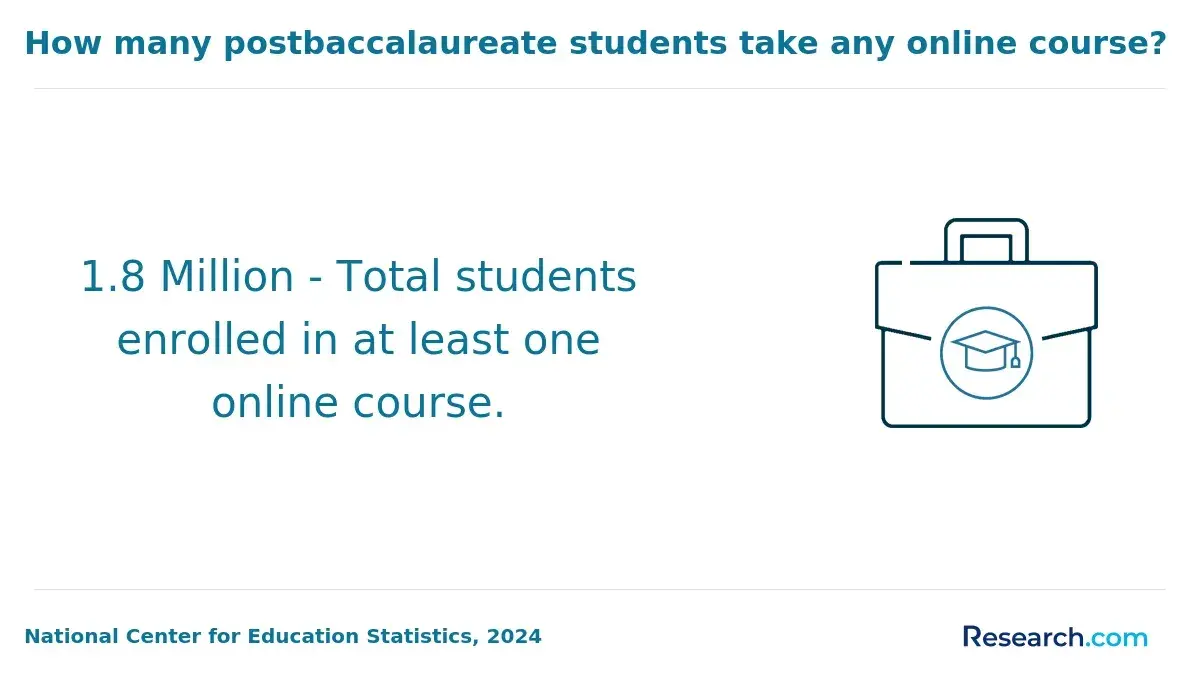
- Increasing Online Enrollment: Over 75% of graduate students have taken at least one online course, making it essential to understand hybrid credits acceptance for developmental psychology graduate degrees.
For students exploring credit transfer options beyond developmental psychology, reviewing varied online education fields, like construction management degree online, can provide insight into cross-disciplinary policies.
Prospective students in developmental psychology master's programs should carefully evaluate how transfer credits impact both their academic plans and financial obligations. Below are important factors to consider regarding the interplay between transfer credits and funding:
- Reduction in Tuition Costs: Transfer credits that are accepted by the institution decrease the number of courses you need to complete. This typically leads to lower tuition fees, as you are paying for fewer credits overall.
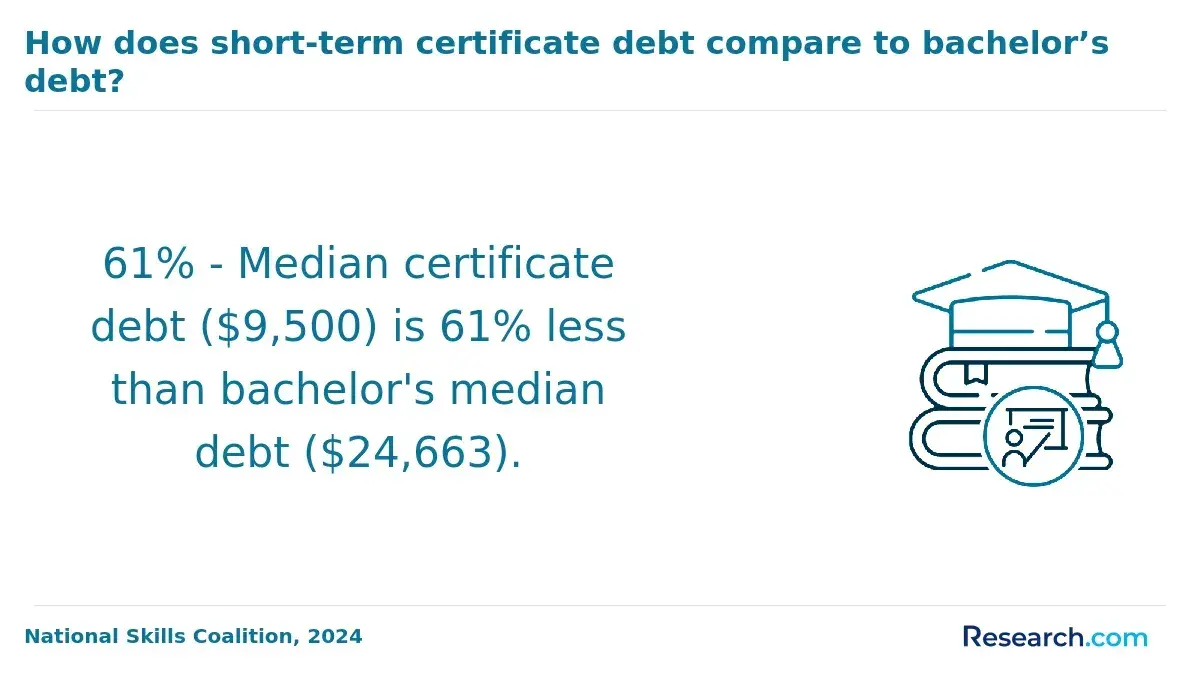
- Impact on Financial Aid Eligibility: Financial aid programs, such as federal loans and grants, often require students to maintain a minimum enrollment status. When transfer credits lower your course load, your status might change from full-time to part-time, which can affect the amount or availability of aid.
- Minimum Enrollment for Scholarships and Assistantships: Some scholarships and assistantship positions have strict credit hour requirements. A smaller course load caused by transfer credits may risk disqualification from these funding opportunities.
- Importance of Coordination with Advisors: It is essential to speak with both your academic advisor and financial aid office before finalizing transfer credits. This ensures that you understand how transferring credits may influence your financial support and progression through the program.
For those aiming to pursue a developmental psychology master's degree, knowing how graduate certificate credits may count toward that degree helps optimize educational efforts. Some programs increasingly integrate graduate certificates as stepping stones within their master's curricula.
Below are important aspects to consider regarding credit transfer and program pathways:
- Stackable Credentials: Institutions often design certificate programs so credits seamlessly apply toward a master's degree, enabling quicker progression without repeating courses. This is usually built into the academic structure rather than offered through individual petitions.
- Formal Agreements: Articulation agreements between certificate and master's programs clearly define which credits transfer, providing transparency and reducing surprises during enrollment and progression.
- Relevant Field Focus: Certificates specifically in developmental psychology earned at the same or affiliated schools are more likely to be accepted. Those from unrelated disciplines or separate providers rarely carry over into the master's.
- Early Inquiry: Prospective students should confirm credit transfer policies before starting a certificate program to ensure alignment with long-term master's goals and avoid wasted effort.
- Administrative and Financial Considerations: Credit acceptance can influence financial aid eligibility, tuition fees, and program duration, making it critical to understand institutional rules upfront.
What Graduates Say About Transferring Credits Into Their Developmental Psychology Master's Program
- Kayden: "Transferring my previous credits into the developmental psychology master's degree program was a smooth yet thorough process that required careful documentation. Understanding the specific requirements, such as course equivalencies and credit limits, helped me plan my studies effectively. Completing the program enriched my expertise and opened doors to leadership roles in child development agencies."
- Cannon: "Reflecting on my journey, I found that the credit transfer requirements ensured that my foundational knowledge was solid before moving forward in the developmental psychology master's degree. Navigating the transfer process challenged me to clarify my academic goals, and ultimately, the credits I brought in accelerated my graduation timeline. The professional growth I experienced post-graduation has been remarkable, especially in clinical settings."
- Nolan: "The experience of transferring credits into the developmental psychology master's degree program emphasized the importance of aligning past coursework with program standards. Meeting the transfer requirements initially felt daunting, but it underscored the program's high standards and rigor. Successfully completing the degree with transferred credits significantly enhanced my qualifications and credibility as a developmental psychologist."
Other Things You Should Know About Developmental Psychology Degrees
The program director or faculty advisor typically reviews the coursework a student wishes to transfer to ensure it aligns with the developmental psychology curriculum. They assess the relevance, rigor, and grade of previous courses before granting approval. Their decision is crucial because they ensure all transferred credits meet the academic standards and learning outcomes of the master's program.
Yes. Most programs accept up to 6 to 12 semester credits from a regionally accredited institution if the grades are B or higher and the courses were completed within the last 5 to 7 years. Final approval usually comes from the graduate admissions office and the program chair.
Factors affecting the transfer of international credits include the accreditation status of the foreign institution, the course content, and U.S. program-specific requirements. Prospective students should consult the admissions office for evaluations and equivalency determinations.
- Transfer of Credits - WSPP | PsyD Transfer Credit Policy | Wisconsin School of Professional Psychology https://www.wspp.edu/admissions/transfer-of-credits
- Graduate Programs https://psychology.sfsu.edu/graduate-programs
- Psychology (Conversion) MSc | PGDip | PGCert - Online Course https://online.liverpool.ac.uk/programmes/msc-psychology/
- How To Become A Developmental Psychologist | Psychology.org https://www.psychology.org/careers/developmental-psychologist/
- Qualification regulations for the Postgraduate Certificate in Educational and Developmental Psychology https://www.massey.ac.nz/about/university-calendar-and-regulations/qualification-regulations/postgraduate-certificate-in-educational-and-developmental-psychology/
- Transfer of Credit - Divine Mercy University https://divinemercy.edu/registrar/transfer-of-credit/
- How to Make a Grad School Transfer Seamless https://www.onlinemastersdegrees.org/student-resources/grad-school-transfer-guide/
- Graduate Programs in Developmental Psychology https://www.apadivisions.org/division-7/students-careers/graduate-programs
- Transfer of Credit https://as.tufts.edu/psychology/academics/courses/transfer-credit
- School Psychology Outcomes | Roberts Wesleyan University https://www.roberts.edu/departments/psychology/school-psychology-outcomes/