2027 Developmental Psychology Degree Master's Programs Accepting Students Now

Co-Founder and Chief Data Scientist
Recent graduates with unrelated bachelor's degrees often face uncertainty when seeking master's programs in developmental psychology that welcome career changers. These programs typically demand prior experience or coursework, leaving many unsure where to apply. Career changers represent a growing demographic in developmental psychology, with employment in related fields expected to increase by 13% through 2032. This trend underlines the importance of accessible programs tailored to diverse educational backgrounds. This article identifies current master's programs in developmental psychology accepting new students and highlights options that provide flexible, accredited pathways for recent graduates, career changers, and international applicants to pivot into this field efficiently.
Key Things to Know About Developmental Psychology Degree Master's Program Accepting Students Now
- Master's programs in developmental psychology now often offer evening and weekend classes, enabling working professionals to balance study with ongoing employment effectively.
- Accelerated tracks allow students to gain practical expertise in 12 to 18 months, supporting faster career advancement in clinical and research settings.
- Many programs provide access to international cohorts and faculty, fostering global networking opportunities critical for cross-cultural research collaboration.
What Are Developmental Psychology Master's Programs, and Who Are They Designed For?
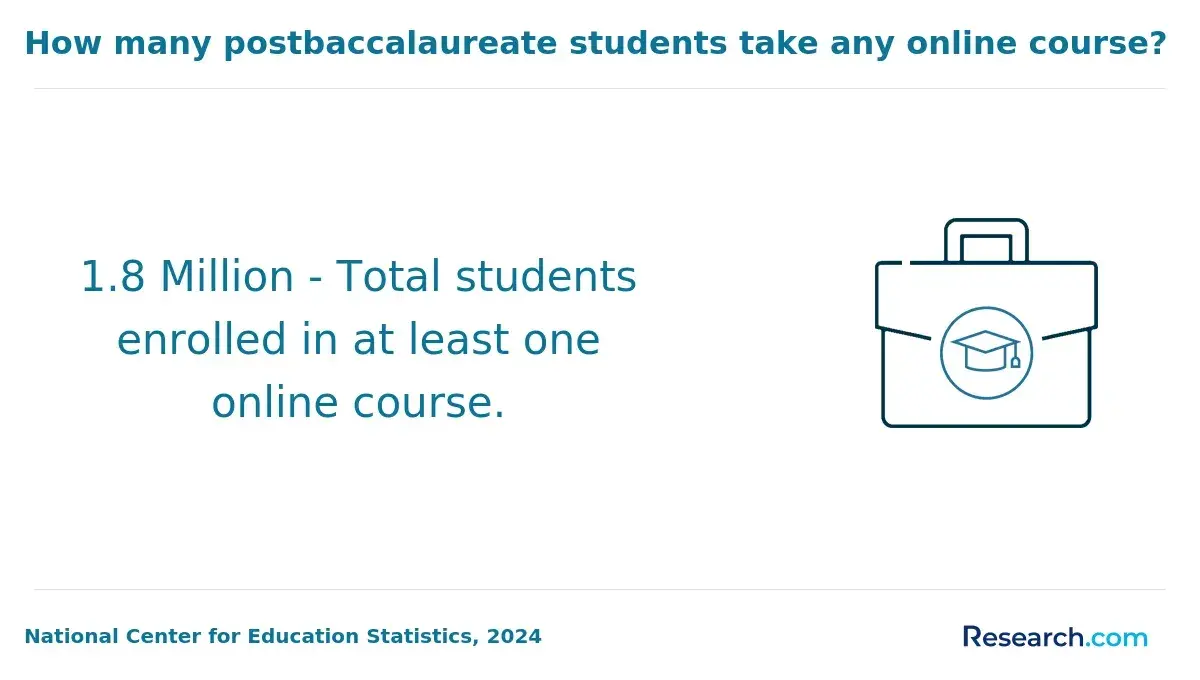
A master's program in developmental psychology typically spans one to two years and offers flexible formats including on-campus, online, or hybrid delivery to suit different learning preferences. These programs cater to a diverse audience, such as working professionals seeking to enhance expertise, career changers aiming to enter new roles, and recent bachelor's graduates looking to deepen their understanding. Compared to bachelor's degrees, these master's programs provide more specialized coursework and research skills but are less intensive and time-consuming than doctoral studies. Admission requirements for developmental psychology master's programs often include a relevant bachelor's degree and a minimum GPA threshold, ensuring candidates are prepared for advanced study.
- Program Duration and Format: Programs usually last one to two years and offer flexible formats including fully online and hybrid options, allowing students to balance study with other commitments.
- Target Student Audiences: Designed for recent graduates, career changers, and professionals who want to advance or shift their careers into developmental psychology and related fields.
- Advanced Curriculum: Focuses on lifespan development, research design, and applied practices, providing hands-on experiences through practicums or internships.
- Career Preparation: Graduates can pursue roles in counseling, education, research assistance, and human development, with programs often matching industry needs.
- Degree Distinctions: Master's degrees bridge the gap between broader undergraduate education and doctoral research, offering practical skills for immediate employment.
Admission requirements typically include academic transcripts, letters of recommendation, and in some cases, relevant experience. Prospective students should also evaluate program accreditation and financial aid opportunities to manage tuition costs effectively. For those interested in related fields, exploring options like an online speech pathology masters may provide alternative pathways. With growing awareness of mental health and development, the demand for professionals with advanced credentials in developmental psychology is rising. The U.S. Bureau of Labor Statistics projects a 10% growth in psychologist-related jobs from 2022 to 2032, highlighting promising career outcomes for graduates.
Which Developmental Psychology Master's Programs Are Currently Accepting Applications?
The landscape of online developmental psychology master's degrees enrolling now shifts every semester, requiring prospective students to verify openings directly with programs. Intake periods vary widely: some institutions have fixed application deadlines aligned with academic terms, while others adopt rolling admissions offering greater flexibility. Applicants should consult accrediting bodies like the American Psychological Association (APA) and official university portals to ensure they access the most current and legitimate program availabilities. Keep in mind that "accepting students now" can mean different enrollment windows depending on the institution's calendar and program format.
- Thesis-Based Master's Programs: These emphasize research skills and typically require completing a comprehensive thesis, making them suitable for students aiming for doctoral study. Deadlines often coincide with traditional semesters and can be competitive due to limited spots.
- Professional Master's Programs: Focused on applied knowledge for working professionals, these programs usually do not require a thesis and often have rolling admissions to accommodate varied entry times throughout the year.
- Accelerated Master's Programs: Designed for quicker completion, often within one year, these intensive tracks may offer multiple start dates to support career changers eager to enter the field swiftly.
- Hybrid or Part-Time Programs: Combining online coursework with occasional on-campus residencies, these programs cater to those balancing employment and study, frequently admitting students on a rolling basis.
- Specialized Developmental Psychology Tracks: Some schools provide concentrations in lifespan development or child psychology within their master's programs. Admission timelines fluctuate widely, so applicants should confirm details with individual programs.
For those exploring options beyond traditional master's degrees, it's helpful to review education pathways such as EdD online programs, which can offer alternative fast-track routes in psychology-related fields. This broadens opportunities for learners focused on developmental psychology master's programs currently accepting applications while managing study with busy schedules.
What Are the Admission Requirements for a Developmental Psychology Master's Program?
Admission to a master's program in developmental psychology typically involves submitting official undergraduate transcripts that reflect relevant coursework, often with an emphasis on psychology or related subjects. Many programs look for evidence that applicants have a solid academic foundation, though some will accept students from different fields if they complete prerequisite classes beforehand.
Most programs request two or more letters of recommendation from instructors or professionals familiar with the candidate's abilities and potential. A carefully crafted statement of purpose is also expected, detailing the applicant's research interests, career goals, and motivations for choosing developmental psychology. Additionally, applicants must provide a current resume or curriculum vitae outlining their academic history, work experience, internships, and relevant skills.
While standardized tests such as the GRE or GMAT were once standard requirements, an increasing number of programs have made these tests optional or eliminated them altogether following the pandemic. It's important to check individual program policies because prerequisites may still apply, including portfolios demonstrating research or clinical work, or professional certifications when applicable.
Given the variation in admission criteria across institutions, verifying the specifics on each program's website is essential before applying to ensure all requirements are met.
- Official Transcripts: Undergraduate academic records confirming completion of foundational psychology coursework or equivalent prerequisites.
- Letters of Recommendation: Multiple endorsements from faculty or professionals who can attest to the candidate's capability and fit for graduate study.
- Statement of Purpose: An essay revealing personal motivations, research aspirations, and understanding of developmental psychology.
- Resume or CV: Comprehensive documentation of education, work, and relevant experiences related to psychology or related fields.
- Test Scores and Prerequisites: Varying policies on GRE/GMAT requirements; some programs waive tests, while others request additional materials like portfolios or certifications.
A professional who pursued an online developmental psychology master's degree shared that navigating the differing requirements across programs was initially overwhelming. He mentioned how gathering strong recommendation letters felt stressful, especially when balancing full-time work, and how tailoring his statement of purpose to reflect genuine passion for developmental science was crucial. "I underestimated the time needed to align my experience with each program's expectations," he recalled, emphasizing the importance of early preparation and thorough research. Despite the challenges, he found the process rewarding and instrumental in shifting toward a fulfilling new career path.
Most developmental psychology master's programs set a minimum GPA requirement of 3.0 on a 4.0 scale, with more selective programs often expecting a GPA of 3.3 or higher. This GPA threshold reflects the competitive nature of graduate study in this discipline. However, applicants with lower GPAs may still have viable options if they demonstrate an upward academic trend or possess relevant professional experience that strengthens their application.
Some institutions provide conditional admission to candidates whose GPAs are close to the minimum, allowing them to prove their academic abilities during initial coursework. For those assessing gpa thresholds to enter developmental psychology graduate programs, it is advisable to reach out directly to admissions offices. This communication can reveal program flexibility and guidance on improving applications through supplemental materials or prerequisite courses.
The landscape of admissions has evolved recently, with over 40% of psychology master's programs reporting increased leniency regarding GPA standards in recent application cycles. Additionally, prospective students who have completed an online bachelor degree may find alternative pathways to strengthen their candidacy.
- Typical GPA Requirements: Most programs require at least a 3.0 GPA, with competitive ones demanding 3.3 or above to reflect academic rigor.
- Flexibility for Lower GPAs: Upward grade improvements and relevant work experience can offset a lower cumulative GPA.
- Conditional Admissions: Some schools admit borderline applicants conditionally based on potential shown in graduate coursework.
- Admissions Communication: Direct contact with schools helps clarify policies and offers tailored advice for improving applications.
- Recent Trends: More than 40% of psychology master's programs have shown greater GPA flexibility in the last two admission cycles.
Most master's programs in developmental psychology demand one to two years of full-time enrollment to finish, while part-time students may take between two and four years, contingent on their course load and institutional regulations. Certain universities provide accelerated formats, such as intensive 12-month tracks, catering to those aiming to complete their studies swiftly without sacrificing quality. Additionally, combined bachelor's/master's (4+1) programs enable students to earn both degrees more quickly by overlapping coursework credits.
The total duration is influenced by multiple elements. Opting for a thesis-based curriculum often extends the timeline due to the added research and writing components, whereas non-thesis pathways concentrate primarily on coursework. Acceptance of transfer credits from previous graduate study can also reduce completion time, though this varies by institution. Internship or practicum obligations further shape the schedule, since practical fieldwork necessitates balancing with academic demands.
Students are encouraged to thoughtfully balance a desire for speed with the benefits of comprehensive training. Finishing faster might lower expenses and facilitate earlier workforce entry, but investing more time can enhance learning, mentorship opportunities, and career readiness.
- Typical Timeframes: Full-time students usually graduate in one to two years, while part-time options expand the process to up to four years.
- Accelerated and Joint Degrees: Some programs offer 12-month intensives or combined 4+1 bachelor's/master's options that reduce total time significantly.
- Thesis Considerations: Thesis tracks often require more time due to research, contrasting with quicker non-thesis routes focused on classes.
- Transfer Credits and Fieldwork: Credit transfers can shorten duration, but internship requirements might lengthen study periods.
- Balancing Speed and Quality: Weighing quicker completion against enriched training is vital for long-term career success.
A professional who completed an online developmental psychology master's reflected that managing coursework alongside a full-time job was challenging but rewarding. She noted that while the pacing was demanding, the flexibility of the online format allowed her to integrate internships and thesis research effectively. "There were moments when juggling deadlines felt overwhelming," she shared, "but the ability to control my schedule helped me maintain balance." Her experience underscored the importance of personalized time management strategies and illuminated how program structure influenced her journey from student to skilled practitioner.
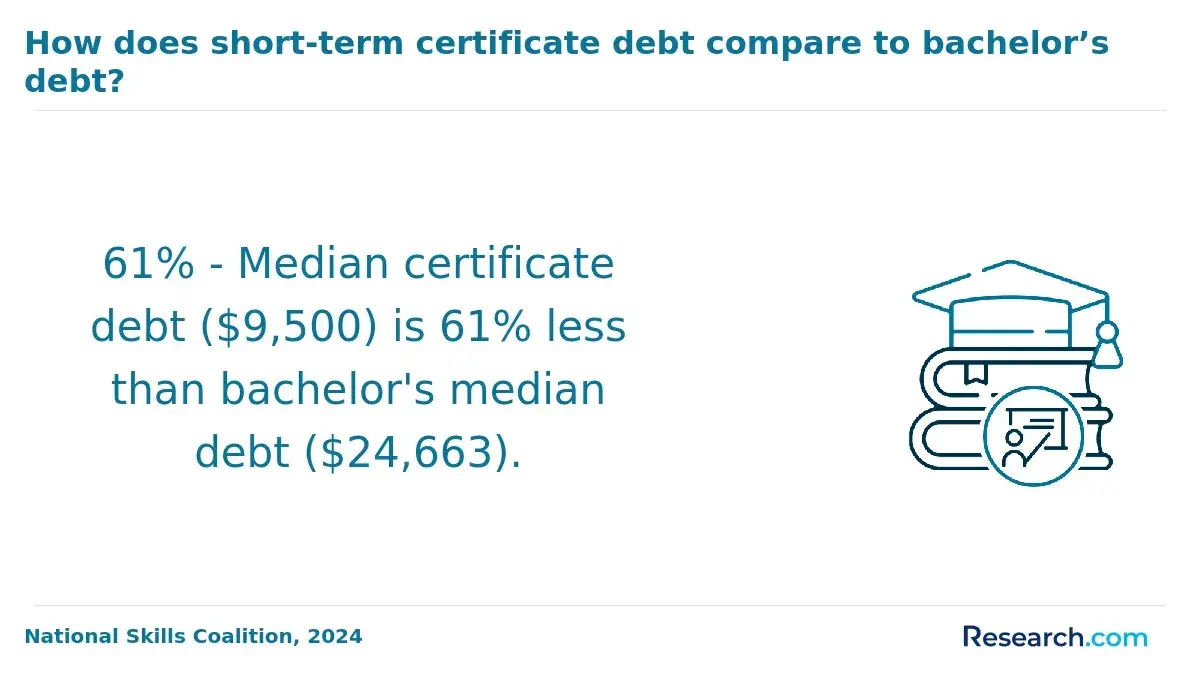
Tuition for a master's program in developmental psychology is generally charged per credit hour, with costs often differing based on residency. Public institutions typically offer lower rates for in-state students, ranging between $400 and $700 per credit hour, while out-of-state students face higher fees. Private and online programs may instead apply a consistent flat tuition fee, which can simplify budgeting but varies greatly among schools.
Beyond tuition, program fees cover administrative expenses and access to campus resources, while technology or lab fees support essential components like online platforms and research needs. Students attending classes on-site should also budget for housing, food, transportation, and other living costs, which can significantly increase the total amount required.
National averages show that completing a master's degree in developmental psychology costs between $20,000 and $50,000 overall, depending on factors like residency, institution, and delivery format. However, this sticker price rarely reflects what students ultimately pay since financial aid-such as scholarships, grants, assistantships, and loans-often lowers actual expenses.
- Residency-Dependent Tuition: Public universities charge less for in-state residents, which can drastically reduce the total program cost.
- Additional Program and Lab Fees: Mandatory fees for administration and technology support raise the baseline cost beyond just tuition.
- Living Expenses for On-Campus Students: Housing, meals, and transportation vary widely but add substantial costs for those attending in person.
- Flat Tuition in Online Programs: Many online developmental psychology degrees offer uniform tuition rates regardless of where students live.
- Reduced Net Cost Through Financial Aid: Most students benefit from aid packages that decrease the amount they pay compared to listed tuition and fees.
Financial aid for developmental psychology master's students tends to be more limited than for undergraduates, with fewer grant opportunities and a heavier reliance on loans and assistantships. Completing the Free Application for Federal Student Aid (FAFSA) remains the essential first step to access federal aid such as Direct Unsubsidized and Grad PLUS Loans, which offer flexible repayment plans suited for graduate studies. While grants are rare at the master's level, some universities provide institutional grants or fellowships based on academic merit or research promise, making it important to check individual program websites closely.
Graduate assistantships are a valuable resource, offering paid teaching or research experience alongside tuition waivers or stipends that significantly offset costs. Working professionals should explore employer tuition reimbursement programs, which can provide partial or full funding for graduate education. Additionally, private scholarships tailored to psychology or related disciplines can supplement other aid, as can state-funded programs available to graduate students enrolled in public universities.
- Federal Loans and FAFSA: Completing the FAFSA unlocks eligibility for federal loan programs designed for graduate students, helping manage tuition with repayment options suited to their financial situation.
- Institutional Grants and Fellowships: Some universities award grants and competitive fellowships based on academic or research credentials; prospective students should consult their target programs directly.
- Graduate Assistantships: These positions combine financial support with valuable teaching or research experience, reducing tuition costs through stipends and waivers.
- Employer Tuition Benefits: Students currently employed can benefit from tuition reimbursement plans offered by many employers to help fund their graduate studies.
- Private and State Scholarships: Discipline-specific scholarships and state-funded aid programs support graduate students pursuing developmental psychology degrees within public university systems.
Scholarships for students pursuing a master's degree in developmental psychology primarily originate from two sources: institutional awards given by universities and external scholarships provided by professional associations, foundations, and government agencies. Institutional scholarships often consider academic merit, financial need, or involvement in departmental research projects, making communication with the developmental psychology program's financial office a useful first step. External scholarships typically come from organizations dedicated to psychology or related fields and may feature more competitive and varied eligibility criteria.
Prospective students seeking financial aid options for developmental psychology graduate students should explore the websites of relevant professional bodies like the Society for Research in Child Development or the American Psychological Association, which list specialized scholarships. Aggregator databases such as Fastweb or Scholarship.com and federal scholarship search tools also broaden access to available funding beyond institutional offerings. It's essential to carefully review eligibility requirements, award amounts, and application deadlines, as many scholarships are renewable and can support multiple years of study.
- Institutional Scholarships: Awarded directly by universities, these scholarships often consider academic achievements, research participation, and financial need, so contacting the school's financial aid office is recommended.
- External Funding Sources: Offered by professional societies and foundations, these scholarships may be open nationally or internationally and have varying application requirements.
- Research Professional Websites: Visiting organization websites related to developmental psychology can reveal specialized scholarships that are not widely advertised.
- Use of Scholarship Databases: Online aggregators and federal tools enable a broader and more diverse search for scholarships and grants aligned with graduate study priorities.
- Renewability and Award Limits: Many scholarships offer renewable funding for several years, which aids long-term financial planning throughout a master's program.
About 45% of master's students in psychology-related fields receive scholarships or fellowships, indicating expanding support within this academic area. For those interested in combining graduate studies with practical career advancement, programs like an EdD degree offer additional pathways to balance advanced education and work commitments.
Credibility in an online developmental psychology master's program hinges primarily on accreditation. Prospective students should verify that the program holds regional or recognized programmatic accreditation, which ensures the degree's acceptance across academic and professional settings. While rankings from credible sources can serve as a preliminary reference, they should not be the sole factor in program selection.
Faculty expertise significantly enhances the learning experience. The best programs employ professors with doctoral degrees and active involvement in research or clinical practice, which ensures a curriculum grounded in current theory and applications. For those seeking the best accredited master's degrees in developmental psychology online, faculty credentials signal the program's quality and depth.
Online program flexibility is a distinct advantage, especially for working adults balancing family or employment commitments. Asynchronous coursework allows students in online developmental psychology master's programs with enrollment open to study on a schedule that suits their needs. However, this convenience may come with trade-offs, including fewer chances for in-person networking and collaboration, potentially limiting professional connections.
Robust student support services-including academic advising, career counseling, and technical assistance-are vital for sustaining academic progress and professional growth. Additionally, strong career placement rates demonstrate successful graduate outcomes, which should factor into decisions about where to enroll. Prospective students may also explore related fields, such as a cyber security degree online, but should carefully assess how these compare to developmental psychology options.
- Accreditation Status: Confirm regional or programmatic accreditation to ensure recognized academic standards and degree value.
- Qualified Faculty: Look for instructors with doctoral degrees and active research or clinical expertise to deepen your learning experience.
- Flexible Learning Formats: Programs often offer asynchronous scheduling ideal for working adults, though it may reduce networking opportunities.
- Student Support Services: Comprehensive advising, career counseling, and technical help foster academic success and professional development.
- Career Outcomes: High graduate employment rates reflect program effectiveness and return on investment.
Regional accreditation evaluates an entire institution to ensure it meets comprehensive quality and operational standards, which affects eligibility for federal financial aid and overall institutional credibility. In contrast, programmatic accreditation targets specific academic programs, including developmental psychology, ensuring these meet specialized standards important for licensure and professional practice. While no single agency accredits developmental psychology exclusively, recognized organizations like the American Psychological Association (APA) influence program quality and licensure pathways for related psychology fields. Choosing an accredited program not only supports eligibility for advanced degrees and licensure but also enhances employer trust in a candidate's education. Prospective students should confirm a program's accreditation by consulting the U.S. Department of Education's official accreditation database to avoid enrolling in unrecognized or substandard programs.
- Regional Accreditation: Guarantees institutional quality and access to federal financial aid, impacting cost and reputation.
- Programmatic Accreditation: Focuses on specific program standards within developmental psychology, often required for licensure and certification.
- Licensure Eligibility: Many states require degrees from accredited programs as a prerequisite for professional licensing.
- Employer Confidence: Accredited degrees demonstrate rigorous training, improving job market competitiveness.
- Accreditation Verification: Students must independently verify accreditation status through the U.S. Department of Education's Database of Accredited Postsecondary Institutions and Programs for assurance.
Graduates holding a master's degree in developmental psychology often find employment across multiple sectors, including education, healthcare, research, and human services. According to the Bureau of Labor Statistics, median salaries in psychology-related fields range between $50,000 and $80,000 annually, with variation depending on role and location. A master's degree provides a clear advantage over a bachelor's, offering higher earning potential and improved prospects for leadership and specialized positions. Common roles for master's holders include behavioral counselors, research coordinators, and child life specialists, frequently employed by schools, hospitals, government bodies, and private companies. Leveraging alumni networks and university career services can be crucial for securing internships, mentorship, and job placements, helping graduates navigate the job market effectively.
- Diverse Employment Opportunities: Master's graduates work in various environments such as healthcare, education, social services, and corporate sectors, demonstrating the field's broad applicability.
- Salary and Promotion Benefits: Advanced degrees typically lead to higher salaries and greater chances for career progression compared to bachelor's degree holders, particularly in clinical and research jobs.
- Advanced Professional Roles: Positions requiring specialized graduate-level knowledge, like child life specialists or research analysts, are accessible to those with a master's.
- Positive Job Outlook: Demand for psychology professions is expected to grow steadily, driven by increased mental health awareness and developmental support needs.
- Career Support Networks: Alumni associations and career services offer valuable resources for job searching, mentorship, and professional growth.
What Graduates Say About Their Developmental Psychology Degree Master's Program
- Kayden: "I chose the developmental psychology master's degree because I wanted a deeper understanding of human growth across the lifespan, which has been essential in my counseling career. Despite concerns about the program's cost, I found the investment worthwhile given the specialized knowledge and skills I gained. Completing this degree opened numerous doors, allowing me to work confidently with diverse age groups in mental health settings."
- Cannon: "Reflecting on my decision to pursue a developmental psychology master's, I now appreciate how the program's comprehensive curriculum truly built my expertise in child and adolescent development. The financial commitment was significant, but scholarships and assistantships helped ease the burden. Professionally, this degree has been a game-changer, helping me secure roles in research and community outreach where I make a tangible impact."
- Nolan: "The developmental psychology master's degree fit perfectly with my goal to blend research and practical application, especially in educational environments. The tuition costs were a factor, but I viewed it as a strategic investment in my future. Since graduating, the degree has enhanced my credibility and led to leadership opportunities in program development focused on early childhood intervention."
Other Things You Should Know About Developmental Psychology Degrees
Choosing the right developmental psychology master's program involves considering your career objectives and the program's curriculum. Look for programs that offer specialization areas or research opportunities aligned with your interests, such as child development, aging, or cognitive processes. Accreditation and faculty expertise are also important factors, as they affect the quality of education and future employment prospects.
Most programs require 12 to 18 undergraduate credits in psychology, including developmental psychology, research methods, and statistics. Some also expect a minimum 3.0 GPA and may ask for a writing sample or evidence of child-related experience before admitting students for 2027 entry.
- Best Online Child Psychology Master's Degrees Updated for 2025 https://www.psychologydegrees.org/programs/online/child-psychology-masters
- Top Scholarships for Psychology Students — The Scholarship Collective ® https://www.thescholarshipcollective.com/blog/top-scholarships-for-pyschology-students
- Raising the Bar: The Impact of Accreditation on Psychology Training | SoMAP - The Society of Modern Applied Psychology https://thesomap.org/raising-the-bar-the-impact-of-accreditation-on-psychology-training/
- COGDOP Graduate Student Scholarships - American Psychological Foundation https://ampsychfdn.org/funding/cogdop/
- Graduate Programs in Developmental Psychology https://www.apadivisions.org/division-7/students-careers/graduate-programs
- Best Online Master's & Doctoral Programs In Psychology 2025 https://www.psychology.org/rankings/best-online-graduate-degree-programs/
- Graduate Scholarships and Resources for Psychology Students https://www.onlinemastersdegrees.org/student-resources/psychology/
- Online master's in developmental psychology | edX https://www.edx.org/masters/psychology/developmental-psychology
- Why Psychology School Accreditation Matters | All Psychology Schools https://www.allpsychologyschools.com/psychology-grad-school-admissions/accreditation/
- Graduate Program https://psychology.sfsu.edu/devpsych/content/developmental-psychology-san-francisco-state-university-14