2027 Healthcare Compliance & Regulations Degree Careers That Do Not Require Graduate School
Audited and Verified:
Our Editorial and Data Verification Process
Research.com uses government datasets, official education statistics and primary institutional information to support its career and degree guides. Our review process checks factual accuracy, occupational definitions, source dates and the requirements associated with the credentials discussed.
How This Article Was Fact-Checked
Our editorial team verifies salary estimates, employment projections, education requirements and program information against original data providers and official organizations. Salary figures are checked against the relevant occupational definitions and reporting periods. Information about licensure, accreditation and required in-person training is reviewed separately.
Fact-checked and verified on:

Co-Founder and Chief Data Scientist
Why do some healthcare compliance & regulations degree careers allow graduates to start working immediately, while others demand advanced degrees or specialized credentials? Around 35% of healthcare compliance & regulations-related positions require just a bachelor's degree, reflecting employer preference for hands-on experience and foundational knowledge. Entry-level roles such as compliance analysts often do not mandate graduate study, contrasting sharply with regulatory affairs specialists and advisors.
This article explores healthcare compliance & regulations career paths that do not require graduate school but still provide strong long-term prospects and employability.
Key Things to Know About the Healthcare Compliance & Regulations Careers That Do Not Require Graduate School
- Many healthcare compliance & regulations roles are accessible directly after earning a bachelor's degree, enabling early workforce entry without the need for graduate studies.
- Employers prioritize candidates with relevant skills, certifications, and internships, often favoring practical experience over advanced academic qualifications for entry-level positions.
- These factors combined enhance accessibility to meaningful healthcare compliance & regulations careers with potential for long-term growth and professional development.
What Career Paths Can You Pursue with a Healthcare Compliance & Regulations Degree Without Graduate School?
Many healthcare compliance & regulations degree holders can find a broad range of careers available immediately after earning a bachelor's degree, although opportunities may vary by role type and industry demand. Studies show that roughly 65% of graduates in this field enter the workforce without pursuing graduate education, highlighting strong hiring trends for those with bachelor's-level qualifications.
Several entry-level healthcare compliance job options with no graduate degree are particularly accessible and well-suited to recent graduates.
- Compliance Coordinator: This position involves overseeing organizational practices to ensure compliance with healthcare laws, making it a natural fit for bachelor's graduates who possess foundational regulatory knowledge applicable across many settings.
- Healthcare Risk Analyst: Graduates can utilize their analytical skills to assess and mitigate risks within healthcare environments, a role that values practical understanding of compliance without requiring advanced academic credentials.
- Health Information Manager: Managing and protecting patient data aligns closely with the training provided in healthcare compliance & regulations bachelor's programs, making this a common entry point for degree holders.
- Regulatory Affairs Specialist: This role supports healthcare entities in complying with state and federal regulations, leveraging broad regulatory education and offering opportunities for those without graduate degrees.
- Quality Assurance Associate: Focused on upholding service standards, this position often seeks candidates with a clear grasp of compliance principles taught in undergraduate programs.
For those exploring educational pathways, researching nursing schools with high acceptance rates can help guide decisions about complementary healthcare qualifications that enhance employability.
What Are the Highest-Paying Jobs for Healthcare Compliance & Regulations Degree Graduates Without a Graduate Degree?
Many of the highest-paying careers available to healthcare compliance & regulations graduates can be reached without attending graduate school, especially in roles where employers prioritize bachelor's-level credentials combined with practical expertise. According to the U.S. Bureau of Labor Statistics, compliance officers in this field have a median annual wage near $73,000, with top earners surpassing $100,000 in specialized sectors. This demonstrates significant earning potential for graduates who enter the workforce with a solid undergraduate foundation.
Below are some notable roles that typically offer competitive salaries at the bachelor's level due to their critical organizational impact:
- Healthcare Compliance Officer: These professionals play a vital role in ensuring that healthcare providers meet legal and regulatory standards, preventing costly penalties and protecting sensitive patient data. Their ability to mitigate legal and operational risks often translates into strong compensation packages.
- Health Information Manager: Tasked with overseeing the accuracy and security of medical records and data systems, these managers support regulatory compliance and inform decision-making, making their positions essential and well-remunerated.
- Risk Management Specialist: By identifying and addressing potential risks within healthcare settings, these specialists help organizations avoid financial losses and maintain patient safety, which frequently results in higher salary offers.
- Regulatory Affairs Specialist: These experts ensure healthcare products and services conform to complex government regulations, directly influencing business operations and contributing to revenue protection, factors that justify competitive pay.
- Clinical Compliance Analyst: Responsible for evaluating compliance with clinical policies, these analysts help maintain institutional accreditation and patient safety standards, roles often rewarded with elevated compensation.
The demand for healthcare compliance expertise continues to grow, making these roles both financially attractive and pivotal for organizational success even without advanced degrees.
What Skills Do You Gain from a Healthcare Compliance & Regulations Degree That Employers Value?
Healthcare compliance & regulations degree programs provide students with practical, transferable skills highly valued by employers, especially for jobs that do not demand graduate-level education. A 2023 survey from the National Association of Colleges and Employers found that 91% of employers prioritize transferable skills like communication and problem-solving when hiring bachelor's degree holders. These programs focus on equipping students to effectively manage the complexities of healthcare settings.
The following skills are commonly strengthened during healthcare compliance & regulations studies and are prized in entry-level positions:
- Regulatory Knowledge: Students learn to navigate healthcare laws and compliance requirements, allowing them to help organizations mitigate legal risks and maintain ethical standards, an essential asset for roles in hospitals and insurance firms.
- Analytical Thinking: The degree cultivates the ability to evaluate policies and data critically, supporting compliance audits and informed decision-making that employers rely on for accuracy and accountability.
- Attention to Detail: Precision in monitoring documentation and adherence to regulations is emphasized, reducing mistakes and enhancing the organization's credibility and operational integrity.
- Communication Skills: Training includes explaining complex healthcare regulations clearly to various stakeholders, fostering collaboration and smooth implementation of compliance measures.
- Ethical Judgment: Programs nurture a professional ethical mindset, strengthening trustworthiness and responsibility-qualities that healthcare employers deeply appreciate.
A healthcare compliance & regulations degree graduate shared that early in their career, applying clear communication and meticulous analysis helped them identify subtle compliance issues that others missed, reinforcing how crucial these skills are in real-world healthcare environments and often requiring adaptability to diverse team dynamics.
Approximately 65% of healthcare compliance & regulations graduates secure entry-level roles within six months of completing their bachelor's degree, even without prior professional experience. Many employers craft positions targeted at recent graduates, enabling immediate workforce entry without graduate school or extensive job history. This growing availability highlights promising early career opportunities for those focused on healthcare compliance jobs for recent graduates.
Here are some common entry-level positions accessible to healthcare compliance & regulations graduates with no experience:
- Compliance Analyst: These roles often have structured training programs that help new graduates understand healthcare laws and internal policies. Employers value attention to detail and provide hands-on experience in monitoring organizational compliance.
- Regulatory Affairs Assistant: Entry-level assistants support documentation and regulatory tracking, allowing candidates with foundational knowledge to gain expertise through employer-led training on specific healthcare policies.
- Healthcare Auditor: Early-career auditors usually work under supervision to verify clinical and administrative standards, making this job suitable for those starting a career in healthcare compliance and regulations.
- Risk Management Coordinator: This position involves assisting with risk identification and mitigation, often serving as a stepping stone with on-the-job learning about complex healthcare regulations.
Many entry-level healthcare compliance careers with no experience exist due to employer recognition that building skills on the job is essential. For prospective students exploring compliance pathways, understanding the variety of entry positions can guide their job search effectively. For additional insights related to healthcare education, including options like what nursing school doesn't require TEAS, can offer useful context when planning a healthcare compliance degree.
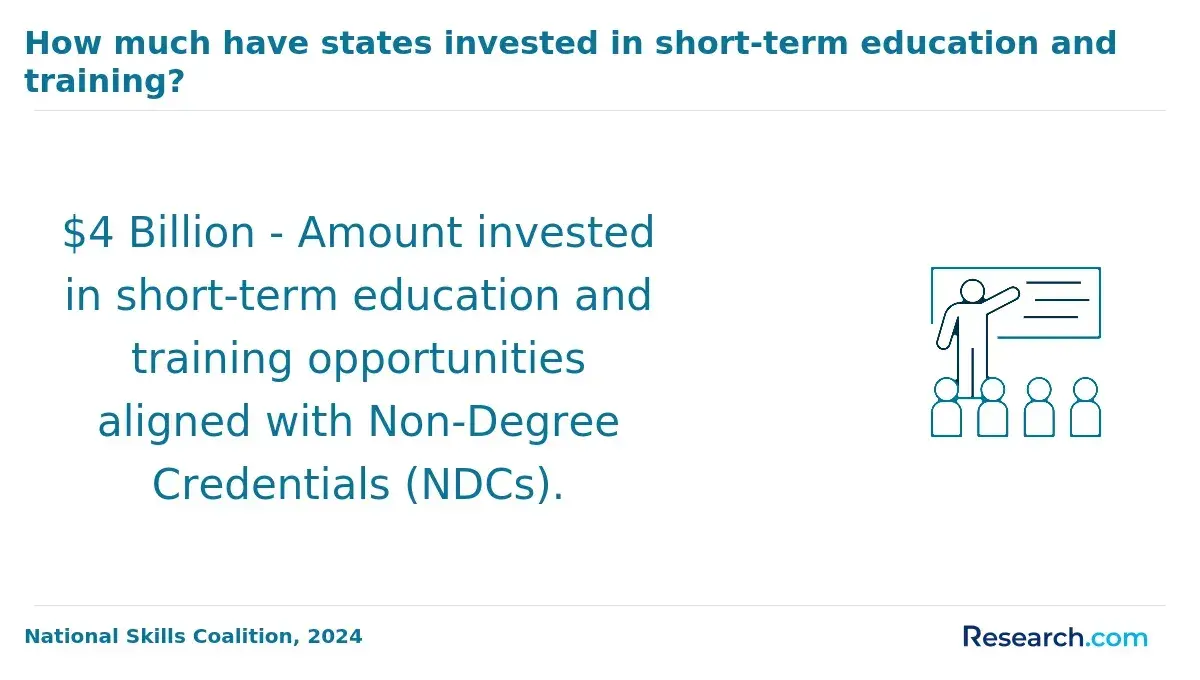
Certifications and short courses provide a focused and efficient way for healthcare compliance & regulations graduates to boost their job prospects without the commitment of graduate school. These credentials supply targeted expertise that meets industry needs and helps graduates stand out. A recent survey found that 78% of healthcare employers favor candidates with professional certifications or specialized training, underscoring their importance in hiring decisions.
Here are some notable certifications and courses that can strengthen career potential:
- Certified in Healthcare Compliance (CHC): This widely recognized credential validates knowledge of compliance frameworks and regulatory requirements, enhancing trust with employers and paving the way for roles involving policy enforcement and risk mitigation.
- Certified Healthcare Privacy and Security Practitioner (CHPS): Focused on privacy laws like HIPAA, this certification equips professionals with skills to safeguard patient information and manage security protocols, which are crucial as data protection demands grow.
- Healthcare Compliance Certificate: Offered by various organizations, these short courses cover essential topics like ethics, regulations, and monitoring methods, delivering practical knowledge that improves readiness for compliance roles.
- Certified Professional in Healthcare Quality (CPHQ): This certification centers on quality management principles and performance improvement, strengthening qualifications related to healthcare standards and organizational compliance.
A healthcare compliance & regulations professional shared that pursuing a certification after graduation was transformative. Though balancing work and study presented challenges, the structured coursework deepened their understanding and increased confidence in handling compliance issues. This credential opened doors to greater responsibilities and career advancement without the need for a graduate degree, proving to be a strategic step in their professional journey.
Opportunities vary across industries for healthcare compliance & regulations graduates entering the workforce without a master's degree. Certain sectors particularly favor bachelor's-level candidates because their operational scale and regulatory demands create a consistent need for compliance staff. According to the U.S. Bureau of Labor Statistics, nearly 60% of roles in healthcare compliance and related regulatory fields are held by professionals with a bachelor's degree or similar experience.
Below are some industries that routinely provide entry points for these graduates without requiring graduate education.
- Healthcare Providers and Facilities: Large hospitals and care centers employ numerous compliance personnel to oversee regulatory adherence across varied clinical environments. The volume of roles and practical oversight functions make this sector welcoming to bachelor's-level applicants.
- Health Insurance Companies: Complex rules around claims, privacy, and billing demand vigilant compliance teams. Insurance firms frequently hire bachelor's-degree holders to help maintain and monitor these regulatory systems.
- Pharmaceutical and Medical Device Manufacturers: With extensive oversight from agencies such as the FDA, these companies build strong compliance departments. Entry-level positions for bachelor's graduates often involve documentation support and quality assurance tasks.
- Government Health Agencies: Public health departments at all levels monitor and enforce standards, commonly employing professionals with bachelor's degrees to conduct audits, implement policies, and ensure regulatory compliance.
- Healthcare Consulting Firms: These firms assist various healthcare entities with compliance reviews and process enhancements, offering bachelor's-trained graduates exposure to diverse regulatory challenges across multiple industries.
Non-traditional career structures in healthcare compliance & regulations reduce dependence on conventional employer-based pathways, making it easier for graduates without prior experience or graduate degrees to enter the field. Digital platforms and independent work models enable greater access by eliminating many geographic and institutional barriers. Remote and freelance roles also provide flexible, project-driven options to build relevant skills and professional networks.
According to a U.S. Bureau of Labor Statistics report, approximately 35% of workers with bachelor's degrees in healthcare and compliance-related fields are now involved in remote employment, highlighting the growing shift toward flexible work arrangements.
The following list outlines prominent freelance, remote, and non-traditional career pathways that offer adaptable entry points for healthcare compliance & regulations graduates:
- Distributed compliance teams: These teams collaborate virtually across multiple sites, allowing graduates to join healthcare organizations remotely while benefiting from ongoing mentorship and training, which offsets limited work experience.
- Digital-first labor markets: Online freelance platforms host healthcare policy reviews, regulatory documentation projects, and data privacy audits, allowing graduates to undertake short-term contracts based on skills rather than formal employment history.
- Project-based independent consulting: Freelancers provide specialized compliance advice to multiple clients on a flexible schedule, enabling rapid skill acquisition and self-directed career development without permanent commitments.
- Telehealth compliance monitoring: Remote quality assurance and regulatory oversight support telehealth providers operating across regions, offering graduates location-independent roles driven by expanding digital health services.
- Regulatory content creation and training: Freelance creators develop educational materials and online modules for healthcare organizations, merging compliance knowledge with instructional design in a flexible freelance niche.
Graduates with a healthcare compliance & regulations degree can start building careers without pursuing graduate school by entering the workforce immediately after completing their bachelor's. Early career momentum often depends on access to entry-level roles, gaining exposure to workplace environments, and the opportunity to progress through experience. Many employers offer positions such as compliance analyst or regulatory affairs specialist that help graduates apply foundational knowledge in real-world settings. Approximately 60% of healthcare compliance and regulations degree entry-level jobs are filled within six months by bachelor's holders who do not pursue advanced degrees, highlighting the field's accessibility.
Long-term career development for those with a healthcare compliance & regulations degree typically involves advancing within organizations by taking on broader responsibilities and evolving roles over time. Career growth is often fueled by continued professional engagement and on-the-job learning rather than formal graduate education, allowing individuals to specialize in areas like privacy, billing regulations, or patient safety. This pathway varies across employers but generally supports steady upward mobility based on experience and proven skills. For students seeking a fast track program, this approach offers a clear route to build a fulfilling career in healthcare compliance & regulations without additional schooling.
Many students pursuing a healthcare compliance & regulations bachelor's degree career advantages and disadvantages choose to enter the workforce directly without graduate school. This approach allows for earlier job market entry but may influence long-term professional growth and specialization options. According to recent employment data, approximately 60% of healthcare compliance roles are accessible to candidates holding only a bachelor's degree, though earnings tend to be higher for those with advanced qualifications.
Below are some key points to consider when deciding whether to forgo graduate education in this field:
- Early Workforce Entry: Skipping graduate school enables quicker employment, reducing opportunity costs and providing practical experience sooner. Many entry-level healthcare compliance and regulations jobs without graduate school validate this path as viable for career starters.
- Cost Savings: Avoiding graduate tuition and related expenses can alleviate financial burdens. This is significant given the rising cost of postgraduate education and potential student loan debt.
- Long-Term Progression Limits: Certain higher-level positions at large institutions or government agencies may require advanced degrees, potentially limiting upward mobility over time.
- Career Flexibility: Starting with a bachelor's degree allows individuals to explore various sectors within healthcare compliance before committing to graduate studies or specialized career tracks.
- Experience vs. Education Balance: Some employers prioritize practical experience and certifications over graduate degrees, though combining both often yields the best outcomes.
For students seeking to expand educational options related to healthcare fields, exploring pharmacy school online accredited programs can provide additional pathways.
Graduates holding a bachelor's degree in Healthcare Compliance & Regulations generally experience steady demand in the labor market as organizations increasingly focus on regulatory adherence and risk management. Employment opportunities in this sector are expected to grow consistently through 2025, reflecting broader employment trends for healthcare compliance and regulations bachelor's degree graduates. Labor data suggests that many find career placement without requiring graduate school, benefiting from the healthcare industry's evolving complexity. Median salaries for these graduates typically range from $50,000 to $85,000 annually, influenced by regional and employer differences.
Job market outcomes for Healthcare Compliance & Regulations graduates vary significantly depending on the specific career path and labor market conditions. Opportunities span multiple sectors, but compensation and accessibility fluctuate with factors such as organizational priorities and geographic demand. It is important to recognize that employment trends for healthcare compliance and regulations careers without graduate school do not follow a uniform pattern, necessitating adaptability among graduates. Those interested in advancement may explore additional credentials or specialized experience, sometimes aligned with programs like the shortest post master's FNP program online, to enhance employability.
What Graduates Say About Healthcare Compliance & Regulations Careers Even Without Pursuing Graduate School
- Vance: "Graduating with a healthcare compliance & regulations degree allowed me to step straight into the workforce with confidence. I found that employers valued my understanding of healthcare laws and regulatory frameworks, which gave me a clear edge over other candidates who lacked that foundation. Reflecting on my early career, I'm grateful that I didn't feel the pressure to pursue graduate school to land meaningful opportunities."
- Zane: "My experience as a healthcare compliance & regulations degree graduate was surprisingly smooth in transitioning to a compliance analyst role. The practical skills and knowledge I gained during my degree helped me navigate complex regulatory environments without needing further education. I often recommend this degree to peers who want to avoid additional schooling but still build a solid career path."
- Gael: "Choosing to enter the workforce directly after earning my healthcare compliance & regulations degree was the best decision for me at the time. The degree provided a strong grasp of the industry's regulatory demands, which employers recognize and appreciate. I've seen firsthand how this credential helped me secure a compliance position and establish myself professionally without the extra cost or time commitment of graduate study."
Other Things You Should Know About Healthcare Compliance & Regulations Degrees
Yes, internships and volunteer roles can significantly enhance a candidate's employment prospects in healthcare compliance & regulations fields. These experiences provide hands-on exposure to regulatory processes and help build professional networks. Many employers look for demonstrated familiarity with healthcare environments even when advanced degrees are not held.
Healthcare compliance & regulations professionals can progress through gaining relevant certifications, accumulating work experience, and demonstrating leadership skills. Many mid-level and senior positions are attainable without graduate degrees if professionals show expertise in navigating complex regulatory frameworks. Continuous professional development remains critical for career advancement.
The most recognized entry-level credential is the Certified in Healthcare Compliance (CHC) from HCCA. Candidates need 1,500 hours of compliance-related work or 30 hours of continuing education, plus one year of healthcare experience. The certification is especially useful for compliance analyst, privacy, and auditor roles.
- Healthcare Regulations and Compliance: A Lucrative Career... https://residencyadvisor.com/resources/alternative-medical-careers/healthcare-regulations-compliance-lucrative-career-path
- Master’s in Compliance: Is It Worth It? Exploring Career Paths, Salaries, and Top Programs https://masteroflegalstudies.com/programs/masters-in-compliance/
- 10 Career Pathways in Healthcare Compliance Management https://hospitalcareers.com/blog/career-pathways-for-healthcare-compliance/
- Top 5 Careers with an MLS Degree in Healthcare Compliance https://www.wsulaw.edu/news/top-5-healthcare-compliance-careers-you-can-pursue-with-an-mls-degree/
- Top 30 U.S. Healthcare Careers That Don't Require A Graduate Degree - BestMedicalDegrees.com https://www.bestmedicaldegrees.com/highest-paying-healthcare-careers-that-dont-require-a-graduate-degree/
- Career Opportunities in Healthcare Without a Medical Degree https://www.just-medical.ch/en/blog/medical-careers-without-formal-education
- Remote Healthcare Compliance Jobs https://www.virtualvocations.com/q-remote-healthcare-compliance-jobs.html
- Working in Healthcare Without a Medical Degree: 7 Jobs You Can Apply for Now - WPRG https://wprg.london/blog/working-in-healthcare-without-a-medical-degree-7-jobs-you-can-apply-for-now/
- What Is the Most Recognized Healthcare Compliance Certification? https://medtrainer.com/blog/most-recognized-healthcare-compliance-certification/
- How to become a healthcare compliance officer - AAPC https://www.aapc.com/resources/how-to-become-a-healthcare-compliance-officer