2026 Graduation Rates for Online Nurse Midwifery Master's Programs: Completion Statistics

Co-Founder and Chief Data Scientist
Juggling full-time work, family care, and financial strain often forces prospective students to question their ability to finish an online nurse midwifery master's program. A 2024 study found that only about 58% of enrollees in these programs graduate within the expected time frame, highlighting how real-world pressures impact completion beyond initial enrollment.
This trend signals institutional support gaps and time management challenges rather than lack of commitment alone. Understanding these nuanced barriers matters because graduation directly affects eligibility for certification, clinical opportunities, and career mobility.
This article examines graduation rates, completion statistics, and key factors shaping student success in earning a nurse midwifery master's degree on schedule.
Key Things to Know About Graduation Rates for Online Nurse Midwifery Master's Programs
- Graduation rates for online nurse midwifery master's programs average around 65%, reflecting significant time and financial commitment tradeoffs that affect adult learners balancing work and family obligations.
- Employers increasingly value programs with rigorous clinical placement integrations, meaning higher completion rates often correlate with stronger workforce readiness and employability post-graduation.
- Programs reporting faster median completion times reduce overall cost burden and delay to career advancement, underscoring the importance of pacing and institutional support in persistence outcomes.
What Are the Graduation Rates for Online Nurse Midwifery Master's Programs?
Graduation rates for online nurse midwifery master's programs must be viewed through the lens of the distinct challenges faced by adult learners balancing demanding clinical requirements with work and personal responsibilities.
Completion statistics for nurse midwifery master's degree online frequently mask the complexity behind time-to-degree, as many students enroll part-time or take leaves for necessary clinical rotations, extending typical timelines beyond traditional expectations. For instance, a student working full-time while fulfilling clinical placements may stretch their program duration to accommodate both job and clinical demands, which can lower immediate graduation rates despite persistent progress toward degree completion.
National Center for Education Statistics (NCES) data updated in 2024 indicate that typical completion rates for online graduate health programs, including nurse midwifery, fall between 60% and 70% within six years, reflecting a broader trend of flexible pacing in online graduate education rather than program deficiencies.
These figures highlight the importance of interpreting graduation rates in the context of program design, student demographics, and institutional support mechanisms such as regular faculty engagement and clinical placement assistance. Prospective students should also consider persistence rates, which often provide a clearer indicator of student success and program fit than snapshot graduation rates alone.
Programs that fail to offer strong advising or adaptable scheduling tend to see higher attrition, underscoring how program structure directly impacts student outcomes and timely graduation.
Understanding these nuances is critical for realistic planning and expectation-setting when selecting an online nurse midwifery program. While the convenience of online study facilitates access, it does not ensure timely degree completion without sufficient external support and personal commitment. The interplay between academic rigor and practical constraints remains a key factor influencing student success.
Those evaluating degree options may similarly explore alternative pathways, such as RN to BSN online with no clinicals, to better match their professional and personal circumstances without compromising educational progression.
How Do Graduation Rates Compare Among Online Nurse Midwifery Master's Programs?
Graduation rates for online nurse midwifery master's programs vary significantly based on how institutions structure their curriculum and support services. Programs designed around full-time enrollment with fixed cohorts often report on-time completion rates exceeding 80%, as noted by recent data from the National Center for Education Statistics.
In contrast, programs with more flexible, part-time pacing tend to show lower rates within standard timelines, reflecting the realities faced by many working professionals balancing clinical hours, employment, and family obligations. Differences in academic support, such as mentoring and early intervention, also create divergence.
Programs with robust advising tend to retain and graduate more students within expected periods, while those with less structured guidance may see extended time-to-degree or higher attrition.
Students evaluating online nurse midwifery programs must consider how these variations translate into practical outcomes. For example, a program offering rolling admissions and stop-out options may accommodate nontraditional students but report lower graduation rates measured against strict timeframes.
Alternatively, highly selective programs admitting candidates with healthcare experience generally achieve stronger persistence but may limit access for those transitioning from unrelated fields. The choice between flexibility and on-time completion is a critical tradeoff that impacts not only graduation statistics but also workforce readiness and employer expectations in clinical settings, where timely progression through clinical placements is essential for licensure and employment.
One graduate recalled comparing two programs where one advertised a 90% completion rate within three years, but that figure only included students who began full-time cohorts without interruptions. The other program reported a 65% rate over five years, reflecting more part-time students and those with extended clinical placements.
She cautioned that admissions staff were not always clear whether reported rates accounted for part-time pacing or stop-out students, prompting her to weigh stronger advising support against the flexibility needed to manage work and family demands. This nuanced comparison ultimately shaped her decision, emphasizing how graduation-rate statistics require careful interpretation beyond headline numbers.
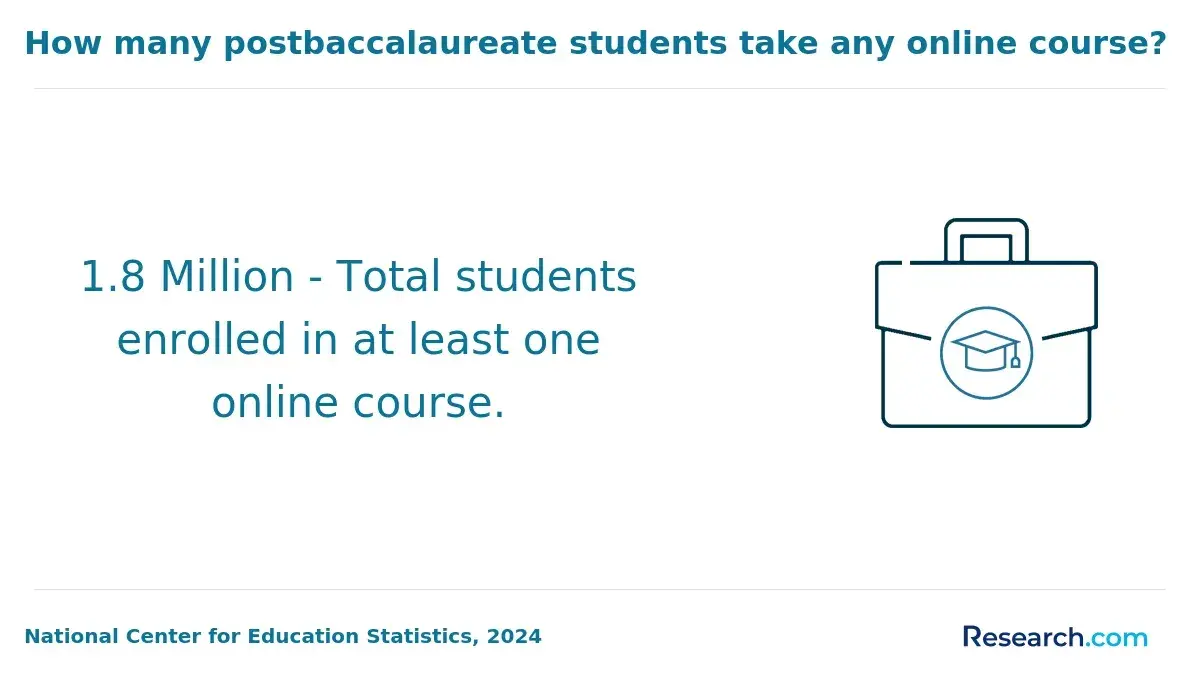
How Do Online Nurse Midwifery Master's Program Graduation Rates Compare to On-Campus Programs?
Graduation rates for online nurse midwifery master's programs often appear lower than those of traditional on-campus counterparts, but this difference largely reflects distinct student profiles and program structures rather than instructional quality. Students in online tracks frequently juggle full-time employment and family responsibilities, leading many to enroll part-time and extend their time to degree.
For example, a working nurse pursuing an online program may need additional semesters beyond the typical two-to-three-year timeline due to shift work or caregiving duties, which inflates completion duration statistics compared to campus-based peers.
The National Center for Education Statistics reported a 65% average six-year completion rate for online nursing graduate programs in 2024, slightly below the 70% for on-campus, with these figures shaped by differing enrollment intensity and external pressures.
Institutional factors such as cohort models, availability of synchronous coursework, and robust virtual advising can significantly improve retention and graduation rates for online nurse midwifery students. Programs offering strong clinical placement partnerships also mitigate barriers in fulfilling practicum requirements remotely, directly affecting timely completion and workforce readiness.
Because online and on-campus programs serve adult learners with varied life circumstances, raw comparisons of graduation rates risk oversimplifying outcomes. Prospective students should assess whether a program's support infrastructure aligns with their need for flexibility and consider how part-time enrollment or less structured course sequencing might extend their educational timeline, affecting both educational costs and entry into midwifery roles within healthcare systems.
What Factors Influence Graduation Rates in Online Nurse Midwifery Master's Programs?
Graduation rates in online nurse midwifery master's programs are closely tied to the intensity of enrollment and how programs manage course sequencing alongside clinical requirements. Part-time students, often balancing employment and family obligations, exhibit longer completion timelines and a higher risk of stopping out.
A 2024 National Center for Education Statistics report shows these part-time enrollees in health-related graduate programs graduate about 20% less often within expected timeframes than full-time peers. This dynamic makes comparing completion statistics across programs crucial, especially since differences in advising quality and cohort structures significantly affect retention and persistence.
Programs that offer asynchronous coursework and flexible deadlines align better with working students' realities, directly influencing completion rates and graduation timing. The transfer of previously earned credits can accelerate progress but demands careful institutional evaluation to ensure smooth acceptance, as improper credit transfers can delay degree completion.
Many employers in healthcare sectors value the practical implications of student support and retention strategies in nurse midwifery graduate programs, which must realistically address the dual demands of clinical work and academic obligations. Prospective students should weigh whether a program's design and support systems match their capacity to manage these multifaceted responsibilities, considering resources available for adult learners juggling full-time jobs.
Considering the increasing demand across healthcare systems, those seeking accelerated pathways might explore fast track degree programs that emphasize streamlined completion without sacrificing practical experience.
Yet the balance between expediency and thorough preparation remains delicate; programs must maintain rigorous advisement, clear sequencing, and adaptive pacing to ensure reliable completion rates that reflect genuine readiness for workforce demands in nurse midwifery roles.
How Do Student Support Services Affect Graduation Rates for Online Nurse Midwifery Master's Programs?
Completion rates in online nurse midwifery master's programs hinge critically on how effectively student support services address the complexities adult learners face when balancing studies with work and family. Programs that integrate personalized academic advising and accessible faculty guidance allow students to navigate course sequencing and clinical placement challenges more smoothly, reducing the risk of delay or dropout.
For instance, a recent 2024 study by the National Center for Education Statistics demonstrated that online graduate programs with proactive advising and outreach achieved a 15% higher graduation rate within three years compared to those without such supports. Technical assistance and orientation tailored to diverse digital literacy levels also play a decisive role by minimizing disruptions that could stall academic progress and compromise persistence.
A cohort-based model further supports retention by fostering peer accountability and mutual motivation, which can be decisive for learners juggling multiple responsibilities. Career services contribute by linking short-term academic effort with longer-term professional payoff, strengthening commitment to program completion despite external pressures.
The responsiveness and integration of these services affect students' ability to re-enroll after interruptions, manage workload spikes, and maintain confidence in timely degree completion, factors critical for working professionals and career changers navigating adult learner realities in healthcare education.
One graduate recalled struggling to balance a full-time job and family care while completing clinical placements online. Early on, she credited her advisory team's weekly check-ins and timely tutoring support for preventing course overload and confusion with clinical scheduling.
Technical support ensured smooth access to an unfamiliar online platform, easing her anxiety during the first semester. Career coaching sessions helped her align workload with employability goals, keeping her motivated when personal stressors threatened to derail her progress.
This combination of targeted supports "gave me the confidence to keep going when I thought about dropping out," she reflected, highlighting how integrated services translate into tangible gains in persistence and graduation outcomes.

How Long Does It Take Students to Complete an Online Nurse Midwifery Master's Program?
Completion timelines for an online nurse midwifery master's degree often reflect a balance between standardized academic pacing and the complex realities faced by adult learners. Full-time students typically progress within 24 to 30 months, benefiting from structured course sequencing and defined clinical practicums.
In contrast, those enrolled part time, frequently managing clinical work and family obligations, may extend their studies beyond four years, with stop-outs and schedule interruptions contributing to longer durations. These variations affect graduation rates because programs with rigid timelines favor consistent progression, whereas flexibility can increase both persistence and delays.
Data on the average time to complete an online nurse midwifery master's degree indicate that about 60% of full-time students graduate within three years, whereas part-time students show completion rates under 40% within five years. This gap underscores the influence of external factors such as employment demands and caregiving that adult learners must navigate.
Employers increasingly expect timely credential completion, making delays consequential for job placement and salary growth. Prospective students should weigh these tradeoffs carefully, recognizing that enrollment status, program clinical structure, and personal circumstances directly affect both their likelihood of finishing and their workforce readiness.
Those exploring related fields may also consider exercise science degrees online as alternative pathways with varying completion dynamics.
How Do Graduation Rates Differ for Part-Time, Full-Time, and Working Professionals in Online Nurse Midwifery Master's Programs?
Graduation rates in online nurse midwifery master's programs differ notably based on enrollment status and the competing demands students face. Full-time students often achieve on-time completion rates between 65% and 75%, reflecting their capacity to maintain steady course loads and immersive engagement with program content.
In contrast, part-time students, who frequently juggle employment and family responsibilities, face extended timelines and lower completion rates, typically ranging from 40% to 55%, due to intermittent enrollment and slower course progression. These variations highlight a crucial tradeoff: faster degree completion versus maintaining professional and personal stability.
Working professionals pursuing these degrees encounter distinct challenges that can delay their progress by one to two years despite programs offering asynchronous content and flexible scheduling. Although tailored advising and adaptable clinical placements improve retention, balancing work hours with academic obligations often leads to a reduced course load and extended program duration.
For example, a nurse midwife working full time may prioritize income continuity over rapid graduation, accepting a longer pathway but preserving employment-based benefits and experience. This interplay between pacing, support services, and external commitments directly impacts students' ability to stay on track and meet workforce expectations where timely credentialing remains critical for advanced practice roles.
What Is the Relationship Between Retention Rates and Graduation Rates in Online Nurse Midwifery Master's Programs?
Retention rates in online nurse midwifery master's programs are a critical early indicator of a student's likelihood to graduate within the expected timeframe, but they do not guarantee completion. Programs often see significant attrition when students face competing demands such as work, family, and clinical obligations that prompt stop-out behaviors or shifts to part-time status.
For example, a working professional juggling night shifts may maintain enrollment through the first year but pause coursework temporarily, extending their time to degree and potentially increasing dropout risk.
Understanding a program's retention patterns, especially persistence through the first two terms, offers practical insight into whether its pacing and support structures align with a student's personal and professional realities.
Data from the National Center for Education Statistics in 2024 reveals that online graduate programs frequently retain about 75% of their students after year one, while graduation rates tend to fall between 50% and 65% within six years. This gap highlights the challenges in sustaining momentum beyond initial enrollment.
The availability of academic advising, cohort-based scheduling, and clear course sequencing can substantially improve retention and graduation outcomes by providing scaffolding that helps students manage workload spikes and program milestones. Prospective learners should analyze retention statistics alongside graduation rates to detect potential gaps in program support and estimate whether the program's design can realistically accommodate their unique life and career demands.
How Do Graduation Rates Impact the Return on Investment of an Online Nurse Midwifery Master's Program?
Lower graduation rates significantly undermine the return on investment for students in online nurse midwifery master's programs, as incomplete or delayed completion inflates the total financial and opportunity costs without delivering the credential needed to advance professionally. For example, a working nurse balancing clinical shifts and family responsibilities who extends their program duration due to insufficient institutional support may face mounting tuition fees alongside lost income due to reduced work hours or inability to secure promotions.
Persistence challenges like stop-outs or part-time pacing options, while sometimes necessary, can stretch the timeline beyond initial expectations, reducing the actual value of time and money invested compared to peers who graduate on schedule.
Completion outcomes directly influence the extent to which students convert upfront costs into tangible career benefits, making program graduation rates a critical factor in evaluating prospective online nurse midwifery master's programs. Institutions offering flexible scheduling and robust advising tend to support higher completion rates, which in turn mitigate financial risk and enhance career timing effectiveness.
Given that employers often view timely degree completion as a proxy for commitment and time-management skills, students must weigh these factors carefully within their personal contexts, including their support systems and financial stability. Since the average online nurse midwifery master's program graduation rates approximate 58%, according to recent data, those analyzing the return on investment for nurse midwifery master's degrees should consider not only program content but also completion likelihood.
Prospective students exploring pathways such as online BSN to MSN programs must integrate completion metrics into their decision-making process: investing time and resources in programs with lower graduation rates can delay entry into advanced clinical roles and certification eligibility, thereby diminishing the practical returns of their education over time.
How Can You Use Graduation Rate Data to Evaluate Online Nurse Midwifery Master's Programs?
Graduation rate trends for online nurse midwifery master's programs provide crucial insights beyond simple completion percentages, reflecting how well programs accommodate the complex demands faced by working professionals and adult learners. Since many students juggle clinical requirements, family, and employment, programs with flexible scheduling and robust academic support tend to show higher persistence and timely degree completion.
For example, a nurse midwifery student balancing part-time enrollment and clinical hours in a geographically distributed program may face different challenges than one in a more intensive, campus-affiliated program, influencing their likelihood of finishing within six years, a benchmark where national averages hover around 53%, according to the National Center for Education Statistics.
Understanding these nuances helps students set realistic expectations on time-to-degree and weigh tradeoffs between program rigor, support services, and personal bandwidth.
Using completion statistics to assess nurse midwifery program quality means looking at retention patterns as a proxy for institutional effectiveness and student experience under real-world constraints. Programs with higher graduation rates often demonstrate proven structures for managing state licensing requirements and clinical placements, which are critical in this specialized field.
This data also aids in comparing how different schools address online learning challenges unique to nurse midwifery. Prospective students can benefit from analyzing such trends alongside their own professional and personal circumstances to select a program that aligns with their goals, avoiding costly delays.
For those exploring allied health credentials alongside, resources like the fastest online medical billing and coding certificate programs offer alternative or complementary pathways supporting advancement in health services.
What Do Graduates Say About Graduation Rates for Online Nurse Midwifery Master's Programs?
- Aaliyah: "When I reviewed the graduation rates before enrolling, I saw them as helpful benchmarks rather than strict predictors. Balancing a full-time nursing job and family meant I often stretched deadlines, so the part-time path extended my timeline beyond what the stats suggested. The program's academic support was solid, but I learned that persistence depended heavily on self-discipline and proactive communication with faculty."
- Kelly: "I approached the graduation rates cautiously because many peers struggled with pacing, especially in the clinically intense semesters. The online nurse midwifery program's cohort model helped because it created accountability, but I noticed that the published completion statistics didn't fully capture how workload spikes impacted persistence. For me, staying on track meant adjusting expectations and leveraging advisor check-ins more than just trusting overall rates."
- Violet: "Reflecting on the published graduation statistics, I found them useful for comparing programs but not a guarantee of success. The flexibility of the online nurse midwifery master's program was crucial, yet it required constant juggling of coursework and professional responsibilities. Faculty responsiveness varied, so learning to navigate course sequencing and securing timely guidance was essential to overcoming challenges and finishing on schedule."
Other Things You Should Know About Nurse Midwifery Degrees
Programs with higher graduation rates sometimes have lighter or more flexible clinical hour requirements, which can ease scheduling challenges for working students. However, in nurse midwifery, rigorous hands-on experience is critical for both licensure and employer confidence. Prioritizing programs that balance strong clinical training with manageable time commitments may lead to better long-term career outcomes, even if their graduation rate is slightly lower. Relying solely on a high graduation rate without scrutinizing clinical demands can risk underpreparedness in practice.
Graduation rates do not always correlate directly with employability because some programs emphasize rapid completion over comprehensive skill-building. Employers in midwifery expect demonstrated clinical competence and critical decision-making rather than just timely graduation. Candidates from lower graduation rate programs that maintain strict academic and clinical standards can be viewed as more thoroughly prepared. Prospective students should consider nurse midwifery programs' reputations and graduate outcomes in clinical competency alongside graduation statistics.
Balancing demanding coursework, clinical rotations, and professional or personal responsibilities is often cited as a primary reason for program non-completion. Programs with more intense workloads may see lower graduation rates but can develop resilience and time management skills critical for midwifery practice. For working professionals, choosing a program with realistic pacing and supportive structures may increase the chance of finishing on time without burnout. Prioritize understanding how a program's design matches your lifestyle and commitments over simply picking the highest graduation rate.
Yes, because many nurse midwifery students balance employment or family care with studies, graduation rates that do not disaggregate by enrollment status offer limited decision-making value. Part-time students often face different challenges than full-time peers, and combined rates can mask program flexibility or support limitations for slower-paced completion. When evaluating programs, seek data or insights on how different student populations fare, as this can reveal how well a program accommodates diverse career and life situations critical for successful graduation.
References
- Online vs On-Campus CNM Programs: Complete Comparison Guide 2025 https://www.midwifeschooling.com/blog/online-vs-on-campus-cnm-programs-pros-cons-and-what-to-expect/
- Nurse-Midwifery https://www.kumc.edu/school-of-nursing/academics/programs/doctor-of-nursing-practice/nurse-midwifery.html/
- Beyond Calculation: Empowering Nurse Advocates Through Data-Driven ROI https://www.anpd.org/NPD-In-Motion/Article/beyond-calculation-empowering-nurse-advocates-through-data-driven-roi
- MSN – Nurse-Midwifery Curriculum https://www.loyno.edu/academics/colleges/college-nursing-health/master-science-nursing-nurse-midwifery
- Education You Need to Become a Nurse Midwife https://www.allnursingschools.com/nurse-midwife/degrees/
- Top 30 Online Masters of Science in Nursing (MSN) Degrees Ranked by Student-Faculty Ratio https://www.bestmasterofscienceinnursing.com/best/online-msn-degrees-student-faculty-ratio/