2026 Online Nurse Midwifery Master's Programs at Accredited U.S. Universities

Co-Founder and Chief Data Scientist
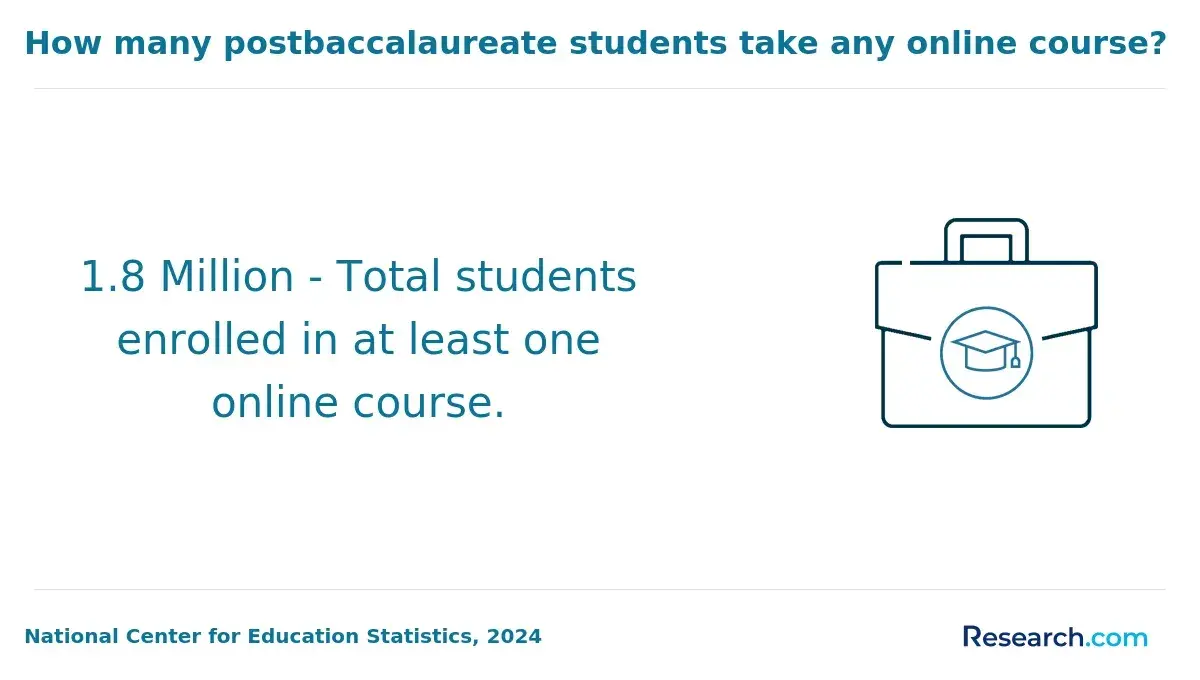
Choosing an online nurse midwifery master's program at an accredited U. S. university requires weighing complex factors beyond course content. As enrollment in graduate online health programs increased by 15% in 2023 according to the National Center for Education Statistics, accessibility does not guarantee suitability. Understanding admission criteria, program design, and licensing recognition directly affects career mobility and return on tuition investment.
Many candidates face challenges from hidden fees to varying credit costs and differing state licensing impacts. This analysis offers a grounded framework for comparing options, helping prospective students align educational pathways with professional goals amid an evolving healthcare workforce and regulatory environment.
Key Things to Know About Online Nurse Midwifery Master's Programs at Accredited U.S. Universities
- Admission often requires advanced clinical experience, narrowing access but aligning cohorts with employer expectations for immediate competency, potentially limiting flexibility for earlier-career applicants.
- Predominantly asynchronous course delivery supports working adults' schedules, yet tradeoffs include reduced live clinical mentoring, influencing readiness and employer perception of hands-on skills.
- Accreditation by midwifery-specific bodies ensures licensing recognition nationwide; however, program costs vary widely, with some hidden fees affecting financial planning and completion timelines.
What Is the Overall Structure and Purpose of Online Nurse Midwifery Master's Programs at Accredited U.S. Universities?
Online nurse midwifery master's programs at accredited U.S. universities exist primarily to reconcile the need for rigorous clinical preparation with the realities of student diversity, work commitments, and geographic limitations. Their structured format addresses a critical workforce demand for advanced practice nurses equipped to lead in maternal and reproductive health while ensuring graduates meet licensure and certification requirements recognized nationwide.
For example, a working nurse in a rural area unable to relocate can complete the necessary coursework and local clinical practicum without sacrificing program quality or delaying entry into the field. This flexibility, however, requires careful navigation of clinical placement logistics and sustained self-motivation since the direct supervision components remain non-negotiable.
- Purpose: These degrees focus on delivering advanced clinical skills, leadership development, and evidence-based practice specific to nurse midwifery, balancing the imperative for hands-on clinical training with the accessibility of online learning formats.
- Credit Load: Programs typically demand between 40 and 60 credit hours, combining comprehensive didactic coursework with substantial clinical practicum, which is critical because eligibility for certification exams hinges upon verified clinical hours alongside academic performance.
- Delivery Methods: Most instruction is asynchronous to accommodate diverse schedules, complemented by occasional synchronous sessions to foster interaction and clarify complex topics; clinical practica depend on partnerships with local healthcare facilities, making student initiative in securing quality placements a decisive factor in timely completion.
- Time-to-Degree: Full-time students usually complete these programs within 2 to 3 years, though many opt for part-time study to balance employment, caregiving, and education, inevitably extending the duration and impacting financial and career timelines, a tradeoff requiring strategic planning.
- Accreditation: Accreditation through organizations like the Accreditation Commission for Midwifery Education (ACME) is non-negotiable for professional viability, providing assurance of program quality, faculty expertise, and clinical site adequacy, all essential for employers, certification bodies, and state licensing authorities.
First-generation graduate students or those unfamiliar with graduate-level nursing education will find that understanding the online nurse midwifery master's program curriculum structure is fundamental to setting realistic expectations for workload, clinical requirements, and degree progression. Given the specialized and regulated nature of nurse midwifery, programs cannot shortcut clinical exposure despite online coursework flexibility. Prospective students analyzing cost against potential earnings should also consider comparable options like affordable online healthcare degrees, which may offer alternative paths with differing responsibilities and timelines, ensuring a fully informed decision grounded in personal circumstances and career objectives.
Which Accrediting Bodies Recognize Online Nurse Midwifery Master's Programs, and Why Does Accreditation Status Matter?
Choosing an online nurse midwifery master's program without verifying accreditation can delay licensure and limit employment prospects. Accreditation serves more than institutional validation; it directly influences credit transfer, financial aid access, and professional legitimacy.
Two main types of accreditation govern these programs, each with distinct implications:
- Regional Accreditation: Granted by U.S. Department of Education-recognized agencies such as the Middle States Commission on Higher Education or the Southern Association of Colleges and Schools Commission on Colleges, this accreditation assures general institutional quality. It impacts federal financial aid eligibility and is essential for credit transfer but does not verify the specialty-specific rigor of a nurse midwifery program.
- Programmatic Accreditation: Specific to nurse midwifery, this is primarily provided by the Accreditation Commission for Midwifery Education (ACME). It certifies that the program meets professional standards necessary for certification and licensure in nurse midwifery, a requirement not covered by regional accreditation.
- Licensing Board Recognition: State boards often require graduation from ACME-accredited programs for licensure eligibility. This creates a clear career impact: a nurse midwifery graduate from a regionally accredited but non-ACME program may face licensing obstacles and restricted practice scope.
- Credit Transferability: While credits from regionally accredited schools transfer more broadly, specialized nurse midwifery credits often need programmatic accreditation to be recognized, affecting education duration and cost.
- Employer Acceptance: Healthcare employers prioritize candidates from programs with both regional and ACME accreditation. This assures adherence to clinical competence and professional readiness, influencing salary potential and advancement.
- Financial Aid Eligibility: Federal aid hinges on regional accreditation; programmatic accreditation alone does not guarantee funding but enhances credential value in the job market.
- Verification Importance: Students must confirm that their target programs hold the accreditations mandated by their state licensing boards and prospective employers before considering program cost, delivery format, or reputation, as this directly affects licensure and career trajectories in nurse midwifery.
What Are the Admission Requirements for Online Nurse Midwifery Master's Programs at Accredited U.S. Universities?
Admission criteria for online nurse midwifery master's programs at accredited US universities reflect more than baseline qualifications-they indicate how programs balance selectivity, workforce readiness, and mission-driven accessibility. For example, a candidate with a 3.0 undergraduate GPA applying to a private institution might meet minimum standards but face stiff competition from higher-GPA peers with stronger clinical backgrounds. Understanding these nuances helps applicants align expectations with the realities of program rigor and post-graduate employability.
- Undergraduate GPA: A common threshold ranges between 3.0 and 3.3, though private or highly selective programs incline toward higher standards. Public or open-enrollment schools may accept lower GPAs, but candidates should weigh whether these options correspond with their professional ambitions.
- Prerequisite Coursework: Foundational courses-such as anatomy, physiology, microbiology, statistics, and health assessment-are frequently mandatory, providing the scientific basis essential for graduate success. Some programs may allow conditional admission pending completion.
- Letters of Recommendation: Usually two or three are required, ideally from nursing supervisors or instructors who can attest to clinical competence and potential. Strong endorsements markedly enhance competitiveness beyond GPA metrics.
- Personal Statement: Well-articulated motivation and career objectives are critical, especially for applicants shifting from unrelated fields. This narrative often serves as a proxy for commitment and fit within the nurse midwifery discipline.
- Standardized Tests: The GRE has largely become optional or phased out, though some traditional or highly selective programs still require scores, reflecting variance in how predictive assessments are valued.
- Professional Experience: Most programs expect an active RN license plus one to two years of clinical nursing, often emphasizing obstetrics or maternal-child care to ground academic concepts in practice realities.
- Institutional Variation: Public institutions tend to broaden access with tailored supports, impacting applicant diversity and selection criteria. Private schools often stress academic credentials and research potential, signaling distinct admissions profiles.
Minimum thresholds do not ensure admission; applicants benefit from researching median admitted profiles to realistically gauge competitiveness. Those with lower GPAs, career changers, or non-traditional academic backgrounds can explore programs with holistic admissions or post-baccalaureate prerequisites to access suitable pathways. The right choice balances program stature, cost, and workforce goals pragmatically. For individuals weighing healthcare roles, resources such as how much does a medical coder make highlight the varied career and economic outcomes across allied health professions.
What Is the Minimum GPA Requirement for Nurse Midwifery Master's Program Admission, and How Does Selectivity Correlate With Program Reputation?
Admission competitiveness for online nurse midwifery master's programs hinges significantly on minimum GPA requirements, yet a stated baseline-typically between 3.0 and 3.5-does not fully define applicant viability. Many programs set a minimum GPA standard to maintain academic rigor, but actual admitted cohorts often present higher averages, especially at institutions with stronger reputations or outcomes.
Employers and licensing bodies frequently regard GPA as one factor among many, with programs valuing clinical experience, recommendation letters, and certifications to create a more nuanced profile of candidate potential.
- Minimum GPA Thresholds: While the majority of accredited programs require around a 3.0 GPA, more selective ones often lean toward 3.3 or higher, signaling a competitive academic environment reflective of the program's intensity and expected performance standards.
- Correlation With Prestige: Higher GPA cutoffs can align with better licensure pass rates and institutional reputation, but this is not a universal rule. Some open-admission programs maintain rigorous clinical training that results in comparable professional success, despite lower GPA expectations.
- Holistic Review Practices: Admissions committees regularly assess candidates on a combination of academic and experiential criteria, allowing those with slightly lower GPAs to compensate through strong clinical backgrounds or compelling personal statements.
- Alternative Entry Routes: Candidates near or below minimum GPA cutoffs may consider conditional acceptance, post-baccalaureate courses, or bridge programs designed to enhance readiness and demonstrate capability before full admission.
- Outcomes Beyond GPA: Long-term career success depends not solely on academic metrics but on licensure success and integration into clinical roles, highlighting the importance of program quality and support mechanisms over numerical thresholds alone.
One graduate recalled navigating a rolling admissions process complicated by delays in receiving official transcripts, which pushed back her ability to finalize applications for programs with stricter GPA requirements. She strategically prioritized submitting materials early to less selective programs while awaiting confirmation from more competitive ones, illustrating the practical tension applicants face balancing timing, academic credentials, and program selectivity. This approach provided both a safety net and an opportunity to gauge program fit, underscoring how flexible planning and understanding nuances around GPA thresholds can influence enrollment outcomes.
How Many Credit Hours Are Required to Complete an Online Nurse Midwifery Master's Program, and How Does This Affect Total Cost and Time-to-Degree?
Online nurse midwifery master's programs typically demand between 30 and over 60 credit hours, reflecting differences in clinical practicum intensity, thesis requirements, and accreditation criteria. Compared to other master's-level fields, nurse midwifery programs often necessitate higher credit loads due to the extensive clinical and competency-based training essential for licensure and workplace readiness.
- Credit Requirements: Programs with around 30-40 credits focus on streamlined coursework with fewer clinical hours, while those exceeding 50 credits embed robust practicum and research elements, resulting in deeper clinical preparation.
- Cost Implications: Since tuition usually charges per credit hour, programs with greater credit demands raise total expenses significantly. For instance, at $700 per credit, a 40-credit program costs about $28,000, whereas a 60-credit option totals roughly $42,000.
- Time to Degree: Part-time enrollees juggling professional commitments face extended timelines with programs requiring more credits, increasing living costs and foregone earnings while delaying entry into advanced roles.
- Decision-Making: Evaluating programs based solely on per-credit tuition obscures real cost and time investments; prospective students should prioritize total credit requirements alongside rates to accurately assess financial and scheduling feasibility.
Balancing credit load, tuition structure, and scheduling flexibility is critical for candidates aiming to align professional ambitions with sustainable educational commitments in nurse midwifery.

What Specializations and Concentrations Are Available in Online Nurse Midwifery Master's Programs at Accredited Universities?
Choosing a specialization within online nurse midwifery master's programs involves critical tradeoffs between program length, cost, and alignment with workforce demand. Concentrations are not uniform across accredited U.S. universities, and their structure-whether embedded tracks, elective clusters, or add-on certificates-directly impacts total credits needed and time-to-degree.
For example, a working professional focusing on family-centered care might prefer an elective cluster for flexibility, whereas a recent graduate targeting high-demand roles in high-risk pregnancy may benefit from an embedded specialization despite the longer completion time and higher tuition. These decisions can shape employability and salary potential, given that workforce data from professional associations and the Bureau of Labor Statistics indicate a persistent premium for specializations in women's health and complex pregnancy management.
Online nurse midwifery specialization options at accredited U.S. universities tend to include both well-established and emerging tracks. Evaluating faculty expertise in these areas and the recognition of each concentration by licensing boards remains essential for ensuring that credentials translate into real career advantages.
- Specialization Types: Predominant concentrations focus on women's health, family-centered care, high-risk pregnancy management, and global health midwifery, with newer programs increasingly offering perinatal mental health and integrative reproductive care tracks.
- Career Impact: Specializations in high-risk pregnancy and women's health correlate with elevated labor market demand and better salaries, reflecting the clinical competencies sought by employers across healthcare systems.
- Program Cost and Length: Concentrations usually add 6-12 credits, extending program duration by 6-12 months and increasing tuition accordingly, which is a critical factor for budget-conscious students weighing options like the fastest online master's in healthcare administration.
- Faculty Expertise: Programs with faculty who have active clinical and research experience in the chosen specialization enhance the practical relevance and employer recognition of the credential.
- Licensing and Recognition: Not all specialties carry equal weight with nurse midwifery licensing boards; confirming alignment with professional standards ensures the concentration supports licensure and clinical employment prospects.
How Do Online Nurse Midwifery Master's Programs at U.S. Universities Compare in Format-Synchronous, Asynchronous, and Hybrid Delivery?
Choosing between asynchronous, synchronous, and hybrid formats in online nurse midwifery master's programs significantly shapes a student's academic experience and workforce readiness. Each delivery method balances flexibility, interaction, and cost differently, influencing practical outcomes for working professionals and recent graduates alike.
- Asynchronous: Offers unmatched scheduling freedom by allowing learners to access materials anytime, fitting well for those managing variable work shifts or family care. However, limited live interaction can weaken peer collaboration and delay instructor feedback, potentially affecting comprehension and engagement. Tuition often trends lower here due to reduced real-time infrastructure.
- Synchronous: Requires attendance in live online sessions, fostering immediate dialogue, clearer understanding, and stronger professional networking. This format demands consistent availability, which complicates participation for those in different time zones or with unstable schedules. Higher operational costs for live delivery usually translate into increased tuition fees.
- Hybrid: Combines online coursework with essential on-campus clinical training or intensives, critical for hands-on experience. Although it supports deeper skill development, travel and lodging create additional expenses and diminish flexibility, factors that must be budgeted alongside tuition.
Prospective students should go beyond the "online" label by investigating the frequency of synchronous sessions, in-person attendance requirements, and the technology platforms in use. For example, rigid real-time mandates may exclude those balancing demanding jobs or living far from campus. Recognizing how delivery format impacts total cost, accessibility, and learning style is crucial for aligning education with long-term career goals.
An online nurse midwifery graduate recalled weighing her options amid rolling admissions delays. Initially hesitant to commit without knowing the frequency of live classes, she waited weeks for clarification on scheduling and on-campus time before accepting an offer. This uncertainty affected how she prepared financially and logistically, underscoring the importance of transparent program details in making an informed, manageable transition into midwifery practice.
What Is the Average Cost per Credit Hour for Online Nurse Midwifery Master's Programs, and How Does It Differ Across Institution Types?
The cost per credit hour for online nurse midwifery master's programs significantly influences program selection, especially for students balancing tuition investment against long-term employability. This metric varies widely between institution types, affecting both initial affordability and the financial feasibility of completing the degree. For example, a working professional comparing offers from a public university and a private nonprofit might see a $400-$1,200 range per credit, but must weigh those figures against potential scholarships and state residency nuances that alter net cost.
This dynamic matters as institutional pricing often does not fully reflect financial aid or program fee structures, and these can tip the total cost-value balance for candidates assessing program ROI in a competitive healthcare labor market with rising demand for qualified nurse midwives.
- Public Universities: These typically charge between $400 and $700 per credit hour for in-state students, increasing to $1,200 or more for out-of-state learners. Residency thus remains a critical cost lever as public institutions receive state support that constrains tuition for locals but not outsiders.
- Private Nonprofit Institutions: Tuition generally ranges from $800 to $1,200 per credit, reflecting higher institutional investment but often offset by endowed scholarships. The complexity of these pricing models means sticker tuition may be less indicative of true expense than for-profit alternatives.
- Private For-Profit Schools: Often exceeding $1,200 per credit with additional fees, these programs offer flexible scheduling or accelerated formats, but total cost can escalate quickly without institutional aid.
- Residency and Fees: Beyond base tuition, state residency mainly affects public schools' prices. All institutions may add fees-clinical site costs, technology charges-that elevate the actual financial burden beyond advertised rates.
- Interpreting Per-Credit Cost: Published prices are list tuition and frequently exclude financial aid, employer tuition reimbursement, or institutional scholarships; students should treat these figures as starting points, not final costs.
- Comprehensive Evaluation: Cost-per-credit should anchor comparison but must be integrated with total credit hours, fees, aid options, and long-term career benefits, especially given increasing hiring demand documented in healthcare labor reports for nurse midwifery roles.
Those researching online nurse midwifery master's programs will also find valuable comparisons across health-related fields. For instance, trends in online exercise science programs suggest that accelerated and flexible delivery formats in health education are increasingly influential in enrollment choices and workforce pipeline considerations.
How Do In-State and Out-of-State Tuition Policies Apply to Online Nurse Midwifery Master's Programs, and Which Schools Offer Flat Residency-Neutral Rates?
Tuition policies for online nurse midwifery master's programs at public universities have long mirrored traditional in-state versus out-of-state distinctions, often leading to significantly higher costs for out-of-state students. This structure presents a tangible barrier for geographically mobile learners or those committed to balancing education with location-specific personal circumstances.
Recognizing that nurse midwifery credentials hold consistent workforce value nationwide, several institutions have transitioned to flat, residency-neutral tuition, aligning costs with the realities of remote learning and cross-state licensure portability.
In-state vs out-of-state tuition for online nurse midwifery programs historically constrained potential applicants, particularly those outside a university's domiciled region. By contrast, accredited U.S. universities with flat residency tuition rates for nurse midwifery help mitigate financial friction and can make program quality the foremost criterion in decision-making rather than geography-based affordability. This shift also reflects employer expectations prioritizing demonstrated competencies over candidate residency.
- Flat Residency-Neutral Rates: Universities such as the University of New Mexico and the University of Arkansas offer uniform per-credit tuition for their online nurse midwifery master's programs, simplifying budgeting and supporting broader access.
- Traditional Differential Tuition: Institutions like the University of Michigan and the University of North Carolina Chapel Hill continue to apply higher rates for out-of-state students in online formats, potentially limiting enrollment diversity and access.
- Tuition Reciprocity Agreements: Regional compacts including WICHE, SREB, and the Midwest Student Exchange Program provide some out-of-state students with reduced tuition at participating public universities, though eligibility is often program-specific and may impose additional conditions.
- Advisory on Verification: Because residency-based tuition policies evolve frequently and may not be fully transparent on marketing webpages, prospective students should verify current pricing with program offices to avoid unexpected budgetary gaps.
The practical impact of these tuition policies extends to financial planning and student recruitment, influencing who can realistically pursue online nurse midwifery education. Those comparing tuition investments should also consider ancillary costs and available financial aid when evaluating total program affordability, similar to considerations seen in related health fields like speech pathology-more on comparable budgeting can be found in resources about online speech pathology school cost.
What Mandatory Fees and Hidden Costs Are Added to Tuition for Online Nurse Midwifery Master's Programs?
Total tuition figures for online nurse midwifery master's programs often mask a variety of mandatory fees and hidden costs that significantly impact the overall financial commitment. For example, a candidate comparing two programs based solely on advertised per-credit rates may find that one institution's lower tuition is offset by higher technology fees, mandatory liability insurance, or costly practicum requirements, which can ultimately raise total expenses by thousands of dollars.
Given the regional differences in state licensing prerequisites and practicum models, these ancillary costs are highly variable and can affect both budget planning and timeline completion.
Many employers in healthcare settings increasingly recognize the value of graduates who have navigated these practical hurdles, as they often demonstrate readiness for clinical responsibilities and familiarity with required compliance measures.
This practical alignment also influences long-term salary negotiations, where candidates who invested in thorough licensure preparation and associated fees gain a competitive edge in the $120,000 to $150,000 mid-range annual income bracket typical of certified nurse midwives. However, those unaware of hidden expenses risk underestimating program costs and facing unexpected debt.
- Technology Fees: Per-semester or per-credit charges supporting the online learning environment and software licenses.
- Program or Course Fees: Costs for specialized simulations, clinical scheduling systems, and lab materials tied to practicum components.
- Student Services Fees: Fees for library access, tutoring, career advising, and registration, accruing each academic term.
- Graduation Fees: One-time payments for applications, diplomas, or commencement participation.
- Liability Insurance: Often an out-of-pocket requirement for clinical placements, varying by state.
- Background Checks and Drug Screens: Mandatory for practicum eligibility, adding hundreds in cumulative costs.
- Proctoring and Testing Fees: Charges for third-party exam supervision during online testing.
- Required Software and Subscriptions: Investments in clinical, statistical, or educational software essential to coursework.
- Textbooks and Course Materials: Recurring expenses despite growing digital availability, still significant over program duration.
- Licensing Exam Preparation: Costs for study courses or materials to support certification readiness near program completion.
Prospective students should consult current enrollees or recent graduates to obtain transparent insights on total out-of-pocket costs that extend beyond published tuition rates, as institutional disclosures frequently underrepresent this financial burden. Such due diligence supports informed decisions, aligning educational investments with realistic career and workforce outcomes.
What Graduates Say About Online Nurse Midwifery Master's Programs at Accredited U.S. Universities
- Kayden: "Balancing a full-time job and family responsibilities meant I needed a program with maximum flexibility, which is why I chose an online nurse midwifery master's. The self-paced structure allowed me to complete rigorous coursework without sacrificing my income. However, when I started job hunting, I quickly realized that employers put significant weight on clinical internships and portfolios, so I made sure to prioritize those during my studies, which ultimately opened the door to a mid-sized hospital position."
- Cannon: "I transitioned from a general nursing role into nurse midwifery with limited savings, so cost-effectiveness was a crucial factor in my program choice. The online format let me maintain my day job, though it meant a heavier workload juggling school and work. Despite good grades, I found that obtaining certifications and relevant hands-on experience were more valued by employers than just licensure, which prompted me to pursue additional clinical hours post-graduation before landing a role in a community health clinic."
- Nolan: "After completing my nurse midwifery master's online within a shorter-than-usual timeframe, I anticipated a swift career advancement, yet the reality was more nuanced. The fast track helped me enter the workforce sooner but also meant less time for elective courses and clinical variety, which some competitive employers seemed to note. I decided to focus on building a strong portfolio from my internships and took a part-time job to gain broader experience, knowing that salary growth could be limited without extensive fieldwork and certifications."
Other Things You Should Know About Nurse Midwifery Degrees
Accreditation is critical for ensuring that online nurse midwifery master's degrees meet legal and professional standards, which directly affects licensure eligibility and employer recognition. Most accreditation bodies require rigorous curriculum and clinical validation, which means graduates from accredited programs are generally accepted for certification and advanced practice roles. However, employer recognition can vary by region and healthcare network, with some institutions showing a preference for graduates from well-established, university-affiliated programs over newer online providers. Prospective students should verify both accreditation status and local employer responses to graduates to avoid surprises in job placement.
Licensure pass rates are a strong proxy for program quality and predictive of employment success since certification is mandatory for advanced practice work. Online programs with pass rates close to or exceeding national averages (typically above 80-90%) often produce graduates who are competitive in the job market. However, some online programs with lower pass rates reflect challenges in the integration of remote learning and clinical practice, which can delay employability. Students should prioritize programs that not only support licensure success but also offer robust clinical placement networks, as these tend to correlate with better job placement and higher initial salaries.
Yes, online nurse midwifery master's degrees from accredited U.S. universities are widely recognized by employers and licensing boards. Accreditation ensures that programs meet quality standards, facilitating graduates' eligibility for licensure and enhancing employment prospects in various healthcare settings.
Selection should hinge on how well each program aligns with individual career goals, especially regarding clinical placement opportunities and local market demand for nurse midwives. Candidates seeking rapid employment in geographically competitive regions must prioritize programs with strong regional reputations and established healthcare partnerships. Additionally, students should assess the balance between online coursework and in-person clinical requirements, as insufficient hands-on training can impede readiness and job placement. A critical evaluation includes verifying program accreditation, licensure pass rates, alumni career trajectories, and support services like career counseling and employer connections.
References
- Certified Nurse-Midwife (CNM) https://nursinglicensemap.com/advanced-practice-nursing/certified-nurse-midwife-cnm/
- Why Nursing School Accreditation Matters | All Nursing Schools https://www.allnursingschools.com/how-to-get-into-nursing-school/school-accreditation/
- How to Become a Certified Nurse Midwife (CNM) | Career Guide https://www.midwifeschooling.com/
- ACME Accredited Programs https://theacme.org/accredited-midwifery-education-programs/
- Tuition & Fees — National Midwifery Institute https://www.nationalmidwiferyinstitute.com/certificate-tuition
- CCNE Accreditation https://www.aacnnursing.org/ccne-accreditation
- Master of Science in Nurse-Midwifery https://www.su.edu/nursing/master-of-science-in-nursing/msn-nurse-midwifery/
- Top Online Nurse-Midwifery Programs | 2026 CNM Rankings https://www.npschools.com/rankings/all-online-nurse-midwifery-programs
- Master’s in Nursing Costs: What You’ll Pay and How to Get the Best Return https://www.onlineu.com/resources/financial-planning/masters-in-nursing-roi
- Admissions Requirements https://www.downstate.edu/education-training/school-of-health-professions/admissions/midwifery/requirements.html