2027 Gerontology and Aging Master's Degree vs Graduate Certificate: Which Is Better?

Co-Founder and Chief Data Scientist
Choosing between a gerontology and aging master's degree and a graduate certificate can be challenging for those seeking to advance in this growing field. The master's demands more time and higher tuition but often offers broader career options and higher employer recognition.
Conversely, certificates provide faster completion and lower costs but may limit advancement opportunities. In 2024, holders of gerontology and aging master's degrees report median salaries approximately 20% higher than those with only graduate certificates.
This article examines differences in cost, time-to-completion, admission criteria, employer recognition, salary impact, and career utility to guide informed credential decisions.
Key Things to Know About Which Is Better: A Gerontology and Aging Master's Degree or a Gerontology and Aging Graduate Certificate
- A master's degree in Gerontology and Aging typically demands higher tuition and a two-year commitment, while certificates cost less and can be completed within months.
- Admission requirements for master's programs are more stringent, often requiring GRE scores and a bachelor's degree, whereas certificates accept broad applicant pools with fewer prerequisites.
- Employers generally value master's credentials more highly, associating them with leadership roles and a 15% average salary increase over certificate holders as of 2024.
What Is the Difference Between a Gerontology and Aging Master's Degree and a Gerontology and Aging Graduate Certificate?
A gerontology and aging master's degree is a comprehensive graduate program designed to provide advanced knowledge and skills about the biological, psychological, social, and policy aspects of aging.
Typically requiring 30 to 45 credit hours, the curriculum focuses on theories of aging, research methods, healthcare systems, and program planning for older adults. Its academic objective is to prepare students for leadership roles in research, healthcare, social services, or policy development related to aging populations. This credential is ideal for those committed to advancing professionally or academically in the field.
In contrast, a gerontology and aging graduate certificate is a shorter, more focused credential usually consisting of 12 to 18 credit hours. The structure centers on core topics relevant to aging but without the broader depth found in a master's program.
Certificates emphasize applied skills or specialized knowledge and are aimed at working professionals seeking targeted expertise or a credential to complement their existing careers. These programs often take one year or less to complete and can be pursued part-time.
Many institutions allow graduate certificate credits to apply toward a future master's degree, making certificates potential stepping stones rather than mere shortcuts. The career outcomes of gerontology and aging graduate certificate versus master's degree holders differ notably in advancement opportunities and salary impact, reflecting their varying depth and scope of training.
For those interested in financially manageable paths to healthcare leadership roles, resources like affordable online healthcare degrees may also provide valuable insights on related educational options within a broader healthcare administration context.
What Are the Typical Admission Requirements for a Gerontology and Aging Master's Program Compared to a Gerontology and Aging Graduate Certificate?
Admission requirements for gerontology and aging master's programs are generally more comprehensive and selective compared to those for graduate certificates, reflecting their role in preparing students for advanced professional and academic challenges. These master's programs usually expect candidates to demonstrate strong academic preparation and a definitive commitment to advancing within the field.
This overview details typical admission requirements for gerontology and aging master's programs, helping prospective students understand what is typically expected and how this compares directly with graduate certificate admission criteria.
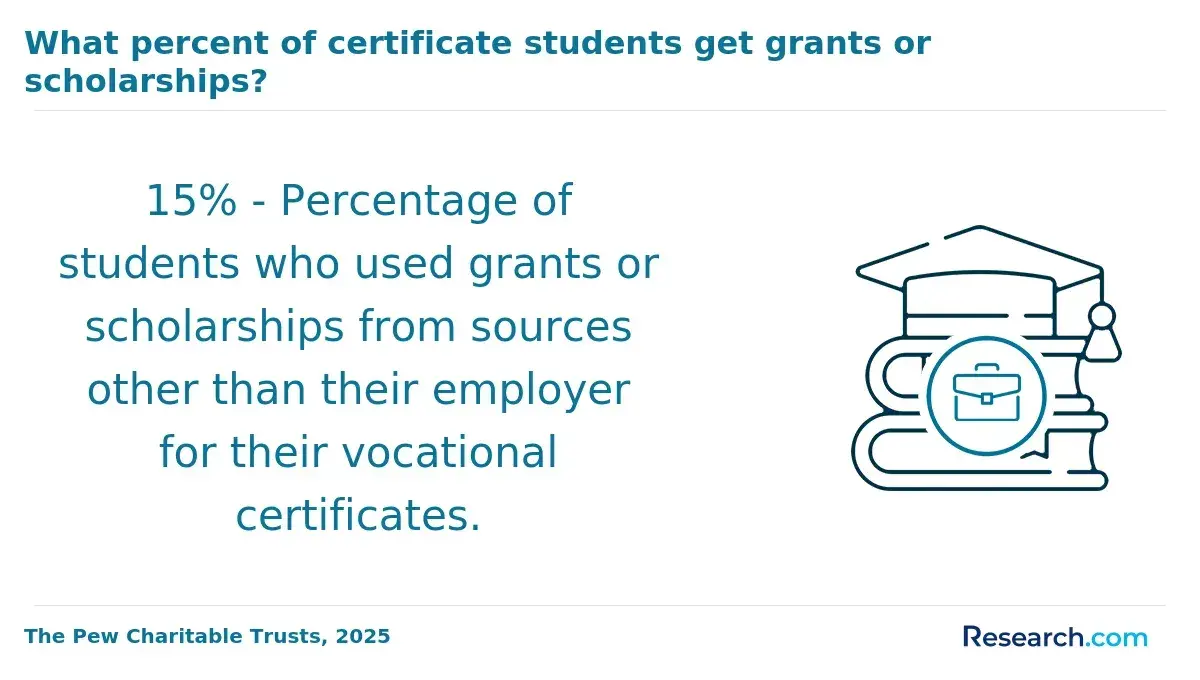
- Undergraduate GPA: Master's programs often require a minimum GPA, commonly around 3.0 on a 4.0 scale, to ensure readiness for graduate-level study.
- Prerequisite Coursework: Foundational classes in aging, psychology, sociology, biology, or health sciences are often necessary to build domain-specific readiness.
- Standardized Tests: GRE scores may be requested but requirements vary widely; some institutions waive these based on prior performance or professional experience.
- Letters of Recommendation: Usually two or three letters from academic or professional references are essential to attest to the candidate's abilities and potential.
- Personal Statement: A detailed essay outlining career goals and motivation helps demonstrate fit for the program.
In contrast, gerontology and aging graduate certificate admission criteria tend to be more flexible, offering an accessible alternative for those seeking targeted skills without a master's degree commitment. Differentiating between certificate and master's requirements is crucial for students weighing their options.
- GPA Requirements: Certificates often have more lenient or no minimum GPA requirements, welcoming a broader range of applicants.
- Prerequisites: Many certificate programs don't require previous coursework related to aging, which appeals to career changers or those without prior exposure.
- Standardized Tests: GRE and other standardized exams are seldom needed for certificates, lowering application hurdles.
- Letters of Recommendation and Personal Statements: These are frequently optional or not required, simplifying the process.
This difference matters for recent graduates or professionals who may not yet meet the typical admission requirements for gerontology and aging master's programs or who prefer a quicker, less intensive entry point.
Graduate certificates provide an academic on-ramp, allowing students to enhance their transcripts, gain relevant experience, and clarify career objectives before applying to more competitive master's programs. This stepwise approach improves admission prospects and better prepares students for rigorous graduate study.
For those interested in fast-tracking credentials in health-related fields, programs like the LPN accelerated program illustrate similar pathways where certificates can open doors to advanced options.
What Is the Minimum GPA Requirement for a Gerontology and Aging Master's Program?
Regionally accredited gerontology and aging master's programs commonly require a minimum GPA between 2.5 and 3.0. This baseline often serves as a starting point, particularly at universities emphasizing practical training or open access.
In contrast, more selective, research-focused programs generally expect undergraduate GPAs above 3.3 or 3.5, despite officially listing a minimum of 3.0. These differing standards reflect varied program missions and applicant competitiveness.
- Competitive Programs: Tend to admit students with higher academic achievements than the stated minimum, reflecting a selective admissions process.
- Open-Enrollment Programs: Often accept lower GPAs to accommodate career changers and working professionals, valuing experience alongside academics.
- Published Minimums vs. Actual GPA: Minimum GPA requirements frequently act as thresholds, while actual admitted GPAs tend to be notably higher due to applicant pool strength.
- Conditional Admission: Some schools offer provisional acceptance to applicants slightly below GPA standards, contingent on remedial coursework or maintaining satisfactory grades early in the program.
- Applicant Strategy: Prospective students should use minimum GPA levels as baseline criteria, focusing on enhancing application strength through experience, recommendations, and personal statements instead of viewing them as goals.
A professional who completed a gerontology and aging master's degree shared that meeting the GPA requirement was only one hurdle. He emphasized, "The actual journey involved overcoming initial doubts about my academic readiness and balancing coursework with part-time work."
He credited strong mentorship and targeted study habits for helping him stay on track, noting that his program valued practical skills as much as grades. "Maintaining focus beyond the numbers was crucial in making this credential truly meaningful for my career," he added.
How Long Does It Take to Complete a Gerontology and Aging Master's Degree Versus a Gerontology and Aging Graduate Certificate?
The completion timeline for a gerontology graduate certificate is generally shorter than that of a master’s degree in the same field. This is because certificate programs are designed to concentrate on specific competencies rather than comprehensive academic coverage.
- Master's Degree Duration: The time to complete gerontology and aging master's degree programs typically ranges from two years full-time to three or more years part-time, requiring 30 to 45 credit hours. Some schools offer accelerated tracks finishing in 12 to 18 months, though these demand rigorous coursework and steady progression.
- Graduate Certificate Duration: Designed for swift completion, graduate certificates in gerontology and aging usually take six months to a year full-time. Part-time learners may extend this to around two years, focusing on 12 to 18 credits concentrated in specialized topics.
- Program Structure: Master's programs carry extensive academic responsibilities, mandatory thesis or capstone projects, comprehensive exams, and a broader credit load, which explain their longer timeframes. In contrast, graduate certificates emphasize targeted skill acquisition without research requirements or final projects, allowing for faster program completion.
- Working Professional Considerations: Many employed individuals select graduate certificates to balance career development with minimal disruption, prioritizing rapid credentialing. Conversely, those aiming for leadership roles or research-focused careers often find the master's degree's in-depth curriculum worth the additional time and effort.
- Life Circumstances: Students facing family duties or financial constraints frequently favor graduate certificates because of their shorter duration and reduced tuition expenses. Those with more extended career plans and flexibility may opt for master's degrees to gain wider expertise and stronger professional credentials.
Choosing between these credentials involves matching your available time and career goals realistically. For instance, full-time students eager to advance quickly might pursue graduate certificates, while others might prefer the comprehensive preparation of a master's degree.
For additional context on graduate programs in health fields, consider exploring the master of science in dietetics.
How Much Does a Gerontology and Aging Master's Degree Cost Compared to a Gerontology and Aging Graduate Certificate?
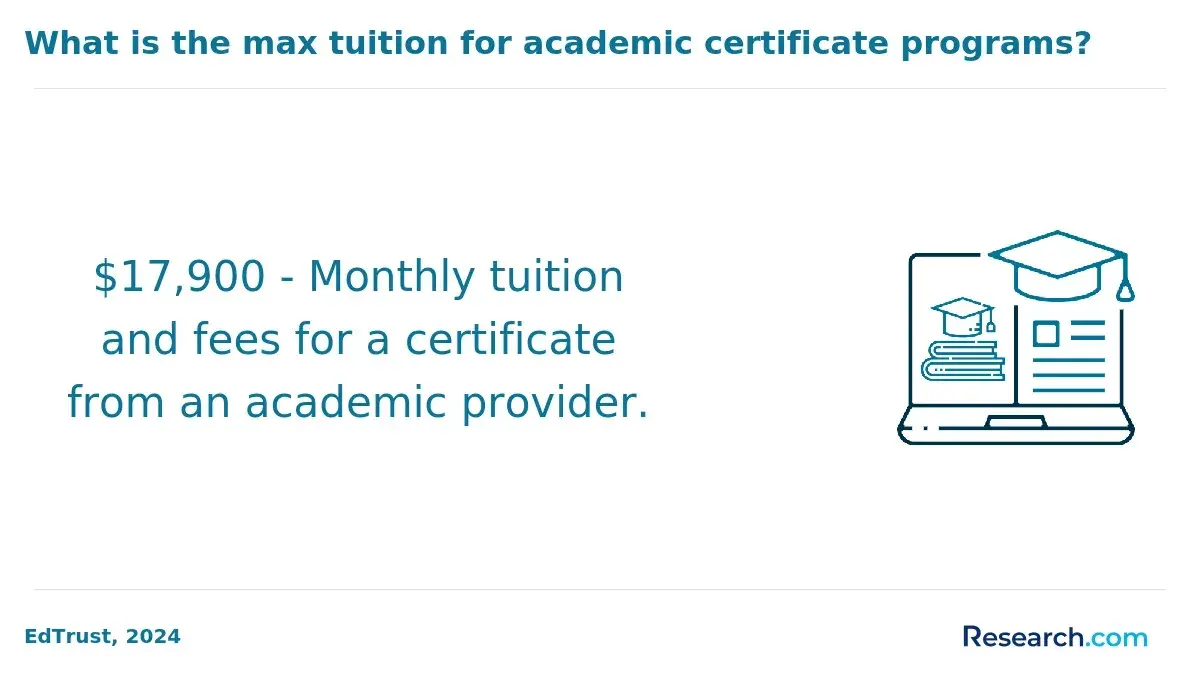
Tuition for a gerontology and aging master's degree generally exceeds that of a graduate certificate due to longer program durations and expanded coursework. Public universities charge in-state students between $15,000 and $35,000 for master's programs, while out-of-state students may face $30,000 to $60,000. Private institutions usually demand higher tuition, ranging from $40,000 to $80,000.
Conversely, graduate certificates cost less as they require fewer credits and less time. Public in-state students often pay $4,000 to $10,000, with out-of-state fees between $8,000 and $15,000, and private certificates fall in the $10,000 to $20,000 range.
- Credit Hours and Program Length: Master's degrees typically span two years or more with 30 to 40 credits, which inflates tuition. Certificates usually involve 12 to 18 credits over a shorter period, reducing overall educational expenses.
- Institutional Overhead: More comprehensive master's programs include higher administrative costs, faculty expertise, and research resources. Certificates have streamlined structures leading to lower institutional fees.
- Financial Aid Opportunities: Master's students often qualify for assistantships, fellowships, and employer tuition support, which can significantly decrease net costs. Certificate students encounter fewer such options, making their sticker price closer to actual cost.
- Hidden Costs: Additional study time in a master's program means potential lost income and delayed advancement. Certificates mitigate these by requiring less time but may limit salary growth and career flexibility.
- Return on Investment (ROI): Evaluating net cost after aid and projecting earnings is essential rather than relying on sticker price alone. Free ROI calculators and net price estimators help align credential choices with personal career and financial goals.
When I asked a professional who built her career after completing a gerontology and aging master's degree about costs, she reflected on the balance between investment and opportunity. "The tuition was daunting at first," she said, "but the access to funding through assistantships eased the burden considerably."
She also mentioned how the extended program length required sacrifices. "There were months I missed out on full-time work, which tested my finances and resolve."
Yet, she emphasized the long-term benefits. "Earning the master's opened doors that wouldn't have been possible with just a certificate, and the broader skillset gave me confidence in my career trajectory." Her experience highlights the nuanced financial considerations one must weigh beyond initial expense.
How Does Earning a Gerontology and Aging Master's Degree Affect Salary Compared to a Gerontology and Aging Graduate Certificate?
Data from the Bureau of Labor Statistics, NACE salary surveys, and Georgetown University highlight significant earnings differences between professionals with gerontology and aging master's degrees and those holding graduate certificates.
The master's degree generally leads to higher median salaries, particularly in healthcare administration, senior case management, and policy-related positions where advanced knowledge is highly valued.
- Salary Premium: Master's degree holders often receive noticeably greater compensation than certificate holders, especially in institutional environments like hospitals, long-term care, and government agencies.
- Industry Variation: While the master's degree commands a financial advantage in many settings, community-based organizations and smaller nonprofits sometimes offer certificate holders salaries competitive with those of master's graduates.
- Senior-Level Roles: Leadership and research positions in gerontology and aging, such as program directors or clinical managers, typically require a master's degree and come with corresponding salary increases.
- Comparable Earnings Tracks: Specialized certificate holders working in targeted fields, including geriatric care coordination or elder law support, may earn salaries close to or exceeding some early- to mid-level master's degree roles.
- Return on Investment: Despite the salary boost, master's programs demand more time and financial resources. Conversely, certificates often allow faster workforce entry and lower tuition costs, offering a quicker salary return for those focused on skill enhancement or immediate employment.
Notably, recent labor market trends show a 5% growth in demand for gerontology-related health services through 2026, increasing the value of advanced credentials in this expanding field.
Which Gerontology and Aging Career Paths Favor a Master's Degree Over a Graduate Certificate?
Certain gerontology and aging career paths strongly favor a master's degree over a graduate certificate due to the complexity, credentialing, and scope of responsibilities involved.
Employers, licensure boards, and professional associations often require or prefer candidates with a master's degree when the role demands advanced knowledge, leadership skills, or clinical competencies that exceed the narrower focus of certificate programs.
- Leadership Roles: Positions such as program directors, policy developers, and administrative managers in aging services typically require a master's degree. These roles demand a deep understanding of organizational dynamics, ethical frameworks, and evidence-based strategies, elements covered extensively in master's curricula rather than in shorter certificate programs.
- Research-Intensive Positions: Careers in aging research or academic appointments often mandate a master's degree because rigorous training in research methodology, data analysis, and theory is essential. Graduate certificates rarely provide the comprehensive background needed for designing studies or applying for grants.
- Licensed Professions: Certain clinical roles, such as geriatric social workers or counseling specialists, may require licensure that stipulates a master's degree. This credential not only satisfies educational prerequisites but also signals compliance with professional standards.
- Career Advancement: In many agencies and institutions, the master's degree serves as a formal threshold for promotion or specialization. Employees with only a certificate may hit a ceiling, whereas those with a master's can access advanced leadership, policymaking, and consultancy opportunities.
Prospective students aiming for these career tracks should plan carefully, factoring in licensure requirements, promotion criteria, and long-term goals to determine the best credential path.
Workforce analyses indicate that demand for gerontology professionals holding master's degrees is projected to increase by over 20% through 2030, underscoring the credential's growing value in a rapidly expanding field.
Which Gerontology and Aging Career Paths Favor a Graduate Certificate Over a Master's Degree?
Certain career paths in gerontology and aging graduate certificate career opportunities notably favor a graduate certificate over a full master's degree due to the specific skills and rapid upskilling needs employers value.
For roles centered on direct care management or community health coordination, employers often prioritize candidates with proven, applied competencies, a need that graduate certificates efficiently fulfill. These positions require practical knowledge rather than the broader academic scope a master's provides.
- Technical Specialization: Employers frequently seek professionals with sharply defined skills, such as dementia care techniques, elder law basics, or assisted living administration, that a graduate certificate directly delivers. These targeted skillsets usually hold more relevance than comprehensive theoretical knowledge when addressing onsite challenges.
- Rapid Career Advancement: Professionals already holding bachelor's or master's degrees in related fields often choose certificates to close specific competency gaps quickly. Graduate certificates offer concentrated coursework that aligns well with existing expertise and busy work schedules, enabling individuals to boost their qualifications without committing to another full degree program. This approach suits those exploring the best jobs for gerontology and aging graduate certificate holders who prioritize speed and efficiency.
- Cost Efficiency: For working adults, certificates present a more economical option that yields tangible career benefits in specialized gerontology sectors such as social services coordination or healthcare navigation. Credentials gained through certificates demonstrate proficiency without the higher cost and time investment associated with master's programs.
- Employer Recognition: Surveys and job posting analyses, drawing on data from platforms like LinkedIn Workforce Insights, show that many community-based organizations and health agencies treat certificate credentials as equal to or even more pertinent than master's degrees when roles demand current, practical knowledge over general academic study.
Graduate certificates serve as an accessible way for career-changers to enter gerontology and aging, allowing them to build critical skills and demonstrate commitment before pursuing a longer-term master's degree.
For related fields, professionals such as those becoming a functional medicine NP find these certificates align well with cross-disciplinary skill upgrades.
Is a Gerontology and Aging Graduate Certificate Stackable Toward a Master's Degree?
Many accredited universities offer stackable credentials that allow coursework from a gerontology and aging graduate certificate to be applied toward a master's degree in the same or a closely related field. This stackable pathway lets students build progressively on their education, starting with a certificate and potentially continuing into a master's, without losing previously earned credits.
However, whether stacking gerontology and aging certificate coursework toward a master's degree is permitted depends heavily on institutional policy rather than any universal academic standard.
- Institutional Policy: Each institution sets its own rules for stackability, so prospective students should consult the graduate admissions office to confirm if certificate courses can transfer into their master's program.
- Grade Thresholds: Most programs require a minimum grade for any credits to count toward the master's degree.
- Time Limits: Some schools impose limits on how old certificate credits can be before they are eligible for transfer, typically five to seven years.
- Program Alignment: Credits generally must come from the same institution or an approved partner and align closely with the master's curriculum to maintain academic rigor.
- Risk Mitigation: Pursuing a graduate certificate first can serve as a lower-risk entry point, letting students assess the academic environment and cost commitment before deciding to complete the full master's degree.
Because policies vary widely, those exploring gerontology and aging graduate certificate credit transfer policies should verify stackability details directly with programs. This approach provides clarity and prevents surprises during enrollment decisions.
For related graduate studies, exploring options like online APA accredited PsyD programs might offer additional pathways depending on your career goals.
How Do Employers in the Gerontology and Aging Field Perceive a Master's Degree Versus a Graduate Certificate?
Employer attitudes toward a master's degree versus a graduate certificate in gerontology and aging differ notably by industry and job type. Data from surveys such as the NACE Job Outlook Report and LinkedIn Talent Insights reveal these distinctions clearly.
- Industry Variation: Sectors with strict regulatory standards, like healthcare, academic research, and public policy, usually favor a master's degree, seeing it as the primary credential ensuring depth and readiness in gerontology and aging.
- Role-Specific Preference: Positions involving clinical care, management, or policy development often require or strongly prefer a master's degree. On the other hand, roles in consulting, technology, or community outreach may view graduate certificates as valuable indicators of targeted skills and quicker specialization.
- Institutional Reputation: The prestige and accreditation of the educational institution awarding the credential heavily influence employer perceptions. A graduate certificate from a respected, accredited program can carry more weight than a master's degree from a lesser-known or unaccredited school.
- Employer Awareness: Hiring professionals knowledgeable about gerontology and aging appreciate the differing scope of each credential, recognizing the master's as comprehensive preparation versus the certificate's role as a focused enhancement or entry point.
- Career Trajectory Impact: Most employers associate the master's degree with stronger long-term advancement opportunities in research, healthcare leadership, and specialized clinical fields, whereas certificates typically supplement existing qualifications rather than replace them.
Can a Gerontology and Aging Graduate Certificate Help Someone Transition Into the Field From a Different Background?
For professionals shifting into gerontology and aging from unrelated fields, a graduate certificate offers a swift and cost-efficient credential option designed to establish foundational expertise rapidly.
Workforce development research emphasizes that many certificate programs target career changers by providing accelerated, focused curricula that reduce time-to-completion and financial burden compared to master's degrees.
Key considerations include:
- Speed: Certificates require less time than full degrees, enabling quicker qualification for entry-level roles.
- Cost-Effectiveness: Lower tuition and fees make certificates accessible for those hesitant to invest in longer graduate programs.
- Applied Learning: Programs emphasize practical skills with real-world projects that help students build relevant portfolios.
- Stackability: Many certificates can be credited toward future master's degrees, offering flexible academic progression.
- Career Utility: Ideal for establishing credibility in supportive or entry-level positions within gerontology and aging.
However, certificates have limits for those pursuing advanced or specialized careers, positions often requiring the comprehensive study, research credentials, and wider recognition that master's degrees provide.
Thus, a graduate certificate functions best as an introductory step complemented by applied experiences like internships or volunteer work to enhance employability and demonstrate dedication to the field.
What Graduates Say About Which Is Better: A Gerontology and Aging Master's Degree or a Gerontology and Aging Graduate Certificate
- Myka: "Choosing between the gerontology and aging master's degree and the graduate certificate was a pivotal decision in my career. The master's program, though more expensive, offered a deeper dive into the subject matter and was highly recognized by employers in my field. I found that the investment translated into a noticeable salary boost, making the extra cost worthwhile in the long run."
- Walker: "The gerontology and aging graduate certificate appealed to me because of its shorter time-to-completion and less stringent admission requirements, perfect for balancing work and study. While it might not carry the same immediate weight with employers as a master's degree, it still opened doors and enhanced my practical skills quickly. For anyone needing a flexible but credible credential, the certificate is a smart choice."
- Joseph: "Reflecting on my journey, the master's degree in gerontology and aging provided a comprehensive education that genuinely expanded my career utility, far beyond what the certificate could offer. Despite higher costs and a longer commitment, the doors it opened in leadership positions were unmistakable. From my professional standpoint, if you're aiming for long-term career growth and higher employer recognition, the master's is the way to go."
Other Things You Should Know About Gerontology and Aging Degrees
Online gerontology and aging master's programs typically offer more comprehensive curricula and deeper specialization than graduate certificates. While both formats can be reputable-especially if offered by accredited institutions-master's degrees are more widely recognized by employers and academic programs for advanced roles. Graduate certificates serve as valuable credentials for skill-building but generally carry less weight in competitive job markets or doctoral admissions.
Accreditation ensures that the program meets established academic and professional standards-critically important in gerontology and aging education. A master's degree or graduate certificate from an accredited institution guarantees that credits are transferable and recognized by employers or other schools. Lack of accreditation may limit career advancement opportunities and eligibility for certain certifications or licensure.
Holding a master's degree in gerontology and aging provides a stronger foundation for pursuing doctoral studies, as it includes extensive coursework and research experience. Graduate certificates are less likely to fulfill prerequisites for doctoral programs, making them less suitable for candidates with academic ambitions beyond the master's level. Thus, those aiming for a doctorate should prioritize a full master's program.
References
- Gerontology careers: What can you do with a master’s degree? | University of Idaho https://www.uidaho.edu/newsroom/gerontology-degree-careers
- What Can You Do With a Degree in Gerontology? - Gerontology at FranU https://gerontologyatfranu.com/what-can-you-do-with-a-degree-in-gerontology/
- Online Gerontology Master's Degree & Graduate Certificate https://www.idea.edu/program/gerontology
- What Is a Gerontologist? https://my.clevelandclinic.org/health/articles/gerontologist
- What is Gerontology? The Study of Aging https://www.snhu.edu/about-us/newsroom/health/what-is-gerontology
- What Can I Do With a Master's in Gerontology? Careers & Salaries https://www.mhaonline.com/faq/careers-with-masters-in-gerontology