
2027 Fully Online vs Hybrid Construction Management Degree Master's Programs: Which Is Better?

Co-Founder and Chief Data Scientist
Choosing a construction management master’s program is not only a question of reputation or tuition. For many working professionals, the bigger decision is format: should you choose a fully online program that fits around jobsite hours, travel, and family responsibilities, or a hybrid program that adds scheduled campus time for labs, workshops, site-based learning, and face-to-face networking?
The best answer depends on how you learn, how predictable your schedule is, how far you live from campus, and what career outcome you want after graduation. A mid-career engineer, estimator, superintendent, project manager, or architect may value flexibility, but may also need hands-on collaboration, stronger local employer connections, or structured mentorship. Recent data shows that 62% of online learners in construction-related graduate programs cite schedule flexibility as a key reason for enrollment, which explains why this comparison matters for busy professionals.
This guide compares fully online and hybrid construction management master’s programs across flexibility, cost, financial aid, admissions, curriculum, exams, networking, job placement, salary, and graduate experience so you can choose the format that fits your goals rather than relying on assumptions about online or campus-based learning.
Key Things to Know About Fully Online vs Hybrid Construction Management Degree Master's Programs
- Fully online construction management degrees offer maximum schedule flexibility, allowing students to learn asynchronously from anywhere, ideal for full-time professionals balancing work and family commitments.
- Hybrid programs blend online coursework with required in-person sessions, fostering direct engagement and networking opportunities essential for collaborative skills development.
- Students seeking self-paced study with minimal campus visits typically prefer fully online formats, while those valuing face-to-face interaction and practical workshops often choose hybrid options.
How Do Hybrid and Online Construction Management Master's Programs Differ?
Fully online and hybrid construction management master’s programs usually cover similar academic ground, but they create very different student experiences. The main difference is not simply “online versus campus.” It is how much structure, travel, live interaction, and hands-on learning the program requires. About 30% of graduate construction management programs now offer hybrid formats, reflecting demand for programs that combine flexibility with in-person engagement.
A fully online program is usually better for students who need maximum control over where and when they study. A hybrid program is often better for students who can attend scheduled campus sessions and want more direct access to faculty, peers, facilities, and industry events.
| Program feature | Fully online format | Hybrid format |
| Course delivery | Coursework is delivered virtually through recorded lectures, readings, learning platforms, online discussions, and digital submissions. | Coursework combines online learning with required in-person sessions such as labs, workshops, residencies, or campus intensives. |
| Residency expectations | Usually requires no campus visits, making it practical for students who live far from the university or travel often for work. | Requires scheduled campus attendance that may last from days to weeks each semester, depending on the program design. |
| Scheduling | Often uses mostly asynchronous coursework, which helps students manage changing jobsite demands and time zones. | Often includes synchronous sessions during campus visits or scheduled live meetings, which can improve engagement but reduce flexibility. |
| Collaboration | Relies on discussion boards, video meetings, shared documents, and online group projects. | Adds face-to-face teamwork, informal conversations, and immediate feedback during in-person sessions. |
| Campus access | Depends heavily on virtual libraries, remote advising, and online software tools. | May provide direct access to labs, campus libraries, faculty offices, construction technology resources, and site-based learning opportunities. |
The right format depends on what you need most. If your schedule is unpredictable or relocation is not realistic, fully online study may be the more practical choice. If you want structured interaction, hands-on experiences, and stronger campus-based networking, a hybrid program may be worth the added travel and scheduling requirements.
Students comparing graduate formats across fields may also find it useful to review how other online pathways are structured, including online SLP programs, where flexibility and clinical or practical requirements must also be balanced carefully.
Which Construction Management Master's Program Format Is More Flexible?
Fully online construction management master’s programs are generally more flexible than hybrid programs because they remove location requirements and often allow students to complete coursework asynchronously. This matters for construction professionals whose workdays may start early, shift by project phase, or involve travel between jobsites. Recent data shows that about 45% of graduate students in the U.S. take at least one online course, highlighting the growing appeal of flexible learning formats.
Hybrid programs can still be flexible, but their flexibility is conditional. They may let students complete much of the coursework online, yet require attendance at specific campus sessions. That structure can be valuable for students who want in-person learning, but it can create conflicts for those with changing work or family obligations.
- Class schedule: Fully online programs often use asynchronous lectures and assignments, allowing students to study outside standard class hours. Hybrid programs may require fixed in-person meetings, which can be harder to manage during busy project periods.
- Location requirements: Online students can participate from home, work, or while traveling. Hybrid students must be able to reach campus for required sessions, which may involve time off work, transportation planning, or overnight stays.
- Course pacing: Some fully online programs allow more self-directed pacing, while hybrid programs commonly follow a cohort schedule tied to campus sessions. A cohort can improve accountability, but it reduces individual control.
- Attendance expectations: Online programs often rely on recorded materials, discussion posts, and virtual collaboration. Hybrid programs may include mandatory live classes, labs, or residencies that cannot be skipped or rescheduled easily.
- Travel commitments: Fully online study eliminates commuting to campus. Hybrid study may add travel costs and logistical planning, especially for students who live outside the region.
If flexibility is your top priority, ask each program for a full academic calendar before applying. Look for required synchronous sessions, campus residencies, exam windows, group project expectations, and capstone deadlines. A program advertised as “online” or “hybrid” may still include live obligations that affect your weekly schedule.
Students who want a faster path should also compare credit load, term length, and course sequencing. In some cases, an online construction management accelerated program may offer both flexibility and a shorter timeline, but only if the workload is realistic alongside full-time employment.
For broader context on fast graduate study models, students can also review resources on the quickest EdD program options and compare how accelerated formats handle pacing, workload, and completion planning.
Which Construction Management Master's Program Format Is Cheaper?
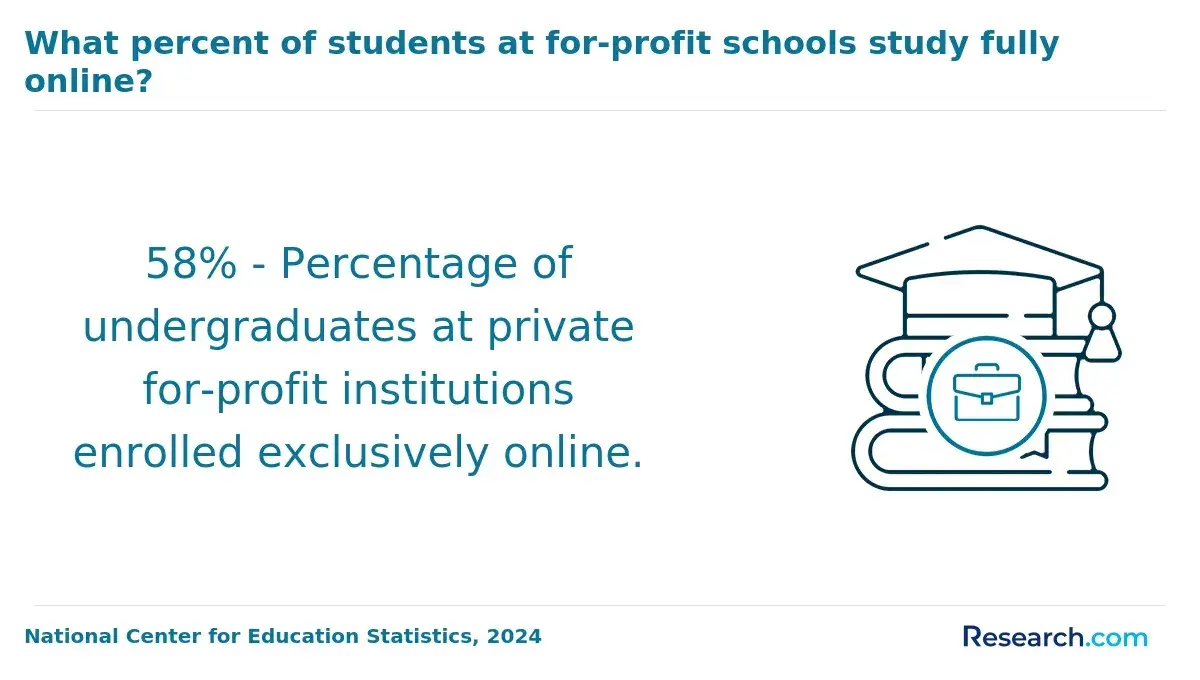
Fully online construction management master’s programs are often cheaper overall, especially when travel, commuting, parking, housing, and time away from work are included. Data from the National Center for Education Statistics indicates that graduate tuition for online programs is typically about 15% lower than for hybrid or on-campus options. However, the cheaper option is not always the better value. A hybrid program may cost more but provide stronger access to labs, site visits, faculty mentorship, or regional employers.
When comparing cost, look beyond advertised tuition. The real price of a master’s program includes direct charges from the university and indirect costs created by the format.
- Tuition structure: Online programs often use flat-rate tuition per credit, which can make budgeting easier. Hybrid programs may include additional charges for campus sessions, lab use, or residency-related services.
- Campus fees: Hybrid students may pay fees for facilities, student services, technology, or campus access. Online students may still pay technology fees, but they may avoid some campus-based charges.
- Commuting or travel expenses: Hybrid students should estimate transportation, fuel, parking, airfare, lodging, and meals for every required campus visit. These costs can become significant over multiple terms.
- Housing considerations: If campus sessions are frequent or lengthy, hybrid students may need short-term housing or temporary relocation. Fully online students can usually remain where they are.
- Technology costs: Online students need reliable internet, a capable computer, webcam access, and sometimes specialized software. These costs are usually more predictable than travel and housing expenses.
A practical cost comparison should include tuition, mandatory fees, books and software, travel, lodging, lost wages, childcare, and the time value of commuting. For working professionals, the cheapest published tuition may not be the cheapest total cost if the schedule forces missed work or unpaid leave.
- : "Committing to an online program meant I could avoid moving or daily commutes, which saved me both time and money. The harder part was staying disciplined, but the financial benefit and ability to keep working full time made the online format the practical choice."
Does Financial Aid Differ for Online vs Hybrid Construction Management Master's Degrees?
Financial aid often depends more on institutional accreditation, enrollment status, degree level, and student eligibility than on whether a construction management master’s program is online or hybrid. In 2022, 58% of graduate students received some form of financial aid, regardless of how their programs were delivered. Still, format can affect certain aid sources, especially state programs, institutional scholarships, and employer tuition benefits.
Before enrolling, confirm that the program is offered by an accredited institution and that the specific program qualifies for the aid you plan to use. Do not assume that every online or hybrid option is treated the same by federal aid offices, state agencies, employers, or scholarship committees.
- Eligibility criteria: Both formats typically follow federal and institutional rules for enrollment level, degree-seeking status, satisfactory academic progress, and program eligibility. Some state aid programs may include residency or campus-attendance rules.
- Types of aid: Accredited institutions generally make federal loans, grants, and work-study options available according to the same core rules, but specific awards vary by school and student profile.
- Institutional scholarships: Some universities reserve certain awards for campus-based, hybrid, or full-time students, while others make scholarships available to online learners as well. Always ask whether online students are eligible for the same awards as hybrid students.
- Federal or state funding: Federal aid is broadly accessible across delivery methods when the school and program meet eligibility requirements. State funding may be more restrictive and can depend on residency, attendance location, or program classification.
- Employer tuition assistance: Employers usually care most about job relevance, accreditation, grade requirements, and whether the degree supports advancement. Some employers prefer flexible online formats because they reduce time away from work, while others may value hybrid programs with applied components.
The safest approach is to request a written financial aid estimate from each school before committing. Ask whether tuition assistance applies to all credits, whether residency fees are covered, whether online students pay different fees, and whether dropping below a certain course load could affect aid.
Students building a broader academic and career strategy may also compare degree value across fields by reviewing resources such as college majors with high pay, while keeping in mind that graduate funding rules vary by institution and program.
Are Admission Requirements Different for Hybrid vs Online Construction Management Master's Programs?
Admission requirements for online and hybrid construction management master’s programs are usually similar, but format can affect what schools emphasize. Both program types commonly look for academic preparation, professional readiness, and evidence that the applicant can handle graduate-level work. Hybrid programs may place more weight on prerequisites or applied experience if the curriculum includes campus labs, field activities, or intensive group work.
Applicants should read requirements carefully rather than assuming that an online program is easier to enter or that a hybrid program is automatically more selective. Admissions standards depend on the institution, faculty expectations, applicant pool, and program goals.
- Academic prerequisites: Both formats generally call for a bachelor’s degree in construction management, engineering, architecture, or related disciplines. Hybrid programs sometimes require specific coursework that supports labs, site-based learning, or technical in-person activities.
- Professional experience: Practical work history is valued in both formats. Hybrid programs may give added weight to hands-on experience because students are expected to participate in applied activities, while online programs may enroll students with a wider range of professional backgrounds.
- Letters of recommendation: Recommendations are commonly used across both formats to assess academic ability, leadership potential, work ethic, and readiness for graduate-level construction management coursework.
- Standardized tests: GRE or similar exam requirements have become more optional across the board. Whether scores are required usually depends more on the school than on the delivery format.
- Application deadlines: Online and hybrid programs may share similar deadlines, but hybrid students should pay attention to orientation dates, residency schedules, and any pre-campus requirements.
Applicants from adjacent fields should pay special attention to prerequisite gaps. A bachelor’s degree outside construction management may still be acceptable, but the school may require foundational coursework in areas such as estimating, project controls, construction methods, or management principles.
- : "The need for particular prerequisite courses caught me off guard since my bachelor’s degree was not strictly in construction management. What helped was having a clear timeline for the campus commitments, because I could plan my work schedule around the hybrid requirements."
Is the Curriculum the Same in Online and Hybrid Construction Management Master's Programs?
The core curriculum is often similar in online and hybrid construction management master’s programs, especially at accredited institutions. A 2022 study by the American Council on Education found that more than 85% of accredited programs share similar core content regardless of delivery method. The difference is usually not what students study, but how they practice, apply, and demonstrate what they learn.
Both formats commonly cover the knowledge base expected of graduate-level construction management students. Hybrid programs may add more in-person applied learning, while online programs may use simulations, case studies, local projects, and digital collaboration tools.
- Core course content: Both online and hybrid formats usually include subjects such as project scheduling, cost control, construction law, risk management, procurement, leadership, and construction project delivery.
- Elective offerings: Fully online programs may have fewer electives if enrollment is spread across distance learners or if specialized courses require facilities. Hybrid programs may offer broader options when faculty, labs, or campus-based resources support them.
- Project-based learning: Hybrid students may complete in-person group work, site visits, or applied workshops. Online students often complete virtual projects, case analyses, simulations, or team assignments using digital tools.
- Capstone or thesis requirements: Both formats generally include a final project, capstone, or thesis. Hybrid students may have more face-to-face mentorship, while online students may need to be more proactive in scheduling virtual faculty meetings.
- Experiential components: Hybrid programs commonly include labs, fieldwork, or campus-based intensives. Online programs may rely on virtual labs, employer-based projects, optional local internships, or documented applied work.
When comparing curricula, do not stop at course titles. Ask how each course is delivered, how group work is handled, what software is used, whether site visits are required, and how the capstone connects to real construction management practice. The stronger program is the one that gives you credible evidence of applied skill, not just a convenient schedule.
How Are Exams Conducted in Fully Online vs Hybrid Construction Management Master's Programs?
Exams in fully online and hybrid construction management master’s programs differ mainly in proctoring, location, and assessment design. Research shows that 78% of students in fully online programs report that exam integrity measures strongly impact their test-taking experience. For some students, remote testing is convenient. For others, online proctoring can feel stressful or technically demanding.
Construction management programs may also use alternatives to traditional exams, including project reports, scheduling exercises, estimating assignments, case analyses, presentations, and capstone milestones. These applied assessments can be especially important because employers care about practical decision-making, not only test performance.
- Online proctoring vs. in-person exams: Fully online programs often use remote proctoring software with webcam monitoring, identity verification, browser restrictions, and screen sharing. Hybrid programs may administer exams on campus in controlled rooms.
- Timed assessments: Both formats use timed exams. Online exams may require strict digital start and end times, while hybrid programs may schedule exams during campus sessions or live class meetings.
- Open-book vs. closed-book policies: Fully online exams may use open-book or application-based formats to reduce misconduct risk and test problem-solving. Hybrid exams may more often use closed-book conditions under direct supervision.
- Integrity measures: Online programs may use AI-driven monitoring and plagiarism detection. Hybrid programs rely more on physical invigilation, secure classrooms, and direct faculty oversight.
- Student experience: Online students avoid travel but must manage technology requirements, privacy concerns, and remote monitoring rules. Hybrid students may prefer the familiarity of in-person exams but must plan around campus attendance.
Before enrolling, ask whether exams require live proctoring, whether students must pay separate proctoring fees, what happens if internet service fails, and whether assessments are mostly exams or applied projects. These details can affect both stress level and schedule flexibility.
Which Construction Management Master's Program Format Offers Better Networking Opportunities?
Hybrid construction management master’s programs usually offer stronger built-in networking because students meet faculty, classmates, alumni, and sometimes employers in person. According to a recent study, 78% of construction management graduates highlight professional connections as key to career progression. That said, online students can still build valuable networks if the program intentionally supports cohort interaction, faculty access, alumni events, and industry engagement.
The difference is that hybrid networking is often more organic, while online networking requires more deliberate effort. In a hybrid program, conversations can happen before class, during site visits, after workshops, or at campus events. In a fully online program, students must actively participate in virtual discussions, schedule meetings, and maintain contact beyond required assignments.
- Peer interaction: Hybrid programs create more opportunities for spontaneous conversation and relationship-building. Online programs rely on forums, video meetings, chat tools, and group projects, which can work well when students participate consistently.
- Faculty engagement: Hybrid students may benefit from in-person office hours and informal faculty discussions. Online students should use email, virtual office hours, and scheduled video calls to stay visible and engaged.
- Alumni access: Both formats may provide alumni networks, but hybrid students may have easier access to local alumni events. Online programs may offer virtual alumni panels that reach a wider geographic audience.
- Industry events: Hybrid programs may include site visits, guest speakers, local employer events, or conferences. Online programs may offer webinars and virtual panels, which are accessible but may feel less personal.
- Collaborative projects: Hybrid teamwork benefits from face-to-face problem-solving. Online teamwork can still be effective, especially when students use project management software and communicate clearly.
If networking is a major reason you want a master’s degree, ask each program how students meet employers, whether alumni participate in mentoring, how group projects are structured, and whether online students receive equal access to career events. A strong online program should have a clear networking strategy, not just a discussion board.
Students also weighing affordability across graduate programs may find a cost-comparison framework useful in resources such as online MLIS degree cost, even though program expenses and networking models differ by discipline.
Are Job Placement Rates Different for Hybrid vs Online Construction Management Programs?
Job placement rates can differ between hybrid and fully online construction management programs, but the reason is usually not the delivery format alone. According to a 2023 report from the National Center for Construction Education and Research, graduates of hybrid programs have a 12% higher placement rate within six months of graduation than those from fully online programs. This difference may reflect stronger regional employer ties, more visible faculty interaction, internship access, and structured networking.
Fully online programs can still lead to strong outcomes, especially for students who are already employed in construction, engineering, architecture, real estate development, or project management. For those students, the degree may support promotion rather than first-time placement. Hybrid programs may be more helpful for students who want to change employers, enter a local construction market, or gain applied experience through campus-connected opportunities.
- Industry connections: Hybrid programs often maintain relationships with local construction firms, which can lead to referrals, interviews, internships, and project-based opportunities.
- Internship or practicum access: Hybrid students may have greater access to hands-on internships or practicums connected to the university’s region. Online students may need to arrange local applied experiences independently.
- Alumni networks: Strong alumni communities can support mentoring, referrals, and job leads in both formats, but hybrid students may have more in-person contact with alumni.
- Career services support: Hybrid programs may provide more personalized campus-based career counseling. Online programs vary widely, so students should confirm whether remote career coaching, resume reviews, and employer introductions are available.
- Regional employment opportunities: Hybrid programs often serve local or regional construction markets. Fully online programs may serve students across a wider geography, which can be an advantage if students are not tied to one market.
When evaluating job placement claims, ask how the school defines placement, whether the figure includes students who were already employed, what roles graduates entered, and whether outcomes are reported specifically for construction management master’s students. Placement data is most useful when it is transparent and program-specific.
Students considering different professional paths may also review other graduate options, including online accredited PsyD programs, while recognizing that placement expectations differ greatly by field.
Does Program Format Affect Salary After Earning a Construction Management Master's?
Program format can influence salary indirectly, but it is rarely the only factor. Graduates of hybrid formats tend to report higher starting salaries, averaging about $82,000, compared to roughly $75,000 for those finishing fully online. This gap may be connected to networking, employer relationships, regional hiring pipelines, applied learning opportunities, prior experience, and the types of roles graduates pursue.
Students should be careful not to assume that a hybrid degree automatically pays more or that an online degree limits advancement. Salary after graduation depends heavily on job title, years of experience, geographic market, employer size, project type, certifications, leadership responsibility, and negotiation leverage.
- Networking opportunities: Hybrid programs may create stronger face-to-face relationships with classmates, faculty, and local employers, which can lead to better job leads and salary negotiation opportunities.
- Industry connections: Campus sessions may connect students to construction companies, guest speakers, internships, and site visits that strengthen employability.
- Program prestige: Some hybrid programs are tied to institutions with strong regional reputations. However, an online program from a respected, accredited institution can also carry significant value.
- Experiential learning: Hybrid programs may include hands-on projects, labs, or field experiences that help students demonstrate practical skills employers value.
- Geographic flexibility: Fully online students may remain in lower-cost or lower-wage markets, which can affect salary averages. They may also keep working while studying, which can support career continuity and promotion.
For salary-focused students, the strongest strategy is to compare outcomes by role rather than format alone. Look for graduate data on project manager, construction manager, estimator, scheduler, superintendent, owner’s representative, and operations leadership roles. Also ask whether the program supports career advancement for working professionals, not just placement for new entrants.
What Graduates Say About Fully Online vs Hybrid Construction Management Degree Master's Programs
- : "Choosing a fully online construction management master’s degree allowed me to balance work, family, and education without compromising any aspect. I was impressed by how cost-effective it was compared to traditional programs, especially given the quality of instruction and networking opportunities. Since graduating, I have seen a significant boost in my project leadership roles, proving that an online degree can truly accelerate a construction career. — Ashley"
- : "Reflecting on my hybrid construction management degree, I appreciate the blend of face-to-face interaction and flexible online coursework. The hybrid format was a lifesaver financially, as it reduced commuting while still providing valuable in-person mentorship. This program’s career impact has been profound, giving me the confidence and skills to undertake complex projects that I never thought possible before. — Janine"
- : "The decision to pursue a hybrid construction management master’s was driven by my desire for practical application alongside academic theory. The cost difference was moderate but justified by the hands-on experience gained during campus sessions. Professionally, the degree opened doors for senior roles in construction firms and solidified my reputation as a knowledgeable and adaptable manager in the field. — Roman"
Other Things You Should Know About Construction Management Degrees
Fully online construction management master's programs are not inherently less rigorous than hybrid programs. Both formats typically maintain the same academic standards, curriculum content, and degree requirements. The key difference lies in the mode of delivery rather than the level of academic challenge.
Yes, students in fully online construction management programs often have opportunities to engage in internships or practical experiences locally. Many programs encourage or require hands-on work through partnerships with employers or projects that students can complete near their location. These opportunities help build real-world skills despite the remote learning format.
Hybrid construction management master's programs typically have more in-person attendance requirements compared to fully online programs. Fully online programs offer the flexibility of completing coursework remotely, while hybrid programs may include periodic on-campus sessions for hands-on learning and networking opportunities.
References
- Difference between Hybrid, Online & In-Class Degree Programmes | BSBI https://www.berlinsbi.com/blog/what-is-the-difference-between-hybrid-online-and-in-class-degree-programmes
- Are online construction management courses worth it? https://m.umu.com/ask/a11122301573853232112
- What Makes the Best Online Construction Management degree? https://www.boisestate.edu/online/2022/06/06/best-online-mba-construction-management/
- Hybrid vs Fully Online MBA Programs - Key Differences https://www.onlinecu.in/blog/cu/differences-between-hybrid-and-fully-online-mba-programs.php
- Best Master’s in Construction Management Online for 2025 https://www.onlinemastersdegrees.org/best-programs/construction-management/
- Master of Science in Construction Engineering Management https://www.clarkson.edu/academics/majors-minors/construction-engineering-management-ms
- Online Master's in Construction Management (Accelerated) | NEIT https://www.neit.edu/academics/graduate-degrees/construction-management-ms
- Masters in Construction Management in USA: Top Collages & Requirements https://www.successcribe.com/masters-in-construction-management-in-usa/
- Is a Master’s in Construction Management Worth It? https://www.utep.edu/extendeduniversity/utepconnect/blog/february-2022/is-a-masters-in-construction-management-worth-it.html
- Building for the future: Designing programs with flexibility and access in mind https://www.ualberta.ca/en/the-quad/2025/10/building-for-the-future.html


