
2027 Flexible Online Marketing Associate Degree Programs: Part-Time, Hybrid, Evening, and Self-Paced Options

Co-Founder and Chief Data Scientist
Choosing an online marketing associate degree often comes down to schedule, not interest. NCES reported in 2024 that more than half of undergraduates took at least one distance education course in fall 2022, showing how central online learning has become for working and adult students.
This guide explains part-time, hybrid, evening, asynchronous, and self-paced formats so you can compare flexibility, campus requirements, workload, cost, transfer value, and completion time before enrolling.
Key Things You Should Know
- Part-time programs usually offer the most predictable workload, often 6 to 9 credits per term, but they can stretch a 60-credit associate degree from about two years to three or more years.
- Hybrid programs may combine online coursework with required labs, presentations, exams, advising, or campus sessions, so they are less flexible than fully online programs even when most coursework is remote.
- Self-paced and asynchronous formats offer more control over weekly study time, but they are not the same: asynchronous courses still have deadlines, while competency-based programs may let students move faster after proving mastery.
What Flexible Online Marketing Associate Degree Formats Are Available?
A flexible online marketing associate degree is typically a 60-credit undergraduate program that combines general education, business foundations, and marketing courses such as consumer behavior, digital marketing, sales, advertising, market research, and business communication. Many programs lead to an Associate of Applied Science for students entering the workforce, while others lead to an Associate of Arts or Associate of Science designed for transfer into a bachelor's program.
Flexibility depends on three separate features: where you learn, when you attend, and how quickly you move through coursework. A program can be online but still require live class meetings, or it can be hybrid but mostly asynchronous. That is why students should compare the format, not just the word "online." Students comparing marketing with broader business options may also want to review an online business degree, especially if they are undecided between marketing, management, accounting, or entrepreneurship.
The table below compares the main formats by scheduling control, attendance expectations, and the type of student each format usually fits best.
| Format | How scheduling usually works | Campus or live attendance | Best fit | Main trade-off |
| Part-time online | Students take fewer courses per term, often while following standard academic deadlines. | Usually none if fully online, though exams or advising may vary by school. | Working adults, caregivers, and students who need a lighter weekly workload. | Slower completion and potentially more terms of fees. |
| Self-paced or competency-based | Students progress by completing modules, assessments, or competencies, sometimes within subscription terms. | Usually online, but proctored assessments may be required. | Independent learners with prior knowledge, strong time-management skills, or variable work schedules. | Less weekly structure and a higher risk of falling behind without a routine. |
| Evening online | Live or scheduled classes meet after standard work hours. | May be fully online or hybrid depending on the program. | Students who want real-time instruction but cannot attend daytime classes. | Less freedom than asynchronous study and possible conflict with family or shift work. |
| Hybrid | Online coursework is combined with required in-person sessions. | Yes, frequency may range from occasional campus visits to weekly meetings. | Students near campus who want online convenience plus in-person support. | Commute requirements can reduce flexibility. |
| Asynchronous online | Students complete weekly work on their own time but still meet assignment deadlines. | Usually no live attendance, though virtual meetings may be optional. | Students who need flexibility but still benefit from instructor-set pacing. | Not fully self-paced because deadlines still apply. |
Marketing programs are evolving because employers increasingly expect entry-level candidates to understand analytics dashboards, content platforms, customer relationship management tools, search behavior, and AI-assisted content workflows. An associate degree can help students build a foundation, but students aiming for analyst, brand management, or marketing manager roles should expect that many employers prefer a bachelor's degree or additional experience.
How Do Part-Time Online Marketing Associate Degree Programs Work?
Part-time online marketing associate degree programs let students complete the same curriculum as full-time students while taking fewer credits each term. Instead of enrolling in 12 to 15 credits, a part-time student may take one to three courses, which can make school more manageable alongside a full-time job, childcare, military service, or unpredictable shifts.
The main advantage is workload control. The main disadvantage is time. A 60-credit associate degree can be completed in about two years at 15 credits per term, but a student taking 6 credits per term may need closer to five standard semesters plus summers or several years depending on course availability.
Part-time study tends to work best when the student plans the whole degree sequence instead of registering term by term. Before enrolling, ask the school how often required marketing courses are offered, because some specialized courses may appear only once per year.
Use the following checklist to decide whether part-time enrollment is realistic for your schedule and goals.
- Choose part-time study if you can consistently protect 8 to 12 hours per week for each 3-credit course, including reading, assignments, discussion posts, and projects.
- Ask whether part-time students receive the same advising, tutoring, career services, library access, and internship support as full-time students.
- Confirm whether your financial aid, scholarships, employer tuition benefits, or veterans benefits require a minimum number of credits each term.
- Map prerequisites early so you do not delay graduation by missing a course that must be completed before advanced marketing classes.
- Check whether the school charges per-credit tuition, flat-rate tuition, online course fees, technology fees, or semester fees that make long enrollment more expensive.
Part-time study is not the best choice for everyone. If you need to transfer quickly, qualify for a promotion soon, or maintain momentum to stay motivated, a structured full-time or accelerated schedule may be a better fit. If your work schedule changes often, an asynchronous part-time program may offer more protection than an evening program with fixed live meetings.
How Do Self-Paced and Competency-Based Marketing Associate Degree Programs Work?
Self-paced and competency-based programs are designed around demonstrated learning rather than a traditional weekly lecture schedule. In marketing, that may mean completing modules on customer segmentation, promotional strategy, digital analytics, sales writing, branding, or campaign planning, then submitting projects, exams, presentations, or portfolio assignments to prove mastery.
These formats are attractive because they can reduce waiting time for students who already know the material through work experience. However, "self-paced" does not always mean unlimited time. Many schools use term windows, subscription periods, assessment deadlines, or satisfactory academic progress rules, especially when federal financial aid is involved.
The distinction below is important because students often confuse self-paced, asynchronous, and competency-based learning.
| Model | What controls progress | Typical deadline structure | Student risk |
| Asynchronous course | Instructor-created weekly modules and due dates. | Weekly or unit-based deadlines within a term. | Missing deadlines even though no live class meeting is required. |
| Self-paced course | Student progress through lessons and assignments. | May allow flexible pacing within a maximum course window. | Procrastination if the student does not create a study schedule. |
| Competency-based program | Demonstrated mastery of defined skills or competencies. | Often organized around subscription terms or assessment periods. | Underestimating the time needed to prepare strong assessments. |
Self-paced study can be especially useful for students already working in retail, sales, customer service, small business, or content creation because they may connect coursework to real workplace examples. Students interested in platform-specific skills, influencer campaigns, or digital content strategy may also compare associate-level marketing study with social media degree programs as a more specialized pathway.
Before choosing a self-paced or competency-based option, make sure you understand how progress is evaluated. Ask whether assessments are graded by faculty, mentors, automated systems, or external evaluators, and whether failed attempts require additional fees or waiting periods.
Yes, some colleges offer online marketing associate degree courses in the evening, especially community colleges and institutions serving adult learners. Evening programs usually mean that live class sessions, virtual lectures, group discussions, or exams are scheduled after standard business hours. They can be fully online, hybrid, or campus-based depending on the school.
Evening classes work well for students who want direct interaction with instructors and classmates but cannot attend during the day. They are less flexible than asynchronous courses because attendance may be required at set times, and missing live sessions can affect participation grades or access to group projects.
Students considering evening study should look beyond the start time. The consistency of the schedule matters as much as the hour of the day.
- Ask whether evening classes meet once per week, twice per week, or in longer accelerated blocks.
- Confirm whether attendance is mandatory, recorded, or optional for students with work conflicts.
- Check whether exams, presentations, and group projects are also scheduled in the evening.
- Look at the full course rotation to see whether all required marketing courses are available at night or only some general education courses.
- Consider whether your energy level after work supports live participation, especially in courses with presentations or team assignments.
Evening programs may be a poor fit for students with rotating shifts, late childcare responsibilities, or jobs that require overtime with little notice. In those cases, asynchronous online courses often provide more practical flexibility, even if they require more independent planning.
Synchronous online programs require students to attend live virtual sessions at scheduled times. Asynchronous online programs let students complete lectures, readings, discussions, quizzes, and assignments on their own schedule within posted deadlines. Both can be fully online, and both may use learning management systems, discussion boards, video lectures, and digital project tools.
The difference matters because marketing courses often involve collaboration. A campaign planning course, sales presentation, or consumer research project may be easier with live meetings, while a digital marketing or business writing course may work well asynchronously.
The table below shows how synchronous and asynchronous delivery affects everyday study decisions.
| Feature | Synchronous online | Asynchronous online |
| Class meetings | Live sessions at set times. | No required live meeting in most courses. |
| Flexibility | Moderate, because attendance windows are fixed. | High, because students choose when to study during the week. |
| Interaction | More real-time discussion and immediate feedback. | More written discussion, recorded lectures, and delayed feedback. |
| Best for | Students who value structure, accountability, and live instruction. | Students with changing work hours or family responsibilities. |
| Common challenge | Scheduling conflicts. | Time management and isolation. |
A common mistake is assuming asynchronous courses are easier. They are flexible, but they still require steady weekly effort. Students who wait until the end of the week may struggle with discussion deadlines, multi-step marketing projects, peer replies, and instructor feedback cycles.
Synchronous study may be better if you learn through conversation, want scheduled accountability, or need regular access to faculty. Asynchronous study may be better if your work schedule changes, you care for family members, or you need to study early mornings, weekends, or split blocks throughout the week.
Hybrid marketing associate degree programs combine online coursework with in-person requirements. The in-person portion might include orientation, advising, exams, presentations, computer lab sessions, group work, networking events, or selected classes on campus. The online portion may be synchronous, asynchronous, or a mix of both.
Hybrid programs are often a good fit for students who live near campus and want more support than a fully online program provides. They may offer easier access to faculty, tutoring, career services, transfer advising, and local employer connections. However, they can be frustrating for students who choose "online" expecting no commuting.
Campus requirements vary widely, so students should ask for specifics before applying. These questions help reveal whether a hybrid program is truly manageable.
- How many required campus visits are there per course, per term, and per program?
- Are in-person sessions scheduled on weekdays, weekends, evenings, or intensive blocks?
- Can exams be completed online with remote proctoring, or must they be taken at a testing center?
- Are presentations, group projects, internships, or capstone activities required on campus?
- What happens if weather, illness, military duty, transportation issues, or work conflicts prevent attendance?
Hybrid study may be worth it when the campus component clearly improves learning or career access. For example, in-person presentation practice, employer panels, and transfer advising may help marketing students build confidence. It may not be worth it if the commute adds cost and stress without meaningful academic or career support.
Most online marketing associate degrees require about 60 credits. A full-time student taking 15 credits in fall and spring can often finish in about two academic years. Flexible formats change the timeline because they adjust course load, term length, pacing rules, and course availability.
Completion time should be evaluated realistically. A student who works full time may be able to handle 6 to 9 credits, but 12 or more credits can feel like a second job. The right pace is the one you can sustain without repeated withdrawals, failed courses, or burnout.
The table below summarizes common completion patterns. Exact timelines vary by transfer credits, placement results, course sequencing, summer enrollment, and school calendar.
| Enrollment pattern | Typical credits per term | Approximate completion pace for 60 credits | Best for |
| Full-time traditional | 12 to 15 | About 2 years | Students with strong availability and a goal to transfer or finish quickly. |
| Part-time steady | 6 to 9 | About 3 to 4 years | Working adults and caregivers who need a manageable workload. |
| Accelerated online | Varies by short terms | Potentially less than 2 years with heavy year-round enrollment | Students with significant available study time and strong organization. |
| Self-paced or competency-based | Progress-based | Can vary widely based on mastery, assessment pace, and program rules | Independent students with prior knowledge or flexible study blocks. |
| Hybrid part-time | 6 to 9 | Often 3 or more years | Local students who need online convenience but value campus support. |
One practical strategy is to build a graduation map before the first term. Identify general education courses, business core courses, marketing requirements, electives, and any capstone or internship. Then mark which courses are offered online, at night, in summer, or only once per year.
Students should also think about transfer timing. If you plan to continue into a bachelor's degree, finishing quickly is not always better than finishing with transferable credits, a strong GPA, and the right prerequisites completed.
Accreditation is one of the most important quality checks for an online marketing associate degree. In the United States, students should generally look for institutional accreditation from an accreditor recognized by the U.S. Department of Education or the Council for Higher Education Accreditation. Accreditation can affect federal financial aid eligibility, credit transfer, employer recognition, and admission to bachelor's programs.
Transfer-friendliness is separate from accreditation. A school can be accredited but still have courses that do not transfer cleanly into your target bachelor's program. This matters because many marketing careers with higher advancement potential prefer or require a bachelor's degree, especially roles in marketing analytics, brand strategy, product marketing, or management.
Use these steps before committing to a program, especially if your long-term plan includes transfer.
- Verify the institution's accreditation through official accreditation databases or the school's accreditation page, and make sure the accreditor is currently recognized.
- Ask whether the associate degree is designed for transfer, workforce entry, or both, because Associate of Applied Science programs may have fewer transferable general education credits.
- Request a written transfer pathway or articulation agreement with public universities or specific bachelor's programs you are considering.
- Compare course numbers and descriptions for accounting, economics, statistics, business law, communication, and marketing prerequisites.
- Ask whether online, evening, hybrid, and self-paced sections appear differently on transcripts or affect transfer evaluation.
Red flags include vague accreditation claims, pressure to enroll immediately, unclear credit-transfer policies, unusually short degree timelines with no explanation, and programs that will not provide a degree plan before enrollment. If a school cannot clearly explain how credits transfer, assume you need written confirmation from the receiving institution.
Costs vary by institution type, residency status, course load, fees, books, software, and whether the program is public, private nonprofit, or for-profit. College Board's 2024 Trends in College Pricing reported average published tuition and fees of $4,050 for in-district students at public two-year colleges for 2024-25. That figure is useful as a baseline, but online students may pay additional technology, distance learning, proctoring, or course materials fees.
Flexible formats can change total cost in ways that are not obvious. Part-time study may reduce each term's bill but extend semester fees over more terms. Self-paced subscription models may cost less for fast completers but more for students who need extra time. Hybrid programs may add transportation, parking, childcare, or lost work hours.
When comparing program prices, look at the full cost of attendance rather than tuition alone. The following cost categories are the ones most likely to affect online marketing students.
- Tuition per credit or flat-rate tuition for a term or subscription period.
- Online learning, technology, registration, graduation, transcript, lab, or proctoring fees.
- Textbooks, access codes, analytics tools, presentation software, or design platforms used in marketing courses.
- Transportation and childcare costs for hybrid meetings, campus exams, or required events.
- Opportunity cost if live evening or campus sessions reduce paid work availability.
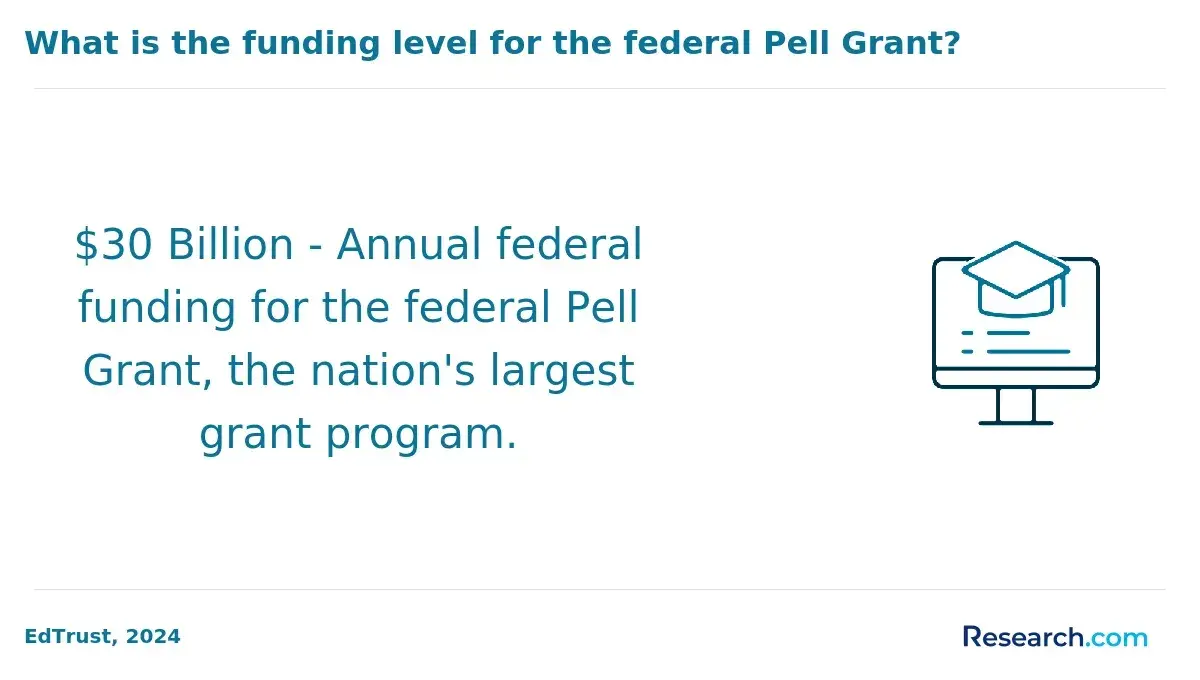
Financial aid may be available if the school and program are eligible and the student meets enrollment requirements. The maximum Federal Pell Grant for the 2024-25 award year was $7,395, but the amount a student receives depends on federal eligibility rules, enrollment intensity, cost of attendance, and financial need. Students should complete the FAFSA, ask about state grants, and check whether employer tuition assistance can be used for part-time or online enrollment.
Students comparing associate-level affordability with longer marketing pathways should be careful not to assume graduate-level tuition patterns apply to community college programs. Still, reviewing the economics of the cheapest online marketing degree can help students understand how tuition, duration, and career goals interact across different credential levels.
How Should You Choose the Best Flexible Online Marketing Associate Degree Program for Your Schedule?
The best flexible online marketing associate degree is the one that matches your weekly availability, learning style, transfer plan, budget, and career goal. Flexibility is valuable only if it helps you complete the degree with usable credits and relevant skills. A program that looks convenient but has poor advising, unclear transfer pathways, or hidden attendance requirements may cost more time than it saves.
Start by defining your primary goal. If you want entry-level work, look for applied projects, software exposure, sales or customer service connections, and career support. If you want to transfer, prioritize accreditation, general education alignment, and articulation agreements. If you may later move into public relations, brand communication, or strategic messaging, an affordable online master's degree in communications can be useful to understand how communication-focused graduate pathways differ from associate-level marketing preparation.
Use this decision process to narrow your options without being distracted by marketing claims.
- Write down your fixed weekly commitments, including work hours, commute time, caregiving, military obligations, and sleep schedule.
- Choose the delivery format first: asynchronous for variable schedules, evening for live structure after work, hybrid for local campus support, or self-paced for independent study.
- Ask for a sample course schedule, not just a catalog, so you can see whether required courses are actually available in your preferred format.
- Calculate total cost through graduation, including fees, books, software, transportation, and the cost of taking longer part time.
- Verify accreditation, financial aid eligibility, transfer agreements, and whether credits apply to your intended bachelor's program.
- Review student support hours to make sure advising, tutoring, library help, technical support, and career services are available when you are likely to use them.
- Look for career-relevant coursework in digital marketing, analytics, buyer behavior, business communication, sales, content strategy, and campaign planning.
Common mistakes include choosing the most flexible format without considering motivation, assuming hybrid means rare campus visits, ignoring course rotation, enrolling part time without checking aid rules, and choosing a self-paced program without a weekly study plan. A better approach is to match the program's structure to your real life, then verify that the degree supports your next step.
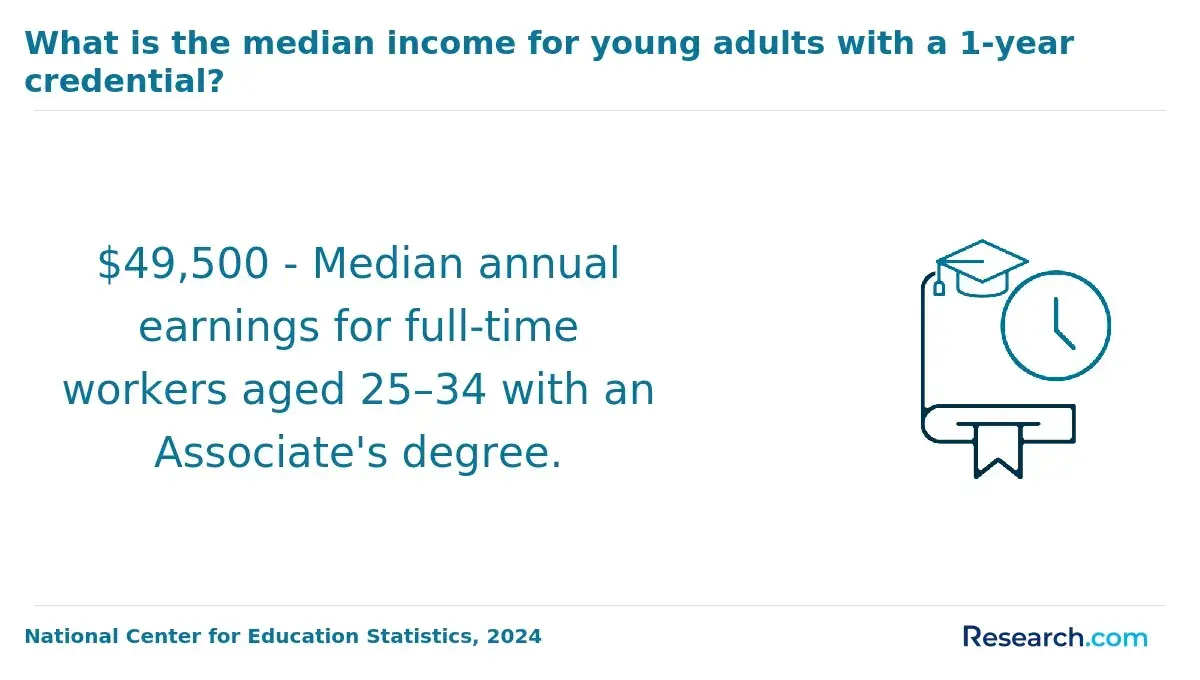
Salary and job outlook should also be interpreted carefully. BLS data for May 2024 reported a median annual wage of $76,950 for market research analysts, a role that typically requires at least a bachelor's degree. For associate degree students, that means the credential can be a useful starting point, but higher-level marketing analysis and management roles may require transfer, experience, certifications, or a portfolio of campaign work.
Other Things You Should Know About Marketing
Often, yes, but it depends on course availability, financial aid rules, and academic standing. Ask whether required marketing courses are offered every term before assuming you can speed up later.
Most diplomas do not list the delivery format, but transcript practices vary by school. If this matters for transfer or employer reimbursement, ask the registrar how online, hybrid, evening, or competency-based courses appear on official records.
Some do, but many use capstone projects, simulations, portfolios, or applied campaign assignments instead. If you want local work experience, ask whether online and part-time students receive help finding internships that fit their schedules.
You typically need a reliable computer, broadband internet, video conferencing access, spreadsheet software, presentation tools, and the ability to use a learning management system. Some courses may also use analytics dashboards, content planning tools, or design software.
- How to Improve Learning Outcomes in Online Courses 2026? https://learnpresslms.com/blog/how-to-improve-learning-outcomes-in-online-courses/
- Earn an Online Marketing Degree https://www.oedb.org/rankings/online-marketing-programs/
- Hybrid learning: A comprehensive guide https://feedbackfruits.com/blog/a-comprehensive-guide-to-hybrid-learning
- Modes of Course Delivery: Definitions and Characteristics https://otl.uoguelph.ca/teaching-assessment-resources/modes-course-delivery-definitions-and-characteristics
- Financial Aid for Online Colleges: What You Need to Know https://joinjuno.com/financial-literacy/financial-aid/financial-aid-online-colleges
- Self-Paced Learning: Benefits, Challenges, and Best Practices https://www.eucdl.com/post/self-paced-learning-benefits-challenges-and-best-practices
- Student Perceptions of Content Delivery Methods in Marketing Hybrid Courses - Faculty Resource Network https://facultyresourcenetwork.org/symposium/november-2019/student-perceptions-of-content-delivery-methods-in-marketing-hybrid-courses/
- Hybrid College Classes: What They Are & How They Work https://beal.edu/what-are-hybrid-college-classes/
- What is Self Paced Learning? Definition, Benefits and Tips | Digital Learning Institute https://www.digitallearninginstitute.com/blog/what-is-self-paced-learning-definition-benefits-and-tips
- What Is Self-Paced Learning? Everything You Need To Know - Classe365 https://www.classe365.com/blog/what-is-self-paced-learning-everything-you-need-to-know/


