2026 Entry-Level Jobs With an Audio & Music Master's Degree

Co-Founder and Chief Data Scientist
Graduates holding a master's degree in audio & music enter a labor market shaped increasingly by project-based work, contract roles, and evolving digital production tools. Entry-level positions often require adaptability across multiple technical and creative functions rather than specialization alone. Employers in 2024 prioritize candidates who demonstrate proficiency with emerging audio technologies alongside collaborative skills.
Hiring structures frequently favor portfolio evidence and real-world experience, making conventional credentialing only one aspect of employability. This article examines the typical entry points, industry structures, and workforce expectations that define early career trajectories for audio & music master's graduates.
Key Benefits of Entry-Level Jobs With an Audio & Music Master's Degree
- Master's-level training in audio & music often leads to specialized roles, but early employment may require balancing creative aspirations with technical jobs that prioritize software proficiency over artistry.
- Employers increasingly seek candidates with both production expertise and collaborative skills, reflecting a trend where adaptability in hybrid studios determines early-career stability and growth opportunities.
- Extended program duration and higher costs typical of audio & music master's paths can delay workforce entry, affecting cumulative experience and requiring prospective students to weigh immediate job market timing against advanced credential benefits.
What Entry-Level Jobs Can You Get With an Audio & Music Master's Degree?
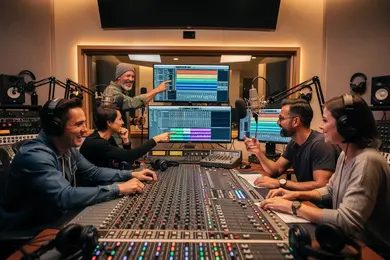
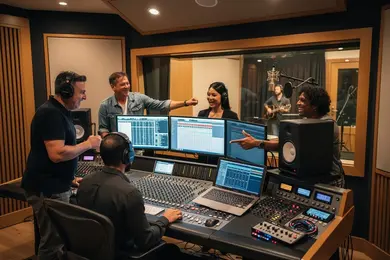
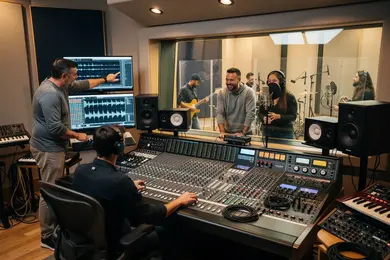
Entry-level roles for audio & music master's graduates often involve more than basic or routine tasks; many positions demand specialized knowledge, critical listening skills, and technical acumen right from the start. These jobs typically require interpreting complex audio signals, managing equipment setups, or applying creative and theoretical frameworks that students deeply explored during their graduate studies.
The scope of responsibility can vary widely based on whether the position lies within live production, studio environments, or multimedia contexts, as well as the specific expertise gained in the master's program. Additionally, entry-level opportunities reflect industry needs, prior internships or project experience, and regional employment trends, affecting how quickly graduates can assume greater independence or leadership roles.
- Audio Engineer Assistant: This role involves supporting senior engineers by setting up recording sessions, troubleshooting technical issues, and adjusting audio levels. It serves as an essential foundation for mastering industry-standard software and hardware, with a clear pathway toward lead engineering or mixing specialist roles as hands-on experience and confidence grow.
- Sound Designer: Entry-level sound designers contribute to creating auditory elements for film, video games, or advertising. Their work requires not only creativity but also an understanding of how sound influences narrative and user experience, positioning graduates for specialization in interactive media or post-production sound editing.
- Music Producer Assistant: Assisting producers entails organizing sessions, coordinating with artists, and participating in the editing and mixing process. Though considered entry-level, this role demands technical flexibility alongside interpersonal skills, offering exposure to industry workflows and potential advancement toward independent producing or studio management.
- Post-Production Technician: These technicians work in editing suites, focusing on synchronizing and enhancing audio tracks with visual media. The position is often a critical first step for graduates interested in film and television soundtracks, bridging technical proficiency and creative decision-making necessary for senior sound editing roles.
- Audio Archivist or Music Librarian: Particularly common within educational institutions and cultural organizations, these roles emphasize cataloging and preserving sound recordings. They apply metadata management skills and audio technology knowledge, forming a unique career path that blends technical care with archival research and preservation-a growing field as digital collections expand.
For graduates exploring online BCBA masters programs or similar pathways, recognizing the nuances of entry-level jobs with a organizational leadership master's degree is key.
What Sectors Have the Strongest Demand for Graduate-Level Talent?
Employer demand for master's-level talent in audio & music is influenced by complex industry dynamics rather than degree popularity alone. Sectors with steady graduate-level hiring typically have enduring structural needs for specialized expertise, advanced analytical capabilities, and leadership qualities that align with master's education.
Understanding these drivers sheds light on where the most substantive opportunities lie and how graduates might align their skills with evolving market and technological trends.
- Entertainment Production: The ongoing expansion of digital content through streaming platforms and interactive media has intensified demand for sophisticated sound design, audio engineering, and post-production expertise. This sector values graduates capable of melding creative intuition with technical precision to meet high output standards, often requiring adaptability to fast-changing technologies and project-based workflows.
- Live Events and Performance: Venues, touring productions, and festivals require audio professionals skilled in real-time sound management and technical troubleshooting. Demand here is influenced by recovering live event markets and increasing production complexity, though roles tend to have less stability and involve irregular schedules early in careers.
- Audio Technology and Software Development: Growth in this sector stems from ongoing innovation in audio hardware, digital workstations, and production tools, driven by consumer and professional market demands. Graduates with combined creative and technical skills, including programming or acoustics knowledge, are sought for QA, product support, and R&D, reflecting an industry focus on continual product enhancement.
- Advertising and Marketing Agencies: As multimedia storytelling and branded content expand across platforms, agencies increasingly hire audio specialists to elevate podcasting, sound branding, and commercial content. These roles require balancing creative vision with client deadlines and commercial expectations, reflecting broader trends in digital marketing sophistication.
One graduate recounted the challenge of navigating rolling admissions while juggling multiple potential paths. Early in the process, uncertainty about program fit and outcomes made the choice feel urgent yet tentative.
Strategic preparation of portfolios and interviews overlapped with waiting periods that tested patience and market research. This experience highlighted the value of aligning application timing with evolving industry trends and personal career goals rather than rushing into decisions solely based on deadline pressures.

Which Entry-Level Audio & Music Careers Have the Highest Starting Salaries?
Entry-level salaries in audio & music industries reflect far more than academic credentials alone. Compensation correlates closely with specialized technical skills, the commercial viability of the sector, and the degree of responsibility expected from new graduates. Positions commanding higher pay typically involve roles where analytical proficiency, creative-technological integration, or strategic business impact are critical from the outset.
Market demand and regional industry concentration further shape these initial salary levels, signaling both skill scarcity and potential for upward mobility.
- Audio Engineer ($50,000-$65,000): Audio engineers often lead among highest entry-level earners due to their technical command of mixing, mastering, and real-time problem-solving in contexts like recording studios and live production. Employers justify higher pay where precision and client-facing accountability influence project success directly. Cities with robust media production hubs push salaries upward, reflecting demand for candidates who combine hands-on expertise with workflow management under tight deadlines.
- Sound Designer ($48,000-$62,000): Roles in video game and film production place sound designers near the top of starting wage scales. Their compensation reflects an intersection of creativity and technical complexity, where designing immersive audio environments requires both software proficiency and artistic judgment. Geographic limitations on job availability mean candidates with strong portfolios or internship experience command premium offers, indicating employers value demonstrated applied skill over formal education alone.
- Music Producer ($45,000-$60,000): Entry-level producers earn comparable salaries by merging creative direction with project coordination, a combination that supports commercial viability of recordings or media projects. The variability in pay underscores the highly competitive nature of the field, where early earnings also depend heavily on networking outcomes and credits on successful projects. Initial salaries tend to reward those who demonstrate multifaceted capabilities aligned with client expectations and market trends.
- Audio Technician and Mastering Engineer ($40,000-$55,000): Specialized technical roles like audio technicians and mastering engineers enter the workforce with lower starting pay generally, but these positions offer stable footholds requiring niche expertise. Their compensation growth correlates strongly with reputation and technical mastery over time. Employers in this segment seek precise skill application with less emphasis on creative leadership, impacting initial pay benchmarks.
- Music Librarian, Sound Archivist, Academic Assistant (under $40,000): Positions outside primary audio production commands, such as librarians or archivists, provide fewer immediate financial rewards but often deliver steadier, structured career pathways. These roles commonly involve organizational and administrative responsibilities with less technical complexity. As such, their salary levels reflect lower market pressure but may appeal to those prioritizing stability and defined advancement routes.
Which Industries Pay the Most for Entry-Level Audio & Music Master's Graduates?
Entry-level salary levels for Audio & Music master's degree graduates are less about individual credentials and more a reflection of industry-specific economic structures. Sectors that offer higher starting pay generally operate within high-margin markets, face stringent regulatory frameworks, or emphasize technological innovation, where audio expertise tangibly impacts revenue, brand identity, or compliance.
Consequently, industries placing strategic importance on sound design, acoustics, or music production command premium compensation for graduates entering the workforce despite similar qualification levels.
- Film and Television Production: This sector's substantial revenue streams and high production values create a demand for precise audio engineering skills that protect intellectual property and ensure content quality. Skilled audio professionals are critical in post-production and on-set sound management, with the industry's competitive nature and global reach driving above-average entry-level salaries for those with advanced degrees. According to recent Labor Statistics data, specialized audio roles here see starting wages significantly exceeding general media production averages.
- Video Game Development: The gaming industry's rapid expansion and technological complexity fuel a growing need for immersive soundscapes and adaptive music composition, placing a premium on audio mastery at entry-level. Companies prioritize candidates who can navigate interactive audio engines and produce sound effects critical to user engagement and game realism, justifying higher starting pay. Labor market analyses highlight this sector's rising wage trends due to skill scarcity and innovation demands.
- Music Production and Recording Studios: Concentrated in urban hubs, this industry requires technical excellence to maintain competitive audio quality and originality. Entry-level roles here demand familiarity with advanced mixing software and acoustics, reflected in steady compensation that privileges candidates holding master's degrees. The combination of talent scarcity and the studios' revenue reliance on high-fidelity audio output supports these elevated wage levels.
- Advertising and Marketing Firms: Organizations leveraging multimedia branding depend heavily on audio specialists to craft jingles, sonic logos, and sound effects that differentiate products in crowded markets. This strategic use of audio amplifies marketing impact and ROI, resulting in compensation packages at the entry-level that acknowledge the direct influence of sound on consumer perception. Economic models for these companies link audio professionalism to measurable brand equity improvements.
- Live Event and Concert Production: This labor-intensive environment requires audio expertise to manage complex sound systems under dynamic conditions, often linked to substantial event revenues and broadcast rights. The need for precision in real time, combined with technical difficulty, positions entry-level technical roles at competitive pay scales relative to other sectors. Industry demand peaks with high-profile productions, underscoring the value assigned to graduate-level audio knowledge.
For those navigating entry-level audio and music master's degree jobs salary expectations, it is important to realize that fastest early salary growth often occurs within companies that offer mentorship or structured internship-to-hire pipelines. Graduates prioritizing commercial industries where technological proficiency and creative sound applications intersect will typically access stronger compensation than peers entering academia or education sectors.
Students considering their academic journey should also explore options such as affordable online master's programs to gain specialized skills without inflating cost burdens, thereby improving employment positioning across these competitive, higher-paying industries.
Which Skills Are Most Valuable in Entry-Level Positions?
Entry-level hiring decisions for candidates with a master's degree in audio & music increasingly hinge on demonstrable skills rather than the credential alone. Employers focus on how well applicants can deploy technical and interpersonal competencies to meet real production challenges and business objectives from day one. Candidates who can translate domain knowledge into practical solutions tend to stand out in highly competitive, technology-driven job markets.
- Technical Mastery of Digital Audio Workstations (DAWs) and Emerging Technologies: Proficiency with DAWs remains fundamental, but familiarity with spatial audio and immersive sound formats significantly enhances a candidate's value. Employers prioritize this because such technical skills directly affect production quality and innovation potential, contributing to a 15% higher hiring likelihood in metropolitan areas with evolving audio media scenes.
- Interdisciplinary Communication and Collaboration: The ability to articulate complex audio concepts clearly to non-expert colleagues-such as video producers or marketing teams-is critical. Employers seek candidates who facilitate smooth workflows across departments, ensuring projects advance efficiently and misunderstandings are minimized.
- Project and Time Management: Entry-level roles often require juggling multiple deadlines and adjusting to shifting priorities. Candidates skilled in workflow management software and who demonstrate organizational discipline are more likely to meet performance benchmarks and gain favor for early promotions.
- Critical Listening and Analytical Evaluation: Beyond technical execution, the capacity to interpret sound nuances and audience feedback shapes product refinement. Hiring managers value those who contribute creatively to problem-solving and ensure the audio output aligns with client or consumer expectations.
- Adaptability and Commitment to Lifelong Learning: Given rapid technological shifts and changing client demands, resilience and eagerness to update one's skill set dictate long-term employability and salary growth trajectories. Employers view these traits as indicators of sustained value in fluid industry environments.
A graduate recalled waiting anxiously during a rolling admissions cycle, unsure whether to accept an early offer or hold out for programs that better matched evolving personal goals. They described how this uncertainty prompted deeper reflection on which skills and experiences would truly impact their employability.
By focusing interview preparation and project choices on interdisciplinary collaboration and emerging technology, the candidate eventually secured a role that aligned with real industry needs rather than just institutional reputation. Their decision-making process underscored how understanding skill value is as crucial as the degree itself in navigating early career steps.

Do Employers Hire Audio & Music Master's Graduates Without Professional Experience?
Many employers do hire audio & music master's graduates without professional experience, particularly within structured entry-level roles designed to integrate early-career talent. These positions often function as training grounds where candidates can develop practical skills under supervision, addressing the industry's demand for demonstrated competence beyond academic credentials.
Employers recognize that master's graduates may lack real-world exposure but value their technical foundation as a basis for growth. The decision to hire typically aligns with organizational willingness to invest in upskilling candidates who show adaptability and a grasp of industry-standard tools, rather than expecting immediate independent performance.
This hiring dynamic becomes feasible when candidates supplement their degree with internships, freelance projects, capstone assignments, or industry certifications that signal both commitment and applied capability. Strong academic performance combined with clear evidence of technical or analytical skills can partially offset the absence of formal work experience.
According to recent 2024 workforce reports, a significant portion of entry-level jobs for audio & music master's graduates with no experience require some demonstration of practical application, often through portfolios or supervised projects. Graduates demonstrating these competencies can enter roles such as assistant engineers, junior sound designers, or post-production technicians, effectively bridging the gap between theory and practice.
For those seeking expedited credentialing routes, pursuing a fastest masters degree may also influence their market readiness. Industry variations influence employer openness toward inexperienced graduates; technology-driven sectors within audio & music tend to be more receptive to candidates without extensive backgrounds, valuing innovative potential and technical proficiency.
Conversely, client-facing or high-responsibility roles typically require prior experience to mitigate risks related to project management and direct stakeholder engagement. This reflects broader labor market trends where competency-based hiring is calibrated according to role complexity and organizational risk tolerance, highlighting the practical challenge of translating academic qualifications into occupational effectiveness without experiential context.
Which Certifications Help Entry-Level Audio & Music Master's Graduates Get Hired?
Employers frequently use professional certifications to confirm practical, job-ready capabilities that academic Audio & Music master's programs may not fully convey. While a master's degree establishes a theoretical foundation and broad expertise, certifications signal hands-on proficiency and familiarity with current industry tools and workflows, helping graduates stand out during the highly competitive early-career hiring process.
- Avid Pro Tools Certification: This credential is often cited by hiring managers as a key indicator of skill with one of the industry's leading digital audio workstations (DAWs). Given that a 2024 analysis from Lightcast found over two-thirds of entry-level audio roles prioritize proficiency in Pro Tools or similar DAWs, this certification substantiates a graduate's readiness to contribute on standard professional platforms immediately.
- Apple Logic Pro Certification: For candidates targeting music production or post-production roles where Logic Pro dominates, this certification verifies familiarity with a crucial software environment. It demonstrates an ability to navigate complex workflows, matching industry expectations for streamlined, creative output and technical problem-solving.
- Society of Broadcast Engineers (SBE) Audio Engineering Certification: This credential is particularly valuable for graduates aiming at live sound, broadcast audio, or technical engineering positions. It reinforces competence in audio fundamentals recognized across broadcast networks, enhancing a candidate's profile beyond academic knowledge by validating domain-specific technical standards.
- Audio Engineering Society (AES) Certification: Recognized within specialized audio engineering communities, this certificate signals commitment to mastering industry best practices and emerging technologies. While its recognition might be somewhat niche, it can differentiate candidates for roles involving advanced sound design, acoustic treatment, or post-production sound engineering.
Certification benefits vary depending on employer expectations and job requirements. They tend to hold the most value when they align directly with the software and technical skills employers require for immediate productivity. However, the rapidly evolving nature of audio technologies also means certifications require regular renewal or ongoing professional development to maintain relevance.
Ultimately, these credentials function best as complementary validation to an Audio & Music master's degree, bridging the gap between foundational theory and the specific applied skills that entry-level positions demand.
What Remote Jobs Can You Get With an Audio & Music Master's Degree?
Remote opportunities for Audio & Music master's graduates have expanded significantly due to advances in digital transformation, cloud-based production tools, and the growing practice of global talent sourcing. Success in these roles often depends on the ability to deliver clearly measurable, digital outputs with minimal dependency on synchronous collaboration or physical presence.
Employers in remote audio-related fields tend to prioritize candidates who can independently manage projects, efficiently use virtual collaboration platforms, and maintain consistent productivity despite geographic dispersion.
- Audio Editor and Mixer: In this role, editing and mixing audio for podcasts, video, and music projects is executed remotely using cloud-based digital audio workstations. The job's deliverables are straightforwardly measurable through file revisions and deadlines, enabling workflow largely asynchronous. Master's-level expertise supports nuanced sound quality decisions and effective client communication in distributed teams, although progression may require building a robust freelance portfolio to offset variable contract work.
- Sound Designer for Interactive Media: Remote sound design for games and apps involves creating complex audio assets and integrating them with development teams via collaborative platforms like Slack or Asana. Master's graduates leverage specialized technical proficiency to understand interactive audio requirements and deliver iterative sound elements. These projects often emphasize milestone-based outputs rather than continuous supervision, demanding precise time management.
- Music Production Assistant: Assisting with arranging, mastering, and engineering tasks remotely requires mastery of digital audio tools and effective asynchronous feedback cycles. This role suits remote settings due to the trackable nature of deliverables and the repeated, modular tasks often involved. Higher-level education bolsters problem-solving and technical adaptability, but career growth may depend on networking within virtual audio communities.
- Online Music Educator or Tutor: Delivering music technology or theory instruction remotely leverages video conferencing and interactive platforms to meet growing demand in virtual education. Master's degree holders bring advanced content knowledge and pedagogical skills optimized for remote engagement, adapting lessons dynamically to virtual environments. Performance is assessed through student outcomes and engagement rather than in-person presence.
These remote roles reflect broader labor market shifts favoring project-based contributions and digital proficiency over physical proximity. Despite remote work's appealing flexibility and access, Audio & Music graduates must navigate common challenges such as income fluctuations, self-driven client acquisition, and the necessity of ongoing skill refinement to sustain career momentum beyond entry levels.
How Competitive Is the Entry-Level Job Market for Audio & Music Master's Graduates?
The competitiveness of the entry-level job market for audio & music master's graduates varies widely based on factors like industry demand fluctuations, geographic labor markets, and the degree of specialization within different audio & music disciplines. Certain subfields such as sound design for media or broadcast technology may see higher demand in urban centers with robust entertainment sectors, while others remain saturated due to an oversupply of candidates.
The growth in graduates with audio & music master's degrees has outpaced industry expansion in many regions, intensifying competition and creating bottlenecks for permanent roles. According to data from the 2024 NACE Career Outcomes Survey, about 58% of graduates find employment in directly related jobs within six months, reflecting the nuanced challenges of navigating this market.
Employer expectations at the entry level further heighten competition, as technical proficiency alone is often insufficient. Candidates who demonstrate applied project experience, internships, relevant certifications, and strong portfolios tend to have a decisive advantage. Many hiring managers treat advanced degrees as baseline qualifications, placing greater emphasis on tangible creative outputs and network connections in niche music technology communities.
This creates a signaling effect where candidates must show not only mastery of fundamental skills but also the ability to adapt to fast-changing production environments and contribute in project-based hiring cycles. Graduates aiming to improve their market position should consider targeting less saturated subfields or regions where talent shortages exist, such as areas with emerging media hubs or specialized audio research roles.
Geographic flexibility and willingness to engage in contract or temporary work also help bypass hiring bottlenecks. Those evaluating options might find relevance in exploring related degrees or career questions akin to what can you do with a masters in forensic psychology, emphasizing the importance of practical alignment between education and employment opportunities within evolving labor markets.
The search for entry-level jobs for audio and music master's graduates requires strategic planning grounded in labor market realities rather than reliance on degree prestige alone. The entry-level job market for graduates holding a master's degree in audio & music remains notably competitive as of 2024.
According to the U.S. Bureau of Labor Statistics (BLS) and the National Association of Colleges and Employers (NACE), individuals with advanced degrees in this field face a labor market characterized by a mix of creative opportunity and high supply relative to demand. Data from the 2024 NACE Career Outcomes Survey highlights that only about 58% of audio & music master's graduates secure employment in directly related roles within six months post-graduation.
This figure reflects a moderately competitive environment where having a master's degree may improve technical skills and theoretical knowledge but does not guarantee immediate placement in specialized industry positions. Entry-level roles such as audio engineer assistant, sound designer, music producer intern, or broadcast technician typically attract a high volume of applicants, including those with bachelor's degrees and relevant industry experience.
Employers often seek candidates who not only have strong academic credentials but also practical skills, portfolio work, and networking within professional circles. The creative industries' project-based nature means many openings are temporary or contract-based, which further intensifies competition for permanent positions.
Salary expectations for new grads vary widely but generally range between $40,000 and $55,000 annually depending on location and specific job role. Early-career professionals frequently experience slower wage growth relative to other fields, reinforcing the importance of strategic career planning.
Key factors influencing competitiveness include:
- Relevance and currency of technical skills aligned with industry standards
- Ability to demonstrate creative work through portfolios or internships
- Networking within niche music technology or production communities
- Geographic flexibility and willingness to accept contract positions
Which Entry-Level Roles Have the Strongest Long-Term Growth Potential?
When evaluating a conditional admission offer for an audio & music master's program, students must carefully review the specific requirements attached, such as maintaining a minimum GPA in prerequisite courses or completing language proficiency tests. The feasibility of meeting these conditions within the program's timeframe is critical, influenced by prior academic performance and personal factors. Conditional offers can reflect a program's flexibility but may also limit access to certain networking channels or faculty resources compared to unconditional admits.
Graduates' outcomes data are essential for weighing the value of any conditional offer. According to 2024 labor studies by government and industry analysts, audio & music master's graduates commonly start in roles like audio engineering assistants or music production coordinators, which serve as foundational entry points. Jobs with the best long-term growth potential generally provide technical specialization or leadership paths within content creation, technology development, or multimedia firms.
Students should assess whether the program offers practical skill-building opportunities aligned with employer priorities, including mentorship and internships. These elements, combined with portfolio development, can significantly influence employability and early-career advancement, especially when one enters the industry under conditional acceptance terms. For more detailed study paths, consider resources like the online data science PhD.
Long-term career growth after completing an audio & music master's degree depends more on the responsibilities, skill acquisition, and visibility offered by the initial role than on the job title itself. Positions that build transferable technical and managerial skills, expose candidates to strategic decision-making, and allow specialization tend to support the most robust advancement trajectories.
What Graduates Say About Entry-Level Jobs With an Audio & Music Master's Degree
- Jason: "After finishing my master's in audio & music, I found that employers were less focused on formal licensure and more interested in hands-on experience and a strong portfolio. I spent a lot of time building a diverse range of projects during my internship, which ended up being a key factor in landing my first role. Remote work flexibility also made it easier to work with smaller studios that valued creativity over strict certification. The trade-off I noticed was a gradual salary increase, but the real opportunity felt like gaining varied practical knowledge."
- Camilo: "The transition from my academic program to an entry-level position was more challenging than I expected. Many positions required prior internships, which I had limited access to, so I leveraged certifications and freelance gigs to fill that gap. I realized quickly that the industry favors adaptability and broad skill sets beyond just academic credentials. Accepting a contract role initially gave me workforce entry while I built my network, though I'm cautiously planning my next move to avoid getting stuck in stagnant roles without upward mobility."
- Alexander: "Graduating with a master's in audio & music, I approached the job market with the understanding that competition was fierce for the ideal entry-level positions. I prioritized creating an extensive portfolio and actively sought out mentorship opportunities to navigate real studio workflows. The hiring reality I faced was that licensure didn't open many doors, but demonstrated familiarity with industry-standard software and plugins did. I appreciate that remote positions allowed me to start quicker, though I stay mindful of balancing immediate work with long-term skill development."
Other Things You Should Know About Audio & Music Degrees
The specialization you pursue can significantly shape early career opportunities, as employers often seek technical proficiency tied to specific subfields like sound design, audio engineering, or music technology. Graduates from programs heavily focused on theory or research may find fewer direct hands-on roles immediately available, requiring additional skill-building to meet practical expectations. Prioritizing a program with balanced studio experience and industry-standard tools tends to better position graduates for faster job placement in entry-level roles.
Many audio & music master's degrees demand intense studio hours, collaborative projects, and independent production work, which can foster resilience but also risk early burnout when transitioning to professional environments that expect long, irregular hours. Graduates should weigh programs based on how well they prepare students for managing workload stress and deadlines common in production or post-production settings. Those who develop disciplined work habits alongside creative flexibility often navigate entry-level roles more sustainably.
Structured mentorship can accelerate skill acquisition and industry networking, crucial for graduates lacking extensive professional experience. Smaller studios may offer diverse job tasks but often provide limited formal guidance, increasing the risk of slow progress or skill gaps. For most entry-level graduates, seeking employers with clear mentorship frameworks or internship-to-hire pipelines delivers better long-term skill development and career growth potential.
Location remains a decisive factor due to clustering of relevant industries-major media hubs offer more jobs but with higher competition and living costs, while smaller markets might present fewer openings but potentially quicker access to onsite technical roles. Graduates must balance the tradeoff between opportunity volume and cost of living, often prioritizing relocation to cities with established music, film, or gaming industries if immediate employment is critical. Remote work in entry-level audio & music roles remains limited, emphasizing local labor market conditions.
References
- Careers You Can Pursue With a Music Production & Audio Engineering Degree https://www.pointblankmusicschool.com/blog/careers-you-can-pursue-with-a-music-production-and-audio-engineering-degree/
- Main navigation https://careersportal.ie/courses/coursedetail.php
- Music https://www.careerpilot.org.uk/job-sectors/subject/music
- What Can I Do with a Music Degree? Transferable Skills & Career Paths https://waterbear.org.uk/blog/what-can-i-do-with-a-music-degree-transferable-skills-career-paths/
- What are entry-level jobs in the music industry? - Wisseloord https://wisseloord.org/uncategorized/what-are-entry-level-jobs-in-the-music-industry
- Online Audio and Music Production Certifications That Help You Succeed https://abbeyroadinstitute.com/losangeles/blog/online-audio-music-production-certifications/
- Remote Entry Level Music Jobs | Working Nomads https://www.workingnomads.com/remote-entry-level-music-jobs
- Top Careers in Music and Audio You Didn’t Know Existed | OIART https://www.oiart.org/news/top-music-audio-careers
- Job Placement - Recording Connection https://recordingconnection.com/job-placement/
- Top Music and Audio Careers You Can Start Without a 4-Year Degree - Dark Horse Institute - Audio Engineering & Music Business School https://darkhorseinstitute.com/audio-careers-you-can-start-without-a-4-year-degree/