2027 Educational Psychology Degree Programs for Career Changers

Co-Founder and Chief Data Scientist
Transitioning into educational psychology later in one's career can pose unique challenges, especially for professionals juggling family and work responsibilities. Approximately 45% of adult learners in graduate programs report balancing substantial personal obligations while pursuing advanced degrees in educational psychology. This demographic shift highlights the growing need for flexible, career-focused degree programs that accommodate nontraditional students. Navigating program options and understanding how an educational psychology degree equips career changers with practical skills for roles in educational assessment, counseling, or curriculum design require clear guidance. This article explores these degree pathways, addressing how prospective students can efficiently leverage educational psychology credentials to secure meaningful employment.
Key Things to Know About Educational Psychology Degree Programs for Career Changers
- Many programs offer flexible scheduling or online and hybrid formats, accommodating working adults balancing jobs and family commitments.
- Accelerated degree tracks enable career changers to complete their educational psychology studies faster, often within 12-18 months.
- Support services like academic advising and career counseling help students integrate employer-relevant skills and improve workforce readiness.
What Educational Psychology Programs Accept Career Changers?
Educational Psychology programs often accommodate working adults and professionals shifting careers by offering practical coursework and flexible entry paths that leverage previous experience. Nationally, adult learners make up nearly 40% of graduate enrollments, reflecting a strong trend toward programs designed for nontraditional students.
Four types of Educational Psychology programs commonly accept career changers:
- Master's Degree Programs: These programs typically feature flexible prerequisites that do not require extensive prior psychology coursework, making them accessible for professionals transitioning from other fields. The curriculum emphasizes applicable skills to bridge theory and practice.
- Graduate Certificates: Shorter and more focused, these programs deliver essential knowledge and practical skills that complement prior degrees or work experience, supporting a smooth career shift.
- Doctoral Programs: PhD or EdD programs in Educational Psychology may welcome applicants with diverse professional backgrounds, valuing interdisciplinary perspectives and offering research opportunities aligned with previous expertise.
- Post-Baccalaureate Programs: These focus on foundational coursework, often with flexible schedules, helping working adults complete prerequisites needed for advanced Educational Psychology study.
Prospective students considering Educational Psychology degrees for career changers should look closely at admissions requirements for nontraditional Educational Psychology students to find a good fit. Additionally, exploring related fields such as ai degrees can sometimes provide complementary skills to enhance career opportunities.
What Educational Psychology Specializations Are Best for Career Changers?
Selecting the right educational psychology specialization is essential for career changers aiming to build on existing skills and enter a new field with confidence. The U.S. Bureau of Labor Statistics projects an 8% job growth through 2031 in roles linked to educational psychology-related specializations, highlighting strong career prospects. Here are four top options designed to support smooth transitions and expansive career mobility.
- Applied Behavior Analysis: Focuses on behavioral interventions, making it ideal for professionals from healthcare or social work backgrounds seeking to transfer practical experience into educational settings.
- Instructional Design: Emphasizes creating effective educational materials and technology-based learning tools, offering accessibility to those with prior communication or tech experience.
- Learning Analytics: Utilizes data and quantitative methods to improve learning outcomes, catering to career changers with technical or analytical skills looking for specialized roles.
- School Psychology: Supports student welfare and mental health in schools, fitting well with professionals who have counseling or teaching experience wanting to shift into educational psychology.
These career changer friendly educational psychology concentrations help professionals align their expertise with in-demand skills. Many prospective students explore options within accelerated psychology degree programs, which often highlight such practical and accessible specializations for a faster career transition.
What Are the Admission Requirements for Career Changers Applying to a Educational Psychology Program?
Career changers must carefully review admission criteria to plan an efficient transition into educational psychology programs. Nearly 40% of graduate students in the U.S. are nontraditional or adult learners, highlighting the importance of flexible and accommodating pathways. Below are common requirements aligned with educational psychology program admission criteria for career changers.
- Bachelor's Degree: A completed bachelor's degree from an accredited institution is typically required, often accepted in any field to support diverse academic backgrounds among applicants.
- Transcripts and GPA: Submission of transcripts showing a minimum GPA of 3.0 is standard, though some programs may waive this requirement for candidates with substantial relevant professional experience.
- Standardized Tests: GRE scores are commonly requested, but many programs are modifying prerequisites to waive or limit these tests for nontraditional educational psychology applicants, acknowledging their practical experience.
- Statement of Purpose: Applicants must provide a personal essay explaining their motivation for a career change and goals within the field, emphasizing how prior experience enhances their potential success.
- Letters of Recommendation: References from employers or academic mentors familiar with the applicant's skills and contributions strengthen the application and corroborate transferable competencies.
Working professionals benefit from programs offering part-time, evening, or online options, making it easier to balance commitments. Transferable experience in education or counseling often supplements or replaces traditional academic requirements.
Alternative pathways like credit for prior learning or professional certifications can reduce both time and cost to degree completion. For example, some students explore marriage and family therapy online programs accredited to complement or diversify their expertise within the educational psychology domain.
For those shifting into new professional paths, grasping the coursework of an educational psychology degree is essential to navigating the transition effectively. The curriculum is designed to balance theory and hands-on learning tailored to the experiences of adult students. Key elements include:
- Foundations of Educational Psychology: This covers core theories about learning, motivation, and cognitive development, establishing a broad framework adaptable across various educational contexts.
- Research Methods and Statistics: Students explore both quantitative and qualitative approaches, empowering them to evaluate research critically and engage with evidence-based educational practices.
- Assessment and Evaluation: The focus here is on creating and interpreting tools that measure learning outcomes and psychological aspects influencing education.
- Developmental Psychology: Study of growth and change throughout life supports tailoring instructional strategies to meet the needs of diverse learners.
- Intervention Strategies and Counseling: Practical application of concepts prepares learners to develop and implement support systems for individuals facing educational challenges.
Many of these programs offer flexible formats such as online or hybrid courses with asynchronous options, allowing career changers to balance study and professional life. Applied projects and real-world case studies further help connect theoretical knowledge with practical use.
When asked about his experience pursuing an online educational psychology degree as a career change, a professional shared, "Balancing family, work, and school was daunting at times, but the flexibility made it manageable." He described feeling initially overwhelmed by the research components but found that step-by-step guidance within the coursework helped build his confidence. "It wasn't just theory; practical assignments forced me to think critically about real educational environments, which made the learning stick." His advice to others contemplating a similar shift was to embrace the challenge and utilize available support systems fully, emphasizing that the journey, though demanding, was deeply rewarding.
Selecting the right program format is vital for career changers balancing education with existing responsibilities. More than 70% of adult learners now opt for programs that offer flexibility through online or hybrid options, reflecting a strong trend toward accommodating busy schedules. Commonly available formats include:
- Fully Online: These programs allow learners to access all course materials and lectures remotely, providing the greatest scheduling freedom for professionals managing work and family life.
- Hybrid: Combining online coursework with occasional in-person sessions, hybrid formats blend convenience with opportunities for face-to-face engagement and networking.
- Evening and Weekend Classes: Designed to fit outside typical work hours, these options enable students to attend on-campus classes without interfering with their job commitments.
- Part-Time Study: Extending the duration of the program, part-time allows students to reduce weekly study hours, supporting steady progress without overwhelming workloads.
These program structures enhance accessibility for career changers, allowing them to advance their education in educational psychology while maintaining professional and personal duties.
Adults shifting careers often face the challenge of mastering new skill sets to stay competitive. According to a 2023 Pew Research Center report, 59% of American adults are actively learning new skills to adapt to evolving job demands. This necessity makes targeted skill-building crucial for smoother transitions. The following core skills are frequently developed in educational psychology programs, benefiting career changers moving into diverse roles.
- Analytical Thinking: This skill helps graduates evaluate learning behaviors and outcomes objectively, aiding in fields like curriculum design, workplace training, or organizational development.
- Communication Skills: Effective and empathetic communication is nurtured, essential for connecting with individuals in counseling, human resources, and education leadership.
- Research Proficiency: Students gain expertise in designing studies and interpreting data about learning processes, valuable for roles in policy formulation, educational technology, and program assessments.
- Problem-Solving: The ability to create innovative educational strategies empowers students to tackle real-world workplace challenges in new professional environments.
- Understanding Human Development: Insights into cognitive and emotional growth support transitions into coaching, training, and learner support positions.
One career changer who completed an educational psychology degree shared how these skills transformed her outlook. She described the early difficulties of returning to study after years away from formal education and how grasping the psychological foundations of learning gave her confidence in applying concepts to new workplace situations.
She said, "The problem-solving techniques I learned helped me approach challenges with a fresh perspective instead of feeling overwhelmed." She also highlighted that developing strong communication tools made it easier to collaborate with diverse teams and clients. Reflecting on her journey, she noted that the degree did not just equip her with knowledge but reshaped her approach to growth and adaptability in constantly changing fields.
Career changers pursuing a educational psychology degree must carefully evaluate total program costs, as balancing education with existing financial responsibilities is often challenging. Graduate tuition and fees in the U.S. average between $12,000 and $27,000 annually depending on institution type, which can significantly impact budgeting and planning. Below is an overview of the main expenses and financial considerations for adult learners entering this field.
- Tuition and Fees: Tuition is the largest cost component, typically ranging from $15,000 to $40,000 per year. Public universities often offer lower rates than private institutions. Additional fees for labs or technology may add several hundred dollars annually.
- Books and Materials: Textbooks and course materials can cost several hundred to over a thousand dollars per year. Some programs provide digital materials or rentals to reduce expenses, an important factor for those seeking affordable educational psychology programs for working professionals.
- Lost Income: Career changers who reduce work hours to attend classes may face indirect costs in lost wages. Many programs help mitigate this through online or evening classes and flexible payment plans, allowing students to maintain employment.
- Financial Aid and Employer Support: Federal loans, grants, and employer tuition assistance programs can help offset costs. It's beneficial to explore these options early to maximize available aid.
- Accelerated and Prior Learning Credit: Accelerated courses that shorten degree completion time and prior learning assessments that grant credit for relevant professional experience can reduce overall debt and transition time.
For those interested in exploring cost-effective routes, affordable edd programs often incorporate many of these financial advantages, benefiting adult learners aiming to pivot careers while managing expenses.
Curriculum design is essential for career changers pursuing an educational psychology degree as it provides a structured yet adaptable approach tailored to adult learners' unique needs. This careful design helps balance prior professional experience with new academic challenges, enabling smoother and more confident transitions. Below are key ways an educational psychology curriculum supports career transitions.
- Applied Learning: The curriculum connects theory with practical, career-relevant situations, enabling learners to see direct applications of academic concepts in real-world professional contexts.
- Transferable Skills Development: It emphasizes skills that career changers already possess, helping them adapt and build on these strengths while gaining specialized educational psychology knowledge.
- Flexible Pacing: Programs often offer options to progress at a personalized pace, crucial for busy working adults balancing multiple responsibilities alongside their studies.
- Real-World Projects: Integration of hands-on projects offers experiential learning opportunities, reinforcing understanding and preparing students to navigate challenges in educational and organizational settings.
- Supportive Structure: The curriculum balances academic demands with professional backgrounds, providing guidance that respects the complexities adult learners face during career transitions.
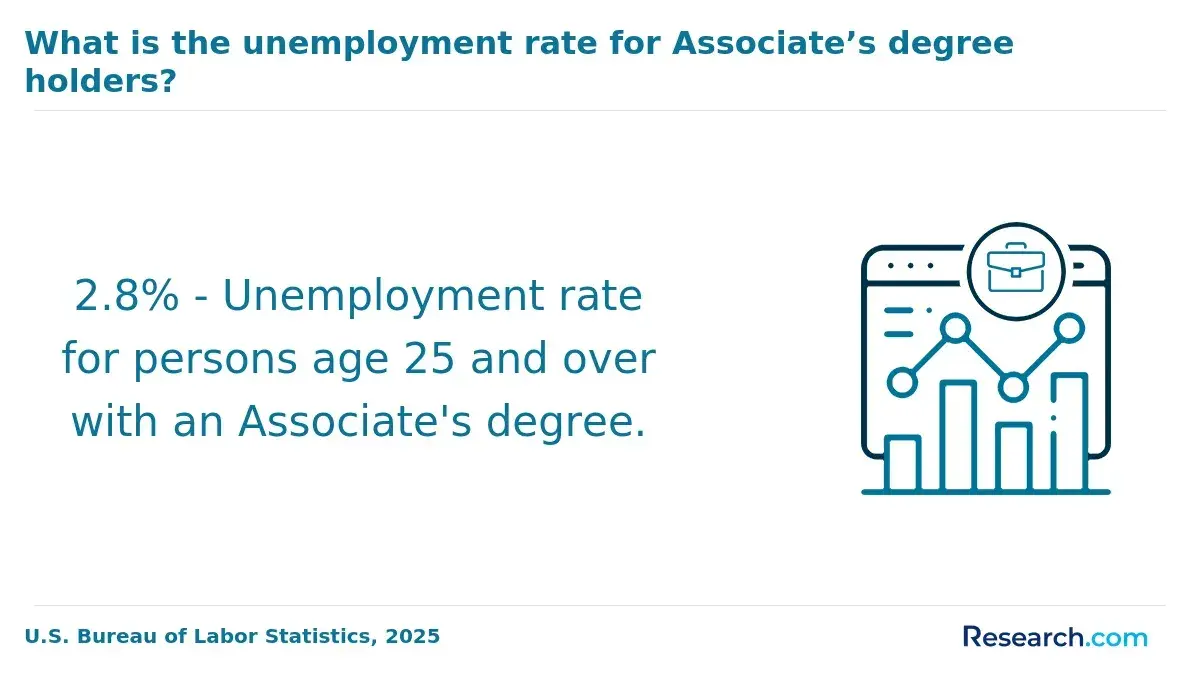
Adult learners exploring how educational psychology curriculum enhances career transitions will find these components vital for success. The key skills gained from educational psychology degree programs for career changers include critical thinking, communication, and application of psychological principles to diverse environments. For those seeking foundational education options, exploring associate degrees can provide a practical stepping stone toward advanced studies in educational psychology or related fields.
For those shifting careers, recognizing potential job outcomes helps align current skills with new opportunities and reveals where further development is needed. The U.S. Bureau of Labor Statistics forecasts an 8% growth in psychology-related jobs between 2022 and 2032, signaling rising demand for expertise in this area. Below are common career options for graduates with a degree in educational psychology.
- School or Educational Psychologist: Evaluate student needs and create interventions that promote academic achievement and emotional health. The role benefits from skills in assessment and empathy, allowing career changers to support diverse learner populations effectively.
- Instructional Coordinator: Design and implement curriculum and educator training programs to boost instructional quality. Skills in analysis and communication enable smooth transition into shaping educational content and staff development.
- Educational Consultant: Provide guidance on educational strategies, program assessments, and technology adoption. This position suits those who can leverage research and interpersonal skills to influence institutional improvement.
- Researcher in Learning Sciences: Investigate educational practices, cognitive development, and outcome measurement. Analytical skills and an understanding of educational theory help career changers contribute valuable insights to academic or applied research.
- Corporate Trainer: Develop employee learning initiatives focused on skill growth and motivation. Transferable skills like communication and instructional design assist in creating impactful workplace training programs.
Salary expectations play a key role for professionals shifting careers, as income can determine the practicality of investing in a new degree. Data from 2023 reveals that individuals reskilling into education-related sectors generally experience about a 15% salary increase within three years of graduation. Below are typical salary ranges and factors influencing earnings for those with an educational psychology degree.
- Entry-Level Roles: Annual salaries for beginners in educational psychology or support positions usually range from $45,000 to $60,000. Prior work experience may help accelerate progression from these starting points.
- Experienced Practitioners: Professionals with several years in school settings or private counseling often earn between $65,000 and $85,000, with experience and location playing significant roles.
- Senior Positions: Higher-level roles involving program design or research oversight can command salaries from $90,000 to $110,000, depending on credentials and regional demand.
- Industry Variation: Corporate training and educational technology sectors generally offer competitive pay, influenced by company size and budgets.
- Supplemental Credentials: Holding licenses in counseling or psychology can boost earning potential by validating specialized expertise valued in various settings.
What Graduates Say About Their Educational Psychology Degrees for Career Changers
- Kaiden: "Deciding to switch careers wasn't easy, especially when considering the costs involved. The average tuition for an educational psychology degree was around $20,000, which felt like a big investment at first. However, completing the program opened doors I never imagined, allowing me to work directly with students in ways that truly make a difference in their learning experiences."
- Hank: "Reflecting on my journey, the decision to pursue an educational psychology degree was fueled by a desire to impact education beyond the classroom. Although the financial commitment-typically about $18,500-was significant, it was manageable with scholarships and part-time work. Finishing the program has solidified my expertise and credibility, making my career transition much more seamless and meaningful."
- Colton: "I approached my career change with cautious optimism, aware that an educational psychology degree could cost anywhere between $15,000 and $22,000. Despite the expense, the program's comprehensive approach equipped me with invaluable skills and confidence. Today, I find myself thriving in a new professional role where I genuinely feel my education is put to impactful use."
Other Things You Should Know About Educational Psychology Degrees
A bachelor’s degree in psychology, education, sociology, or a related field is the most suitable starting point. Many 2027 master’s programs require official transcripts, a 3.0 GPA, and prerequisite coursework in statistics, research methods, or child development before admission.
In 2027, educational psychology programs offer flexible scheduling, online courses, and part-time options to accommodate working adults and career changers. These programs often include practical, real-world applications and foster skills that can be easily integrated into new career paths, ensuring a smooth transition for those entering the field.
- Interested in a career in Educational Psychology? https://www.aep.org.uk/interested-career-educational-psychology
- Online Degrees In Educational Psychology | Psychology.org https://www.psychology.org/online-degrees/educational-psychology/
- Educational Specialist in School Psychology | Alverno College https://www.alverno.edu/our-programs/educational-specialist-school-psych
- Jobs Available With Master's In Educational Psychology | Grad School Hub https://www.gradschoolhub.com/faqs/jobs-available-masters-educational-psychology/
- How to Become an Educational Psychologist - Graduate Programs for Educators https://www.graduateprogram.org/blog/how-to-become-an-educational-psychologist/
- From Teacher to Educational Psychologist: A Journey in Education and Inclusion https://www.spencerclarkegroup.co.uk/career-hub/blog/from-teacher-to-educational-psychologist-a-journey-in-education-and-inclusion/
- Educational psychologist job profile | BPS https://www.bps.org.uk/educational-psychologist-job-profile
- Educational Psychology: Degrees, Careers & What It Is https://sociology.org/educational-psychology-understanding-how-we-learn/
- Changing Career Path? Hereâs How to Switch to Psychology https://www.skillsyouneed.com/rhubarb/career-change-psychology.html
- What are the Careers in Educational Psychology? [2024 Guide] https://www.psychologyschoolguide.net/guides/careers-educational-psychology-degree/