2027 Do Employers Pay for Educational Psychology Degrees: Tuition Reimbursement and Sponsorship Options

Co-Founder and Chief Data Scientist
Many prospective students hesitate to pursue an educational psychology degree due to rising tuition costs, which average around $30, 000 annually in the U. S. Graduates often face significant student debt, with the average education graduate loan exceeding $37, 000. This financial burden can discourage working professionals from advancing their qualifications. Understanding employer tuition reimbursement and sponsorship options is critical for reducing these costs.
This article, prepared by career planning experts, examines the availability and scope of employer support for educational psychology degrees, detailing how tuition benefits can alleviate financial strain and outlining steps to secure funding through workplace programs. Readers will gain practical insights to make informed decisions.
Key Benefits of Employers Paying for Educational Psychology Degrees
- Employers offering tuition reimbursement reduce average student debt, which for psychology-related degrees can exceed $35,000, easing financial burdens significantly.
- Sponsorship programs often include mentorship, enhancing professional development and increasing employee retention within educational psychology roles.
- Coverage of continuing education through employer support allows employees to stay updated with evolving psychological methods without interrupting their income flow.
Do Employers Pay for Educational Psychology Degrees?
Employer tuition reimbursement for educational psychology degrees is a significant factor for many prospective students considering further education. Approximately 64% of U.S. employers offer some form of educational assistance, although these benefits vary widely.
Companies often invest in employees pursuing educational psychology degrees because the skills gained directly support organizational goals such as improving learning outcomes and workforce development. This type of sponsorship program can be seen as a strategic investment aligned with an employee's current or future role, especially in sectors where these competences enhance the company's mission and operational success.
Support for educational psychology degree sponsorship programs tends to differ depending on the industry and the relevance of the degree to job functions. Employers in education, healthcare, and human services are more likely to provide tuition assistance, recognizing the direct impact on professional performance and organizational objectives.
Conversely, industries less connected to education or psychology may offer limited or no funding. Students should carefully review their company's tuition reimbursement policies and communicate with human resources about potential sponsorship before enrolling. For those exploring broader educational funding options, considering online MBA degrees may also provide insights into employer-supported programs across various fields.
What Types of Tuition Assistance Do Employers Offer for Educational Psychology Degrees?
Employer-provided tuition assistance is a valuable resource for professionals pursuing an educational psychology degree, helping to lower out-of-pocket expenses and reduce financial risk. These benefits make advanced education more attainable, enabling students to focus on their studies and career growth with less financial stress.
Understanding the different types of tuition reimbursement programs for educational psychology degrees can help candidates plan effectively.
- Tuition reimbursement: Employers repay a portion or the entire tuition cost after course or semester completion, incentivizing successful academic progress. Coverage often varies but can reach several thousand dollars annually and is typically applicable to accredited educational psychology programs.
- Tuition sponsorship: Some companies pay tuition fees upfront on behalf of employees, sometimes collaborating directly with educational institutions. This direct payment approach supports students through their entire coursework, easing immediate financial burdens associated with pursuing an educational psychology degree.
- Education stipends: These are fixed amounts provided regularly to assist with educational expenses beyond tuition, including books, supplies, and other related costs. Stipends help offset the broader costs of study, thereby enhancing the overall affordability of educational psychology training.
Coverage limits can range from partial support to full tuition for accredited programs aligning with employee roles. Employer sponsorship benefits for educational psychology students encourage continued professional development while improving skills crucial to the field.
For those interested in accelerated study options while receiving employer support, reviewing 1 year MSW programs online can offer insights into program structures and timelines that complement working professionals' schedules.
Who Is Eligible for Employer Tuition Reimbursement for Educational Psychology Degrees?
Meeting eligibility criteria is crucial when planning to use employer tuition reimbursement for educational psychology degrees, as it influences program selection, timing, and overall return on investment. Employers typically set specific requirements that determine who qualifies for financial support, so understanding these rules upfront helps you maximize the benefit of employer-paid educational psychology degree programs.
Below is a detailed breakdown of common factors affecting eligibility.
- Employment status: Tuition reimbursement is often limited to full-time employees, though some companies may offer partial assistance for part-time staff. Ensuring your employment aligns with these criteria is essential before applying for funding.
- Tenure requirements: Many employers require a minimum period of continuous service, sometimes six months to a year, before tuition benefits become available, helping companies retain talent.
- Job relevance: The program in educational psychology usually must relate directly to your current role or career development within the organization. This alignment supports business goals and justifies employer investment.
- Academic performance standards: Maintaining a specific GPA or minimum course grades is commonly required to continue receiving reimbursement, emphasizing consistent academic progress.
- Approval processes: Pre-approval of your coursework and program is typically mandatory. This process ensures your chosen degree fits company objectives and expense policies.
- Ongoing employment obligations: Employees may need to commit to remaining with their employer for a set period after completing the degree, reducing turnover and the risk of repayment penalties.
Knowing these eligibility criteria for employer tuition reimbursement educational psychology degrees early allows you to plan effectively, helping you choose appropriate programs and schedule studies that comply with employer policies. For those seeking programs with cost efficiency, exploring affordable online executive MBA programs may provide ideas on balancing quality and affordability.
For those pursuing an educational psychology degree while working, knowing how employer tuition reimbursement programs function can significantly ease financial burdens and improve return on investment. These programs often involve specific steps and requirements that influence eligibility and funding amounts.
Below is an overview of how these programs commonly operate.
- Approval Process: Employees usually submit a formal request detailing their chosen educational psychology program and its relevance to their current job. Employers evaluate these submissions to decide if the program aligns with company objectives.
- Payment and Reimbursement Timing: Funding may be provided upfront or reimbursed after tuition payment. To receive reimbursement, employees often must supply proof of tuition payment and course completion within required deadlines.
- Documentation Requirements: Essential records include tuition receipts, official transcripts confirming satisfactory grades, and evidence that courses were completed on time. Accurate documentation ensures compliance with employer policies.
- Reimbursement Limits: Most plans impose annual or per-degree caps on the amount reimbursed. These limits define the maximum financial support employees can expect from their employers.
- Academic Performance Expectations: Maintaining a minimum grade-commonly a B or better-is frequently required to keep eligibility. Falling short of grade standards might mean losing reimbursement benefits or repaying funds.
Employer support for online educational psychology degrees has grown as attitudes toward online learning have evolved. While skepticism once surrounded the credibility of virtual programs, many organizations now recognize their value, especially for workforce development.
A survey from the Society for Human Resource Management indicates that about 83% of employers provide some level of tuition reimbursement, although this doesn't always explicitly cover online degrees. This growing acceptance suggests that more employees may find opportunities for sponsorship when pursuing educational psychology online, reflecting broader trends in upskilling and flexible education.
When deciding whether to sponsor an online educational psychology program, companies typically assess several important criteria. Accreditation plays a significant role, with preference given to regionally accredited institutions that ensure quality education. Employers also consider how closely the degree aligns with current or prospective job responsibilities and the overall rigor and reputation of the program. Finally, they evaluate how the educational investment contributes to organizational goals and workforce needs, making sponsorship a strategic decision rather than simply a benefit.
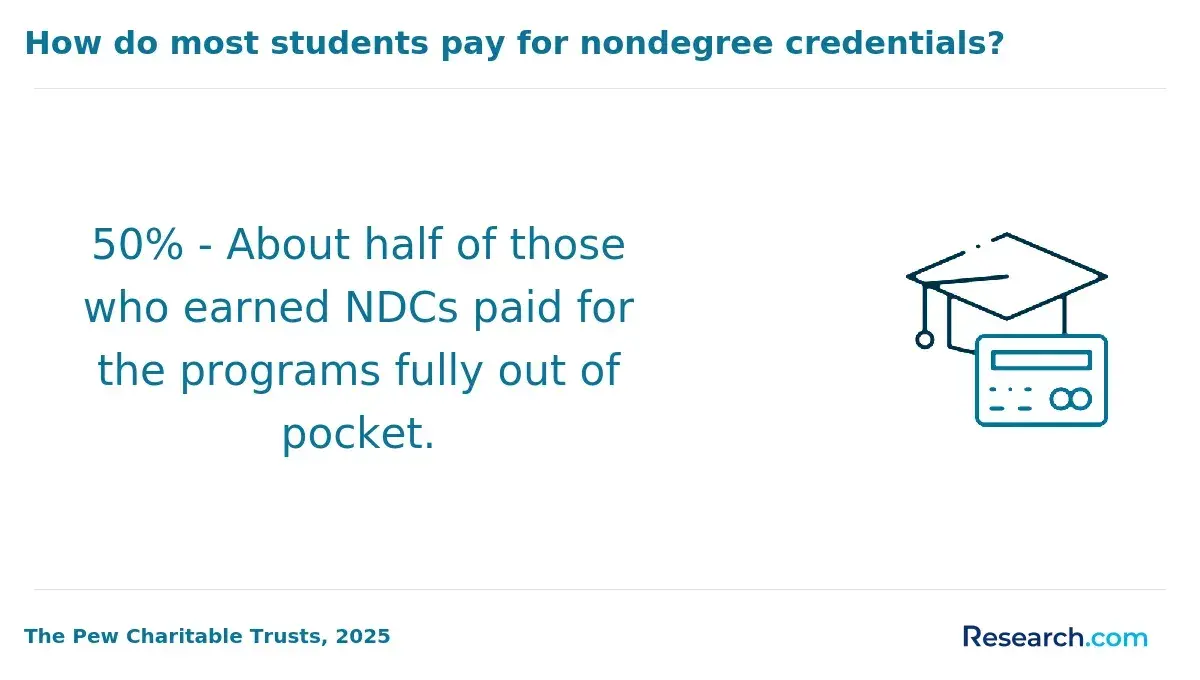
Tuition reimbursement limits are key to assessing the affordability and return on investment of an educational psychology degree. These caps determine how much of your education costs an employer will cover, affecting out-of-pocket expenses. Around 54% of U.S. employers offer some form of tuition assistance, tailoring support to workforce development priorities. Understanding these limits helps students plan how much financial support they can expect during their studies.
Annual reimbursement caps typically range between $3,000 and $5,250, aligning with federal tax guidelines that allow up to $5,250 in tax-free educational benefits per year. Lifetime maximums, less common but impactful, usually fall between $10,000 and $25,000. Higher limits are often found in sectors like education and healthcare where the degree directly supports job performance, while smaller companies may provide lower amounts or more limited programs. These variations reflect employer size, industry, and the relevance of the degree to the employee's role.
Employees considering an employer-sponsored educational psychology degree should be aware that leaving the program early can have financial and professional consequences. Nearly 35% of such sponsorship programs enforce repayment requirements if the employee departs before fulfilling agreed terms, making it crucial to understand potential penalties.
Below are common scenarios tied to early exits from these programs:
- Tuition repayment obligations: Employees who leave early often must reimburse all or part of the tuition their employer initially paid. The amount owed typically depends on how soon they depart after completing their coursework.
- Prorated repayment schedules: Rather than a lump sum, some agreements use a sliding scale where the repayment decreases the longer the employee stays post-graduation, reducing financial burdens incrementally over time.
- Early termination clauses: These contractual terms clearly define when and how repayment is triggered, sometimes requiring full reimbursement if the employee leaves within a specified timeframe, such as one year after degree completion.
- Impact on future benefit eligibility: Leaving the company prematurely may disqualify employees from accessing future educational assistance or professional development programs, limiting ongoing career support.
Considering employer-paid educational psychology degrees is essential for working professionals aiming to maximize long-term career earnings while managing the cost of advanced education. Research indicates that employees benefiting from employer tuition reimbursement for educational psychology degrees can earn on average 10-15% more over their careers than those who self-fund. This highlights the financial advantage of employer-sponsored education programs and their role in professional growth.
Several key factors contribute to the long-term career benefits of employer-sponsored educational psychology programs, including:
- Increased promotion opportunities: Employer-supported degrees often lead to enhanced qualifications that make candidates more competitive for promotions and leadership roles within educational organizations.
- Faster career progression: By reducing or eliminating tuition costs, employer tuition reimbursement allows professionals to pursue degrees without financial strain, accelerating their advancement.
- Access to higher-paying roles: A degree in educational psychology opens doors to specialized positions such as school administration, counseling, and program development that typically offer better compensation.
- Enhanced skills and qualifications: Gaining advanced knowledge and credentials deepens expertise valued by employers and enables individuals to contribute more effectively to organizational success.
- Strong return on investment: Workers receiving employer support for their education often see a higher return compared to self-funded peers, making employer-sponsored programs a wise financial decision over time.
Professionals considering such opportunities may also explore various online master's programs for flexibility in earning credentials while working. Aligning career goals with employer tuition reimbursement for educational psychology degrees can significantly enhance both academic and professional trajectories.
Proactive communication and thorough preparation are crucial when requesting employer tuition reimbursement for an educational psychology degree. Nearly 55% of U.S. employers offer some form of tuition assistance, making it important to approach the conversation strategically. Understanding how to ask employer to fund educational psychology degree can significantly improve your chances of receiving support, so consider the following actionable steps.
- Research Tuition Policies: Begin by investigating your company's tuition reimbursement policies to verify eligibility, coverage limits, and application procedures. Knowing these details helps tailor your request and demonstrates that you are informed about company resources.
- Prepare a Business Case: Develop a clear argument explaining how the educational psychology degree will enhance your skills and provide tangible benefits to your current role or future career growth. Highlight how advancing your expertise aligns with organizational goals, making your education an investment rather than a cost.
- Schedule a Formal Meeting: Arrange a dedicated time to discuss your proposal with your manager or HR representative. Present your research and business case professionally, emphasizing your commitment to contributing more effectively through this degree.
- Show Program Relevance: Connect coursework from your educational psychology program to practical applications in your job, such as improving employee training or contributing to organizational development. Demonstrating this relevance can make a stronger case for employer support.
- Follow Up with Documentation: After your meeting, send a written summary of the discussion and outline agreed-upon next steps. Keeping a record and maintaining communication shows professionalism and dedication, increasing the likelihood of approval.
For those exploring alternative or supplementary educational paths, considering an easiest associate degree could be a practical option to accelerate learning while managing costs.
When employer sponsorship isn't available for a educational psychology degree, it's vital to explore alternate funding sources to prevent overwhelming debt and ensure program completion. Data shows that nearly 70% of U.S. graduate students depend on a mix of personal funds, loans, and scholarships to finance their education.
Below are practical approaches to manage these costs effectively.
- Federal and State Aid: Applying for grants and subsidized loans through government programs often offers lower interest rates and flexible repayment options, easing financial pressure during and after your studies.
- Scholarships and Grants: Target scholarships specifically for psychology or education-related fields to directly offset tuition expenses, reducing the need for loan dependence.
- Personal Savings and Loans: Weigh the benefits and risks of using savings or taking private loans, considering how monthly repayments will affect your budget and long-term financial stability.
- Income-Share Agreements: These arrangements allow repayment based on your future income level, providing a potentially less risky financing alternative by aligning costs with earnings.
- Part-Time or Online Programs: Opting for flexible program formats often results in lower tuition and enables you to keep working while studying, decreasing income loss and overall financial strain.
By combining these methods and carefully reviewing eligibility and terms, students can develop customized plans that balance affordability with academic goals. This multi-pronged strategy helps make earning a educational psychology degree feasible without relying on employer funding.
What Graduates Say About Employers Paying for Their Educational Psychology Degrees
- Krisna: "Completing my educational psychology degree seemed financially daunting at first, especially considering the average cost of attendance. Fortunately, my employer's tuition assistance program covered a significant portion of my expenses, which made pursuing this degree attainable without overwhelming debt. This support not only eased my financial burden but also opened doors for me to advance into leadership roles within my organization. "
- Novelyn: "Reflecting back, the cost of my educational psychology degree was a serious investment, nearing what many would consider a steep price. Employer sponsorship was critical in making that investment manageable, allowing me to focus on learning rather than bills. That sponsorship truly transformed my career trajectory, equipping me with skills that earned me respect and new responsibilities as a school psychologist. "
- Colleen: "As a professional already working in education, the high cost of an educational psychology degree was a major concern. Employer tuition assistance completely alleviated that financial stress, enabling me to concentrate on expanding my expertise instead of worrying about loans. This sponsorship directly influenced my ability to contribute more effectively to my team and pursue specialized roles that require advanced knowledge. "
Other Things You Should Know About Educational Psychology Degrees
Employer-paid tuition is usually tax-free only up to $5,250 per employee each calendar year under IRS Section 127. Amounts above that limit are typically taxable wages unless they qualify as a job-related educational assistance plan under Section 132 or another documented business expense policy.
Some employers do extend tuition reimbursement to cover credentialing or certification programs relevant to educational psychology, but this varies by company policy. Employees should confirm in advance whether certifications such as Licensed Educational Psychologist exams qualify for reimbursement.
- 3 Proven Tips to Help You Get an Employer-Sponsored Education https://www.saintleo.edu/about/stories/blog/3-proven-tips-to-help-you-get-an-employer-sponsored-education
- How To Become An Educational Psychologist | Psychology.org https://www.psychology.org/careers/educational-psychologist/
- Evaluating Employee Education Benefits: Tuition Assistance, Tuition Reimbursement & More https://www.umassglobal.edu/blog-news/evaluating-employee-education-benefits-tuition-assistance-tuition-reimbursement-more
- PsyD Employer Tuition Reimbursement: Companies That Pay 2025 https://psydprograms.org/employer-tuition-reimbursement-for-psyd-companies-that-pay-for-your-doctorate/
- 2025 Most Affordable Online Psychology Master's Degree Programs - Psych Degree Starter https://psychdegreestarter.com/degrees/masters/affordable-online-masters-psychology-programs/
- Financial Aid for Psychology Students https://www.onlinepsychologydegrees.com/financial-aid/
- Company Tuition Reimbursement https://gsep.pepperdine.edu/student-life/services/student-accounts/companyreimbursement.htm
- Educational psychologist job profile | BPS https://www.bps.org.uk/educational-psychologist-job-profile
- Companies That Pay For College | Find 36 Top Options https://www.educationconnection.com/financial-aid/companies-that-pay-for-college/