
2027 Does an Online Human Services Master's Degree Qualify You for Licensure?

Co-Founder and Chief Data Scientist
Imagine a prospective student who completes an online human services master's program only to discover the degree does not satisfy their state's licensure criteria, leading to delays in professional practice and lost time. Around 62% of graduates from accredited online programs report confusion about meeting state board requirements before enrolling. This gap highlights the critical need for clarity on how online degrees align with licensure mandates across jurisdictions.
This article examines accreditation standards, supervised hours, examination requirements, and licensure portability to help readers determine if a chosen online human services master's program truly qualifies them for licensure and professional employment.
Key Benefits of Qualifying for Online Human Services Master's Degree Licensure
- Online human services master's degrees often meet state licensure requirements, including accreditation and supervised practicum hours, essential for credentialing and professional practice.
- Flexible scheduling benefits working professionals, career changers, and re-entering students by allowing paced progression without interrupting employment or personal commitments.
- Graduates must verify state-specific board policies and licensure exams, as interstate portability varies and some employers weigh online credentials differently.
What Is a Human Services Master's Degree, and What Forms Does It Take Online?
Prospective students and career changers considering online human services master's degree programs must evaluate whether the degree aligns with licensure requirements in their state or chosen field. Recognizing the different degree types and online delivery formats helps clarify these programs' relevance for professional credentialing. Key elements to review include:
- Degree Types: Typically, a human services master's degree is offered as a Master of Science (M.S.) or Master of Arts (M.A.), with some programs providing professional variants focused on applied practice. M.S. degrees usually emphasize research and technical skills, while M.A. degrees prioritize social science approaches and counseling.
- Online Delivery Models: Online programs may be synchronous, featuring live sessions, or asynchronous, allowing students to access materials and complete assignments flexibly. This affects interaction levels with faculty and peers.
- Structural Differences: Traditional on-campus programs often use a cohort structure progressing together, whereas many online human services master's degrees adopt self-paced or flexible schedules to accommodate working professionals.
- Common Formats: Asynchronous, self-paced formats are the most prevalent due to their accessibility and scalability, favored by institutions to expand enrollment while maintaining standards.
- Licensure Implications: The degree type and delivery method impact eligibility for licensure since state boards assess curriculum content, practicum requirements, and program accreditation differently. Understanding these distinctions reduces the risk of selecting programs that do not meet professional standards.
For those exploring types of human services master's degrees online, verifying program accreditation and supervised practicum opportunities is vital. Additionally, students may find guidance on approved programs by consulting resources like bcba accredited programs online, which provide insight into recognized credentials relevant in the field.
Do State Licensing Boards Recognize Online Human Services Degrees for Licensure Purposes?
Prospective students considering an online human services master's degree must carefully evaluate how state licensing boards recognize online credentials for licensure purposes in the United States. Licensure standards vary widely, impacting whether an online degree meets the criteria for professional practice in a specific state.
- State-Level Regulation and Variability: Licensure requirements differ by state, each with its own board enforcing unique standards. Some states demand degrees from certain accredited institutions, while others prioritize the content and supervised practicum experience regardless of where the degree is completed.
- Online vs. On-Campus Degree Recognition: Most state licensing boards do not distinguish between online and on-campus degrees provided the program holds appropriate regional or national accreditation. However, some states still have explicit preferences for traditional, in-person programs.
- Examples of State Policies: California's Board of Behavioral Sciences reviews online degrees case by case, while Texas mandates verified documentation of supervised clinical hours, accepted from accredited online institutions. New York generally accepts online degrees if accreditation and practicum standards align with their requirements.
- Accreditation and Practicum Requirements: Institutional accreditation and completion of supervised clinical or practicum hours remain crucial for licensure eligibility, no matter the delivery method. This aligns with common state board expectations for online human services degree accreditation requirements by state licensing boards.
- Recommendation to Contact State Boards: Since state regulations can change frequently, prospective students should contact their specific licensing board before enrolling. This step reduces the risk of pursuing an online program that does not meet local licensure standards. Approximately 70% of human services programs now offer some form of online education, underscoring the importance of clarity.
Those seeking an online human services degree may also benefit from exploring online colleges that accept financial aid to support their educational investment.
What Supervised Clinical or Practicum Hours Are Required for Human Services Licensure After an Online Degree?
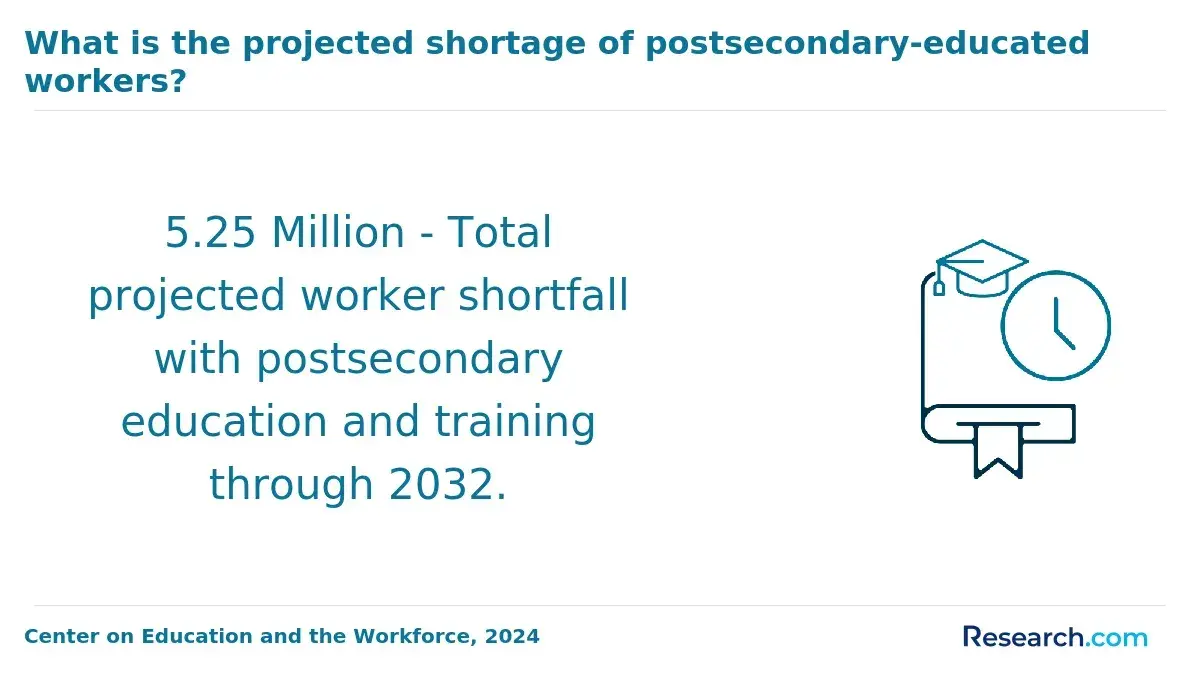
Prospective students enrolling in an online human services master's program should carefully consider supervised clinical or practicum hour requirements, as these hands-on experiences are often mandatory for state licensure. National data indicates that licensing boards typically require between 1,000 and 4,000 supervised hours, depending on the specific credential and state regulations.
- State Residency Requirements: Most licensing boards insist that practicum or clinical hours be completed within the same state where licensure will be sought, though a few states may accept hours completed where the school is located.
- Placement Assistance: Online programs usually partner with local agencies or offer placement support to help students secure suitable fieldwork environments near their residence, ensuring they meet required supervised practice standards despite distance learning.
- Approval of Supervisors: Licensing boards often require clinical supervisors to hold specific credentials or licenses, so students must verify that their supervisors meet these criteria before starting placements to guarantee hours will be accepted.
- Documentation Challenges: Graduates often encounter difficulties submitting verifiable proof of completed hours due to inconsistent record-keeping or varying state approval protocols, sometimes leading to delays or additional required experience.
- Interstate Complexities: For students living in a state different from where their online school is based, understanding both states' policies is critical, as many states do not recognize out-of-state hours, complicating the licensure process.
A professional who pursued an online human services master's degree that accepted transfer credits shared how navigating practicum requirements became a significant hurdle. He explained, "Securing a qualified supervisor near my home was tougher than expected because many local professionals didn't meet the licensure board's standards." This led him to spend extra time verifying credentials and maintaining detailed logs to satisfy documentation rules. He reflected, "Even after completing the hours, submitting the paperwork was nerve-wracking-I constantly worried if the board would accept everything." His experience highlights the importance of early and thorough planning around supervised hours when undertaking an online degree.
Graduates seeking human services licensure exam requirements must typically pass exams that differ by state and credentialing bodies. Online graduates generally qualify to sit for these tests on the same basis as campus graduates, so long as their programs hold regional accreditation and align curricula with licensure standards. Programs that embed core topics like ethics, client assessment, and counseling theory enhance exam readiness regardless of delivery format. However, candidates should directly verify eligibility with the relevant testing entities because state board examinations for human services graduates may demand extra criteria, such as supervised practicum hours or residency. Notably, around 75% of accredited programs align closely with national exam domains, highlighting rigorous curriculum design.
- National Counselor Examination (NCE): This exam evaluates knowledge in counseling theories, ethics, and assessment, administered by the National Board for Certified Counselors. It is often required for licensure, and graduates of accredited online programs typically qualify to take it.
- Licensed Clinical Social Worker (LCSW) Exam: Most states mandate this exam to assess clinical expertise for social work licensure. Prospective human services graduates should ensure their studies offer sufficient clinical training tied to exam content.
- Certified Human Services Practitioner (CHSP) Exam: Offered by the Center for Credentialing & Education, it tests foundational skills like ethics and service delivery. Online degree holders meeting accreditation benchmarks can sit for this exam.
- State-Specific Licensing Exams: Various states require additional exams covering local laws and regulations. Candidates must consult their licensing boards for detailed requirements.
Students should confirm updated testing policies with credentialing organizations to avoid unexpected delays. For those evaluating online degrees, cross-checking program details ensures alignment with state board examinations for human services graduates. This is essential for licensure success and professional advancement. Research also suggests that selecting the easiest college majors with high pay can be a strategic consideration for career planning.
Prospective students considering an online human services master's program should be aware of typical academic benchmarks that influence admission and licensure prospects. Nearly 70% of accredited programs now expect applicants to have at least a 3.0 GPA, underscoring the importance of academic achievement for those aiming for credentialing.
- Program GPA Requirements: Accredited master's programs generally set a minimum cumulative undergraduate GPA around 3.0. Both online and traditional campus programs often share similar expectations, although some online formats may weigh relevant work experience alongside GPA for admission decisions.
- Licensing Board Policies: State licensing authorities usually do not establish explicit GPA minimums but prioritize factors like program accreditation, completion of supervised practice hours, and exam success. Academic standards tend to fall under the institution's purview rather than the licensing board's.
- GPA Impact on Exams: A higher GPA may be required by certain programs as a prerequisite to take licensure exams, but most state boards do not rely on GPA alone when approving exam eligibility or licensure applications.
- State-by-State Variability: Licensing criteria differ widely by state, so applicants must investigate if their state board references academic performance requirements to ensure their program aligns with local regulations.
A professional who transitioned careers after completing an online human services master's recalled navigating this GPA question personally. She shared, "I worried if my undergraduate GPA would block my licensure journey, but the program's emphasis on real-world experience lifted some of that pressure." She found that while maintaining good grades mattered, comprehensive training and supervised practicum hours played a larger role in qualifying for licensure exams. "The process was challenging but rewarding," she said, reflecting on how those academic and practical components combined to build confidence for entering the field.
Over 40% of students enrolled in online human services master's programs now transfer credits to accelerate their studies, underscoring the importance of understanding residency and in-person training requirements. These mandates ensure comprehensive hands-on experience necessary for professional licensure. Key considerations in navigating these residency rules include the following:
- Residency Requirements: Licensing boards and accreditation bodies frequently require that a portion of practicum or training hours be completed face-to-face to provide essential direct practice and networking opportunities within the local professional community.
- Intensive Residencies: Many online programs incorporate brief, focused in-person residencies-often scheduled on weekends or academic breaks-to help students meet these hands-on mandates without disrupting work or personal commitments.
- Hybrid and Local Placements: Some institutions offer hybrid options or collaborate with approved local agencies, enabling students to fulfill supervised practicum hours near their residence, thereby blending remote coursework with in-state practical experiences.
- Licensing Board Review: During licensure applications, state boards assess transferred credits and residency completions to verify that all educational and supervised practice criteria align with jurisdiction-specific requirements.
- Regulatory Updates: Advances in remote learning have prompted some states to relax residency hour requirements, but prospective students should confirm current policies in their state to ensure compliance.
Interstate licensure portability is a crucial factor for online human services master's degree graduates, especially as many students complete their education in one state and seek employment in another. Nearly 60% of human services professionals express interest in working across state lines, highlighting the importance of understanding how licensure portability affects career opportunities.
- Licensure Portability Defined: Licensure portability allows licensed professionals to legally practice in states other than where they originally obtained their credentials. This is particularly important for online graduates whose academic programs might be accredited in one state but whose employment prospects span multiple jurisdictions.
- Interstate Compacts: Some states participate in compacts, such as the Association of Social Work Boards (ASWB) model, which facilitate easier recognition and transfer of social work licenses. These agreements simplify mobility but currently cover only limited areas within human services.
- Endorsement and Reciprocity: Many state boards offer endorsement or reciprocity pathways, enabling licensees from other states to apply for licensure without repeating all steps. However, requirements vary widely and often include verification of supervised hours, coursework, and exam completion.
- Challenges for Online Graduates: State boards may scrutinize program accreditation, credit transfers, and clinical hour requirements closely. Graduates from online programs must ensure these components meet the standards of the state where they seek licensure to avoid delays or denials.
- Actionable Steps: Prospective students should research state board policies early, verify program accreditation by recognized bodies, and understand supervised practicum requirements. Contacting licensing boards directly and consulting state-specific licensure guides can clarify portability issues before enrolling.
Prospective students pursuing an online human services master's degree must carefully evaluate factors that influence licensure approval. Many applicants face challenges due to issues specific to online program formats, which can affect eligibility for state licensure and national credentialing.
- Accreditation Deficiencies: Many state licensure boards require degrees to come from programs accredited by recognized agencies. Graduates from online programs without proper accreditation often encounter denial since their education may not meet quality standards essential for licensure.
- Insufficient or Poorly Documented Supervised Hours: Licensure typically demands a set number of supervised clinical or practicum hours. Online students sometimes struggle to complete these hours or adequately document them, resulting in application delays or rejections.
- Coursework Misalignment: Some online programs do not fully align their curricula with state licensure requirements or national standards. Missing critical subject areas or competencies can cause boards to deny licensure, emphasizing the importance of confirming state-specific board policies before enrollment.
- Incomplete Background Checks: Criminal history and professional conduct reviews are standard in licensure processes. Online applicants occasionally face issues when background check procedures are unclear or inadequately completed, which may lead to denials or lengthy processing delays.
- Appeals and Corrective Steps: Graduates who receive a denial can often appeal by submitting additional documentation or fulfilling corrective measures, such as completing extra supervised hours or coursework. Understanding these options helps applicants address deficiencies proactively.
These common reasons online human services graduates are denied licensure in the United States highlight the necessity of thorough research into state licensure requirements for online human services degree holders. Selecting a properly accredited program with clear supervised hour policies and aligned coursework reduces the risk of denial.
For readers interested in advancing their credentials, exploring programs such as the online phd leadership pathways can offer insights into reputable and affordable online academic options.
Prospective students pursuing an online human services master's degree aiming for licensure must carefully evaluate technology and simulation requirements. Graduates early in their careers report median salaries between $48,000 and $65,000, reflecting the value of accredited, skill-oriented programs. Understanding the technology platforms and tools used is essential to ensure a program meets both educational and licensure standards, especially given evolving industry expectations and state-specific policies.
- Technology Platforms: Accredited online human services licensure programs typically use advanced learning management systems like Canvas or Blackboard. These platforms support both synchronous and asynchronous learning, offering interactive coursework, multimedia content, and communication tools essential for skill development aligned with licensure needs.
- Simulation Labs: Simulation tools in accredited online human services master's degrees often include virtual labs or scenario-based software that replicate real-world challenges. These controlled environments allow students to practice client assessment and intervention in ways compliant with accrediting bodies and licensing requirements.
- Telehealth Tools: Telehealth technology enables students to complete supervised virtual client sessions, which are increasingly necessary to fulfill practicum hours remotely. Licensing boards require access to secure, HIPAA-compliant telehealth platforms to guarantee ethical and practical training standards.
- Accreditation and Evaluation: Accrediting agencies and state licensing boards assess technological infrastructure alongside hands-on experiences and supervision. They review if programs meet standards for clinical practice, including compliance with state-specific licensing policies and any emerging pilot programs impacting technology criteria.
- Student Assessment Criteria: Students should inquire about the available technology, simulation exercises, telehealth access, and practicum arrangements before enrolling. They can also ask about student support services and pass rates for licensure exams to evaluate program effectiveness for licensure-track candidates. Exploring options like the accelerated cyber security program may also provide insights into how advanced online programs integrate technology for professional readiness.
Prospective online human services master's degree students should carefully consider continuing education (CE) requirements as they maintain licensure. Approximately 90% of states mandate completion of CE hours within each license renewal cycle, making ongoing professional development a critical component of career longevity.
- State Renewal Requirements: Most states require licensed professionals to complete 20 to 40 CE hours every 1 to 3 years. These mandates ensure practitioners remain updated on best practices and evolving industry standards.
- Online CE Acceptance: The rise of online courses has improved access and flexibility for fulfilling CE. However, not all states automatically accept online credits, so verifying board approval or accreditation before enrollment is essential.
- Professional Association Influence: Organizations like the National Organization for Human Services and the American Counseling Association establish CE standards and collaborate with state boards to endorse quality programs tailored to licensure needs.
- Specialized Ethics Training: Many states specify CE hours targeting ethics or certain specialties. Early awareness helps graduates select appropriate online courses that fulfill these focused requirements and prevent licensure interruptions.
- Strategic Career Planning: Incorporating CE tracking and renewal timelines into one's career plan enables licensed individuals to meet both state and association mandates efficiently through a mix of online and live options.
For prospective students pursuing an online human services master's degree, confirming the program's alignment with licensure requirements is essential to avoid delays-nearly half of licensure applicants face setbacks due to unmet educational criteria. A clear, systematic approach helps ensure eligibility before committing to a program.
- Check Accreditation: Verify the program holds regional or national accreditation recognized by your state board. This ensures it meets quality standards often mandatory for licensure approval.
- Contact State Board: Directly communicate with your state's licensure board to confirm accepted educational pathways and any unique requirements. State boards provide authoritative and up-to-date guidelines that clarify if the online curriculum is compliant.
- Review Curriculum: Examine the program's course offerings against your state's specific educational and clinical hour mandates. Many boards require defined practicum or supervised fieldwork hours critical for eligibility.
- Confirm Clinical Arrangements: Ensure the program supports or facilitates supervised practicum placements within your jurisdiction. Verified clinical experience under licensed professionals is a common licensure prerequisite, and availability of local placement assistance is a key factor.
- Use Public Documents: Leverage publicly accessible licensure requirement documents and program disclosures to conduct a detailed comparison of prerequisites versus program components, identifying possible gaps early.
- Consult Advisors and Practitioners: Seek insight from academic advisors and licensed human services professionals familiar with licensure nuances to guide your decision-making and clarify any ambiguities.
Investing time in thorough licensure eligibility checks before enrollment reduces the risk of costly remediation or non-compliance after graduation, ultimately supporting a smoother path to professional practice.
What Graduates Say About Qualifying for Online Human Services Master's Degree Licensure
- Marianne: "Choosing an online human services master's degree was a strategic decision for me, allowing me to balance work and study seamlessly. The program's clear alignment with licensure requirements made it straightforward to verify that I met all necessary criteria before applying. Completing this degree online not only equipped me with vital knowledge but also opened doors to licensing that would have otherwise taken much longer to achieve."
- Douglas: "Reflecting on my journey, I appreciate how the steps to confirm that my online human services master's degree qualified me for licensure were detailed and transparent. This gave me confidence in navigating professional licensing boards. Pursuing this path has expanded my career options dramatically, proving that the flexibility and rigor of an online program can lead to real-world professional success."
- Nina: "As a dedicated professional, I value the credibility that an online human services master's degree offered, especially knowing it met licensure qualifications. The thorough verification process ensured all my coursework aligned with state requirements, which was vital in my career transition. This degree has been instrumental in enhancing my professional credentials and empowering me to serve clients with greater authority."
Other Things You Should Know About Human Services Degrees
The state licensing board sets the rules, not the school. Check the board for your intended license, such as social work, counseling, or marriage and family therapy, because each board lists its own approved degree types, supervised fieldwork hours, and exam requirements, often under state law or administrative code.
In 2027, many employers and credentialing bodies recognize online human services master's degrees as equal to traditional ones, provided they are accredited. Accreditation assures the program meets educational standards required for licensure. Always verify if your program fulfills the state's licensure requirements.
Licensure eligibility generally depends on whether the program meets curricular and practicum requirements, not on its synchronous or asynchronous format. Some states require documented supervised fieldwork hours, which can be arranged in either format. It is important to confirm with the program and your state board if the mode of delivery affects your licensure options.
- Continuing Education https://eng.swpc.or.th/cswpeducation.php
- Licensing across state lines https://telehealth.hhs.gov/licensure/licensing-across-state-lines
- Licensed Independent Clinical Social Worker https://socialworklicensemap.com/social-work-licensure/licensed-independent-clinical-social-worker-licsw/
- Counseling Licensure https://onlinecounselingprograms.com/become-a-counselor/counseling-licensure/
- Social Work Licensure Portability: Reciprocity & Compact Guide 2026 https://www.counselingpsychology.org/social-work-licensure-portability/
- Master of Arts in Human Services https://www.uagc.edu/online-degrees/masters/human-services-v2
- Online Master’s in Human Services Degree Programs - OnlineEducation.com https://www.onlineeducation.com/social-work/human-services-programs
- Does Regulatory Complexity Stifle Innovation in Higher Education? | Keypath Education https://keypathedu.com/latest/regulatory-complexity-online-higher-education-health-professions
- NBCC | The National Board for Certified Counselors https://nbcc.org/resources/nccs/newsletter/hsbcp-standards
- Can I Be a Counselor With a Human Services Degree? https://www.allpsychologyschools.com/blog/can-human-services-degree-lead-to-a-counseling-career/


