2027 Do Employers Pay for Security Management Degrees: Tuition Reimbursement and Sponsorship Options

Co-Founder and Chief Data Scientist
Many working professionals hesitate to pursue a security management degree due to its high cost. The average tuition for such programs can exceed $30, 000 annually, leading to an increasing student debt load among graduates. According to recent data, over 65% of students rely on financial aid, yet employer-sponsored tuition reimbursement remains underutilized despite its availability.
This article explores how employers contribute to funding security management degrees through tuition reimbursement and sponsorship options. It will clarify eligibility criteria, typical reimbursement limits, and strategies to maximize financial support, helping prospective students assess viable ways to reduce educational expenses.
Key Benefits of Employers Paying for Security Management Degrees
- Employer tuition reimbursement reduces the average $35,000 debt burden for security management graduates, easing financial strain and accelerating career advancement.
- Sponsorship programs often cover certification costs, enhancing professional credentials crucial for leadership roles in security management.
- By funding degrees, employers foster workforce loyalty and improve retention rates, reducing turnover-related costs in security management departments.
Do Employers Pay for Security Management Degrees?
Many employers in the U.S. offer some form of tuition reimbursement or sponsorship for employees pursuing higher education, including degrees in security management. Approximately 40% of full-time workers received employer education support in 2022, highlighting how common employer tuition reimbursement for security management degrees and other fields remains. Companies often invest in employees studying security management because this expertise directly protects assets, data, and personnel. With the rise of cybersecurity threats and stricter regulatory compliance, employers see value in supporting degrees that enhance their workforce's security skills and knowledge.
Employer payment trends for company sponsorship for security management education vary widely depending on industry, job role, and company size. Large corporations in sectors like finance, healthcare, and technology are more likely to sponsor relevant degrees since employees with advanced security management skills promote operational safety and reduce organizational risk. Workers in security-related roles tend to have greater access to tuition reimbursement, while those in unrelated positions may find sponsorship less common. For students considering the financial return on investment of pursuing such a degree, exploring options like the cheapest online slp programs alongside employer benefits can be a helpful budgeting strategy.
What Types of Tuition Assistance Do Employers Offer for Security Management Degrees?
Employer-provided tuition assistance is a crucial factor for professionals pursuing a security management degree, as it helps reduce out-of-pocket expenses and financial risk. These benefits make continuing education more accessible, supporting career growth without overwhelming personal finances.
Common types of employer tuition assistance for security management degrees include:
- Tuition reimbursement: Employees initially pay for courses and later submit proof of completion to receive reimbursement. This often covers part or all tuition within yearly limits and is a common way companies support security management education while controlling costs.
- Direct tuition payment: Employers pay tuition fees directly to the educational institution, streamlining the process and removing payment burdens from the employee. This method can be particularly helpful for security management programs offered in various formats.
- Scholarship and grant programs: Internal scholarships funded by employers provide financial support specifically for employees working toward degrees related to their job, including security management, which helps lower their overall study costs.
- Flexible spending accounts or educational stipends: These accounts allow employees to use pre-tax income for qualifying educational expenses, effectively decreasing the financial load associated with pursing advanced degrees.
Coverage limits for these assistance options typically range from a few thousand to several thousand dollars per year, enabling professionals to enroll in online, hybrid, or in-person security management programs without excessive financial strain. Company sponsorship options for security management education can significantly boost the return on investment by lowering total education costs and accelerating career advancement. For those interested in other accelerated degree options, consider exploring msw accelerated programs as well.
Who Is Eligible for Employer Tuition Reimbursement for Security Management Degrees?
Knowing the eligibility criteria for employer tuition reimbursement in Security Management is essential for anyone planning to reduce education costs and ensure a good return on investment. These requirements influence when you can start your studies, which programs qualify for funding, and the overall financial benefits. This understanding helps prospective students and professionals navigate employer-sponsored opportunities more effectively.
- Employment status: Many employers require full-time employment to qualify, though some extend benefits to part-time employees as well. This factor determines initial eligibility for tuition reimbursement.
- Tenure requirements: A minimum length of employment, often between six months and a year, is commonly required before receiving financial support. This ensures the employer retains committed staff.
- Job relevance: The degree program generally must be directly related to the employee's current position or intended career path within the organization. This connection supports skill growth aligned with business needs.
- Academic performance standards: Maintaining a certain GPA or passing grades is typically mandatory to continue benefiting from tuition reimbursement, reinforcing accountability and academic commitment.
- Approval processes: Pre-approval of the Security Management program and selected courses by the employer is usually necessary. This step guarantees alignment with company goals and funding policies.
- Ongoing employment expectations: Some employers require employees to remain with the company for a designated period after graduation to avoid repayment requirements, protecting their investment in education.
By carefully reviewing who qualifies for employer-paid Security Management degree programs and understanding these eligibility criteria, students can strategically plan their education journey. Alongside employer reimbursement options, considering alternatives such as the cheapest online degree in psychology may also help balance educational costs and goals.
For students pursuing a security management degree while working, knowing how employer tuition reimbursement programs operate can help leverage financial support and reduce education costs. These programs often have specific steps and requirements that need careful attention to maximize benefits. Below is a detailed outline of how these programs generally work.
- Approval Process: Employees must typically request pre-authorization before enrolling by submitting a formal proposal that explains the degree's relevance to their role. Employers assess this to ensure alignment with job responsibilities.
- Payment and Reimbursement Timing: Universities usually require upfront payment, with reimbursement happening after course completion. The timeline varies, from the end of each term to the entire program's conclusion, depending on company policy.
- Documentation Requirements: Proof of payment, official transcripts, or grade reports demonstrating successful completion are mandatory. Additional paperwork such as enrollment verification and receipts may also be required.
- Reimbursement Limits: Companies often set caps on reimbursement, either dollar amounts or percentages per year, course, or degree. Some employers cover full tuition, while others offer partial assistance.
- Academic Performance Expectations: Maintaining a minimum grade or GPA is usually necessary to qualify for reimbursement. Failure to meet these standards can forfeit financial support.
Employer support for online security management degrees has grown significantly as online education gains legitimacy. In the past, many organizations viewed these programs with skepticism due to concerns over quality and rigor. Recent improvements in accreditation and program standards have led to a shift, with a 2023 survey showing nearly 70% of U.S. employers now consider online degrees acceptable credentials-though acceptance often hinges on specific guidelines and company policies. Tuition reimbursement plans frequently cover online programs, but coverage varies widely across industries and business sizes.
When deciding whether to fund an online security management degree, employers commonly evaluate factors such as the program's accreditation, its relevance to an employee's current duties, the perceived rigor and standing of the program within the security field, and how the degree aligns with broader corporate objectives like risk mitigation and workforce advancement. One professional who earned an employee-sponsored security management degree online shared that securing approval was a detailed process requiring clear justification of how the coursework would enhance his job performance. He recalls feeling uncertain at first, noting, "I had to present my case multiple times and demonstrate the connection between the program content and my daily responsibilities." Ultimately, the company's investment made completing the degree manageable, and he appreciated the direct impact the education had on his career development.
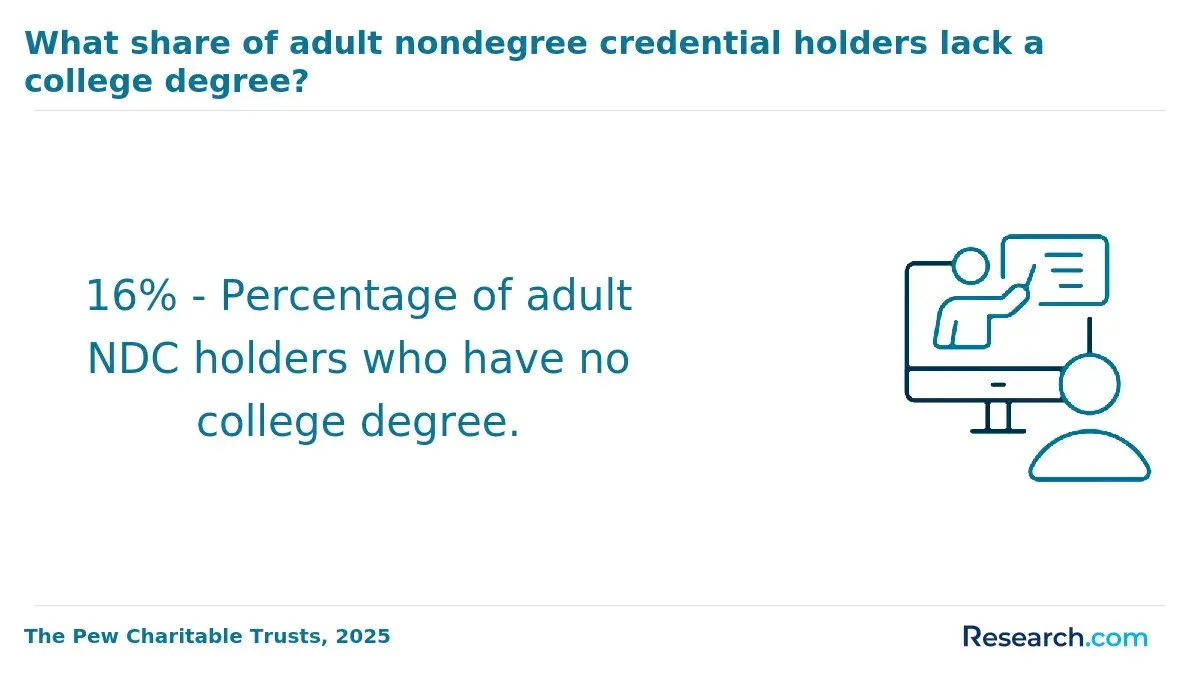
Tuition reimbursement limits are key factors in assessing the affordability and return on investment of a security management degree. Many employers impose annual and lifetime caps on reimbursement, which can restrict the overall financial support available. According to a 2023 report by the Society for Human Resource Management (SHRM), about 56% of employers offer tuition assistance, with average yearly payments near $5,250. Understanding these limits helps students gauge how much financial aid they can expect while working.
Typical reimbursement caps often fall between $5,000 and $10,000 per year, with lifetime maximums ranging from $20,000 to $40,000. The amount an employee receives usually depends on industry type, company size, and how closely the security management degree aligns with their job responsibilities. For instance, larger firms or those in finance and government sectors tend to offer higher reimbursement. Additionally, federal tax laws permit up to $5,250 in employer tuition assistance to be excluded from taxable income annually, potentially enhancing the financial benefit without increasing tax liability.
Knowing whether there are penalties for leaving an employer-sponsored security management degree program early is crucial for employees considering this path. Nearly 40% of tuition assistance programs have repayment rules that protect the company's investment, making it essential to understand the financial commitments involved before enrolling. Common scenarios related to early departure include:
- Tuition repayment obligations: Employees may be required to reimburse the employer for tuition payments already made, with amounts often adjusted based on how much of the program was completed.
- Prorated repayment schedules: Some agreements calculate repayment proportionally, reducing the amount due if the employee completes a significant portion but leaves before finishing.
- Early termination clauses: Penalties frequently apply if the employee resigns within a certain period after graduation, typically one to three years, to encourage retention.
- Restrictions on future benefits: Leaving a sponsored program prematurely might cause employees to become ineligible for future tuition assistance or other educational benefits provided by the employer.
A security management professional who completed her degree through an employer-sponsored tuition program shared her experience. She recalled the initial anxiety about signing a contract that included repayment terms, but also the confidence gained from clearly understanding those conditions upfront. While the idea of owing tuition back if leaving too soon was daunting, she felt it motivated her to fully commit to her career path within the company. "Knowing that I needed to stay for a few years after graduation shaped my decision to build long-term goals with this employer," she explained. The ongoing support from her employer not only helped with costs but also fostered a sense of loyalty that made her glad she chose to complete the program under those terms.
Evaluating employer-sponsored education is critical for working professionals pursuing a security management degree because it directly influences long-term earning potential and career advancement. Research highlights that professional degrees can increase median earnings by up to 25%, demonstrating a significant financial advantage over time. Understanding how employer-paid programs impact growth helps clarify the balance between upfront costs and sustained benefits, including faster promotion and better salaries.
Key advantages of employer-paid security management degrees include:
- Increased promotion opportunities: Employers investing in education often prioritize sponsored employees for leadership roles, giving them greater access to higher-level positions within security-focused industries.
- Faster career progression: Employees with employer-sponsored degrees typically experience accelerated advancement compared to peers financing education independently, enhancing their trajectory and salary increases.
- Access to higher-paying roles: Advanced qualifications gained through employer-funded education make professionals more competitive for specialized and senior security management positions that command better pay.
- Enhanced skills and qualifications: Financial support enables pursuit of advanced coursework and certifications crucial for staying current with evolving industry demands, thereby improving job performance and employability.
- Improved return on investment: By reducing or eliminating student debt, employer-paid programs maximize financial returns and mitigate typical education-related costs, helping employees achieve tangible long-term earning potential with security management degree benefits.
For professionals exploring degree options, considering an accelerated bachelor's degree online can be a strategic move to balance speed, cost, and quality when combined with employer sponsorship.
Proactive communication and thorough preparation are key when asking your employer to pay for a security management degree. Studies indicate that 59% of employers offer tuition assistance of some kind, but employees often need to advocate for their eligibility. Understanding how to request employer tuition reimbursement for security management degree programs can make a significant difference in securing support.
- Research company tuition assistance policies: Begin by reviewing your employer's tuition reimbursement guidelines, typically found in employee handbooks or HR portals. Knowing the details helps you understand eligibility and coverage limits before proceeding.
- Prepare a business case: Develop a clear argument that links your security management education directly to your current job responsibilities or future career goals. Explain how the degree will enhance your skills, benefiting both your work and the organization.
- Schedule a formal meeting: Request a dedicated meeting with your manager or HR to discuss your educational goals. Present your case professionally, including program details and anticipated costs, demonstrating commitment and preparation.
- Demonstrate relevance to your role: Emphasize the connection between the degree and your current duties or planned career advancement within the company. This approach aligns your educational development with business priorities, strengthening your request.
- Follow up with documentation: After the meeting, send a summary of your request and any agreed next steps. Written follow-ups maintain clarity, ensure accountability, and help track the progress of your tuition reimbursement negotiation.
Those exploring steps to negotiate company sponsorship for security management education might also consider exploring the cheapest online masters programs available to maximize return on investment and affordability.
Many students pursuing a security management degree do not receive employer sponsorship, making it vital to find alternative ways to finance education. With about 85% of higher education funding in the U.S. coming from student aid, exploring available financial resources can significantly ease the cost burden and support smarter investment in one's future. Here are some practical options to consider.
- Federal and state financial aid: Completing the Free Application for Federal Student Aid (FAFSA) can open doors to grants, subsidized loans, and work-study programs designed to make education more affordable.
- Scholarships and grants: Target awards from organizations focused on security-related fields, nonprofits, or academic institutions to reduce costs without the need for repayment.
- Personal savings and loans: Using your own savings can help cover expenses upfront, while education loans offer a structured way to finance your degree if budgeted carefully.
- Income-share agreements (ISAs): This alternative allows you to pay a fixed percentage of your future earnings over a set period instead of upfront tuition, aligning education costs with post-graduation income.
- Part-time and online programs: These flexible study methods often have lower tuition and let you work while studying, spreading out payments and lowering immediate financial pressure.
What Graduates Say About Employers Paying for Their Security Management Degrees
- Otto: "The cost of earning my security management degree initially felt overwhelming, especially since the average tuition can be quite steep. Thankfully, my employer's tuition assistance program covered a significant portion, which eased much of my financial stress. This support not only made the degree affordable but also accelerated my promotion within the company, proving the value of employer-sponsored education. "
- Colsen: "Reflecting on my journey through the security management program, I realize how crucial employer sponsorship was in managing the high expenses involved. With average costs often deterring many, their investment allowed me to focus entirely on my studies. This experience expanded my professional skill set and opened new doors, ultimately leading to enhanced responsibilities at work. "
- Isaiah: "Pursuing a security management degree was a strategic move, but the financial burden was a big concern given the typical cost of attendance. Employer tuition assistance made it feasible without compromising my financial stability. Professionally, completing the degree under their sponsorship distinguished me as a leader in my field and significantly boosted my career trajectory. "
Other Things You Should Know About Security Management Degrees
In 2027, employers are increasingly offering varied tuition reimbursement plans and sponsorships to attract and retain talent in security management. Many companies are tailoring these programs to be more flexible, covering partial to full tuition costs, and are introducing online learning incentive stipends.
In 2027, employer-sponsored tuition reimbursement for security management degrees often includes service commitments requiring employees to stay with the company for a specified period after degree completion and covers only specific tuition-related expenses. Employee eligibility criteria such as employment duration and academic performance may also apply.
Tuition reimbursement is usually approved by the employer’s human resources department, often with final sign-off from a manager or finance team. Many companies require the degree to match the employee’s role and set a grade minimum, such as a B or better, before paying.
- College Programs https://www.nsa.gov/Academics/National-Cryptologic-University/College-Programs/
- Employer EMBA Sponsorship: Security vs. Mobility https://www.accessmba.com/articles/view/employer-emba-sponsorship-security-vs-mobility
- What You Can Earn with a CISM Certification in 2025 https://destcert.com/resources/certified-information-security-manager-cism-salary/
- How to Pay for a Degree in Cybersecurity | CyberDegrees.org https://www.cyberdegrees.org/resources/how-to-pay-for-a-degree/
- Sponsorship - Skills For Security https://skills4security.com/sponsorship/
- Penalties http://www.osha.gov/laws-regs/oshact/section_17
- Step Up Payment Program (SUPP) https://www.sans.edu/step-up-payment-program/
- Tuition Reimbursement Programs [A Guide for HR and Employers] https://compt.io/blog/employee-tuition-reimbursement/
- Employer Tuition Assistance for Higher Education - Adult Students - Oklahoma State Regents for Higher Education https://okhighered.org/adult-students/tuition-assistance/
- United Kingdom Security Vetting: Existing clearance holders https://www.gov.uk/guidance/united-kingdom-security-vetting-existing-clearance-holders