2027 Security Management Degree Programs for Career Changers

Co-Founder and Chief Data Scientist
Professionals from unrelated fields often face challenges when entering the security management sector due to a lack of specialized knowledge and credentials. In 2023, 42% of adult learners pursuing security management degrees reported a career restructuring motivation, highlighting the growing trend among career changers. This degree program offers foundational skills in risk assessment, threat mitigation, and regulatory compliance tailored for those transitioning later in their careers.
This article explores how security management degree programs provide practical pathways for working adults to shift confidently into security roles and meet industry demands efficiently.
Key Things to Know About Security Management Degree Programs for Career Changers
- Many security management degree programs offer flexible schedules and hybrid or fully online formats, enabling working adults to balance education with job and family responsibilities effectively.
- Accelerated pacing options can shorten completion times, allowing career changers to enter the security workforce faster, where demand for skilled professionals is projected to grow 15% by 2030.
- Programs often emphasize practical skills and real-world applications, aligning curricula with employer needs and offering support services like career counseling tailored for adult learners.
What Security Management Programs Accept Career Changers?
Many Security Management programs cater specifically to working adults and professionals seeking career changes by offering flexible admissions and practical curricula tailored to nontraditional students. Nearly 40% of graduate students in the U.S. are adult learners returning to school to switch careers or enhance their skills, reflecting a notable trend in career changer friendly education.
- Master's in Security Management with Flexible Prerequisites: These programs often waive strict undergraduate degree requirements or accept applicants from diverse academic backgrounds, making them accessible to individuals pivoting from unrelated fields.
- Traditional Security Management Degrees: With an emphasis on foundational knowledge and leadership skills, these degrees provide a comprehensive education that integrates well with previously acquired professional experience.
- Certificate Programs in Security Management: Focused and shorter in duration, certificates allow career changers to quickly gain essential specialized skills without the time commitment of a full degree.
- Professional Development Programs: Designed to enhance practical knowledge and management capabilities, these programs capitalize on former work experience, easing the transition into security-related roles.
Programs with security management degree admissions for nontraditional students prioritize real-world application and adaptability, enabling learners to transition confidently. For those exploring career shifts within related fields, pursuing a msw degree can sometimes complement their education, broadening job opportunities in security and social services sectors.
What Security Management Specializations Are Best for Career Changers?
Selecting the right security management specialization is essential for career changers who want to effectively leverage their current skills while gaining expertise in a rapidly growing field. Cybersecurity jobs are projected to increase by 35% from 2021 to 2031, reflecting strong demand for professionals with specialized knowledge. Below are four top security management career specializations well suited for professional transitions.
- Cybersecurity Management: This specialization leverages general IT knowledge and analytical skills, making it ideal for those with technology backgrounds aiming to move into security leadership roles. It offers a clear pathway to management positions by building on existing technical expertise.
- Risk Assessment and Compliance: Perfect for professionals with experience in law, finance, or auditing, this focus emphasizes regulatory frameworks and risk mitigation strategies. Career changers can apply their knowledge of compliance standards to protect organizations from legal and operational risks.
- Physical Security Management: Suited for those from logistics, operations, or facilities management, this specialization applies organizational and operational skills to safeguard assets and personnel. It provides a practical entry point by using familiar management principles in a security context.
- Information Assurance: Designed for individuals with backgrounds in information systems or data analysis, this area centers on protecting information integrity and confidentiality. It allows career changers to use their analytical skills in safeguarding digital assets and ensuring data security.
Each specialization offers strong career mobility by aligning with transferable skills, making them accessible for adults pursuing new directions. Those exploring degree paths may also find options such as an online counseling degree helpful for complementary expertise in organizational leadership or human factors relevant to security management career specializations for professional transitions.
What Are the Admission Requirements for Career Changers Applying to a Security Management Program?
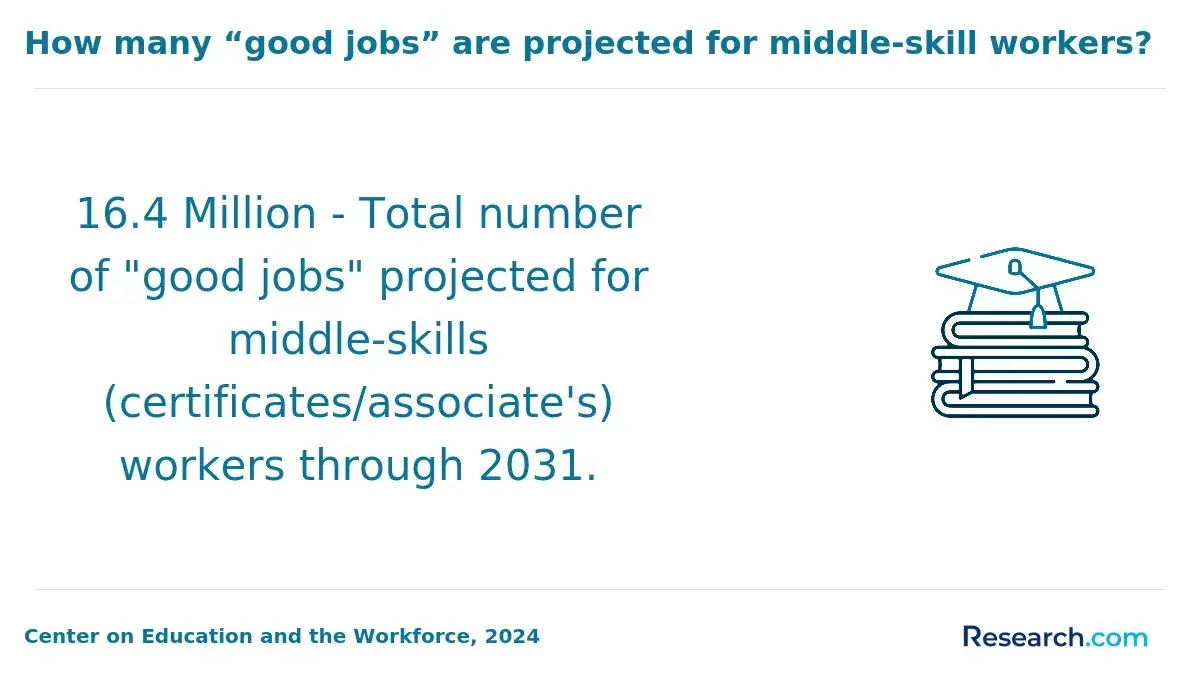
For career changers, meeting admission requirements is crucial as these programs often seek to align prior experience with new educational goals. Approximately 40% of postsecondary students are adult learners, which underscores the growing support for nontraditional admissions pathways. Below are key factors typically considered for security management degree admission criteria for nontraditional students.
- Application Documentation: Completing the application form accurately is essential, ensuring all requested information showcases relevant career shifts and educational history.
- Official Transcripts: Applicants must submit transcripts from previous institutions to verify prior academic achievements, though some programs offer flexibility recognizing alternative qualifications.
- Proof of Completion: A high school diploma or equivalent is commonly required; however, some institutions accept professional certifications or portfolio assessments as substitutes.
- Letters of Recommendation: These help illustrate transferable skills and professional attributes, particularly leadership and risk management experience valuable in security management fields.
- Statement of Purpose: A tailored explanation of motivation for entering security management demonstrates commitment and readiness to pivot careers effectively.
- Flexible Enrollment Options: Many programs accommodate working professionals through part-time, evening, or online courses, supporting seamless transitions for career changers.
Career changers benefit from understanding prerequisites for career changers in security management programs that emphasize flexibility and recognition of practical experience. For those seeking advanced opportunities, exploring emba online programs can offer additional pathways tailored to experienced professionals.
For professionals switching careers, grasping the specifics of security management coursework helps streamline their learning and focus on applicable knowledge. Courses are structured to offer flexibility and relevance, allowing students to connect prior experience with new industry demands. The main subjects generally include:
- Principles of Security Management: Covers the essentials of managing security functions like risk evaluation, policy creation, and meeting legal compliance standards, emphasizing practical frameworks suitable for various environments.
- Risk Analysis and Crisis Management: Focuses on recognizing risks and devising response plans, incorporating scenario-based exercises that mirror real workplace challenges.
- Physical and Information Security: Balances protecting tangible assets and digital data, integrating technological solutions with organizational safeguards.
- Legal and Ethical Issues: Explores laws, privacy considerations, and ethical responsibilities critical to maintaining integrity in security operations.
- Leadership and Organizational Behavior: Addresses managing teams and embedding security principles within overall business strategies to support operational goals.
One professional who completed an online security management degree shared insights about his experience. He noted that balancing coursework with a full-time job was demanding but the program's flexible schedule made it manageable. "I faced moments when juggling assignments and work deadlines was stressful, yet having access to online resources anytime really helped." He appreciated how case studies allowed him to relate lessons directly to his intended career shift. "These practical examples made the material feel relevant rather than abstract." Reflecting on the transition, he said the supportive faculty and clear course outlines eased uncertainties about entering a new field, adding, "It wasn't just about earning credits; it was about preparing me mentally and professionally for the change."
Flexibility in program formats is essential for career changers balancing education with existing commitments. Recent data from the National Center for Education Statistics reveals a 30% increase in adult learners enrolling in online programs, reflecting a growing need for adaptable study options. Below are common formats suited to diverse schedules and learning preferences.
- Fully Online: This format provides the greatest freedom, allowing students to complete coursework from any location and often at times that fit their schedules. It is especially beneficial for those juggling jobs and family duties.
- Part-Time Evening or Weekend: Tailored for those who prefer in-person interaction while continuing to work, these classes meet outside typical business hours to accommodate professional responsibilities.
- Hybrid: Combining online lessons with occasional face-to-face meetings, hybrid programs offer convenience alongside opportunities for direct engagement and networking.
- Self-Paced: Common within fully online programs, this option lets students move through material at their own speed, supporting different learning styles and fluctuating time availability.
Selecting the appropriate format helps career changers pursue a security management degree without compromising their current personal or professional roles.
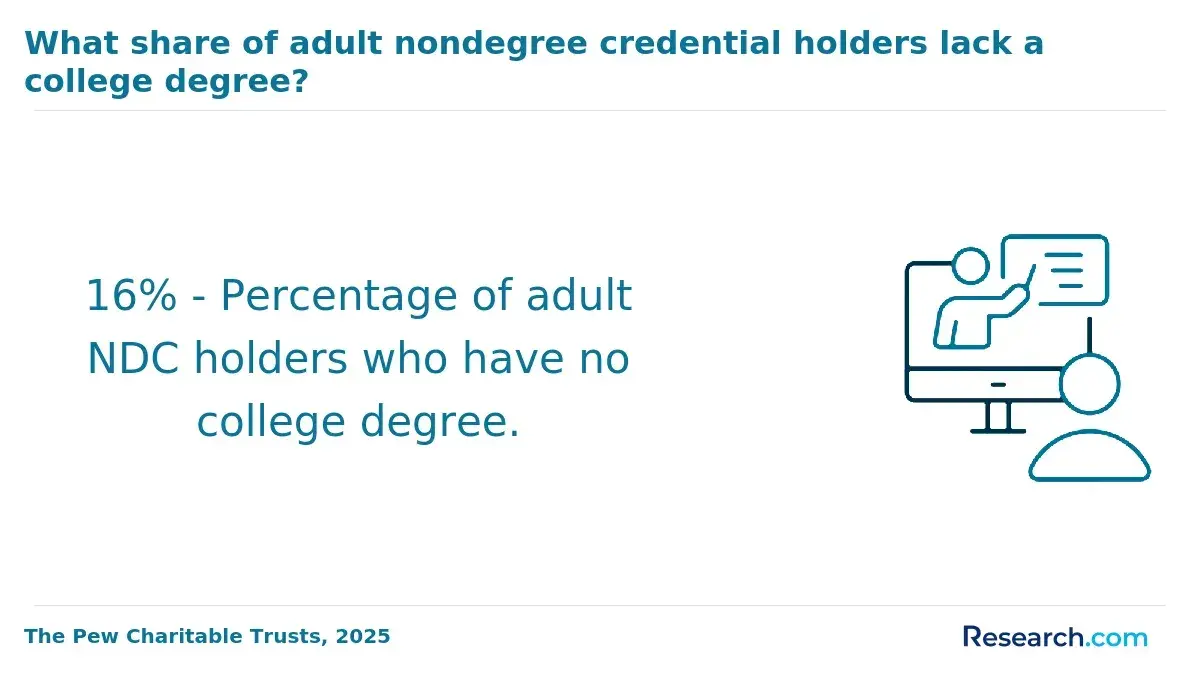
Career changers face unique challenges when entering a new field, making skill acquisition essential. According to a 2023 U.S. Labor Department report, 87% of employers emphasize transferable skills when hiring individuals with varied professional backgrounds. This focus highlights the value of expertise gained in targeted programs. Below are five critical skills developed in a security management degree that support successful career transitions.
- Risk Assessment and Mitigation: This skill teaches how to identify and evaluate potential threats, empowering graduates to safeguard organizations across industries. It fosters analytical thinking, which is useful beyond security roles.
- Leadership and Team Management: Learning to direct teams and oversee security operations enhances confidence in managing people and projects. These abilities improve employability in supervisory and coordination positions.
- Incident Response Planning: Developing strategies for timely and effective reactions to emergencies builds decision-making under pressure. This competence is crucial for maintaining organizational resilience.
- Compliance and Regulatory Knowledge: Understanding relevant laws and standards equips graduates to help organizations stay within legal frameworks. This knowledge prevents costly violations and reputational damage.
- Communication and Reporting: Mastering clear documentation and stakeholder communication enhances transparency. These skills facilitate teamwork and accountability in any professional setting.
One career changer who completed a security management degree described her journey as both challenging and rewarding. She recalled feeling overwhelmed initially by the technical jargon and fast pace but found that steady progress helped her build confidence. "It wasn't just about learning security concepts," she explained, "it was about reshaping how I approached problems and interacted with others in a professional context." She emphasized that gaining skills in leadership and communication especially transformed her mindset, enabling her to lead projects despite lacking prior management experience. Reflecting on the experience, she noted that the program taught her adaptability and resilience, which proved invaluable when she later moved into a new sector. She shared, "The degree didn't just open doors; it changed how I saw my own potential."
For career changers, carefully evaluating the total cost of a security management degree is vital as they often juggle education expenses alongside existing financial commitments. Graduate education costs are significant-the National Center for Education Statistics reports the average annual tuition and fees for graduate programs in the U.S. exceed $19,000. Considering these factors helps working adults plan effectively. Below are the primary cost components to consider.
- Tuition: Tuition is typically the largest expense, ranging from $400 to over $1,200 per credit hour depending on whether the institution is public, private, or online. Flexible program formats, including part-time or accelerated courses, can help working professionals manage these costs.
- Fees: Additional fees usually cover registration, labs, technology access, and library services, generally adding several hundred dollars each term. Fee structures vary by program, so reviewing these costs upfront is important for budgeting.
- Books and Materials: Textbooks and other required materials can cost between $500 and $1,000 annually. Digital materials or renting options may reduce expenses in this area for students seeking affordable security management degrees for working professionals.
- Financial Aid and Employer Support: Many career changers benefit from federal financial aid, scholarships, tuition reimbursement, or employer tuition support plans, which can significantly reduce out-of-pocket costs. Exploring these options early can ease the financial burden.
- Program Flexibility: Online or part-time programs limit commuting and lost wages, factors that improve affordability and work-life balance. Prospective students may also find accelerated pathways to shorten time-to-degree.
To further lower expenses, career changers can seek fully funded edd programs online or similar funding models available through strategic partnerships and research resources like fully funded edd programs online.
A well-crafted curriculum is especially important for career changers because it bridges previous work experience with the specialized demands of security roles, allowing students to acquire relevant skills efficiently. This tailored approach ensures professionals develop both practical and theoretical expertise needed to succeed. Below are key ways a security management degree curriculum for career changers facilitates this transition:
- Applied Learning Opportunities: Curriculum incorporates hands-on exercises that replicate real security scenarios. This practical focus helps students build actionable skills aligned with employer expectations.
- Transferable Skill Development: Emphasizes critical thinking, communication, and problem-solving-skills professionals have gained and can apply directly to security management roles.
- Flexible Pacing: Courses offer adaptable formats and scheduling that accommodate adult learners balancing education with work or personal commitments.
- Real-World Projects: Includes case studies and simulations to foster decision-making and operational readiness, essential competencies for career changers.
- Comprehensive Topic Integration: Covers both foundational principles and advanced concepts to ensure students with diverse backgrounds achieve a well-rounded understanding.
This curriculum design aligns with the skills gained in security management programs for professionals, supporting a confident career shift without starting over entirely. For those seeking additional educational pathways that efficiently enhance career prospects, consider exploring fast online degrees to complement your security management training.
For professionals shifting careers, recognizing potential job outcomes helps tailor their existing talents toward emerging roles. Employment in security-related occupations is expected to rise by 15% from 2022 to 2032, reflecting growing industry demand. Below are common career options open to those earning a security management degree.
- Security Analyst: Monitors cyber threats and implements defense measures by applying analytical and technical abilities, often building on prior experience in related fields.
- Loss Prevention Manager: Leads initiatives to reduce theft and fraud in business environments, utilizing leadership and risk assessment skills developed in former positions.
- Corporate Security Manager: Coordinates physical security protocols and emergency responses, capitalizing on organizational and communication strengths gained from previous roles.
- Information Security Officer: Crafts policies to safeguard data integrity, leveraging expertise from IT, compliance, or administrative backgrounds.
- Risk Manager: Evaluates vulnerabilities and enforces mitigation strategies, drawing from problem-solving and decision-making skills cultivated in other industries.
Salary expectations play a vital role for career changers earning a security management degree, as they guide financial planning and gauge the value of this new path. Research shows that professionals who retrained for security-related positions experienced an average salary increase of about 15% within two years post-graduation. The following points outline typical salary ranges and key factors affecting compensation in this field.
- Entry-Level Positions: Starting salaries generally range from $55,000 to $70,000 annually, depending on education and prior experience.
- Mid-Career Salaries: Individuals with five to ten years in security management often earn between $75,000 and $95,000, reflecting growing expertise and responsibility.
- Senior Roles: Advanced or specialized positions, particularly in industries like finance or technology, can exceed $100,000 per year.
- Geographic Variations: Salaries fluctuate by up to 20% based on location and local market demand.
- Prior Experience: Backgrounds in risk management, law enforcement, or IT frequently improve initial salary offers by highlighting transferable skills.
What Graduates Say About Their Security Management Degrees for Career Changers
- Otto: "Pursuing a Security Management degree was a pivotal decision for me when I sought a complete career pivot from retail management. Although the cost was significant-averaging around $25,000 for the full program-it was an investment that paid dividends by opening doors into corporate security roles I hadn't imagined possible. The practical skills I gained helped me confidently transition into a new industry with a strong foundation."
- Colsen: "After years of working in finance, I took a reflective pause and realized that a Security Management degree could bridge my analytical strengths with my interest in risk mitigation. The affordability-roughly $20,000 to $30,000-was balanced by flexible program options that respected my working schedule. Completing the degree has been transformative, allowing me to reposition myself as a security analyst with a clear career trajectory. "
- Isaiah: "I approached my career change to Security Management with a professional mindset, aware that the cost-typically between $22,000 and $28,000-was an important factor but not a barrier. The degree program equipped me with current industry knowledge and leadership skills crucial for effective security oversight in large organizations. This credential has been influential in boosting my credibility and accelerating progress in my new career field. "
Other Things You Should Know About Security Management Degrees
In 2027, career changers pursuing a security management degree can access various financial aid options, including scholarships, grants, and federal loans. Many institutions offer career-specific scholarships and financial assistance tailored to support career changers as they transition into the security management field.
Admission requirements for career changers entering security management degree programs in 2027 typically include a bachelor's degree in any field, a personal statement, and professional experience. Some programs may also require letters of recommendation and a resume to assess transferable skills.
Career changers can typically complete a security management degree in 2 to 3 years. This duration can vary based on the program structure, transfer credits, and whether students choose a full-time or part-time study schedule.
Programs often value experience in law enforcement, military service, emergency management, or corporate security. Many schools also recognize supervisory experience in operations or compliance. For admission, applicants may need a résumé, and some programs award up to 30 transfer credits for documented professional learning.
- First Steps into Security Management: Your Guide to a Successful Career in the Security Industry https://www.get-licensed.co.uk/get-daily/first-steps-into-security-management-your-guide-to-a-successful-career-in-the-security-industry/
- Top Cyber Security Courses for Career Growth | e-Careers https://www.e-careers.com/courses/cyber-security
- Mid-Career Transition: Reshaping Your Cybersecurity Career Path | Cybrary https://www.cybrary.it/blog/mid-career-transition-reshaping-cybersecurity-career-path
- 6 Factors When Considering a Career in Security – Paragon https://paragonsecurity.ca/6-factors-when-considering-a-career-in-security/
- Security Management Degrees & Programs | School Search https://www.criminaljusticeprograms.com/specialty/security-management-degrees/
- Top AI Security Management Jobs and Career Paths You Can Pursue With an AAISM Certification https://destcert.com/resources/aaism-certified-jobs/
- Building Your Cyber Security Career: The Credentials Needed for Management and Specialist Roles https://grcsolutions.io/building-your-cyber-security-career-the-credentials-needed-for-management-and-specialist-roles/
- Career Pathways in Security https://www.asisonline.org/security-management-magazine/articles/2018/11/career-pathways-in-security/
- Master Security Management https://www.berlin-professional-school.de/en/master/part-time-studies/master-security-management
- Job Outlook and Salary Security Manager | Top Locations and Industries https://www.cyberdegrees.org/careers/security-manager/career-and-salary/