2027 Digital Media Practicum Requirements Explained

Co-Founder and Chief Data Scientist
Meeting practicum requirements poses a significant challenge for students pursuing a digital media degree, as programs increasingly demand rigorous supervised training that aligns with professional standards. Students must navigate varied practicum hours, supervision expectations, placement settings, background checks, GPA minimums, and state or program-specific regulations-factors that directly impact graduation timelines and career eligibility. According to recent data, 78% of digital media programs now mandate experiential learning components to enhance workforce readiness.
Understanding these requirements early enables students to plan effectively, avoid delays, and meet certification standards. This article explains key practicum criteria and offers guidance to help students stay on track toward graduation and licensure.
Key Things To Know About Digital Media Practicum Requirements
- Practicum provides hands-on projects and real-world tools essential for developing technical skills and creative problem-solving in digital media environments.
- Field experience and internships connect students with industry professionals-building networks and enhancing employability through practical workplace exposure.
- Supervised hours ensure academic guidance and reflection, facilitating skill refinement and aligning practical work with learning outcomes and career goals.
What Is A Practicum In Digital Media Program?
A practicum in digital media programs is a structured, supervised learning experience that blends academic theory with hands-on industry practice. It is typically integrated into U.S. higher education curricula to help students apply classroom knowledge in professional settings. Studies reveal that 79% of employers value experiential learning, such as practicums, as essential for graduate readiness and effective job performance.
The following points outline key aspects of practicum requirements for digital media students:
- Structured Fieldwork: Practicums engage students in real-world projects such as multimedia production, digital content creation, or marketing campaigns. Unlike internships or capstone projects, practicums emphasize supervised tasks directly linked to academic coursework, facilitating practical skill development within an educational framework.
- Academic Placement: Typically occurring after foundational courses, practicums are positioned within the curriculum to ensure students have the necessary knowledge to contribute meaningfully. This timing helps maintain academic standards and optimizes applied learning outcomes.
- Supervision and Feedback: Qualified faculty or professionals oversee the practicum experience, offering continuous guidance and formal evaluations. Methods may include performance reviews and reflective assessments, which support skill refinement and career readiness.
- Hours and Commitment: Programs usually require between 120 and 200 supervised hours to guarantee adequate practical exposure. These hours are balanced alongside academic responsibilities to optimize both learning and professional development.
- Certification Integration: Completion of the practicum often constitutes a graduation requirement and supports program accreditation. Successfully finishing this component demonstrates that students meet essential professional competencies and are prepared for career entry.
Students interested in accelerating their education and career prospects might also explore fast degrees online as an option to obtain relevant qualifications efficiently while fulfilling practicum requirements.
What Are The Eligibility Requirements For Digital Media Practicum?
Practicum eligibility standards in digital media programs ensure students are both academically and professionally ready for supervised field experiences that integrate classroom learning with real-world applications. These requirements protect students and host organizations while maximizing the educational benefit of experiential learning. Studies show that over 70% of such programs highlight minimum GPA and prerequisite coursework as essential to maintain high academic retention and workforce readiness among participants.
Typical eligibility requirements for a digital media practicum include:
- Minimum GPA: Many programs mandate a minimum GPA-often above 2.5-to confirm that students have attained a solid academic foundation. This benchmark helps ensure students possess the basic knowledge needed to effectively engage in fieldwork and uphold professional standards.
- Prerequisite Coursework: Completion of foundational classes, such as multimedia design, video editing, or web development, is generally required. Meeting these prerequisites guarantees students have the technical skills and theoretical background necessary for success in their practicum placement and builds on the typical digital media practicum eligibility requirements for college students.
- Competency Demonstration: Students must often demonstrate proficiency in relevant software tools, storytelling techniques, or project management, typically via portfolios, evaluations, or practical exams. This assessment validates readiness to contribute meaningfully to client or organizational projects.
- Faculty Approval: Supervising faculty or program coordinators review student eligibility based on academic standing and preparedness, sometimes conducting interviews or reviewing progress reports. This process ensures alignment between student skills and placement goals.
- Administrative Compliance: Depending on the practicum site, students may need to complete background checks, drug screenings, immunization documentation, or liability waivers. These steps maintain legal and ethical standards, particularly when placements involve sensitive environments.
For students exploring related educational paths, pursuing an online business degree can complement digital media skills and broaden career opportunities.
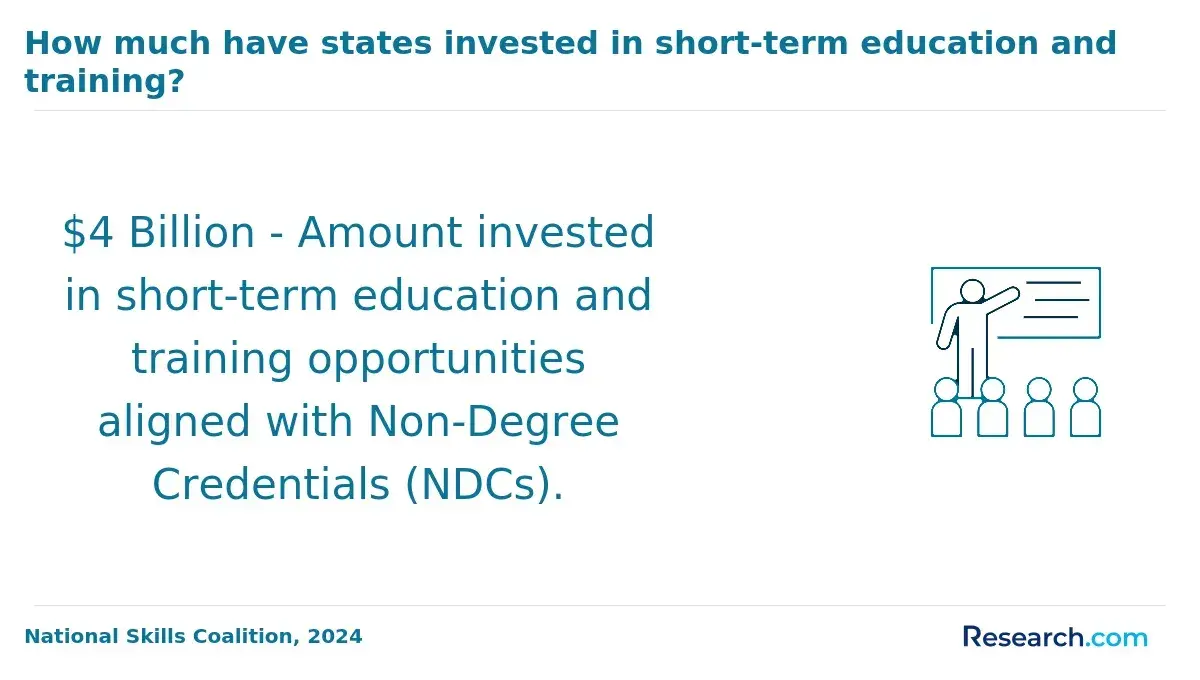
How Many Practicum Hours Are Required For Digital Media Program?
Practicum hour requirements in digital media programs are designed to give students essential hands-on training that complements their academic studies. These requirements differ according to the educational institution, state standards, and accreditation bodies. Research shows that over 75% of accredited programs mandate practical experience to better prepare students for industry demands.
Several factors shape how practicum hours are structured and fulfilled in digital media curricula:
- Typical Hour Ranges: Programs commonly require between 120 and 200 practicum hours, with undergraduate courses generally expecting fewer hours than graduate or certificate tracks focused on specialized skills.
- Training Breakdown: Practicum hours usually combine observation, supervised direct work, and indirect support activities. Hands-on project involvement tends to represent the majority-about 60-80%-with remaining time devoted to preparatory research and reflective exercises.
- Phased Experiences: Some programs organize practicums in stages, starting with observation phases and progressing to active engagement in projects across varied departments or teams, allowing students to diversify their competencies.
- Supervision and Verification: Completion is closely monitored through logs, supervisor endorsements, formal assessments, and competency evaluations to ensure students meet targeted learning outcomes and industry readiness.
- Weekly Time Commitment: Students are typically expected to dedicate 8 to 12 hours per week over a semester lasting 12 to 16 weeks, requiring flexibility to align with workplace schedules and academic calendars.
Prerequisite coursework plays a critical role in readying students for practicum experiences by ensuring they possess the academic and practical foundation required for effective supervised fieldwork. Academic programs often require foundational training before allowing students to begin practicum field placements, as structured curriculum sequencing enhances readiness-78% of employers favor candidates with both theoretical and applied learning backgrounds. These courses bridge classroom knowledge and real-world application for career success.
Common required prerequisite courses for digital media practicum eligibility include:
- Foundational Theory: These courses introduce core concepts in digital media such as multimedia design, content strategy, and user experience principles. They build a theoretical framework that students apply during practicum projects.
- Professional Ethics: Coursework covers ethical standards relevant to the industry, including copyright laws, privacy issues, and responsible communication practices. This ensures students are prepared to handle ethical challenges in applied settings.
- Research and Assessment Methods: Training in both qualitative and quantitative research equips students to evaluate audience data and project outcomes, fostering evidence-based decision-making during practicum assignments.
- Communication Skills: Emphasizing written, visual, and collaborative communication, these classes develop the ability to document and exchange information effectively-an essential skill for client and team interactions.
- Field-Specific Competency Development: Practical training in relevant software tools, coding, and multimedia production techniques readies students for technical demands encountered in practicum environments.
Prerequisite expectations can vary across disciplines like education, counseling, and allied health, with some programs emphasizing curriculum integration or communication ethics more heavily. These structured requirements ensure students meet academic progression standards before practicum enrollment. For those pursuing a cybersecurity masters online, a similar emphasis on foundational coursework creates readiness for experiential learning opportunities in that field.
Practicum placements in digital media programs connect classroom knowledge with supervised industry experience by partnering with external organizations. These placements are designed to help students meet credential requirements while cultivating essential professional skills. Studies show that over 70% of employers in creative sectors favor applicants who have completed hands-on practicum or internship experiences, emphasizing their importance for workforce readiness.
The placement process typically includes several critical steps and responsibilities:
- Eligibility Verification: Students must meet academic benchmarks such as completing foundational courses and maintaining designated GPA levels. Submission of official transcripts and approval from academic advisors are generally required before students can proceed.
- Application and Matching: Candidates apply via centralized platforms, indicating preferences and qualifications. Placement coordinators then align student skills with available opportunities, balancing student goals with organizational needs.
- Host Organization Coordination: Institutions work with industry partners to define practicum roles, outline project objectives, and establish supervision arrangements. These collaborations usually involve formal agreements ensuring compliance with educational standards.
- Interview and Screening: Host organizations often conduct interviews to evaluate candidates' suitability and readiness. Offers are contingent on meeting both institutional prerequisites and employer expectations.
- Oversight and Supervision: Faculty and placement officers monitor progress through scheduled check-ins, while on-site supervisors provide day-to-day guidance aligned with academic learning outcomes.
- Placement Confirmation and Onboarding: Following offer acceptance, students complete onboarding steps including agreement signings, liability waivers, and orientation sessions to finalize their placement.
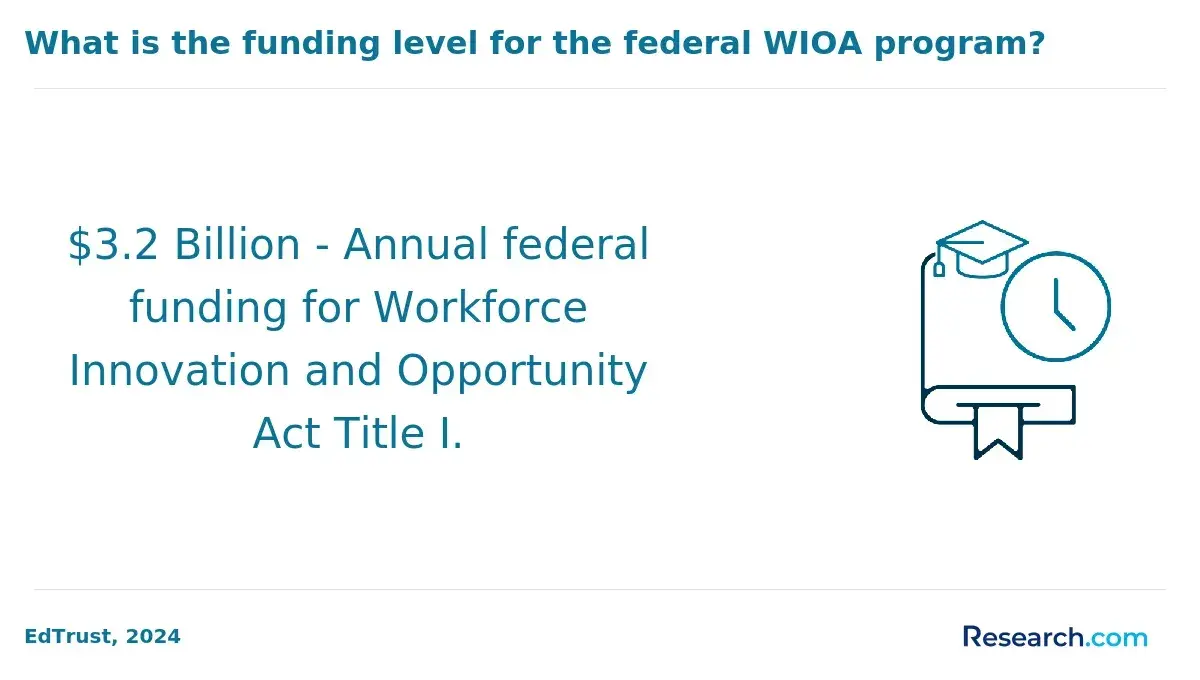
Pre-practicum documentation in Digital Media degree programs ensures students meet institutional and professional standards before beginning fieldwork. These requirements uphold compliance with regulatory guidelines and confirm student readiness, with research showing that over 85% of academic institutions mandate such paperwork to safeguard quality and safety during placement.
Key documents students typically prepare include:
- Application Forms: Students submit detailed applications outlining their academic progress, completed courses, and learning goals. These forms enable program administrators to verify eligibility and confirm students are suitably prepared for practicum challenges.
- Institutional Approvals: Official endorsements from advisors, department chairs, or practicum coordinators certify that students comply with program policies. These approvals often require prior review and must be secured before placement begins to avoid delays.
- Consent and Liability Agreements: Students sign documents acknowledging the risks inherent in field placements and agreeing to abide by health, safety, and conduct protocols. Such waivers protect both the student and institution by clarifying responsibilities and legal considerations.
- Background Checks: Many sites demand criminal record screenings or other clearances, especially when placements involve vulnerable populations. Timely submission is critical since verification processes may take several weeks.
- Medical and Immunization Records: Verification of current vaccinations and health status ensures compliance with public health requirements. Timely renewal and accurate documentation prevent placement interruption, particularly at sites with direct client interaction.
- Site-Specific Onboarding Documents: Additional required paperwork may include confidentiality agreements, insurance verifications, or training acknowledgments. These facilitate smooth integration and confirm understanding of workplace expectations.
Pre-practicum compliance requirements are essential to safeguard students and the communities they serve during field-based learning experiences. These health, safety, and legal clearances ensure students meet necessary standards before placement. Studies indicate that over 85% of institutions have enhanced their background screening and immunization policies in response to evolving workplace safety demands.
Common pre-practicum requirements include the following:
- Criminal Background Checks: Many programs mandate thorough criminal history reviews, including fingerprinting and child abuse clearances as applicable. These screenings help maintain client safety and integrity within practicum environments. Requirements often vary by whether the placement is in healthcare, education, or social services.
- Immunization Records: Proof of immunizations such as MMR, Hepatitis B, and influenza is frequently required, alongside tuberculosis (TB) testing. These measures protect vulnerable populations and comply with state and institutional health regulations.
- Certification and Drug Screening: Some programs require CPR certification and drug screenings before placement. These demonstrate readiness for emergencies and adherence to workplace drug policies, which are crucial in client-facing or physically active roles.
- Regulatory Compliance: Placements must align with local, state, or federal standards, including maintaining current documentation and renewing clearances. This compliance supports legal safeguards and risk management strategies throughout the practicum period.
- Variability Across Fields: Requirements differ depending on the practicum's focus and risk level-healthcare placements typically have more stringent mandates than digital media environments, yet all emphasize safety and ethical practices.
A digital media practicum placement connects academic learning with supervised real-world experience, enabling students to develop practical skills relevant to the industry. Experiential learning has become increasingly important as employers seek candidates with hands-on training-63% of employers prefer applicants who have participated in internships or similar fieldwork opportunities. This approach prepares students to meet professional expectations and enhances their employability in competitive job markets.
During a digital media practicum placement, students can expect several key components that shape their professional growth and readiness:
- Daily Responsibilities: Students undertake tasks such as content creation, digital marketing support, media project coordination, or technical assistance. These responsibilities introduce them to real workflows and require meeting deadlines and quality standards commonly found in professional environments.
- Supervision and Mentorship: Practicum supervision involves experienced professionals who provide ongoing guidance, constructive feedback, and support. This mentorship helps students navigate workplace challenges and understand their roles fully, which is essential for success and confidence.
- Professional Conduct: Students must demonstrate punctuality, reliability, ethical behavior, and effective communication. Adapting to organizational culture and accountability fosters trust with supervisors and colleagues, reflecting key workplace standards.
- Performance Evaluation: Progress is evaluated through formal or informal reviews focusing on project outcomes, skill acquisition, teamwork, and adaptability. These evaluations help pinpoint strengths and improvement areas to support continual learning.
- Skill Development: Practicums emphasize refining both technical expertise and soft skills like problem-solving, collaboration, and critical thinking. Applying classroom theory in practical settings boosts creativity and industry readiness.
- Communication Practices: Engaging professionally with diverse teams, clients, and supervisors is vital. Effective communication skills ensure students can share ideas clearly, understand instructions, and respond to feedback promptly, which are critical in digital media roles.
- Common Challenges: Students may face time management pressures, unfamiliar tasks, or adapting to different organizational styles. Overcoming these challenges enhances resilience and prepares students for future career demands.
Those interested in further formal education and fieldwork integration can explore social media degree programs that incorporate structured practicum experiences, aligning academic learning with industry needs.
Supervision and evaluation serve to guide practicum students while ensuring academic accountability, balancing practical training with structured oversight. These processes foster professional growth by offering consistent feedback and aligning learning outcomes with workforce demands. A recent study found that nearly 85% of students in experiential learning programs report enhanced job readiness due to structured supervision and evaluation methods.
Key elements of practicum student supervision methods and evaluation criteria for digital media practicum students include:
- Roles of Supervisors: Practicum supervisors, typically professionals within the placement setting, provide daily guidance, oversee task completion, and deliver ongoing feedback. Their responsibility is to help students translate theoretical knowledge into industry-relevant skills while fostering competencies needed for digital media careers.
- Faculty and Site Coordination: Faculty advisors and site coordinators work jointly to synchronize practicum goals with academic standards. They communicate regularly with supervisors and students to ensure milestones are met according to institutional policies and accreditation requirements.
- Guidance and Communication: Continuous interaction among students, supervisors, and faculty creates an open channel for feedback and mentoring. Scheduled meetings and progress discussions support timely adjustments that reinforce learning objectives and professional development.
- Assessment Methods: A combination of tools-including direct observation, reflective journals, competency checklists, and progress evaluations-measure student growth and achievement. Final assessments synthesize supervisor feedback and faculty evaluations to confirm skill acquisition and readiness for employment.
- Institutional Variations: Practices differ by academic discipline and institutional policies but consistently aim to balance hands-on experience with rigorous evaluation. These adaptable frameworks enable tailored supervision while meeting the diverse needs of digital media practicum students.
For those exploring further academic options to enhance career readiness, programs such as the online masters degree in history demonstrate how practicum experiences across fields integrate supervision and applied learning to improve outcomes.
Practicum placements play a crucial role in meeting licensure or certification criteria within digital media-related professions by providing supervised, hands-on experience aligned with academic standards and regulatory requirements. Recent workforce data indicate that nearly 75% of employers in creative technology fields prioritize candidates with verified practicum or internship completion, underscoring its impact on professional credentialing and hiring competitiveness. Below are key components of practicum involvement essential for certification success.
- Fieldwork Hours: Practicum hours fulfill the mandatory supervised experience mandated by licensing authorities, serving as documented evidence that students engaged in authentic professional activities under expert oversight.
- Competency Benchmarks: Students are assessed against standardized skill and knowledge competencies within their practicum, ensuring they meet performance thresholds necessary for certification eligibility.
- Supervision Standards: Accredited programs require licensed professionals to oversee practicum participants, providing ongoing mentoring, evaluation, and validation of competencies consistent with licensure guidelines.
- Documentation and Recordkeeping: Educational institutions maintain detailed logs of practicum experiences, including hours completed and supervisor attestations, to support regulatory compliance and certification applications.
- Discipline-Specific Integration: Diverse fields-such as education, healthcare, and counseling-embed practicum requirements tailored to their unique regulatory frameworks and ethical mandates within credentialing processes.
What Do Students Say About Their Digital Media Practicum Experience?
- Alfredo: "My practicum experience was initially challenging due to some confusion around eligibility requirements, which delayed my placement. However, once I got started, the hands-on projects exceeded my expectations and truly deepened my understanding of digital media production. The supervisors were very approachable and provided consistent, constructive feedback, which helped me grow professionally."
- Erik: "Reflecting on my practicum, I found the supervision style to be quite traditional, with regular evaluations based on project milestones and weekly check-ins. While this structure kept me accountable, I wish there had been more flexibility to explore creative avenues outside the outlined tasks. Overall, the experience confirmed the practical demands of the digital media field, even if it wasn't as creatively liberating as I had hoped."
- Landon: "I was enthusiastic going into the practicum and happy to report it met all my expectations regarding real-world exposure to digital media workflows. Having a dedicated mentor who guided me through each assignment made a big difference in how I approached challenges. One insight I'd share is to clarify eligibility early on-this prevented any unexpected surprises and allowed me to focus fully on learning and contributing."
Other Things You Should Know About Digital Media Degrees
Some digital media programs allow a portion of practicum hours to be completed remotely, especially when projects involve digital content creation or social media management. However, in-person attendance may still be required for activities like team meetings, client interactions, or hands-on technology use. Policies vary by institution, so students should confirm remote options with their program coordinators.
Students are not always guaranteed placements in their preferred industry sector within digital media due to availability and program partnerships. While programs often strive to match students based on interests and career goals, practicality and site capacity can limit options. Flexibility and openness to diverse opportunities often enhance the practicum experience.
Acceptable evidence usually includes a supervisor-signed log of hours, a final performance evaluation, and a portfolio sample set tied to the practicum outcomes. Many programs require 120 to 180 supervised hours and a submitted reflection report before credit is awarded.
- 7 Questions for Our Digital Media Intern Maxim - clovio https://clovio.com/7-questions-for-our-digital-media-intern-maxim/
- EMDA 409 - Practicum in Digital Media https://catalog.sou.edu/preview_course_nopop.php
- EN | The documents for starting an internship or job | XIRO.bg https://xiro.bg/en/career-adviser/section/2-selection/category/3-preparation/post/18-the-documents-for-starting-an-internship-or-job
- Digital Media Practicum: Frequently Asked Questions https://thecdm.ca/program/ubc-sfu-digital-media-practicum-faq
- How Long Does It Take to Become a Digital Marketer? https://www.cdicollege.ca/news/how-long-does-it-take-to-become-a-digital-marketer/
- Digital Media Practices: School of Liberal Arts at Tulane University https://liberalarts.tulane.edu/digital-media-practices
- Healthcare Background Check Requirements: What You Need to Know https://www.cisive.com/blog/healthcare-background-check-requirements
- What is a Counselling Practicum and Why It Matters? - Yorkville https://www.yorkvilleu.ca/blog/macp/what-is-a-counselling-practicum-and-why-it-matters/