2027 Does an Online Digital Media Degree Qualify You for Licensure?

Co-Founder and Chief Data Scientist
Does earning an online digital media degree fulfill the requirements for professional licensure? Many working adults seek flexible online programs but worry about meeting state licensing standards, which often include supervised training or specific accreditation. In 2023, digital media-related occupations are projected to grow 13% faster than the average for all jobs, highlighting the field's expanding opportunities. However, licensure eligibility varies widely by state and specialization.
Understanding whether an online digital media degree qualifies for licensing is crucial before enrollment. This article examines key factors affecting licensure eligibility and helps prospective students make informed decisions about their education and career paths.
Key Things to Know About Online Digital Media Degree Licensure Qualifications
- Accreditation and program approval by recognized bodies are essential for online digital media degrees to meet licensure standards, ensuring educational quality and credibility.
- Licensure requirements vary by state, so graduates must verify their online digital media program aligns with specific state mandates to qualify for professional certification.
- Completion of clinical, practicum, or supervised experience components often influences eligibility, as hands-on training is critical for meeting licensure competencies in digital media-related fields.
Does an Online Digital Media Degree Qualify You for Licensure?
Online education has increasingly become a common pathway in licensure-track fields, reflecting growing acceptance across various professional domains. Between 2012 and 2018, enrollment in distance education courses at degree-granting postsecondary institutions rose by nearly 30%, demonstrating expanded accessibility and recognition. This trend highlights the evolving landscape where online degrees may fulfill necessary educational criteria. Understanding the relationship between an online digital media degree and licensing eligibility clarifies important considerations for prospective graduates.
Whether an online digital media degree qualifies you for licensure depends on meeting established educational standards rather than the delivery format itself. Key factors include institutional recognition by accredited bodies, the program's curriculum alignment with licensing requirements, and incorporation of practical components like hands-on experience or practicums. Programs that satisfy these benchmarks enhance licensing eligibility for online digital media graduates seeking professional credentials. For those exploring licensure options, reviewing specific criteria and considering accredited programs such as BCBA programs online can provide useful guidance.
Which Digital Media Careers Require Professional Licensure?
Many careers in digital media require professional licensure to ensure that practitioners have met essential standards in education, skill, and ethics. Approximately 25% of American jobs now mandate some form of license or certification, reflecting the importance of regulated qualifications. This is especially true in digital media fields where technical accuracy and public safety are critical. The following are key digital media careers that typically require licensure or certification before one can legally operate or provide services.
- Broadcast Engineering: Broadcast engineers oversee the operation and maintenance of radio and television equipment. Licensure verifies that these professionals possess the technical expertise necessary to manage complex systems safely and reliably, ensuring uninterrupted public communication.
- Medical Imaging Specialists: These professionals produce and interpret diagnostic digital images used in patient care. Licensure is required to guarantee accurate handling of advanced medical technologies and protect patient health through precise imaging.
- Multimedia Artists in Regulated Sectors: Working in areas like healthcare education or legal documentation, these artists must sometimes obtain certification that functions as licensure. This confirms adherence to ethical standards and industry-specific technical requirements.
- Cybersecurity Specialists: With a focus on protecting digital infrastructure and media content, cybersecurity practitioners often need certifications that serve a licensing role. These credentials affirm their ability to guard against cyber threats and safeguard sensitive information.
A digital media degree graduate shared that pursuing licensure in broadcast engineering was both challenging and rewarding. "The process demanded rigorous study and hands-on practice to understand highly technical equipment," he said. He also remarked on the pressure of ensuring systems never fail during live broadcasts, noting that licensure gave him a confidence boost. "Knowing that I met recognized safety and skill standards made it easier to gain trust from employers and colleagues," he explained, highlighting how licensing played a critical role in his career path and professional identity.
What Accreditation Is Required for Digital Media Licensure?
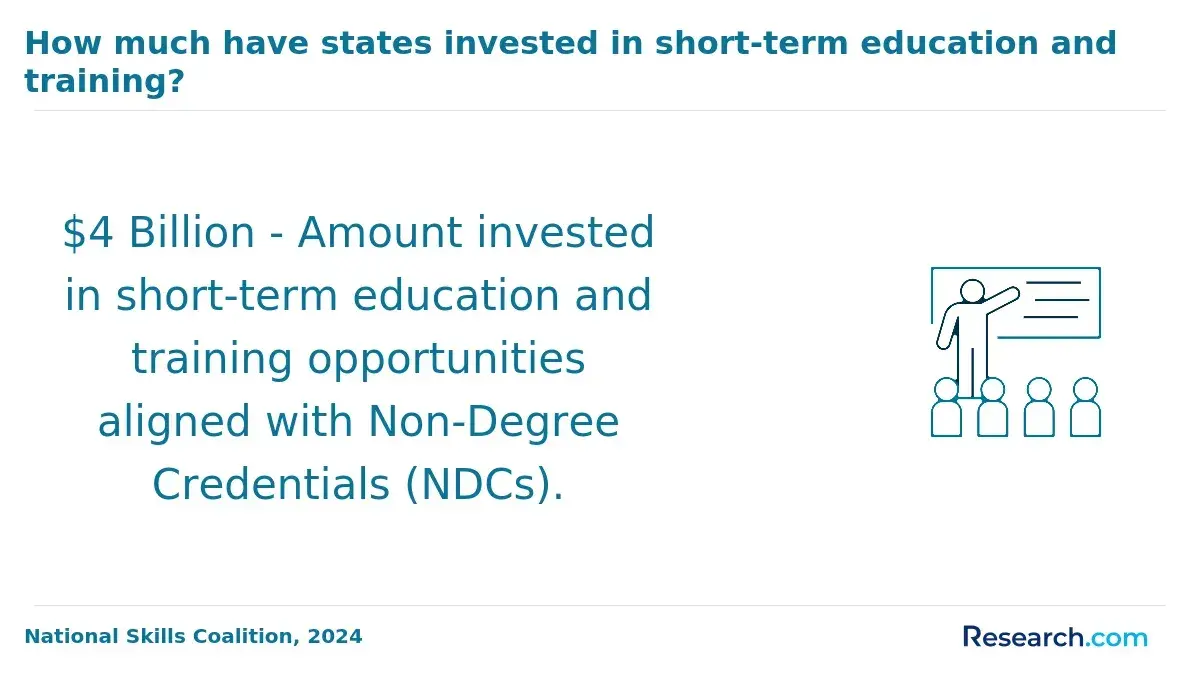
Accreditation significantly impacts eligibility for professional licensure in digital media by verifying that educational programs adhere to established quality standards. Graduates from accredited digital media programs tend to have about a 20% higher pass rate on licensure or certification exams compared to those from non-accredited institutions. The following accreditations are particularly recognized for supporting licensure qualifications in this field.
- National Association of Schools of Art and Design (NASAD): NASAD accreditation is highly regarded for visual arts and digital media programs, emphasizing rigorous curricular standards and ethical practices that align closely with licensure expectations.
- Middle States Commission on Higher Education (MSCHE): MSCHE accredits entire institutions regionally, signaling comprehensive institutional quality that meets licensing board requirements for educational standards in digital media.
- Southern Association of Colleges and Schools Commission on Colleges (SACSCOC): This regional accreditor covers institutions in the southern U.S., and its accreditation underpins credibility and licensure pathways for digital media graduates from that geographic area.
- Accrediting Council for Independent Colleges and Schools (ACICS): ACICS provides accreditation for various career-oriented digital media programs, and while its recognition varies nationally, some states accept these degrees for licensure eligibility.
- Council for Higher Education Accreditation (CHEA): Although not an accreditor itself, CHEA endorses legitimate accrediting organizations, ensuring that programs accredited by CHEA-recognized bodies are widely accepted for licensure purposes.
State regulations strongly influence whether graduates of online and traditional digital media programs qualify for professional licensure. Nearly 34% of professional licenses demonstrate limited portability, with requirements varying significantly between states. This inconsistency affects how online degrees are recognized and can impact graduates' ability to practice across state lines. The following discussion explores these disparities in licensure eligibility.
Licensure requirements for digital media careers differ widely by jurisdiction, often shaping educational prerequisites and program approvals. Some states demand specific coursework, minimum credit hours, or prefer degrees from particular types of accredited institutions. These varying state licensing regulations for digital media professionals mean that an online program accepted in one state might not satisfy another's criteria. Prospective licensees must review each state's standards carefully to verify their degree meets the necessary conditions for licensure. In related fields, such as online clinical mental health counseling, this state-by-state variability similarly influences educational requirements and professional eligibility.
Online coursework for digital media degree programs is carefully designed to fulfill the educational criteria necessary for professional licensure. Around 75% of students in online programs complete classes aligned with licensure standards, underscoring the importance of well-structured curricula. The following outlines common course categories that support licensure eligibility in these programs.
- Foundational Theory: These classes introduce core principles of media, communication models, and digital media history. This knowledge base is essential for understanding industry practices and regulations tied to licensure.
- Applied Practice: Hands-on courses focus on multimedia production, graphic design, and web development. Demonstrating technical skills through projects in these areas is often a key licensure requirement.
- Professional Ethics: Coursework covers ethical considerations such as content accuracy, privacy issues, and intellectual property rights. Ethical training ensures that licensed professionals maintain recognized standards of conduct.
- Research Methods: These courses develop the ability to analyze data, spot media trends, and apply evidence-based decisions. Research skills contribute to continuous professional growth and licensure maintenance.
When discussing course requirements, a professional with a digital media degree shared her experience navigating the path toward licensure. She recalled feeling overwhelmed initially by the detailed expectations but found that the curriculum's balance of theory and practical assignments helped build confidence. "The ethics module was particularly eye-opening," she noted, emphasizing how it shaped her approach to responsible content creation. She also mentioned the value of research classes, which equipped her to adapt in a rapidly evolving field. Overall, she regarded the licensure-focused coursework as instrumental in preparing her for the challenges of a professional digital media career.
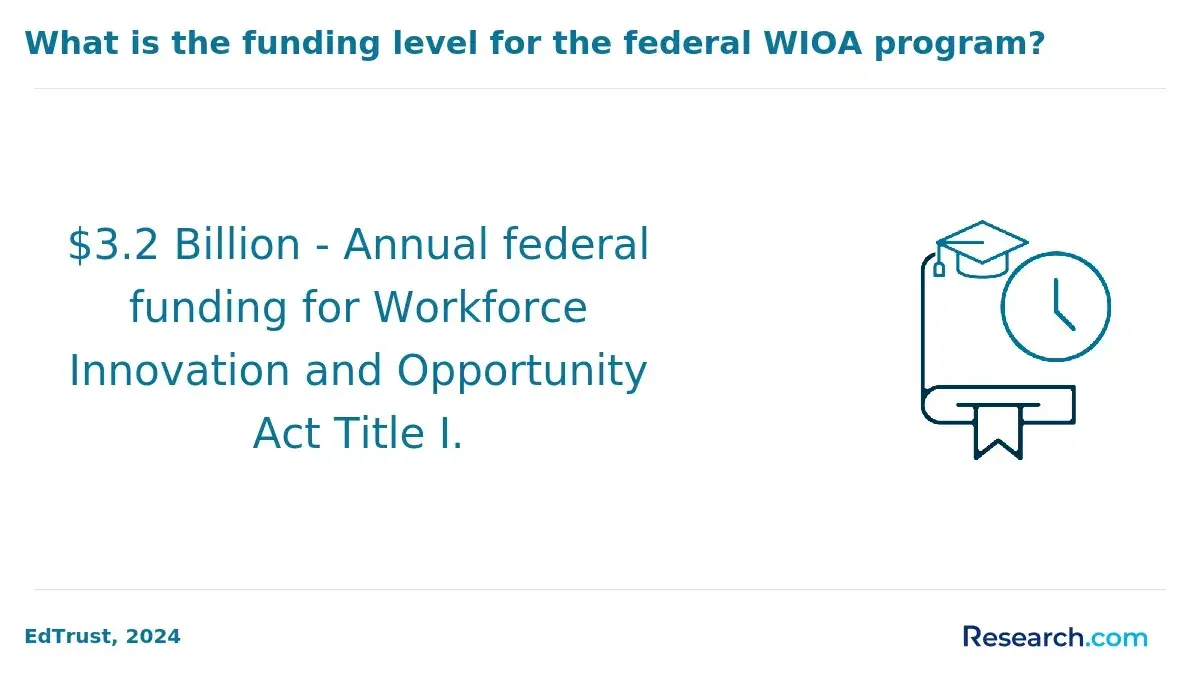
Internship or hands-on experience requirements are commonly embedded within online digital media programs that aim to align with professional licensure standards. Recent studies show that around 60% of online and hybrid creative or communication degree programs include some form of experiential learning, such as internships or collaborative projects. This indicates that practical experience is valued for skill development and job readiness, even if it is not always a strict graduation requirement. Given this context, the role of internships in licensure-related digital media degrees deserves close examination.
The necessity of internships often depends on the specific design of the digital media program and the licensure expectations tied to the intended career path. Rather than merely serving as administrative placements, internships focus on applied learning to enhance competencies and professional growth. Some programs make internships mandatory to ensure students gain real-world experience, while others treat them as optional opportunities or substitute virtual projects to meet experiential learning goals. Ultimately, such experiences support skill acquisition more than directly satisfying formal licensure criteria.
Licensing exams serve as a standardized assessment of competency for both online and traditional digital media graduates seeking professional licensure. Approximately 75% of candidates with online degrees pass these exams on their first attempt, reflecting the effectiveness of online education in preparing students. These exams evaluate whether graduates meet industry standards and possess the skills necessary for professional practice. Key aspects of the licensing exam process for online graduates include:
- Eligibility Requirements: Candidates must meet specific educational prerequisites, which many accredited online digital media degree programs satisfy. This eligibility allows graduates to register for licensure exams without distinction from traditional students.
- Exam Content: The exams typically cover both theoretical knowledge and practical skills in areas such as technical proficiency, design principles, software applications, and ethical standards relevant to digital media professions.
- Preparation Resources: Graduates often prepare using practice tests, exam guides, and review courses tailored to licensure requirements. Many of these materials are conveniently available online, supporting remote learners.
- Testing Administration: Exams are administered either at authorized testing centers or via secure online proctoring platforms, offering flexibility to accommodate different needs and locations.
- Pass Rates: Success rates indicate that online graduates perform comparably to traditional students, with about three-quarters passing on their initial attempt, underscoring the adequacy of online degree preparation.
Verifying an online digital media program's alignment with professional licensure requirements is a critical step for students aiming to ensure their degree qualifies for certification. Research shows that up to 30% of students enroll without confirming their program's licensure status, potentially limiting their career options. Below are essential strategies for students to verify program licensure eligibility before committing.
Official Program Disclosures: Begin by examining disclosures provided by the institution. These often explicitly state whether the program meets eligibility criteria for professional licensure, helping students verify that the course of study supports licensure pathways.
Institutional Recognition: Confirm that the school offering the online program holds accreditation and recognition from regional or national education authorities. This recognition is a fundamental indicator that the program meets baseline standards for licensure qualification.
Licensing Board Guidance: Review broad requirements from relevant licensing boards to see how the digital media degree aligns with general licensure standards. Though board specifics vary, many provide accessible guidelines outlining educational prerequisites for licensure.
Program Outcomes: Check for transparent reporting of graduate success, certification eligibility, and licensure rates. Programs that openly share outcome data demonstrate a commitment to preparing students for licensure challenges and career advancement.
Advisory Support: Engage academic advisors or licensing experts affiliated with the program to address uncertainties about licensure status. These professionals can confirm if the curriculum meets the essential benchmarks for professional licensure consideration.
For students exploring options, researching a fast track construction management degree can offer insights into how accelerated online programs manage accreditation and licensure pathways effectively.
Licensure pathways for online digital media students are often more complex due to varying state requirements and program differences that affect eligibility. Data from a recent national survey revealed that only 58% of online degree holders in creative and technical fields have clear access to licensure or certification processes, compared to 75% of on-campus peers, underscoring significant credentialing barriers. These challenges influence whether an online digital media degree meets professional licensure criteria in the United States.
- Varied Program Expectations: Licensing authorities impose diverse requirements that online programs may not fully address. This inconsistency can create difficulties for students trying to prove their education aligns with specific licensure standards.
- Documentation Requirements: Online students often struggle with providing acceptable proof of coursework, practical hours, or project completion. Different institutions and delivery methods complicate meeting standardized documentation formats needed by licensing bodies.
- Professional Standards Alignment: Many online digital media curricula lack emphasis on competencies or practical experiences essential for licensure eligibility. This gap risks additional educational mandates after graduation.
- Complex Eligibility Pathways: State licensure rules vary widely, requiring students to research how their degree origin and course content fit into each jurisdiction's criteria. Lack of explicit guidance from agencies adds to the confusion.
Those exploring advanced education may consider programs like the fastest MBA program to complement their credentials and improve professional opportunities. Understanding licensure eligibility issues for online digital media degree graduates remains essential for planning a successful career path.
Perceptions of online education within licensed fields have shifted considerably, with increasing recognition of its legitimacy. A 2023 study by the National Association of Colleges and Employers reported that 78% of employers now regard online degrees from accredited institutions as comparable to traditional degrees. This growing acceptance reflects broader changes in professional attitudes toward digital credentials. Such trends pave the way for a closer examination of whether an online digital media degree meets licensure standards in the United States.
Respect for online digital media degrees in licensed professions largely depends on the quality of the program, its learning outcomes, and graduates' proven competencies rather than the mode of delivery. Licensed professions focus on the actual skills and knowledge acquired, meaning whether the education is online or in-person, the degree must effectively prepare students for professional expectations. The trend toward professional acceptance acknowledges that well-structured online programs can offer rigorous and substantive training. For those exploring licensure paths, researching the reputation of specific online options, such as online math degree programs, can offer helpful insight into the legitimacy of digital credentials.
What Graduates Say About Online Digital Media Degree Licensure Qualifications
- Allana: "Choosing to pursue an online digital media degree was a strategic move for me, especially since I was unsure about whether it would qualify for licensure. I discovered that while some states recognize these degrees for licensure purposes, it often depends on the specific requirements of the licensing board. Overall, earning my online degree gave me the flexibility to balance work and study, and it definitely opened doors to professional certifications that enhanced my career."
- Erik: "Going through the licensure process with an online digital media degree was an eye-opening experience. I learned that the acceptance of online degrees varies widely depending on geographic location and the field of specialization within digital media. My reflective takeaway is that anyone considering this path should thoroughly research their state's licensure prerequisites beforehand, but for me, the degree ultimately provided a solid foundation and credibility in my professional work."
- Landon: "From a professional standpoint, holding a licensure linked to my online digital media degree has significantly impacted my credibility and employability. Pursuing licensure was a deliberate decision to set myself apart in a competitive market, and the online coursework did not limit my eligibility. I recommend others consider how licensure can complement an online digital media degree, as it has elevated my career and given me greater access to advanced projects."
Other Things You Should Know About Digital Media Degrees
In 2027, online digital media degrees may help satisfy educational prerequisites for licensing, but specific requirements vary by jurisdiction. Licensure typically requires a combination of formal education, practical experience, and often continuing education. It's crucial to confirm guidelines with relevant licensing boards.
State licensing boards, not professional associations, issue any digital media-related license in 2027. In most states, the relevant agency is the board for graphic design, advertising, or communications, and applicants must meet that board’s education, exam, and fee requirements before licensure is granted.
Licensure often mandates a combination of formal education and practical work experience. Online digital media graduates may need to document supervised experience hours or portfolio work. This experiential component is essential to demonstrate applied competence beyond academic credentials.
Licensing bodies generally focus on the content and quality of education rather than whether it was delivered online or in person. As long as the online program meets accreditation and curriculum standards, it is typically considered equivalent. Applicants should provide official transcripts and program details when requested.
- Retail Media Certification Programme - IAB Europe https://iabeurope.eu/retail-media-certification-programme/
- The Ismaili https://the.ismaili/us/en/news/looking-to-develop-your-skills-in-digital-media
- Free Online Digital Media Courses | Alison https://alison.com/tag/digital-media
- Qualifications for a Career in Digital Marketing - MMC Learning https://mmclearning.com/careers/what-qualifications-do-you-need-for-a-career-in-digital-marketing/
- System KWALIFIKATOR https://nawa.gov.pl/en/recognition/system-kwalifikator
- Digital Media https://www.dowjonesnewsfund.org/college-student-program/digital-media-internship/
- The Rising Credentials Required to Pursue a Media Career https://www.honorsociety.org/articles/rising-credentials-required-pursue-media-career
- Preparing for a Career in Digital Media https://www.studyusa.com/en/a/81/preparing-for-a-career-in-digital-media
- Certificate in Licensing Digital Content https://www.copyrightlaws.com/certificate-in-licensing-digital-content/
- Digital Media Sales - IAB Certification https://iabcertification.com/digital-media-sales/