2027 Different Types of Marine Science Master's Degrees: Specializations, Careers, and Salaries

Co-Founder and Chief Data Scientist
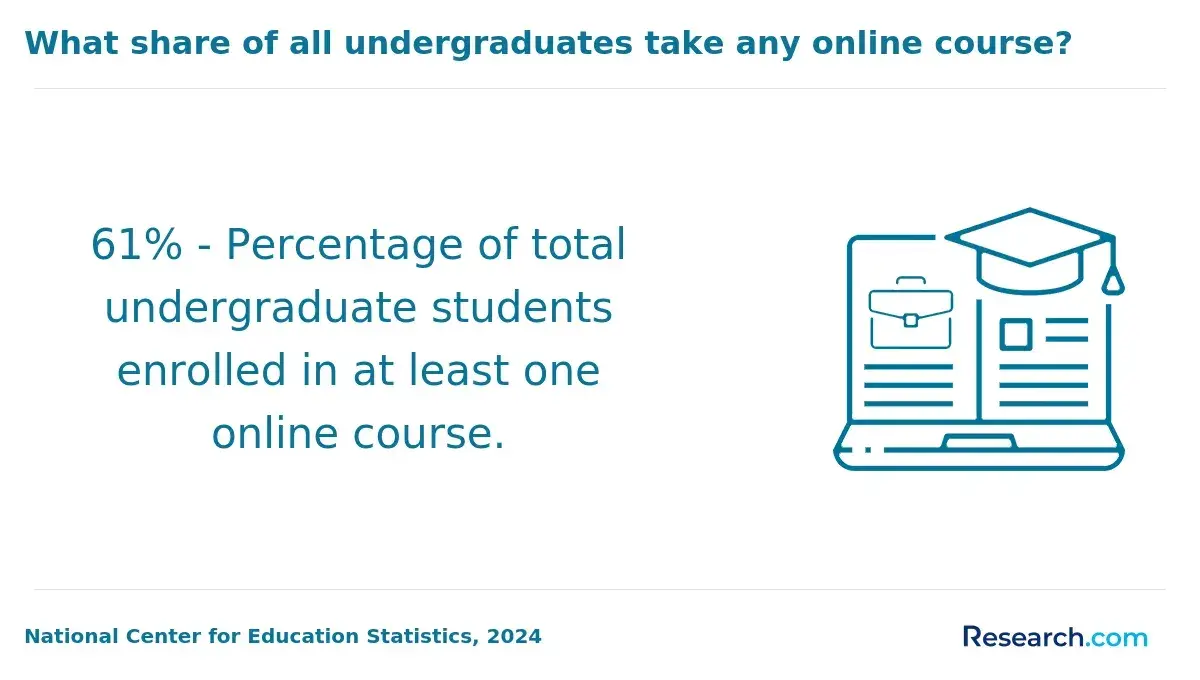
Choosing the right marine science master's degree can be daunting, especially as the field diversifies rapidly. Recent data shows that online enrollment in marine science graduate programs has grown by over 35% in the last five years, reflecting rising demand among working adults and career changers. Yet, 42% of prospective students struggle to match specializations with career goals and salary expectations.
Confusion about program focus and labor market outcomes hinders informed decisions. This article clarifies various marine science master's degree specializations, career paths, and salary ranges, helping readers align their education choices with professional ambitions and financial returns.
Key Points About the Different Types of Marine Science Master's Degrees
- Many online marine science master's programs offer streamlined admissions, often requiring only a bachelor's degree and minimal prerequisite courses, reflecting a 15% rise in accessible graduate program enrollments since 2018.
- Flexible online learning formats allow students to balance studies with professional commitments, supporting a 25% growth in part-time marine science master's degree seekers over the past five years.
- Graduates commonly see high earning potential, with median salaries exceeding $75,000, driven by increasing demand for marine science experts in environmental consulting and resource management sectors.
What Are the Different Types of Marine Science Master's Degrees Available?
Choosing the right marine science master's degree program can significantly impact your career path and outcomes. Different types of marine science master's degree programs offer varied approaches, ranging from a deep research focus to practical application. Knowing these main categories helps align your education with your professional goals and interests.
Here is a brief overview of the primary master's degree categories:
- Master of Science (MS): This academic degree emphasizes research, data analysis, and theoretical foundations. It often requires a thesis and includes extensive laboratory or fieldwork, making it ideal for those aiming for scientific research or doctoral studies.
- Master of Arts (MA): Typically more professionally oriented, the MA focuses on applied skills and problem-solving in real-world contexts. It suits students pursuing careers in environmental management, policy, or education with fewer or no thesis requirements.
- Master of Business Administration (MBA): Combining business acumen with environmental topics, an MBA prepares graduates for leadership roles in marine-related organizations or industries. Programs like the most affordable online MBA can be attractive to working adults seeking flexibility alongside career advancement.
- Master of Public Health (MPH): When focused on marine-related health issues, this degree supports careers at the intersection of public health and environmental science, addressing challenges such as pollution and ecosystem impacts on human well-being.
According to the National Center for Education Statistics (NCES), about 69% of graduate students in science and engineering fields pursue a research-focused master's degree. This highlights the strong preference for advanced research training. Exploring marine science master's degree specializations and career paths can help prospective students choose programs that align with their interests and budget while aiming for high-paying careers.
What Specializations Are Available in Marine Science Master's Degrees?
Students selecting a marine science master's degree benefit from knowing how their specialization aligns with career paths for marine science graduates and industry demand. Employment for environmental scientists and specialists, including many in marine science, is projected to grow 5% through 2032, with median salaries increasing due to expanded ocean conservation and climate research efforts.
Below are some popular and in-demand specializations that reflect these trends:
- Marine Ecology: Focuses on interactions between marine organisms and their habitats, preparing graduates for roles in conservation, habitat restoration, and environmental assessment with nonprofit or governmental sectors.
- Oceanography: Covers the physical, chemical, and biological aspects of oceans, supporting careers in research institutions, policy development, and technological innovation related to ocean systems.
- Marine Biotechnology: Integrates biological techniques to create pharmaceuticals, environmental sensors, and biofuels, bridging marine science with healthcare and emerging tech industries.
- Fisheries Science: Emphasizes sustainable management of aquatic resources, relevant to businesses and regulatory organizations focused on maintaining fish populations and industry operations.
- Marine Policy and Management: Combines scientific knowledge with legal and economic frameworks, ideal for those aiming to impact ocean governance and advocacy efforts.
Many students explore FAFSA-approved online certificate programs as flexible options to supplement their master's degrees or gain specialized skills within the vast field of marine science.
How Long Does It Take to Complete Each Type of Marine Science Master's Degree?
Time management is crucial when pursuing a master's degree in marine science, especially for those aiming at high-paying roles. Completion timelines vary widely by program type and format, with some degrees taking significantly longer than others.
National data reveals that acceptance rates can be as low as 20 percent, underscoring the competitive nature of these programs. Here are key factors influencing how long the degree takes to complete:
- Thesis vs. non-thesis tracks: Thesis-based programs typically require two years or more due to extensive research and a formal thesis defense. Non-thesis or professional master's degrees often focus on practical skills and can be completed in about one year if studying full-time.
- Program format: Full-time students usually finish within one to two years, while part-time enrollment, common among working professionals, can extend to three or more years. Online and hybrid programs offer flexible pacing to accommodate different schedules.
- Specialization and fieldwork: Programs with intensive fieldwork, internships, or hands-on components may demand additional time beyond classroom instruction, affecting overall duration.
A graduate I spoke with reflected on their experience, noting how balancing coursework with research was both demanding and rewarding. They mentioned that while their thesis-based program extended over nearly two years, the process taught them invaluable project management and analytical skills.
Despite occasional stress, completing the thesis "felt like a significant personal and professional milestone." This emphasizes the importance of persistence and time commitment in this academic path.
Duration matters significantly for students seeking a fast-track marine science graduate degree because quicker completion enables earlier entry into the workforce, where experience and timing often influence career opportunities. Accelerated programs help meet this need by offering various strategies that reduce the traditional timeline.
Below are key approaches these programs use to shorten degree completion time:
- Heavier course loads: Students take a larger number of credits each term, including summer or winter sessions, which reduces breaks and accelerates progress through the required curriculum.
- Year-round classes: Instead of following the typical academic calendar, classes are offered continuously throughout the year. This approach allows students to enroll in successive terms without interruption, speeding up degree completion.
- Combined bachelor's-master's pathways: These integrated programs enable students to begin graduate-level coursework while still completing undergraduate studies, effectively shortening the time required to earn both degrees.
- Support for working students: Programs often provide flexible scheduling and resources to help students balance professional and academic commitments, making accelerated pathways more accessible for career changers and working adults.
Accelerated marine science master's degree programs are particularly suitable for those motivated to quickly acquire advanced skills and credentials to enter high-demand, well-paying roles in environmental consulting, research, or policy. For prospective students comparing costs and formats, it may also be useful to explore options like an online business degree program to align educational goals with budget and career plans efficiently.
Many students wonder if online and on-campus marine science master's programs differ in academic rigor, especially due to hands-on requirements in this field. Student satisfaction rates for online marine science courses typically range from 70% to 80%, reflecting mixed experiences with online learning environments.
- Accreditation: Accredited online degrees maintain the same quality standards as traditional programs, which is essential for credibility. This ensures employers view online credentials as legitimate and comparable to those earned on campus.
- Employer Acceptance: Approximately 85% of employers recognize online graduate degrees from accredited institutions as equally credible. This acceptance increases the degree's value in competitive job markets.
- Flexible Learning Benefits: Online programs provide advantages like self-paced study, reduced commuting, and easier access to digital resources. These factors appeal to working professionals and international students who need adaptable schedules.
- Challenges in Practical Training: Some students face limited hands-on lab work and fewer direct interactions with faculty, which can hinder skill refinement. Programs often attempt to mitigate this with virtual labs or optional on-site components.
A graduate of an online marine science master's program shared his perspective: "Choosing an online path allowed me to balance my job and studies without the stress of daily commutes. Although I missed some face-to-face labs initially, the program included intensive summer field workshops that helped me gain real-world experience.
It wasn't always easy managing deadlines independently, but having access to extensive digital materials and responsive instructors made the process smoother. In my opinion, the online degree held just as much weight as a traditional one, especially since it opened doors to my current research role."
Knowing the tuition costs of master's degree programs is crucial for students aiming to balance educational goals with financial realities. Tuition can vary widely based on institution type, delivery format, and program specifics. Recent data indicate that total tuition for marine science master's programs commonly ranges from $15,000 to $45,000, with per-credit costs between $500 and $1,200.
Key factors affecting these expenses include the nature of the program and associated fees, as summarized below:
- Institution type and tuition range: Public universities generally offer lower tuition than private ones, with prices at the lower end of the range more typical at public institutions. Private universities or specialized research programs tend to charge more, reflecting additional resources and faculty expertise.
- Online versus hybrid programs: Fully online degrees often cost less since they eliminate on-campus expenses. Hybrid programs, which include in-person labs or fieldwork, usually have added fees to cover facility use, raising overall tuition toward the higher end.
- Program length and credit requirements: Programs requiring fewer credits or designed for accelerated completion are typically cheaper. Longer programs or those featuring internships, research projects, or comprehensive fieldwork increase tuition due to extra credits and associated costs.
- Additional fees and materials: Beyond tuition, students may encounter charges for lab equipment, fieldwork supplies, or technology access. These can add significantly to total expenses, sometimes offsetting savings from reduced tuition.
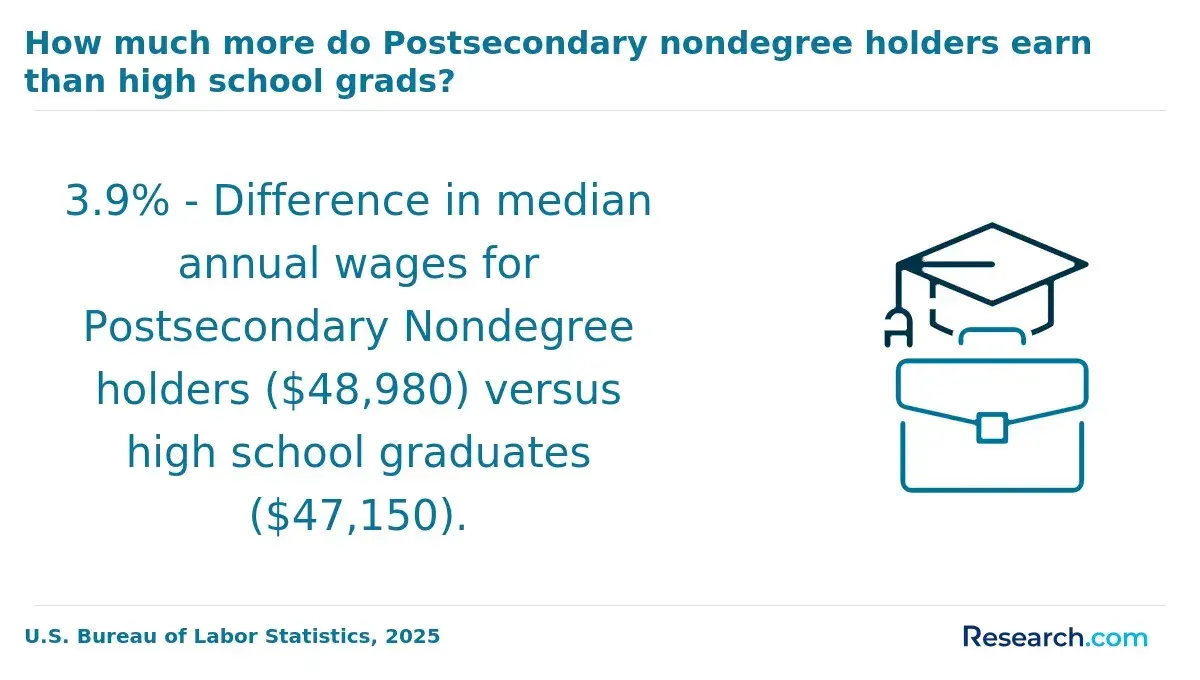
For prospective students considering a marine science master's degree, understanding potential career paths and job outlook is essential. This knowledge helps align educational choices with long-term professional goals, especially as leadership and specialized roles often require advanced degrees. According to the U.S. Bureau of Labor Statistics, environmental scientists and specialists with relevant graduate education earn a median annual wage of nearly $79,000, with senior positions exceeding $120,000.
Below is an overview of common career options tied to specific marine science master's degree specializations:
- Marine Biology Roles: Graduates focused on marine biology often pursue careers as marine biologists, aquarium curators, or wildlife conservationists. While entry-level opportunities may accept a bachelor's degree, a master's is frequently required for research and leadership positions within environmental agencies or academic institutions.
- Oceanography and Marine Geology Careers: Those specializing in oceanography or marine geology typically become oceanographers, environmental consultants, or coastal planners. These roles emphasize technical expertise, with advanced degrees preferred for consulting and government advisory jobs, which also offer increased leadership potential in project management or policy development.
- Marine Policy and Management Paths: Students concentrating on marine policy or management often find roles in environmental law, resource management, or advocacy organizations. Combining a master's degree with law or public administration qualifications can enhance career flexibility and salary prospects, especially in management and strategic planning.
- Salary and Employer Expectations: Employers in public and private sectors increasingly view a marine science master's degree as crucial for supervisory and impactful roles. Career advancement and higher salaries frequently correlate with graduate-level education, making it a valuable step for those aiming for senior-level responsibilities.
Prospective students with diverse interests and backgrounds may also explore additional fields to complement their marine science master's degree. For example, working adults pursuing an online masters in marriage and family therapy can gain interdisciplinary skills that enhance career opportunities in environmental and social sectors.
Salary ranges are a crucial factor for prospective students pursuing a master's degree in marine science, as they indicate potential return on investment and career opportunities. These earnings can vary significantly depending on specialization, geographic location, and industry demand.
Generally, marine science professionals with master's degrees earn between $50,000 and $90,000 annually, but these figures fluctuate based on field and experience. Below are key reasons why salaries differ across specializations and sectors:
- Specialization impact: Average earnings for different types of marine science master's degrees show distinct variations. Careers focused on marine conservation and policy often lead to nonprofit or government roles, typically offering starting salaries between $50,000 and $65,000. In contrast, fields like marine biotechnology and ocean engineering tend to provide higher-paying positions in private industry, sometimes exceeding $90,000.
- Geographic location: Salaries usually reflect regional demand and available resources. Coastal urban areas with active marine research institutions and industries often offer better compensation than inland or remote regions, where fewer opportunities exist.
- Experience and leadership: Entry-level professionals generally earn less, while senior scientists and project managers command significantly higher pay due to their expertise and responsibilities.
- Industry demand fluctuations: Environmental challenges and technological advances influence which marine science specializations are in demand, affecting salary trends accordingly.
Students aiming for a master's in marine science should consider these factors when balancing passion and financial goals. For those exploring further educational paths in related fields, resources like PsyD programs provide valuable insights into diverse career outcomes.
Pursuing a master's degree in marine science involves weighing several critical factors to ensure the program aligns with your professional aspirations and personal circumstances. Selecting a program that fits your budget, time availability, and career objectives can greatly influence your success and return on investment.
Consider the following key elements as you evaluate your options:
- Career alignment: Identify programs that offer coursework and practical experiences tailored to your long-term goals. Choosing specialties linked to in-demand marine science careers can improve job prospects and salary potential after graduation.
- Cost and financial planning: Compare tuition rates, fees, and available financial aid options. Balancing affordability with program quality helps maximize your investment without compromising educational value.
- Time commitment and flexibility: Look for programs that accommodate your schedule, whether through part-time, full-time, or accelerated tracks. Flexibility is especially important for working professionals and those managing family or other obligations.
- Program format and support services: Online programs should provide seamless access to learning platforms, dedicated academic advising, and virtual resources like writing centers and research help. These support structures enhance learning and increase completion rates.
- Accreditation and reputation: Verify that the program holds recognized accreditation, which ensures academic standards and facilitates professional recognition. Employers often prefer degrees from accredited institutions for marine science roles.
- Networking and professional development: Opportunities for interaction with faculty and peers through discussion boards, webinars, and collaborative projects are vital. Networking builds connections that can lead to internships, research opportunities, and career advancement.
Selecting the right marine science master's program is crucial for those aiming to build a successful and fulfilling career in this field. The right choice can impact your professional trajectory, financial returns, and personal satisfaction.
Consider the following key factors when evaluating your options:
- Career advancement: A master's degree can open doors to specialized roles in research, environmental policy, and resource management that may not be accessible with only a bachelor's degree. These opportunities often come with increased responsibilities and leadership potential.
- Salary growth: Earning a graduate degree generally correlates with higher earning potential over time, but initial education costs should be weighed against expected salary increases specific to marine science sectors.
- Industry expectations: Some employers value practical experience or doctoral qualifications more highly for advanced research roles, so understanding sector-specific requirements is essential.
- Personal fulfillment: Aligning your education with your passion for marine ecosystems ensures long-term motivation and satisfaction beyond financial rewards.
- Job market factors: Geographic location and current demand for marine science professionals influence job availability and stability, which are important for evaluating return on investment.
What Graduates of Marine Science Master's Degree Programs Say About Their Specialization, Career, and Salary
- Zara: "Getting accepted into the marine science master's program was a dream come true for me, especially after dedicating years to volunteering in coastal conservation. The cost was definitely an investment, around $30,000 for the entire program, but it was worth every penny. Since graduating, I've seen my salary double and have landed a position with a leading environmental agency. "
- Amir: "Reflecting on my journey, enrolling in a marine science master's degree program was a pivotal decision. It was challenging to secure funding, given the average cost of attendance nearing $28,000, but I managed through scholarships and part-time work. This degree opened doors to advanced research roles, significantly boosting both my expertise and earning potential."
- Matthew: " My path to a marine science master's was very strategic; I chose a program that balanced quality education with affordability, costing about $25,000 total. The professional growth I've experienced post-degree is remarkable, moving into managerial roles within marine conservation and seeing corresponding increases in my salary. I highly recommend the program to those serious about a career in marine science. "
Other Things You Should Know About Marine Science Degrees
Yes, a marine science master's degree can open doors to careers beyond research, including environmental consulting, policy analysis, marine resource management, and education. Graduates may work with government agencies, non-profits, or private companies addressing marine environmental issues or advising on sustainable practices. This flexibility allows graduates to apply their expertise in diverse professional settings.
Most marine science master’s programs require a thesis or capstone plus 30 to 36 credit hours. Thesis tracks usually involve an approved research proposal, field or lab work, and a final defense before a faculty committee. Non-thesis options often replace the defense with a project report or internship.
- (PROGRAMME) MSc in Maritime Affairs (Malmö) https://wmu.se/programmes/msc-malmo
- Career Options in Marine Science https://www.fit.edu/your-college-decision/careers-options-in-marine-science/
- Top 15 Highest Paying Marine Biology Jobs in 2025 (UK & US Salaries Guide) https://apexlearning.org.uk/highest-paying-marine-biology-jobs-2025/
- Marine Science, Master's Programme https://www.gu.se/en/study-gothenburg/marine-science-masters-programme-n2mav
- Top 5 Master Programs in Marine Sciences https://www.blue-jobs.com/blog/top-5-master-programs-in-marine-sciences/
- Career Outlook https://www.marinecareers.net/resources/career-outlook
- How to find the right master program? https://whalescientists.com/how-to-find-the-right-master-program/
- Marine Conservation Jobs | Ultimate Guide | Conservation Careers https://www.conservation-careers.com/marine-conservation-jobs/
- Marine Biology Degree Programs Worldwide | MarineBio Conservation Society https://www.marinebio.org/careers/international-schools/
- Top 10 Highest Paying Marine Biology Jobs 2025 (Inc Salaries) | Nexford University https://www.nexford.edu/insights/highest-paying-marine-biology-jobs