
2027 Credit Requirements for an Information Security & Assurance Degree Explained

Co-Founder and Chief Data Scientist
Many students aiming for a degree in information security & assurance struggle to understand the exact credit requirements to graduate, causing delays and extra costs. According to the National Center for Education Statistics, cybersecurity-related programs have grown by over 35% in enrollment between 2015 and 2022, reflecting rising demand for qualified professionals. However, unclear credit structures and transfer policies can hinder timely completion.
This article clarifies typical credit requirements, explains transfer policies, and offers academic planning strategies to help students navigate their information security & assurance degree efficiently and graduate on schedule.
Key Things to Know About Credit Requirements for Information Security & Assurance Degrees
- Information security & assurance degrees typically require a multi-year commitment, balancing general education and specialized courses to build comprehensive expertise.
- Transfer credits or prior learning assessments can reduce required coursework, accelerating degree completion and reducing overall educational expenses.
- Credit distribution influences academic progression pace, affects tuition costs, and determines timelines for entering the cybersecurity workforce, where demand is growing rapidly.
How Many Credits Are Required for a Information Security & Assurance Degree?
Knowing the credits needed for information security and assurance degree completion is essential for effective academic planning and estimating the time required to graduate. These credit expectations directly influence course load per semester and help students manage their progress toward career goals. Below is an overview of typical credit requirements by degree level.
- Bachelor's degree: Generally requires approximately 120 to 130 credits. These are divided among general education courses that build skills in communication and critical thinking, core major coursework focusing on foundational information security principles, and electives allowing some area specialization.
- Master's degree: Typically involves between 30 and 45 credits. Graduate credits concentrate on advanced study, research, and specialized topics such as risk management, cryptography, and network security strategies for a deeper expertise in the field.
The credit structure at all levels typically includes a mix of general education, core technical courses, and electives or research projects to meet program objectives. Understanding these details supports students in managing their degree requirements well.
Prospective students interested in related fields might also explore mba programs to complement or broaden their career pathways in technology and management.
How Many Core and Elective Credits Are Required for a Information Security & Assurance Degree?
Balancing core and elective credits is crucial for students pursuing an information security & assurance degree, as it directly impacts academic planning and career preparation. A well-structured course load ensures foundational knowledge while allowing flexibility to specialize in areas of interest. Notably, recent trends show that over 70% of students dedicate at least 20% of their coursework to electives, highlighting the growing emphasis on customizable education paths.
Typical credit distribution for the core and elective courses can be summarized as follows:
- Core Courses: Generally, these require between 60 to 75 credit hours and cover fundamental topics such as network security, cryptography, risk management, and ethical hacking. These courses develop the essential technical skills needed to address real-world security challenges and form the backbone of the information security and assurance curriculum.
- Elective Credits: Usually comprising about 15 to 30 credit hours, electives include specialized subjects like cloud security, digital forensics, and compliance frameworks. Electives offer opportunities for students to tailor their education to specific career goals or emerging industry trends, thereby enriching their expertise and job readiness.
Students aiming to complete their degree efficiently should also understand transfer policies, which vary by institution but generally allow some core and elective credits to be transferred, ensuring that previously earned credits can be applied towards degree completion. Those interested in additional flexibility or combining their degree with other fields might consider related opportunities highlighted by accredited online counseling programs.
Do Online Information Security & Assurance Programs Require the Same Number of Credits?
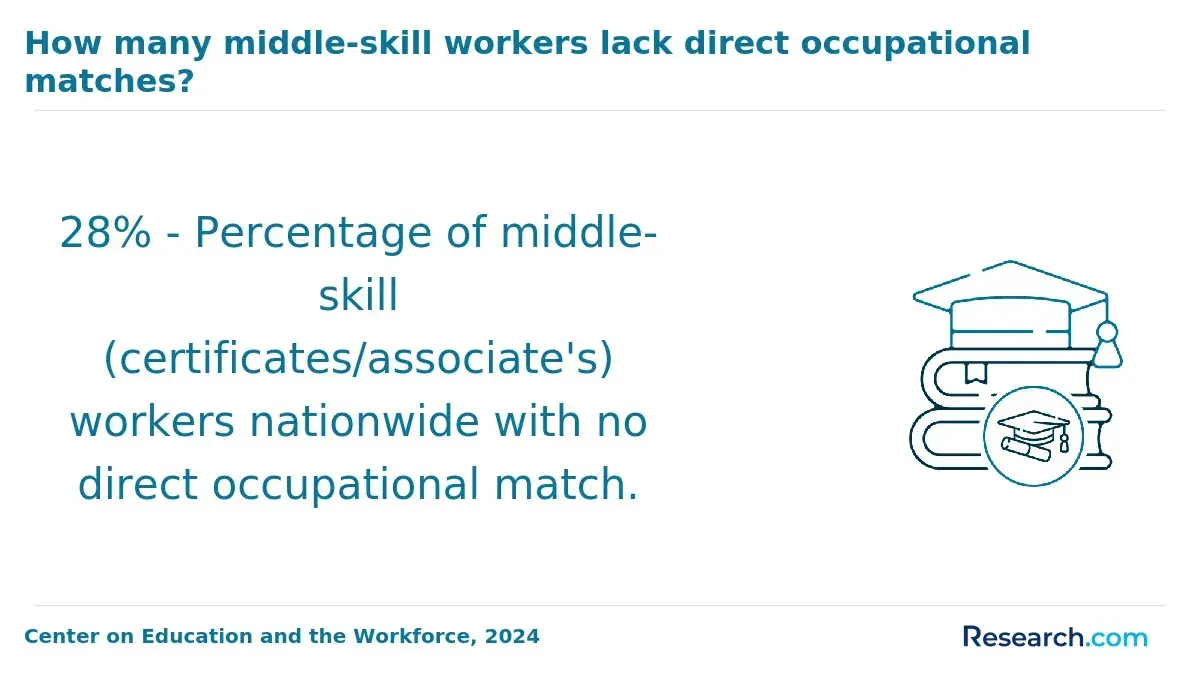
Knowing the credit requirements for online versus on-campus information security & assurance programs is essential for effective academic planning and program selection. This understanding enables students to gauge the time commitment and ensure their chosen format meets their educational goals. Notably, in 2023, over 40% of cybersecurity degrees were earned through primarily online pathways, reflecting growing acceptance of remote learning in this field.
Key points to consider include:
- Credit load equivalence: Online programs typically require between 120 and 130 credits, a range comparable to traditional on-campus degrees, ensuring an equivalent scope of study and qualification level.
- Course delivery differences: Online courses often utilize asynchronous formats, allowing students to progress at their own pace, which can alter workload management but does not reduce total credit requirements.
- Graduation timelines: Credit-based graduation schedules usually align with a four-year full-time framework regardless of delivery method, maintaining consistent expectations for degree completion.
- Transfer credits and flexibility: Transfer policies vary by institution, so verifying how prior coursework affects credit totals can be advantageous for reducing time to degree.
A graduate from an online information security & assurance program shared insights on hitting credit targets remotely. He described balancing work and studies with frequent asynchronous assignments, appreciating how flexibility helped him meet credit goals without sacrificing quality. He noted, "Completing the same credit requirements online felt rigorous but manageable, especially with the freedom to schedule coursework around my job." This balance of challenge and convenience highlights the practical benefits of online study in fulfilling standard credit obligations.
Knowing credit requirements is essential for students pursuing accelerated programs to graduate faster while ensuring they meet academic standards. This awareness helps with effective course planning and balancing other responsibilities.
Below are key points about credits in accelerated information security & assurance programs:
- Credit ranges: Accelerated undergraduate programs typically demand 120 to 130 credits, mirroring traditional degree totals but compressed into a shorter timeframe. Graduate-level studies generally require 30 to 36 credits, focusing on advanced, specialized topics within a quicker schedule.
- Credit distribution: Programs divide credits between core courses and electives. Core classes, covering fundamental cybersecurity and assurance concepts, usually make up about 70% of the credit load, while electives offer flexibility to explore areas like cryptography, risk management, or regulatory compliance.
- Accelerated pacing: These programs often shorten semesters or run continuously throughout the year, resulting in heavier weekly workloads. Students must be ready for concentrated study periods with limited opportunities for low-intensity semesters or extended breaks.
- Transfer credits: Many accelerated degrees permit prior college coursework or relevant certifications to count toward graduation credits. Early consultation with academic advisers maximizes this advantage, potentially lowering the total credits needed and expediting completion.
Grasping transfer credit policies is essential for students seeking to continue their education or accelerate degree completion in information security & assurance. Recent data reveals that approximately 35% of students in cybersecurity fields start at one institution and transfer credits to another, underscoring the need for awareness about credit acceptance. Here's a breakdown of typical transfer credit allowances across various degree levels:
- Associate degree transfer credits: These programs generally accept between 50% and 75% of credits earned at accredited institutions. Transferred credits often fulfill general education or elective requirements rather than specialized core courses.
- Bachelor's degree transfer credits: Typically, bachelor's programs allow 60 to 90 transferred credits. These credits may cover core, elective, or general education classes, providing flexibility in course planning.
- Master's degree transfer credits: Graduate programs usually impose stricter limits, accepting roughly 6 to 12 credits. These must be relevant graduate-level courses, often foundational classes related to information security & assurance.
- Professional and accelerated programs: These formats tend to allow fewer transfer credits and sometimes have specific restrictions based on the program's structure and pace.
- Doctoral degree transfer credits: Due to the advanced and original research focus, doctoral programs rarely accept transfer credits.
- Application of transfer credits: Transferred credits are most often applied toward general education or elective requirements, with core information security & assurance courses more rarely accepted in transfer.
In discussing these policies, a graduate of an information security & assurance degree shared her experience: she described the transfer process as "both confusing and hopeful." She recalled spending hours reviewing course equivalencies and seeking academic advising to ensure her credits would count. Although some core courses didn't transfer, she appreciated how electives and general education credits significantly reduced her workload. "It felt like solving a puzzle," she said, reflecting on her persistence to align past courses with degree requirements. Her journey highlighted the importance of patience and proactive communication with academic advisors when navigating transfer credits toward an information security & assurance degree.
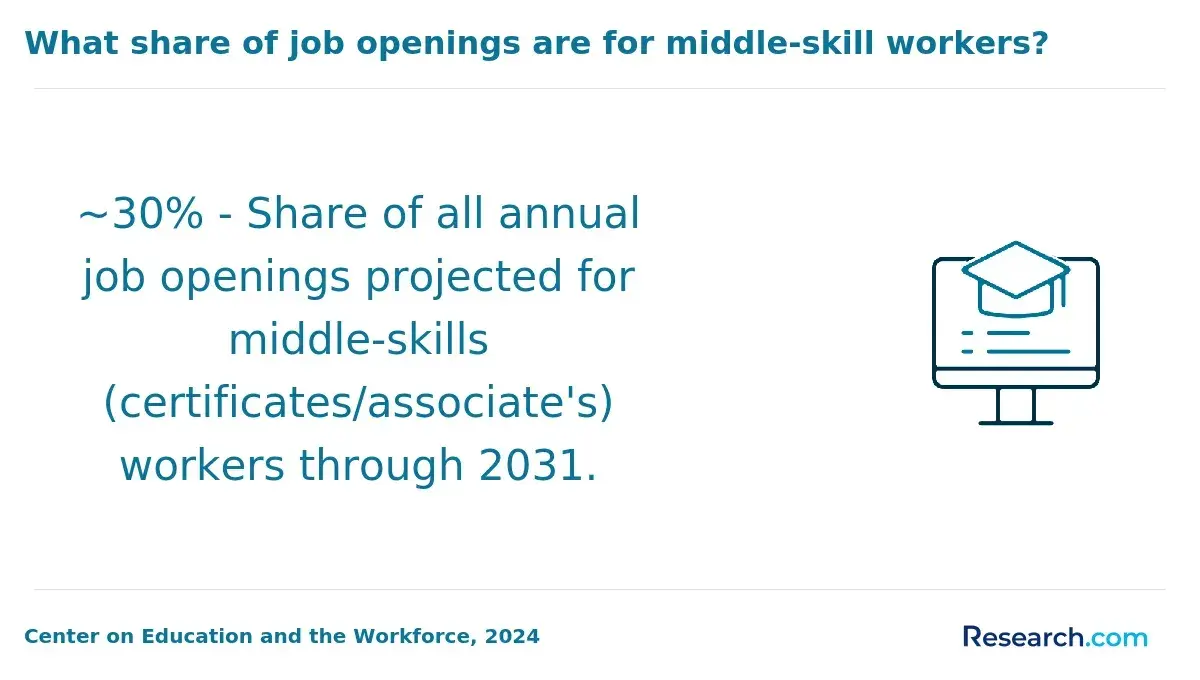
Prior learning assessment (PLA) offers a method for students to earn academic credit for relevant professional work experience outside traditional coursework. Typically, work experience eligible for PLA in information security & assurance degree programs includes roles related to cybersecurity operations, network security administration, risk management, incident response, and compliance auditing. The following points summarize key aspects of how work experience credits apply to these degree programs.
- Evaluation and Documentation: Universities assess work experience on a case-by-case basis, requiring detailed resumes, employer verification, and sometimes portfolios or exams. This thorough review ensures competencies align with the program's learning outcomes in order to qualify for prior learning assessment credit in information security degree paths.
- Credit Limitations: Most institutions limit PLA credits to about 30% to 50% of the total degree requirements, preventing excessive substitution for core coursework essential to the degree. This ensures students receive a comprehensive education while benefiting from their work experience.
- Impact on Degree Completion: Applying PLA credits can reduce time-to-degree and tuition costs by allowing students to bypass courses covering knowledge they've already mastered professionally. However, not all credits earned through PLA fulfill program core requirements, so students need to plan carefully.
- Strengthening Applications: Pairing professional certifications with work experience often strengthens PLA applications by providing clearer evidence of skills and knowledge relevant to the degree.
- Policy Variability: Since not all universities accept work experience credits, checking institutional policies is critical before relying on PLA to advance academic progress in an information security & assurance degree.
For students balancing career commitments, leveraging work experience credits through prior learning assessment offers a practical option to efficiently advance academic goals. Those exploring flexible degree completions might also find valuable information when considering online marriage and family therapy programs as an alternative path. Prospective learners should remember that carefully coordinating PLA credits with degree requirements is essential for a smooth graduation timeline.
Licensure requirements can influence the number of credit hours needed to earn an information security & assurance degree, though the impact varies by state and specific licensing boards. Many states do not require formal licensure for information security professionals; however, certifications such as CISSP (Certified Information Systems Security Professional) include educational and experience prerequisites that can affect degree planning. The inclusion of specialized coursework, practical experiences, or clinical hours to meet these professional benchmarks may increase total credit hours, thereby extending time-to-degree and potentially raising tuition costs. Students should be aware that the information security degree credit requirements for licensure may shape academic trajectories depending on regional rules and program design.
The relationship between licensure, accreditation, and credit requirements is key for degree alignment with industry standards. Accredited programs often ensure that courses like risk management, cybersecurity law, and ethical hacking are part of the curriculum to satisfy licensure and certification standards. Differences between online and campus-based programs also come into play; online degrees might offer flexible options to fulfill practicums remotely through partnerships, while campus programs typically provide direct lab access and internships for hands-on learning. These considerations factor into academic planning and can affect costs and schedules. Prospective students should review state-specific policies carefully, as aligning degree credits with licensure requirements supports smoother certification and improved career readiness despite added challenges. For those interested in how their degree might influence earnings, a good resource on what degrees make the most money can offer valuable insights.
A credit hour typically represents one hour of classroom instruction plus two hours of outside work each week for a term. Understanding credit hour calculations is essential for students planning a information security & assurance degree to manage their course load and progress efficiently toward graduation.
Lecture courses: These usually earn one credit hour per weekly classroom hour. Lecture credits form the core of the degree and reflect direct instructional time, building foundational knowledge required for the program.
Lab sessions and hands-on activities: These often require more clock hours for each credit due to practical work intensity. Labs enhance applied skills crucial in information security and typically count differently from lectures in credit calculation methods.
Practicums, clinicals, and internships: Credit is awarded based on actual hours spent under supervision in real-world settings. These experiential learning components contribute significantly to total credits and professional readiness.
Capstone or project-based courses: Credits are assigned according to the workload and deliverables needed to complete final projects, integrating knowledge from across the curriculum.
Credit calculation varies between undergraduate and graduate programs, with graduate courses often having more rigorous expectations per credit hour. Additionally, online programs may calculate credits differently, emphasizing learner outcomes and time on coursework rather than traditional classroom hours.
Students exploring the cheapest online college options to pursue a degree should consider how credit transfers and calculations align with their academic plans. For more guidance on affordable pathways, see cheapest online college.
Accreditation agencies oversee credit standards to ensure educational quality across institutions. Most undergraduate programs require about 120 total credit hours, typically completed through 12 to 15 credit hours each term.
Effective academic planning benefits from understanding information security degree credit calculation methods and how universities determine credits for information security degrees, ensuring steady progress and on-time graduation.
Information security & assurance degrees generally require between 120 and 150 total credits, encompassing core coursework, electives, and general education classes. This range is critical for students to gauge how long their academic journey might take. Several elements impact the speed at which students complete their programs, detailed as follows.
- Core credits: These foundational courses cover cybersecurity concepts, risk assessment, and regulatory compliance. Completing these mandatory classes on time is vital since they usually make up the largest portion of the degree.
- Elective requirements: Electives offer flexibility in specialization or personal interest, but selecting too many or poorly planned electives can prolong time-to-degree by increasing credit load or course sequencing challenges.
- Transfer credits: Students who bring in applicable credits from previous studies can lower total credit needs, effectively shortening the time needed to graduate in either online or campus settings.
- Accelerated formats: Some institutions provide condensed course schedules or intensive terms, allowing motivated students to complete requirements quicker than traditional pacing.
- Prior learning assessment: Evaluations of professional experience, certifications, or industry exams may grant academic credit. This recognition can reduce credit burdens and help students finish their degrees sooner.
Both online and face-to-face programs typically follow similar credit structures, but online options often allow more adaptable scheduling. This flexibility may enable students to enroll in more courses each term or continue studies year-round. Conversely, factors such as part-time study, course availability, and outside responsibilities can extend graduation timelines across all delivery methods.
Completing additional academic credits can sometimes enhance career progression, leadership prospects, and access to specialized or better-paying roles within certain sectors. However, the benefits vary and depend largely on the relevance and focus of those extra credits.
- Advanced Concentrations: Pursuing extra credits in areas like cybersecurity management or digital forensics deepens expertise, which may lead to higher-level positions and improved salary potential.
- Licensure and Certification Preparation: Additional coursework that readies students for professional exams often correlates with better job opportunities and earning outcomes.
- Technical Skill Enhancement: Credits focused on emerging technologies or programming build practical skills that make graduates more competitive in the job market.
- Irrelevant Electives: Accumulating credits unrelated to information security may not significantly impact salary since employers prioritize relevant knowledge.
- Practical Skill-Focused Roles: Jobs that emphasize hands-on abilities value demonstrated competence over sheer credit volume.
- Undergraduate Credit Saturation: Beyond meeting the core degree requirements, additional undergraduate credits often have diminishing returns on earning potential compared to advanced degrees or certifications.
Current labor market data confirm a strong demand for cybersecurity professionals, with employers typically requiring at least a bachelor's degree. Yet, graduate education and professional credentials usually contribute more meaningfully to salary growth than merely completing extra undergraduate credits. Recognizing the difference between accumulating academic credits and obtaining recognized qualifications is crucial for strategically planning an information security & assurance educational path that balances efficiency with career goals.
What Graduates Say About The Credit Requirements for Their Information Security & Assurance Degree
- Colin: "Enrolling in an online information security & assurance degree program gave me the flexibility I needed to balance work and study without sacrificing progress. The credit system was straightforward, and the relatively low cost per credit made it an affordable path to a valuable certification. Earning extra credits opened doors to advanced roles in cybersecurity, significantly boosting my career trajectory."
- Nicholas: "Reflecting on my traditional information security & assurance degree, I appreciate how cost and credit requirements challenged me to stay focused and manage my resources carefully. The opportunity to take additional credits allowed me to specialize beyond the core curriculum, which has been instrumental in securing leadership positions in my field. The investment was well worth the professional benefits I enjoy today. "
- Nolan: "The online format of the information security & assurance program was crucial for me as a working professional; the flexibility in completing credit hours made continuing education feasible. The competitive cost per credit compared to traditional routes helped reduce financial strain. Completing extra credits not only broadened my expertise but also enhanced my credibility, leading to meaningful career advancement."
Other Things You Should Know About Information Security & Assurance Degrees
In 2027, an Information Security & Assurance bachelor's degree typically requires around 120-130 credits. This includes core courses, electives, and general education requirements. Master's programs may require 30–36 credits, focusing on advanced topics and specialization areas within the field.
In 2027, many information security & assurance degree programs may require prerequisites in foundational IT subjects. While specific credit requirements for these prerequisites can vary by institution, students might typically need to complete introductory courses in computer science, network fundamentals, or IT basics to progress into core security classes.
Bachelor's programs usually require 120 to 130 credits, combining general education, core, and electives, while master's degrees generally require 30 to 45 graduate-level credits. Graduate programs tend to focus more on advanced, specialized coursework with fewer general education credits, reflecting a deeper emphasis on security theory and applied practices. This difference affects time to completion and academic planning.
Yes. Capstone or senior project credits usually count toward the degree’s total credit hours and are often required in the final year. Many programs assign 3 to 6 credits to this requirement, with the project tied to cybersecurity policy, risk analysis, or incident response.


