
2027 Weekly Start Online Degrees vs Self-Paced Accelerated Information Security & Assurance Degree Programs

Co-Founder and Chief Data Scientist
Many prospective students struggle to choose between weekly start online degrees and self-paced accelerated programs in information security & assurance. With cybersecurity jobs projected to grow 35% from 2021 to 2031, timely program completion is critical. However, rigid schedules can deter working professionals and busy adults. This article examines how weekly start formats offer structured pacing and consistent engagement, while self-paced accelerated options provide flexibility and faster completion. Readers will gain insight into which format aligns better with their career goals, learning preferences, and time constraints, enabling informed decisions in navigating online information security education.
Key Benefits of Weekly Start Online Degrees vs Self-Paced Accelerated Information Security & Assurance Degree Programs
- Weekly start online degrees offer enhanced flexibility by allowing students to begin courses anytime, supporting continuous enrollment and adapting to evolving work schedules.
- Self-paced accelerated programs reduce time-to-completion significantly, enabling cost savings by minimizing tuition and living expenses while maintaining curriculum rigor.
- Both formats improve student success rates, with data showing increased retention in flexible scheduling and accelerated pacing fostering timely graduation in information security & assurance fields.
How Are Weekly Start Online Degrees and Self-Paced Accelerated Information Security & Assurance Programs Structured?
Choosing between weekly start online information security degrees and self-paced accelerated options is crucial for students aiming to match program structure with their learning style and schedule. Understanding how these formats differ can help students plan their studies effectively.
Below is a comparison highlighting key elements of each program type.
Weekly Start Online Degrees
- Structured pacing: Courses begin every week or biweekly, with lessons and assignments released on fixed days, encouraging steady progress.
- Term length: Typically, each course lasts 5 to 7 weeks, allowing students to concentrate on a limited number of subjects at a time.
- Assignment schedules: Weekly quizzes, discussion posts, and projects come with clear deadlines at the end of each week, supporting timely feedback.
- Time commitment: Full-time students can expect to spend 15 to 20 hours weekly balancing coursework with other responsibilities.
Self-Paced Accelerated Degrees
- Flexible start and pacing: Students access all materials immediately and progress at their own speed, with no fixed start dates or deadlines.
- Assessment methods: Modular assessments allow completion anytime within broad windows, sometimes featuring adaptive testing or milestone checkpoints.
- Time commitment: Weekly study requirements vary widely from 10 to 25 hours, depending on the intensity chosen by the learner.
- Program duration: Many students complete degrees faster, often under two years, with self-discipline essential to avoid prolonging study.
Both formats offer advantages depending on student needs, but those seeking cohort-driven schedules may prefer weekly start online information security degrees, while professionals prioritizing flexibility often opt for self-paced accelerated programs.
For additional options in flexible higher education, you can explore online MSW programs that likewise accommodate diverse learner needs.
Are Weekly Start Online Information Security & Assurance Programs Easier to Get Into vs Self-Paced Accelerated Programs?
Admissions ease is a key factor for students choosing between weekly start online information security degree admissions and self-paced accelerated programs. Acceptance rates offer insight: the Online Learning Consortium reports that online programs generally have a 60%-80% acceptance range, with weekly start formats often near the higher end due to rolling admissions. This difference can impact how students plan their application strategies.
Here are some important distinctions in admissions criteria between weekly start and accelerated formats:
- GPA expectations: Weekly start programs often accept applicants with GPAs as low as 2.5, while accelerated programs generally require GPAs closer to 3.0 or higher, reflecting the faster pace and rigor expected.
- Prerequisite coursework: Self-paced accelerated programs usually enforce stricter prerequisite requirements, demanding completion of relevant courses before admission to ensure readiness for intensive study.
- Standardized testing: Weekly start online information security degree admissions are less likely to require GRE or similar standardized tests, whereas accelerated tracks may prioritize these exams to assess candidate preparedness.
- Holistic review: Weekly start programs tend to use a more holistic admissions approach, considering work experience and motivation alongside academic records, which can benefit diverse applicants.
- Admission timelines: Rolling admissions for weekly start programs provide more flexibility, while accelerated programs maintain stricter deadlines to adhere to their fast-paced schedules.
For students exploring related fields, resources for CACREP accredited online masters counseling programs may offer additional perspectives on admissions approaches.
How Long Does a Weekly Start Online Degree Take to Complete vs Self-Paced Accelerated Information Security & Assurance Degree?
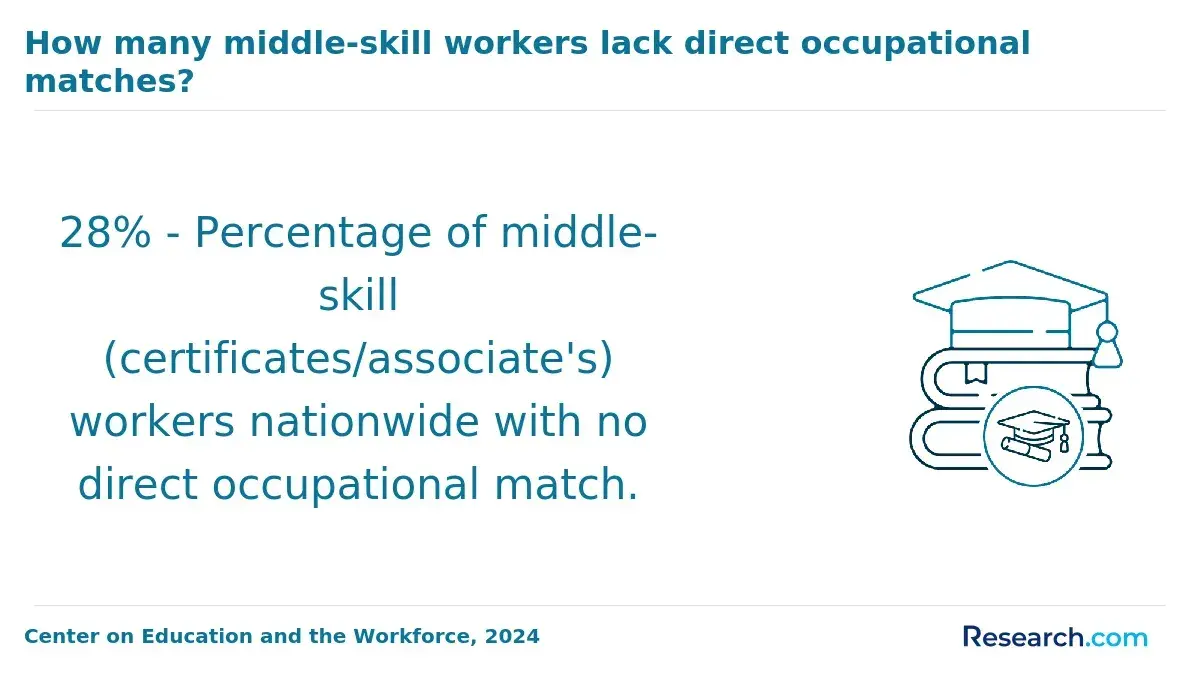
Completion time is a critical consideration for students managing education, costs, and career goals. The average online degree takes about 3.5 years to finish, with many learners seeking accelerated formats that offer more control over their timelines. Weekly start online degrees with self-paced accelerated information security & assurance programs highlights key differences in how long each pathway may take.
- Term length: Weekly start formats follow predefined academic terms lasting several months, which promote steady but fixed progress. In contrast, self-paced programs allow students to move through content at their own speed, enabling faster or slower completion depending on personal availability.
- Pacing control: Students in weekly start programs adhere to a structured schedule, often taking a consistent number of credits each term. Self-paced learners can prioritize intensive study periods to accelerate graduation or take breaks when necessary, offering more flexibility.
- Credit load: Regular credit loads are typical for weekly start students, maintaining balanced course loads each term. Self-paced students can adjust how many credits they take on, sometimes tackling heavier course loads to finish sooner if their circumstances allow.
- Transfer credits: Both formats accept transfer credits, which can significantly shorten time to degree completion by reducing coursework requirements.
- Enrollment flexibility: Weekly start programs provide multiple start dates throughout the year but follow term schedules. Self-paced programs permit enrollment and progression year-round without fixed deadlines, enhancing timing adaptability.
Flexibility is essential for students juggling work, family, and other commitments while pursuing information security & assurance degrees. Weekly start online programs have set start dates each week and follow a structured timeline, whereas self-paced accelerated programs allow students to begin anytime and move through coursework according to their own schedule.
The following points highlight key differences in flexibility between these two formats.
- Scheduling control: Weekly start programs require students to enroll and begin classes at fixed weekly intervals, which provides a routine. In contrast, self-paced programs let students start whenever they choose, offering greater freedom to fit education around unpredictable schedules.
- Pacing speed: Students in weekly start degrees must keep up with predetermined deadlines that regulate the course flow, encouraging consistent progress. Self-paced learners set their own pace, accelerating or slowing down based on personal needs.
- Start dates: Weekly start formats offer regular, recurring enrollment opportunities but only on scheduled dates. Self-paced programs eliminate scheduled start dates, enabling immediate enrollment at any time.
- Assignment deadlines: Weekly start students face firm deadlines aligned with the course calendar, promoting timely completion of work. Self-paced learners often experience flexible or absent deadlines, which can aid those managing varied obligations but may require strong self-discipline.
- Instructor interaction: Weekly start courses typically schedule specific times for instructor engagement, providing structured support. Self-paced students often rely on asynchronous communication, which may reduce direct contact but increases convenience.
- Ability to pause or accelerate: In weekly start formats, students follow a fixed semester or module timetable without much flexibility to pause. Self-paced students can stop or speed up their progress as desired, accommodating sudden changes in their availability.
How difficult a program feels plays a big role in a student's choice between self-paced accelerated information security & assurance degrees and weekly start online programs. This perception often shapes expectations and motivation.
Below is a comparison of key factors that influence the relative challenge of each format.
- Workload intensity: Self-paced accelerated programs concentrate coursework into a shorter timeframe, demanding intense study sessions and quick mastery of concepts. Weekly start programs spread out assignments more evenly, providing a steadier workload that can be easier to manage.
- Pacing expectations: Self-paced formats allow students to choose when and how fast to complete content, but this freedom can lead to pressure to keep up without fixed deadlines. Weekly start programs follow a set schedule with clear deadlines, helping students maintain a consistent pace and avoid last-minute cramming.
- Self-discipline: Success in self-paced accelerated degrees hinges heavily on a student's ability to independently organize study time and stay motivated, as there's less external accountability. Weekly start programs, with regular checkpoints, provide more structure, which can support those who prefer guided progression.
- Assessment structure: Weekly start courses often include frequent quizzes and assignments that give timely feedback, reducing the buildup of stress. Self-paced programs might rely on fewer, cumulative assessments, increasing pressure when deadlines approach.
- Instructor interaction: Weekly start students typically benefit from scheduled instructor engagement, fostering clearer communication and support. In self-paced programs, interaction tends to be limited, requiring students to proactively seek assistance.
Grading approaches significantly affect students' experiences by shaping expected workloads, stress levels, and how quickly they can progress in online information security & assurance programs. Recognizing the differences in grading between weekly start and self-paced accelerated formats helps learners choose the best fit for their schedules and study habits.
Below is a comparison of key grading factors in these two delivery methods.
- Assessment frequency: Weekly start programs have regularly scheduled assessments like quizzes and discussion posts each week, providing steady checkpoints. Self-paced accelerated programs allow learners to complete evaluations more flexibly, on their own timeline within the course duration.
- Mastery requirements: Weekly start formats often use fixed pass/fail criteria for assignments to maintain consistency. In contrast, self-paced programs may permit multiple attempts or revisions to demonstrate mastery before final grading.
- Pacing of evaluations: Assessments in weekly start courses follow a strict calendar, creating routine deadlines. Self-paced formats shift control to students, who decide when to tackle each module and its associated tests.
- Feedback timing: Weekly start formats typically deliver feedback quickly, often within a few days, enabling immediate improvements. Self-paced courses can experience varied feedback turnaround times due to asynchronous submissions and instructor availability.
- Grading flexibility: Weekly start courses apply standardized grading scales to ensure fairness across co-enrolled students. Self-paced programs tend to adjust grading based on individual progress, reflecting a more personalized evaluation approach.
Tuition models play a crucial role in determining the affordability and accessibility of online degree programs. Choosing the right payment structure can impact not only costs but also how quickly students complete their studies.
- Pricing structure: Weekly start online programs usually charge per credit hour, giving students flexibility to enroll in courses starting every week or every two weeks. Self-paced accelerated programs often use flat-rate tuition per term or cohort, encouraging rapid progress.
- Time to completion: Weekly start formats may extend the overall duration due to a lighter course load, while accelerated tracks promote faster degree completion, sometimes under a year, by demanding more intensive study.
- Cost predictability: Weekly start students experience steady, per-credit tuition costs each term, supporting budget planning. Accelerated students pay up front, which can seem higher but often results in lower total expenses.
- Course intensity: Accelerated programs require greater focus and heavier coursework in compressed time frames, whereas weekly start options allow a more manageable pace with fewer simultaneous classes.
- Additional fees: Extended programs may incur more fees like technology or activity charges over time, while accelerated paths reduce such cumulative costs with shorter enrollment periods.
- Transfer credits and prior learning: Both formats accept transfer credits to decrease required credits and tuition. Weekly start programs may provide more frequent chances to apply these credits due to flexible scheduling.
Instructor support and academic guidance significantly influence student success in online degree programs, especially in complex and technical fields such as information security & assurance. These factors shape how well students grasp course materials, overcome challenges, and stay motivated throughout their studies. Different program formats provide varied levels of instructor interaction, which can directly affect learning outcomes and student retention.
Below is a comparison highlighting key differences in instructor support between weekly start online information security instructor support models and self-paced accelerated information security program guidance.
- Instructor availability: Weekly start programs often include mandatory synchronous sessions or scheduled office hours, ensuring instructors are accessible at set times to address questions and difficulties promptly.
- Response times and feedback: In weekly start formats, instructors typically provide more regular, personalized feedback aligned with course milestones, while self-paced programs usually offer responses within 24 to 48 hours with less frequent feedback cycles.
- Structured interaction: Weekly start courses encourage frequent, scheduled interactions through discussion forums, live webinars, or video conferences, fostering a stronger sense of community, whereas self-paced programs rely on asynchronous communication.
- Live communication opportunities: These are more common and often mandatory in weekly start formats, contrasting with the limited real-time engagement in self-paced accelerated programs.
- Academic advising touchpoints: Weekly start programs generally have more structured advising with regular check-ins, while self-paced formats offer advising mostly on request without scheduled milestones.
- Student independence expectations: Self-paced programs demand higher self-motivation and discipline, as students must proactively seek support, which can be challenging without direct guidance compared to weekly models.
For prospective students weighing options, understanding these differences is crucial, much like considering affordable options in related fields such as psychology. More detailed information can be found in resources discussing the cheapest online psychology degree.
Employer perceptions of online degree programs significantly impact graduates' career opportunities, especially in specialized fields like information security & assurance. How an employer views the structure and outcomes of a program can influence hiring decisions, making it important for prospective students to understand those preferences.
- Perceived Rigor: Weekly start online information security degrees often reflect a cohort model with synchronized pacing, which employers associate with consistent effort and academic rigor. This structure can signal that graduates are prepared for the demands of the workplace.
- Completion Timelines: Self-paced accelerated information security programs appeal because they enable faster degree completion. However, some employers remain cautious, prioritizing evidence of sustained performance over speed alone.
- Time Management Skills: Employers tend to view weekly start programs as stronger evidence of disciplined time management since students must adhere to set deadlines and participate in scheduled activities.
- Adaptability and Collaboration: Programs with weekly starts usually require group projects and discussions, highlighting candidates' teamwork and adaptability-key traits in real-world information security roles.
- Alignment with Workforce Needs: Both formats aim to teach current technical skills, but employers place additional value on soft skills such as communication and problem-solving, which cohort-based programs often facilitate better.
For students weighing options, understanding these employer perspectives can help in choosing a program that not only fits their learning style but also maximizes job market readiness. Those interested in exploring a range of accelerated master's options may find useful insights at masters programs online.
Average starting salaries for graduates of information security & assurance degree programs often range between $70,000 and $90,000 annually, highlighting the importance of understanding potential salary differences among program formats. This salary comparison for weekly start vs self-paced information security degrees can significantly influence educational choices and career planning for prospective students.
When evaluating how salaries may differ between weekly start online and self-paced accelerated programs, several key factors come into play:
- Time to completion and career entry: Self-paced accelerated programs allow motivated students to finish their degrees faster, enabling earlier entry into the workforce and the potential for quicker salary growth. In contrast, weekly start programs follow a structured timeline which might delay workforce entry but offer consistent pacing.
- Employer perception: Some employers value the discipline associated with the scheduled progress of weekly start formats, while others prioritize proven skills and certifications, regardless of program format. This can affect hiring decisions and initial salary offers differently.
- Skills and competencies gained: Practical experience, certifications, and hands-on projects earned during the program often have more impact on salary than the program's pacing. Engaging fully with internship opportunities or career services enhances job readiness in both formats.
- Career advancement opportunities: Steady engagement in weekly start programs may lead to incremental salary increases as skills develop consistently. Accelerated programs may enable faster movement through career stages if combined with continuous learning and networking.
- Return on investment: Evaluating tuition costs alongside potential earnings is essential. Prospective students should consider attending cheapest online colleges that accept FAFSA to balance affordability with program quality and career outcomes.
These factors illustrate how salary differences by program format are nuanced and depend largely on individual circumstances and goals. Carefully weighing these elements assists students in making informed choices aligned with their career ambitions in information security & assurance.
What Graduates Say About Their Weekly Start Online Degrees vs Self-Paced Accelerated Information Security & Assurance Degrees
- Zevin: "Choosing the weekly start online information security & assurance program was a game-changer for me. The steady pace helped me balance work and study without feeling overwhelmed. Although the average cost was a concern, I managed it through payment plans and employer tuition assistance, making the investment completely worth it when I landed a promotion in cybersecurity."
- Arlen: "The self-paced accelerated information security & assurance degree was perfect for my lifestyle. I needed flexibility due to my unpredictable work hours and family commitments. Despite the higher upfront cost compared to traditional programs, I saved time and money by finishing faster and applying new skills immediately on the job-leading to greater project responsibilities and a salary raise."
- Hairo: "Reflecting on my experience, the weekly start online information security & assurance program offered the structure I needed to stay motivated and focused. I was initially worried about the tuition, but by combining scholarships and careful budgeting, I handled the expenses without debt. The degree opened doors to advanced roles in information security, confirming the value of investing in such a program for career growth."
Other Things You Should Know About Information Security & Assurance Degrees
Switching between program formats depends largely on the institution's policies. Some schools allow students to transition from weekly start courses to self-paced options to accommodate changing schedules or learning preferences. However, credit transfer or continuation may require re-enrollment processes, and pacing adjustments could affect graduation timelines. It's important to confirm flexibility options directly with the chosen program.
Yes. Many accredited information security and assurance degrees require remote or in-person proctored exams for core courses. Schools usually use services such as ProctorU, Honorlock, or local testing centers, and students must show government ID and a working webcam before each scheduled assessment.
Internship or practicum components in weekly start programs are typically integrated into the course schedule, with defined timelines and support from instructors to coordinate placements. Self-paced accelerated programs may require students to seek and manage internships independently, offering less direct guidance but more scheduling flexibility. In both cases, practical experience is essential to applying theoretical knowledge in real-world information security contexts.
- ARCHIVE - Accelerated Cybersecurity Training Program https://cybersecurecatalyst.ca/accelerated-cybersecurity-training-program-archive/
- GSEC vs Security+: Choosing the Right Cybersecurity Credential https://destcert.com/resources/gsec-vs-securityplus/
- Best Online Information Assurance Bachelor’s Degree Programs, Jobs, and Salaries https://careerkarma.com/blog/best-online-information-assurance-bachelors-degrees/
- Virtual Instructor-Led Training VS Self-Paced Courses https://www.exclusive-networks.com/ie/self-paced-courses-vs-virtual-instructor-led-training/
- Get Into Tech | INCO Academy https://getintotech.inco-group.co/
- Cybersecurity Courses vs. Traditional Degrees: Pros and Cons | Cybrary https://www.cybrary.it/blog/cybersecurity-courses-vs-degrees
- 25 Best Online Cybersecurity Degree Programs https://cybersecurityguide.org/online/cybersecurity-bachelors-degree/
- Online Associate Degrees in Cybersecurity: Compare Top Programs https://www.publicservicedegrees.org/online-degrees/cyber-security-programs/associates/
- Cybersecurity Degree: Your Guide to Top Online and On-Campus Programs https://alnafi.com/blog/cybersecurity-degree
- Fastest Accelerated Online Bachelorâs of Cybersecurity | Academic Influence https://academicinfluence.com/rankings/fastest-accelerated-online-cybersecurity-bachelors


