2027 Cost per Credit for Online Nurse Educator Master's Programs: Tuition Comparison Guide

Co-Founder and Chief Data Scientist
Deciding among online nurse educator master's programs often hinges on more than sticker price per credit. Variations in hidden fees, residency requirements, and accreditation can drastically change the true cost and professional value of a degree. With the rise of online learning-now encompassing over 40% of graduate enrollments according to the National Center for Education Statistics-prospective students must scrutinize how institution type and delivery format impact tuition and financial aid eligibility.
This guide breaks down per-credit pricing alongside essential cost categories and licensure factors, equipping candidates to project realistic total expenses and make informed enrollment choices tailored to their career goals.
Key Things to Know About the Cost per Credit for Online Nurse Educator Master's Programs
- Tuition per credit varies significantly between public and private institutions, affecting total cost; prospective students must weigh savings against potential differences in employer recognition and networking opportunities.
- Hidden fees and mandatory costs often inflate program expenses by 10%-15%, requiring a comprehensive budget to prevent unexpected financial strain during enrollment.
- Accreditation directly impacts licensure eligibility and employer acceptance; programs without regional or NLN accreditation risk limiting graduates' career mobility despite lower upfront costs.
What Is the Average Cost per Credit Hour for Online Nurse Educator Master's Programs, and How Does It Compare Across Institution Types?
Evaluating online nurse educator master's programs through the lens of average cost per credit hour reveals a critical dimension often obscured by total tuition figures: it isolates the baseline instructional expense from program length and additional fees. This clarity is essential for candidates who must weigh return on investment against institutional reputation and workforce demands. For instance, a working professional comparing two programs might find one with a seemingly lower total tuition actually imposes higher per-credit costs due to lengthy credit requirements and mandatory fees; this scenario highlights why per-credit analysis provides a more actionable pricing metric.
Public universities typically offer the most affordable per-credit rates for in-state students, often ranging between $400 and $600, yet these costs can rise substantially for out-of-state enrollees, sometimes doubling or tripling sticker prices. Private nonprofit institutions, reflecting greater investments in faculty expertise and student services, generally charge between $700 and $1,200 per credit. Meanwhile, private for-profit schools exhibit wider variability, with per-credit rates often spanning from $500 to $1,000, but frequently accompanied by opaque fee structures that can inflate net costs.
Understanding the average cost per credit hour for online nurse educator master's programs by institution type is only the starting point. The real cost drivers include residency status, where out-of-state tuition surcharges can transform an affordable program into a costly option; institutional pricing models that might bundle credits or impose caps, impacting the effective per-credit rate; and additional program fees for clinical placement or technology. Crucially, these factors often widen the gap between advertised sticker price and what students ultimately finance, making it necessary for prospective nurse educators to scrutinize both headline rates and the fine print.
This analysis will unfold by first comparing institution types and their per-credit pricing ranges, followed by a detailed look at how residency policies influence costs. It will then examine mandatory fees and pricing models that shape real student outlays, before considering financial aid mechanisms and accreditation factors affecting employability and licensure. By integrating these variables, the guide enables a comprehensive tuition comparison that situates per-credit costs alongside total program investments, helping students develop well-informed cost profiles essential for strategic enrollment decisions in the nurse educator field. For professionals considering accelerated pathways, exploring options like a 12 month DNP program online might also intersect with cost considerations explored here, particularly when balancing time, credits, and expenses.
- Cost per Credit Hour: Establishes a uniform basis for comparing programs that differ widely in total credit demands and bundled fees, avoiding misleading total tuition comparisons.
- Institution Type Pricing: Highlights significant cost disparities among public, private nonprofit, and private for-profit schools, with public in-state rates offering substantial affordability advantages.
- Residency and Fees: Accounts for how out-of-state tuition differentials and mandatory program fees distort sticker prices and affect actual student financial commitments.
- Pricing Models: Explores how fixed per-credit costs versus block tuition or credit caps complicate straightforward price assessments.
- Guide Structure: Details a sequential analysis of institution pricing, residency impacts, fees, financial aid, and accreditation to provide robust, actionable insights for nurse educator candidates.
How Many Credit Hours Are Typically Required to Complete an Online Nurse Educator Master's Program, and How Does That Affect Total Tuition?
Deciding between online nurse educator master's programs requires more than comparing per-credit tuition rates; total credit requirements significantly shape the overall financial impact. Students often face a tradeoff between shorter programs with fewer credits and longer, more comprehensive curricula that may better align with employer expectations and credentialing standards but cost more overall.
The credit-hour requirement for online nurse educator master's degrees typically ranges from 30 to 60 credits or more, influenced by factors such as accreditation mandates, thesis versus non-thesis options, and practicum components. This variance means total tuition can vary widely even when per-credit prices are similar, making total credit load a critical factor in cost calculations.
- Credit Hour Range: Programs with 30-36 credits cater to those prioritizing faster completion or who have prior graduate coursework, while 50-60 credit programs often include expanded pedagogy, leadership preparation, and practicum experiences valued by employers.
- Practicum and Fieldwork Fees: Required clinical or teaching internships often incur extra flat fees or inflated per-credit charges beyond tuition, reflecting supervision and placement costs. Ignoring these can underestimate total program expense, especially when comparing options suited for licensure or accreditation standards.
- Cost Calculation Advice: To estimate true total tuition, use the formula Total Tuition = (Credit Hours × Per-Credit Cost) + Additional Fees. For example, a 60-credit program at $500/credit totals $30,000, exceeding a 36-credit program at $600/credit ($21,600) despite its lower per-credit rate.
Working professionals and recent graduates must weigh these cost-details alongside accreditation and licensing relevance, ensuring that their tuition investment corresponds with programs whose credits and practical components will be respected by employers and boards, thereby maximizing long-term career return.
Which Online Nurse Educator Master's Programs Offer the Lowest Cost per Credit Hour Among Accredited Institutions?
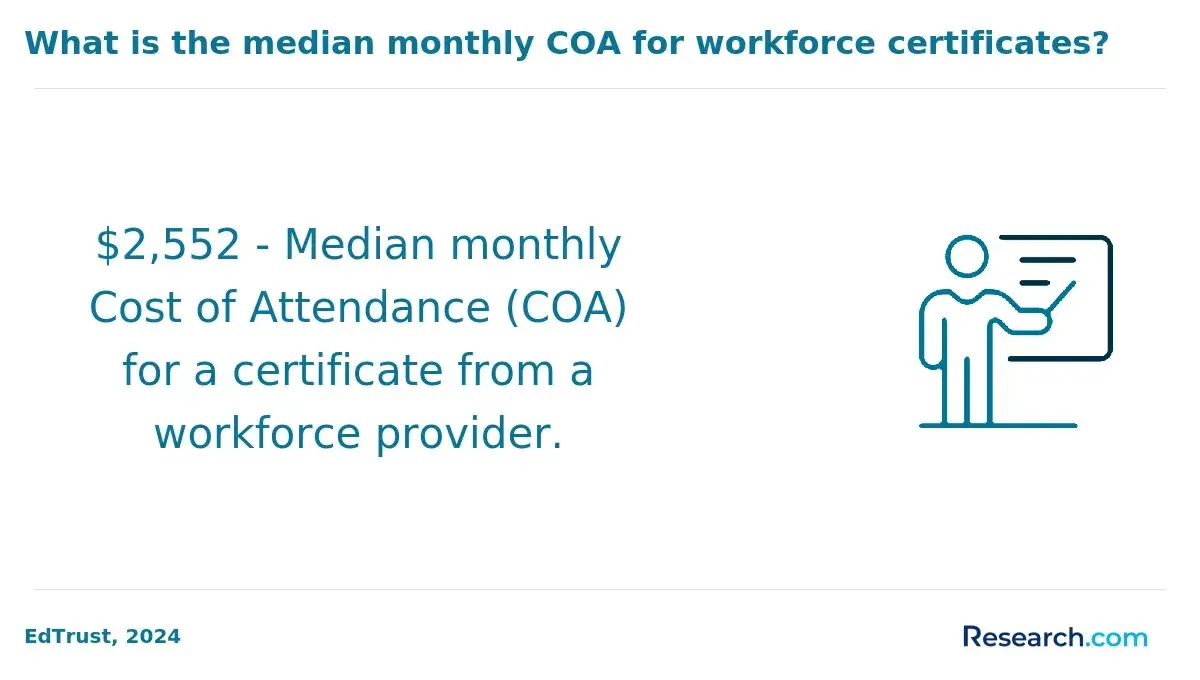
Determining which accredited online nurse educator master's programs offer the lowest cost per credit hour requires careful scrutiny beyond sticker prices. For example, a working professional balancing tuition costs against program length and hidden fees might find that a seemingly cheaper per-credit rate actually results in a higher total investment due to additional mandatory charges or longer completion times. In this context, accessible programs with regionally and programmatically accredited credentials providing low-cost per-credit tuition become critical for maximizing return on investment, especially for first-generation or place-bound students seeking affordable, recognized qualifications in nursing education.
- University of West Georgia: Approximately $335 per credit, with 33 credits totaling roughly $11,055, though students should anticipate extra technology and distance learning fees not included in this figure. There are no residency restrictions, enhancing accessibility.
- Walden University: Charges about $360 per credit for 39 credits, around $14,040 total. Their tuition includes a one-time enrollment fee, and expenses may grow with course materials. The cohort and self-paced model impacts scheduling flexibility and costs.
- Western Governors University: Uses a $3,225 flat fee per six-month term instead of per credit, typically requiring three to four terms to complete. No mandatory fees beyond term charges, but students' pace significantly influences overall expenditures.
- Trident University International: Tuition is $585 per credit for 37 credits, about $21,645 before additional mandatory technology and services fees. Their minimum enrollment policy may impact cost distribution, without residency limitations.
- South University - Online Campus: At approximately $497 per credit with 36 credits required and total tuition near $17,892, military students may qualify for per-credit waivers. Mandatory student activity fees are extra.
Each institution's pricing structure includes nuances such as fee variability, enrollment requirements, and cohort versus self-paced formats that directly affect total cost and program accessibility. Students should verify up-to-date tuition rates and ancillary fees personally, given annual adjustments. Combining these factors with accreditation status ensures that the lowest cost per credit hour for online nurse educator master's programs aligns with sustained employability and recognition in healthcare education roles.
For those evaluating how fast they can complete a degree while managing expenses, considering alternative cost-saving pathways like a 6 month LPN program online may provide foundational skills that complement advanced educator credentials, influencing long-term workforce positioning.
How Do In-State vs. Out-of-State Tuition Rates Apply to Online Nurse Educator Master's Programs, and Which Schools Offer Flat Tuition Regardless of Residency?
Online nurse educator master's programs at public universities have traditionally charged lower tuition for in-state students due to state funding priorities, making out-of-state enrollment more costly. However, this approach creates a significant financial gap for students living outside the institution's state, sometimes doubling or tripling their per-credit expenses. Recognizing the broad geographic reach of online education, several public universities now offer flat per-credit tuition rates that do not differentiate between residents and non-residents. These residency-neutral pricing models remove a common barrier for out-of-state learners and simplify financial planning by stabilizing tuition expectations regardless of location.
While some programs maintain residency-based pricing-complicating access for non-resident students by requiring proof of domicile or extended physical presence-others adopt more uniform rates. Tuition reciprocity agreements and regional compacts such as the Western Interstate Commission for Higher Education (WICHE) and Southern Regional Education Board (SREB) may moderate these cost differences, but their coverage is limited to specific states. Importantly, residency policies and tuition structures can shift between academic years, and publicly available marketing materials don't always reflect the latest updates. Prospective students should therefore confirm current tuition rules directly with bursar or financial aid offices to ensure accuracy in their cost assessments.
Notable public universities with online nurse educator master's programs offering flat tuition include:
- University of Central Florida: Uniform per-credit tuition across all online nursing graduate degrees, eliminating state-based pricing disparities.
- Ohio State University: Consistent tuition rates for online master's programs, supporting equitable financial access.
- University of Florida: Flat-rate pricing for online graduate nursing programs that facilitates straightforward budgeting for distant students.
- University of South Carolina: Identical tuition charges for online learners regardless of residency.
- Florida International University: Maintains a single tuition rate statewide and beyond for online nursing master's students.
For working professionals balancing relocation challenges or for recent graduates managing education expenses, the difference between flat and residency-based tuition can tip enrollment decisions substantially. Flat tuition eliminates the administrative burdens of establishing in-state residency and reduces the risk of unexpected cost increases mid-program. Conversely, programs with differential pricing may deter out-of-state candidates or require lengthy residency qualification periods that delay progression.
One former online nurse educator master's student recalled hesitating to commit to a program with a rolling admissions policy because the tuition break wasn't clear upfront. They waited weeks for clarifications about residency eligibility and cost, which delayed their application submission. This uncertainty heightened their stress about financial planning, but ultimately they chose a program with flat tuition, valuing the predictability and the reduced administrative hurdles that aligned better with their full-time work and family responsibilities.
What Mandatory Fees Are Added to Per-Credit Tuition for Online Nurse Educator Master's Programs, and How Much Do They Increase the Real Cost?
Mandatory fees attached to online nurse educator master's programs commonly raise the actual cost well beyond advertised per-credit tuition, often by 10% or more. This hidden financial burden can sway a student's ability to budget effectively, especially for self-funded individuals who must anticipate the full expense rather than the base rate.
For example, a working professional evaluating two programs might see a marginally cheaper per-credit tuition at one school, but undisclosed program and technology fees can push the total investment higher than a competitor whose fees are more transparent and modest. Employers and licensing bodies typically consider accredited degrees equivalently, but candidates must evaluate whether these extra costs impact their ROI and debt load.
- Technology Fees: Charged per credit or term, these cover infrastructure such as learning platforms and IT support, frequently adding hundreds to thousands of dollars over a full curriculum.
- Program Fees: These fees fund specialized faculty, clinical coordination, or resources and may appear as flat or recurring charges, increasing the total payable far beyond tuition alone.
- Student Services Fees: Regular charges for library use, counseling, and career services, which accumulate over multiple semesters.
- Graduation Fees: One-time administrative costs for diploma processing and commencement participation that all students must pay.
- Clinical or Practicum Surcharges: Given the essential hands-on components of nurse educator programs, additional fees for placements, insurance, or background checks often appear and vary widely by institution.
Fee transparency is inconsistent; some schools disclose them clearly, while others hide them in fine print or separate documents. Prospective students should always request a comprehensive fee schedule. Incorporating prorated fees into per-credit estimates produces a more accurate "all-in" cost metric necessary for realistic financial comparisons among programs.
How Do Online Nurse Educator Master's Program Costs Compare Between Public and Private Universities?
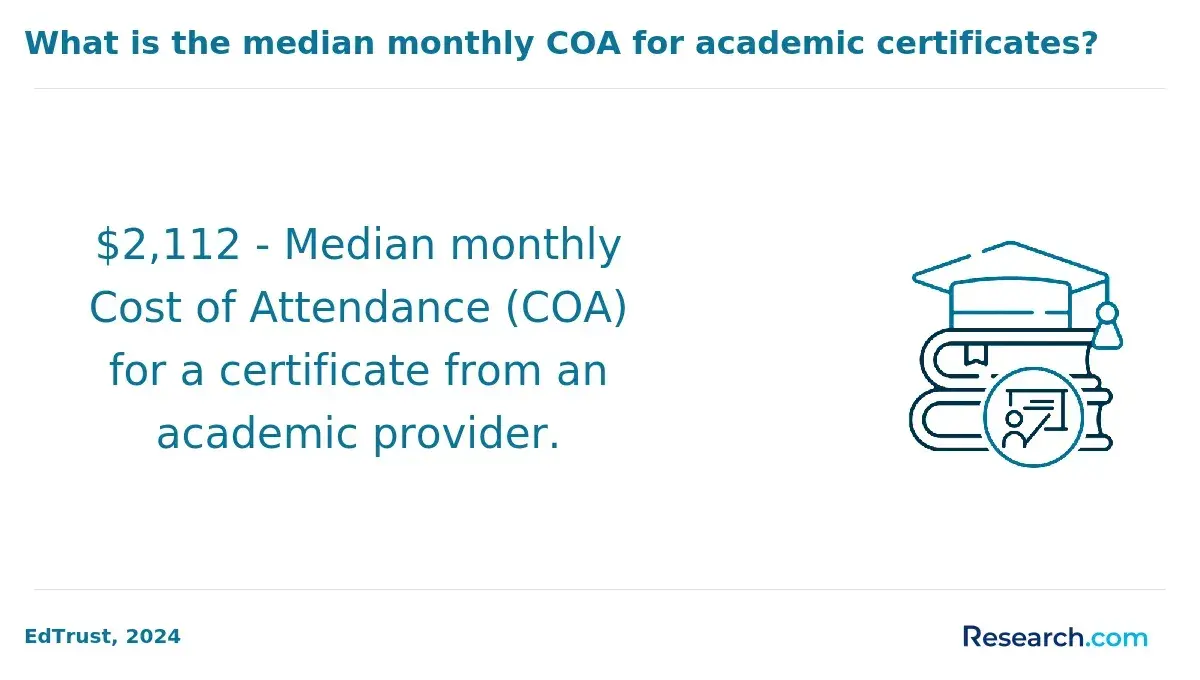
Comparing the cost per credit for online nurse educator master's programs reveals clear financial tradeoffs between public and private universities, which have significant implications for long-term career investment. Public universities typically offer lower tuition rates due to state subsidization, legislative tuition caps, and economies of scale spreading fixed costs over large enrollments. For example, a working nurse pursuing credentialing might pay 20-50% less per credit at a public university, which can meaningfully reduce overall debt burden when funding their education independently. However, this cost advantage can narrow when out-of-state or online-specific tuition rates apply, making some public options closer in price to private nonprofits.
Private nonprofit institutions have responded by pricing online nurse educator master's degrees competitively to attract remote learners, leveraging reputation and alumni networks to justify mid-range tuition that often exceeds public schools but remains more affordable than private for-profits.
These private nonprofits generally offer smaller cohorts, enhanced faculty-to-student ratios, and more robust career services, which may translate to stronger employer connections and personalized instruction-but at higher per-credit fees. Private for-profit programs typically sit at the top of the price spectrum, emphasizing market-driven models that prioritize operational revenue, which can impact perceptions of value and employer recognition.
- Cost Comparison: Public universities often hold a per-credit advantage for in-state students, but private nonprofits are narrowing the gap for out-of-state and fully online learners.
- Program Value: Higher tuition at private institutions often reflects smaller cohorts, individual attention, and established career support resources.
- Accreditation Importance: Regardless of cost, verifying regional accreditation and licensure alignment is essential to ensure that degrees meet professional and employer standards in nursing education.
- Financial Aid Variability: Merit scholarships, federal aid, and employer tuition reimbursement differ widely across institution types and can dramatically affect actual out-of-pocket costs.
- Hidden Costs: Students should factor in mandatory fees, technology surcharges, and other ancillary expenses beyond base tuition to create an accurate total program cost estimate.
Ultimately, the cost comparison of online nurse educator master's programs at public vs private universities requires balancing sticker price with tangible program benefits, accreditation, and career outcomes. Prospective students who fund their own education and review financial aid options, as well as ancillary expenses, will better assess return on investment when combining tuition data with quality metrics. For those weighing program options within nursing education or exploring other disciplines, consulting resources on online degrees in nutrition and related fields can provide additional context on structuring cost-conscious graduate education decisions.
Are There Online Nurse Educator Master's Programs With Tuition Locked In at Enrollment, and How Does Tuition Lock Affect Long-Term Cost Planning?
Locking tuition rates at enrollment is a strategic advantage some online nurse educator master's programs offer, safeguarding students from unexpected annual tuition hikes. This predictability matters most for part-time learners whose extended timelines compound exposure to incremental cost increases, potentially inflating their total financial outlay significantly without a lock. Programs differ markedly in how they apply tuition guarantees, which may be limited to:
- Duration: Lock validity ranges from the entire degree path to single cohorts, academic years, or specific semesters.
- Enrollment Requirements: Maintaining continuous study is usually mandatory; any enrollment gap can void the lock, reinstating exposure to rate increases.
- Applicability: Some guarantees are restricted to certain admission pathways or student categories, requiring early verification at acceptance.
For potential nurse educators balancing work, location, or personal responsibilities, the tuition lock can considerably improve long-term budgeting accuracy and reduce financial stress. However, candidates must carefully confirm program policy details, insist on written documentation of the lock terms, and fully understand any conditions that could trigger a loss of the locked rate before including it in cost calculations.
One recent graduate recalled hesitating over accepting an offer during a rolling admissions cycle because the tuition lock applied only if enrollment took place by a specific semester. Preparing application materials early became critical, as missing the enrollment window meant facing higher tuition rates. Their eventual timely acceptance allowed them to lock in a stable rate, which made managing personal finances while completing the part-time program considerably more manageable.
What Financial Aid, Scholarships, and Employer Tuition Benefits Are Available to Reduce the Net Cost of an Online Nurse Educator Master's Degree?
Reducing the net cost of an online nurse educator master's degree often depends more on navigating available financial aid options than on sticker tuition. For many candidates funding their own education, understanding the nuances of aid eligibility and tradeoffs can significantly impact long-term debt and employability outcomes.
- Federal Unsubsidized Loans: Graduate students commonly qualify for these loans regardless of financial need, yet borrowing increases debt that accrues interest immediately. These loans offer fixed rates and flexible repayment but must be factored carefully into the overall cost calculation beyond just tuition per credit.
- Graduate Assistantships: While these may offer tuition remission or stipends, their availability is often restricted to on-campus students. Online learners frequently face barriers to assistantships, limiting this option's value compared to traditional cohorts-underscoring the importance of verifying aid access by program format.
- Institutional Scholarships: Merit- and need-based awards exist but tend to be scarcer and more competitive at the graduate level, especially online. Reaching out to financial aid offices is crucial since some institutions provide targeted scholarships specifically for nurse educator students.
- Professional Association Awards: Scholarships from nursing or education groups can reduce per-credit expenses substantially but may require membership or residency in certain regions, making them a strategic yet conditional aid source.
- Employer Tuition Reimbursement: Employer benefits vary; under IRS rules, up to $5,250 annually can be excluded from taxable income. Negotiating or maximizing these benefits in contracts can be especially valuable for nurse educators entering a market with strong hiring demand, effectively lowering net tuition costs.
Prospective students should prioritize obtaining net cost estimates from financial aid offices rather than relying on published tuition alone. This approach exposes hidden fees, eligibility constraints, and realistic aid impact-crucial for comparing programs fairly. Because many employers prefer graduates from accredited, well-supported programs, combining tuition data with an assessment of financial aid opportunities directly influences workforce outcomes.
Data shows that approximately 40% of graduate nurse educator program enrollees delay admission decisions until financial aid offers are clarified, highlighting the practical importance of proactive inquiry. For students balancing work and location, evaluating employer tuition reimbursement benefits for nurse educator degrees alongside institutional aid can substantially affect total educational investment.
Geographically constrained or first-generation students should also assess how assistance eligibility varies by delivery format, as online-only status often limits access to traditional aid streams like assistantships or fellowships. In all cases, a comprehensive financial strategy that integrates multiple funding sources is imperative to minimize debt burdens while maintaining degree credibility.
For a closer look at cost-effective pathways in related advanced nursing careers, consider exploring the cheapest psychiatric nurse practitioner programs as a reference point for financial planning and program comparison.
How Does the Cost per Credit for Online Nurse Educator Master's Programs Differ by Delivery Format-Synchronous, Asynchronous, or Hybrid?
Cost differences per credit among online nurse educator master's programs frequently stem from the delivery format's distinct operational demands rather than transparent tuition pricing policies. Programs with synchronous delivery typically carry higher operational expenses due to live session coordination, continuous faculty availability, and substantial IT infrastructure supporting real-time interaction. This setup often translates into modestly elevated per-credit costs compared to asynchronous formats. For a working professional balancing unpredictable schedules, the inflexibility of synchronous classes may extend time-to-degree, inadvertently increasing total education expenses despite potentially lower sticker prices elsewhere.
Asynchronous programs, by contrast, leverage scalability through pre-recorded content and flexible access, enabling institutions to reduce overhead and often offer lower tuition rates per credit. However, some programs offset these savings with fees for exam proctoring or required technology use. The inherent flexibility also tends to support learners who can advance steadily without scheduling conflicts, fostering earlier completion and improved long-term cost-effectiveness. Yet, prospective students must verify that lower-cost asynchronous options meet employer and licensing requirements to avoid regrettable tradeoffs in credential recognition.
Hybrid formats, blending online coursework with limited in-person or synchronous commitments, present a more intricate cost profile. While their per-credit tuition roughly aligns with asynchronous rates, the added indirect expenses-travel, accommodation, childcare-can significantly amplify the overall financial burden. These hidden costs disproportionately affect students unable to relocate or who have extensive family obligations. Thus, evaluating total cost requires attention beyond tuition to such logistical factors.
Students considering tuition differences between synchronous asynchronous and hybrid nurse educator master's programs should assess delivery formats against their work schedules, caregiving roles, and learning preferences. The ultimate cost-efficiency depends less on headline per-credit prices and more on how well the format enables consistent academic progress and timely degree completion. For detailed requirements, prospective candidates may consult resources on SLP grad school as a comparative example of graduate program admissions strategies relevant to nurse educator pathways.
What Is the Minimum GPA Requirement for Nurse Educator Master's Program Admission, and How Does Selectivity Relate to Per-Credit Cost?
Minimum GPA requirements for admission to online nurse educator master's programs generally function as a baseline filter rather than a definitive predictor of acceptance. Most programs stipulate a minimum undergraduate GPA around 3.0, though flexible options exist with thresholds as low as 2.75, accommodating candidates with nontraditional academic trajectories. Conversely, highly selective programs often demand a minimum of 3.5, reflecting competitive applicant pools where average admitted GPAs substantially exceed the cutoff.
This GPA variation correlates imperfectly with per-credit tuition costs. While it may seem intuitive that more selective programs charge premium rates, nurse educator programs diverge from this pattern due to factors like institutional missions, delivery modes, and regional market pressures. Some moderately selective or less competitive programs maintain tuition comparable to or exceeding that of selective institutions, complicating simple cost-selectivity assumptions.
Applicants near minimum GPA thresholds face practical tradeoffs: pursuing admission at highly selective programs risks rejection despite meeting baseline criteria, whereas targeting moderately selective programs with similar tuition can yield a more realistic path to enrollment and credential completion. Such a strategy aligns with workforce demands, where employers increasingly weigh practical experience and accredited degree completion alongside GPA metrics.
Effective admissions planning involves identifying one or two programs where a candidate's academic profile is competitive, thereby enabling realistic financial and career preparation. This approach mitigates overinvestment risks tied to aspirational applications with low acceptance odds. Given the substantial salary spread among nurse educators-from approximately $60,000 up to $90,000 annually depending on experience and credentials-maximizing return on tuition investment through careful program selection is critical.
- Minimum GPA: Generally 3.0 with some flexibility from 2.75 to 3.5 depending on program selectivity.
- Selectivity and Tuition: No strict correlation; moderate programs can have equal or higher per-credit costs than selective ones.
- Admissions Implications: Meeting minimum GPA is necessary but not sufficient; competitive programs admit students with GPAs well above minimums.
- Strategy: Prioritize programs matching academic profile for realistic admission chances and cost planning.
What Graduates Say About the Cost per Credit for Online Nurse Educator Master's Programs
- Tristan: "Balancing full-time work and family made finding a program with flexible scheduling essential for me. I chose an online nurse educator master's because it allowed me to complete coursework during evenings and weekends. While the program equipped me with robust teaching strategies, I realized that many employers still value clinical experience and internships highly, so I had to pursue a practicum on my own to strengthen my portfolio."
- Jesiah: "After a mid-career pivot from bedside nursing, I was cautious about investing both time and money into a master's program. The affordable tuition and asynchronous classes made this online nurse educator program the best fit. Graduating helped me secure a part-time faculty role quickly, but I found salary growth limited without a terminal degree or additional certifications, which has shaped my long-term professional development plans."
- Christopher: "I entered the nurse educator master's program intending to transition into academic roles that offer more remote opportunities. The workload was intense, especially juggling studies with my current nursing job, but gaining experience designing online curricula proved crucial. However, despite finishing the degree, I still faced hiring challenges as some universities prioritized applicants with demonstrated research experience or a strong publication record over teaching credentials alone."
Other Things You Should Know About Nurse Educator Degrees
Regionally accredited programs typically charge higher per-credit rates than nationally accredited ones, reflecting their stronger reputational standing and often more rigorous academic standards. For prospective students prioritizing employer recognition and licensure eligibility, investing in a regionally accredited program may yield better long-term value despite the initial higher cost. National accreditation can limit employment and certification options in some states, so while savings are attractive, the potential impact on career flexibility warrants careful consideration.
Online nurse educator master's programs often have a slightly lower or comparable per-credit cost to their on-campus equivalents, but differences in fees and required resources can shift the total cost. Online formats may eliminate commuting and housing expenses but can include technology or proctoring fees that are less visible upfront. Students should evaluate the full cost structure beyond tuition, considering how online program requirements affect financial and time investments relative to campus access and networking opportunities.
Using per-credit cost alone is insufficient; students must contextualize tuition data with program length, credit requirements, accreditation status, and post-graduation outcomes. Prioritizing programs that balance reasonable per-credit costs with strong clinical support, employer reputation, and job placement rates will maximize ROI. Prospective students should also factor in financial aid options and employer tuition reimbursement policies, as these can substantially mitigate upfront expenses and influence the practical affordability of higher-cost programs.
References
- Master’s in Nursing Costs: What You’ll Pay and How to Get the Best Return https://www.onlineu.com/resources/financial-planning/masters-in-nursing-roi
- Synchronous Versus Asynchronous Online Courses: - Perioperative Nursing Clinics https://www.periopnursing.theclinics.com/article/S1556-7931(12)00022-8/pdf
- Online MSN in Nursing Education | Master's in Nursing Online | Rivier https://www.rivier.edu/academics/all-programs/msn-nursing-education/
- Explore the Best Online RN to MSN Degrees with Financial Aid https://www.edumed.org/online-schools/nursing-rn-programs/rn-to-msn-bridge/financial-aid/
- Nurse educators: roles, skills, and career path in nursing (2026) https://medvisionsim.com/blog/nurse-educators-role-responsibilities-and-impact-on-nursing-education
- Purdue Global Online MSN: Nurse Leader & Educator Programs https://www.mhaonline.com/school-profiles/purdue-global-online-msn
- The Importance of Continuing Education in Nursing: A Lifelong Learning Profession | ACE Blog https://ace.edu/blog/the-importance-of-continuing-education-in-nursing-a-lifelong-learning-profession/
- The Impact of Education on Nursing Practice https://www.aacnnursing.org/news-data/fact-sheets/impact-of-education-on-nursing-practice
- Master's in Nursing Degrees https://www.snhu.edu/online-degrees/masters/ms-in-nursing
- Master of Science in Nursing Education https://www.niagara.edu/programs/ms-ed-nursing-education/