2027 Conditional Admission International Business Master's Programs

Co-Founder and Chief Data Scientist
Conditional admission can be a useful entry route into an international business master’s program, but it is not the same as being fully admitted with no extra obligations. It means the school sees enough potential to offer a place while requiring the student to resolve one or more readiness issues, such as missing business prerequisites, borderline academic performance, incomplete documentation, or English-language proficiency gaps.
For prospective graduate students, the real question is not simply whether conditional admission is “good” or “bad.” The better question is whether the conditions are realistic, affordable, clearly documented, and aligned with the student’s career timeline. A conditional offer can help qualified applicants avoid waiting another admissions cycle, but it can also add coursework, cost, pressure, and risk if the requirements are vague or difficult to complete.
This guide explains how conditional admission works in international business master’s programs, who is most likely to receive it, what requirements students may need to meet, how online programs handle conditional status, and how to decide whether accepting this type of offer is worth it.
Key Benefits of Conditional Admission International Business Master's Programs
- Conditional admission often requires completion of prerequisite courses, delaying full program integration by up to a semester; this tradeoff can impact timely graduation but ensures foundational readiness for advanced international business topics.
- A 2024 workforce study shows 37% of employers value evidence of adaptability and academic persistence, indicating that conditional admission signals resilience but may raise questions about initial qualification rigor.
- Conditional admission expands access for candidates lacking standard credentials, potentially increasing overall educational cost and time investment; prospective students must weigh these factors against long-term employability in international business roles.
What Is Conditional Admission in a International Business Master's Program?
Conditional admission in an international business master’s program is a provisional acceptance. The program is willing to admit the applicant, but full graduate standing depends on meeting clearly stated requirements after admission or before beginning regular degree coursework.
These requirements are usually tied to a specific gap in the application. A student may need to complete prerequisite business courses, earn a minimum grade in the first term, submit final official transcripts, improve English proficiency, or satisfy credential-evaluation requirements. The offer should explain exactly what must be completed, by when, and what happens if the student does not meet the conditions.
This pathway is different from a standard offer of admission. A standard admit can usually begin the program without additional academic or administrative benchmarks beyond normal enrollment steps. A conditionally admitted student must prove readiness within the school’s stated timeline before moving into full status.
The purpose is to balance access with academic standards. International business programs often attract applicants from different countries, grading systems, majors, and professional backgrounds. Conditional admission gives schools a way to consider applicants with strong potential while still protecting the rigor of graduate-level study.
Data from the Council of Graduate Schools indicates that up to 15% of entries at business schools utilize conditional admissions, showing that this pathway is not unusual in competitive graduate business education. Still, students should treat a conditional offer as a binding academic plan, not as a casual exception. Before accepting, confirm whether the requirements affect course sequencing, financial aid eligibility, visa timing, and total time to graduation.
For applicants comparing flexible pathways, researching available online classes may also help identify short-format options that can support academic preparation.
Who Qualifies for Conditional Admission to a International Business Master's Program?
Students who qualify for conditional admission are usually close to meeting the program’s regular standards but have one or more weaknesses that the admissions committee wants resolved. Conditional admission is most common when the applicant appears capable of graduate study but lacks proof of readiness in a specific area.
Common applicant profiles include:
- Applicants from non-business undergraduate majors: Students with degrees in humanities, sciences, engineering, social sciences, or other non-business fields may be strong candidates but lack coursework in accounting, economics, finance, management, or statistics. A program may require foundation courses before advanced international business classes.
- Students with lower undergraduate GPAs: Applicants who fall slightly below a program’s preferred GPA may be admitted conditionally if the rest of the application shows potential. The school may require a minimum GPA during the first term or completion of bridge coursework with specified grades.
- International students with language proficiency below thresholds: Applicants whose TOEFL or IELTS scores are near, but not at, the required level may be asked to complete English-language coursework or submit improved scores. This is especially important in international business, where presentations, negotiations, case analysis, and team projects require strong communication.
- Applicants from countries with different educational systems: Schools may need additional credential evaluation, official documentation, or coursework to confirm equivalency. Conditional admission can give the student time to satisfy these requirements without restarting the entire application process.
- Professionals returning to school after time away: Applicants with relevant work experience but older academic records may be asked to refresh quantitative, writing, or business fundamentals before taking advanced graduate courses.
A 2024 report from the Council for Graduate Schools highlighted that nearly 20% of international business master’s entrants in North America started under conditioned status. That figure illustrates why conditional admission is often used as a controlled access route rather than an exception for unqualified applicants.
One useful way to evaluate eligibility is to ask what the condition is trying to fix. If the issue is narrow, such as one missing statistics course or a final transcript still in process, the offer may be manageable. If the conditions are broad, expensive, or poorly defined, the student should request clarification before accepting.
A graduate who entered from an unrelated undergraduate field described the process as demanding but workable. The offer required summer courses to build core business knowledge and address borderline English scores. The student had to manage deadlines carefully during a rolling admissions cycle, but completing the requirements before the fall term allowed a smooth transition to full admission.
Why Are Students Placed on Conditional Admission?
Students are placed on conditional admission because the admissions committee sees potential but also identifies a readiness concern that must be resolved. The concern may be academic, linguistic, administrative, or related to the comparability of prior credentials.
The most common academic reasons include a GPA below the usual cutoff, missing prerequisite courses, limited quantitative preparation, or an undergraduate background outside business. For example, a candidate may have strong international work experience but no formal coursework in economics, finance, or statistics. In that case, the school may use conditional admission to require foundation courses before the student advances into graduate-level international business work.
Language readiness is another major reason. According to a 2024 report by the Institute of International Education, nearly 28% of conditional admits in U.S. graduate programs enter due to language proficiency issues. This matters because international business programs rely heavily on written analysis, presentations, group projects, and cross-cultural communication. A student who cannot participate fully may struggle even if they understand the business concepts.
Programs also use conditional admission for quality control. Rather than lowering standards, the school defines a path for the student to prove readiness. The student must meet stated milestones, such as passing foundation courses, earning a minimum GPA, or submitting required documentation. Failure to meet those milestones can prevent progression to full admission and may lead to dismissal from the program.
For students, the practical takeaway is simple: conditional admission is a warning label and an opportunity at the same time. It identifies the area that could create trouble later. If the student can address that issue quickly and affordably, the pathway may be valuable. If the gap is large, the risk of added cost and delayed graduation is higher.
What Conditions Must Students Meet After Receiving Conditional Admission?
The conditions attached to an offer should be specific, measurable, and time-bound. Students should never rely on a verbal explanation alone. The written admission letter or enrollment agreement should state each requirement, the deadline, the required grade or score if applicable, and the consequence of not meeting it.
Common conditions include:
- Completion of prerequisite foundation courses: Students may need to complete coursework in statistics, economics, accounting, finance, management, academic writing, or quantitative methods. These courses are designed to close gaps before advanced international business study begins.
- Maintenance of a minimum GPA: Some programs require conditionally admitted students to earn a specific GPA during the first term or after a set number of credits. This confirms that the student can perform at the graduate level.
- Demonstration of English language proficiency: International students may need to submit qualifying TOEFL or IELTS scores, complete intensive English instruction, or pass a school-administered language assessment.
- Submission of administrative documentation: A student may need to provide final official transcripts, credential evaluations, financial documents, visa-related paperwork, or proof of degree completion.
- Adherence to conditional admission timeframes: Conditional status is usually limited. Students may have one semester, one academic year, or another defined period to meet the requirements.
Before accepting, students should calculate the total effect of these requirements. A single online prerequisite may be manageable; several courses plus language training may change the cost, workload, and graduation timeline. Students comparing programs should also examine affordability carefully, including whether a cheap online business degree pathway offers a more realistic route to their business education goals.
The safest approach is to ask the admissions office three direct questions: What must I complete? What evidence proves completion? What happens if I do not meet the condition by the deadline?
Are Online International Business Master's Programs Available With Conditional Admission?
Yes. Many online international business master’s programs offer conditional admission, although policies vary widely by institution. Online delivery can make conditional pathways easier to manage because students may be able to complete bridge courses, language support, or prerequisite modules remotely and on a more flexible schedule.
According to a 2024 report by the National Center for Education Statistics, roughly 18% of U.S.-based online master’s business programs employ such conditional frameworks. That means conditional admission is available in the online market, but it should not be assumed. Applicants must check each program’s admissions policy carefully.
Online programs may structure conditional admission in several ways:
- Pre-enrollment remediation: Students complete required courses before starting graduate coursework.
- First-term probation: Students begin the program but must earn a minimum GPA or pass specific courses to continue.
- Embedded foundation modules: Students complete short preparatory units within the early part of the curriculum.
- Language or writing support: Students take supplemental academic English or writing instruction while enrolled.
The main advantage of online conditional admission is flexibility. Students may be able to keep working, avoid relocation, and complete requirements in a format that fits their schedule. The main risk is self-management. Online learners need strong discipline because missed deadlines or weak performance can jeopardize full admission.
One international business master’s graduate described receiving a conditional offer that required completion of an online statistics course before full matriculation. The option allowed her to secure a place in the program during a rolling admissions cycle, but it also required careful deadline tracking. For her, conditional admission was worthwhile because the requirement was clear, relevant, and possible to finish before the main coursework began.
What Support Resources Are Available for Conditionally Admitted Students?
Conditionally admitted students should look for structured support, not just a general promise that help is available. The best programs connect the admission condition to specific academic resources so students know how to meet the requirement and who will monitor progress.
Common support resources include:
- Academic advising: Advisors help students understand the condition, choose the correct courses, and avoid registration mistakes that could delay full admission.
- Bridge or foundation courses: These courses strengthen skills in accounting, economics, statistics, finance, business communication, or research methods.
- Tutoring and writing assistance: Tutoring can help with quantitative work, while writing centers support case analysis, research papers, presentations, and professional communication.
- English-language support: International students may receive help with academic speaking, listening, writing, and discipline-specific vocabulary.
- Progress monitoring: Some programs track conditional students closely during the first term so problems can be addressed before the deadline.
- Faculty or peer mentoring: Mentors can help students adjust to graduate expectations, group projects, and the applied nature of international business coursework.
A 2024 National Center for Education Statistics report found that these supports improve conditional admits’ retention rates by up to 18%. For students, that means support services are not a minor benefit. They can determine whether conditional admission becomes a successful bridge or an expensive setback.
Before enrolling, students should ask whether support is included in tuition, whether tutoring is available online or in person, how often advisors meet with conditional students, and whether the program provides early alerts if performance falls below the required threshold.
Students who need targeted preparation outside the formal program may also explore options such as 6 week college courses online to address a specific academic gap efficiently.
How Do Conditional Admission Programs Affect Graduation Timelines?
Conditional admission can extend graduation timelines because students must complete additional requirements before, during, or alongside regular degree coursework. The effect depends on how many conditions are attached and how the program schedules them.
According to recent data from the National Center for Education Statistics, students admitted conditionally spend approximately 30% more time completing their degrees compared to those admitted without conditions. The delay may come from prerequisite courses, language study, reduced course loads, or waiting until a required benchmark is met before progressing.
Programs handle this in different ways. Some allow students to complete foundation coursework while taking a limited number of graduate classes. Others require all remediation to be finished before the student begins the core curriculum. A few embed preparatory modules into the first year, which may keep students enrolled continuously but still lengthen the overall academic plan.
The timeline impact is especially important for international students. A longer program may affect visa planning, housing costs, internship timing, and work authorization strategy. It may also delay entry into the workforce.
Students should request a written degree plan showing the conditional phase and the regular curriculum together. The plan should answer four questions:
- How many extra credits or courses are required?
- Can those credits count toward the degree, or are they additional?
- Will the conditions delay access to core international business courses?
- What is the earliest and latest realistic graduation date?
If the conditional pathway adds only a short bridge course, the delay may be minimal. If it adds multiple prerequisites or language requirements, the student should evaluate whether reapplying later or completing preparation elsewhere would be more efficient.
Do Conditional Admission Programs Cost More Than Standard Admission Pathways?
Conditional admission does not usually create a separate fee simply because the student is conditional. The added cost usually comes from extra credits, prerequisite classes, language courses, longer enrollment, and delayed graduation.
According to 2024 data sourced from the U.S. Department of Education College Scorecard and EducationData, tuition for standard international business master’s programs ranges broadly, generally between $20,000 and $50,000 total for full program completion at public and private institutions combined.
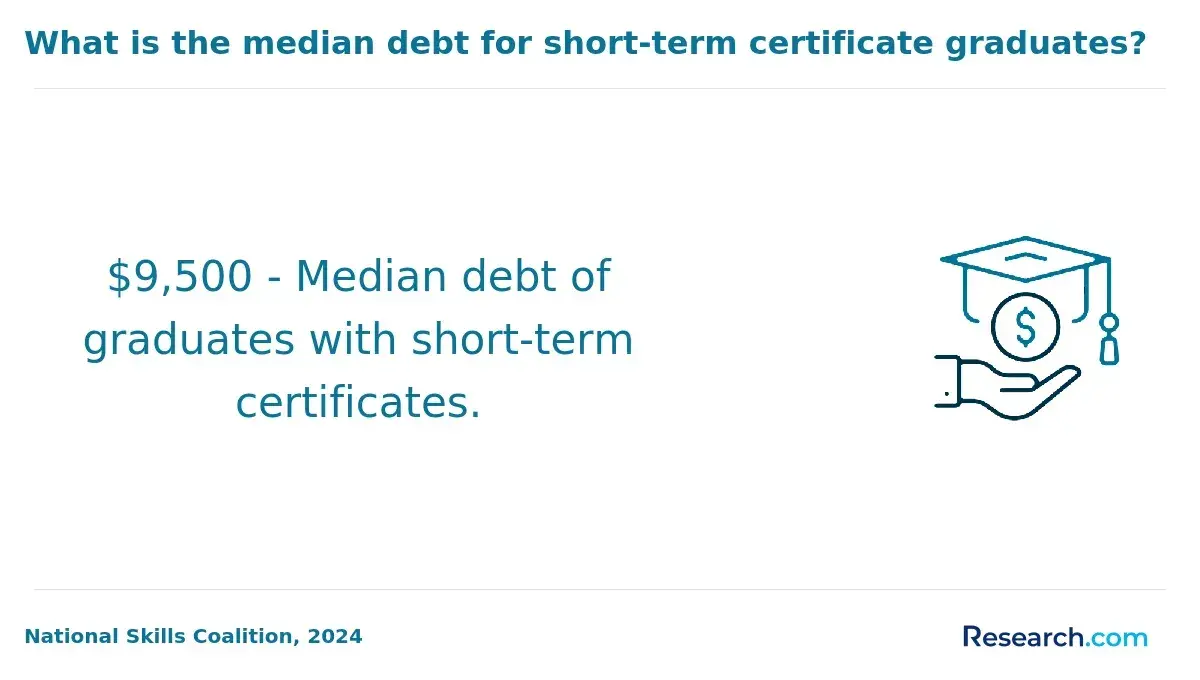
Conditionally admitted students may pay that base cost plus the cost of required prerequisite or bridge coursework. Those courses are typically charged at standard per-credit rates of approximately $600 to $1,200 depending on the institution and residency status.
The larger financial issue is often time. More semesters can mean additional tuition, fees, books, technology charges, housing, transportation, and living expenses. A longer pathway can also delay full-time employment. This opportunity cost matters because median early-career salaries for international business graduates are often between $60,000 and $75,000 annually, according to 2024 Payscale and U.S. Bureau of Labor Statistics figures.
Students comparing a conditional offer with a standard offer should estimate total cost of attendance, not just advertised tuition. A practical comparison should include:
- tuition for all required graduate courses;
- tuition for prerequisite or non-degree courses;
- fees attached to online learning, international student services, or language support;
- living expenses for any added term;
- lost earnings if graduation is delayed;
- financial aid eligibility during the conditional period.
The best offer is not always the one with the lowest published tuition. It is the one with the clearest requirements, manageable added cost, and highest probability of successful completion.
Does Conditional Admission Affect Career Opportunities After Graduation?
Conditional admission usually does not affect career opportunities directly after graduation because the conditional status typically does not appear on the final diploma or become the focus of employer screening. Employers generally care more about whether the candidate completed the degree, what skills they gained, what experience they have, and how well they can apply business knowledge in real settings.
Data from the National Center for Education Statistics in 2024 supports this view, showing that 78% of master’s graduates admitted conditionally secured employment within six months, a figure closely comparable to 81% for those admitted directly.
The indirect effects can still matter. A student who uses the conditional period to strengthen writing, analytics, business fundamentals, or English communication may graduate better prepared. A student who struggles through the conditional phase, takes longer to finish, or misses internship opportunities may face a weaker early-career position.
Employers in international business often value evidence beyond the degree itself. Internships, consulting projects, language skills, data analysis ability, trade knowledge, supply chain exposure, and relevant certifications can carry significant weight. Conditional admission is rarely the main issue; what the student does during the program matters more.
Students should also consider how global business hiring has become more flexible, including the growing relevance of online degrees for remote jobs. In many cases, employability depends on demonstrable skills, practical experience, and the credibility of the institution rather than the original admission category.
How Can Students Determine Whether a Conditional Admission Offer Is Worth Accepting?
A conditional admission offer is worth accepting when the requirements are clear, achievable, affordable, and tied to a program that supports the student’s career goals. It is risky when the conditions are vague, expensive, likely to delay graduation significantly, or attached to a program with weak outcomes or limited support.
Students should evaluate the offer using a decision checklist:
- Clarity: Are all conditions listed in writing, including grades, scores, documents, courses, and deadlines?
- Feasibility: Can the student realistically meet the requirements while managing work, finances, visa obligations, and personal responsibilities?
- Cost: How much will the conditional phase add in tuition, fees, living expenses, and delayed earnings?
- Academic support: Does the program provide advising, tutoring, language support, writing help, or progress monitoring?
- Accreditation and credibility: Is the program properly recognized, and will the degree be respected by employers or further graduate programs?
- Timeline: Will conditional admission extend graduation, delay internships, or affect work authorization planning?
- Career alignment: Does the program offer the international business knowledge, network, experiential learning, and specialization options the student needs?
Students should compare the conditional offer against other realistic options. These may include reapplying after strengthening the application, completing prerequisites independently, choosing a program with direct admission, or pursuing a shorter credential before a master’s degree.
Research from the National Center for Education Statistics highlights that graduates from accredited international business programs have higher employment rates, which makes program legitimacy a central part of the decision. Students balancing multiple education pathways, including specialized options such as online universities for military spouses, should prioritize long-term fit over the immediate relief of receiving an offer.
A good conditional offer should feel structured, not uncertain. If the school cannot explain the requirements, costs, support, and consequences clearly, students should pause before committing.
What Graduates Say About Conditional Admission International Business Master's Programs
- Danny: "Completing the conditional admission program helped me get a foot in the door, but I quickly realized employers in international business value hands-on experience more than diplomas alone. I spent a lot of time building an internship portfolio because, without it, landing roles beyond entry level was tough. The degree opened opportunities, but I had to be strategic about gaining certifications and relevant projects to stay competitive in a crowded hiring landscape."
- Jamir: "I appreciated the program's flexibility, especially as I transitioned careers. The conditional admission allowed me to enter the workforce faster than traditional routes, but I noticed my initial salary growth was slower since some employers favored candidates with formal licensure or longer-standing credentials. Still, the ability to work remotely and focus on developing global market skills gave me a practical edge, and I continue to pivot roles based on evolving business trends."
- Ethan: "Reflecting on my experience, the program gave me a strong foundation but highlighted how theoretical knowledge doesn't always translate directly to senior roles in international business. Many of my peers had to complement their master's degrees with professional experience or specific certifications to advance. It made me cautious but also pragmatic: I pursued additional training in trade compliance and supply chain management because real-world skills dictate success more than the degree alone."
Other Things You Should Know About International Business Degrees
Conditional admission often requires students to complete prerequisite courses or language proficiency benchmarks before fully joining the standard curriculum. This can lead to a more compressed or accelerated study plan once conditions are met, intensifying the academic load. Prospective students should assess their capacity to manage this increased workload as it may affect their ability to engage deeply with core international business topics or participate in experiential learning like internships.
Students admitted conditionally might start outside the main cohort or in preparatory classes, potentially limiting early networking opportunities with peers and faculty. Since strong professional networks are critical in international business for global career advancement, delays in full program integration can affect relationship-building. Prioritizing programs that facilitate smooth transitions into the core cohort or provide structured networking support can mitigate these challenges.
Employers tend to focus on final degree attainment but may view conditional admission as a signal of initial academic gaps, especially in competitive international business sectors. Graduates need to demonstrate competencies gained rather than the admission pathway, so choosing programs with recognized accreditation and strong industry ties is advisable. Highlighting successful completion of extra academic requirements can counterbalance any employer skepticism.
References
- What is conditional admission to bachelor programmes? https://ju.se/en/study-at-ju/application-and-admission/faq-/application-and-admission/2023-12-18-what-is-conditional-admission-to-bachelor-programmes.html
- Opintopolku https://opintopolku.fi/konfo/en/hakukohde/1.2.246.562.20.00000000000000073933/valintaperuste
- MSc in International Business Application https://www.hhs.se/en/education/msc/mib/mib-admission/
- MBA and Masters Pricing, Tuition & Fees | Rome Business School https://romebusinessschool.com/master-and-mba-fees/
- Conditional Admission - Continuing and Professional Education https://cape.csustan.edu/international-students-how-apply-conditional-admission-removed
- 5 Global Impact Careers After an MSc in International Business - EMLV Business School Paris https://www.emlv.fr/en/5-global-impact-careers-msc-international-business/
- What should I do after a Masters in International Business? https://www.ipag.edu/en/blog/what-should-i-do-after-masters-international-business
- Conditional Acceptance - Meeting Conditions https://www.wittenborg.eu/conditional-acceptance-meeting-conditions.htm
- Benefits of studying an International Business Management Course https://wcc.ca/blog/benefits-of-studying-an-international-business-management-course/
- International Business - Master of Arts - AWP w Lublinie https://vpu.edu.pl/international-business-management-master-of-arts/