2027 Community College to Humanities Bachelor's Degree Transfer Guide

Co-Founder and Chief Data Scientist
Many community college students aiming to transfer into a humanities bachelor's degree face uncertainty navigating credit transfers and program prerequisites. This challenge often delays graduation and increases costs. According to the National Center for Education Statistics, only 30% of community college transfers complete a bachelor's degree within six years.
Such statistics underscore barriers in articulation and advising specific to humanities disciplines. This article examines key transfer pathways, credit evaluation strategies, and program selection tips to help community college students successfully transition into humanities bachelor's programs and efficiently complete their degrees.
Key Benefits of Community College to Humanities Bachelor's Degree Transfer
- Transferring from community college improves academic accessibility by offering flexible course options and smaller class sizes, easing the transition into Humanities bachelor's degree programs.
- It significantly reduces overall education costs, with community colleges charging nearly 60% less per credit hour than four-year institutions, enabling affordable degree completion.
- Established articulation agreements and transfer pathways streamline credit acceptance, allowing students to complete their Humanities degrees more efficiently and within expected timelines.
Who should consider transferring to a humanities bachelor's degree?
Transferring from a community college to a humanities bachelor's degree program is a strategic choice for many students aiming to deepen their academic focus and professional opportunities. Nearly 38% of community college students transfer to a four-year institution within six years, illustrating the popularity of this educational pathway. Understanding the eligibility criteria for humanities bachelor's degree transfer helps students identify if this route fits their goals.
Consider the following groups of students who may benefit most from transferring:
- Associate Degree Completers: Students who have finished or are close to finishing an associate degree in humanities or related fields can advance their studies by transferring to a bachelor's program offering more specialized coursework and scholarly depth.
- Advanced Opportunity Seekers: Those pursuing greater access to research projects, internships, and networking within humanities disciplines will find that four-year institutions often provide enhanced resources.
- Academic Path Changers: Individuals who started in another major but developed a passion for humanities subjects like history, literature, or philosophy can realign their education by transferring to a humanities program.
- Career Focused Learners: Students aiming for professions that emphasize critical thinking, cultural awareness, and strong communication-such as teaching, writing, or museum work-often find transferring supports their long-term development.
For community college students transferring to a humanities bachelor's program, this pathway significantly broadens educational and career possibilities. To explore other academic options that combine efficient completion with strong job prospects, consider reviewing quick degrees that pay well.
What are the transfer requirements for a humanities bachelor's degree?
Successfully transferring from a community college to a bachelor's degree program in humanities hinges on meeting several academic and administrative criteria designed to prepare students for upper-division coursework.
Over 40% of transfer applicants gain admission largely due to their academic standing at community colleges, highlighting the importance of meeting these requirements. Below are common elements students should expect when planning their transfer.
- Minimum GPA: A competitive cumulative grade point average is essential. While cutoffs vary, maintaining strong academic performance is critical for transfer eligibility and reflects college credit transfer policies for humanities programs.
- Completed Coursework: Foundational classes in humanities disciplines such as literature, philosophy, history, or social sciences must be completed. This ensures students have the appropriate academic background for advanced study.
- Official Transcripts: Submission of transcripts from all previously attended institutions is required to verify academic progress and equivalency of courses successfully completed.
- Application Materials: Transfer applications often include personal statements or essays where students explain their interest in humanities and future career goals.
- General Education Requirements: Proof of meeting broad general education standards is important to demonstrate preparedness for major-specific upper-division courses.
In some cases, proficiency in writing and critical thinking skills is also evaluated through advising or assessments. Community college counselors can offer helpful guidance on fulfilling these criteria before transfer. Students interested in advanced degrees may explore options like a masters in library science to continue humanities-related education beyond the bachelor's level.
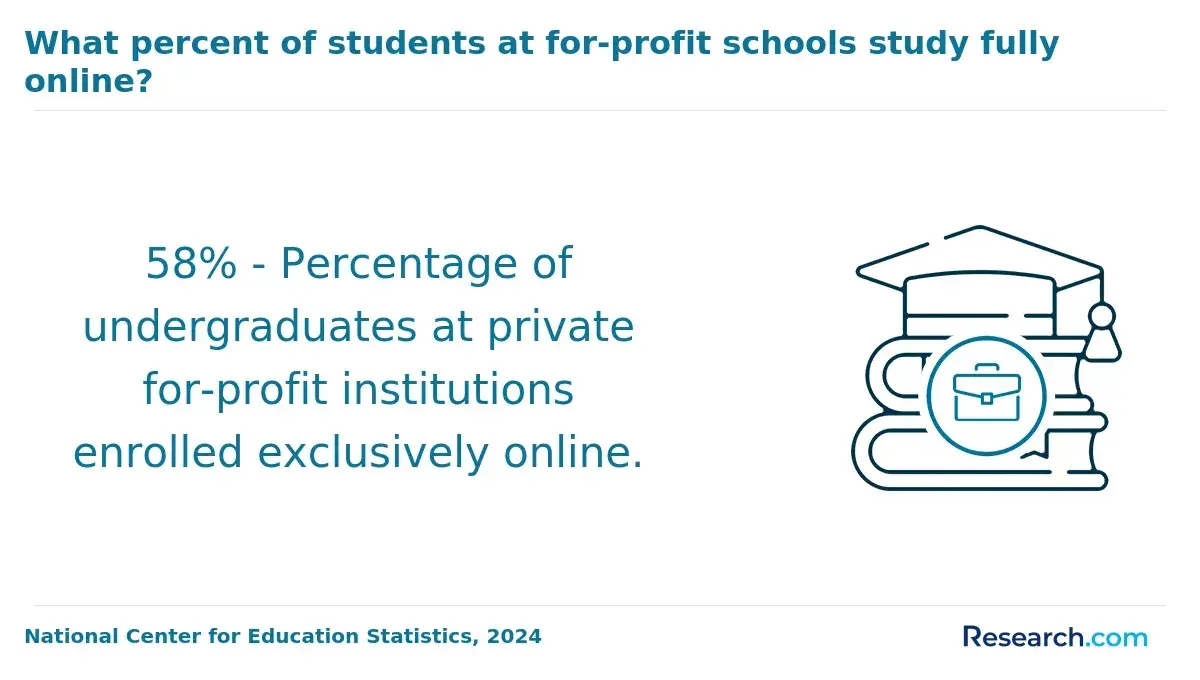
2026 Update: Comparing Humanities Program Formats After Transfer
This 2026 update adds guidance on evaluating how humanities bachelor’s programs are delivered after transfer, since format and scheduling can affect how smoothly students finish upper-division requirements.
- Check whether required junior- and senior-level humanities courses are offered online, hybrid, evening, or only on campus.
- Ask how often key seminars, language courses, methods courses, or capstone classes are scheduled.
- Confirm whether transfer students can enter the major immediately or must complete a separate departmental review.
- Look for access to writing centers, library research support, archives, labs, or digital humanities tools.
- Review whether internships, study abroad, undergraduate research, or teaching assistant options fit your work schedule.
- Ask if the department has dedicated advising for transfer students in humanities majors.
Comparing program format before committing helps students choose a transfer destination that matches their schedule, learning style, and graduation plan.
Transferring community college credits into a humanities bachelor's degree program is often a partial but not complete process. While many credits may be accepted, the final transfer depends largely on how well those courses match the bachelor's curriculum and the rules set by the receiving institution.
For example, data from the National Student Clearinghouse Research Center shows that about 60% of community college credits successfully transfer to four-year schools, though this rate varies depending on the major and school policies. Humanities programs tend to have specific course requirements, making the alignment of completed credits especially important.
Several factors typically influence whether credits will transfer. Courses must closely resemble those in the bachelor's program in content and academic level to be eligible. Accreditation also matters; only coursework from regionally accredited community colleges is generally accepted.
Additionally, coursework that directly relates to humanities fields like literature, philosophy, or cultural studies has a better chance of transferring than unrelated general education classes. Universities often conduct a detailed transcript review and may request syllabi or course outlines to verify equivalency before granting credit.
When asked if he was able to transfer all his community college credits into his humanities bachelor's degree, one graduate shared that the process was surprisingly detailed and sometimes frustrating. "It wasn't just a simple transfer; I had to work closely with advisors from both schools and provide course materials for evaluation," he explained.
He noted that some courses he thought would count toward his degree were instead marked as electives or not accepted at all. Despite these challenges, he emphasized the importance of staying proactive and informed throughout the transfer process, saying, "It took patience, but in the end, focusing on core humanities courses made a big difference."
Choosing the right courses early in community college can significantly improve a student's chance of a timely transfer and degree completion. Studies show transfer students who complete essential coursework beforehand are 30% more likely to graduate on time. To prepare effectively for a humanities bachelor's degree, consider focusing on foundational classes that align with transfer requirements and major prerequisites.
- Core Humanities Surveys: These courses introduce key disciplines such as literature, philosophy, and history, providing a broad cultural and intellectual base essential to humanities majors.
- Writing and Composition: Strengthening academic writing is crucial; therefore, students should take English composition and advanced writing classes to develop critical communication skills.
- Foreign Language: Many humanities programs require or recommend proficiency in a second language, so enrolling in foreign language courses early can fulfill general education and major-specific elective requirements.
- History and Art: Classes in world history or art history enhance cultural understanding and analytical abilities, supporting a deeper grasp of human societies.
- Philosophy and Ethics: These subjects often serve as prerequisites or complementary courses in humanities programs, fostering critical thinking and ethical reasoning needed for advanced studies.
Carefully selecting the best community college courses for humanities transfer not only meets general education demands but also equips students with skills central to the discipline. For students exploring options, reviewing the top 10 online universities can provide insight into successful transfer pathways and program offerings nationwide.
Preparing thoroughly before transferring to a humanities bachelor's degree can greatly enhance academic outcomes and smooth the transition. Data indicates that students who engage in early planning and advising have nearly a 30% higher chance of graduating on schedule. Below are essential steps to help you get ready for this change.
- Evaluate Coursework Review all your completed classes and unofficial transcripts to see how your credits align with the bachelor's program. This helps identify any missing requirements or redundant courses.
- Consult Advisors Establish regular meetings with academic counselors. Their expertise aids in ensuring your course selections and transfer plans meet the specific expectations of the humanities curriculum.
- Prepare Applications Gather and organize all necessary materials such as personal essays, recommendation letters, and portfolios ahead of deadlines. This readiness prevents last-minute stress during submission.
- Understand Program Demands Familiarize yourself with key skills emphasized in humanities studies, including research methods and critical analysis. This awareness helps you adapt your study habits effectively.
Reflecting on her journey, a humanities bachelor's degree student who transferred from a community college shared how initially navigating credit evaluations was overwhelming. She remarked, "It felt like piecing together a puzzle with missing parts." She emphasized how proactive outreach to advisors lessened confusion and helped tailor her academic path.
Additionally, she found that assembling application materials early allowed her more time to refine personal essays and gather strong recommendations, making the process less "rushed and intimidating." These preparations ultimately boosted her confidence entering upper-division courses and improved her ability to engage deeply with humanities topics.
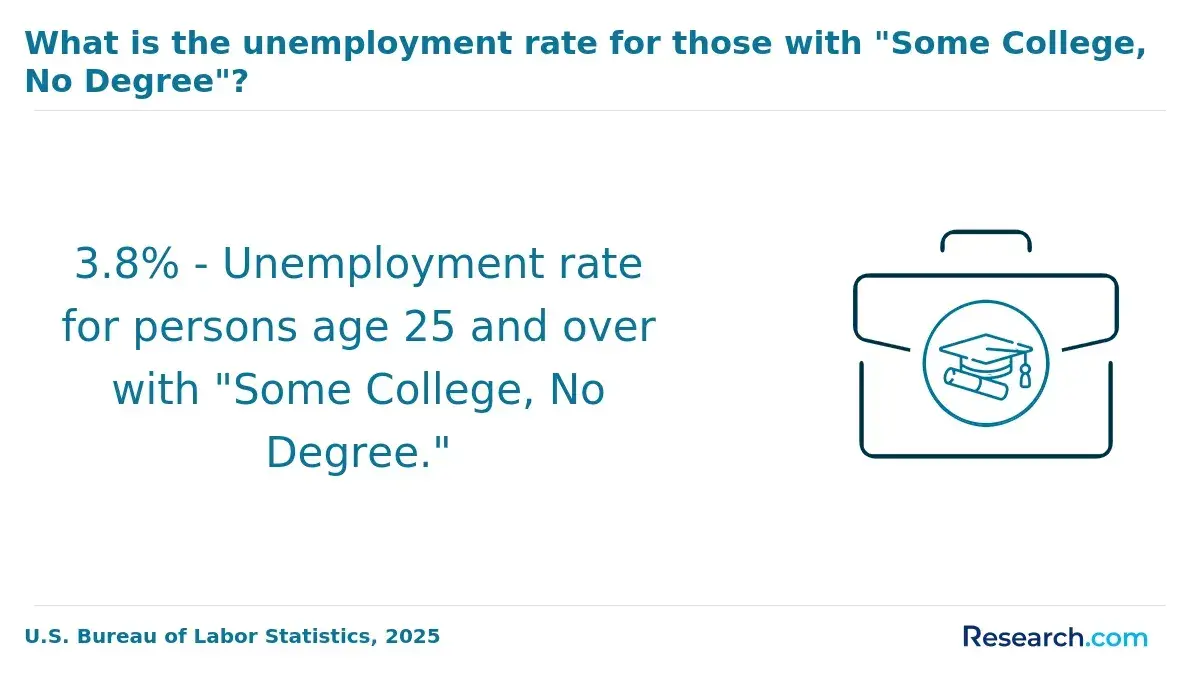
Timing transfer applications to humanities bachelor's programs plays a vital role in ensuring steady academic momentum and a smooth enrollment process. Research shows that roughly 60% of community college students transfer after finishing at least two years, aligning with key coursework or an associate degree. Careful timing helps prevent delays that could extend graduation timelines.
Consider these important factors when planning your application:
- Academic Readiness: Make sure you have completed or nearly completed required prerequisite courses. Having a solid foundation boosts your preparedness for advanced humanities study and strengthens your application.
- Application Windows: Submit applications during typical admission periods, usually in the fall and spring semesters. Applying within these cycles increases your chances of acceptance and starting on schedule.
- Document Preparation: Allow ample time to collect transcripts, letters of recommendation, and personal essays. These materials often take several weeks to finalize and are crucial to a competitive application.
- Advisor Consultation: Work with academic counselors who understand humanities transfer pathways. Their guidance can help you determine the optimal application timeline tailored to your goals and target programs.
Starting at a community college is a popular method for students aiming to earn a humanities bachelor's degree while minimizing education costs. On average, tuition at community colleges is less than half the price of four-year institutions, offering substantial savings during critical early college years. These savings can accumulate significantly before students transfer to complete their bachelor's program.
Several cost factors contribute to why transferring from a community college to a humanities bachelor's degree can be more affordable:
- Lower Tuition Rates: Community colleges charge substantially less per credit hour compared to four-year universities, making general education and prerequisite courses more accessible and affordable.
- Reduced Overall Degree Expenses: Completing core requirements at a community college means students often take fewer costly credits after transferring, lowering the total expense of completing a bachelor's degree.
- Housing and Commuting Savings: Many community college students live at home or close to campus, reducing costs for housing and transportation, unlike relocating for a four-year school.
- Post-Transfer Cost Differences: Tuition tends to increase after transferring, but prior completion of low-cost credits cushions the financial impact during the later, more specialized years of study.
This cost-saving strategy is especially valuable for students pursuing a Humanities bachelor's degree, allowing for manageable tuition expenses while maintaining steady academic progress toward graduation.
Transfer students pursuing a bachelor's degree in humanities may qualify for a variety of financial aid options to help manage education costs. Recent data shows that over 60% of these students receive some form of financial support, emphasizing the importance of available resources. Here are common types of aid that can benefit humanities transfer students.
- Need-Based Assistance: This aid is awarded based on a student's financial situation and helps reduce the overall cost for those with significant need. It is often provided through federal and state programs tailored to support students transitioning from community colleges.
- Federal and State Support: Grants such as the Pell Grant offer funds that do not require repayment, while federal and state loan programs provide borrowing options designed to be manageable for transfer students continuing their education.
- Institutional Aid: Many four-year colleges and universities provide grants or tuition discounts specifically for transfer students who have shown strong academic performance at their community college. This form of aid can be a key factor in making humanities bachelor's degrees more affordable.
- Work-Study Opportunities: These programs enable students to earn money through part-time jobs on or off campus, often connected to their field of study, while gaining valuable work experience that supplements financial aid.
Students interested in scholarships for community college to humanities bachelor's transfer will find these options integral to easing the financial burden. Additionally, exploring hospitality management courses online may offer alternative perspectives on funding and academic pathways that complement humanities studies.
Scholarships for transfer students pursuing a humanities bachelor's degree can be an essential resource for reducing the costs associated with continuing higher education. Nearly 60% of transfer students obtain some financial aid, highlighting the availability of support through various scholarship programs.
These financial aid opportunities for humanities transfer students often come in multiple forms tailored to their unique needs. Below are common types of scholarships to consider.
- Merit-Based Scholarships: These awards recognize students with strong academic records or notable achievements in the humanities field. They reward excellence and can provide substantial support for transfer students advancing their studies.
- Need-Based Scholarships: Designed to assist students who demonstrate financial need, these scholarships take applicants' economic situations into account, ensuring that those requiring crucial aid receive it.
- Transfer-Specific Scholarships: Many colleges offer scholarships specifically for students transferring from community colleges. These funds encourage community college students to continue their education in humanities bachelor's degree programs by alleviating financial barriers.
- Institutional Scholarships: Offered directly by universities or colleges, these scholarships focus on welcoming transfer students and making their transition financially easier, reflecting the institution's commitment to diverse student populations.
- External Scholarships: Various organizations and foundations provide scholarships geared toward humanities disciplines, extending further opportunities beyond institutional aid for transfer students.
Transfer students should thoroughly explore both institutional and external options to maximize available funding. For those considering career paths after their humanities studies, exploring what can you do with an environmental science major might offer additional insight into interdisciplinary opportunities that complement humanities education and broaden professional prospects.
Transferring from community college to a humanities bachelor's degree program provides important educational opportunities but can present several obstacles that affect student progress. These difficulties range from academic hurdles to administrative challenges and can slow down timely degree completion.
Studies show that only about 30% of transfer students earn their bachelor's degree within four years of transferring, illustrating the impact of these barriers.
Common issues faced by students include:
- Credit Transfer Inconsistencies: Community college courses may not match the receiving university's curriculum exactly, which can lead to lost credits or repeating similar classes, delaying graduation.
- Academic Adjustment: Humanities programs typically demand stronger critical thinking, writing, and research abilities, requiring students to quickly adapt to more rigorous coursework than community college classes.
- Documentation and Administrative Demands: The transfer process involves complex paperwork, such as submitting transcripts and meeting strict deadlines, which can cause confusion or hold up progress if not handled carefully.
- Coursework Alignment Issues: Prior community college classes may emphasize broad electives, while bachelor's programs often require specialized humanities subjects, creating gaps in essential knowledge.
What Graduates Say About Community College to Humanities Bachelor's Degree Transfer
- Joey: "After completing my community college coursework, I transferred to a humanities bachelor's degree program because I wanted a broader understanding of culture and society that STEM fields just didn't offer. The cost was surprisingly manageable, especially with transfer scholarships available, which made continuing my education less of a financial burden. This decision transformed my career, opening doors in nonprofit work where my critical thinking and communication skills are now in high demand."
- Morgan: "Reflecting on my journey, transferring from community college to a humanities bachelor's program was a crucial move to align my education with my passion for history and ethics. The affordability of the program allowed me to pursue this path without accumulating overwhelming debt. Professionally, the program sharpened my analytical abilities and enriched my understanding of diverse perspectives, which has been invaluable in my role as a cultural consultant."
- Hudson: "I chose to transfer to a humanities degree after realizing that a community college alone couldn't satisfy my intellectual curiosity about literature and philosophy. The cost was a concern initially, but the university's support for transfer students made it doable. Earning my degree has since been a defining factor in my career as an editor, where my deep appreciation for the humanities informs every project I undertake."
Other Things You Should Know About Humanities Degrees
Yes, part-time enrollment can impact the transfer process. Some institutions prioritize full-time students due to course sequencing and completion rates. However, many schools also value the skills and experiences gained through part-time education, provided that the student meets the transfer requirements.
Joining student organizations related to humanities fields, such as literary clubs, debate teams, or cultural groups, can enhance a transfer student's academic experience. These extracurriculars provide networking opportunities, improve critical thinking and communication skills, and strengthen graduate school or job applications. Volunteering for community arts programs or writing for campus publications also complements humanities coursework.
Yes. Most transfer agreements apply general education first, usually the first 30–60 semester credits, including composition, literature survey, history, and social science courses. Major-specific humanities classes transfer only when they match the receiving university’s lower-division requirements and grade minimum, often a C or better.
- Elite Universities Do Not Care About (Community College) Transfers — Admissions Madness. https://www.admissionsmadness.com/blog/elite-universities-do-not-care-about-community-college-transfers
- Top 23 Scholarships for Transfer Students to Apply for in March 2026 https://bold.org/scholarships/by-demographics/scholarships-for-transfer-students/
- Humanities AA Pathway https://www.hcfl.edu/academics/subjects/humanities/humanities-aa-pathway
- College Transfer: Complete Your Bachelor's in Two Years https://www.pacificu.edu/blog/community-college-transfer-get-bachelors-just-two-years
- Scholarships and financial aid for students - SWPS University https://english.swps.pl/programs/apply-for-scholarships/scholarships-financial-aid
- Humanities https://www.mesacc.edu/programs/humanities
- Advantages of Starting at a Community College | San Juan College https://www.sanjuancollege.edu/blog/benefits-of-transferring-from-community-college/
- Humanities (HUM) Programs | Portland Community College (PCC), Oregon https://www.pcc.edu/programs/humanities/
- Understanding the Value of Humanities Programs at Community Colleges - Community College Enrollment Marketing - Aperture Content Marketing https://aperturecm.com/understanding-the-value-of-humanities-programs-at-community-colleges
- Humanities https://www.ecc.edu/academics/humanities.html