
2027 Cheapest Online Emergency Management Associate Degree Programs That Pay Well: Tuition, Duration, and Career Outcomes

Co-Founder and Chief Data Scientist
Choosing the lowest-cost online emergency management associate degree only makes sense if the program also supports realistic job and transfer goals. The field matters because disasters, cyber incidents, severe weather, and public safety coordination keep demand steady; the U. S. Bureau of Labor Statistics reported a May 2024 median wage of $86,130 for emergency management directors. This guide is for students comparing affordable online associate programs, career changers, first responders, and military learners. You will learn how tuition, duration, accreditation, transfer pathways, and salary outcomes work together so you can choose the best-value option.
Key Things You Should Know
- The lowest advertised online emergency management associate tuition often comes from community colleges, where 60-credit programs can cost under $10,000 before books, fees, and residency differences.
- The highest-paying emergency management-related roles usually require experience or a bachelor's degree; BLS May 2024 data places emergency management directors at a $86,130 median wage, not an entry-level associate-degree wage.
- Best ROI usually comes from a regionally accredited, transfer-friendly program that can be completed in about two years full time or three to four years part time without excess credits.
Which Are the Cheapest Online Emergency Management Associate Degree Programs That Lead to Well-Paying Careers?
The cheapest online emergency management associate degree programs are usually public community colleges or public universities with online tuition set below private online rates. However, the best option is not simply the school with the lowest price; it is the program that combines low total cost, recognized accreditation, relevant emergency planning coursework, and either job-ready skills or bachelor's transfer value.
The table below highlights affordable U.S. online or largely online associate-level options commonly used by students interested in emergency management, homeland security, public safety, and disaster response. Tuition can change by residency, fees, and course load, so use these figures as a comparison starting point and confirm current charges directly with each school before enrolling.
| School | Credential focus | Typical credits | Published online or estimated tuition basis | Estimated tuition for 60 credits | Best fit |
| Barton Community College | AAS in Emergency Management or homeland security-related pathway | About 60 | Low online community college rate | Often under $10,000 before books and non-tuition fees | Students seeking the lowest-cost career-focused route |
| Hutchinson Community College | Emergency services, public safety, or emergency management-related associate pathway | About 60 | Community college tuition with online access | Typically in the low-to-mid five figures depending on residency and fees | Working adults and first responders who need flexible scheduling |
| Arkansas Tech University | Associate-level emergency management or public safety pathway | About 60 | Public university online tuition | Usually higher than the lowest community college options but below many private online colleges | Students who want a public university pathway with transfer potential |
| Frederick Community College | Emergency management, public safety, or homeland security-related associate coursework | About 60 | Community college tuition with different resident and nonresident rates | Highly dependent on county or state residency | Students who may qualify for local tuition discounts |
| Waldorf University | Associate degree in emergency management or public safety-related study | About 60 | Private online per-credit tuition | Commonly above community college totals | Students prioritizing fully online delivery and private university support services |
Students comparing emergency management programs may also want to review nearby public safety options, especially if they are open to law enforcement, corrections, or homeland security careers. For example, a list of the best online associate degree programs in criminal justice can help you compare emergency management with a closely related associate pathway.
A low-cost emergency management associate degree usually prepares students for support roles rather than senior director roles. Common coursework includes incident command systems, disaster planning, hazard mitigation, public safety communications, emergency operations, homeland security, continuity planning, and introductory criminal justice or fire science courses.
How Much Does an Online Emergency Management Associate Degree Cost?
An online emergency management associate degree commonly requires about 60 credits. At a low-cost community college, tuition may fall below $10,000 before fees; at a public university or private online institution, the same credit load can cost substantially more. The College Board's 2024 pricing data showed that public two-year colleges remain the lowest-cost sector for published tuition and fees, which is why community colleges often dominate affordability rankings for associate degrees.
To compare programs accurately, students should look beyond the advertised per-credit rate. The real cost includes every required charge needed to complete the degree, not just tuition.
- Tuition: Multiply the per-credit rate by the total credits required for graduation, usually about 60 credits.
- Mandatory fees: Add online course fees, technology fees, student service fees, graduation fees, and assessment fees.
- Books and materials: Emergency management courses may use textbooks, FEMA training materials, simulations, or software-based assignments.
- Residency rules: Some community colleges charge different rates for in-district, in-state, out-of-state, and online students.
- Transfer-credit value: A slightly higher-cost program may be cheaper overall if it accepts prior college, military, FEMA, or professional training credits.
The following comparison shows how per-credit tuition changes total cost for a 60-credit associate degree. It does not include books, fees, or living expenses, so students should treat it as a base tuition estimate.
| Per-credit tuition | Estimated 60-credit tuition | What it usually indicates | Decision note |
| $150 | $9,000 | Very low-cost community college pricing | Best if accreditation and transfer policies are strong |
| $250 | $15,000 | Moderate public online or nonresident community college pricing | Worth considering if flexibility or credit transfer saves time |
| $350 | $21,000 | Private online or higher public online pricing | Compare carefully against bachelor's transfer value and support services |
| $500 | $30,000 | High-cost associate option | May be difficult to justify unless employer funding or unique benefits apply |
If you are comparing related public safety degrees, it can help to review how total costs are broken down in a neighboring field. This guide to criminal justice degree price considerations can help you spot similar tuition, fee, and online-cost issues.
How Long Does It Take to Complete an Online Emergency Management Associate Degree?
Most online emergency management associate degrees take about two years of full-time study. Part-time students commonly need three to four years, especially if they are working shifts, serving in the military, or balancing family responsibilities. Faster is not always better; the best timeline is the one that lets you finish without withdrawing, retaking courses, or paying for unnecessary credits.
Program length depends on course load, transfer credits, academic calendar, and whether the school offers accelerated sessions. Use the following table to estimate how different enrollment patterns affect completion time.
| Enrollment pace | Typical course load | Estimated completion time | Best for |
| Full time | 12 to 15 credits per term | About two years | Students who can prioritize school and want the quickest path to employment or transfer |
| Part time | 6 to 9 credits per term | About three to four years | Working adults, first responders, military learners, and parents |
| Accelerated online | Shorter sessions with heavier weekly workload | Potentially under two years if courses are available continuously | Motivated students with prior credits or strong time-management skills |
| Transfer-heavy route | Varies by accepted credits | May be shortened significantly | Students with previous college, military, FEMA, or professional training credits |
The biggest timing mistake is choosing a program because it advertises a short completion window without checking course availability. If required emergency management courses are offered only once a year, a student may face delays even in an "accelerated" program.
The highest salaries connected to emergency management usually appear after a student gains field experience, supervisory responsibility, specialized credentials, or a bachelor's degree. An associate degree can help students enter the field, but it should be viewed as a first step into public safety, emergency services, operations, compliance, or disaster response support roles.
The table below uses U.S. Bureau of Labor Statistics May 2024 wage data for occupations that may connect to emergency management education, depending on employer requirements and experience. Median wages are not entry-level offers, and some roles require additional training, certification, civil service hiring, or a bachelor's degree.
| Career path | May 2024 median wage | Associate-degree relevance | Important limitation |
| Emergency management director | $86,130 | Associate coursework can support long-term preparation | Many employers prefer a bachelor's degree and substantial experience |
| Fire inspector or investigator | About the mid-$70,000 range | Helpful if paired with fire service experience and code knowledge | Requirements vary by state and employer |
| Police officer or detective | About the high-$70,000 range | Useful for public safety and homeland security foundations | Academy training, background checks, and local hiring rules apply |
| Occupational health and safety technician | About the low-$60,000 range | Relevant when the program includes safety, risk, or continuity planning | Some employers prefer environmental health and safety coursework |
| Public safety telecommunicator or dispatcher | About the upper-$40,000 range | Accessible entry point for emergency operations experience | Shift work and certification requirements may apply |
Students drawn to emergency planning, workplace safety, hazardous materials, or compliance may also compare this pathway with the best online environmental health and safety programs, since EHS degrees can align more directly with safety technician, compliance, and risk management jobs.
The practical salary takeaway is simple: use associate-level emergency management education to qualify for entry or advancement opportunities, but do not assume the degree alone will place you into a director-level job. Stronger outcomes usually come from pairing the degree with response experience, internships, FEMA Independent Study courses, volunteer emergency management activity, military experience, or later bachelor's study.
The best return on investment usually comes from an affordable, accredited, transfer-friendly program that helps you finish quickly and move into a realistic role. The cheapest program is not always the best ROI if it lacks transfer agreements, has limited course availability, or does not match the career you want.
A useful first-pass ROI comparison is tuition-to-earnings: compare estimated tuition with the median wage of your target occupation, then adjust for entry-level pay, local wages, and whether additional education is required. The following table illustrates how to think about value without treating salary data as a guarantee.
| Program cost profile | Estimated tuition range | Career value condition | ROI interpretation |
| Very low-cost community college | Under $10,000 before fees | Strong if credits transfer or local public safety jobs recognize the credential | Often the best starting value |
| Moderate public online program | About $10,000 to $18,000 before fees | Strong if it offers better advising, transfer pathways, or credit for prior learning | Can beat cheaper options if it shortens completion time |
| Private online associate program | Often above $18,000 before fees | Strong only if flexibility, employer tuition support, or transfer benefits justify the premium | Needs careful cost-benefit review |
| Associate-to-bachelor's pathway | Varies by transfer plan | Strong if the associate degree fulfills lower-division requirements efficiently | May provide the best long-term value for leadership goals |
Common ROI mistakes include comparing tuition without fees, confusing median wages with entry-level pay, ignoring local labor markets, and assuming an associate degree qualifies students for every emergency management job. Students should also avoid enrolling in a cheap program if most credits will not transfer to the bachelor's degree they eventually need.
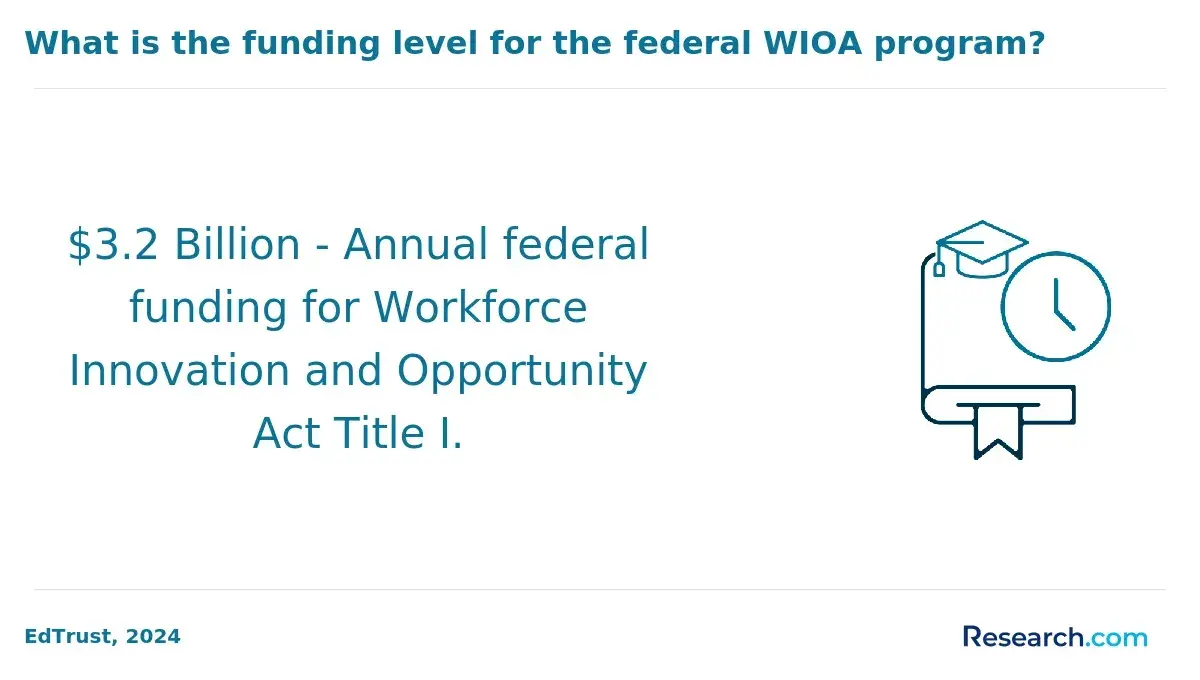
Financial aid can reduce the out-of-pocket cost of an online emergency management associate degree, especially at accredited public colleges. Federal Student Aid reporting for the 2024-25 aid year kept the Pell Grant as a major need-based grant for undergraduate students, which matters because grants do not have to be repaid if eligibility rules are met.
Students should build a funding plan before enrolling, not after the first bill arrives. The most useful options often combine federal aid, state aid, school aid, employer support, and credit for prior learning.
- FAFSA-based grants: Submit the FAFSA to check eligibility for Pell Grants, state grants, and need-based institutional aid.
- Community college scholarships: Ask whether public safety, first responder, adult learner, or local foundation scholarships apply to online students.
- Employer tuition assistance: Fire departments, law enforcement agencies, hospitals, utilities, logistics firms, and local governments may support emergency management training.
- Military and veteran benefits: Eligible students may use VA education benefits, tuition assistance, or credit for military training.
- Credit for prior learning: Some colleges evaluate FEMA training, emergency services certifications, military transcripts, or previous college credits.
- Workforce grants: State or local workforce boards may fund training tied to public safety, emergency services, or critical infrastructure roles.
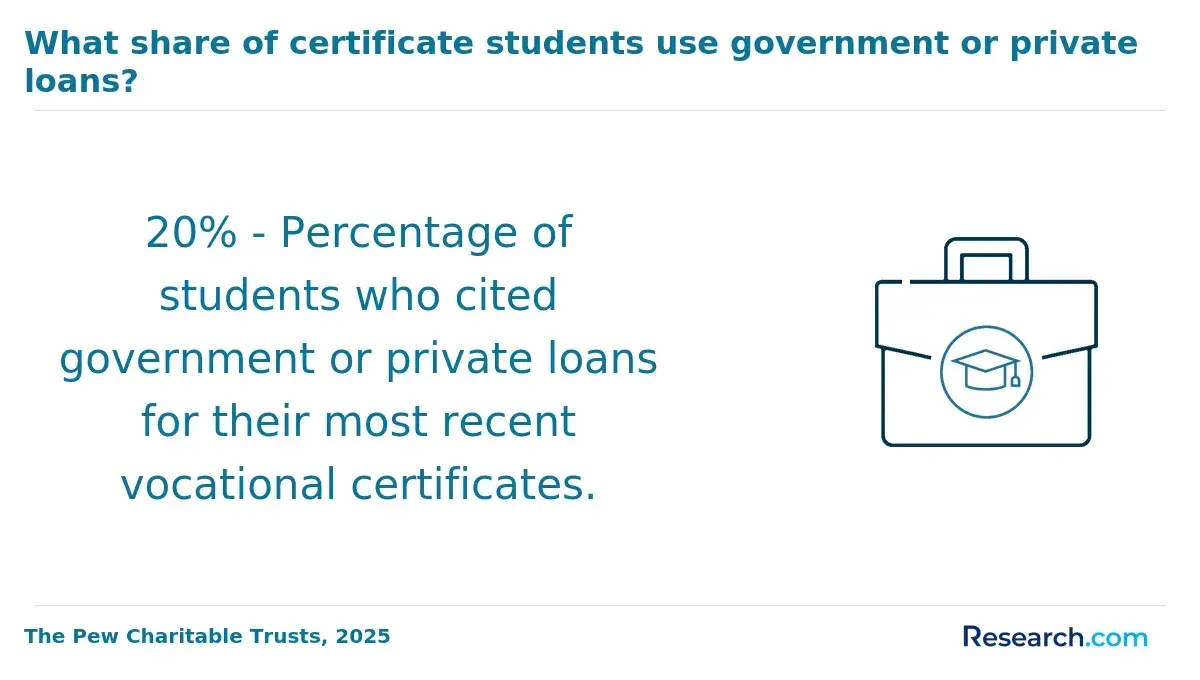
Before borrowing, ask the school for a full cost-of-attendance estimate and a degree audit showing how many credits you still need. Borrowing for a low-cost associate degree may be reasonable for some students, but avoid loans for credits that will not apply to your credential or transfer plan.
Accreditation affects whether students can receive federal financial aid, transfer credits, and earn a credential that employers recognize. For associate degrees, institutional accreditation from a recognized accreditor is usually the first quality check; program-specific emergency management accreditation is less common and should not replace institutional accreditation.
Quality matters because emergency management is practical and coordination-heavy. A strong program should help students understand planning, risk, command systems, communication, public administration, infrastructure, and interagency cooperation.
- Verify institutional accreditation: Confirm that the college is accredited by a recognized institutional accreditor and is eligible for federal student aid if you plan to use aid.
- Review the curriculum: Look for emergency operations, hazard mitigation, incident command, disaster recovery, homeland security, risk assessment, and public safety communication.
- Check transfer agreements: Ask whether credits transfer into emergency management, homeland security, public administration, fire science, criminal justice, or public safety bachelor's programs.
- Ask about faculty experience: Instructors with emergency services, public administration, military, public health, or disaster response backgrounds can add practical value.
- Look for applied learning: Simulations, scenario planning, capstones, internships, and community emergency planning projects can improve job readiness.
Red flags include unclear accreditation, pressure-heavy recruiting, vague tuition disclosures, limited transfer information, and career claims that sound guaranteed. A program can be inexpensive and still be low value if it does not help students advance academically or professionally.
Flexible and accelerated online emergency management associate degrees are most useful for working adults, first responders, military students, and career changers. Flexibility can improve ROI because it may let students stay employed while studying, but accelerated formats can backfire if the weekly workload causes withdrawals or repeated courses.
When comparing flexible programs, focus on structure rather than marketing language. The following features usually matter most for completion speed and cost control.
- Asynchronous courses: These are best for students with rotating shifts because lectures and assignments can be completed within weekly deadlines.
- Eight-week terms: Short sessions can speed progress, but students should avoid taking too many compressed courses at once.
- Year-round scheduling: Summer and winter courses can shorten completion time if required courses are offered consistently.
- Prior learning assessment: Credit for FEMA, military, fire service, EMS, law enforcement, or previous college learning can reduce both cost and time.
- Stackable certificates: Certificates in emergency management, homeland security, or public safety may count toward the associate degree and provide an earlier credential.
- Online student services: Remote advising, tutoring, library access, career help, and transfer planning can prevent delays.
Students should ask for a term-by-term course map before enrolling. If the school cannot show when each required course will be available online, the advertised completion time may not reflect reality.
Yes, an online emergency management associate degree can support career advancement or lead to a bachelor's degree, but the path depends on the degree type. An AA or AS is often more transfer-oriented, while an AAS is usually more career-focused. Some AAS credits transfer well, but others may count as electives rather than major requirements.
Students should choose the degree type based on whether their next step is employment, promotion, or bachelor's completion. The table below summarizes the major differences.
| Degree type | Main purpose | Best use | Transfer caution |
| Associate of Arts | General education and transfer | Bachelor's study in public administration, criminal justice, homeland security, or emergency management | May include fewer technical emergency management courses |
| Associate of Science | Transfer with more analytical or technical coursework | Bachelor's programs involving risk, public safety, data, or environmental hazards | Confirm math and science requirements match the receiving school |
| Associate of Applied Science | Career preparation | Public safety support, emergency services advancement, operations roles, or immediate workforce entry | Some technical credits may not transfer into bachelor's major requirements |
Students interested in broader law enforcement, corrections, homeland security, or public safety administration pathways may compare emergency management with an online criminal justice degree, especially if their long-term goal requires a bachelor's credential.
The smartest approach is to identify the bachelor's program first, then choose the associate degree that transfers cleanly into it. This prevents a common mistake: completing the cheapest associate degree and later discovering that many credits do not apply toward the next credential.
How Should Students Choose the Cheapest Online Emergency Management Associate Degree for Their Career Goals?
Students should choose the cheapest online emergency management associate degree by balancing total cost, completion time, transfer value, and career fit. A low price is valuable only if the credential moves you closer to a specific goal, such as emergency operations support, public safety promotion, dispatcher advancement, fire service leadership, or bachelor's transfer.
Use the following decision sequence before applying. It turns tuition and salary information into a practical enrollment choice.
- Define your target role: Decide whether you want entry-level emergency services work, advancement in a current public safety job, or transfer into a bachelor's degree.
- Check employer expectations: Review local job postings to see whether employers ask for an associate degree, bachelor's degree, experience, certifications, or civil service testing.
- Calculate total cost: Add tuition, fees, books, technology charges, graduation fees, and any travel or proctoring costs.
- Confirm accreditation: Verify institutional accreditation before assuming credits, aid, or employer recognition will be available.
- Compare completion maps: Ask each school for a course sequence showing how long the degree will take online.
- Evaluate transfer value: If you may pursue a bachelor's degree, request written transfer information from both the associate and bachelor's institutions.
- Ask about credit for prior learning: Submit military, FEMA, fire, EMS, law enforcement, or previous college records for evaluation before enrolling.
- Estimate local earnings: Compare program cost with wages in your state or region, not only national medians.
- Review student support: Prioritize programs with online advising, tutoring, career services, and responsive faculty access.
You should avoid choosing an associate degree based mainly on low cost if your target job normally requires a bachelor's degree, if the program has weak transfer agreements, or if hidden fees make the final price much higher than advertised. In those cases, paying slightly more for a faster, better-aligned, or more transferable program may produce stronger long-term value.
Other Things You Should Know About Emergency Management
Not always, but they can be useful. Many programs reference FEMA training because it introduces incident command, disaster response, and emergency operations concepts. Some colleges may award credit for selected completed courses, but policies vary.
Yes. Introductory associate programs are designed for beginners as well as working responders. Students without experience should look for applied projects, internships, volunteer emergency management opportunities, or entry-level public safety roles to build a resume.
In most cases, diplomas do not specify online delivery, but policies vary by institution. The more important issue is whether the college is properly accredited and whether the curriculum matches your career or transfer goal.
Usually not for standard online coursework. However, internships, public safety jobs, law enforcement roles, emergency communications positions, or government security-sensitive roles may require background checks, drug screening, or additional hiring requirements.
- Emergency Management https://www.jibc.ca/areas-of-study/emergency-management/emergency-management
- The future of emergency management higher education https://wmpllc.org/ojs/index.php/jem/article/view/4021
- 10 Best Emergency Management Fields https://www.drury.edu/business/management-major/10-best-emergency-management-fields/
- How to Become an Emergency Management Specialist https://www.publichealthdegrees.org/careers/emergency-management-specialist/
- Emergency Management AAS Degree https://www.lonestar.edu/programs-of-study/emergency-management-aas
- Emergency Management Career | Degree and Licensing Paths https://www.publichealthonline.org/emergency-management-career/
- 2025 Most Affordable Online Emergency Management Degrees https://www.onlineu.com/most-affordable-colleges/emergency-management-degrees
- Emergency Management - Forsyth Tech Community College https://www.forsythtech.edu/programs/emergency-management/


